Month: June 2026

Remembering Fathers

Father’s Day has a way of sneaking up quietly, without the big buildup that comes with other holidays. Maybe that’s fitting. Most dads I’ve known weren’t much for the spotlight anyway. They showed up in quieter ways—fixing things, steadying the ship, offering a ride, a hand, or a nudge in the right direction.

As the day rolls around, I find myself thinking less about grand gestures and more about the small moments that stick. A bit of advice that didn’t make sense until years later. A laugh shared over something that wasn’t all that funny. The way a father can say a lot without saying much at all.

Not everyone has the same story with their dad, and Father’s Day can stir up a mix of feelings. But maybe that’s the point of the day—to pause long enough to notice whatever shaped us, taught us, or stayed with us.

So here’s a gentle suggestion: take a moment today to remember a father, stepfather, grandfather, mentor, or any steady presence who helped you along the way. A quiet thank‑you, even unspoken, can go a long way.

Biggest Misconception About Happiness

Daily writing prompt
What’s a common misconception people have about happiness?

How many of us treat happiness like a destination. It’s easy to fall into the habit of saying, I’ll be happy when things settle down… when I retire… when I finally get this or finish that. I’ve said versions of that myself over the years.

But I’m starting to wonder if that mindset puts happiness on layaway. Maybe it doesn’t need to be postponed quite so far into the future. Maybe it’s already tucked into the smaller moments we tend to rush past—the first cup of coffee, a friendly wave from a neighbor, a memory that shows up out of nowhere and makes you smile.

I’m not claiming to have the formula figured out. Far from it. But I’ve noticed that the days when I slow down enough to notice the ordinary good things tend to feel a little lighter. A little more grounded.

So this isn’t advice, just an invitation: maybe happiness isn’t something we chase. Maybe it’s something we catch in the corner of our eye when we’re not trying so hard to find it.

Marketing Books Effectively

Daily writing prompt
If you could instantly master any skill, what would it be and why?

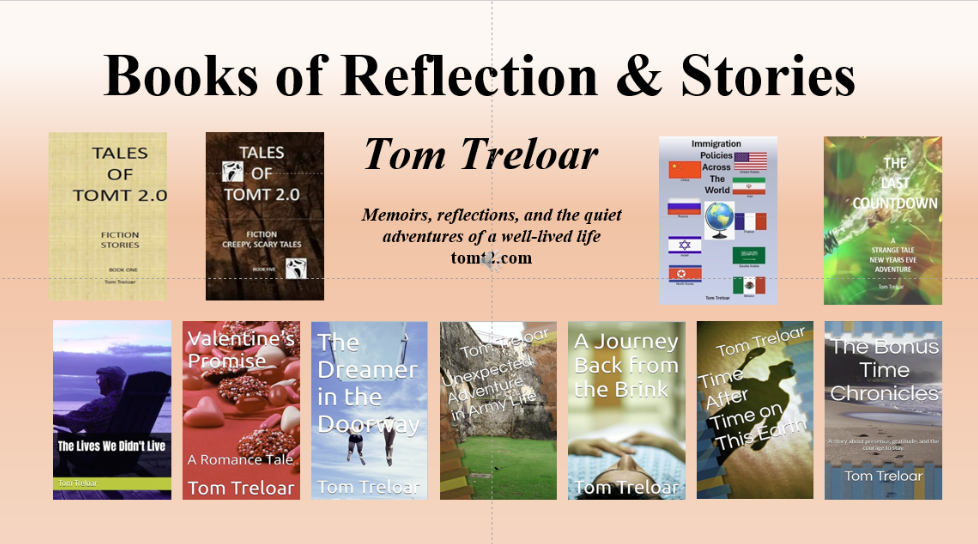
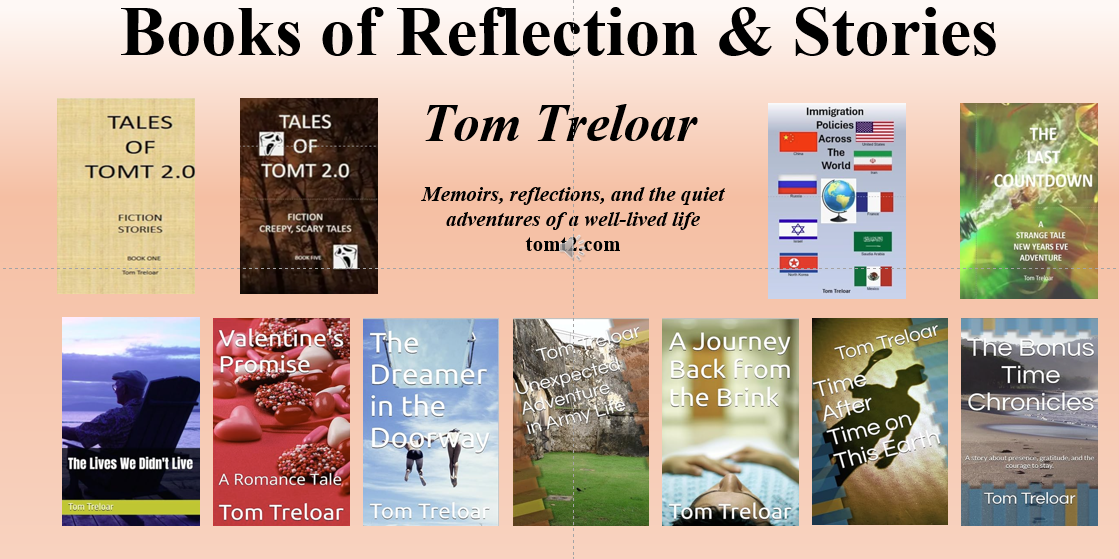
If I could magically master any skill, it would definitely be the art of marketing my fourteen books on Amazon—because who wouldn’t want to reach a broader audience and get the attention of readers who might actually enjoy the stories I’ve sweat over? Picture this: I’d whip up ad campaigns so captivating, they’d make your grandma want to buy a book even if she’s never turned a page in her life! I’d team up with influencers and bloggers in the literary world, like an Avengers squad, to make sure my masterpieces don’t just whisper in the shadows of obscurity but shout from the rooftops of the bestseller lists. Mastering these skills wouldn’t just get my books noticed; it’d create a whole fan club of enthusiastic readers who, instead of scrolling endlessly on their phones, would engage with my work like it was the latest gossip. Talk about turning my passion for writing into a wildly successful carnival ride!

Link to my author page on Amazon

MY EGO IS HUNGRY!

Since this post was published, I received an email from BookBub that I can have a website via BookBub. I took up the offer and here is the website link. https://tom-treloar.author-pages.com/

CHECK IT OUT

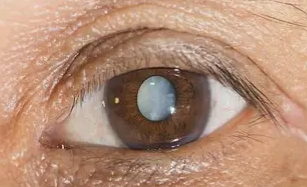
Advancements in Cataract Surgery

Yesterday my wife had double cataract surgery, a significant procedure that marks a crucial point in her journey towards clearer vision. I had surgery myself in 2002 and again five years later in 2007, so I understand firsthand the emotional and physical aspects of the experience. In those 20 plus years, I have witnessed remarkable advancements in medical technology and techniques, which have improved not just the safety but also the effectiveness of the procedure. The changes in these two decades, including innovations in lens materials and surgical methods, have contributed to faster recovery times and better outcomes, giving us hope for a brighter future post-surgery.

When my procedures took place, I had a regiment of antibiotic eye drops starting 2 days before the procedure and continuing for 3 to 5 days after the procedure to ensure proper healing and to combat any potential infections. However, I recently learned that the current approach has shifted significantly; now, it seems they don’t act very concerned about eye infections at all. This change intrigued me, so I felt compelled to ask the medical team about the reasoning behind it. They explained that over time, their research and observations revealed that very few patients actually end up developing eye infections following the procedures. As a result, they determined that the routine use of prophylactic antibiotic eye drops could be eliminated, which not only streamlines patient care but also minimizes unnecessary medication usage. It’s fascinating how medical practices evolve based on emerging data and patient outcomes.

When mine was done, it was a strict no-no to perform surgery on both eyes at the same time, due to the potential risks and complications involved. Surgeons advised waiting for one eye to heal completely before addressing the other, as this cautious approach was deemed necessary to ensure the safety and effectiveness of the procedure. However, in recent years, advancements in medical technology have significantly changed this perspective. Now, they say that if the eyes are ripe for surgery or in urgent need of replacement, they frequently operate on both eyes simultaneously with increased confidence and without significant concerns. This shift in practice not only accelerates recovery time for patients but also enhances their overall visual outcomes, allowing many to return to their daily activities much quicker than before.

It is still an outpatient procedure, and the time takes around 4 hours, which allows patients to return home the same day without the need for an overnight hospital stay. Additionally, a follow-up appointment the next day is required to ensure everything is healing properly and to address any potential concerns. It is just amazing how the medical innovations have progressed, making such procedures safer and more efficient, ultimately improving patient outcomes and enhancing the overall experience for those undergoing treatment. Patients can feel more at ease knowing that advancements in technology and techniques have significantly reduced recovery time and minimized discomfort.

If you reach the age of 60 you will more than likely need cataract replacements sometime in your remaining years.

UPDATE: IN A FOLLOW UP VISIT, I FIND OUT THEY GIVE AN ANTIOBOTIC THROUGH AN I V DURING SURGERY.

Link to post of November 2023 blog

Advice for My 20-Year-Old Self: Stop Smoking

Daily writing prompt
What is something you wish you could tell your 20-year-old self?

I would tell myself to Stop Smoking! I started smoking in 7th grade because of peer pressure, a curious attempt to fit in and be accepted by my friends, and once you are hooked, you are hooked bad, ensnared in a cycle that feels almost impossible to break. The initial thrill of rebellion quickly turned into a dependency that clouded my life and stole my breath, affecting my health and my ability to engage in activities I once loved. I finally quit when I was 28 filled with repeated attempts and numerous setbacks before I was successful in beating that nasty habit, a journey that taught me resilience and the importance of self-control, ultimately leading me to appreciate the freedom of living smoke-free.

Stopping smoking was the most difficult thing for me to do in my entire life.

Link to article I wrote in November 2023 about the same subject.

The Fragile Threads of Dreams

Audio PODCAST

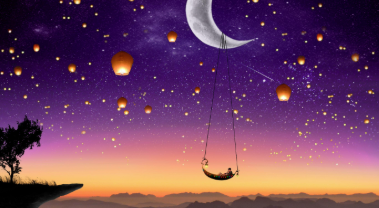
Every night, Bernadette and George met in a dreamworld where gravity bent, colors bled into impossible hues, and buildings pulsed like living things, resonating with a heartbeat that felt both foreign and familiar. They were strangers in waking life, unaware of each other’s existence, yet in this surreal realm, they were constant companions, bound by threads of fate that transcended the ordinary. As they explored the ever-shifting landscapes, laughter and whispered secrets filled the air like a melody, intertwining their souls in a dance of dreams. The first time they locked eyes, standing on a glass bridge over a sea of stars that shimmered with the essence of forgotten dreams, they both felt it—a jolt of recognition, though they’d never met, as if the universe had conspired to weave their destinies together in this ethereal space where the laws of reality faded into the backdrop of their shared imagination.

Bernadette, a quiet barista in Seattle, had dreamed of this enchanted place since childhood, her imagination ignited by tales of magic and wonder. George, a seasoned carpenter in Dublin, had been wandering its shifting landscapes for years, seeking solace and inspiration in a world that seemed to echo his innermost thoughts. The dreamworld was vast and mesmerizing, with forests of liquid light that shimmered like jewels and rivers that whispered secrets of forgotten lore. They’d find each other instinctively, drawn like magnets across the ethereal expanse. At first, they explored in silence, marveling at floating islands suspended in mid-air, or the playful dance of shadows that brought life to the otherwise still surroundings. Then, as curiosity overcame their initial shyness, they began to share their thoughts—discussing the dreamworld’s whimsical rules, its breathtaking beauty, and their own lives that felt burdensome in the waking world. In that surreal haven, the barriers of reality faded away, and neither questioned why they shared this extraordinary space; it felt not just coincidental but profoundly inevitable, as if the universe had conspired to unite their souls in this sanctuary of dreams.

One night, under a sky of spiraling fractals, Bernadette asked, “Why us? What’s connecting us?” George, carving intricate patterns into a glowing tree, paused and looked up, pondering her question with a faraway gaze. “Maybe we’re two halves of something,” he said, his voice barely above a whisper but carrying the weight of their entwined fates. They pieced together clues, reflecting on their journeys: both had lost someone—a parent for Bernadette, a brother for George—and both carried a peculiar loneliness, a profound sense of being unmoored in a world that seemed to move on without them. In the silence that followed, they shared unspoken fears and dreams, realizing that their paths had diverged only to converge in this ethereal space. The dreamworld, they theorized, was not merely a random occurrence but a bridge between their minds, forged by shared grief and collective healing, a frequency only they could tune into, where the memories of their loved ones lingered like echoes, guiding them through their solitude.

They grew close, sharing stories on dreamlit cliffs that seemed to stretch endlessly beneath the vast, starry sky. Bernadette described Seattle’s rain, how it fell gently like whispered secrets upon her skin, while George mimicked Dublin’s pub songs, his voice echoing the lively spirit of the city. They laughed, their joy ringing through the air, argued about whimsical topics, and even danced once on a field of mirrored grass that glimmered under the moonlight. The dreamworld felt more real than their waking lives, each moment vibrant and full of emotion, as if they could touch the very fabric of their dreams. But neither could find the other outside the dream—no names to call out in the waking world, no addresses to search for, just fragments of a bond that lingered like the sweet, haunting melodies of the songs they shared. Their connection, though ephemeral, shone brightly within their hearts, leaving an imprint that would always tie them to those fleeting moments of pure magic.

Then George stopped appearing. The first night, Bernadette wandered alone, calling his name as the dreamworld dimmed, its colors muted, as if the very essence of her dreams had faded with him. Days turned into weeks, blending together in a hazy confusion, leaving her feeling isolated and lost. The once vibrant landscapes she would traverse grew brittle, crumbling under the weight of his absence, the trees sagging as if mourning the loss of their companion. Without George’s presence, the joyful laughter they shared echoed in her mind like distant memories, leaving an ache in her heart. Bernadette’s dreams became erratic and disjointed, sometimes filled with strange images that made no sense, while other times they formed empty voids that swallowed her whole. In waking life, her desperation deepened as she scoured the internet, spending countless hours posting vague descriptions of him on forums, hoping against hope that someone, somewhere might have seen him or could offer a clue. Yet, despite her efforts and the plethora of messages she sent into the digital abyss, she found nothing but silence, each reply further fueling her despair.

Unknown to her, George lay in a Dublin hospital, in a coma after a catastrophic work accident that had left everyone in shock. His mind, once a beacon in their shared dreamworld, was silent and unreachable, shrouded in darkness. Without his consciousness to anchor it, the dreamworld, once vibrant and full of life, began to crumble under the weight of uncertainty. Bernadette felt it fading around her, like a cherished memory slipping away from the grasp of her mind. Desperate to maintain a connection to him, she clung to sleep each night, where she sketched the dreamworld’s landscapes with all the vivid details she could muster, drawing rivers that sparkled under imaginary moons and forests that whispered secrets. Each stroke of her imagination was a lifeline to the beauty they had created together a world teeming with colors and emotions that felt almost tangible. But with each passing night, as George remained adrift in his silent slumber, less and less of that precious world remained, transforming into shadows of what once was, leaving Bernadette increasingly anxious and lonely.

One night, the dreamworld vanished entirely, slipping through her fingers like sand. Bernadette woke sobbing, feeling as if a piece of her soul had been ripped away, the loss as sharp as losing a home where she had built countless memories. In Dublin, miles away yet connected by invisible threads, George’s monitors flatlined, their steady beep replaced by an ominous silence. Their connection, born of shared sorrow and a strange cosmic alignment, dissolved with his final breath, leaving an emptiness that echoed through both their lives. Bernadette never learned his name, yet she carried the dreamworld’s echoes within her, painting its impossible colors on the canvas of her heart, searching for him in every stranger’s face she passed in the bustling streets, wondering if the universe would ever align their paths again in a way that could rekindle the bond they had unknowingly forged in the dreamscape. The world outside seemed less vibrant, a mere shadow of the brilliance they had shared in those fleeting moments, and she longed for a sign, a whisper from the cosmos that he might still be out there, dreaming alongside her in some parallel realm, waiting for the moment when their destinies could intertwine once more.

Understanding Flag Day

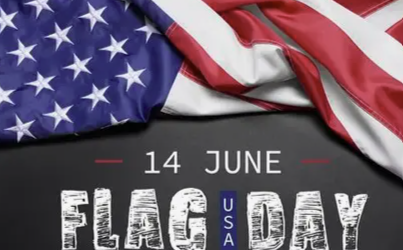
June 14th slips onto the calendar without the fanfare of the big summer holidays, but Flag Day has its own kind of quiet charm. It’s a day that asks us to pause—not for fireworks or parades, but for a simple moment of appreciation. The American flag has flown over our best days and our hardest ones, over front porches, schoolyards, stadiums, and small-town streets across the country.

For many of us who’ve lived our whole lives in the Denver Metro area, that flag has been a steady backdrop to decades of change. Today is a reminder that symbols matter because the people behind them matter. Neighbors, families, veterans, teachers, first responders, and all the everyday folks who keep this place moving forward.

So on this Flag Day, take a second look at the red, white, and blue waving in the warm June breeze. It’s not about politics—it’s about gratitude, history, and the shared story we’re still writing together.

Do You Remember This?

June 12, 1987, President Ronald Reagan famously told Mikhail Gorbachev to “tear down this wall” at the Brandenburg Gate in Berlin, a powerful declaration that resonated around the world and symbolized the growing desire for freedom and unity in a divided Europe. This iconic moment occurred during a significant period in the Cold War, when tensions were high and the Iron Curtain divided East and West. Reagan’s words urged the Soviet leader to take a bold step towards dismantling the barriers that separated families and friends, emphasizing the importance of liberty over oppression. As millions watched on television and gathered in the streets, this call to action not only inspired hope among those living under communist regimes but also marked a pivotal turning point in the struggle against tyranny, setting the stage for future changes in Eastern Europe.

Finding Joy in Everyday Moments

Some days don’t need fixing. They just need noticing. This Thursday feels like one of those days.

Maybe it’s the way the morning light shows up without any drama, or the quiet comfort of a familiar routine. Maybe it’s simply the reminder that we get another chance today—another cup of coffee, another laugh, another moment that surprises us in a good way.

There’s always at least one small good thing waiting to be found. A friendly wave. A memory that makes you grin. A breeze that carries the promise of summer. Pick one and let it lift you a little.

Overcoming Fear

Daily writing prompt
What’s a fear you’ve overcome — and how did you do it?

My fear was life. From being a toddler to now, I lived engulfed in a cloud of apprehension that seemed to follow me everywhere. I feared going to grade school, my heart racing at the thought of navigating the unknown social landscape. Then came junior high, where insecurities grew like weeds in my mind, and finally high school, a daunting arena filled with social hierarchies and expectations that felt insurmountable. It was all so fearful, an endless cycle of anxiety and self-doubt. Girls feared me, perhaps sensing my own fears reflected in their eyes, and it only deepened my isolation. My mother didn’t help at all when she echoed the stubborn echoes of societal expectations, saying, “Tom, remember, girls get pregnant and many girls get pregnant to land a husband,” words that lingered ominously in my mind, amplifying my worries, and turning every encounter with the opposite sex into a potential disaster. Each stage of my life felt like a battleground against the invisible forces of fear that sought to paralyze me, leaving me yearning for a sense of peace that seemed so far out of reach.

Getting drafted into the army feared me, as I couldn’t shake the anxiety that gripped my heart at the thought of leaving behind my family, friends, and the life I had carefully built. The uncertainty of military life, filled with rigorous training and the possibility of being deployed to dangerous locations, loomed over me like a dark cloud. My mind raced with questions about whether I would be capable of facing the challenges ahead, the fear of the unknown palpable as I envisioned the sacrifices I might have to make. I always wondered, “will I be able to shoot and kill?” Fortunately, I never had to encounter that situation.

Marriage feared me, an unrelenting shadow that loomed over my heart, whispering doubts and insecurities, convincing me that commitment was a cage rather than a sanctuary. In the quiet moments of reflection, I could almost hear the distant echoes of friends’ stories, tales of heartbreak and disillusionment, fueling my fears and reinforcing the belief that love was a fragile construct prone to unraveling at the slightest touch. As I navigated through the complexities of relationships, a nagging voice in my mind reminded me that vulnerability could lead to pain, and so I retreated, holding love at bay like a flickering flame that could easily be extinguished by the winds of reality.

A near death experience feared me, until I had a preview of time after death. In that moment, time seemed to stretch infinitely before me, enveloping me in an overwhelming sense of tranquility and serenity. The feeling of peace, TOTAL PEACE, is a feeling that cannot be explained, as if all my worries, fears, and doubts had been lifted away like autumn leaves blown by a gentle breeze. I found myself floating above my past, witnessing the moments that defined my life, each one infused with a clarity and understanding that had eluded me before. It was as though I had been given a glimpse into the vastness of existence beyond the physical realm, where love and acceptance reigned supreme. This profound experience transformed my perspective on life, imbuing my soul with solace and an unwavering sense of hope that transcends earthly struggles.

How did I overcome fear? Easy, I just did the best I could, focusing on my abilities and trusting in the process, and it always worked out in the end. Each time I faced a daunting challenge, I reminded myself that the only way to truly conquer my fears was to confront them head-on. By embracing the discomfort and pushing through, I discovered a newfound resilience within myself. I realized that fear was simply a stepping stone towards personal growth, and each experience taught me valuable lessons that shaped my character and strengthened my resolve. Ultimately, it was the commitment to act, despite my fears, that led to experiences far richer and more rewarding than I had initially imagined.

Surviving Monday Mornings

Good morning, readers.
If you’re reading this, congratulations—you’ve survived another Monday morning. That alone deserves a medal, or at least a second cup of coffee.

Mondays have a personality all their own. They don’t tiptoe in politely. No, they kick down the door like a sitcom neighbor and shout, “Rise and shine, sunshine!” while we’re still trying to remember our own names.

The alarm goes off, and suddenly the bed feels like the most comfortable place on earth. The dog looks at you like, “You’re getting up? Voluntarily?” The coffee maker sputters like it’s also questioning your life choices. And the to‑do list you wrote last night—when you were feeling optimistic and borderline delusional—now reads like a cruel prank.

But here’s the thing: Mondays are honest. They don’t pretend to be anything other than what they are—a slightly chaotic, mildly judgmental restart button. And once you get past the first ten minutes, they’re not so bad. You find your rhythm. You remember how to be a functioning human. You even start believing you might accomplish something today.

So here’s to Monday: the day that tests us, teases us, and occasionally trips us, but still gives us a fresh start whether we’re ready or not.

May your coffee be strong, your patience be long, and may you avoid replying‑all to anything before noon.

June 6, 1944

June 6, 1944, stands as one of the most consequential mornings in human history—a day when the course of World War II, and the world itself, shifted.

On the early morning of June 6, 1944, the Allies launched the largest combined naval, air, and land operation ever attempted. Codenamed Operation Overlord, it was the long‑awaited invasion of Nazi‑occupied France. In the dark hours before dawn, airborne troops dropped behind enemy lines to secure key positions, and at 6:30 a.m., the first waves of soldiers began landing on the five assault beaches: Utah, Omaha, Gold, Juno, and Sword.

By the end of the day, roughly 156,000 Allied troops had come ashore, establishing a foothold that would grow into the liberation of Western Europe. The cost was staggering—thousands of Allied soldiers were killed facing the fortified German defenses—but the mission succeeded.

The images we remember—grainy photos of young men stepping into surf under fire—capture only a fraction of the courage it took. Those troops faced what seemed like an impossible task, yet they pressed forward, beach by beach, yard by yard.

D‑Day wasn’t just a battle. It was a turning point. A day when ordinary men performed extraordinary acts, and the world began its long march toward freedom.

Do they even teach about this anymore?

Do I Believe in Soulmates? You Bet I Do.

Daily writing prompt
Do you believe in soulmates? Why or why not?

People sometimes ask if I believe in soulmates, and I don’t hesitate. You bet I do. Not in the Hollywood sense, not in the lightning‑bolt, fireworks‑over-the-city sense. I believe in the quieter kind—the souls who cross our path and leave fingerprints on our life that never quite fade.

A soulmate isn’t always a spouse or a lover. Sometimes it’s a friend, a teacher, a stranger who says one sentence you never forget. Sometimes it’s someone you knew for a season, someone you lost too soon, someone who showed up at exactly the right moment and changed the direction of your life without ever knowing it.

A soulmate is anyone whose presence rearranges something inside you.

I’ve had my share of those in my lifetime. People who helped me see myself more clearly. People who taught me how to be braver, kinder, more awake. People who reminded me that connection is the real currency of this world.

And maybe that’s why I write so much. Words are my way of honoring those connections—past, present, and the ones still waiting around the corner. Writing is how I keep the conversation going with the souls who’ve walked with me, even if only for a short stretch of the road.

So yes, I believe in soulmates. Not because it’s romantic, but because it’s true. Some people are simply meant to find us.

Throughout my life, I have encountered significant individuals who resonate deeply with my soul. During my formative years, I met Jim, Jerry, and Sandra. In my time serving in the army, I crossed paths with Angelo and Vince. As I embarked on my professional journey, I encountered Jack, Darlene, and numerous others. In retirement and during my spiritual pursuits, I met Bill, Mel, Delores, Scott, and Stan. Even in the realm of the digital age, I found soulmates such as Blake and Barbara. Each time I identified a soulmate, an immediate and profound connection emerged, devoid of awkwardness, revealing the undeniable truth that our paths were destined to converge.

The Power of Words

Daily writing prompt
What’s something you’d love to see in the future, but know you probably won’t live to witness?

A Hope for Quieter Hearts

Lately, I find myself wishing—deep in my bones—that the hate and anger in this country would finally begin to fade. Not because I’m naïve, and not because I expect everyone to suddenly hold hands and sing in harmony. I just believe we’re capable of better than the constant shouting, the suspicion, the quickness to assume the worst in each other.

Maybe that’s why I write so much.

Every story, every blog post, every book is my small attempt to put something gentler into the world. Something human. Something that reminds us we’re more alike than we are different. I don’t have the power to change the national mood, but I can change the tone of my own little corner of it.

And maybe—just maybe—that’s how things begin to shift.

Not with grand speeches or sweeping declarations, but with ordinary people choosing kindness over cruelty, curiosity over judgment, connection over division. With people who still believe in listening. With people who still believe in each other.

I can’t control the world, but I can control the words I send into it. And I choose to send out words that soften instead of sharpen, that open instead of close, that remind instead of accuse.

If enough of us do that—quietly, consistently, stubbornly—maybe the temperature will drop. Maybe the noise will settle. Maybe we’ll remember how to talk to one another again.

I’d love to see that happen. And until it does, I’ll keep writing toward it.

Minimalist Living

Daily writing prompt
What are the biggest benefits of minimalist living?

When I saw this prompt, I thought, “what is minimalist living”? I didn’t have a clue what this was. I am over eighty and have led a sheltered life. Therefore, I went to AI and asked for an explanation. Here is what Mr. Hypertyper replied with.


Minimalist living is a lifestyle philosophy focused on intentionally owning and doing less to create space for what truly matters. It emphasizes simplicity, purpose, and freedom from excess—whether that’s physical clutter, unnecessary commitments, or distractions.

becomingminimalist.comCore IdeaAt its heart, minimalism is the idea that “less is more.” It’s not about extreme deprivation, living in an empty room, or rejecting all possessions. Instead, it’s about curating your life so that everything you keep serves a purpose, brings joy, or adds real value.

theminimalists.comPopular definitions include:

  • Joshua Fields Millburn & Ryan Nicodemus (The Minimalists): “Minimalism is the thing that gets us past the things so we can make room for life’s most important things—which actually aren’t things at all.” theminimalists.com
  • Joshua Becker (Becoming Minimalist): Intentionally promoting what you value most and removing everything that distracts you from it. becomingminimalist.com

It applies beyond stuff—to your time, relationships, schedule, digital life, and spending habits.Key Principles

  • Intentionality: Regularly ask, “Does this add value to my life?” If not, let it go.
  • Quality over quantity: Choose fewer, better items that last.
  • Focus on experiences: Prioritize relationships, health, passions, growth, and contribution over material accumulation.
  • Mindful consumption: Avoid impulse buys and “just in case” items.
  • Simplicity: Reduce decisions, clutter, and obligations for more clarity and freedom. conni.me

What Minimalist Living Looks Like in Practice

  • Home: Fewer possessions, clear surfaces, multifunctional furniture, and a calm aesthetic. Think neutral colors, natural light, and only items you use regularly.
  • Wardrobe: A small “capsule” collection of versatile, high-quality clothes.
  • Schedule: Saying no to non-essential commitments to free up time.
  • Finances: Lower spending leads to less debt and more savings.
  • Mindset: Gratitude for what you have and contentment without constant “more.” sofi.com

Here are some visual examples of minimalist living rooms:https://artifacts.grokusercontent.com/third-party-image

thespruce.comhttps://artifacts.grokusercontent.com/third-party-image

architecturaldigest.comhttps://artifacts.grokusercontent.com/third-party-image

architecturaldigest.comhttps://artifacts.grokusercontent.com/third-party-image

thespruce.comBenefits

  • Less stress — Fewer things to manage and clean.
  • More time and freedom — Less maintenance, shopping, and decision fatigue.
  • Financial savings — Reduced spending on unnecessary items.
  • Better focus and productivity — A clearer environment supports a clearer mind.
  • Environmental impact — Less consumption means less waste.
  • Greater happiness — More room for meaningful experiences and relationships. becomingminimalist.com

Getting StartedYou don’t have to go extreme. Start small:

  1. Declutter one area (e.g., a drawer or countertop).
  2. Apply the “one in, one out” rule for new purchases.
  3. Reflect on your values—what do you want more time/energy for? bemorewithless.com

Minimalism is highly personal—your version might look very different from someone else’s. It’s a tool for living more deliberately, not a rigid set of rules. Many people find it leads to greater peace, purpose, and joy.


Now that I learned what Minimalism living is I have no desire to even think about this kind of lifestyle.

I am happy with my current lifestyle

Why I Write: The Magic of Words


Audio Podcast 2 minutes

Good morning readers.

I’ve come to accept that I suffer from a lifelong case of diarrhea of the pen. Words just… happen. They spill out, tumble forward, and insist on being arranged into something—anything—before the day is done. Fourteen books on Amazon, nineteen magazines, and nearly five blog posts a week stand as evidence that whatever this condition is, it’s chronic and probably incurable.

And honestly, I hope it never gets cured.

I don’t write for money. I don’t write for bestseller lists. I don’t write because I think the world is waiting breathlessly for my next paragraph. I write because something in me feels more alive when the words are moving. I write because stories tap me on the shoulder like impatient children and say, “Well? Are you going to let me out or not?”

Most days, I simply give in and let them run.

My joy doesn’t come from sales charts or rankings. It comes from the quiet, human magic of knowing that someone—somewhere—read something I wrote and felt a spark. Maybe a smile. Maybe a memory. Maybe a moment of comfort. Maybe just the sense that they’re not walking this earth alone.

That’s enough for me. More than enough.

Writing has become my way of staying awake to the world. It keeps me curious. It keeps me grateful. It keeps me connected to people I may never meet but somehow still understand. Every sentence is a small bridge, and I’ve always loved building bridges.

So I’ll keep writing. Not because I’m chasing anything, but because this is who I am: a man who finds meaning in the steady rhythm of words, day after day, page after page. A man who knows that creating something—anything—is its own kind of success.

And if even one person reads it and feels a little lighter, a little seen, a little more connected, then every word was worth it.

Simple Joys and New Beginnings

Dirt trail through colorful wildflowers leading to a snow-covered mountain with sunset light

Good morning, readers.

June has a way of arriving without fanfare. No fireworks, no parades, no dramatic seasonal shift. It just steps onto the stage with a gentle clearing of the throat and says, “I’m here. Let’s begin.” And somehow, that’s enough.

Today is the unofficial start of the easy season—longer light, warmer mornings, and that subtle lift in the air that reminds us we’ve made it through another winter, another spring, another stretch of life’s unpredictable weather. June 1st is the doorway to the days we’ll remember later: the ones filled with iced tea, porch conversations, and the kind of evenings that linger long after the sun has technically set.

There’s a promise tucked inside this date. Not a loud one. More like a quiet invitation to slow down, look around, and let the small things count for more than they usually do. The first hummingbird at the feeder. The first tomato blossom. The first morning you step outside and realize you don’t need a jacket anymore.

June doesn’t demand anything from us. It simply offers itself—thirty days of warmth, light, and possibility. And on this first one, we get to choose how we’ll meet it.

So here’s to June 1st: a gentle beginning, a soft reset, a reminder that even halfway through the year, there’s still so much ahead worth leaning toward.

May today bring you something simple and good. May it feel like the start of something you didn’t know you needed.

What small thing is signaling “summer” to you this morning?