Since I am a firm believer that time on this earth is meant for learning, I see every moment as an opportunity to grow and evolve. We are constantly absorbing knowledge from various events, conversations, and interactions, often without even realizing it. Each experience, whether big or small, contributes to the vast repository of information stored in that wonderful brain of ours. This unique memory bank encompasses everything that has happened in our lives, from the mundane to the extraordinary. These events shape who we are, influencing our beliefs, values, and perspectives on the world around us. They serve as the building blocks of our identity, helping to mold our understanding and guiding us on our journey toward personal fulfillment. As we navigate through life, it’s essential to recognize the importance of these experiences, as they play a crucial role in defining not only our character but also our path ahead.
dailyprompt
A Personal Reflection of Being a Giraffe
To go along with what my wife has affectionately called me, “I am her giraffe.” After we met and became accustomed to each other, she commented that I remind her of a giraffe. I am tall and slender, especially in comparison to her, and that’s why I make her think of a giraffe; I always have my face in the trees, reaching for the highest branches, much like I reach for the boundless heights in life with her by my side. This unique characteristic of mine sparked a delightful chain reaction in her, leading her to start a whimsical collection of giraffes all over the house. Ceramics, glass, stuffed toys, paintings—you name it, she has it. Each piece tells a story, a memory from our adventures together, and they bring a playful vibrancy to our home. I have been her favorite giraffe for over forty years now, and every time I see her smile because of my towering presence in her life, I realize that being her giraffe is more than just a charming nickname; it’s a badge of honor that I wear with pride.
I’d rather be called a giraffe than other nicknames like walrus or confused sheep. As a giraffe, I can stand tall and snack on tasty leaves! Being tall allows me to see over trees and enjoy the view. I can stretch my neck to reach the best greens while soaking up the sun, feeling like royalty.
The Futuristic Role of AI in Daily Life
AI (artificial intelligence) is the one piece of technology that will undoubtedly exist in 20 years, dramatically transforming various aspects of our daily lives, from healthcare and education to communication and transportation. As AI continues to evolve, its integration into these sectors will lead to unprecedented advancements, enabling more personalized and efficient services. The potential for AI to enhance decision-making processes, automate routine tasks, and provide valuable insights will not only improve productivity but also open new avenues for innovation and creativity, influencing how we interact with the world and each other.
The Changing Sleep Patterns of Aging

Ten to eleven o’clock is the normal time for me to go to bed and sleep. Seven to eight o’clock is the normal time for me to get up.
Sounds simple, right? Unfortunately, there are events that does not make it a simple eight-hour sound sleep. First, my bladder requires attention at least twice during that time. Some nights it happens four times. Many times, I get up go and come back and go back to sleep almost immediately. Other times not so fortunate. My mind starts working and I start thinking about many different subjects and takes different times to fall back to sleep. I remember the good old days when I could fall asleep and sleep for eight hours before my bladder would say, “hey Tom, it is time to pee!”
Secondly, I have started to wake up somewhere around four or five in the morning. I guess I do not need eight hours of sleep anymore before I feel rested. I don’t get up at that time. It gives me a good time to reconcile various events in my life. It may be a recent event or some event that happened many years ago. I do enjoy this time though; it gives me a time to think about actions I took or relationships in my life. Also, I take time to talk to the creator. It is usually a one-sided conversation though. After this mental activity I usually take a snooze before it is time to arise. I cannot remember the last time an alarm clock was needed to wake me up in the morning. Apparently, my biological clock never goes to sleep.
As I become older the afternoon nap is becoming more common and the ten-fifteen-minute snooze has become an hour or more.
The Journey of Lifelong Learning
Yes, I am a lifelong learner. I strongly believe that the purpose in life is to learn. You learn early that it is better to not poop in your diaper, setting the stage for a life filled with lessons. Then the learning begins; every experience, whether big or small, becomes an opportunity for growth. You spend your life learning from the events and people that enter your life and fulfill it in ways you might not expect. Each conversation, every moment of connection, adds depth to your understanding of the world. Even at my age, I am continually learning from the good and bad in this world, embracing the complexity of human nature. The pain, suffering, and comfort surrounding this world serve as the backdrop for my education. I find that even in my darkest moments, there are valuable lessons hidden within the shadows. I will learn as long as I am able to breathe, knowing that every breath brings the possibility of new insights and revelations, enriching my journey and expanding my horizons.
EVERY MORNING, I ASK MYSELF, “WHAT WILL I LEARN TODAY?’
The Power of Oral Health Habits
Oral health is the one habit that improved my life. Growing up in the late forties and early fifties I have had a mouthful of cavities. I even had cavities in my baby teeth and wisdom teeth. During that time, they filled cavities with a composition that contained Mercury. Sometime later they realized that putting a Mercury compound in your mouth may not be that healthy. My gums always bled and many time felt uncomfortable.
After I returned from a tour in the army my life became more stabilized, I started to think about my filthy mouth. Quit smoking and started going to the dentist as a normal routine. I was introduced to soft pics, floss, and a Perio-aid. They replaced all my mercury fillings with a safer composite material. I cannot remember the last time I had a cavity. I know it has been over twenty-five years. The dentist now compliments me for my home care and tells me to keep it up.
I am sure fluoride had something to do with it. However, I am seeing that fluoride may not be that healthy and some are encouraging the discontinuation of reducing the use of fluoride.
Finally, oral health improved my lifestyle a lot, leading to increased confidence in social interactions and a greater willingness to engage in activities I once avoided due to hesitations about my smile; this positive change has also encouraged me to adopt a more disciplined routine of regular dental check-ups and better daily hygiene practices, ultimately contributing to my overall well-being and enhancing my quality of life.
Stopping smoking prolonged my life, Oral health Improved my life.
The Hard Years: Lessons from Divorce and Recovery
The hardest part of my life was during and after my divorce. This came as a total surprise to me, completely shattering my perception of reality. I thought everything was good; we had built a life together, shared dreams, and made plans for the future. Then my then wife informed me she never loved me and that she just married me to escape the clutches of her parents’ farm. This revelation was like a dagger to my heart, leaving me reeling with confusion and disbelief. I also realized that there was an affair going on between her and my best friend, which added another layer of betrayal to the pain I was already feeling. The concept of losing not only a wife but also a former best friend was almost unbearable. It felt like my entire world had crumbled in an instant, and I was left to pick up the pieces of my shattered life, grappling with the emotional turmoil and the harsh reality of having trusted the very people who had turned my life upside down. The journey to heal from such deep wounds had been long and arduous, filled with moments of self-reflection, anger, and eventual acceptance.
I got through it by thinking positively that I would survive it and that better times are ahead. I focused on the possibilities of a brighter future, visualizing the happiness I wanted to achieve, which helped me stay motivated and resilient during challenging moments. Through introspection and determination, I found strength in my hopes and dreams. Eventually, it all worked out exactly as I envisioned, and I met my primary soulmate, who has been my anchor and support. Together, we have created a profound bond that has flourished over the years, resulting in more than forty years of a good, happy life rich with shared experiences, love, and laughter that I cherish deeply.
Unconventional Perspectives on Reading
Since I am revealing my true self, I must admit that I’ve never been much of a book reader—shocking, I know! I mean, who wants to get lost in a world of ink and paper when there’s a perfectly good sunlit playground waiting outside? Back in grade school, I remember those summer assignments that demanded we read 5 or whatever dull number of books. A real snooze-fest! While my friends were outside playing tag or zooming around on their bikes like little speed demons, I was stuck in a boring corner, trying to make sense of plots that seemed as far away as the moon. I’d sit there, flipping pages like I was training for the world’s worst flipping page competition, while the sun was doing its best to warm my skin and laughter from the playground taunted me in the background. Looking back, it’s clear that I was yearning for adventure—not the kind found between the covers of a book, but the good old-fashioned kind that comes with scraped knees and dodging the “it” kid!
In high school, in a required class to graduate, you had to read the classics, which often felt like a chore compared to my true passion. During that time, I was deeply interested in cars, spending hours watching races and reading automotive magazines. I lived and breathed hot rods, dreaming of the day I customized my own vehicle. The roar of an engine or the shine of a well-polished chassis ignited a sense of excitement in me that no book ever could. After school, I would rush home to tinker with engines and study the intricacies of car design, always imagining how I could improve the performance of each model that caught my eye. Ultimately, while I appreciated the literature, my heart was always revving in the world of automobiles, where creativity met engineering in thrilling ways.
I never could find the time to read, mostly because my brain has a sneaky habit of going on spontaneous vacation trips while I’m still trying to read the first sentence. I’d open a book, and before I knew it, I was knee-deep in thought about whether I should have cereal or toast for breakfast—definitely a pressing matter! The words would become a jumbled soup, all tangled up like headphones in my pocket, and I’d be left wondering if the plot twist was just my imagination or if I really had just read three pages about a cat named Mr. Whiskers. It felt like a never-ending treadmill of frustration, where the thrill of reading was overshadowed by my own thoughts throwing a wild party. As a result, books pulled a disappearing act on me, turning reading into a chore instead of the joyful adventure it was supposed to be!
I really hope this doesn’t mean I’m getting kicked out of paradise because, honestly, the idea of missing out on a place where everyone is perpetually chill and basks in love sounds downright terrifying—like a birthday party without cake! paradise has always felt like my personal comfort zone, and I can practically hear the angels singing “Rocky Mountain High” on repeat! If my choices have thrown a wrench in my heavenly travel plans, please, just hand me the divine customer service number so I can beg for another life on this earth and a second chance, because the vibe up there is my ultimate goal.
Discovering A Perfect Home: A Personal Journey
I have been to almost every state in the union, exploring the unique landscapes and vibrant cultures that each one offers. Except for Alaska, Kentucky, and North Dakota, I have also visited several countries in Europe, including Germany, where I marveled at the historical architecture, Switzerland, with its breathtaking alpine scenery, Hungary, rich in thermal baths and ruin bars, Austria, which captivated me with its classical music heritage, and Italy, where the cuisine and art brought my senses to life. I was born and raised in the Denver metro area, surrounded by the majestic Rocky Mountains, and I have no desire to live in any other part of the world. Yes, we have our issues, however a vibrant community, the beautiful natural surroundings, and the high quality of life here make me feel content and fulfilled. I am truly happy where I am, period.
Navigating Life’s Chaos for Personal Growth
A little chaos is not just good for us humans — it’s like a secret ingredient in our recipe for survival! This delightful messiness keeps us on our toes, making us navigate through life’s curveballs like a cat on a Roomba. Embracing chaos is like hitting the “magic” button on our learning machine, transforming us into wise sages (or maybe just slightly less confused beings) as we bond with ourselves and our fellow humans. In fact, those zany moments of turmoil often send our true potential rocketing to the surface, allowing us to whip up creative solutions and strut out of the chaos even more adaptable and ready to tackle whatever life throws at us next!
I am a strong believer that one of the main reasons we spend time on this earth is to learn. This journey of learning not only shapes our perspectives but also enriches our experiences. Chaos, in all its unpredictable forms, is an important part of this learning process. It challenges our resilience and pushes us out of our comfort zones, allowing us to discover strengths and insights we never knew we had. Embracing the chaos often leads to profound personal growth, enabling us to navigate through life with greater wisdom and understanding.
HAVE A SAFE AND ENJOYABLE 4TH OF JULY!
Creative Ways to Enhance Your Sleep Routine
Improving my sleep has become my newest hobby, mostly because my other hobbies (snacking, worrying, and reorganizing the junk drawer) weren’t helping. So I’ve developed a system. A dumb system. A system so dumb it loops back around and becomes almost impressive. For starters, I now perform a nightly ritual where I open the refrigerator and stare into it like it’s a portal to another dimension. I don’t take anything out. I don’t put anything in. I just stand there, letting the cold air hit my face while I contemplate whether leftover potato salad can teach me inner peace. It can’t. But the staring helps.
I’ve also decided my mattress needs “rotation,” which is a fancy way of saying If I flip it around and pretend I’ve accomplished something. The mattress is roughly the weight of a small elk, so the process is less “refreshing sleep hygiene” and more “accidental strength training.” After, I feel proud, even though the mattress feels exactly the same and my spine continues to complain.
Then there are the pillows. I now sleep with five of them, each serving a purpose I made up on the spot. One is for my head. One is for emotional support. One is to keep the emotional support pillow from getting too clingy. One is a mystery pillow whose origins I cannot explain. And one immediately falls to the floor and stays there until morning, fulfilling its destiny. I don’t know if this improves my sleep, but it does make my bed look like a low‑budget pillow fort.
Breathing exercises were supposed to help, too. I tried that inhale‑hold‑exhale routine everyone talks about. I inhaled for four seconds, held for seven, and then got distracted thinking about lasagna. By the time I remembered I was supposed to exhale, the moment had passed. I’m pretty sure the point is to try, though, and I did try, so I’m counting it as progress.
Eventually I lie down and attempt actual sleep. This is when my brain decides to host its nightly talent show. It asks important questions like “Did you lock the door?” and “What if raccoons can pick locks?” and “Why do humans have toes?” It also enjoys replaying embarrassing moments from decades ago, just to keep things spicy. But eventually, somehow, I drift off — not gracefully, more like a tranquilized moose collapsing in a meadow.
In the morning, I wake up feeling refreshed until I realize I’ve slept diagonally across the bed like a confused starfish. Still, I consider it an improvement. My sleep may not be perfect, but it’s better than it was, and at least now I have a system. A dumb system. But a system nonetheless.
IF YOU BELIEVE THIS, YOU MAY BE A CANIDATE FOR THIS BRIDGE I HAVE FOR SALE.
Accepting Reality
5000 average human steps translate to about 2 to 2.5 miles, which might sound like a casual stroll for some. But for a gentleman over the age of 80, that distance can feel like traversing the Sahara! As the years roll by, our bodies seem to develop their own set of quirky challenges like muscle strength that takes more vacations than you do, joints that creak like an old wooden ship, and health conditions that would make a doctor raise an eyebrow. Throw in little mental gymnastics, as seniors often become paranoid about potential spills or fatigue that feels like it’s wearing a “Do Not Disturb” sign, and you’ve got a whole comedy show in motion! So, while walking is crucial for keeping those legs moving, it’s best to tackle those mile goals with a pinch of humor and perhaps a little bit of superhero support!
However, I do the best I can.
Transform Negative Thoughts into Personal Growth
Negative thoughts can slip in like uninvited guests, but the key is to acknowledge them without giving them control. Recognizing a thought as merely a passing event—like “I’m having the thought that I’m falling behind”—creates space to breathe and ground yourself in reality, whether it’s the feel of your feet on the floor or the sound of a bird. From there, gently check the thought with curiosity and redirect your focus to reflect your values, such as kindness or learning. Even small actions like a stretch or a sip of water can disrupt the spiral. Negative thoughts will come, but they don’t have to dominate; meet them with steadiness and compassion, remembering they are just thoughts, not truth.
Throughout life you are constantly learning. Negative thoughts are an inherent part of the learning process, and your education continues throughout your life. These thoughts often emerge during difficult situations, representing a natural response to unfamiliar experiences and uncertainties. Acknowledging these feelings can provide profound insights into your cognitive patterns and emotional reactions. By understanding that negative thoughts are commonplace and essential to growth, you can alter your perspective and utilize them as catalysts for personal development. This ongoing journey of learning fosters resilience, effective problem-solving, and adaptability, ultimately transforming you into a more robust and resourceful individual.
The Surprising Love for Coffee
I hated coffee when I was a kid. Seriously, who thought that bitter brew was a good idea? It was like drinking liquid regret! The kitchen would smell like an overenthusiastic barbecue gone wrong, and I’d scrunch up my nose like I just stepped in something suspicious. My parents would sip their steaming cups with expressions that resembled winning the lottery, as if they’d discovered some magical potion that I definitely wasn’t invited to! I’d much rather dive into a mug of hot chocolate, where the sweetness felt like a cozy hug instead of a slap in the face. As I slurped my milky delight, I’d overhear them going on about rich notes and subtle flavors like they were wine connoisseurs, and I couldn’t help but think that coffee was just for those weird grown-ups who enjoyed adulting too much!
Then, I found myself drafted into the army—a rollercoaster ride of chaos and confusion. I gave in to peer pressure about as easily as a kid to candy, jumping in on my fellow soldiers’ coffee habit like it was an elite club. Turns out, this magic potion we call coffee was their secret fuel for energy and buddy bonding! But here’s the kicker: milk was often MIA in army life, making black coffee not just a drink but a survival strategy. It was like a siren song I couldn’t resist—almost like smoking, except with fewer lung-related regrets! Once those caffeinated habits latched onto me, they were like a persistent shadow at a barbecue—always there! Fast forward eighty years, and my morning coffee is still my best buddy; it’s a warm hug in a mug that I can’t live without. Even now, when I hit up a local diner, the smell of fresh coffee zaps me back to those army days—reminiscing over simple sips amidst the organized chaos of life.
For over ten years the best time of day was breakfast with a hot cup of steaming coffee with that aroma of smoke in the room from that cigarette. I did wise up when I was 28 and quit the nasty habit of smoking. That was the best thing I ever did in my life. However, I will be enjoying that hot cup of coffee every morning until the last day.
One Language on Life Experiences
I’ve spoken English my entire life. It’s the only language I ever learned well enough to use, and for a long time I never thought much about that. Growing up in the in the forties and fifties, speaking one language wasn’t unusual. It was simply the way things were.
But looking back from the vantage point of eighty‑plus years, I can see the ways this single language shaped my world.
English gave me the tools to write—first for YourHub.com, then for my blog, and eventually for the books. Every story, every memory, every reflection I’ve shared has come through this one language. It’s been my lifelong companion, the bridge between my thoughts and the page.
At the same time, speaking only English meant my world stayed a little smaller in certain ways. I’ve met people over the years whose first language wasn’t mine, and I sometimes wished I could step more easily into their world the way they stepped into mine. There’s a humility in realizing how much of human experience lives inside languages we don’t speak.
I have been to Italy and Germany where their primary language is not English. However, since English is so prominent in those countries. Not being able to speak their language was not much of a handicap.
English has carried me through conversations, friendships, military service, work, and now these later years of writing and reflection. It’s the language that helped me understand the world—and the one I use now to make sense of the life I’ve lived.
I don’t claim this as a grand insight, just an observation from someone who’s had a long time to think about it. One language can limit you in some ways, but it can also deepen your connection to the stories you’re able to tell. And for me, that’s been more than enough.
Biggest Misconception About Happiness
How many of us treat happiness like a destination. It’s easy to fall into the habit of saying, I’ll be happy when things settle down… when I retire… when I finally get this or finish that. I’ve said versions of that myself over the years.
But I’m starting to wonder if that mindset puts happiness on layaway. Maybe it doesn’t need to be postponed quite so far into the future. Maybe it’s already tucked into the smaller moments we tend to rush past—the first cup of coffee, a friendly wave from a neighbor, a memory that shows up out of nowhere and makes you smile.
I’m not claiming to have the formula figured out. Far from it. But I’ve noticed that the days when I slow down enough to notice the ordinary good things tend to feel a little lighter. A little more grounded.
So this isn’t advice, just an invitation: maybe happiness isn’t something we chase. Maybe it’s something we catch in the corner of our eye when we’re not trying so hard to find it.
Marketing Books Effectively
If I could magically master any skill, it would definitely be the art of marketing my fourteen books on Amazon—because who wouldn’t want to reach a broader audience and get the attention of readers who might actually enjoy the stories I’ve sweat over? Picture this: I’d whip up ad campaigns so captivating, they’d make your grandma want to buy a book even if she’s never turned a page in her life! I’d team up with influencers and bloggers in the literary world, like an Avengers squad, to make sure my masterpieces don’t just whisper in the shadows of obscurity but shout from the rooftops of the bestseller lists. Mastering these skills wouldn’t just get my books noticed; it’d create a whole fan club of enthusiastic readers who, instead of scrolling endlessly on their phones, would engage with my work like it was the latest gossip. Talk about turning my passion for writing into a wildly successful carnival ride!
Link to my author page on Amazon

MY EGO IS HUNGRY!
Since this post was published, I received an email from BookBub that I can have a website via BookBub. I took up the offer and here is the website link. https://tom-treloar.author-pages.com/
Advice for My 20-Year-Old Self: Stop Smoking
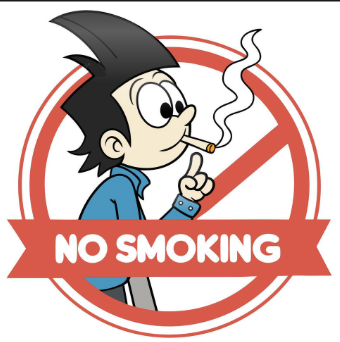
I would tell myself to Stop Smoking! I started smoking in 7th grade because of peer pressure, a curious attempt to fit in and be accepted by my friends, and once you are hooked, you are hooked bad, ensnared in a cycle that feels almost impossible to break. The initial thrill of rebellion quickly turned into a dependency that clouded my life and stole my breath, affecting my health and my ability to engage in activities I once loved. I finally quit when I was 28 filled with repeated attempts and numerous setbacks before I was successful in beating that nasty habit, a journey that taught me resilience and the importance of self-control, ultimately leading me to appreciate the freedom of living smoke-free.
Stopping smoking was the most difficult thing for me to do in my entire life.
Link to article I wrote in November 2023 about the same subject.
I do Not Have a Favorite Meme
That’s it!
Top Song That Boosts My Mood
I don’t know why, but this theme song always made me feel great!
Overcoming Fear
My fear was life. From being a toddler to now, I lived engulfed in a cloud of apprehension that seemed to follow me everywhere. I feared going to grade school, my heart racing at the thought of navigating the unknown social landscape. Then came junior high, where insecurities grew like weeds in my mind, and finally high school, a daunting arena filled with social hierarchies and expectations that felt insurmountable. It was all so fearful, an endless cycle of anxiety and self-doubt. Girls feared me, perhaps sensing my own fears reflected in their eyes, and it only deepened my isolation. My mother didn’t help at all when she echoed the stubborn echoes of societal expectations, saying, “Tom, remember, girls get pregnant and many girls get pregnant to land a husband,” words that lingered ominously in my mind, amplifying my worries, and turning every encounter with the opposite sex into a potential disaster. Each stage of my life felt like a battleground against the invisible forces of fear that sought to paralyze me, leaving me yearning for a sense of peace that seemed so far out of reach.
Getting drafted into the army feared me, as I couldn’t shake the anxiety that gripped my heart at the thought of leaving behind my family, friends, and the life I had carefully built. The uncertainty of military life, filled with rigorous training and the possibility of being deployed to dangerous locations, loomed over me like a dark cloud. My mind raced with questions about whether I would be capable of facing the challenges ahead, the fear of the unknown palpable as I envisioned the sacrifices I might have to make. I always wondered, “will I be able to shoot and kill?” Fortunately, I never had to encounter that situation.
Marriage feared me, an unrelenting shadow that loomed over my heart, whispering doubts and insecurities, convincing me that commitment was a cage rather than a sanctuary. In the quiet moments of reflection, I could almost hear the distant echoes of friends’ stories, tales of heartbreak and disillusionment, fueling my fears and reinforcing the belief that love was a fragile construct prone to unraveling at the slightest touch. As I navigated through the complexities of relationships, a nagging voice in my mind reminded me that vulnerability could lead to pain, and so I retreated, holding love at bay like a flickering flame that could easily be extinguished by the winds of reality.
A near death experience feared me, until I had a preview of time after death. In that moment, time seemed to stretch infinitely before me, enveloping me in an overwhelming sense of tranquility and serenity. The feeling of peace, TOTAL PEACE, is a feeling that cannot be explained, as if all my worries, fears, and doubts had been lifted away like autumn leaves blown by a gentle breeze. I found myself floating above my past, witnessing the moments that defined my life, each one infused with a clarity and understanding that had eluded me before. It was as though I had been given a glimpse into the vastness of existence beyond the physical realm, where love and acceptance reigned supreme. This profound experience transformed my perspective on life, imbuing my soul with solace and an unwavering sense of hope that transcends earthly struggles.
How did I overcome fear? Easy, I just did the best I could, focusing on my abilities and trusting in the process, and it always worked out in the end. Each time I faced a daunting challenge, I reminded myself that the only way to truly conquer my fears was to confront them head-on. By embracing the discomfort and pushing through, I discovered a newfound resilience within myself. I realized that fear was simply a stepping stone towards personal growth, and each experience taught me valuable lessons that shaped my character and strengthened my resolve. Ultimately, it was the commitment to act, despite my fears, that led to experiences far richer and more rewarding than I had initially imagined.
Do I Believe in Soulmates? You Bet I Do.
People sometimes ask if I believe in soulmates, and I don’t hesitate. You bet I do. Not in the Hollywood sense, not in the lightning‑bolt, fireworks‑over-the-city sense. I believe in the quieter kind—the souls who cross our path and leave fingerprints on our life that never quite fade.
A soulmate isn’t always a spouse or a lover. Sometimes it’s a friend, a teacher, a stranger who says one sentence you never forget. Sometimes it’s someone you knew for a season, someone you lost too soon, someone who showed up at exactly the right moment and changed the direction of your life without ever knowing it.
A soulmate is anyone whose presence rearranges something inside you.
I’ve had my share of those in my lifetime. People who helped me see myself more clearly. People who taught me how to be braver, kinder, more awake. People who reminded me that connection is the real currency of this world.
And maybe that’s why I write so much. Words are my way of honoring those connections—past, present, and the ones still waiting around the corner. Writing is how I keep the conversation going with the souls who’ve walked with me, even if only for a short stretch of the road.
So yes, I believe in soulmates. Not because it’s romantic, but because it’s true. Some people are simply meant to find us.
Throughout my life, I have encountered significant individuals who resonate deeply with my soul. During my formative years, I met Jim, Jerry, and Sandra. In my time serving in the army, I crossed paths with Angelo and Vince. As I embarked on my professional journey, I encountered Jack, Darlene, and numerous others. In retirement and during my spiritual pursuits, I met Bill, Mel, Delores, Scott, and Stan. Even in the realm of the digital age, I found soulmates such as Blake and Barbara. Each time I identified a soulmate, an immediate and profound connection emerged, devoid of awkwardness, revealing the undeniable truth that our paths were destined to converge.
The Power of Words
A Hope for Quieter Hearts
Lately, I find myself wishing—deep in my bones—that the hate and anger in this country would finally begin to fade. Not because I’m naïve, and not because I expect everyone to suddenly hold hands and sing in harmony. I just believe we’re capable of better than the constant shouting, the suspicion, the quickness to assume the worst in each other.
Maybe that’s why I write so much.
Every story, every blog post, every book is my small attempt to put something gentler into the world. Something human. Something that reminds us we’re more alike than we are different. I don’t have the power to change the national mood, but I can change the tone of my own little corner of it.
And maybe—just maybe—that’s how things begin to shift.
Not with grand speeches or sweeping declarations, but with ordinary people choosing kindness over cruelty, curiosity over judgment, connection over division. With people who still believe in listening. With people who still believe in each other.
I can’t control the world, but I can control the words I send into it. And I choose to send out words that soften instead of sharpen, that open instead of close, that remind instead of accuse.
If enough of us do that—quietly, consistently, stubbornly—maybe the temperature will drop. Maybe the noise will settle. Maybe we’ll remember how to talk to one another again.
I’d love to see that happen. And until it does, I’ll keep writing toward it.
Minimalist Living
When I saw this prompt, I thought, “what is minimalist living”? I didn’t have a clue what this was. I am over eighty and have led a sheltered life. Therefore, I went to AI and asked for an explanation. Here is what Mr. Hypertyper replied with.
Minimalist living is a lifestyle philosophy focused on intentionally owning and doing less to create space for what truly matters. It emphasizes simplicity, purpose, and freedom from excess—whether that’s physical clutter, unnecessary commitments, or distractions.
becomingminimalist.comCore IdeaAt its heart, minimalism is the idea that “less is more.” It’s not about extreme deprivation, living in an empty room, or rejecting all possessions. Instead, it’s about curating your life so that everything you keep serves a purpose, brings joy, or adds real value.
theminimalists.comPopular definitions include:
- Joshua Fields Millburn & Ryan Nicodemus (The Minimalists): “Minimalism is the thing that gets us past the things so we can make room for life’s most important things—which actually aren’t things at all.” theminimalists.com
- Joshua Becker (Becoming Minimalist): Intentionally promoting what you value most and removing everything that distracts you from it. becomingminimalist.com
It applies beyond stuff—to your time, relationships, schedule, digital life, and spending habits.Key Principles
- Intentionality: Regularly ask, “Does this add value to my life?” If not, let it go.
- Quality over quantity: Choose fewer, better items that last.
- Focus on experiences: Prioritize relationships, health, passions, growth, and contribution over material accumulation.
- Mindful consumption: Avoid impulse buys and “just in case” items.
- Simplicity: Reduce decisions, clutter, and obligations for more clarity and freedom. conni.me
What Minimalist Living Looks Like in Practice
- Home: Fewer possessions, clear surfaces, multifunctional furniture, and a calm aesthetic. Think neutral colors, natural light, and only items you use regularly.
- Wardrobe: A small “capsule” collection of versatile, high-quality clothes.
- Schedule: Saying no to non-essential commitments to free up time.
- Finances: Lower spending leads to less debt and more savings.
- Mindset: Gratitude for what you have and contentment without constant “more.” sofi.com
Here are some visual examples of minimalist living rooms:https://artifacts.grokusercontent.com/third-party-image
thespruce.comhttps://artifacts.grokusercontent.com/third-party-image
architecturaldigest.comhttps://artifacts.grokusercontent.com/third-party-image
thespruce.comBenefits
- Less stress — Fewer things to manage and clean.
- More time and freedom — Less maintenance, shopping, and decision fatigue.
- Financial savings — Reduced spending on unnecessary items.
- Better focus and productivity — A clearer environment supports a clearer mind.
- Environmental impact — Less consumption means less waste.
- Greater happiness — More room for meaningful experiences and relationships. becomingminimalist.com
Getting StartedYou don’t have to go extreme. Start small:
- Declutter one area (e.g., a drawer or countertop).
- Apply the “one in, one out” rule for new purchases.
- Reflect on your values—what do you want more time/energy for? bemorewithless.com
Minimalism is highly personal—your version might look very different from someone else’s. It’s a tool for living more deliberately, not a rigid set of rules. Many people find it leads to greater peace, purpose, and joy.
Now that I learned what Minimalism living is I have no desire to even think about this kind of lifestyle.
I am happy with my current lifestyle
Lesson from My Mother: The Wisdom of Emotional Control
Don’t let your hormones lead your life. I still remember the advice my mother gave me when I was a teenager; she always emphasized the importance of being in control of my emotions and desires. She told me that hormone drive is a natural part of life and is something everyone experiences, but there are many other facets of life that deserve our attention and energy beyond just sexual satisfaction. For instance, pursuing personal passions, developing deep friendships, and focusing on academic or career goals can bring true fulfillment and happiness. Yes, it took me some time to understand her wisdom, but I’m glad I eventually embraced it, finding balance in my life and discovering that there’s so much more to experience beyond the initial urges and impulses that hormones can bring.
Understanding the Meaning of Life
This is a complex subject, and mankind has been searching for an answer since the beginning of history. The quest for understanding often leads to profound contemplation and exploration, as people from various cultures and eras strive to unravel the mysteries that govern our existence. Scholars, philosophers, and thinkers have dedicated their lives to studying this intricate topic, each contributing unique perspectives that enhance our overall comprehension. The journey of discovery is not merely about finding definitive answers; it is also about engaging with the questions that have puzzled humanity for centuries and encouraging a dialogue that transcends generations.
Since this is a complex issue all I can is contribute my opinion on the topic.
First, I was born and raised a Catholic and naturally this will affect my opinion on the meaning. From childhood to adulthood, I was told by my mother and grandmother that I must earn the privilege to enjoy time in heaven and that was the meaning or purpose of life. The religion during that time had lots of tough and in my opinion meaningless rules. For example, if you ate meat on Friday or missed Sunday mass that could be a reason to be deprived of heaven. Sure, there was confession, but how could you remember every bad human type of action you were guilty of. I could go on for an entire blog on the rules. In my opinion religion was based on fear that you had to prove that you were worthy of heaven.
As my life continued, I became aware of other faiths and religions and began to wonder. What about these millions of humans that were never exposed to Christianity? What about them? It was hard to accept that their meaning and purpose of life was different than mine.
As my journey of life continued, various events happened to me that shaped my perspectives and experiences profoundly. I was drafted into the army, a moment that marked a significant turning point in my life, and during this time, I met hundreds of people from all parts of the country. Each individual had their own unique story, background, and struggles, which opened my eyes to the diversity of human experiences. Through countless conversations and shared moments, I came to the realization that most people are basically good, driven by a desire for connection and understanding. Despite the challenges and hardships, they faced, they were all just trying to make it through whatever they are exposed to in their lives, each one navigating their personal battles with resilience and hope. This experience reinforced my belief in the inherent kindness that exists in humanity, even in the face of adversity.
Next event that changed my life tremendously was I had to experience a marriage breakup and divorce. I was trying to lead a good life and earning my ticket to time after earth. This turned my life upside down because I was told that marriage lasts until death. What am I to do? Live alone? I don’t think so. I am a normal healthy male that wants and needs a mate with all the fringe benefits. I survived this challenge and continued on with my life.
I could continue, but my biography is not the purpose of this prompt.
In conclusion, life is a big learning experience with chances for growth and self-discovery. As a child, you learn that not going in your diaper is important, teaching you about boundaries and self-control. The first eighteen years are vital, filled with lessons that prepare you for future events. Every moment, whether happy or difficult, helps shape your perspectives and values. You learn from each experience, gaining resilience and wisdom. After each event, I pause to reflect and ask, “What did I learn?” This practice helps me understand the situation and apply what I’ve learned, allowing me to grow personally and professionally. Embracing this mindset turns ordinary moments into valuable lessons, enriching my life overall and preparing for time after life on this earth.
FROM BIRTH TO DEATH, LIFE IS ONE GIGANTIC LEARNING EXPERIENCE.
SUBSCRIBE TO MY SITE, IT’S FREE
The Frustration of ‘You Know!’
What annoys me is a conversation with someone who finishes a statement with “You know!”
It feels as though they seek validation for their thoughts, implying their point should be inherently understood. This habit can disrupt discussions requiring depth, making the listener feel unintelligent or out of the loop. It creates an air of condescension, suggesting the speaker believes their audience lacks the insight to grasp their point without such reminders, ultimately detracting from the conversation’s quality and leaving me frustrated.
I avoid having conversations with people I know that uses this phrase many times. It is one of those things that irritates me, “you know!”
The moment I Thought My Life Was Over
Three years ago, I faced a medical crisis I could never have imagined: a massive blood clot lodged between my lungs. When the doctor explained the procedure, he told me their best outcomes came when the patient stayed awake—fully conscious—while they entered the artery in the groin, threaded their way up to the clot, and attempted to remove it.
I chose that option.
The only sharp pain came at the beginning, when they made the incision to insert the camera, tools, and vacuum device. After that, the numbing medication did its work. I could feel pressure, movement, the sense of something happening inside me—but no pain. It was surreal, lying there awake while a team worked to save my life.
About halfway through, something shifted. I wasn’t hurting, but a wave of deep, unexplainable sickness washed over me. A heaviness. A fading. And because I was awake, I heard everything—including the nurse’s voice saying, “Doctor, the blood pressure is dropping fast.”
In that instant, I thought I had died.
I remember saying, clearly and calmly, “Here I am, Lord.”
And that was the moment I discovered a strength I never knew I had.
There was no fear. No panic. No clinging to the world behind me. Instead, I felt a peace so complete it defies description—TOTAL PEACE, unlike anything I had ever known in my earthly life. I don’t know where I went, exactly. The best way I can explain it is that I felt as if I were in a waiting area, suspended between two possibilities: whether the doctors would bring me back, or whether my journey would continue elsewhere.
They did bring me back. I woke on the operating table, alive.
That moment changed me. All my life, I had heard that death was something to fear, something to brace for, something dark and terrifying. And for most of my life, I believed it. I carried that fear quietly, the way many people do.
But in that one extraordinary moment—when I thought I had crossed over—I felt no fear at all. Only peace. Only readiness. Only strength.
I survived, and I am grateful. But the experience left me with a truth I carry every day:
I am stronger than I ever imagined, and I no longer fear dying.
The Joy of Blogging
I like blogging because it feels like opening a small window in the side of an ordinary day and letting a little light wander in. Not a spotlight, not a stage—just a warm square of sun on the floor where a story can sit for a while and be itself.
At its best, blogging is a conversation with the world that doesn’t require the world to answer. It’s a place where I can think out loud without interrupting anyone, where ideas can stretch their legs, and where memories—those shy, half‑forgotten ones—can wander back into view and ask to be written down.
The Quiet Magic of Showing Up
I like blogging because it rewards presence more than perfection.
A blank page doesn’t care if I’m brilliant; it only cares that I arrived.
Some days I show up with a polished thought.
Some days I show up with a coffee ring on the page and a sentence that limps.
Both are welcome.
Blogging teaches me that creativity isn’t a lightning strike—it’s a porch light I turn on each day, trusting that something worth noticing will wander into the glow.
A Place to Put the Small Things
Life is full of tiny, shimmering moments that don’t belong in a memoir chapter or a grand essay. But they fit perfectly in a blog post:
- the neighbor waving from across the street
- the way the foothills look like they’re exhaling at dusk
- the unexpected kindness of a stranger
- the joke I didn’t know I needed
- the memory that taps me on the shoulder while I’m making breakfast
Blogging gives these moments a home. It says, “You matter. Sit here. Tell your story.”
Connection Without Performance
I like blogging because it creates connection without demanding applause.
Readers wander in when they want to. They stay if something resonates. They leave quietly when life calls them elsewhere. There’s no pressure, no algorithmic dance, no need to shout to be heard.
It’s a gentle kind of community—one built on shared humanity rather than spectacle.
A Record of Becoming
Every blog post is a breadcrumb on the trail of who I’m becoming.
When I look back, I don’t see a perfect archive—I see a living one.
A map of thoughts, moods, seasons, and lessons.
Blogging reminds me that growth isn’t a single moment of revelation.
It’s a series of small, honest entries.
In the End
I like blogging because it helps me pay attention.
It slows me down just enough to notice the texture of my own life.
It gives me a place to practice gratitude, curiosity, humor, and presence.
And maybe that’s the real reason:
Blogging helps me remember that ordinary days are rarely ordinary when you take the time to write them down.
I Am Just a Mere Mortal
I was thinking about this prompt and had a thought. “Classic books are overrated when being yourself is underrated.” Therefore, I came up with the following.
Every now and then, usually when I’m sipping my morning coffee and staring at the news, I’m reminded of a simple truth: I am just a mere mortal.
No cape.
No superpowers.
No ability to leap over tall buildings or stop speeding bullets with my bare hands.
I can’t fly, unless you count the time I tripped over a garden hose and achieved a brief, unplanned moment of airborne grace. I can’t bend steel, unless it’s already bent and I’m just pretending I helped. And I certainly can’t summon millions of readers with a dramatic flick of the wrist.
I blog and I write books. Fourteen of them now.
Not bestsellers. Not chart‑toppers.
Just books — honest ones, heartfelt ones, the kind that wander through memory and meaning at their own pace.
And you know what?
I’m perfectly content with that.
Some people dream of fame, fortune, and a fan base large enough to require security guards. I dream of something simpler: a quiet morning, a good cup of coffee, and the chance to learn something new about myself or the world. At this stage of life, I’ve discovered that learning isn’t just for the young. All your life you are learning from events and transactions with the ones around you. In fact, it might be even sweeter in the later chapters, when you finally stop trying to impress anyone and start trying to understand yourself.
I used to think I needed to accomplish something grand to justify my time on this earth. Something big. Something shiny. Something that would make people say, “Now that is a man who made it.”
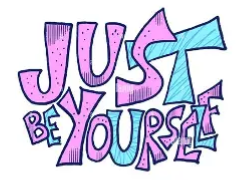
But somewhere along the way — maybe during a sunrise, maybe during a quiet walk and a voice came out of nowhere and said, “Tom just be yourself. You were created to be yourself, stop trying to be someone you are not.” I realized that being a mere mortal is not a limitation. It’s a blessing.
Mere mortals get to laugh at themselves.
Mere mortals get to make mistakes and learn from them.
Mere mortals get to write books that may never make millions but still make meaning.
Mere mortals get to live ordinary days that feel extraordinary in hindsight.
I don’t need superpowers.
I don’t need fame.
I don’t need a cape flapping behind me as I stride heroically into the sunset.
What I have is enough.
I have curiosity — the kind that keeps me writing, reading, wondering, and wandering.
I have gratitude — for the people I’ve met, the stories I’ve lived, and the bonus time I’ve been given.
I have contentment — the quiet kind that settles in when you stop chasing the life you thought you were supposed to live and start appreciating the one you actually have.
I am just a mere mortal.
But I’m a mortal who keeps learning, keeps writing, keeps showing up.
And in the end, that feels like its own kind of superpower.
Not the kind that saves the world.
Just the kind that saves the day — one ordinary, beautiful moment at a time.
https://www.youtube.com/watch?v=sCZcKSszzL0&t=63s YouTube Link
Nikola Tesla Deserves More Recognition in History
In my opinion, Nikola Tesla has been underrated in the development of the electrical grid that we enjoy today. His groundbreaking innovations and visionary ideas laid the foundation for the modern electrical systems we rely on. Tesla’s contributions, such as the development of alternating current (AC) technology, allowed for the efficient transmission of electricity over long distances, which was crucial for powering cities and industries alike. Furthermore, his experiments with wireless energy transfer and his insights into electromagnetic fields not only showcased his genius but also paved the way for future technological advancements. Despite facing numerous challenges and opposition throughout his career, Tesla’s relentless pursuit of knowledge has had a profound and lasting impact on how we harness and distribute electrical energy, ultimately shaping our everyday lives through a reliable and accessible electrical grid.
He immigrated to the United States in 1884 with little money and initially worked briefly for Thomas Edison before their famous rivalry over AC vs. DC power systems. Thomas Edison has received way more credit than Nikola.
Many times, financial difficulties in later years hamper his reputation, leading to a cascade of negative perceptions that can overshadow earlier achievements and contributions. These struggles often result in a loss of trust from colleagues and investors alike, as they question his ability to manage not only his personal finances but also the businesses and projects he is involved in. Consequently, what once was a thriving professional image can quickly diminish, emphasizing how crucial financial stability is to maintaining one’s reputation in both personal and professional spheres.
Nikola died penniless in a New York hotel room in 1943 at age 86.
In my opinion, Nikola should be recognized as much as Thomas Edison in the development of the electrical grid that runs this country.
Minimalism: Yes or No!
When I saw this prompt, I thought, “what is minimalist living”? I didn’t have a clue what this was. I am over eighty and have led a sheltered life. Therefore, I went to AI and asked for an explanation. Here is what Mr. Hypertyper replied with.
Minimalist living is a lifestyle philosophy focused on intentionally owning and doing less to create space for what truly matters. It emphasizes simplicity, purpose, and freedom from excess—whether that’s physical clutter, unnecessary commitments, or distractions.
becomingminimalist.comCore IdeaAt its heart, minimalism is the idea that “less is more.” It’s not about extreme deprivation, living in an empty room, or rejecting all possessions. Instead, it’s about curating your life so that everything you keep serves a purpose, brings joy, or adds real value.
theminimalists.comPopular definitions include:
- Joshua Fields Millburn & Ryan Nicodemus (The Minimalists): “Minimalism is the thing that gets us past the things so we can make room for life’s most important things—which actually aren’t things at all.” theminimalists.com
- Joshua Becker (Becoming Minimalist): Intentionally promoting what you value most and removing everything that distracts you from it. becomingminimalist.com
It applies beyond stuff—to your time, relationships, schedule, digital life, and spending habits.Key Principles
- Intentionality: Regularly ask, “Does this add value to my life?” If not, let it go.
- Quality over quantity: Choose fewer, better items that last.
- Focus on experiences: Prioritize relationships, health, passions, growth, and contribution over material accumulation.
- Mindful consumption: Avoid impulse buys and “just in case” items.
- Simplicity: Reduce decisions, clutter, and obligations for more clarity and freedom. conni.me
What Minimalist Living Looks Like in Practice
- Home: Fewer possessions, clear surfaces, multifunctional furniture, and a calm aesthetic. Think neutral colors, natural light, and only items you use regularly.
- Wardrobe: A small “capsule” collection of versatile, high-quality clothes.
- Schedule: Saying no to non-essential commitments to free up time.
- Finances: Lower spending leads to less debt and more savings.
- Mindset: Gratitude for what you have and contentment without constant “more.” sofi.com
Here are some visual examples of minimalist living rooms:https://artifacts.grokusercontent.com/third-party-image
thespruce.comhttps://artifacts.grokusercontent.com/third-party-image
architecturaldigest.comhttps://artifacts.grokusercontent.com/third-party-image
thespruce.comBenefits
- Less stress — Fewer things to manage and clean.
- More time and freedom — Less maintenance, shopping, and decision fatigue.
- Financial savings — Reduced spending on unnecessary items.
- Better focus and productivity — A clearer environment supports a clearer mind.
- Environmental impact — Less consumption means less waste.
- Greater happiness — More room for meaningful experiences and relationships. becomingminimalist.com
Getting StartedYou don’t have to go extreme. Start small:
- Declutter one area (e.g., a drawer or countertop).
- Apply the “one in, one out” rule for new purchases.
- Reflect on your values—what do you want more time/energy for? bemorewithless.com
Minimalism is highly personal—your version might look very different from someone else’s. It’s a tool for living more deliberately, not a rigid set of rules. Many people find it leads to greater peace, purpose, and joy.
Now that I learned what Minimalism living is I have no desire to even think about this kind of lifestyle.
I am happen with my current lifestyle
How Childhood Speed Obsessions Shaped My Life
When I was a kid, I was obsessed with doing everything fast. It appears that life indoctrinates young kids on doing things the fastest. Who can run the fastest, how fast can you finish the test, and how long does it take to memorize a verse or something? Everything throughout life had speed involved, from the race on the playground to the countdown before the school bell rang. Speed has been important all my life, shaping my experiences and choices in ways I only began to understand as I grew older. This relentless pursuit of swiftness seems ingrained in our culture, where success is often measured by how quickly we can accomplish tasks. Now AI is keeping up the tradition and making everything faster than before, providing tools and solutions that streamline our daily routines, elevate our productivity, and challenge us to redefine our limits. In this fast-paced world, I often wonder if the rush for speed has made us lose sight of the beauty in taking our time and enjoying the journey.
My Favorite Brands: From Dell to Honda and Beyond
Since I spend a lot of time on the computer, internet, and other similar items, it’s crucial for me to have a reliable and efficient machine by my side. My favorite brand is Dell, known for its robust performance and user-friendly interface. Throughout my journey, I have tried various brands, including HP, Acer, and others, but none have quite matched the satisfaction I’ve experienced with Dell. With Dell, I’ve found my devices to be not only dependable but also equipped with exceptional customer support, which is a significant factor when investing in technology. In contrast, HP has a mind of its own; it often behaves unpredictably, leaving me frustrated at times as I never quite know what is going to happen next. As for Acer, well, no thanks—I’ve had some lackluster experiences that didn’t inspire confidence in their products. Ultimately, Dell stands out in my eyes as the best choice for anyone who values consistency and quality in their computing experience.
I have had Dodge, Chevrolet, Subaru, Mazda, and Honda. My last two vehicles have been Honda’s, and I must say, they have consistently impressed me with their reliability, fuel efficiency, and comfort. Each brand offered its own unique experience, but Honda’s performance and features have truly stood out for me in my recent driving experiences. I’ve enjoyed the smooth rides and advanced technology that come with newer Honda models. With my growing affection for Honda, it’s safe to say there’s no need to say anything else as I feel a strong loyalty toward this brand, which has become my go-to choice for vehicles.
I also like Crest toothpaste, Gatorade, Pepsi, Oral B, Walmart, and the list could go on and on.
The People I Trust Most to Find Guidance
First, my wife. I love and admire my wife deeply, appreciating her unique perspective and wisdom. I always consult with her before making any decisions that would affect our lives, as I believe her insights are invaluable. This is truly a partnership, where we share our thoughts, fears, and dreams. As they say, two minds are better than one, and together we navigate the complexities of life, ensuring that our choices reflect both of our values and aspirations. By working collaboratively, we strengthen our bond and create a future that we can both cherish and look forward to.
Second, doctors and medical personnel. Being at the age where more medical advice and directions are needed, I admire and accept the doctors and medical staff to direct me to continue having a meaningful and happy life. Their expertise and compassionate guidance offer me reassurance, helping me navigate the complexities of health and wellness. I value the regular check-ups and consultations that not only aim to address immediate concerns but also focus on preventive care, which is essential as I age. Each interaction with my healthcare providers strengthens my understanding of my body and empowers me to make informed choices about my lifestyle. I appreciate their commitment to educating me about new treatments, therapies, and ways to enhance my quality of life, fostering a collaborative relationship that encourages me to actively participate in my health journey. Ultimately, their unwavering support inspires confidence in my ability to maintain a vibrant and fulfilled life despite the challenges that may arise.
Finally, there is a lot of family and friends that I love and admire, each of whom has shaped my life in unique ways. Their kindness, support, and wisdom always inspire me; however, I do not go to them for advice. This may seem surprising, given the close bonds we share, but I often find it difficult to express my concerns or seek their input. At least for now, I can’t think of any time I consulted them for advice, as I prefer to navigate my challenges independently, believing that some lessons are best learned through personal experience.
Why I Vote: A Personal Reflection
Yes, I vote in political elections. I have been voting since I registered to vote when I turned 21 years old. I was taught that voting was important to continue the American way of life, as it empowers citizens to voice their opinions and make a difference in their communities. The only time I didn’t vote was when I was in the army stationed overseas in Germany, where I faced challenges in accessing ballots and balancing my duties. During that time, I realized even more how crucial participating in elections is, not just for myself but for those who may not have the opportunity to do so. Voting is not just a privilege; it is a responsibility that connects us all in the democratic process.
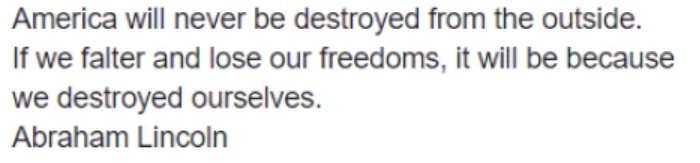
Unfortunately, the political arena has become very toxic. The hate and anger you see is very discouraging these days; it permeates our media, social platforms, and everyday conversations, making it difficult to engage in healthy discourse. You never hear how a party can improve an issue; instead, it seems like every discussion is dominated by pointed fingers and blame. You just hear that the other party is doing it all wrong, contributing to an environment where constructive dialogue is nearly impossible. In my over 80 years, this is the worst it has ever been, even worse than the tumultuous Viet Nam era when society was deeply divided. I remember when there was an unwritten rule that wives and children of elected officials were off-limits; they were protected from the harsh criticisms and attacks that often came with political life. Not anymore, they are targets just as much as the opposing official, dragged into the fray despite their lack of involvement in politics. This shift is nothing short of disgusting! In my opinion, if this atmosphere does not change, this country is on the slow road to destruction, as polarization erodes the fabric of our democracy and leaves us divided and unable to work together for the common good.
This site is about “comments about everything”. However, since the political atmosphere is so toxic, I consciously choose to avoid the issue. Instead, I want to focus on sharing stories and events about the good things in life, celebrating positivity and kindness, rather than perpetuating hate and anger. It’s essential to create a space where uplifting narratives can thrive, where the beauty of human experiences is highlighted, and where we can all find hope and joy amidst the chaos of negativity. By doing so, I aim to inspire readers to reflect on their own lives, fostering a community centered around love, compassion, and understanding. These stories can serve as reminders that even in trying times, there are countless reasons to smile and reasons to be grateful.
Embracing Unconditional Love
God loves all unconditionally, embracing each person with an infinite grace that transcends all boundaries, regardless of their past, present, or future mistakes. This divine love offers a refuge, reminding us that we are worthy of compassion and acceptance, inviting us to grow in our faith and understanding. In this boundless affection, we find strength and hope, illuminating our paths even in the darkest times, encouraging us to extend that same love to others in our lives.
Christ died for all of our sins, taking upon Himself the immense burden of our transgressions and offering a path to redemption through His selfless act of love and sacrifice. This profound event not only symbolizes forgiveness but also embodies the hope for eternal life and a restored relationship with God. The significance of Christ’s death resonates deeply within the hearts of believers, reminding us of the depth of His compassion and the lengths to which He went to reconcile humanity with the divine. In recognizing this immense gift, we are called to reflect on our own lives and the transformative power of grace that flows from His sacrifice.
Camping Memories
Yes, I’ve been camping — more times than I can count. After I came back from my army tour, I worked alongside a World War II veteran named Jack. He was of Japanese descent, one of the thousands who volunteered to serve during the war to prove their loyalty to a country that hadn’t always shown loyalty to them. Jack fought in Italy and later somewhere in France, moving through towns whose names he could never quite pronounce but never forgot. His service ended the day he caught a hand grenade in the stomach. He told the story quietly, without drama, as if it were just another thing that had happened to him, like a flat tire or a bad winter.
Jack became a good friend — the kind of friend you don’t plan on but end up grateful for. Jack was somewhere around 20 years older than me. We went camping whenever we could get away. The reason was simple: we both loved to fish. That was our excuse, anyway. We’d load up the station wagon and head for the lakes in Wyoming, chasing the idea of a trophy fish we never actually caught. But that never mattered. The real catch was the time — the long drives, the quiet mornings, the smell of coffee heating on a camp stove, the way the world felt bigger and kinder out there.
Jack had a way of sitting by the water that made you think he was listening to something deeper than the wind. Sometimes he’d talk about the war; sometimes he’d talk about nothing at all. Either way, those trips settled into my memory like stones in a riverbed — solid, unmoving, part of the shape of my life.
I will always remember Jack.
After I was married and had two sons, my wife and I camped with them, embracing the joys of nature as a family. We couldn’t afford a huge motor home or trailer, so our trusty 1/2-ton Chevy van became our home on wheels. Even though it was modest, the van held all our camping gear, from sleeping bags to a portable grill, and with everyone squeezed in, it made the adventures even more exciting. Setting up the tent each time felt like a new challenge, but once we settled in, the real fun began. Sitting around the crackling fireplace at night, the warmth enveloping us, we would share stories and roast marshmallows, pondering why the smoke always seemed to trail around us, as if it had a mind of its own. The sounds of the forest at night—the rustling leaves and distant hoots of owls—provided a soothing backdrop, reminding us of the beauty surrounding us. However, bears never came to visit us in the middle of the night.
These are memories you cherish your entire life; treasures etched in time that bring smiles to our faces even years later.
When I Feel Most Productive?
I get most of my productive duties done in the mornings, a time when I truly feel at my best. The quiet of the early hours allows me to focus without distractions, creating a perfect environment for tackling the day’s tasks. I feel rested, refreshed, and energized after a good night’s sleep, and my mind is clear as I sip on my warm morning coffee, which not only awakens my senses but also fuels my creativity. After enjoying a nutritious breakfast, I find that my thoughts flow more freely, making it easier to develop ideas and plan out the day’s agenda. Unfortunately, this feeling does not stay much longer than 3 or 4 hours and I am not motivated and productive throughout the day.
As the day continues, brain fog starts to creep in, clouding my thoughts and making it increasingly difficult to focus on the tasks at hand. My motivation diminishes with each passing hour, leaving me feeling drained and tired. Moreover, it becomes hard to start a new project when my mind feels like a tangled mess, filled with distractions and uncertainty about how to proceed. I often find myself staring at a blank screen, wishing for that spark of creativity to reemerge and guide me towards new beginnings.
Oh, don’t get me wrong, I do not couch potato for the remainder of the day, indulging in endless hours of inactivity on the sofa; rather, I strive to maintain a balance between rest and productivity. However, as the sun rises higher in the sky and the hours pass, it just becomes more difficult and tiring to perform tasks than it does in the morning when I am filled with energy and motivation. The fatigue of the day’s earlier activities piles up, making even the simplest of chores feel like monumental tasks, leading me to long for the ease and vigor of my morning self.
Why Taking Risks in Love Can Lead to Joy
On April 22, 1995, I took a risk and got married for a second time, embracing the journey of love with an open heart and a renewed spirit. I do not regret it one bit, for this choice has brought immense joy and fulfillment into my life, allowing me to grow and learn alongside my partner as we faced life’s challenges together with unwavering support and mutual respect.
I had a practice wife before, and that bond only lasted 11 years, which felt both like a blink of an eye and an eternity at the same time. It was a significant learning experience for me, one rich with lessons learned through both triumphs and mistakes. I made many mistakes in that relationship that have undeniably shaped my perspective, helping me grow and better understand what it takes to nurture a healthy partnership in my second marriage. However, when my first marriage fell apart, I found myself grappling with a wave of emotions and had no desire to join the club of married couples again, feeling disillusioned and hesitant about love. It was a time of reflection, allowing me to delve deeper into my own heart and what I truly wanted from life. However, that relationship did generate two great sons who bring joy and purpose to my life, and I love them with all my heart, cherishing the bond we share as a family.
It took ten long years to remove the bad taste of marriage, a bitterness that lingered until it was finally washed away by the tide of time and personal growth. Through this journey, I learned that marriage can indeed be a beautiful thing, a loving alliance forged through mutual respect and understanding. I committed to the promise of “until death do us part,” recognizing the importance of dedication and the strength found in partnership. This trip of forty years has been nothing short of a remarkable adventure, filled with laughter and shared dreams, truly embodying what I always envisioned as a lasting loving relationship when I was young and naive, searching for a love that would stand the test of time. Each moment has woven our lives together deeper than I ever imagined, and I am grateful for the lessons learned along the way.
Better Early Than Late
Being late makes me very nervous. All my life I hated being late, as it always felt like I was letting myself and others down. I don’t know where I got this trait, but as I age, it is getting harder and harder to be late. The mere thought of it sends my heart racing and my mind spiraling into a whirlwind of anxiety. Now, I must be at least 15 minutes ahead of time before I start to get nervous, constantly checking the clock to ensure I won’t miss a moment. This obsession with punctuality frustrates my wife because she is the type to be close to on time or a little late, often reminding me to relax and enjoy the moment. However, for me, being late equates to chaos and disorder, and I find it difficult to shake off that feeling. Once I’m there, finally settled into the environment, I start to calm down, but until that point, it’s a constant battle against my own apprehensions and the pressure I put on myself.
I hurry in,
heart tapping its own Morse code,
hoping no one noticed
the way time slipped past me.
Being late shouldn’t matter—
yet somehow
my pulse insists it does.
An AI poem.
Social Media and TomT2.0
The most important social media site for me is my website, https://2tts.wordpress.com/ via WordPress, where I passionately share my thoughts and comments on a plethora of topics, embracing the essence of blogging almost every workday. Each post serves as a canvas for my ideas, and sometimes, on weekends, I find inspiration that drives me to craft a blog entry as well. This creative outlet has been incredibly enjoyable for me, offering a precious opportunity to express myself and connect with others who share similar interests. Engaging with my audience through the comments section also enhances my experience, as it fosters a sense of community and allows for enriching discussions about the diverse subjects I cover. Whether I’m discussing current events, personal reflections, or creative writing, I cherish the freedom to explore my thoughts and share the things I write about with a wider audience.
I also have a Facebook account, but I post very little there. Most of the time, I just use the site to keep up with the happenings of family and friends, scrolling through their updates and photos to stay connected with their lives. Occasionally, I might share a thought or a picture, but I prefer to observe and engage with the content posted by others, as it allows me to feel involved without the pressure of constant posting. This way, I can enjoy the moments of my loved ones, celebrate their achievements, and offer support during challenging times, all while maintaining my own privacy and comfort level with social media.
I use X and LinkedIn to promote my Amazon Kindle and paperback books, sharing insights, snippets, and engaging with potential readers. While I am not looking for a job or expect to make large amounts of money from my books, I deeply appreciate the connections I foster through these platforms. It brings me joy to receive feedback and interact with members. I just need my ego stoked knowing that there are readers out there that enjoy my books, and every positive comment or review serves as a gentle reminder that my words resonate with someone. It’s not just about the sales, but about creating a community of like-minded individuals who share a passion for literature.
I have a Substack account also, which I created out of curiosity and a desire to share my thoughts with a broader audience. However, I could never quite get the hang of it; the platform was hard to navigate for me as a newcomer, and I struggled to understand its various features and functionalities. Despite its potential for building a community and fostering engagement, I found myself overwhelmed and somewhat intimidated by the interface. As a result, my account remains inactive, a digital space that is still there but basically dormant, waiting for the day when I might finally find the motivation and clarity to fully utilize it.
I suppose there are other sites I use but can’t think of them now.
Life Lessons Learned from a Military Draft
Some decisions arrive without asking our permission. In 1964, mine showed up in a plain envelope with government lettering and a tone that didn’t invite negotiation. Your friends and neighbors have selected you to serve in The United States Army. I was drafted into the U.S. Army, handed a new trajectory, and told to report on this date. I accepted this news and decided to make the best of it, instead of moving to Canada.
At the time, it felt like being pushed onto a stage I hadn’t auditioned for. But looking back, that moment became one of the quiet turning points of my life. The Army taught me discipline before I knew I needed it, responsibility before I fully understood it, and resilience in ways only real life can teach.
It carried me far from home—to new places, Germany, not Viet Nam, new people, and a wider world than the one I’d grown up imagining. I learned how to adapt, how to trust others, and how to stand steady when the ground shifted. Those lessons didn’t stay in the barracks; they followed me into every chapter that came after.
I didn’t choose the draft.
But I chose how to meet it.
And that choice helped shape the person I’ve been becoming ever since.
However, I do not recommend reviving the military draft. If I remember correctly, the army consisted of approximately 40% being drafted, which created a unique set of challenges. The draft often led to individuals serving who were not fully committed or prepared for military life, resulting in a more diverse group of soldiers with varying levels of motivation. In my opinion, this fluctuation in commitment among draftees contributed to a decline in morale, as those who were genuinely passionate about serving faced challenges in unifying a team with members who might be there out of obligation rather than a sense of duty. Consequently, I believe that the lowered morale seriously diminished the effectiveness of the army, impacting not only the soldiers on the ground but also the overall mission objectives, as unity and shared purpose are crucial in ensuring a disciplined and capable force.
Experience the Charm of Dee’s Cafe
My favorite restaurant is Dee’s Cafe. It is warm and friendly, creating an inviting atmosphere that makes you feel at home the moment you step inside. The decor is charming, with cozy seating and vibrant colors that give it a unique character. The only time it is crowded is during the holidays, when families gather to enjoy a delightful meal together. The cooking is terrific and always tasty, with a diverse menu that showcases both comfort food and seasonal specialties crafted from fresh, local ingredients. The travel time is very short, making it a convenient option for a spontaneous dinner or a planned outing, and parking is never a problem, allowing guests to arrive without any stress. I have known the cook for over forty years, and we get along very well; our friendship has grown over countless shared meals and laughter, and always knows how to accommodate my favorite dishes, making each visit even more special.
Yes, I am writing about Dee’s Cafe, and the owner is my wife. It is amazing that I am not over 250 pounds the way she feeds me, with her incredible culinary skills and passion for creating delicious meals that tantalize the taste buds. From the moment you walk into the cafe, the aroma of freshly brewed coffee and baked goods envelops you, making it hard to resist indulging in her daily specials. Hopefully, we will have many more years of dining together, savoring the delightful dishes she prepares, and sharing all the conversations we have about the events and situations in our life together, reflecting on cherished memories and dreaming of future adventures. Each meal is not just about the food but also about the love and warmth that fills the space, making Dee’s Cafe a true heartwarming corner of our lives.
Reflections on Aging: My 10-Year Outlook
Hard question, I am over eighty. Today or tomorrow may be my last day due to a medical emergency that has unexpectedly arisen, thrusting me into a state of uncertainty and reflection. If that doesn’t happen, I may be forced into a dependent living situation that could alter my lifestyle significantly, stripping away my independence and requiring me to rely on others for assistance in daily activities.
Alternatively, my mobility may decline, which would prevent me from getting around as easily as I do now, limiting my ability to engage with the world around me and enjoy the simple pleasures of life, such as walking in the park, visiting friends, or exploring new places that bring joy and inspiration. This shift could lead to a sense of isolation, as my interactions with loved ones would become more challenging, and simple outings might be replaced with lingering feelings of longing for connection. Furthermore, the inability to participate in activities I cherish, like spontaneous trips to a local café or leisurely strolls through vibrant markets, could lead to a gradual sense of disconnection from the vibrant community that surrounds me, amplifying the importance of mobility in retaining my sense of freedom and fulfillment.
On the brighter side, there’s always hope that I may be in the same situation as now, maintaining relative good health and financial stability, which will not only allow me to continue pursuing my passion of writing but also enable me to explore new avenues of creativity and self-expression. This stability provides a unique opportunity for me to stay connected with loved ones, fostering deeper relationships and shared experiences that enrich my life. I also cherish the moments of savoring the joys of each day, whether it’s through enjoying the beauty of nature, discovering a new book, or sharing laughter over a meal with family and friends. All while navigating the inevitable challenges that come with aging, I can approach each obstacle with resilience and wisdom, appreciating the lessons learned along the way that contribute to my growth and understanding of life.
Life is a challenge
Life is a challenge. In high school I discovered bullies, which was a harsh reality that many of us faced. Those twelfth graders sure like to pick on the tenth graders just coming into high school, preying on our insecurities and inexperience. It felt overwhelming at times, navigating the halls filled with laughter and whispers, knowing that some would take pleasure in belittling others. I learned quickly that high school was not just about academics; it was also a social battleground where friendships were tested and alliances formed, often leaving the vulnerable feeling isolated and anxious. Yet, through these experiences, I began to understand the importance of resilience and the value of supporting one another amidst the chaos.
I needed to ride public transportation to school and learned there is a wide variety of people and lifestyles that I have never encountered before. From the moment I stepped onto the bus, I was enveloped in a bustling microcosm of humanity, each individual with their own stories and backgrounds. It was fascinating to observe the daily rituals of commuters; some were buried in their books. As I sat there, the sights and sounds around me painted a broader picture of life in the city, one that was both complex and beautiful. My world was expanding, and it was scary, yet exhilarating, as I found myself confronted with perspectives that challenged my own beliefs and comfort zones. I realized that every face in the crowd held a unique narrative, and in that realization, I began to appreciate the rich tapestry of diversity that surrounded me.
High school years were a challenging and tumultuous time for me. I was grappling with a whirlwind of hormones that I didn’t fully understand, which only added to my feeling of confusion and isolation. I struggled with self-acceptance, often finding it difficult to like myself amidst the chaos of adolescence, and this internal conflict manifested itself in anger and frustration. My emotional turmoil was perhaps evident as I interacted with other teenagers, many of whom were navigating their own struggles and insecurities. Despite the shared experiences of my peers, I often felt like an outsider, lost in a sea of uncertainty. Additionally, I was the only one in my neighborhood who managed to graduate from high school, a feat that seemed both significant and lonely. It was largely thanks to the persistent encouragement and support of my parents that I persevered and ultimately completed my education, despite the obstacles I faced along the way, thus laying the groundwork for future achievements.
This was a tipping point for me and fortunately I tipped the right direction.
The Power of Being Yourself
One of the most positive changes I’ve made in my life didn’t arrive with fireworks or a grand announcement. It arrived when I was walking on a graveled path with no one around and this voice came to me and said, “Tom start trying to be something you are not. You were created too just by yourself.” Therefore after 65 years I decided to just be myself.
It sounds simple, almost embarrassingly simple, like something you’d find stitched on a pillow or printed on a coffee mug. But it wasn’t simple at all. It took decades of trying to fit into expectations, smoothing out my edges, second‑guessing my instincts, and worrying about what people might think. It took raising a family, working hard, making mistakes, learning from them, and living long enough to realize that most of the things I once worried about didn’t matter nearly as much as I thought.
After that event— I stopped performing and started existing. I stopped trying to be the version of myself I thought people wanted and became the version that felt true. The version that laughs easily, speaks honestly, volunteers freely, and doesn’t apologize for taking up space in the world.
It took me around sixty‑five years to get there, but the timing feels right. There’s a freedom in later life that no one tells you about when you’re young. A kind of quiet confidence. A sense that you’ve earned the right to be exactly who you are, without trimming or polishing or shrinking.
And once I finally arrived at that place — that place of being yourself without hesitation — I wondered why it took an unknown voice. But I also realized the journey was part of the becoming. Every year, every misstep, every lesson carved out the space I now stand in.
Being myself is the best change I’ve ever made. It just took me a lifetime to grow into it.
The Joy of Exercising
Going to the local rec center and using their facilities is always an invigorating experience. They have a large pool, and you can walk around it and watch the water exercisers doing their thing, as they glide through the water, making their routines look effortless. There is a room full of equipment for muscle development, featuring weight machines, free weights, and versatile equipment for various workouts. The usual exercise units, such as rowing machines and stationary bicycles, are also available, which I use diligently for my workout sessions. You get to hear people grunt and sweat, the sounds of effort ringing throughout the gym, creating a motivating atmosphere. Additionally, conversations arise among the workout attendants, discussing fitness tips, sharing personal goals, and forging connections that make the whole experience feel more communal. The energy is contagious, fostering a sense of camaraderie among individuals striving towards their fitness objectives.
They also have a room full of vending machines and a cozy lounge area where you can replace all the calories you used during your workout. The atmosphere is inviting, with comfortable seating arrangements and soft lighting that encourages relaxation and social interaction. Tables are available for sitting and talking, playing cards, or enjoying other games, creating a sense of community among the visitors. Throughout the years, I have met many friends there, each of whom has added a unique story to my experiences. This is a place where you get more than just exercise; it’s a hub for building connections, sharing laughs, and fostering friendships that extend beyond the fitness routines. Every visit feels like a blend of physical activity and social engagement, making it an essential part of my daily routine.
Unfortunately, the aging process has slowed me down some bit, making it more challenging to engage in activities that once brought me so much joy. But I will always have the fond memories of exercising there, where the air was filled with motivation, and I could feel the energy of others around me. It’s not just about the physical exertion; it’s about the laughter, the encouragement shared between friends, and the countless conversations that sparked inspiration and camaraderie. Those moments, filled with both struggle and triumph, will forever be cherished, as they painted my journey with vibrant colors that still bring a smile to my face even today.
Facing the New Normal of Covid
I do not see many changes since the COVID scare, which has left a lingering impact on our daily lives, habits, and interactions. While some aspects of society have adapted to the new normal, many of the same challenges and routines persist, making it feel as though we have reverted to a familiar state rather than experiencing significant transformation. This stagnation highlights the resilience of certain behaviors and practices that have become a part of our everyday existence, even in light of such an unprecedented global event.
I recently went to Urgent Care for another ailment, seeking professional help and hoping to receive the appropriate care. To my surprise, COVID was not even brought up during my visit, which felt odd considering how significant the pandemic has been in our lives. A few of the medical staff wore masks, but they were few and far between, and the lack of a consistent approach to precautions was notable. I wasn’t even asked if I wanted to bring my COVID vaccinations up to current levels, which left me questioning the prioritization of health protocols in a medical setting. In my opinion, I feel the scare surrounding COVID is over, and it never amounted to the danger that it was hyped up to be. As we move forward, it seems like society has begun to shift its focus, towards a sense of normalcy.