Month: April 2026

The Quiet Room

Have you ever felt lost? Well, Jim felt that.

Jim Lewis had once lived inside a steady weather of words. They came the way summer rain used to come in his childhood town — sudden, generous, warm against the skin. He never questioned it. He simply opened the windows and let the sentences blow through the house.

For decades, that was enough.

But the morning the words stopped; he woke with the strange sensation that someone had quietly rearranged the furniture of his mind. The familiar shapes were gone. The room felt larger, emptier, as if the echoes of his own thoughts had been packed into boxes and carried off in the night.

He tried to write anyway. Habit is a stubborn thing. He sat at his desk, the same oak slab he’d bought secondhand in 1979, still bearing the faint ring of a coffee mug from a winter he could no longer fully picture. He placed his hands on the keys, waiting for the old spark.

Nothing.

The silence wasn’t sharp. It wasn’t cruel. It was simply… unfamiliar. Like returning to your childhood home and realizing the wallpaper you remember was replaced years ago.

So, he went walking.

He wandered the foothills where he used to take his kids on Saturday mornings, back when they were small enough to ride on his shoulders and tug at his ears like reins. The trails hadn’t changed much — the same dusty switchbacks, the same stubborn junipers leaning into the wind — but he had. He felt it in the way he paused more often, not from fatigue but from a kind of reverence. As if the world had become a museum exhibit of his own life.

At the library, he drifted through the aisles like a man visiting old neighbors. He ran his fingers along the spines of books he once loved, remembering where he’d been when he first read them — the apartment with the broken radiator, the cabin with the leaky roof, the hospital waiting room where he’d read the same paragraph twelve times without absorbing a word.

Still, no sentences came.

But the silence began to feel less like a void and more like a companion. A quiet one, yes, but steady. Patient. The kind of friend who sits with you on a porch at dusk, saying nothing, letting the crickets do the talking.

Then, one evening, while washing dishes, he noticed a faint line forming in the fog on the kitchen window. Not written by a finger. Not written at all. Just appearing, the way childhood memories sometimes surface uninvited — a smell, a song, a flash of sunlight on a bicycle wheel.

He leaned closer.

It wasn’t a brilliant sentence. It wasn’t even a good one. But it had the unmistakable tilt of his own voice, the cadence he’d carried for years without realizing it was something fragile.

He wiped the window clean. The words vanished.

But the feeling remained — that small, stubborn stirring, like the first warm day after a long winter when you suddenly remember what spring feels like.

The next morning, he didn’t force anything. He simply sat at his desk, hands folded, listening to the quiet room. And in that stillness, he felt something shift — not a flood, not even a trickle, but the faintest ripple of movement beneath the surface.

A reminder.

A return in progress.

A promise that the weather of words might yet come again.

Social Media and TomT2.0

Daily writing prompt
How do you use social media?

The most important social media site for me is my website, https://2tts.wordpress.com/ via WordPress, where I passionately share my thoughts and comments on a plethora of topics, embracing the essence of blogging almost every workday. Each post serves as a canvas for my ideas, and sometimes, on weekends, I find inspiration that drives me to craft a blog entry as well. This creative outlet has been incredibly enjoyable for me, offering a precious opportunity to express myself and connect with others who share similar interests. Engaging with my audience through the comments section also enhances my experience, as it fosters a sense of community and allows for enriching discussions about the diverse subjects I cover. Whether I’m discussing current events, personal reflections, or creative writing, I cherish the freedom to explore my thoughts and share the things I write about with a wider audience.

I also have a Facebook account, but I post very little there. Most of the time, I just use the site to keep up with the happenings of family and friends, scrolling through their updates and photos to stay connected with their lives. Occasionally, I might share a thought or a picture, but I prefer to observe and engage with the content posted by others, as it allows me to feel involved without the pressure of constant posting. This way, I can enjoy the moments of my loved ones, celebrate their achievements, and offer support during challenging times, all while maintaining my own privacy and comfort level with social media.

I use X and LinkedIn to promote my Amazon Kindle and paperback books, sharing insights, snippets, and engaging with potential readers. While I am not looking for a job or expect to make large amounts of money from my books, I deeply appreciate the connections I foster through these platforms. It brings me joy to receive feedback and interact with members. I just need my ego stoked knowing that there are readers out there that enjoy my books, and every positive comment or review serves as a gentle reminder that my words resonate with someone. It’s not just about the sales, but about creating a community of like-minded individuals who share a passion for literature.

I have a Substack account also, which I created out of curiosity and a desire to share my thoughts with a broader audience. However, I could never quite get the hang of it; the platform was hard to navigate for me as a newcomer, and I struggled to understand its various features and functionalities. Despite its potential for building a community and fostering engagement, I found myself overwhelmed and somewhat intimidated by the interface. As a result, my account remains inactive, a digital space that is still there but basically dormant, waiting for the day when I might finally find the motivation and clarity to fully utilize it.

I suppose there are other sites I use but can’t think of them now.

Life Lessons Learned from a Military Draft

Daily writing prompt
Describe a decision you made in the past that helped you learn or grow.

Some decisions arrive without asking our permission. In 1964, mine showed up in a plain envelope with government lettering and a tone that didn’t invite negotiation. Your friends and neighbors have selected you to serve in The United States Army. I was drafted into the U.S. Army, handed a new trajectory, and told to report on this date. I accepted this news and decided to make the best of it, instead of moving to Canada.

At the time, it felt like being pushed onto a stage I hadn’t auditioned for. But looking back, that moment became one of the quiet turning points of my life. The Army taught me discipline before I knew I needed it, responsibility before I fully understood it, and resilience in ways only real life can teach.

It carried me far from home—to new places, Germany, not Viet Nam, new people, and a wider world than the one I’d grown up imagining. I learned how to adapt, how to trust others, and how to stand steady when the ground shifted. Those lessons didn’t stay in the barracks; they followed me into every chapter that came after.

I didn’t choose the draft.
But I chose how to meet it.
And that choice helped shape the person I’ve been becoming ever since.

However, I do not recommend reviving the military draft. If I remember correctly, the army consisted of approximately 40% being drafted, which created a unique set of challenges. The draft often led to individuals serving who were not fully committed or prepared for military life, resulting in a more diverse group of soldiers with varying levels of motivation. In my opinion, this fluctuation in commitment among draftees contributed to a decline in morale, as those who were genuinely passionate about serving faced challenges in unifying a team with members who might be there out of obligation rather than a sense of duty. Consequently, I believe that the lowered morale seriously diminished the effectiveness of the army, impacting not only the soldiers on the ground but also the overall mission objectives, as unity and shared purpose are crucial in ensuring a disciplined and capable force.

Heartwarming Restaurant Encounter

Audio Podcast 3 minutes

Harold didn’t think of himself as a “regular,” but the restaurant staff certainly did. At eighty, he had achieved a kind of local‑celebrity status—not the kind that gets you free meals, but the kind where people greet you like a favorite uncle who always shows up with a good story and clean shoes.

The bell over the door jingled as he walked in, and before he could even adjust his glasses, Amy spotted him. Amy was somewhere in that mysterious age range between thirty‑five and forty—the range where people still have energy but have also learned the value of sitting down whenever possible.

“There he is!” she said, sweeping toward him like he was the guest of honor at a parade only she knew about. “You make my day every time you come in. Your demeanor and smile make me feel very comfortable around you. It’s too bad you’re not thirty‑five years younger.”

Harold blinked. At his age, compliments arrive like unexpected packages: delightful, confusing, and occasionally addressed to the wrong person.

“Well,” he said, “if I were thirty‑five years younger, I’d still be happily married… just with fewer noises coming from my joints.”

Amy laughed so loudly the couple in the corner looked up from their salads. “I know, I know,” she said, waving a hand. “I’m just saying—you’ve got a good vibe. Some people walk in and the room gets heavier. You walk in and it gets lighter.”

Harold wasn’t used to being compared to a lighting fixture, but he took it as a compliment.

He settled into his usual booth, and Amy brought his drink without asking. “You remind me of my grandfather,” she said. “He had that same calm, steady way about him. People trusted him instantly.”

Harold nodded. “Well, I’ve lived long enough to know that being kind is easier than being complicated.”

Amy pointed at him like he’d just revealed the secret to life. “Exactly!”

Throughout the meal, she checked on him with genuine warmth—not the forced cheerfulness of someone hoping for a big tip, but the easy friendliness of someone who simply enjoyed his company. She told him about her young son, and the customer who once tried to order a cheeseburger “without the cheese, the burger, or the bun.”

When he finished and stood to leave, Amy called out, “Don’t stay away too long, okay? You really do make my day.”

He tipped his imaginary hat. “And you make mine.”

Walking to his car, Harold felt lighter than he had in weeks. Not because of the compliment, but because it reminded him that connection doesn’t retire. You can be eighty and still brighten someone’s day. You can be thirty‑five and still find wisdom in someone who’s lived twice as long.

And as he started the engine, he chuckled to himself.

Too bad I’m not thirty‑five years younger, he thought.
But then again, at thirty‑five, I didn’t get compliments like that.

Tax Day 2026

April 15th has long been recognized in the United States as Tax Day, the deadline for filing individual federal income tax returns. Although the IRS occasionally adjusts the date due to weekends or national holidays, April 15th remains the symbolic marker of the end of tax season. For many people, it represents the culmination of weeks—or sometimes months—of gathering documents, reviewing financial records, and ensuring that every form is completed accurately.


The significance of Tax Day extends beyond the act of filing. It serves as an annual checkpoint for personal financial awareness. Individuals review their income, deductions, credits, and overall financial habits from the previous year. This process often reveals patterns in spending, saving, and planning that might otherwise go unnoticed. For some, it becomes a moment to reassess financial goals or adjust withholding to avoid surprises in the future.


Tax Day also highlights the complexity of the U.S. tax system. Even with modern software and professional assistance, many people find the process challenging. The variety of forms, the changing rules, and the detailed record‑keeping required can create stress for filers. This is one reason why tax professionals and preparers experience their busiest season in the months leading up to April 15th.


Despite its reputation as a dreaded deadline, Tax Day plays an essential role in the functioning of the federal government. The taxes collected fund a wide range of public services, including infrastructure, national defense, social programs, and public health initiatives. While the process may feel burdensome, the contributions made through annual tax filings support systems and services that millions of people rely on every day.


For many Americans, the biggest sigh of relief sounds like a whoopee cushion announcement the moment the tax return is submitted. Whether they’re celebrating a glorious refund or bracing for the dreaded payment, finishing the filing feels like conquering Mount Everest—without the gear or the frostbite. With this monumental task behind them, folks can finally return to their exciting daily lives, at least until the next thrilling episode of Tax Season: The Reckoning rolls around!

Experience the Charm of Dee’s Cafe

Daily writing prompt
What is your favorite restaurant?

My favorite restaurant is Dee’s Cafe. It is warm and friendly, creating an inviting atmosphere that makes you feel at home the moment you step inside. The decor is charming, with cozy seating and vibrant colors that give it a unique character. The only time it is crowded is during the holidays, when families gather to enjoy a delightful meal together. The cooking is terrific and always tasty, with a diverse menu that showcases both comfort food and seasonal specialties crafted from fresh, local ingredients. The travel time is very short, making it a convenient option for a spontaneous dinner or a planned outing, and parking is never a problem, allowing guests to arrive without any stress. I have known the cook for over forty years, and we get along very well; our friendship has grown over countless shared meals and laughter, and always knows how to accommodate my favorite dishes, making each visit even more special.

Yes, I am writing about Dee’s Cafe, and the owner is my wife. It is amazing that I am not over 250 pounds the way she feeds me, with her incredible culinary skills and passion for creating delicious meals that tantalize the taste buds. From the moment you walk into the cafe, the aroma of freshly brewed coffee and baked goods envelops you, making it hard to resist indulging in her daily specials. Hopefully, we will have many more years of dining together, savoring the delightful dishes she prepares, and sharing all the conversations we have about the events and situations in our life together, reflecting on cherished memories and dreaming of future adventures. Each meal is not just about the food but also about the love and warmth that fills the space, making Dee’s Cafe a true heartwarming corner of our lives.

Reflections on Aging: My 10-Year Outlook

Daily writing prompt
Where do you see yourself in 10 years?

Hard question, I am over eighty. Today or tomorrow may be my last day due to a medical emergency that has unexpectedly arisen, thrusting me into a state of uncertainty and reflection. If that doesn’t happen, I may be forced into a dependent living situation that could alter my lifestyle significantly, stripping away my independence and requiring me to rely on others for assistance in daily activities.

Alternatively, my mobility may decline, which would prevent me from getting around as easily as I do now, limiting my ability to engage with the world around me and enjoy the simple pleasures of life, such as walking in the park, visiting friends, or exploring new places that bring joy and inspiration. This shift could lead to a sense of isolation, as my interactions with loved ones would become more challenging, and simple outings might be replaced with lingering feelings of longing for connection. Furthermore, the inability to participate in activities I cherish, like spontaneous trips to a local café or leisurely strolls through vibrant markets, could lead to a gradual sense of disconnection from the vibrant community that surrounds me, amplifying the importance of mobility in retaining my sense of freedom and fulfillment.

On the brighter side, there’s always hope that I may be in the same situation as now, maintaining relative good health and financial stability, which will not only allow me to continue pursuing my passion of writing but also enable me to explore new avenues of creativity and self-expression. This stability provides a unique opportunity for me to stay connected with loved ones, fostering deeper relationships and shared experiences that enrich my life. I also cherish the moments of savoring the joys of each day, whether it’s through enjoying the beauty of nature, discovering a new book, or sharing laughter over a meal with family and friends. All while navigating the inevitable challenges that come with aging, I can approach each obstacle with resilience and wisdom, appreciating the lessons learned along the way that contribute to my growth and understanding of life.

Life is a challenge

Daily writing prompt
Describe something you learned in high school.

Life is a challenge. In high school I discovered bullies, which was a harsh reality that many of us faced. Those twelfth graders sure like to pick on the tenth graders just coming into high school, preying on our insecurities and inexperience. It felt overwhelming at times, navigating the halls filled with laughter and whispers, knowing that some would take pleasure in belittling others. I learned quickly that high school was not just about academics; it was also a social battleground where friendships were tested and alliances formed, often leaving the vulnerable feeling isolated and anxious. Yet, through these experiences, I began to understand the importance of resilience and the value of supporting one another amidst the chaos.

I needed to ride public transportation to school and learned there is a wide variety of people and lifestyles that I have never encountered before. From the moment I stepped onto the bus, I was enveloped in a bustling microcosm of humanity, each individual with their own stories and backgrounds. It was fascinating to observe the daily rituals of commuters; some were buried in their books. As I sat there, the sights and sounds around me painted a broader picture of life in the city, one that was both complex and beautiful. My world was expanding, and it was scary, yet exhilarating, as I found myself confronted with perspectives that challenged my own beliefs and comfort zones. I realized that every face in the crowd held a unique narrative, and in that realization, I began to appreciate the rich tapestry of diversity that surrounded me.

High school years were a challenging and tumultuous time for me. I was grappling with a whirlwind of hormones that I didn’t fully understand, which only added to my feeling of confusion and isolation. I struggled with self-acceptance, often finding it difficult to like myself amidst the chaos of adolescence, and this internal conflict manifested itself in anger and frustration. My emotional turmoil was perhaps evident as I interacted with other teenagers, many of whom were navigating their own struggles and insecurities. Despite the shared experiences of my peers, I often felt like an outsider, lost in a sea of uncertainty. Additionally, I was the only one in my neighborhood who managed to graduate from high school, a feat that seemed both significant and lonely. It was largely thanks to the persistent encouragement and support of my parents that I persevered and ultimately completed my education, despite the obstacles I faced along the way, thus laying the groundwork for future achievements.

This was a tipping point for me and fortunately I tipped the right direction.

The Power of Being Yourself

Daily writing prompt
Describe one positive change you have made in your life.

One of the most positive changes I’ve made in my life didn’t arrive with fireworks or a grand announcement. It arrived when I was walking on a graveled path with no one around and this voice came to me and said, “Tom start trying to be something you are not. You were created too just by yourself.” Therefore after 65 years I decided to just be myself.

It sounds simple, almost embarrassingly simple, like something you’d find stitched on a pillow or printed on a coffee mug. But it wasn’t simple at all. It took decades of trying to fit into expectations, smoothing out my edges, second‑guessing my instincts, and worrying about what people might think. It took raising a family, working hard, making mistakes, learning from them, and living long enough to realize that most of the things I once worried about didn’t matter nearly as much as I thought.

After that event— I stopped performing and started existing. I stopped trying to be the version of myself I thought people wanted and became the version that felt true. The version that laughs easily, speaks honestly, volunteers freely, and doesn’t apologize for taking up space in the world.

It took me around sixty‑five years to get there, but the timing feels right. There’s a freedom in later life that no one tells you about when you’re young. A kind of quiet confidence. A sense that you’ve earned the right to be exactly who you are, without trimming or polishing or shrinking.

And once I finally arrived at that place — that place of being yourself without hesitation — I wondered why it took an unknown voice. But I also realized the journey was part of the becoming. Every year, every misstep, every lesson carved out the space I now stand in.

Being myself is the best change I’ve ever made. It just took me a lifetime to grow into it.

The Joy of Exercising

Daily writing prompt
What’s the most fun way to exercise?

Going to the local rec center and using their facilities is always an invigorating experience. They have a large pool, and you can walk around it and watch the water exercisers doing their thing, as they glide through the water, making their routines look effortless. There is a room full of equipment for muscle development, featuring weight machines, free weights, and versatile equipment for various workouts. The usual exercise units, such as rowing machines and stationary bicycles, are also available, which I use diligently for my workout sessions. You get to hear people grunt and sweat, the sounds of effort ringing throughout the gym, creating a motivating atmosphere. Additionally, conversations arise among the workout attendants, discussing fitness tips, sharing personal goals, and forging connections that make the whole experience feel more communal. The energy is contagious, fostering a sense of camaraderie among individuals striving towards their fitness objectives.

They also have a room full of vending machines and a cozy lounge area where you can replace all the calories you used during your workout. The atmosphere is inviting, with comfortable seating arrangements and soft lighting that encourages relaxation and social interaction. Tables are available for sitting and talking, playing cards, or enjoying other games, creating a sense of community among the visitors. Throughout the years, I have met many friends there, each of whom has added a unique story to my experiences. This is a place where you get more than just exercise; it’s a hub for building connections, sharing laughs, and fostering friendships that extend beyond the fitness routines. Every visit feels like a blend of physical activity and social engagement, making it an essential part of my daily routine.

Unfortunately, the aging process has slowed me down some bit, making it more challenging to engage in activities that once brought me so much joy. But I will always have the fond memories of exercising there, where the air was filled with motivation, and I could feel the energy of others around me. It’s not just about the physical exertion; it’s about the laughter, the encouragement shared between friends, and the countless conversations that sparked inspiration and camaraderie. Those moments, filled with both struggle and triumph, will forever be cherished, as they painted my journey with vibrant colors that still bring a smile to my face even today.

Mystery in the Old House

Audio Podcast 7 minutes

The old house on the hill had stood empty for decades, its windows dark and its walls weathered by time, each crack telling a story of neglect and forgotten memories. Clara had passed it every day on her way to town, always wondering about the stories it held, imagining the laughter of children playing in the yard and the warmth of gatherings that once filled the air. One crisp autumn evening, as the sun dipped low, painting the sky with hues of orange and pink, she noticed something different—a faint flicker of light in the upstairs window, a beacon in the otherwise shadowy silhouette of the house. Curiosity tugged at her, weaving a spell that was difficult to resist, and against her better judgment, she decided to investigate, feeling both excitement and trepidation as she approached the creaking front door that seemed to beckon her closer, like a portal to the past.

The front door creaked open with surprising ease, as if it had been waiting for her all along. Inside, the air was thick with dust, and the faint scent of lavender lingered, a remnant of long-forgotten days. Clara’s footsteps echoed on the warped wooden floor, the sound reverberating through the silent house as she climbed the stairs, each step filled with an unsettling mix of trepidation and curiosity. Drawn to the room where she’d seen the light, she felt an irresistible pull guiding her forward. The door at the top was ajar, inviting her in with a soft glow spilling out like a warm embrace, illuminating the shadows that danced along the walls, hinting at secrets waiting to be uncovered.

In the room sat a woman, her back to Clara, hunched over a small table cluttered with various trinkets and forgotten memories. She wore a faded dress, its hem frayed from years of use, and her silver hair cascaded down her back like a waterfall of twilight. A single candle burned before her, flickering softly, casting long shadows across the walls that danced as if alive. The air was thick with the scent of aged wood and something faintly sweet, like an old book long neglected. Clara hesitated, her heart racing, then cleared her throat, feeling the weight of unspoken words pressing heavily on her chest.

The woman didn’t turn. “I’ve been expecting you,” she said, her voice low and steady.

Clara froze. “Expecting me? I don’t even know you.”

“You don’t need to,” the woman replied. “You’re here for the truth, aren’t you?”

Clara’s heart thudded in her chest, a rapid, erratic drumbeat that echoed in her ears. She hadn’t told anyone she was coming, hadn’t even known herself until moments ago when a sudden wave of urgency compelled her to act. “What truth?” she asked, stepping closer, her curiosity mingling with a hint of fear. The air was thick with tension, and she could sense the weight of the unspoken words hanging between them, pulling her deeper into the mystery that had brought her here. Every second felt loaded with possibility, as if the very fabric of her reality was about to unravel, revealing secrets she had never anticipated.

The woman gestured to a chair across the table. “Sit. I’ll show you.”

On the table lay a small wooden box, intricately carved with swirling patterns that seemed to dance under the light. Each twist and turn of the design told a story of craftsmanship and care, hinting at secrets held within. The woman, with a knowing smile, slid it gracefully toward Clara. “Open it,” she said, her eyes sparkling with anticipation, as if she were in on a delightful secret that Clara had yet to discover. The air in the room felt charged with a sense of wonder, inviting Clara to unveil whatever mysteries the box contained.

Hands trembling, Clara lifted the lid. Inside was a photograph, yellowed with age, evoking a sense of nostalgia. It showed a young girl, no more than five, with wide eyes full of wonder and a shy smile playing on her lips, standing in front of this very house that had been her childhood home. A man and woman stood beside her; their faces blurred by time, yet their expressions radiated warmth and affection, hinting at a loving family life that once thrived within these walls. Clara’s frown deepened as she leaned closer, searching for any familiar features in their faces. “Who is this?” she whispered, a mixture of curiosity and longing filling her heart as memories danced just out of reach.

The woman finally turned; Her face illuminated by the candlelight. Her eyes were sharp, piercing, and oddly familiar. “Look closer,” she said.

Clara studied the photo again, her heart racing, then gasped in disbelief. The girl’s dress—the same faded fabric, the same frayed hem—matched the one the woman wore now, almost like a ghost from the past stepping into the present. “That’s… you?” she stammered, a mix of astonishment and curiosity flooding through her. She leaned closer, trying to reconcile the two images, the innocence of the child in the photograph contrasting sharply with the complexities etched on the woman’s face now. The realization hung in the air, thick with unanswered questions and untold stories, making Clara’s mind swirl with possibilities of how their lives were intertwined across time.

The woman nodded. “I’ve waited a long time for you to come back.”

“Come back?” Clara’s mind raced. “I’ve never been here before.”

The woman smiled faintly, a sad curve to her lips. “You have. You just don’t remember.”

Clara’s gaze darted between the photo and the woman, confusion mounting as a whirlwind of emotions churned within her. The light glinted off the glass of the frame, making the image seem almost alive, stirring something deep within her subconscious. Then, the woman reached across the table, her cold fingers brushing Clara’s hand, sending a jolt of electricity through her. Suddenly, memories surged forth like an untamed river—she was running through these very halls as a child, laughter echoing off the walls, the sweet smell of lavender enveloping her in her mother’s warm embrace. Images flooded her mind: picnics on the lawn, sunlit afternoons filled with joy, and the comforting sound of her mother’s voice. Overwhelmed, she stumbled back, clutching her head in disbelief, trying to tether herself to reality. “What’s happening?” she whispered, the weight of the past crashing over her like a relentless tide, washing away her sense of self.

“You were taken from this house,” the woman said softly. “Taken from me. I’ve been here ever since, waiting.”

Clara’s breath hitched as she struggled to process the overwhelming flood of memories and emotions. The blurred faces in the photo sharpened in her mind’s eye—her parents, younger, happier, filled with the joyful innocence of a time long past. For a moment, it felt as if the photograph had become a bridge to her childhood, where laughter echoed in the hallways and love enveloped their home like a warm embrace. And then she understood, the realization settling in like a weight in her chest. The woman wasn’t just a stranger. She was her grandmother, a mysterious figure from family tales, preserved by some strange force in this house, tethered to it all these years. Clara felt a magnetic pull towards her, as if the invisible strands of time and memory were drawing them closer, urging her to uncover the secrets that had been buried beneath layers of dust and silence.

But the truth hit her as she looked down at her own hands—hands that now shimmered faintly, translucent in the candlelight, as if woven from the very essence of dreams and memories. She hadn’t just come to uncover a secret; she’d come because she, too, had died long ago.

The key detail—that Clara is a ghost—remains hidden until the final sentence, recontextualizing the entire story.

Did it catch you off guard?

The Need to Feel Needed

AUDIO PODCAST 6 minutes

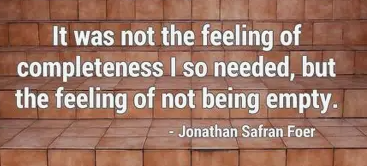
This morning, my wife asked me for help to put on a beautiful necklace that she had chosen for the day. Those little hooks and eyes are often hard to see, and they are much smaller than the fingers I was trying to maneuver. After finally managing to secure it around her neck, I looked at her with a smile and said, “Do you know one of the reasons I love you so much?” She looked back at me with curiosity and said no, prompting me to elaborate. I responded warmly, “Because you make me feel needed.” In that moment, a thought came to my mind, reflecting on my life, “All my life, I have had to feel needed.” It’s as if this simple act of assistance was a reminder of the deep connections we forge through our daily interactions, where being there for each other reinforces love and commitment.

When I was young, it was important for me to be able to help around the house, as I believed that contributing in meaningful ways not only strengthened our family bond but also taught me valuable life skills. I always helped my dad mow the grass, which became a cherished weekend ritual, and assisted him with the cars, learning the basics of maintenance and repair. In school, I helped many teachers around the classroom by setting things up, organizing supplies, and even tutoring fellow classmates who struggled with certain subjects. I was particularly proud to serve as an assistant in the chemistry lab for the teacher, where I eagerly helped after school, gaining hands-on experience with experiments and developing a deeper understanding of scientific concepts. During high school, I took on a part-time job at the public library, where I not only helped patrons find books but also engaged in various other duties around the library, including shelving returned books, maintaining the reading area, and organizing community events, all of which enriched my appreciation for literature and the importance of public services.

Drafted into the army and quickly found out in basic training, I learned an important lesson: do not volunteer for anything. If you volunteer, you end up doing the dirty, crappy jobs that no one wanted to do, and these tasks often fall to the inexperienced or overzealous recruits who are eager to prove themselves. As a result, instead of the camaraderie and sense of purpose, I found myself stuck in a cycle of monotonous duties, cleaning equipment and performing menial tasks under the watchful eyes of our drill sergeants. Therefore, during that military time, I did not fill my desire to feel needed or valuable; rather, I learned to navigate the complex hierarchies of military life, where the most mundane activities often overshadowed any opportunity for personal growth or meaningful contributions.

Life continued on, and during my employment years, I always volunteered to do odd jobs, whether it was staying late to help a colleague finish a project or taking on tasks that others preferred to avoid. Looking back, I think that is one of the reasons why I was able to establish strong relationships with my coworkers and superiors alike, fostering a collaborative environment that benefited us all. I did well with good raises and promotions, which felt like a natural progression, as my willingness to lend a hand not only demonstrated my commitment to the team but also showcased my adaptability and work ethic in an ever-changing workplace.

In my retirement years, I’ve discovered that stepping back from full‑time work doesn’t mean stepping away from being useful. If anything, I seem to have doubled down on volunteering in all sorts of situations—some sensible, some… less so.

Take the time after a heavy snowstorm when a large limb snapped off a neighbor’s tree. Most people my age would have shaken their heads, offered sympathy, and gone back inside for a cup of something warm. Not me. I marched over, announced that I’d take care of it, and proceeded to cut up and haul away the entire limb myself. I was close to eighty at the time, which means that if I had possessed even a teaspoon of common sense, I would have left that limb exactly where it fell and let someone with younger knees and better judgment handle it. But no—apparently I was determined to prove that gravity, age, and orthopedic reality had no authority over me.

And then I was the H O A president. For three years—three full years—I volunteered for the non‑paid, occasionally thankless, always “interesting” position of H O A president. It was enlightening in the way that climbing Everest is enlightening you learn a lot, you gain perspective, and you spend a surprising amount of time wondering why you ever agreed to this in the first place. I discovered that people have very strong opinions about things like mailbox paint, shrub height, and the exact shade of beige that qualifies as “community‑approved.” I also learned that diplomacy is a skill best practiced with deep breathing and, occasionally, earplugs.

Still, for all the absurdity, these experiences taught me something important: retirement doesn’t mean retreat. It means choosing where to put your energy—and sometimes choosing wildly, hilariously, questionably—but choosing all the same. And honestly, I wouldn’t trade any of it.

Finally, this blog sprouted from a little thought bubble that floated into my mind while I was reflecting on my life—yes, the deep stuff, over a cup of coffee. “All my life, I’ve had to feel needed,” and let’s be honest, that sentiment sometimes feels like the punchline to a joke that only I’m in on! Who knew that a random thought could lead to such profound revelations? It just goes to show that inspiration can pop up in the most unexpected places, like when you’re knee-deep in laundry or waiting for your toast to get crispy. As I reminisced about my chaotic adventures, I realized this obsessive need for validation has shaped my journey more than a GPS gone haywire, steering my dreams and the relationships I accidentally create along the way. This hilarious epiphany threw open the floodgates of ideas, prompting me to dive into the deliciously messy topics of identity and existence, ultimately motivating me to share my quirky musings through this blog!

Why Every Conversation Begins with a Question

So… Can I Ask You Something?

Why Every Conversation Seems Contractually Obligated to Start With a Question

Some people believe the universe began with a bang. Personally, I think it began with someone asking, “Hey, what’s going on over there?” Because if you look around, nearly every conversation in human history starts with a question.

It’s our default setting. Our conversational training wheels. Our way of saying, I’m trying to be a person here—help me out.

The Question as Social Currency

We ask questions the way squirrels bury nuts: constantly, instinctively, and with no real plan for what happens next.

  • “How’s it going?”
  • “You got a minute?”
  • “Is that supposed to be making that noise?”

Half the time, we don’t even want the answer. We’re just trying to open the conversational door without kicking it down.

The Accidental Interview

Have you ever noticed how quickly a simple chat turns into a full‑blown interrogation?

You start with:
“How was your weekend?”

And suddenly you’re knee‑deep in:

  • the neighbor’s runaway ferret
  • a questionable casserole
  • a story that begins with “I probably shouldn’t tell you this, but…”

All because you asked one innocent question. One. That’s all it takes to unleash a saga.

The Panic Question

Then there’s the emergency question—the one you blurt out when your brain forgets how to human.

You run into someone you vaguely know at the grocery store. You panic. You say the first thing your mouth can grab:

  • “So… bananas, huh.”
  • “Is it… windy today?”
  • “Do you ever think about… chairs?”

It doesn’t matter what you ask. The point is to fill the silence before it swallows you whole.

The Real Reason We Ask

Here’s the secret: questions are just tiny invitations. They say, I’m willing to meet you halfway, even if I have no idea what I’m doing.

A question is a handshake disguised as curiosity.
A bridge disguised as small talk.
A little nudge that says, Let’s start somewhere. Anywhere.

And honestly, it works. Conversations bloom from the oddest openings. Even “bananas, huh” can lead to a surprisingly heartfelt exchange if you let it.

So Go Ahead—Ask Away

Start with a question. Start with three. Start with something that makes absolutely no sense. Humans have been doing it forever, and somehow it keeps working.

After all, every great story begins the same way:
with someone leaning in, clearing their throat, and saying something like…

“Can I ask you something?”

Easter Reflections

Easter has a way of arriving softly, like a season that doesn’t need to announce itself to be felt. It reminds us that renewal often begins in small, almost invisible ways—an easing of the heart, a quiet shift in perspective, a moment of light where there wasn’t any before.


May this time of year offer you a pause from the noise and a chance to notice what’s quietly blooming in your own life. Not the grand, sweeping changes we sometimes chase, but the subtle ones that make ordinary days feel a little more spacious, a little more possible.


Here’s to fresh starts that don’t demand perfection, to hope that grows at its own pace, and to the simple reassurance that brighter days are not a distant promise—they’re already unfolding, one small moment at a time.

The First Mobile Phone Call

AUDIO PODCAST 3 minutes

On a cool spring morning in 1973, Motorola engineer Martin Cooper stepped onto a Manhattan sidewalk carrying a device that looked more like a military field radio than anything resembling a modern phone. It weighed about 2.5 pounds, stretched nearly a foot tall, and had a thick rubber antenna jutting from the top. But despite its bulk, it represented something radical: the world’s first truly portable, handheld mobile phone.
Cooper wasn’t just out for a stroll—he was about to make history. And he knew exactly whom he wanted to call.
With reporters watching, he dialed Joel Engel, his counterpart and rival at Bell Labs, the company racing Motorola to develop mobile technology. When Engel answered, Cooper delivered a line that has since become legend:

It was a bold move, part demonstration and part good‑natured jab. Motorola was the underdog, a “flea on an elephant,” as Cooper later put it, competing against the massive AT&T‑Bell Labs machine. Yet here he was, standing on Sixth Avenue, proving that his team had beaten the giant to the punch.
The prototype he held—the Motorola DynaTAC—wasn’t sleek, fast, or affordable. It would take another decade before a commercial version reached consumers, priced at a staggering $3,900. But that sidewalk call marked the moment the idea of personal, untethered communication leapt from science fiction into the real world.
Cooper later said he wasn’t surprised that mobile phones became essential to everyday life. Even then, he imagined a future where everyone would carry a personal number from birth—an idea that sounded absurd at the time but now feels eerily close to reality.
What began as a brick‑sized experiment has since evolved into the slim, powerful devices we slip into our pockets without a second thought. But it all traces back to that single, slightly mischievous call on a New York City sidewalk—one engineer dialing a rival to say, in effect, we did it first.

Fifty-three years later, we’ve got the smartphone—essentially a tiny computer that fits in our pockets, allowing millions to multitask like pros while simultaneously wondering if they left the stove on! These remarkable devices not only connect us to the world through instant messaging and social media, but they also provide access to a wealth of information with just a few taps on a screen. Whether we are checking emails, browsing the latest news, or streaming our favorite shows, smartphones have revolutionized our daily routines. Yet, amidst this fast-paced digital life, it’s easy to find ourselves distracted, juggling tasks, and questioning if we remembered to turn off the lights or lock the door before heading out. As we navigate this blend of productivity and anxiety, the smartphone remains an ever-present companion, shaping both our work and leisure activities in unprecedented ways.

Facing the New Normal of Covid

Daily writing prompt
How have you adapted to the changes brought on by the Covid-19 pandemic?

I do not see many changes since the COVID scare, which has left a lingering impact on our daily lives, habits, and interactions. While some aspects of society have adapted to the new normal, many of the same challenges and routines persist, making it feel as though we have reverted to a familiar state rather than experiencing significant transformation. This stagnation highlights the resilience of certain behaviors and practices that have become a part of our everyday existence, even in light of such an unprecedented global event.

I recently went to Urgent Care for another ailment, seeking professional help and hoping to receive the appropriate care. To my surprise, COVID was not even brought up during my visit, which felt odd considering how significant the pandemic has been in our lives. A few of the medical staff wore masks, but they were few and far between, and the lack of a consistent approach to precautions was notable. I wasn’t even asked if I wanted to bring my COVID vaccinations up to current levels, which left me questioning the prioritization of health protocols in a medical setting. In my opinion, I feel the scare surrounding COVID is over, and it never amounted to the danger that it was hyped up to be. As we move forward, it seems like society has begun to shift its focus, towards a sense of normalcy.

The Spirit of April Fools’ Day

There’s something wonderfully democratic about April Fools’ Day. For one day each year, the world agrees—without signing anything official—that a little mischief is good for the soul. Even the most serious among us loosen the top button and allow a bit of silliness to slip through the seams.


I’ve always liked that.


Maybe it’s because April 1st arrives just as winter finally starts to unclench its fist. The light lingers a little longer. The air softens. Birds begin their morning negotiations. And into that gentle thaw comes a day devoted to harmless trickery, as if the universe is nudging us: Don’t take yourself so seriously. Not today.


Growing up, the pranks were simple—rubber bands around the kitchen sink sprayer, salt in the sugar bowl, a well‑timed “Look behind you!” that never worked but always earned a laugh. These days, the jokes are gentler. A swapped photo in a picture frame. A text claiming the dog learned to play the harmonica. A playful lie so transparent it becomes its own punchline.


What I love most is the spirit behind it: the invitation to step outside the usual script. To be surprised. To surprise someone else. To remember that joy doesn’t always arrive in grand gestures; sometimes it shows up disguised as a paper fish taped to your back.


And maybe that’s the real heart of April Fools’ Day. Not the pranks themselves, but the reminder that we’re all in this together—fumbling, laughing, trying things, getting fooled, and carrying on anyway. A shared wink across the room of humanity.


So here’s to April 1st. To the jokes that land, the ones that don’t, and the stories we’ll tell later. To the small, silly rituals that brighten the long stretch between winter and whatever comes next.
And if someone gets you today, take it as a compliment. It means they thought of you. It means you’re part of the fun.