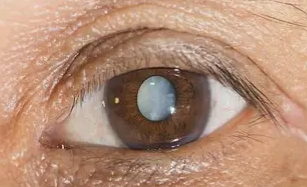
Yesterday my wife had double cataract surgery, a significant procedure that marks a crucial point in her journey towards clearer vision. I had surgery myself in 2002 and again five years later in 2007, so I understand firsthand the emotional and physical aspects of the experience. In those 20 plus years, I have witnessed remarkable advancements in medical technology and techniques, which have improved not just the safety but also the effectiveness of the procedure. The changes in these two decades, including innovations in lens materials and surgical methods, have contributed to faster recovery times and better outcomes, giving us hope for a brighter future post-surgery.
When my procedures took place, I had a regiment of antibiotic eye drops starting 2 days before the procedure and continuing for 3 to 5 days after the procedure to ensure proper healing and to combat any potential infections. However, I recently learned that the current approach has shifted significantly; now, it seems they don’t act very concerned about eye infections at all. This change intrigued me, so I felt compelled to ask the medical team about the reasoning behind it. They explained that over time, their research and observations revealed that very few patients actually end up developing eye infections following the procedures. As a result, they determined that the routine use of prophylactic antibiotic eye drops could be eliminated, which not only streamlines patient care but also minimizes unnecessary medication usage. It’s fascinating how medical practices evolve based on emerging data and patient outcomes.
When mine was done, it was a strict no-no to perform surgery on both eyes at the same time, due to the potential risks and complications involved. Surgeons advised waiting for one eye to heal completely before addressing the other, as this cautious approach was deemed necessary to ensure the safety and effectiveness of the procedure. However, in recent years, advancements in medical technology have significantly changed this perspective. Now, they say that if the eyes are ripe for surgery or in urgent need of replacement, they frequently operate on both eyes simultaneously with increased confidence and without significant concerns. This shift in practice not only accelerates recovery time for patients but also enhances their overall visual outcomes, allowing many to return to their daily activities much quicker than before.
It is still an outpatient procedure, and the time takes around 4 hours, which allows patients to return home the same day without the need for an overnight hospital stay. Additionally, a follow-up appointment the next day is required to ensure everything is healing properly and to address any potential concerns. It is just amazing how the medical innovations have progressed, making such procedures safer and more efficient, ultimately improving patient outcomes and enhancing the overall experience for those undergoing treatment. Patients can feel more at ease knowing that advancements in technology and techniques have significantly reduced recovery time and minimized discomfort.
If you reach the age of 60 you will more than likely need cataract replacements sometime in your remaining years.
UPDATE: IN A FOLLOW UP VISIT, I FIND OUT THEY GIVE AN ANTIOBOTIC THROUGH AN I V DURING SURGERY.
Link to post of November 2023 blog
Discover more from TomT2.0
Subscribe to get the latest posts sent to your email.

