I am always checking out my stats. Recently, it appears that I am getting more out-of-country views than American views, which honestly surprises me. It makes me curious about who these people are, how they found my site, and what keeps them coming back. At the same time, it’s a reminder that what I post can reach way beyond my own bubble, and that’s both exciting and a little unreal. I still tend to picture my main audience as being here in the U.S., but the numbers keep nudging me to think more globally about what I’m sharing and how it might land with people in totally different places.
So, I dug into my stats and noticed something interesting. Over the past year, about 65% of my views came from the United States and 35% came from other countries, with China and India making up the largest share of those international views. But in just the last 3 months, the pattern shifted: 52% of my views were from the United States and 48% were from other countries, and China and India were still at the top. That means my international audience grew by 13 percentage points in a relatively short time, which makes me feel like the content is starting to reach a much wider, more global group of readers.
What does that really mean? I keep looking at the statistics and trying to make sense of them, but I still don’t feel like I truly understand. They could be pointing to a real pattern, or they might just be random noise, and I’m never quite sure which it is. Part of me wants a clear answer in the numbers, something solid I can rely on, but another part of me knows they can be interpreted in different ways depending on what I expect or hope to find. So, I’m left in this in‑between place—aware that the data is saying *something*, yet honestly unsure how much I can trust my own reading of it.
Leif Erikson Day is the October 9 observance tied to the Norse explorer.
Leif Erikson Day is an annual U.S. observance on October 9 that honors the Norse explorer Leif Erikson and the broader Nordic-American heritage. It is not a federal holiday, so banks, schools, and offices stay open.
Leif Erikson (Old Norse: Leifr Eiríksson), often called “Leif the Lucky,” was born in Iceland around the 970s, the son of Erik the Red. Around the year 1000 he led a voyage west from Greenland and reached a place the sagas call Vinland. Archaeological work at L’Anse aux Meadows in Newfoundland, Canada, supports a Norse presence there around that time, making him the first European known to have set foot on the North American mainland outside Greenland—about five centuries before Columbus.
The date itself is not tied to his landing. October 9 marks the 1825 arrival in New York of the sloop Restauration, carrying the first organized group of Norwegian immigrants to the United States. That anniversary was later used as the day to honor both the medieval voyage and later Nordic immigration.
Wisconsin made it a state observance in 1929; Minnesota followed in 1931. Congress first authorized a national observance in 1935, and Public Law 88-566 (September 2, 1964) authorized the president to proclaim October 9 as Leif Erikson Day each year. Presidents have issued that proclamation regularly since. The day also recognizes contributions of Americans of Norwegian, Icelandic, Danish, Swedish, and Finnish descent. Similar observances exist in parts of Canada, including Saskatchewan.
After over sixty years of trying to be something I am not and experiencing an eye-opening message from some unexplainable source, my entire outlook shifted. For most of my life, I measured myself against other people, chasing their successes, copying their choices, and quietly believing that who I really was would never be good enough. I tried on different identities, adjusted my personality to fit in, and pushed down parts of myself that felt inconvenient or “too different.”
Then, in a moment I still can’t fully explain, I received a simple but powerful message: “Tom, stop trying to be somebody else. You were created to be yourself.” It didn’t come with thunder or fanfare, but it cut through years of confusion and self-doubt. I felt seen, understood, and, for the first time in a long time, accepted for who I actually am.
Since that moment, my philosophy has been to just be myself—no more pretending, no more apologizing for my true nature. I’m learning to trust my own voice, to honor my own experiences, and to live in a way that feels honest and genuine, even when it doesn’t match what others expect of me.
Recently I woke up in the middle of the night and couldn’t go back to sleep. I lay there in the quiet dark, staring at the ceiling as the minutes stretched into hours, and my mind, restless and stubborn, began to wander toward the subject of love—what it has given me, what it has taken away, and all the ways it has quietly shaped who I am.
I asked myself, what is the definition of love, and do I understand and agree with it? The more I sit with this question, the more I realize how much of my idea of love has been shaped by family, culture, and past relationships, and I wonder how much of that I have accepted without really examining it. I find myself questioning whether love is a feeling, a choice, a commitment, or some shifting combination of all three, and whether the way I give and receive love truly reflects what I believe it should be. As I reflect on my experiences—when I have felt loved, when I have struggled to love, and when I have confused love with attachment or fear—I begin to see that my understanding may be incomplete or even mistaken in places. By asking myself these questions, I’m trying not just to define love in abstract terms, but to understand what it really means in my life and whether I’m living in a way that aligns with that deeper meaning.
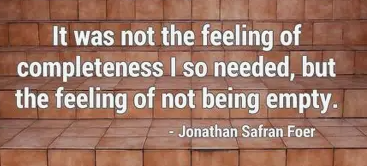
Did my parents love me? Or did they just raise me because they thought it was the moral thing to do? I never remember them ever saying, “We love you.” Likewise, I can’t ever remember myself saying, “I love you.” Sometimes I wonder if this silence was simply the way our heritage expressed itself, a family culture where love was assumed but never spoken, where duty and sacrifice were supposed to say everything words did not. Growing up in that atmosphere, I learned to read love in practical gestures and unspoken expectations—food on the table, rides to school, a roof over my head—yet a part of me still longed for the clarity of hearing the words out loud. The absence of open affection made closeness feel uncertain and conditional, as if I had to keep guessing whether I was truly loved or just responsibly cared for. Even now, I find myself struggling to say “I love you” easily, unsure if I am breaking an unspoken family rule or finally giving myself what I always needed: permission to believe that love can be both shown and said.
What is love outside of physical attraction? Is love the same without physical attraction, or does it become something deeper, quieter, and more enduring? I find myself wondering whether love can grow from emotional intimacy alone—from the comfort of being truly seen and heard, from the safety of trust built slowly over time, from the small daily acts of care that say, “I choose you” even when no one is watching. Is love present in the way two people hold space for each other’s fears and dreams, in the patience to listen and the courage to be honest, even when it’s hard? I question whether love might be found in loyalty that doesn’t waver when beauty fades, in a steady commitment to understanding the other person’s heart, and in a genuine desire to see them whole, happy, and free, even when it doesn’t directly benefit me. And if all of this is true, then I keep asking myself: is physical attraction just one piece of love, or can love exist fully, powerfully, and authentically without it at all?
This is turning into a complex topic, and the more I sit with it, the more I realize that what I am wrestling with is one of the most quietly profound questions a person can face: what love really is, how it shapes a life, and what it asks of us in return. Because of that, I want to give it the time and space it deserves instead of treating it as just a simple daily blog entry. It is slowly becoming an ongoing, very personal exploration for me—one that may grow into a longer project or even another book to add to my collection of books—as I try to listen more carefully to my own heart and experience. Thanks to one sleepless night, I find myself here with more questions than answers, but also with a sense that these questions about love are worth following wherever they lead.
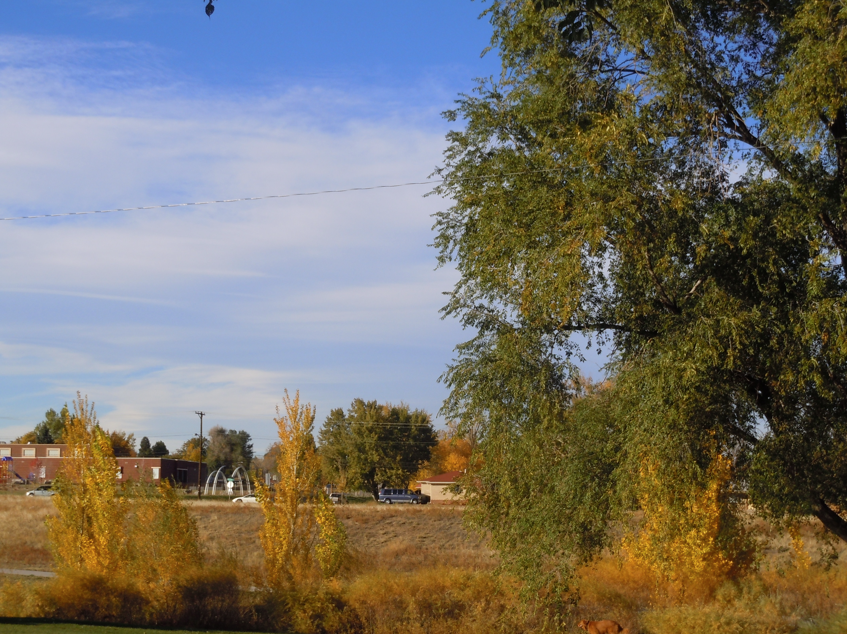
Every year, just as summer finally loosens its grip and the last heat waves wobble off the pavement, the local stations start chirping about “leaf peeping”—a phrase that sounds halfway between a nature hobby and something you’d get scolded for in grade school. But around here, it’s become the unofficial name for that brief, golden window when the trees decide to show off, trading their tired greens for wild streaks of red, orange, and gold. Overnight, the hills look freshly painted, country roads turn into slow-motion parades of brake lights and camera phones, and even the most stubborn indoor types suddenly remember they “love the outdoors.” For a couple of weeks, the whole place feels like it’s been dialed up a notch, as if the landscape is in on the joke and determined to go out in a blaze of color before winter draws the curtain.
The foothills turn into a slow‑motion fireworks display: aspens flickering like candle flames and whispering in the cool air, maples shifting from shy yellow to full‑throated red with a kind of quiet swagger, cottonwoods glowing like lanterns at dusk and tossing down crisp leaves that crunch under your boots. The air smells faintly of woodsmoke and cold river, the sky goes that sharp, impossible blue, and even the most practical folks—the ones who swear they don’t have time for “all that scenic stuff”—find themselves pulling over on the side of the road, coffee cooling in the cup holder, just to sit there and stare for a minute longer than they meant to.
Leaf peeping isn’t really about the leaves, though. It’s about the pause—the way you suddenly notice the chill on the air, the smell of woodsmoke drifting from somewhere you can’t quite see, the crunch of last week’s leaves under your boots. It’s the reminder that change can be beautiful, that endings can be colorful, a little dramatic, even oddly comforting, and that nature still knows how to throw a party without asking anyone’s permission or checking anyone’s calendar first.
So, if you catch yourself lingering a little longer on the porch, breathing in the cool air and listening to the leaves rustle like quiet applause, or taking the long way home just to see what the trees are up to and how the light spills through them, congratulations—you’re officially a leaf peeper. Around here, that’s practically a badge of honor, like being part of a secret club that meets wherever the maples and aspens decide to put on a show.
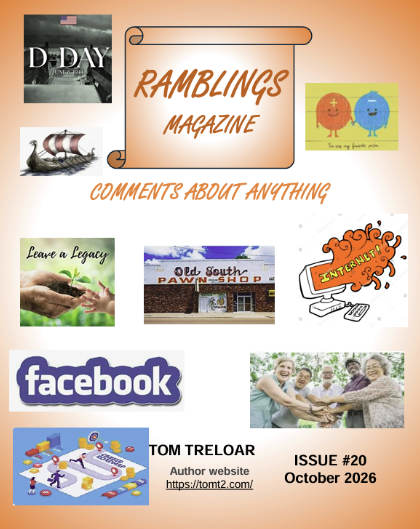
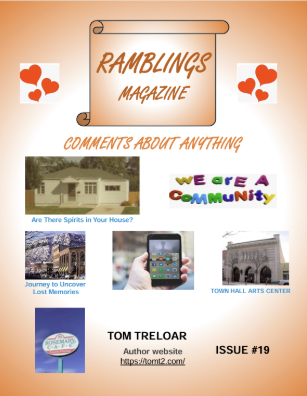
Stop by and view the newly updated page of my magazines, where you’ll discover a wealth of engaging content. There are currently 19 issues available, each packed with valuable insights and captivating stories. Every issue not only features a beautifully designed layout but also includes an audio podcast that brings the articles to life, allowing you to listen on the go. Additionally, you can access a PDF file for each issue, enabling you to view the entire magazine in a comprehensive format that’s perfect for reading at your leisure. Explore all the exciting topics covered and immerse yourself in the world of my publications.
I may be too old to hit the bottle, but I’m still a heartthrob on the keyboard! Sure, I can’t swing a softball bat or shovel snow without resembling an overcooked noodle, but I’ve discovered a treasure trove of joys that keep my mind sharp and my spirit doing the cha-cha! Typing is my jam, and I throw my heart into it like I’m auditioning for the next big Broadway show. I’ve been gracing the internet with my thoughts since 2006 on my WordPress stage—where creativity flows like coffee on a Monday morning! With over 800 posts, I’ve built a literary empire that even my fish respects. And guess what? I’m just getting warmed up! At over eighty, I’m here to prove that senior years can still be filled with shenanigans, that age is nothing but a page in a book, and that with the right attitude, we can continue to sprinkle wisdom like confetti and inspire others—even if our knees creak like an old floorboard!
Here I go, diving headfirst into the chaotic pool of creativity that the digital world splashes around like a toddler with a garden hose. I’ve hoarded a treasure trove of books, magazines, podcasts, and videos from my blogging escapades, each one a delightful little nugget that adds to my rather bizarre understanding of this wild journey. As I wrestle my way through the latest platforms and software—like a sleep-deprived octopus on roller skates—I happily dabble in everything from unusual writing styles to wild digital gadgets that supposedly make my life easier. This delightful madness keeps my brain buzzing like a caffeinated squirrel, teaching me new tricks while I wade through a swamp of discovery and innovation. Honestly, it’s downright astounding what modern computing can accomplish compared to my first awkward encounters with a personal computer back when I thought the floppy disk was high-tech. Now, every day feels like a brand-new chance to shove my limits, have a laugh with fellow wanderers, and express my thoughts in ways that would’ve made my past self question my sanity.
This is my playground! I could spend eons here, diving headfirst into a pool of creativity and digital shenanigans. Without computers, I’d still be a proud owner of a lovely pile of blank pages, wondering why my manual typewriter seems so judgmental. Seriously, can you picture me hammering away on those keys, trying to craft my dazzling tales? Not a chance! In my whimsical playground, there’s a “magazine section” showcasing my blogging escapades over the years—just call it my “greatest hits” album. These days, everyone’s buzzing about podcasts; it’s like a huge karaoke night where everyone has the mic! On my blogs, I decided to include an audio file for those folks who can’t be bothered to read—now they can listen to my ramblings while cooking, driving, or pretending to work. This little audio twist has turned into a rockstar feature, luring in a crowd eager for my charmingly chaotic insights. You wouldn’t believe it—visitors are downloading ten to twenty podcasts at once, ready to embark on the hysterical journey I share with my voice, making a connection that’s deeper than any sappy love letter!
I’ve also dipped my toes into the wild world of video, but let me tell you, it’s like trying to squeeze a sumo wrestler into a smart car – way too time-consuming and those files? Bigger than my laundry pile! With my meager 13g of storage on WordPress, I feel like a squirrel with a stash of acorns; paying for extra space on a fixed income feels like asking for a raise from a peanut!
In conclusion, welcome to my whimsical playground, where I’m having a blast wielding my pen like a sword of creativity, slashing through tales and typing out stories that are at least 30% true! Here, I share my quirkiness with the brave visitors and subscribers who’ve stumbled upon my tiny corner of the Internet, which probably isn’t on anyone’s map yet. Each article I scribble is a quirky piece of my heart — or maybe that’s just the leftover pizza! I love your comments and interactions like a dog loves a squirrel, as they send me spiraling into the depths of my imagination, making this digital circus not just my show, but a delightful collaboration of goofiness and creativity!
On September 9, 1776, the Second Continental Congress made the name “United States of America” official for the new nation that had declared independence two months earlier. It was a practical administrative step rather than a dramatic announcement, but it locked in the wording that has defined the country ever since.
Background: From “United Colonies” to independent states
By mid-1776 the thirteen British colonies had already been cooperating for more than a year through the Continental Congress. Official documents, commissions, and even Continental currency commonly used the phrase “United Colonies” (sometimes “United Colonies of North-America”). That language still implied a collection of colonies rather than fully sovereign states.
The shift began with Richard Henry Lee’s resolution, introduced on June 7, 1776, and adopted on July 2. It declared:
“That these United Colonies are, and of right ought to be, free and independent States…”
Two days later, on July 4, Congress adopted the Declaration of Independence, drafted mainly by Thomas Jefferson. The Declaration already used both phrases: it opened as “the unanimous Declaration of the thirteen united States of America” and later referred to “these United Colonies.” Jefferson’s earlier rough draft had even more prominently featured “UNITED STATES OF AMERICA.” The National Archives generally credits the Declaration with first putting the full formal name into official use.
By September the Declaration had been printed, signed, and sent to Britain. Fighting was underway in New York and elsewhere. Congress treated independence as an accomplished fact and needed consistent language for commissions, military orders, and other official papers.
The September 9 resolution
The change itself was brief and tucked into a routine session that also dealt with army pay and other wartime business. The fifth resolution of the day read:
“That in all continental commissions, and other instruments, where, heretofore, the words ‘United Colonies’ have been used, the stile be altered for the future to the ‘United States.’”
“Stile” was the 18th-century spelling of “style.” From that point forward, official documents dropped “Colonies” and used “United States.” The full phrase “United States of America” was already circulating and soon became standard.
Why the wording mattered
The founders wanted language that reflected political reality. “Colonies” suggested dependence on a distant empire. “States” signaled that each former colony was now a sovereign entity joining a union. Thomas Paine had already popularized similar phrasing in Common Sense earlier that year. The September resolution simply made the new terminology official and uniform.
The name was later written into the Articles of Confederation (adopted 1777, ratified 1781), whose first article states: “The Stile of this Confederacy shall be ‘The United States of America.’” The 1787 Constitution continued the same style.
The September 9 action was not a founding moment on the scale of July 4, but it completed the linguistic break with colonial status and gave the new country the name it has used for 250 years.
This is AI Grok generated, not me. I just asked the question. I am having a period of writers’ block.
Star Trek Day is September 8 every year. It marks the U.S. premiere of Star Trek: The Original Series on NBC in 1966. The first episode aired that night was “The Man Trap.” The series had already premiered in Canada on September 6, but the U.S. date is the one that stuck.
Gene Roddenberry created the show as an optimistic “wagon train to the stars” — a future built on exploration, diversity, and the idea that humanity could get better. The original series only lasted three seasons, but syndication, movies, and later series turned it into a lasting franchise.
How it became a “day”
Fans had marked the anniversary informally for years. Paramount made it an official annual celebration in 2020, during the pandemic, with a big virtual event. Since then it’s been a mix of studio programming and grassroots fan activity: marathons, panels, merch, games, and charity tie-ins that lean into the show’s themes of inclusion and hope.
It is not a public holiday. It’s an unofficial commemorative day, similar in spirit to May 4 for Star Wars.
Typical ways people celebrate
Rewatch “The Man Trap” or a favorite series/movie
Stream Star Trek on Paramount+
Cosplay, watch parties, fan art, conventions
Play Star Trek Online or other games (the game often adds a limited-time museum of famous ships)
The Vulcan salute (“live long and prosper”)
2026 is the 60th anniversary
This year’s Star Trek Day is bigger than usual. Highlights announced by Paramount include:
A global Vulcan salute, culminating in a Guinness World Record attempt for the most people doing the salute at once at London’s Science Museum
Free outdoor screening in Los Angeles of “The Man Trap” plus an advance Strange New Worlds episode at the Autry Museum
4K theatrical screenings of classic films paired with original-series episodes in 750+ U.S. theaters (Sept 4–8)
ESA astronaut Sophie Adenot wearing a Strange New Worlds captain’s delta badge on the International Space Station
London Underground station takeovers, a Samsung store activation, and a Movie Park Germany event
TV specials: an Entertainment Tonight archive special (Sept 7), Trek-themed The Price Is Right and Let’s Make a Deal (Sept 8), and a Big Bang TheoryTrek marathon on Nick at Nite
Season 2 premiere of the preschool series Star Trek: Scouts on YouTube
In-game events in Star Trek Online and a virtual convention with other Trek games
Official hub for updates is usually StarTrek.com and Paramount+ social channels.
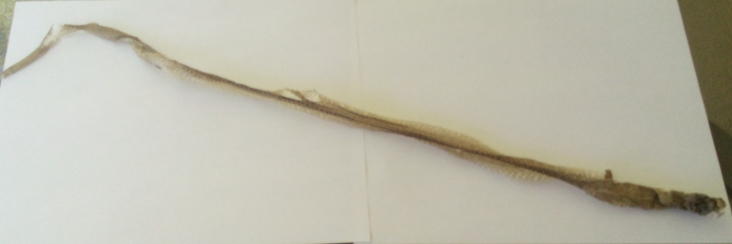
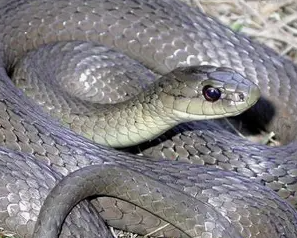
On August 4th, I blogged about Shadow the snake, the unofficial HOA manager of my front porch, who has become somewhat of a local legend in our neighborhood. Shadow, with his sleek, shimmering scales, often basked in the sun, drawing the admiration of passersby. However, I haven’t seen Shadow since then, and I was beginning to wonder if he had unfortunately become a victim of mother nature’s fickleness or if he simply decided to move on to greener pastures. Well, to my surprise, I found the skin that Shadow crawled out of recently, nestled by my foundation, a remarkable reminder of his presence. It was both a relief and enlightening to see that Shadow is still around, thriving and growing, and hopefully, I will spot him again before the cold weather sets in and he begins to take a long winter hibernation nap, disappearing into the depths of his cozy burrow until spring heralds his reappearance.
First, we survived being born to mothers who smoked and/or drank while they were pregnant.
They took aspirin, ate blue cheese dressing, tuna from a can and didn’t get tested for diabetes.
Then after that trauma, we were put to sleep on our tummies in baby cribs covered with bright colored lead-base paints.
We had no childproof lids on medicine bottles, locks on doors or cabinets and when we rode our bikes, we had baseball caps not helmets on our heads..
As infants & children, we would ride in cars with no car seats, no booster seats, no seat belts, no air bags, bald tires and sometimes no brakes.
Riding in the back of a pick- up truck on a warm day was always a special treat.
We drank water from the garden hose and not from a bottle.
We shared one soft drink with four friends, from one bottle and no one actually died from this.
We ate cupcakes, white bread, real butter and bacon. We drank Kool-Aid made with real white sugar. And, we weren’t overweight.. WHY?
Because we were always outside playing….that’s why!
We would leave home in the morning and play all day, as long as we were back when the streetlights came on…
No one was able to reach us all day. And, we were OKAY.
We would spend hours building our go-carts out of scraps and then ride them down the hill, only to find out we forgot the brakes. After running into the bushes a few times, we learned to solve the problem
We did not have Play stations, Nintendo’s and X-boxes. There were no video games, no 150 channels on cable, no video movies or DVD’s, no surround-sound or CD’s, no cell phones, no personal computers, no Internet and no chat rooms.
WE HAD FRIENDS and we went outside and found them!
We fell out of trees, got cut, broke bones and teeth and there were no lawsuits from these accidents.
We would get spankings with wooden spoons, switches, ping pong paddles, or just a bare hand and no one would call child services to report abuse.
We ate worms and mud pies made from dirt, and the worms did not live in us forever.
We were given BB guns for our 10th birthdays, made up games with sticks and tennis balls and, although we were told it would happen, we did not poke out very many eyes.
We rode bikes or walked to a friend’s house and knocked on the door or rang the bell, or just walked in and talked to them.
Little League had tryouts and not everyone made the team. Those who didn’t had to learn to deal with disappointment. Imagine that!!
The idea of a parent bailing us out if we broke the law was unheard of. They actually sided with the law!
These generations have produced some of the best risk-takers, problem solvers and inventors ever.
The past 50 years have been an explosion of innovation and new ideas.
We had freedom, failure, success and responsibility, and we learned how to deal with it all.
If YOU are one of them, CONGRATULATIONS!
You might want to share this with others who have had the luck to grow up as kids, before the lawyers and the government regulated so much of our lives for our own good.
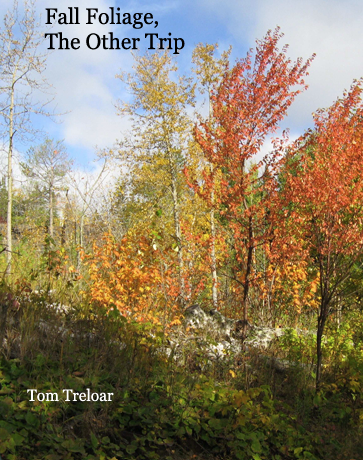
The New England states are known for their fall foliage displays, showcasing vibrant hues of red, orange, and yellow that attract travelers from far and wide. However, there is another captivating area in this great country, and that area is the upper Midwest, particularly the stunning states of Minnesota, Michigan, and Wisconsin. My wife and I embarked on this memorable trip in the fall of 2009, eager to explore the autumn splendor of these regions. As we traveled through picturesque towns and breathtaking landscapes, we were mesmerized by the natural beauty surrounding us. From the rolling hills dotted with colorful trees to the serene lakes reflecting the clear blue skies, every moment was a feast for the eyes. The unique charm of this bus trip encouraged the spirit of adventure, and I couldn’t resist writing a forty-page book on this adventure after we returned home. It was truly an interesting and exciting journey filled with delightful surprises, local folklore, and encounters with fellow travelers who shared our enthusiasm. Hope you enjoy the vivid descriptions and experiences I’ve captured from our unforgettable journey.
Just want to relay that I am proud of my oldest son, Jeff, his is taking the big step and starting his own business. I am excited and enthusiastic about this new adventure in his life.
Meet the Owner
I’m Jeff, the owner of Red Clay Fixworks. After working as a mechanical designer/drafter for 25 years, my once hobby of home improvement has become my passion. I strive to help all homeowners keep their homes in top shape. Whether it’s a small repair, routine maintenance, or a home improvement project, I take pride in providing dependable, high-quality work. No job is too small!
Building trust is just as important as completing the job right. Every project is completed with the same precision and respect I’d give my own home.
Thank you for supporting my local small business! If you have a project in mind, I’d love the opportunity to help. Send me a message or give me a call for a free estimate.
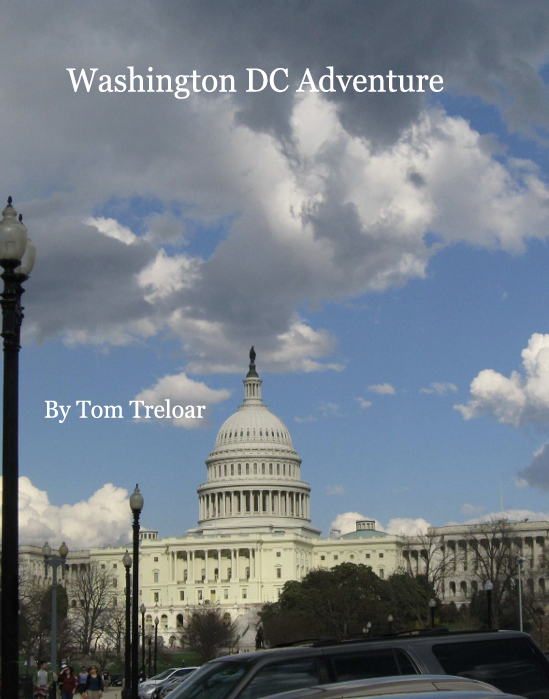
In spite of the cold weather and gloomy skies, this was an enjoyable trip filled with memorable experiences and delightful discoveries. Our hotel was conveniently located near The National Mall, providing easy access to some of the most iconic landmarks in the city. Each morning, we would wake up excited to explore the rich history and culture that surrounded us. It was incredibly convenient to have accommodations close to the mall, as we could effortlessly stroll to museums and monuments without the hassle of transportation. The convenience also allowed us to return to our room whenever we needed a break from the chill or wanted to freshen up before heading out again for dinner or evening walks beneath the dimly lit skies.
Arlington National Cemetery and The Iwo Jima Monument are sites that cannot be missed, as they offer a profound glimpse into the sacrifices made by brave servicemen and women throughout history. Visiting Arlington, one can pay respects to countless heroes while surrounded by the serene beauty of its manicured landscapes and historic marble headstones. The majestic Iwo Jima Monument, depicting the iconic flag-raising event, stands as a powerful tribute and draws visitors from around the world who marvel at its sheer size and the emotion it evokes. Nearby, Mount Vernon is a beautiful area that adds to the charm of the region, featuring the historic estate of George Washington, with its stunning gardens and breathtaking views of the Potomac River, making it an ideal destination for those looking to immerse themselves in American history and natural beauty.
Colonial Williamsburg is another gigantic historical site that immerses visitors in the rich tapestry of American history, showcasing life in the 18th century. Jamestowne and Yorktowne, both significant colonial settlements, offer further insights into the early American experience, highlighting the challenges and triumphs faced by the first settlers. From the reconstruction of colonial buildings to interactive exhibits that bring history to life, these sites provide unique opportunities to explore the foundations of democracy and the diverse cultures that shaped the nation.
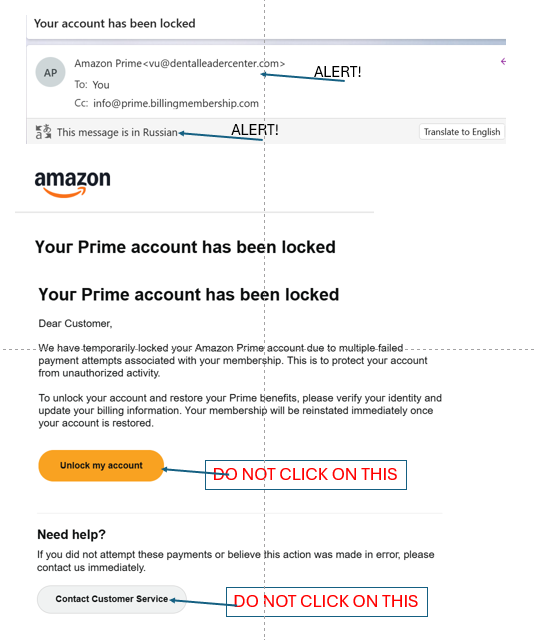
I recently received this email, and I immediately knew this was a scam. Because I don’t have a prime account. Also, that email address looked suspicious and the message was in Russian originally, another alert. They want you to click on the tabs and give them your personal information such as account number, password, bank account and any other personal information. or they want to corrupt your equipment. DO NOT CLICK!
The best indicator that I use is look at the sender’s email address. dentalleadercenter does not look like amazon would use this in their email. Also, I am sure Amazon does not send out messages in Russian.
Report this to your email provider and it may help some unsuspecting email reader from being a victim of a scam.
Never click on a link or open a file you receive from someone or a business—at least not until you’ve made sure it’s truly what it claims to be. In today’s digital world, the danger doesn’t come with a rattlesnake’s warning buzz; it arrives dressed up like your bank, your insurance company, or even your neighbor. One careless click can invite trouble straight into your computer, and once it’s inside, it doesn’t politely wipe its feet.
If something shows up unexpectedly, treat it the way you’d treat a stranger knocking at your door after dark: look through the peephole first. Go to the company’s website yourself, call the friend who “sent” the file, or simply delete the whole thing and move on with your day. A moment of caution now saves a whole lot of headaches later.
If your email allows reporting suspicious emails, take the time to report the suspicious emails you receive, as this small but important action can significantly contribute to the overall safety of the online community. By reporting these emails, you not only help your own inbox stay free from potential threats but also assist in protecting others from the headaches and potential financial loss that could have been prevented through your vigilance. It’s crucial to remember that many people may not be aware of the risks posed by phishing or scam attempts, so your proactive efforts can create a ripple effect of awareness and security, ultimately fostering a safer digital environment for everyone.
This is my second book that was created in 2009. At that time, I was an active blogger at yourhub.com, a vibrant online platform operated by the now defunct Rocky Mountain News newspaper. The challenge was to post a photo blog every day for six months, which required not just creativity but also discipline and dedication. I was successful in accomplishing this challenge, even taking a memorable trip to Washington DC during that period. It was fascinating to capture the sights and sounds of the city, and I made it a point to post a photo for that day, no matter how busy my schedule became. Even while on vacation, I would take the time to find interesting angles and moments to share with my readers. What did I receive for this challenge? The only gift was the self-satisfaction that I posted a blog every day for six months, a testament to my commitment to chronicling my experiences. It was incredibly rewarding to engage with an audience and see my blog grow in popularity. It was fun, though, and I enjoyed doing it; each post became a small piece of history, capturing not only the moments but my journey as a blogger and storyteller.
I was going through my book I published in 2009, “Photo a Day”, and ran across this about gas prices of November 18, 2008.
I then asked Grok, “what happened around 2008 that made gas prices high and then low“.
This was the response. In 2008, U.S. gasoline prices rose to a record high (around $4.11–$4.17 per gallon nationally in July) before crashing sharply to about $1.60–$1.67 by the end of the year. This tracked crude oil prices, which peaked near $145–$147 per barrel in early July 2008 and then fell more than 70% (to the low $30s by late December/early 2009).
Why prices went high (leading into mid-2008)
A combination of strong global demand and constrained supply built up over several years:
Booming demand from emerging economies (especially China and India) plus a relatively strong U.S. economy increased oil consumption.
Supply was tight: limited spare production capacity, earlier disruptions (e.g., related to the Iraq War and Hurricane Katrina in 2005 affecting Gulf Coast refining), and production challenges in places like Nigeria.
Other contributing factors included a weaker U.S. dollar (oil is priced in dollars), geopolitical tensions (Middle East, etc.), and financial speculation/investment flows into oil futures markets.
These pressures pushed oil (and thus gasoline) prices steadily higher through the mid-2000s, culminating in the mid-2008 peak.
Why prices then dropped sharply (second half of 2008)
The global financial crisis (and resulting Great Recession) caused demand to collapse:
The crisis intensified in September 2008 with the failure of Lehman Brothers and broader credit/market turmoil.
Millions of job losses, falling incomes, reduced driving/travel, and a broader economic slowdown sharply cut oil and gasoline consumption worldwide.
At the same time, oil production had increased in response to earlier high prices, creating a temporary oversupply relative to the sudden drop in demand.
Speculative money also exited the oil markets, amplifying the decline.
Prices fell rapidly—gasoline saw its largest recorded drops in some surveys as crude slid and demand weakened. By late 2008/early 2009, the national average was back near $1.60–$2.35 for the year.
In short, the high prices reflected a multi-year demand surge meeting limited supply growth, while the subsequent crash was driven by the sudden economic collapse that crushed demand. Gasoline prices closely follow crude oil (with refining, taxes, and local factors adding costs), so the oil market swings dominated. Similar dynamics have appeared in other oil price spikes and crashes historically.
I thought this was interesting due to the price and instability we are seeing these days, especially as many people are feeling the effects of inflation on their everyday expenses. The fluctuations in prices have not only impacted essential goods but have also created uncertainty in various markets, leading consumers to be more cautious in their spending. Additionally, it’s fascinating to observe how these economic conditions are shaping consumer behavior and influencing decisions on everything from investments to long-term financial planning.
In September of 2007, my wife, Dee and I took a trip to Italy, a journey that turned out to be one of the most enjoyable and exciting experiences of our lives. As we wandered through the enchanting streets of Rome, admired the breathtaking art in Florence, and savored the delectable cuisine. I felt an overwhelming urge to document our adventures. During this time, I also heard of a self-publishing site from a fellow blogger, which sparked a new idea in my mind. Somewhere in 2008, inspired by our unforgettable Italian getaway, I decided to take the plunge and try my hand at publishing a book, believing our trip to Italy was an ideal subject to share with others. Below is a link to view the entire book of forty pages, a labor of love that encapsulates our travels and the emotions we experienced along the way. This journey was not only about exploring stunning landscapes and indulging in gelato but also became one of the key motivators to start a path of writing books. Since then, I have poured my heart into my passion, and now, I proudly have fourteen books available on Amazon. LINK While I may never make the best seller list, the joy and fulfillment I derive from this creative journey far outweigh the goal of commercial success, and I am thoroughly enjoying and having fun on this trip of book writing, which continues to evolve with every page I write.
Yesterday, my wife and I went to lunch at IHOP, a place we both enjoy for its cozy atmosphere and diverse menu options. It was a good and uneventful lunch, allowing us to relax and catch up on our week. We go there quite often because it is conveniently close to our home and easy to get to, which makes it an ideal spot for a quick bite or a leisurely meal. Additionally, they usually have many customers, which is a good sign that the food is acceptable and priced reasonably; seeing families, friends, and regulars enjoying their meals as we did only adds to the inviting ambiance of the restaurant. The wide selection of pancakes and breakfast items always tempts us to try something new while still satisfying our cravings for our favorites.
When it was time to get the check, the waitress comes over and says, “you are good to go.” I say, “we didn’t get our check yet.” She responded, “the booth over there took care of your bill.” It was empty now, and I couldn’t help but feel a rush of curiosity mixed with gratitude. I vaguely remember it was a young man with his son that was around ten years old, both seemingly enjoying their meal together just moments before. We asked, “why did he pay for our meal?” She replied, “he didn’t say, just that he was going to pay for your meal. She also commented that he comes in quite often, but she doesn’t know his name.” My wife says she remembers that he pointed over at us when he was talking to the waitress once, which made it feel all the more personal, as if he was intentionally choosing to extend kindness our way. We don’t have a clue why he did this, but we felt a strange connection to him as if he had somehow recognized something in us. I remember going to the restroom and walking past him—I didn’t recognize the person and at that moment, our lives didn’t intertwine, which only added to the mystery of it all. Naturally, I didn’t pay that much attention when walking by, but the thought lingered in my mind. It was surprising that such a simple act could resonate so deeply. Anyway, that was a gesture that came out of nowhere and it goes to show that there are still many good people around—individuals willing to do good things for complete strangers, which can be very surprising and heartwarming, leaving a lasting impression of hope and kindness in a world that often feels chaotic and indifferent.
I was in need of a phone number for a friend, and I had difficulty finding this number, which turned out to be more challenging than I had anticipated. I had accumulated a list of phone numbers and addresses over the years, a collection that seemed to hold the potential answers I sought. My wife, too, had ventured into her own project, obtaining her own set of numbers through various means, including old contacts and resourceful inquiries. Our collective efforts resulted in a stack of paper books filled with many cross outs and handwritten changes, a testament to our tireless search. It was at this point, after becoming increasingly frustrated with the chaotic nature of our records, that I decided to embark on a new project. This endeavor involved taking all these accumulations of lists and meticulously combining them into a singular, organized database. With this purpose in mind, I created an Excel spreadsheet, a powerful tool that allows me to keep everything up to date, make necessary changes, and sort the information in any way I desire. It is truly amazing what modern technology allows one to do; it transforms what once seemed like a daunting task into a manageable, efficient process, bringing a sense of clarity and organization to my efforts.
As I was composing this database, it was saddening to see all the names and contacts that have passed on, each representing a cherished memory and a story that will forever remain etched in my heart. However, amid this reflection on loss, I feel very fortunate to live as long as I have, to witness the beauty of life, and to meet and enjoy so many friends and family who have enriched my journey. Their laughter, kindness, and wisdom have shaped me in ways I can hardly express, turning ordinary moments into lasting treasures that I carry with me. Each entry in this database serves as a poignant reminder of the deep connections we’ve forged and the legacy of love that continues to inspire me every day.
When my son was a teenager, he strutted around like he had a PhD in life, firmly believing he had all the answers—spoiler alert: he didn’t! His boundless confidence sometimes had me raising an eyebrow as he made bold choices during those delightful years of chaos. He dabbled in rebellion and curiosity, all while figuring out that adulthood came with a side of responsibility and a pinch of life’s absurd complexities. As he navigated through conflicts, emotional rollercoasters, and the glorious mess of school, I watched him slowly transform into a young man who could actually hold a conversation! I was the supportive ghost in the background, popping up to offer advice when necessary and letting him trip over his own feet—figuratively speaking! Ultimately, he emerged wiser (and slightly less convinced he could conquer the world in one day), with a much clearer view of this hilariously unpredictable world we live in.
Somewhere around twenty-five, he said to me, “Dad, I’m amazed at how much smarter and wiser you’ve become in the last ten years. I often think about the lessons you’ve taught me, from your stories of perseverance to your insights on life and relationships. Your experiences have shaped who you are and greatly influenced my perspective. I hope to carry some of that wisdom into my own life as I enter adulthood and face my challenges. I will remember your encouragement and how you handled obstacles with strength and grace. I want to share these lessons with my future children, as I believe it will help them understand the world and find their own way.”
This was the best compliment I could have ever received. It made my day, lighting up my spirits and filling me with an overwhelming sense of joy and gratitude. Every detail of that moment is etched in my memory; from the warmth of the sun on my skin to the sound of laughter that surrounded me, each element adding to the magic of that experience. I can still recall the smile on my son’s face as he delivered those kind words, a memory so vivid that it feels as though it happened just yesterday. Over the past 25 years, that compliment has remained a guiding light during challenging times, reminding me of the power of kindness and the impact one simple gesture can have on a person’s life. It is a treasured moment that I hold close to my heart, serving as a constant reminder to cherish such uplifting experiences.
I have been blogging on various platforms since around 2006, and it has been a remarkable journey of sharing my thoughts and experiences with a diverse audience. On WordPress alone, I am close to having 775 posts on the platform, each one capturing a snapshot of my life and interests. I have learned that podcasts are the large item these days. So, I also include an audio podcast on many of my blogs. I have self-published travel books and a biography on Blurb.com, showcasing my fascination with different cultures and the stories of extraordinary people. Additionally, on that platform, I have a magazine series with nineteen issues, which allows me to delve deeper into topics I am passionate about, from travel and adventure to personal growth and storytelling. Most of my blogging has revolved around personal experiences or activities, offering readers a glimpse into my everyday life and the lessons I’ve learned along the way. However, after close to 25 years of documenting my journey, you start to run out of events and personal experiences to write about, leading to a creative plateau. Therefore, I started to search for a new challenge, eagerly looking for fresh perspectives and untold stories that will inspire both myself and my readers in this ever-evolving landscape of digital communication.
I forget how I stumbled across that Amazon has a Kindle Direct Publishing feature. It allows mere mortals like me to compose and publish eBooks to be added to their Kindle platform, offering an incredible opportunity for authors to share their voice with the world. The investment is mostly time and the desire to try something different, an exciting venture that has the potential to transform ideas into tangible works. I cannot imagine a book publishing company to be interested in my ramblings, considering the competitive landscape filled with seasoned writers, and I don’t have a clue how to even locate a publisher that may be interested in my unconventional stories. During that time, I had the thought, “why don’t I try some fiction writing?” It struck me as a way to creatively express myself and escape the mundane routines of daily life. Many times, in my life, it has been said that I am a dreamer and have crazy thoughts and ideas, often weaving elaborate tales in my mind that yearn to be told. With the help of AI, my dreams and thoughts are coming alive. I believe that through fiction, I might not only entertain others but also find a deeper connection to my own aspirations and experiences, allowing my imagination to soar like never before.
Shadow has lived under my front concrete porch slab for three seasons now. I don’t know if Shadow is he or she, and honestly, Shadow doesn’t seem too concerned about clearing that up. What I do know is that when the weather warms, Shadow slides out from the little gap near the roses and stretches out in the sunshine like it’s a personal spa appointment. Shadow is the name I gave because it slithers into the shadows when I come near.
We’ve developed a kind of understanding, Shadow and I. I water the roses most mornings, and the moment that first splash of cold water hits the soil, Shadow gives me a look—if snakes can give looks—and quietly slips back into the nest beneath the porch. No fuss, no drama, just a smooth retreat, as if to say, Alright, old man, I’ll let you finish your gardening.
By the time the sun climbs high again, Shadow is usually back out, soaking up the heat on the walkway. I’ve come to expect the sight, the same way you expect a familiar neighbor to wave from across the street. There’s something comforting about a creature returning year after year, choosing your porch as home base.
I never planned on having a snake as a seasonal roommate, but here we are. Shadow keeps the yard free of pests, I keep the roses watered, and we both enjoy the Colorado sunshine in our own ways. Not a bad arrangement for two very different creatures sharing the same little patch of earth.
I woke up this Monday morning, and at eighty-plus, that feels like a pretty good start. The chances of enjoying another day are still in my favor, and that’s something I don’t overlook anymore. Each sunrise brings with it a sense of hope and renewal, reminding me of the precious time I have left to savor life’s moments. The older I get, the more these simple mornings feel like small blessings—quiet, steady, and worth noticing. I often take a moment to appreciate the stillness of the house, the gentle sounds of nature outside my window, and the comforting aroma of my morning coffee brewing in the kitchen. These fleeting instances of peace allow me to reflect on my journey, celebrating not only the milestones but also the everyday joys that make life rich and meaningful.
Nothing fancy on the agenda today. Just a cup of coffee, a little sunlight sneaking through the blinds, and the familiar rhythm of another day beginning. At this stage of life, that’s more than enough to make me grateful.
Here’s to another Monday, another chance, and another day to appreciate the ordinary, to find beauty in the routine, and to embrace the little moments that often go unnoticed. It’s a fresh opportunity to set new goals, reconnect with our passions, and inspire those around us with positivity. As the week unfolds, let us celebrate the simplicity of everyday life, the laughter shared with friends, and the satisfaction of small achievements that accumulate and shape our journey.
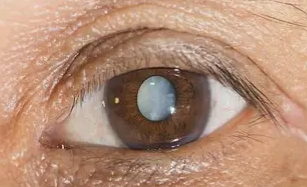
Yesterday my wife had double cataract surgery, a significant procedure that marks a crucial point in her journey towards clearer vision. I had surgery myself in 2002 and again five years later in 2007, so I understand firsthand the emotional and physical aspects of the experience. In those 20 plus years, I have witnessed remarkable advancements in medical technology and techniques, which have improved not just the safety but also the effectiveness of the procedure. The changes in these two decades, including innovations in lens materials and surgical methods, have contributed to faster recovery times and better outcomes, giving us hope for a brighter future post-surgery.
When my procedures took place, I had a regiment of antibiotic eye drops starting 2 days before the procedure and continuing for 3 to 5 days after the procedure to ensure proper healing and to combat any potential infections. However, I recently learned that the current approach has shifted significantly; now, it seems they don’t act very concerned about eye infections at all. This change intrigued me, so I felt compelled to ask the medical team about the reasoning behind it. They explained that over time, their research and observations revealed that very few patients actually end up developing eye infections following the procedures. As a result, they determined that the routine use of prophylactic antibiotic eye drops could be eliminated, which not only streamlines patient care but also minimizes unnecessary medication usage. It’s fascinating how medical practices evolve based on emerging data and patient outcomes.
When mine was done, it was a strict no-no to perform surgery on both eyes at the same time, due to the potential risks and complications involved. Surgeons advised waiting for one eye to heal completely before addressing the other, as this cautious approach was deemed necessary to ensure the safety and effectiveness of the procedure. However, in recent years, advancements in medical technology have significantly changed this perspective. Now, they say that if the eyes are ripe for surgery or in urgent need of replacement, they frequently operate on both eyes simultaneously with increased confidence and without significant concerns. This shift in practice not only accelerates recovery time for patients but also enhances their overall visual outcomes, allowing many to return to their daily activities much quicker than before.
It is still an outpatient procedure, and the time takes around 4 hours, which allows patients to return home the same day without the need for an overnight hospital stay. Additionally, a follow-up appointment the next day is required to ensure everything is healing properly and to address any potential concerns. It is just amazing how the medical innovations have progressed, making such procedures safer and more efficient, ultimately improving patient outcomes and enhancing the overall experience for those undergoing treatment. Patients can feel more at ease knowing that advancements in technology and techniques have significantly reduced recovery time and minimized discomfort.
If you reach the age of 60 you will more than likely need cataract replacements sometime in your remaining years.
UPDATE: IN A FOLLOW UP VISIT, I FIND OUT THEY GIVE AN ANTIOBOTIC THROUGH AN I V DURING SURGERY.
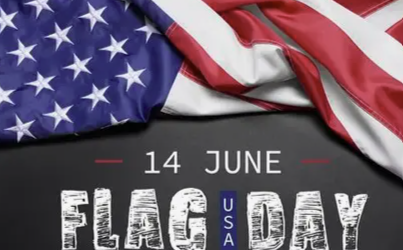
June 14th slips onto the calendar without the fanfare of the big summer holidays, but Flag Day has its own kind of quiet charm. It’s a day that asks us to pause—not for fireworks or parades, but for a simple moment of appreciation. The American flag has flown over our best days and our hardest ones, over front porches, schoolyards, stadiums, and small-town streets across the country.
For many of us who’ve lived our whole lives in the Denver Metro area, that flag has been a steady backdrop to decades of change. Today is a reminder that symbols matter because the people behind them matter. Neighbors, families, veterans, teachers, first responders, and all the everyday folks who keep this place moving forward.
So on this Flag Day, take a second look at the red, white, and blue waving in the warm June breeze. It’s not about politics—it’s about gratitude, history, and the shared story we’re still writing together.
June 12, 1987, President Ronald Reagan famously told Mikhail Gorbachev to “tear down this wall” at the Brandenburg Gate in Berlin, a powerful declaration that resonated around the world and symbolized the growing desire for freedom and unity in a divided Europe. This iconic moment occurred during a significant period in the Cold War, when tensions were high and the Iron Curtain divided East and West. Reagan’s words urged the Soviet leader to take a bold step towards dismantling the barriers that separated families and friends, emphasizing the importance of liberty over oppression. As millions watched on television and gathered in the streets, this call to action not only inspired hope among those living under communist regimes but also marked a pivotal turning point in the struggle against tyranny, setting the stage for future changes in Eastern Europe.
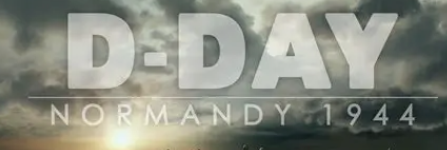
June 6, 1944, stands as one of the most consequential mornings in human history—a day when the course of World War II, and the world itself, shifted.
On the early morning of June 6, 1944, the Allies launched the largest combined naval, air, and land operation ever attempted. Codenamed Operation Overlord, it was the long‑awaited invasion of Nazi‑occupied France. In the dark hours before dawn, airborne troops dropped behind enemy lines to secure key positions, and at 6:30 a.m., the first waves of soldiers began landing on the five assault beaches: Utah, Omaha, Gold, Juno, and Sword.
By the end of the day, roughly 156,000 Allied troops had come ashore, establishing a foothold that would grow into the liberation of Western Europe. The cost was staggering—thousands of Allied soldiers were killed facing the fortified German defenses—but the mission succeeded.
The images we remember—grainy photos of young men stepping into surf under fire—capture only a fraction of the courage it took. Those troops faced what seemed like an impossible task, yet they pressed forward, beach by beach, yard by yard.
D‑Day wasn’t just a battle. It was a turning point. A day when ordinary men performed extraordinary acts, and the world began its long march toward freedom.
I’ve come to accept that I suffer from a lifelong case of diarrhea of the pen. Words just… happen. They spill out, tumble forward, and insist on being arranged into something—anything—before the day is done. Fourteen books on Amazon, nineteen magazines, and nearly five blog posts a week stand as evidence that whatever this condition is, it’s chronic and probably incurable.
And honestly, I hope it never gets cured.
I don’t write for money. I don’t write for bestseller lists. I don’t write because I think the world is waiting breathlessly for my next paragraph. I write because something in me feels more alive when the words are moving. I write because stories tap me on the shoulder like impatient children and say, “Well? Are you going to let me out or not?”
Most days, I simply give in and let them run.
My joy doesn’t come from sales charts or rankings. It comes from the quiet, human magic of knowing that someone—somewhere—read something I wrote and felt a spark. Maybe a smile. Maybe a memory. Maybe a moment of comfort. Maybe just the sense that they’re not walking this earth alone.
That’s enough for me. More than enough.
Writing has become my way of staying awake to the world. It keeps me curious. It keeps me grateful. It keeps me connected to people I may never meet but somehow still understand. Every sentence is a small bridge, and I’ve always loved building bridges.
So I’ll keep writing. Not because I’m chasing anything, but because this is who I am: a man who finds meaning in the steady rhythm of words, day after day, page after page. A man who knows that creating something—anything—is its own kind of success.
And if even one person reads it and feels a little lighter, a little seen, a little more connected, then every word was worth it.
June has a way of arriving without fanfare. No fireworks, no parades, no dramatic seasonal shift. It just steps onto the stage with a gentle clearing of the throat and says, “I’m here. Let’s begin.” And somehow, that’s enough.
Today is the unofficial start of the easy season—longer light, warmer mornings, and that subtle lift in the air that reminds us we’ve made it through another winter, another spring, another stretch of life’s unpredictable weather. June 1st is the doorway to the days we’ll remember later: the ones filled with iced tea, porch conversations, and the kind of evenings that linger long after the sun has technically set.
There’s a promise tucked inside this date. Not a loud one. More like a quiet invitation to slow down, look around, and let the small things count for more than they usually do. The first hummingbird at the feeder. The first tomato blossom. The first morning you step outside and realize you don’t need a jacket anymore.
June doesn’t demand anything from us. It simply offers itself—thirty days of warmth, light, and possibility. And on this first one, we get to choose how we’ll meet it.
So here’s to June 1st: a gentle beginning, a soft reset, a reminder that even halfway through the year, there’s still so much ahead worth leaning toward.
May today bring you something simple and good. May it feel like the start of something you didn’t know you needed.
What small thing is signaling “summer” to you this morning?
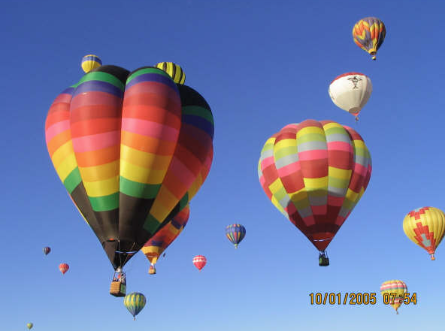
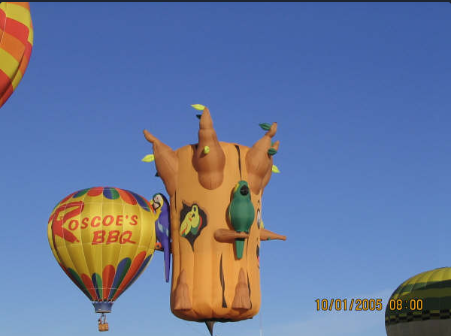
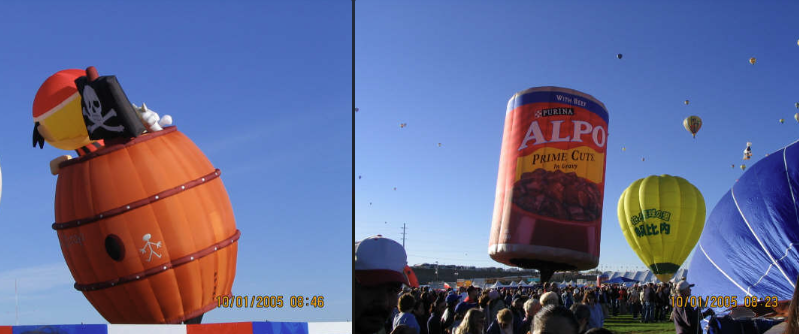
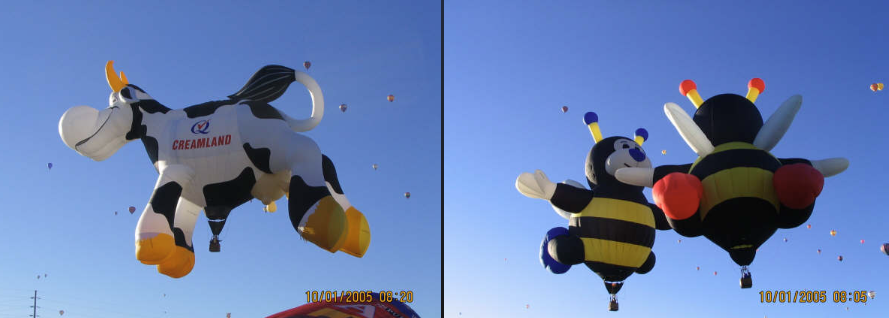
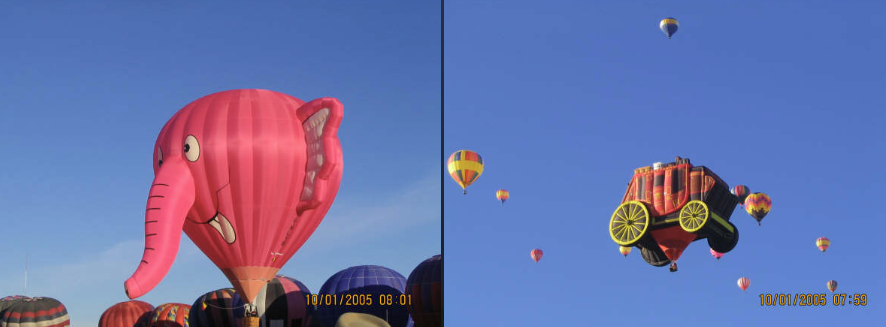
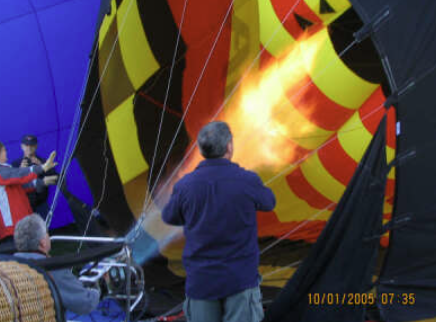
In October 2005 my wife and I took a trip to Albuquerque for the balloon festival. it is one of the largest balloon festivals in the world. We had a blast and got to view many strange and unusual balloons. Here are some.
Good morning, readers. Recently in the news the conversation about eliminating the routine of Daylight-Saving Time every spring and fall. Here are my nickels worth.
Here we go again—Daylight Saving Time. That twice‑a‑year ritual where we all pretend moving the clock forward or backward somehow gives us more control over the sun. Every March and November, we do this little dance, and every time I find myself wondering who, exactly, we’re trying to fool. The sun certainly isn’t paying attention to our clocks. No matter what, there is only 24 hours in a day.
Still, there’s something almost ceremonial about it. The moment you change the time, you feel the shift. Mornings get brighter or darker, evenings stretch or shrink, and suddenly the rhythm of the day feels just a little off. It’s like someone nudged the world a half‑step sideways.
The funny thing is, everyone has an opinion about Daylight Saving Time. Some people love the longer evenings. Others grumble about losing an hour of sleep. And then there are those who swear their pets never recover from the disruption. (Honestly, I think the pets handle it better than we do.)
For me, the beginning of Daylight Saving Time always feels like a gentle nudge toward the warmer months. A reminder that summer is out there warming up in the bullpen. The days stretch a little longer, the light lingers a little later, and the foothills start to glow in that late‑day gold that makes you want to sit on the porch just a few minutes more.
But it also makes me think about time itself—how we measure it, how we chase it, how we try to control it even though it moves with or without our permission. Maybe that’s why this little clock‑changing ritual feels so human. We’re trying to shape the day to fit our lives, even if only by an hour.
President Franklin D. Roosevelt instituted year-round “War Time” DST from February 9, 1942, to September 30, 1945, for energy conservation and it has been around since. Just because of the simple fact that there are only 24 hours in the day I could never understand or agree with Daylight Savings Time.
How do you feel about Daylight Saving Time? Love it, hate it, or just tolerate it? Share your thoughts below—I always enjoy hearing how others navigate this twice‑a‑year shuffle.
Hello readers, let me tell you something I’ve learned about living past eighty. It’s not what I expected. In fact, it’s better.
When you cross that eighty‑year mark, life starts to feel like a bonus chapter the publisher forgot to mention. You turn the page thinking the story is winding down, and suddenly—surprise—there’s more. And not filler material either. Good stuff. Rich stuff. The kind of pages you read slowly because you finally understand there’s no need to rush.
At this age, mornings feel different. The light comes in softer, almost like it’s checking on you. Coffee tastes better because you’re not gulping it on your way to somewhere else. Even the rain—those long, steady Colorado rains in the last couple of days—feels less like weather and more like company.
One of the great joys of being over eighty is that the small things become the big things. A comfortable chair. A neighbor waving from across the street. The foothills changing color as the day moves along. A good conversation. A quiet house. A warm jacket that still fits.
You stop apologizing for enjoying these things. You’ve earned them.
And let me tell you—perspective becomes your superpower. You’ve lived through enough storms to know that most of them pass. You’ve seen the world spin through cycles of anger, hope, confusion, renewal. You’ve learned that people are more alike than they admit, and that kindness still works, even when the world forgets it for a while.
There’s also a certain humor that comes with being this age. You misplace your glasses only to find them on your head. You walk into a room and forget why you’re there, but you stay anyway because the room is comfortable. You catch yourself saying things your grandparents once said—and now you finally understand why they said them.
But the best part, the part I wouldn’t trade for anything, is the clarity. You know what matters. You know what doesn’t. You know which people deserve your time and which worries don’t. You know that memories are treasures, not burdens. And you know that love—given freely, received gratefully—is the real currency of a life well lived.
Living past eighty isn’t the end of the story. It’s the chapter where the writing gets deeper, the humor gets warmer, and the gratitude gets louder.
And every morning you wake up, you realize something simple and beautiful: You’re still here. Still learning. Still noticing. Still becoming.
The rain had been falling for three days straight, the kind of steady, unhurried rain that didn’t bother with theatrics. No thunder, no lightning—just a soft percussion on the roof, like someone drumming their fingers while thinking of what to say next. By the third morning, the foothills were wrapped in a gray shawl, and the whole neighborhood seemed to be speaking in whispers.
Stan stood at the front door with a mug of coffee that had gone lukewarm while he wasn’t paying attention. He liked days like this. Rainy days slowed the world down to his preferred speed. They made it easier to notice things: the way the street glistened like polished stone, the way the pine trees bowed slightly under the weight of the water, the way the air smelled like wet earth and memory.
He decided to take a walk.
Not a purposeful walk. Not the kind where you count steps or aim for a destination. Just a meander, the kind of wandering that rainy days practically insist upon. He grabbed his old canvas jacket—the one with the frayed cuffs and the pocket that always caught loose threads—and stepped outside.
The rain greeted him like an old friend.
It wasn’t cold, just cool enough to remind him he was alive. Puddles gathered along the curb, each one holding a tiny, trembling version of the sky. He stepped around them at first, then through them, because there are moments in life when you’re allowed to be eight years old again.
A few blocks down, he passed Mrs. Shaw’s house. She was on her porch, wrapped in a quilt, watching the rain as if it were a movie she’d seen a hundred times but still loved. She waved. He waved back. No words needed. Rainy days have their own language.
He kept walking until he reached the small park tucked between two streets. The swings were empty, gently swaying as if someone had just hopped off. The picnic tables were dark with water, and the grass looked greener than it had in months. He sat on the bench under the big cottonwood tree, the one that had stood there longer than most of the houses.
The rain softened. The world smelled like renewal.
Stan closed his eyes and listened. Not just to the rain, but to everything beneath it—the distant hum of a car, the soft rustle of leaves, the quiet thump of his own heartbeat. It felt like the world was reminding him of something simple and important: that life doesn’t always need to be chased. Sometimes it just needs to be noticed.
When he finally stood to head home, he felt lighter. Not because anything had changed, but because rainy days have a way of rinsing off the noise, we didn’t realize we were carrying.
Back at his desk, he opened his laptop, rain still tapping the window beside him. He began to write—not because he had to, but because rainy days make good stories, and someone ought to catch them before they slip away.
There’s something quietly triumphant about a Friday landing smack in the middle of the month. It’s not a holiday, not a milestone, not even a long weekend. It’s just… Friday the 15th. A perfectly ordinary day that somehow feels like a small victory lap.
Maybe that’s the magic of it.
Fridays like this remind us that life isn’t built from the fireworks moments. It’s built from the in‑between ones—the days when the coffee tastes just right, the sun hits the kitchen window at the perfect angle, and you catch yourself humming a tune you didn’t even know you remembered.
On a Friday like this, the world seems to exhale a little. People walk a touch lighter. The grocery store cashier smiles more easily. Even the dog seems to know the weekend is tiptoeing closer, tail wagging with that “we made it” energy.
And maybe you feel it too—that gentle shift from effort to ease. The week’s rough edges soften. The to‑do list stops shouting and starts whispering. You realize that despite everything—news cycles, errands, the occasional misplaced sock—you’ve made it through another stretch of days on this spinning planet.
That’s worth celebrating.
Not with confetti or grand gestures, but with something simple: a deep breath, a warm cup, a moment of gratitude for the ordinary. Because ordinary is underrated. Ordinary is where the good stuff hides.
So here’s to Friday the 15th. To the small joys. To the quiet victories. To the steady rhythm of showing up, day after day, and finding meaning tucked into the corners.
May your Friday be gentle, your weekend generous, and your heart open to the tiny wonders waiting to be noticed.
Good morning, readers. Recently in the news the conversation about eliminating the routine of Daylight-Saving Time every spring and fall. Here are my nickels worth.
Here we go again—Daylight Saving Time. That twice‑a‑year ritual where we all pretend moving the clock forward or backward somehow gives us more control over the sun. Every March and November, we do this little dance, and every time I find myself wondering who, exactly, we’re trying to fool. The sun certainly isn’t paying attention to our clocks. No matter what, there is only 24 hours in a day.
Still, there’s something almost ceremonial about it. The moment you change the time, you feel the shift. Mornings get brighter or darker, evenings stretch or shrink, and suddenly the rhythm of the day feels just a little off. It’s like someone nudged the world a half‑step sideways.
The funny thing is, everyone has an opinion about Daylight Saving Time. Some people love the longer evenings. Others grumble about losing an hour of sleep. And then there are those who swear their pets never recover from the disruption. (Honestly, I think the pets handle it better than we do.)
For me, the beginning of Daylight Saving Time always feels like a gentle nudge toward the warmer months. A reminder that summer is out there warming up in the bullpen. The days stretch a little longer, the light lingers a little later, and the foothills start to glow in that late‑day gold that makes you want to sit on the porch just a few minutes more.
But it also makes me think about time itself—how we measure it, how we chase it, how we try to control it even though it moves with or without our permission. Maybe that’s why this little clock‑changing ritual feels so human. We’re trying to shape the day to fit our lives, even if only by an hour.
President Franklin D. Roosevelt instituted year-round “War Time” DST from February 9, 1942, to September 30, 1945, for energy conservation and it has been around since. Just because of the simple fact that there are only 24 hours in the day I could never understand or agree with Daylight Savings Time.
How do you feel about Daylight Saving Time? Love it, hate it, or just tolerate it? Share your thoughts below—I always enjoy hearing how others navigate this twice‑a‑year shuffle.
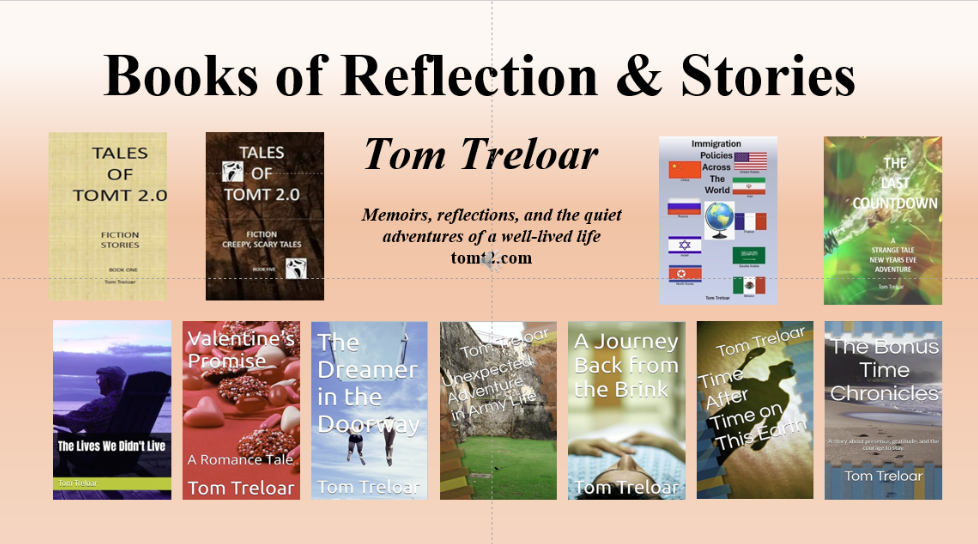
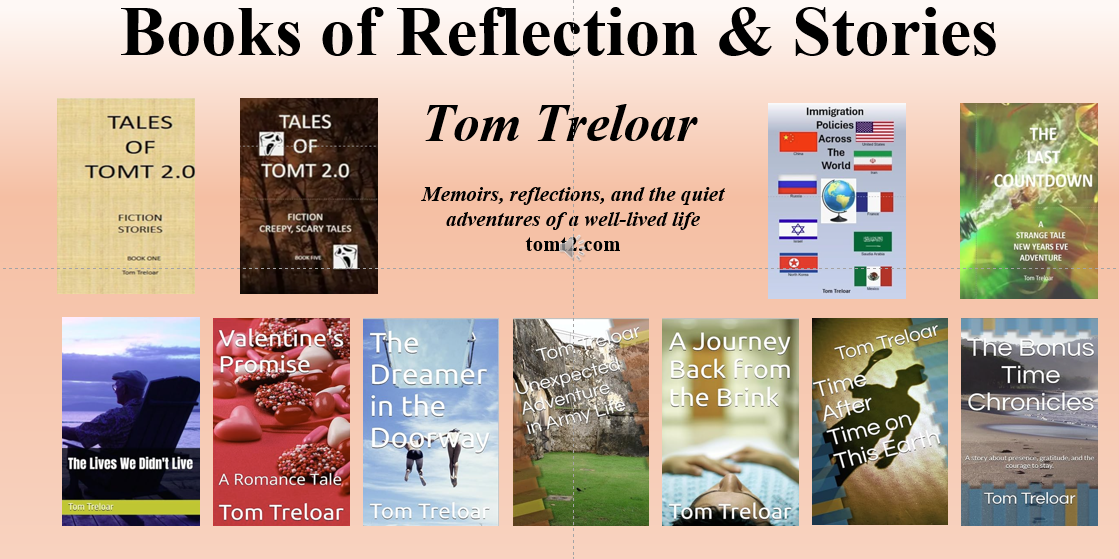
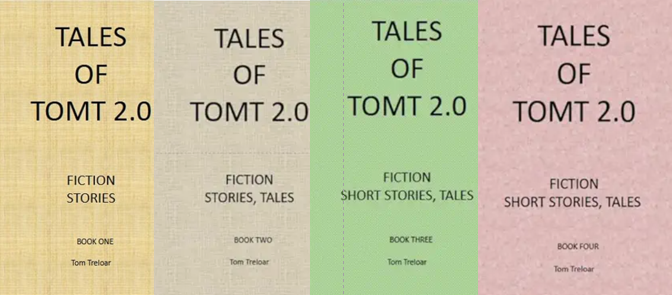
In addition to blogging, I also have ventured into publishing paperback books and Kindle editions on Amazon, which has opened up new avenues for creativity and self-expression. A year ago, I discovered Amazon Kindle Direct Publishing, a platform that empowers authors to reach a global audience with their written works. Since then, I’ve been able to explore various genres, pouring my passion into crafting stories that resonate with readers. The process of creating these books has been both challenging and rewarding, as I’ve navigated the intricacies of formatting and cover design, all while learning how to market my publications effectively. This journey has not only expanded my portfolio but also deepened my understanding of the publishing industry, making me more confident in sharing my voice through multiple mediums.
The first five books was a series of short story books. They are around a hundred pages each edition. Around twenty-five short stories in each book. I have actively been blogging and writing short articles since I retired in 2006. Many of these stories are included in these books and other stories that have been written for these books. They are ideal for the commuter and others that just need to fill a short amount of time where the story is short and to the point. They are many types of genres and subjects.
Book five was composed a few months prior to Halloween and I thought I would try something different. Everyone likes spooky creepy stories on Halloween. So, I thought I would compose a book of stories for Halloween. This consists of 16 short stories that are strange and scary. Friends have commented that they couldn’t finish the book because they were too strange and scary. This book has been one of the most popular publications.
The next book was Immigration Policies Across the World. 93 pages
Since illegal immigration was a hot topic last summer, I wondered, “what are the immigration policies around the world?” Intrigued by the complexities and nuances of this global issue, I decided to delve deeper. I went to various AI sources, Gemini, Copilot, Grok, and asked for immigration policies in nine countries throughout the world. It was fascinating to see how different nations, each with their unique cultural, economic, and political contexts, handle immigration. Some countries adopted strict, enforcement-heavy approaches, while others embraced more lenient, humanitarian policies that welcomed immigrants as valuable contributors to society. This comparative study not only broadened my understanding but also highlighted the diverse challenges and opportunities faced by immigrants globally. Inspired by these revelations, I then came up with the idea to compose a comprehensive book that encapsulates these findings and publish it alongside my other publications, hoping to foster a greater awareness and discussion around this pressing issue.
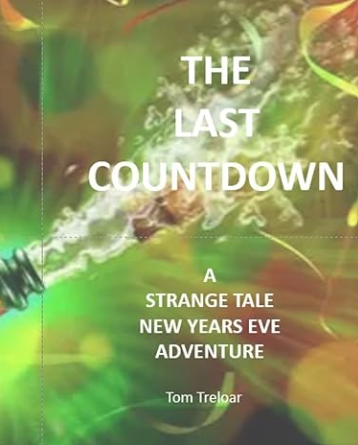
Since I had a good response to my book 5 of creepy tales and stories for Halloween I thought, “why not a book for New Years Eve? The next book, “The Last Countdown.”
Step into a New Year’s Eve unlike any other in The Last Countdown, a witty, fast‑paced mystery where five friends stumble into a hidden world of secret rooms, time‑bending artifacts, and a clock that doesn’t just mark midnight—it controls it. When the legendary Midnight Clock vanishes, the group is thrust into a race against unraveling time, hunted by a man who believes the world should freeze forever. Equal parts humor, heart, and high‑stakes magic, this story turns the ticking of a clock into the pulse of an unforgettable adventure.
This is a 99-page mystery, not a collection of short stories.
I now have the bug. This book publishing is fun and challenging. Amazon Kindle Direct Publishing is a great platform. The only investment I made is my time. I don’t have to search for a publisher that is willing to take the chance on my unprofessional experience or buy any large quantities of books. The only investment I have is my time and since I am retired, I have many hours of that.
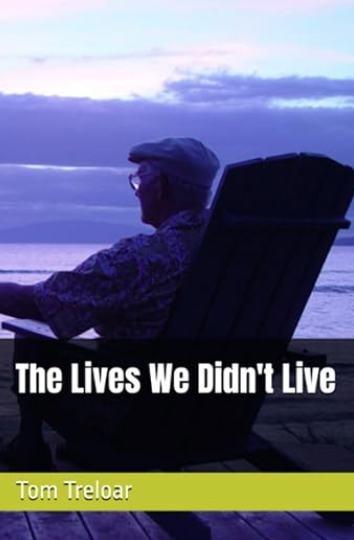
The next book is, “The Lives we didn’t Live.” This is about a strange dream I had, and I wanted to share it. It was a significant event in my life. Small book, only 30 pages.
When Tom drifts into sleep one ordinary night, he’s pulled into a vivid dream where Sandra—his grounded, quietly magnetic grade‑school companion he hasn’t thought of in forty years—appears exactly as she was in high school. She shows him three lives they might have lived together, each one tender, unsettling, and impossibly real. Shaken awake, Tom searches for her… only to discover she died three days earlier. What follows is a decades‑long reflection on connection, timing, and the mysteries that refuse to fade. Three Days After Sandra is a haunting, heartfelt novella about the questions we never knew we asked, the lives we never lived, and the quiet ways the past sometimes reaches forward—not to change our path, but to remind us that it mattered.
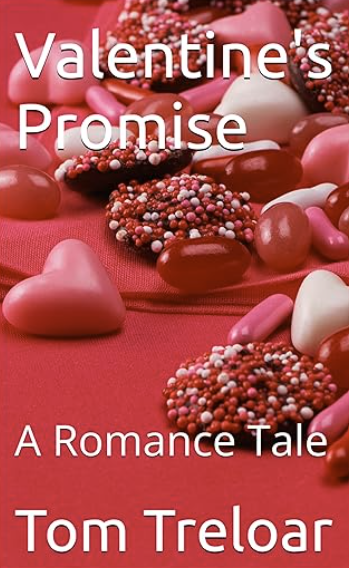
Since I wrote a book around Halloween and one around New Years, why not Valentines Day? This books name is, “Valentines Promise:A Romance Tale“
Valentine’s Promise is a tender, time‑spanning love story about two people whose hearts find each other again and again through every season of life. From an unexpected Valentine’s Day beginning to a lifetime of shared laughter, whispered vows, and three miracle children born on the same enchanted date, Lee and Mallory Collins build a marriage shaped by devotion and destiny. As their family grows and the years unfold, they discover that true romance isn’t found in grand gestures, but in the quiet, everyday moments that bind two souls together. Warm, luminous, and deeply heartfelt, this novel celebrates a love that endures, a family that blossoms, and the beautiful truth that some promises are written long before we know to make them.
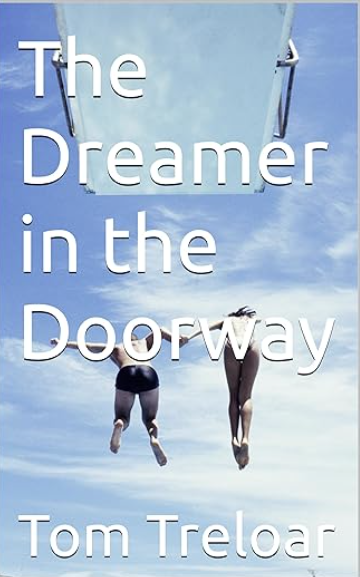
The next book is, The Dreamer in the Doorway. 91 pages
What if the person you loved most could see the parts of you even you’ve forgotten? When Thomas slips into a vivid dreamscape shaped by Dee’s memories, fears, and unspoken longings, he becomes a silent witness to the pieces of her she’s never shared. But the deeper he travels into her dream‑world, the more he realizes he’s not just exploring her past — he’s confronting the quiet distance that has grown between them in waking life. Then, unexpectedly, Dee appears in his dreams too. Together, they walk through mirrored hallways of regret, shoreline worlds of possibility, and the locked rooms of their own hearts. What begins as a surreal intrusion becomes a journey of rediscovery — of vulnerability, of forgiveness, and of the love they thought they’d lost to time. As dreams and reality begin to blur, Thomas and Dee must decide whether the truths they uncover in sleep can transform the life they share when they wake. A tender, romantic, and quietly haunting story about connection, second chances, and the courage it takes to truly see — and be seen by — the one you love. In the end, one question lingers long after the final page: How well do we ever really know the person sleeping beside us?
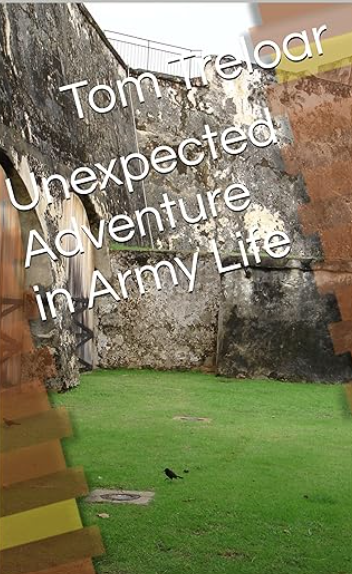
The next book is, Unexpected Adventure in Army Life. Kindle book
Everyone has a little Indiana Jones in them. My own brush with adventure didn’t involve ancient artifacts or daring escapes, but it did begin in a place steeped in history, mystery, and the lingering shadows of a world still recovering from war. It was January 1965, and I was in the U.S. Army, newly assigned to Merrell Barracks in Nuremberg, Germany. The winter air was sharp enough to sting your lungs, and the sky hung low and gray, as if it were weighing the city down with memories it hadn’t yet released. Merrell Barracks was no ordinary post. The place had a presence. Thick stone walls, echoing corridors, and a sense that every footstep carried the weight of decades. You could feel the past in the air. The buildings had seen things long before we arrived, and you couldn’t help but wonder what stories they would tell if the walls could talk. I didn’t know it then, but this old German barracks — this unlikely crossroads of history and youth — was about to hand me an adventure I never saw coming. The kind of story that stays with you for a lifetime. The kind that proves you don’t need a whip or a fedora to feel like Indiana Jones. Sometimes all it takes is being in the right place, at the right time… and just curious enough to get yourself into trouble.
The next book is, A Journey Back from the Brink Kindle book
A story about a leg cramp that turned into a life-threatening experience. Waking up around 3 am with a terrific pain in the calf, I initially brushed it off as just another muscle cramp. However, as time passed, the pain intensified, leading to alarming symptoms that could not be ignored. The following week unfolded in a blur of worry and doctor visits, culminating in a frantic 911 call that would change everything. The paramedics arrived swiftly, and within moments, I was whisked away to the hospital where a lifesaving procedure was performed. The diagnosis revealed a serious underlying condition that I had no idea existed, and I was faced with an eye-opening surgery that redefined my perspective on health and well-being. From near death to going home, the journey was a testament to resilience and the fragility of life, teaching me to appreciate even the smallest moments of comfort and normalcy.
The next book is, Time After Time on this Earth 133 pages
This book is a companion for anyone who has ever paused long enough to wonder what their life has really meant. Through fifty tender, distilled chapters and a luminous epilogue, the author traces the arc of a life shaped by love, softened by time, and illuminated by meaning. It’s a celebration of presence, gratitude, and the quiet miracles hidden in ordinary days. A warm, reflective journey that leaves readers feeling seen, comforted, and deeply at peace.
In this deeply human and quietly luminous memoir, a lifetime unfolds not through dramatic twists, but through the small, steady moments that reveal what truly matters. With warmth, clarity, and a storyteller’s gentle wisdom, the author reflects on love, loss, growth, presence, and the quiet radiance that emerges only after years of living with an open heart. This is a book about becoming — slowly, honestly, beautifully — and discovering that a life well‑loved is a life well‑lived.
The next book is The Bonus Time Chronicles 178 pages
What if the life you thought had ended was only beginning to deepen? After a near‑fatal embolism, Lee Weiss wakes into a world that looks the same but feels entirely different. The foothills outside his window, the dust motes in the morning light, the quiet hum of his own breath — everything carries a new kind of weight, a new kind of wonder. In the long months that follow, learns to move through his days with a slower, steadier presence. He reconnects with his daughter. He begins writing again, one honest line at a time. He leads a small circle of local writers who remind him that creativity is a form of community. And through a series of unexpected letters, he forms a gentle, luminous connection with a woman named Eleanor — a companion in grief, courage, and renewal. The Bonus Time Philosophy is a tender, reflective novel‑memoir about what happens after survival. It’s not a story of second chances in the dramatic sense, but of deeper chances — the kind that arrive quietly, asking only for attention. With warmth, clarity, and a deep appreciation for the ordinary miracles of everyday life, this book invites readers to consider their own bonus time: the conversations that linger, the pages that wait to be written, the people who walk beside us, and the quiet afternoons that change everything. A story about presence, gratitude, and the courage to stay.
That’s it for the time being. This journey in the last year has been exciting, and a learning experience filled with unexpected challenges and rewarding moments. I doubt if I will ever make it to the best seller list, but the growth I have experienced through this process is invaluable. From the countless hours of writing and rewriting to the feedback from peers and mentors, every step has contributed to my development as a writer. Ultimately, it has been an experience I don’t regret, as it has shaped my perspective on storytelling and deepened my passion for sharing my voice with the world.
I take an event in my life and massage it into a memoir or compose a fiction tale into different subjects or categories, exploring the intricate emotions and details that surround those moments. By delving into my experiences, I can uncover hidden lessons and universal truths, weaving them together into a compelling narrative that captivates readers. Whether it’s drawing upon personal anecdotes or crafting imaginative scenarios, each piece becomes an opportunity to reflect on the human condition and convey relatable themes through the lens of my creativity. Yes, AI is one of the tools in my toolbox.
April 15th has long been recognized in the United States as Tax Day, the deadline for filing individual federal income tax returns. Although the IRS occasionally adjusts the date due to weekends or national holidays, April 15th remains the symbolic marker of the end of tax season. For many people, it represents the culmination of weeks—or sometimes months—of gathering documents, reviewing financial records, and ensuring that every form is completed accurately.
The significance of Tax Day extends beyond the act of filing. It serves as an annual checkpoint for personal financial awareness. Individuals review their income, deductions, credits, and overall financial habits from the previous year. This process often reveals patterns in spending, saving, and planning that might otherwise go unnoticed. For some, it becomes a moment to reassess financial goals or adjust withholding to avoid surprises in the future.
Tax Day also highlights the complexity of the U.S. tax system. Even with modern software and professional assistance, many people find the process challenging. The variety of forms, the changing rules, and the detailed record‑keeping required can create stress for filers. This is one reason why tax professionals and preparers experience their busiest season in the months leading up to April 15th.
Despite its reputation as a dreaded deadline, Tax Day plays an essential role in the functioning of the federal government. The taxes collected fund a wide range of public services, including infrastructure, national defense, social programs, and public health initiatives. While the process may feel burdensome, the contributions made through annual tax filings support systems and services that millions of people rely on every day.
For many Americans, the biggest sigh of relief sounds like a whoopee cushion announcement the moment the tax return is submitted. Whether they’re celebrating a glorious refund or bracing for the dreaded payment, finishing the filing feels like conquering Mount Everest—without the gear or the frostbite. With this monumental task behind them, folks can finally return to their exciting daily lives, at least until the next thrilling episode of Tax Season: The Reckoning rolls around!
This morning, my wife asked me for help to put on a beautiful necklace that she had chosen for the day. Those little hooks and eyes are often hard to see, and they are much smaller than the fingers I was trying to maneuver. After finally managing to secure it around her neck, I looked at her with a smile and said, “Do you know one of the reasons I love you so much?” She looked back at me with curiosity and said no, prompting me to elaborate. I responded warmly, “Because you make me feel needed.” In that moment, a thought came to my mind, reflecting on my life, “All my life, I have had to feel needed.” It’s as if this simple act of assistance was a reminder of the deep connections we forge through our daily interactions, where being there for each other reinforces love and commitment.
When I was young, it was important for me to be able to help around the house, as I believed that contributing in meaningful ways not only strengthened our family bond but also taught me valuable life skills. I always helped my dad mow the grass, which became a cherished weekend ritual, and assisted him with the cars, learning the basics of maintenance and repair. In school, I helped many teachers around the classroom by setting things up, organizing supplies, and even tutoring fellow classmates who struggled with certain subjects. I was particularly proud to serve as an assistant in the chemistry lab for the teacher, where I eagerly helped after school, gaining hands-on experience with experiments and developing a deeper understanding of scientific concepts. During high school, I took on a part-time job at the public library, where I not only helped patrons find books but also engaged in various other duties around the library, including shelving returned books, maintaining the reading area, and organizing community events, all of which enriched my appreciation for literature and the importance of public services.
Drafted into the army and quickly found out in basic training, I learned an important lesson: do not volunteer for anything. If you volunteer, you end up doing the dirty, crappy jobs that no one wanted to do, and these tasks often fall to the inexperienced or overzealous recruits who are eager to prove themselves. As a result, instead of the camaraderie and sense of purpose, I found myself stuck in a cycle of monotonous duties, cleaning equipment and performing menial tasks under the watchful eyes of our drill sergeants. Therefore, during that military time, I did not fill my desire to feel needed or valuable; rather, I learned to navigate the complex hierarchies of military life, where the most mundane activities often overshadowed any opportunity for personal growth or meaningful contributions.
Life continued on, and during my employment years, I always volunteered to do odd jobs, whether it was staying late to help a colleague finish a project or taking on tasks that others preferred to avoid. Looking back, I think that is one of the reasons why I was able to establish strong relationships with my coworkers and superiors alike, fostering a collaborative environment that benefited us all. I did well with good raises and promotions, which felt like a natural progression, as my willingness to lend a hand not only demonstrated my commitment to the team but also showcased my adaptability and work ethic in an ever-changing workplace.
In my retirement years, I’ve discovered that stepping back from full‑time work doesn’t mean stepping away from being useful. If anything, I seem to have doubled down on volunteering in all sorts of situations—some sensible, some… less so.
Take the time after a heavy snowstorm when a large limb snapped off a neighbor’s tree. Most people my age would have shaken their heads, offered sympathy, and gone back inside for a cup of something warm. Not me. I marched over, announced that I’d take care of it, and proceeded to cut up and haul away the entire limb myself. I was close to eighty at the time, which means that if I had possessed even a teaspoon of common sense, I would have left that limb exactly where it fell and let someone with younger knees and better judgment handle it. But no—apparently I was determined to prove that gravity, age, and orthopedic reality had no authority over me.
And then I was the H O A president. For three years—three full years—I volunteered for the non‑paid, occasionally thankless, always “interesting” position of H O A president. It was enlightening in the way that climbing Everest is enlightening you learn a lot, you gain perspective, and you spend a surprising amount of time wondering why you ever agreed to this in the first place. I discovered that people have very strong opinions about things like mailbox paint, shrub height, and the exact shade of beige that qualifies as “community‑approved.” I also learned that diplomacy is a skill best practiced with deep breathing and, occasionally, earplugs.
Still, for all the absurdity, these experiences taught me something important: retirement doesn’t mean retreat. It means choosing where to put your energy—and sometimes choosing wildly, hilariously, questionably—but choosing all the same. And honestly, I wouldn’t trade any of it.
Finally, this blog sprouted from a little thought bubble that floated into my mind while I was reflecting on my life—yes, the deep stuff, over a cup of coffee. “All my life, I’ve had to feel needed,” and let’s be honest, that sentiment sometimes feels like the punchline to a joke that only I’m in on! Who knew that a random thought could lead to such profound revelations? It just goes to show that inspiration can pop up in the most unexpected places, like when you’re knee-deep in laundry or waiting for your toast to get crispy. As I reminisced about my chaotic adventures, I realized this obsessive need for validation has shaped my journey more than a GPS gone haywire, steering my dreams and the relationships I accidentally create along the way. This hilarious epiphany threw open the floodgates of ideas, prompting me to dive into the deliciously messy topics of identity and existence, ultimately motivating me to share my quirky musings through this blog!
Why Every Conversation Seems Contractually Obligated to Start With a Question
Some people believe the universe began with a bang. Personally, I think it began with someone asking, “Hey, what’s going on over there?” Because if you look around, nearly every conversation in human history starts with a question.
It’s our default setting. Our conversational training wheels. Our way of saying, I’m trying to be a person here—help me out.
The Question as Social Currency
We ask questions the way squirrels bury nuts: constantly, instinctively, and with no real plan for what happens next.
“How’s it going?”
“You got a minute?”
“Is that supposed to be making that noise?”
Half the time, we don’t even want the answer. We’re just trying to open the conversational door without kicking it down.
The Accidental Interview
Have you ever noticed how quickly a simple chat turns into a full‑blown interrogation?
You start with: “How was your weekend?”
And suddenly you’re knee‑deep in:
the neighbor’s runaway ferret
a questionable casserole
a story that begins with “I probably shouldn’t tell you this, but…”
All because you asked one innocent question. One. That’s all it takes to unleash a saga.
The Panic Question
Then there’s the emergency question—the one you blurt out when your brain forgets how to human.
You run into someone you vaguely know at the grocery store. You panic. You say the first thing your mouth can grab:
“So… bananas, huh.”
“Is it… windy today?”
“Do you ever think about… chairs?”
It doesn’t matter what you ask. The point is to fill the silence before it swallows you whole.
The Real Reason We Ask
Here’s the secret: questions are just tiny invitations. They say, I’m willing to meet you halfway, even if I have no idea what I’m doing.
A question is a handshake disguised as curiosity. A bridge disguised as small talk. A little nudge that says, Let’s start somewhere. Anywhere.
And honestly, it works. Conversations bloom from the oddest openings. Even “bananas, huh” can lead to a surprisingly heartfelt exchange if you let it.
So Go Ahead—Ask Away
Start with a question. Start with three. Start with something that makes absolutely no sense. Humans have been doing it forever, and somehow it keeps working.
After all, every great story begins the same way: with someone leaning in, clearing their throat, and saying something like…
On a cool spring morning in 1973, Motorola engineer Martin Cooper stepped onto a Manhattan sidewalk carrying a device that looked more like a military field radio than anything resembling a modern phone. It weighed about 2.5 pounds, stretched nearly a foot tall, and had a thick rubber antenna jutting from the top. But despite its bulk, it represented something radical: the world’s first truly portable, handheld mobile phone. Cooper wasn’t just out for a stroll—he was about to make history. And he knew exactly whom he wanted to call. With reporters watching, he dialed Joel Engel, his counterpart and rival at Bell Labs, the company racing Motorola to develop mobile technology. When Engel answered, Cooper delivered a line that has since become legend:
It was a bold move, part demonstration and part good‑natured jab. Motorola was the underdog, a “flea on an elephant,” as Cooper later put it, competing against the massive AT&T‑Bell Labs machine. Yet here he was, standing on Sixth Avenue, proving that his team had beaten the giant to the punch. The prototype he held—the Motorola DynaTAC—wasn’t sleek, fast, or affordable. It would take another decade before a commercial version reached consumers, priced at a staggering $3,900. But that sidewalk call marked the moment the idea of personal, untethered communication leapt from science fiction into the real world. Cooper later said he wasn’t surprised that mobile phones became essential to everyday life. Even then, he imagined a future where everyone would carry a personal number from birth—an idea that sounded absurd at the time but now feels eerily close to reality. What began as a brick‑sized experiment has since evolved into the slim, powerful devices we slip into our pockets without a second thought. But it all traces back to that single, slightly mischievous call on a New York City sidewalk—one engineer dialing a rival to say, in effect, we did it first.
Fifty-three years later, we’ve got the smartphone—essentially a tiny computer that fits in our pockets, allowing millions to multitask like pros while simultaneously wondering if they left the stove on! These remarkable devices not only connect us to the world through instant messaging and social media, but they also provide access to a wealth of information with just a few taps on a screen. Whether we are checking emails, browsing the latest news, or streaming our favorite shows, smartphones have revolutionized our daily routines. Yet, amidst this fast-paced digital life, it’s easy to find ourselves distracted, juggling tasks, and questioning if we remembered to turn off the lights or lock the door before heading out. As we navigate this blend of productivity and anxiety, the smartphone remains an ever-present companion, shaping both our work and leisure activities in unprecedented ways.
There’s something wonderfully democratic about April Fools’ Day. For one day each year, the world agrees—without signing anything official—that a little mischief is good for the soul. Even the most serious among us loosen the top button and allow a bit of silliness to slip through the seams.
I’ve always liked that.
Maybe it’s because April 1st arrives just as winter finally starts to unclench its fist. The light lingers a little longer. The air softens. Birds begin their morning negotiations. And into that gentle thaw comes a day devoted to harmless trickery, as if the universe is nudging us: Don’t take yourself so seriously. Not today.
Growing up, the pranks were simple—rubber bands around the kitchen sink sprayer, salt in the sugar bowl, a well‑timed “Look behind you!” that never worked but always earned a laugh. These days, the jokes are gentler. A swapped photo in a picture frame. A text claiming the dog learned to play the harmonica. A playful lie so transparent it becomes its own punchline.
What I love most is the spirit behind it: the invitation to step outside the usual script. To be surprised. To surprise someone else. To remember that joy doesn’t always arrive in grand gestures; sometimes it shows up disguised as a paper fish taped to your back.
And maybe that’s the real heart of April Fools’ Day. Not the pranks themselves, but the reminder that we’re all in this together—fumbling, laughing, trying things, getting fooled, and carrying on anyway. A shared wink across the room of humanity.
So here’s to April 1st. To the jokes that land, the ones that don’t, and the stories we’ll tell later. To the small, silly rituals that brighten the long stretch between winter and whatever comes next. And if someone gets you today, take it as a compliment. It means they thought of you. It means you’re part of the fun.
In my eighty plus years of time on earth, I have noticed that you hear more complaints and comments about what you should do better. It’s as if the focus tends to lean heavily towards the negative, overshadowing the positive insights that we often overlook. I believe that it is time to think about what your contacts do that is good, recognizing their efforts and contributions. Compliments are just as important as what is wrong; they not only uplift the spirits of those around us but also foster a more positive environment. By taking the time to express gratitude and acknowledgment towards the strengths of others, we can create a culture of support and encouragement, allowing everyone to thrive and improve together. Each kind gesture or compliment can serve as a powerful motivator, reinforcing the idea that there is always something to celebrate amidst the challenges we face daily.
If you listen closely in most workplaces, homes, or community groups, you’ll hear a familiar pattern:
Criticism is loud. Complaints are easy. And noticing what’s wrong has become a reflex.
But noticing what’s right? That’s become rare — and it’s costing us more than we realize.
A sincere compliment is one of the simplest, most powerful tools we have for strengthening relationships, building confidence, and creating environments where people actually want to show up. And it applies far beyond the workplace.
It matters in families. It matters in friendships. It matters in clubs, churches, volunteer groups, and every circle where people gather.
Because everywhere people show up, they’re hoping to be seen.
Why Compliments Matter More Than Ever
Most people aren’t looking for applause. They’re looking for acknowledgment — a sign that their effort, their care, their presence actually matter.
A genuine compliment does three powerful things:
1. It tells someone they’re seen.
Not just their results, but their effort. Their patience. Their heart.
2. It strengthens connection.
Whether it’s a coworker, a spouse, a friend, or a fellow volunteer, appreciation builds trust.
3. It encourages more of the good.
People repeat what gets recognized. Encouragement is fuel.
At Home: The Compliments We Forget to Give
Families often fall into the habit of noticing only what’s undone:
“You forgot the trash.” “You didn’t call.” “You’re late again.”
But imagine the shift if we said:
“I appreciate how hard you’re working.” “Dinner was wonderful.” “Thank you for taking care of that.” “I’m proud of you.”
These small acknowledgments soften the edges of daily life. They remind the people closest to us that we don’t take them for granted.
In Churches, Clubs, and Community Groups
Volunteers, organizers, and helpers often hear complaints long before they hear gratitude:
“The coffee wasn’t ready.” “The meeting ran long.” “The event wasn’t perfect.”
But these are the very spaces where compliments matter most.
A simple “Thank you for doing this” can keep a volunteer going for months. A sincere “You handled that beautifully” can turn a stressful moment into a shared victory. A quiet “I see how much you care” can remind someone why they show up in the first place.
Community thrives on appreciation.
In Social Circles and Friendships
Even among friends, we sometimes forget to say the things that matter:
“I love how you listen.” “You make gatherings feel warm.” “You’re a steady presence.” “I’m grateful for you.”
Friendships deepen when we name the good we see.
The Problem with Only Hearing What’s Wrong
When the only feedback someone receives is negative, even small mistakes feel enormous. People start working from fear instead of pride. They stop taking risks. They stop caring. They stop growing.
And eventually, they stop trying.
Not because they don’t want to do well — but because they’re tired of feeling like nothing they do is enough.
The Quiet Power of “Good Job”
A compliment doesn’t have to be dramatic to be meaningful. In fact, the simplest ones often land the deepest:
“You did good work today.” “I noticed how thoughtful you were.” “You handled that with grace.” “That made a difference.”
These aren’t empty phrases. They’re reminders that someone’s effort has weight.
Compliments Don’t Replace Accountability — They Strengthen It
Some people worry that giving compliments means lowering standards. It’s the opposite.
When people feel valued, they’re more open to feedback. When they feel respected, they’re more willing to stretch. When they feel trusted, they rise.
A compliment isn’t a free pass. It’s a foundation.
Start Small. Start Today.
You don’t need a program or a policy. You don’t need a meeting or a memo. You just need a moment.
Notice something good. Name it. Let it land.
Because the truth is simple:
People blossom where they’re appreciated. They wither where they’re ignored.
And in a world full of noise, a sincere compliment — at work, at home, in church, in a club, or across a dinner table — is a rare and powerful form of kindness.
One that costs nothing. One that changes everything.
Therefore, I feel we should start spending equal time on what people have done right and great. Compliments are just as important as what is wrong.
For most of my life I had vivid active dreams, rich in detail and bursting with creativity. I loved my dreams; in many instances, they were more exciting than my waking hours, often taking me on fantastical adventures that seemed to transcend reality. When I woke up, I could remember my dreams clearly, recapping them in my mind and eager to share them with anyone who wanted to listen. These moments became cherished rituals, where I would recount my nocturnal escapades to friends and family, captivating them with the intricate plots and the colorful characters I encountered. Each dream felt like a new episode in an ongoing saga, and these were very enjoyable times for me, reliving my dreams and savoring the whimsical experiences that slipped away with the dawn.
In 2018, the eleven-millimeter kidney stone that has grown throughout my life decided that it was time to try to relocate down to my bladder, causing significant anxiety. Obviously, a stone of that size could not navigate down that small diameter tube without creating complications. After several days of discomfort, I was rushed to the hospital, where the doctors explained the procedure. They put me under anesthesia and went up through the basement with their laser to break up the stone, a process that felt surreal yet hopeful. I was relieved of the pain as the stone was efficiently shattered into grains of sand, marking a significant turning point in my medical journey. However, I experienced an unexpected side effect: I passed what resembled chocolate milk for eight long hours, which was both surprising and unsettling. Despite the ordeal, I survived with a newfound appreciation for my body’s resilience, and the enlarged kidney eventually reduced to normal size, leaving me without any long-term effects. This experience not only altered my perspective on health but also deepened my understanding of the body’s incredible ability to heal.
Unfortunately, since I was put under anesthesia, “the bridge is gone.” I have lost the ability to remember my dreams once I wake up. When I am asleep, I still dream as usual and enjoy the dreams while sleeping; they are vibrant, full of life, and often weave intricate stories that feel profoundly real. However, upon waking, it’s as if the dream world has evaporated into thin air, leaving no trace behind. I then wake up and all is gone, leaving me with a sense of emptiness and frustration. I can’t even remember what the dream was about, which feels like a cruel twist of fate. Those fleeting moments of exploration and insight have become a distant memory. I miss my dreams dearly and the ability to enjoy and recap my dreams in my conscious life, as they used to offer me profound insights into my thoughts and emotions. Now I feel like I am just a mere mortal, detached from that rich tapestry of imagination and creativity, and no longer that special gift I had for a large part of my life, which made me feel unique and connected to a deeper realm of existence. Each passing day amplifies that sense of loss, as if a vital part of my essence has been stripped away, leaving a hollow echo where dreams once lived.
National Popcorn Lover’s Day is a fun, unofficial food holiday dedicated to celebrating one of the world’s most beloved snacks: popcorn! It’s observed annually on the second Thursday in March—which means in 2026, it falls on March 12
Quick Facts
Founded in 2012 by Bob Matthews from Rochester, New York. He and his wife had a regular Thursday “date night” tradition centered around fresh popcorn, so he picked the second Thursday in March to make it a recurring celebration. (Some sources call it “National Popcorn Lover’s Day,” but Bob originally just named it Popcorn Lover’s Day without the “National” prefix.)
It’s all about honoring popcorn in every form—from classic buttery stovetop pops to gourmet flavors, movie-theater style, or even growing your own kernels.
Popcorn has a rich history going back thousands of years (oldest kernels date to around 3600 BCE in what is now New Mexico), with Native Americans and Aztecs using it for food, decoration, and ceremonies long before it became the ultimate snack. Popcorn is surprisingly versatile and can be a healthier snack when air-popped or lightly seasoned (low in calories, whole grain, and fiber-rich). Whether you’re team sweet, savory, or loaded with toppings, today (or Thursday) is the perfect excuse to indulge guilt-free.
What’s your go-to popcorn flavor?
Happy Popcorn Lover’s Day—may your bowl never run empty!
Today is Presidents Day and everyone knows about that holiday. However, there is another event to celebrate.
Do a Grouch a Favor Day is observed every year on February 16 (which in 2026 falls on a Monday.
It’s a lighthearted, unofficial holiday dedicated to showering kindness on the grumpiest of your friends—think of it as a mission to bring a smiles to that cranky coworker who’s perpetually one bad coffee away from a meltdown, the family member who’s convinced the universe has it out for them, the neighbor who treats every day like a grouchy competition, or even that stranger whose face is locked in a permanent frown. The aim? Pull off the ultimate nice act to brighten their day and, just maybe, flip that permanent scowl into a bewildered grin!
The exact origins aren’t well-documented (like many fun “national days,” it likely emerged from calendars or online lists in recent decades), but it’s often linked to:
The classic Sesame Street character Oscar the Grouch — that trash-can-dwelling, grumbling green monster who’s famously anti-cheerful. Some sources jokingly suggest Big Bird might have “invented” it to cheer Oscar up!
A playful salute to all the curmudgeons, grumps, and professional sourpusses out there! We’ve all donned that cranky crown at some point—often after a day that feels like it won the award for ‘Most Agonizing’ or when the winter blues hit harder than an uninvited relative at the holidays.
How to Celebrate
The spirit is simple: perform a small act of kindness toward someone who’s acting grouchy. Ideas include:
Hold the door, offer a genuine smile, or say something positive when they least expect it.
Bring them coffee, a snack, or a funny note/meme to lighten the mood.
Help with a small task (like carrying something heavy or listening without interrupting their rant).
Pay it forward anonymously if the grouch is a stranger (e.g., cover their coffee at a drive-thru).
If you’re feeling self-reflective, do yourself a favor—treat your own inner grouch with some self-kindness!
Even if the grouch acts like a grumpy cat in a bath, the simple act of kindness is like waving a magic wand of positivity. As one wise philosopher put it: “Doing a favor for a prickly pal might just flip their frown like a pancake, and let’s be honest, who doesn’t enjoy a good pancake moment?”
February 12 commemorates the birth of Abraham Lincoln, the 16th President of the United States, born in a log cabin in Hodgenville, Kentucky, on February 12, 1809. Lincoln is widely regarded as one of America’s greatest presidents for preserving the Union during the Civil War, issuing the Emancipation Proclamation (freeing enslaved people in Confederate states), and delivering iconic speeches like the Gettysburg Address.
The tradition of observing Lincoln’s birthday dates back shortly after his assassination in 1865. The first congressional commemoration occurred on February 12, 1866, with a memorial address by historian George Bancroft. Early efforts to establish it as a formal holiday included campaigns by Julius Francis, a Buffalo, New York shopkeeper, who organized public celebrations starting in the 1870s and lobbied Congress (though unsuccessfully for a federal holiday). By the early 20th century, it was observed in many states, often with parades, speeches, and readings of Lincoln’s writings.
In 1909, the centennial of Lincoln’s birth saw widespread celebrations, including the founding of the NAACP on that date to honor his legacy in advancing equality.
However, Lincoln’s Birthday has never been a federal holiday. In 1971, the Uniform Monday Holiday Act shifted Washington’s Birthday (February 22) to the third Monday in February for a long weekend, leading most states to combine observances into what is commonly (but unofficially) called Presidents’ Day. The federal holiday remains named Washington’s Birthday, though many people use the day to honor both Washington and Lincoln—or all presidents.
How It’s Celebrated Today
Observances are more commemorative than festive, focusing on Lincoln’s legacy of leadership, emancipation, and unity:
Wreath-laying ceremonies — Annual events at key sites, such as:
Abraham Lincoln Birthplace National Historical Park in Hodgenville, Kentucky (often with flag-raising or kid-friendly activities like building log cabins from popsicle sticks).
The Lincoln Memorial in Washington, D.C. (organized by groups like the Lincoln Birthday National Commemorative Committee, including readings of the Gettysburg Address).
Lincoln’s Tomb in Springfield, Illinois.
Events at museums and historic sites — Free admission days, symposia, banquets, or programs (e.g., at the Abraham Lincoln Presidential Library and Museum in Springfield, IL, or local forest preserves with hands-on activities like quill pen writing or tasting Lincoln’s favorite foods).
Educational and community activities — Schools in some areas hold readings, discussions, or reenactments; organizations host talks on his life and achievements.
In states where it’s a holiday, government offices and courts may close, but it’s not a widespread day off like federal holidays.