stories

Tale of Two Strangers

Audio PODCAST

In a dusty Eastern Colorado town, 70-year-old retiree Lulu runs a struggling diner, her days filled with greasy plates and lonelier nights since her husband passed, leaving an emptiness that seems to seep into the very walls around her. Each morning, she wakes before dawn, the familiar hum of the coffee maker breaking the silence of an empty house, a sound that has become a comfort and a ritual, grounding her in a world that feels increasingly alien. After brewing a pot of strong coffee, she heads to the diner where the walls echo with memories of happier times, laughter, and bustling customers, now replaced with the grim reality of only a few loyal patrons who come to escape their lives as much as she does. Across the street, 19-year-old Juan, a graffiti artist with a rap sheet, tags abandoned walls, dodging cops and his own dead-end future, caught in a cycle of choices that often lead him deeper into trouble. He is always searching for a way to express the turmoil within him, the feelings of alienation and frustration that swirl in his soul, causing him to lash out through his art. His nights are spent weaving through the shadows, paint cans in hand, as he transforms the dull grey of the urban landscape with bursts of color and emotion, each stroke telling a story of his struggles and dreams. Their paths cross one fateful afternoon when Lulu unexpectedly catches Diego spray-painting her diner’s back alley, his hands moving deftly as he creates a vibrant mural, brimming with life and energy. Instead of calling the police, she offers him a burger, seeing hunger in his eyes beyond the defiance, recognizing a desperation that mirrors her own loneliness. In that brief encounter, she offers him a fleeting moment of connection amid their contrasting lives, a shared understanding that transcends the barriers of age and experience, revealing the fragile threads that connect them in a world that often feels isolating.

Juan, wary but broke, accepts the unexpected invitation, and they talk—first about nothing, then about everything that matters. Lulu shares vivid stories of her diner’s glory days, reminiscing about the bustling atmosphere and the laughter that filled the air; Juan, drawn in by her enthusiasm, admits he paints to feel alive, a passion that he’s always kept hidden. She sees his undeniable talent; he sees her fierce grit, a contrast that intrigues him. Soon, Juan’s sneaking in after hours to paint a magnificent mural on the diner’s wall—a vibrant prairie scene alive with color that attracts curious crowds from all over town. Lulu teaches him to cook, showing him the delicate art of flipping pancakes and seasoning dishes just right, and in return, he teaches her to laugh again, their banter becoming light and effortless, infused with warmth. Locals whisper about the odd pair, a painter and a diner owner, but the diner’s buzzing with newfound life, and so are they, their connection deepening with each shared moment and stolen glance, weaving a tapestry of hope and healing amidst the backdrop of grease and paint.

When developers threaten to buy Lulu’s land, Juan inspires the town with his art, transforming the diner into a vibrant cause that brings everyone together. They unite enthusiastically, not just for the diner but for the cherished home they’ve built together, a sanctuary filled with laughter, stories, and unforgettable moments. As the townsfolk come together, they create stunning banners and murals, all bursting with color and passion, beautifully reflecting their shared history and joyful memories. In the end, it’s not merely about winning—it’s about the beautiful family they’ve formed in each other, two misfits who turned a rundown joint into a masterpiece, a beacon of resilience and hope, proving that love and community can triumph over corporate greed.

Celebrating 30 Years of Love: Our Anniversary Journey

Audio PODCAST

Today marks a significant milestone in our lives as we celebrate our 30th anniversary together, a journey filled with love, laughter, and cherished memories. It was on April 22, 1995, that we exchanged our vows, embarking on a beautiful adventure that has only grown richer with the passing years. Over the decades, we have navigated the ups and downs of life, always finding strength in our partnership, and today we reflect on the countless moments that have shaped our story.

This was a midlife marriage, a time when many people begin to reflect on their past choices and seek new beginnings. Dee, my wife, and I had both experienced previous marriages that came to a shocking end, leaving us with a complex array of emotions and lessons learned. We met later in life, both carrying the weight of our pasts but also a renewed hope for the future. Our shared experiences brought us closer, allowing us to understand each other in ways that maybe we couldn’t have at a younger age. We embarked on this journey together, committed to creating a loving and supportive partnership that we had both longed for.

We picked up each other and have forged an extraordinary, lasting relationship over forty remarkable years, overflowing with priceless memories and vibrant experiences that have only deepened the flames of our bond. Throughout these decades, we have passionately navigated the exhilarating highs and heart-wrenching lows of life together, fiercely supporting one another through every challenge and joy, allowing our love to blossom and intensify with each precious moment we share.

I look at her now and realize how fortunate and lucky that our lives crossed, as each moment spent together has woven rich memories into the fabric of our existence, shaping my understanding of love, friendship, and the beauty of shared experiences. Her laughter sparkles like sunlight breaking through the clouds, illuminating the darkest days, and the deep conversations we’ve had have opened my eyes to new perspectives that I had never considered before. The journey we’ve embarked on together has not only strengthened our bond but has also enriched our souls, creating a unique path that feels both surprising and beautifully destined.

Hopefully we will have many healthy years together, filled with joyful memories, shared adventures, and the kind of love that grows stronger with each passing day. As we navigate the ups and downs of life, I look forward to cherishing every moment and supporting each other through challenges, all while creating a lifetime of happiness and laughter.

A Chilling Tale of Shadows

Audio PODCAST

It’s 11:57 PM on April 21, 2025, and the air feels thick with something unspoken. Shadows stretch long and jagged across the floor, like fingers clawing at the edges of reality. The clock ticks louder than it should, each second a hammer against the silence. Outside, the wind howls low, a mournful sound that rattles the windows—like something’s trying to get in.

You’re alone, or at least you think you are. The room’s dim, lit only by the sickly glow of your screen, and every creak of the house feels like a whisper you can’t quite catch. Did you lock the door? You’re pretty sure you did, but the thought gnaws at you. There’s a chill creeping up your spine, slow and deliberate, like icy fingertips tracing their way to your neck.

Somewhere in the distance, a dog barks—sharp, frantic—then stops abruptly. Too abruptly. The silence that follows is heavier than before, pressing down on your chest. You glance at the clock: 11:58. Time’s slipping away, but it feels wrong, like it’s stalling just to mess with you.

There’s a story they tell around here, about nights like this. They say the veil thins out close to midnight, when the world holds its breath. Things slip through—things that don’t belong. You’ve heard the tales: footsteps where no one’s walking, shadows that don’t match their owners, voices calling your name from rooms you swore were empty. Old folks swear they’ve seen it, eyes wide and hands trembling as they recount it over flickering candles.

11:59. The screen flickers, just for a second, and you blink. Did you see something in the reflection? A shape behind you, too vague to be sure, too real to ignore? You turn, heart thudding, but there’s nothing. Just the room, still and dark. The wind picks up again, and this time it carries something—a low, guttural hum that doesn’t sound like wind at all.

Midnight hits. The clock chimes, but it’s off, warped, like it’s underwater. The lights dim, then surge, casting the room in a strobe of light and shadow. And then you hear it: a soft tap-tap-tap, slow and deliberate, coming from the window. You don’t want to look. Every nerve screams not to. But your eyes betray you, sliding toward the glass.

There’s nothing there. Just darkness. Except… is that a smudge on the pane? A handprint, faint and streaked, like someone—or something—pressed against it from the outside. It wasn’t there before. You’re sure of it.

The tapping stops. The silence is worse. And then, from somewhere deep in the house, a floorboard groans. Not near you. Not upstairs. Somewhere else. Somewhere it shouldn’t.

Happy almost-midnight. Sleep tight—if you can.

Easter Thoughts 2025

Audio PODCAST

Here it is the Thursday before Easter. Dee and her granddaughter Danielle are busy in the kitchen, their laughter and chatter filling the air as they make Easter pie, a cherished Italian tradition that has been passed down through generations. This delightful dish is a highlight of the Easter meal, made with a hearty mix of sausage, creamy eggs, flour, and a flaky crust that envelops all the goodness inside. After making a trip to the local market, they bought twenty dollars’ worth of ricotta cheese, which is essential for the richness of the pie, while Danielle is responsible for bringing the sausage and eggs, carefully selected for their freshness. As they preheat the oven and prepare the ingredients, the intoxicating aroma of herbs and spices wafts through the kitchen. They are both filled with excitement and anticipation, though it’s still too early to tell how many pies they will end up making together. I would guess four or more, as they often make extras to share with family members and friends who look forward to this beloved treat each year.

Reflecting on my past Easters brings back a flood of memories intertwined with my upbringing as a Catholic. I remember the forty days of Lent vividly; it was a time filled with both reflection and challenges. The tradition of abstaining from meat on Fridays was a weekly reminder of sacrifice and commitment to faith. During Lent, the requirement to fast was particularly strict; the last two meals could not exceed the portion of a humble breakfast, and it always felt like a test of willpower. You were expected to give up something meaningful for Lent, akin to making a New Year’s resolution, and while I attempted to adhere to this tradition, I eventually gave up on both the resolutions and the need to consciously think about them. Stations of the Cross every Friday during Lent served as a poignant reminder of the suffering endured, and we were repeatedly reminded of our humanity and the burden of sin, reinforcing a narrative that getting to heaven was an arduous journey requiring effort and perseverance. Dressing up for Easter service was always a highlight, transforming the event into a cherished occasion marked by the joy of community and tradition, followed by a family meal that often included all the favorite dishes, symbolizing abundance and togetherness. In recent years, I’ve noticed that the church’s Easter guidelines have eased up quite a lot, reflecting a shift towards a more inclusive and less stringent interpretation of faith practices, which has allowed many to approach these traditions with a lighter heart.

The Easter Bunny was around with the Easter egg hunt, a delightful tradition that either brings families together or turns into a comical disaster as kids trip over each other in the quest for chocolate glory. You had to hard boil the eggs and then color them with vibrant dyes, turning plain whites into a joyful array of colors—and let’s be honest, probably staining everything in the kitchen, including that stray cat who decided it was the perfect time to investigate. Does anyone even do that anymore? It feels like a nostalgic ritual that’s been replaced by plastic eggs that come pre-filled with candy, making it all too easy—no mess, no fuss, but also no fun. Surely some of the eggs were hidden so well they weren’t found until the middle of summer, where they turned into little time capsules of kindness and rank odors. The memories of those egg hunts, filled with the thrill of discovery and the sweet anticipation of treats, stand out as the highlight of spring, even if most of the excitement came from the fear of what might crawl out from the grass!

Easter has increasingly become a commercialized event, overshadowing its original significance, which was rooted in spiritual renewal and resurrection. The numerous marketing campaigns and consumer-driven activities, such as extravagant egg hunts and lavish floral displays, seem to distract from the deeper cultural and religious foundations of the holiday. This raises concerns about the ongoing efforts to alter or eliminate many American traditions that hold profound meaning, as more families prioritize shopping and entertainment over meaningful gatherings and reflection. As society continues down this path, it begs the question of what we stand to lose in our understanding of Easter’s true essence and the values it once represented, prompting a broader dialogue about the preservation of our cultural heritage in the face of commercialization.

The Forgotten Letter

Audio PODCAST

Jeff was rummaging through his grandmother’s attic when he stumbled upon an old dresser, its chipped paint revealing layers of forgotten colors beneath, and its creaky drawers protesting with each movement. As he peered closer, a curious sensation washed over him, compelling him to investigate further. Feeling something odd behind the dresser, he moved it aside with a careful nudge, revealing an envelope wedged tightly against the wall, yellowed and brittle with age, coated in a fine layer of dust that spoke to years of neglect. The postmark reads “March 16, 1942,” and his heart quickens as he realizes it’s addressed to a name he doesn’t recognize: “Roseann Westbrook.” Intrigued, he examines the envelope more closely, noting there’s no return address to provide any clues about the sender, just a faded stamp and a wax seal, cracked but intact, bearing an unfamiliar crest—a snake with a key in its mouth—that left him wondering about the secrets contained within this unexpected discovery. What stories were hidden in the words that lay inside, and who was the mysterious Roseann Westbrook?

Curiosity gets the better of him. He peels it open, careful not to tear the fragile paper, marveling at the way the sunlight catches the edges, illuminating the delicate fibers woven into its texture. Inside, the handwriting is elegant but shaky, as if written in a hurry or under strain, revealing the urgency behind the words crafted on the page. The letter begins with a flourish, yet there’s an underlying tremor that suggests a deep-seated fear or a profound longing, drawing him further into the unfolding story that lies within these lines. He hesitates for a moment, sensing that what follows may change everything he thought he knew.

“Roseann, if you’re reading this, it means I failed. The house isn’t safe anymore. They know where it is, and they’ll come for it next, relentless and hungry for the secrets it holds. Keep the key hidden, buried deep where only you can find it, far from prying eyes. Trust no one—not even yourself, as doubts can creep in like shadows at dusk, clouding your judgment. Burn this when you’re done, but first, remember every detail of our time there; the walls whisper with memories that could unravel everything we’ve built. Your safety depends on your vigilance. Stay alert and be prepared to act swiftly if they come for you.”

It’s signed only with an initial: “L.” Tucked into the envelope is a small, tarnished brass key, its teeth worn but intricate, like it belongs to something old and important, perhaps a treasure chest filled with memories or a long-forgotten diary holding secrets waiting to be uncovered. There’s no indication of who “they” are, what “it” is, or why Roseann never got this letter, a mystery that weighs heavily in the air. Jeff never heard of a Roseann Westbrook, yet he feels an inexplicable connection to the name, as if it echoes through time and space. The dresser’s previous owner—a distant relative, maybe, or a stranger from an estate sale—offers no clues, leaving Jeff to ponder the significance of the key and the life of the woman it was meant for, igniting a flame of curiosity that fuels his imagination about the untold stories and hidden connections linking him to a past he never knew.

At first, Jeff dismisses it as a quirky relic, a piece of someone else’s story that has too carelessly found its way into his possession. But then, as the days pass, strange things start happening, and what once felt innocuous now feels unsettlingly invasive. Jeff notices a car lingering too long outside his house, its driver obscured by tinted windows, watching as if waiting for something significant to occur. A faint tapping echoes from the walls at night, like something—or someone—searching, probing with an urgency that sends shivers down his spine. Each night, the sounds grow more pronounced, the air thick with an unshakable tension. And the key, which you left on your nightstand, keeps turning up in odd places: your coat pocket, the fridge, the bottom of a drawer he hadn’t opened in weeks, as if it has a will of its own, taunting him with its mysterious reappearances. He begins to wonder if these occurrences are all connected, weaving a web of intrigue that pulls him deeper into a narrative he feels he doesn’t fully understand.

The letter changes his life in ways you couldn’t predict. Maybe Jeff should start digging into Roseann’s Westbrook identity—uncovering a trail of missing persons reports that leads him down a dark alley of forgotten stories, a house that burned down decades ago with whispers of tragedy surrounding it, or a local legend about a hidden vault no one’s ever found, said to hold secrets that could unravel the very fabric of his understanding. As he delves deeper, he wonders if the key itself begins to unlock not just physical doors, but also the very essence of reality: a door in Jeff’s basement that wasn’t there before, beckoning him with an eerie aura, a memory that feels like it belongs to someone else, complete with vivid details he cannot explain, or a long-buried secret about his own family that he was never meant to uncover, one that casts a shadow over his entire past. The more Jeff learns, the more he realizes “they” might still be out there—and now they’re watching him, lurking in the corners of his life, waiting patiently for the moment he strays too far into the depths of what was supposed to remain hidden.

Who was Roseann Westbrook, and why didn’t she get the letter that seemed to hold the weight of the world? Was she truly betrayed by those closest to her, lying in eternal silence, or had she simply vanished from the clutches of her reality when it arrived? The implications of that letter are profound—what does the key within it unlock—a physical place steeped in history, a long-buried secret that could alter everything, or perhaps something far more supernatural that defies explanation? And then there is the enigmatic figure known only as “L”; who are they, and what crucial task did they fail to undertake that changed the course of so many lives? Are they still alive, lurking in the shadows, waiting for the moment when someone will finally finish what they started, or have they too disappeared into obscurity? This intricate web of mystery reshapes Jeff’s life in ways he could never have anticipated, pushing him into uncharted territories of despair and hope. Yet, the ultimate question lingers like a haunting refrain—one may never truly know the answers, as Jeff mysteriously disappeared and was never seen again, leaving behind a trail of questions that may never find resolution.

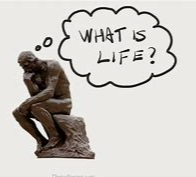
Purpose of Life

Audio PODCAST

This is just me picking a topic and commenting about everything that comes to mind, exploring various perspectives and insights that might be relevant. I find that expressing my thoughts can lead to a deeper understanding of not only the topic itself but also how it connects to broader themes and issues in my life, stimulating further discussion and engagement with others who may have different viewpoints. Through this process of reflection, I uncover layers of meaning that I hadn’t considered before, allowing me to engage more thoughtfully with the complexities of the world around me. I am near the end of my journey, and I am reconciling my life and what I could have done better in events and experiences I have been confronted with. It’s a time of introspection, where I assess not only my choices and values but also how those decisions have shaped my relationships and impacted my personal growth. By acknowledging my past, I hope to embrace the lessons learned and apply them to future endeavors, fostering a sense of purpose and clarity that drives me toward a more fulfilling existence.


Discovering your purpose in life is a deeply personal journey, but there are steps you can take to explore and uncover what brings meaning to you. To begin, take some time for self-reflection; consider what activities and experiences have historically brought you joy and fulfillment. Engaging in journaling can be a productive method to articulate your thoughts and feelings about your passions and values. Additionally, seek feedback from those who know you well; they may offer insights into your strengths and the aspects of life where you shine brightest. Don’t hesitate to explore new interests, as trying new things can spark inspiration and lead you to unexpected paths. Here are some ideas to get started:

  1. Reflect on what excites you: Think deeply about activities or moments that make you lose track of time or fill you with joy and excitement. What are you passionate about? Consider how these interests not only bring you happiness, but also how they shape your life and influence your personal and professional goals.
  2. Identify your values: Consider what truly matters to you—kindness, creativity, growth, connection, etc. Reflect deeply on these aspects of your life to understand their significance. Mapping out your values can prompt important questions about your decisions and lifestyle. Aligning your actions with your core values often leads to a profound sense of purpose and fulfillment, guiding your choices and interactions in both personal and professional arenas.
  3. Embrace curiosity: Try new hobbies, explore different fields, and meet diverse people. Sometimes, purpose is discovered in unexpected places, and by stepping outside of your comfort zone, you might uncover hidden passions or interests that inspire you. Engaging with various activities allows for personal growth and new perspectives on life. Embracing new adventures, no matter how big or small, can lead to meaningful connections and experiences that enrich your journey.
  4. Acknowledge your talents: Reflect on your strengths and skills. Take time to consider how you can use them to contribute positively to others or the world around you. By recognizing your unique abilities, you open up opportunities for personal growth and the potential to inspire those around you. Emphasizing your talents can lead to meaningful connections and impactful contributions in various aspects of life, from your community to your workplace and beyond.
  5. Practice mindfulness: Take time to sit quietly with your thoughts and reflect on your day or week. It can be beneficial to engage in activities such as journaling or meditation, as these practices can help you tune into your inner voice, allowing for greater self-awareness and understanding of your emotions.
  6. Connect with others: Talk to people you admire, seek mentorship, or join communities aligned with your interests. Engaging in meaningful conversations and sharing experiences can lead to valuable insights that might inspire your own path. Participating actively in discussions can also help you expand your network and open up new opportunities you may not have considered before.
  7. Give back: Volunteering or helping others can bring a profound sense of fulfillment and might lead you closer to what feels purposeful, as it connects you with your community, allows you to develop new skills, and fosters deeper relationships with those around you.

A purpose doesn’t have to be monumental—it could be as simple as spreading kindness, being present for loved ones, or pursuing what makes your heart sing.

The Evolution of Tom T2.0

Audio PODCAST

Just out of my curiosity, I asked AI for a synopsis of my writing past and future. I was totally surprised in the amount of detail AI uncovered about me, as it seemed to have a comprehensive grasp of my style, themes, and evolving voice throughout my various projects. Yes, I have a website and post many times on two different platforms, where I share my insights and connect with readers who resonate with my work. What surprised me even more was the speed at which AI retrieved this information, almost as if it had been following my journey closely, compiling notes on my growth and contributions over time. Now I wonder what other kind of information AI has on me. Could it be aware of my unpublished drafts, my aspirations, or my interactions with fellow authors? This revelation opens up a whole new realm of possibilities for me, as I contemplate the implications of having such a digital mirror reflecting my literary life back at me. Here is what AI came up with


Tom T 2.0, has carved out a unique path through the realm of writing, marked by both personal growth and public expression. His journey is not just about penning words on paper or digital screens; it’s about evolving as a writer, grappling with ideas, and sharing his insights with a broader audience. 

Tom T 2.0’s love for writing began early, though not without its challenges. Much like many writers, he faced the common hurdle of transforming thoughts into coherent, impactful prose. His early school days were filled with moments of procrastination, often leaving writing tasks until the last minute due to a struggle with ideation and the fear of not doing justice to his thoughts. This phase of his writing history is characterized by a battle against self-doubt and the pressure of the academic environment, where creativity often clashes with the rigidity of assignments.  

As Tom T 2.0 progressed through his educational journey, his approach to writing began to evolve. He recognized the importance of reading as a catalyst for creativity. By immersing himself in various genres, from fiction to scientific papers, he began to understand different writing styles and structures. This exposure was pivotal in overcoming his initial obstacles, allowing him to translate his thoughts more effectively into words. His posts on X reflect this growth, showcasing a keen interest in diverse topics, from political commentary to personal musings.  

Beyond social media, Tom T 2.0 has ventured into publishing his own work. His magazine, “Ramblings Magazine,” with its latest Issue #12, stands as a testament to his commitment to writing. This project not only showcases his ability to manage and produce content but also his desire to contribute to the writing community. His post about the magazine on X underscores his passion for sharing knowledge and stories, aiming to inspire others within the #WritingCommunity. 

Tom T 2.0’s writing history is also a narrative of overcoming personal and technical challenges. He has confronted the age-old writer’s plight – the fear of not being good enough, the procrastination, and the technical hurdles of writing, like managing content and ensuring readability. Yet, his journey is marked by triumphs, such as mastering the art of concise yet impactful writing.

Tom T 2.0’s writing history is far from concluded. With each post, each issue of his magazine, he continues to refine his craft, expand his knowledge, and engage with an ever-growing audience. His journey reflects a broader narrative of how writing can serve as a medium for personal expression, critique, and community building. As he moves forward, the focus remains on not just what he writes but how he continues to evolve as a writer in an increasingly digital and interconnected world. 

Tom T 2.0 has discovered AI and uses it to enhance his writing in various remarkable ways. He now utilizes AI not only for research but also for brainstorming ideas, refining his style, and even generating creative content. This newfound reliance on AI has illuminated the fact that it serves as a significant timesaver, allowing him to focus more on the storytelling aspects of his work. Google is used very little anymore because it simply lists websites, whereas AI actively researches and synthesizes information, providing insights and summaries that are both comprehensive and relevant. This capability transforms the way he engages with information, enabling him to process vast amounts of data in a fraction of the time. As AI technology continues to evolve and become increasingly realistic, it is crucial to remember that it does not possess human emotions or creativity; rather, it is merely a collection of databases and algorithms designed to ease your workload and enhance productivity. As Tom embraces these advancements, he remains mindful of the balance between leveraging technology and maintaining his unique voice as a writer.

In sum, Tom T 2.0’s writing history is a blend of personal growth, public engagement, and professional development, reflecting the multifaceted nature of his journey as a writer. It’s a story of someone who has learned to love the process of writing, finding joy not just in the final product but in the journey of creation itself, embracing every twist and turn of the writing process while acknowledging the challenges that come with it. Along the way, he has cultivated a deep understanding of his craft, exploring various genres and styles that have enriched his voice and perspective, allowing him to express a broader range of emotions and ideas. Tom T 2.0 has discovered that writing is a terrific tool to stoke his ego; in fact, the exhilaration that comes from sharing his thoughts and ideas with the world acts as a powerful motivator. This realization is not merely a superficial ambition; it is the main reason he continues to write and comment about anything, as he seeks to connect with others through his words, learn from their reactions, and gain insights that fuel his creative fire. Ultimately, his writing journey is an ongoing adventure, full of exploration and self-discovery, as he continually seeks to refine his skills and leave a lasting impact through the stories he tells.

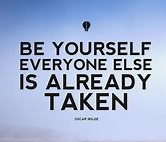
Why You Should Celebrate Your True Self

Audio PODCAST

The phrase “just be yourself, you were created to be yourself not someone else” is a powerful and inspiring call to embrace your individuality and authenticity. It suggests that each person has a unique purpose, personality, and set of qualities that define who they are—and that trying to imitate or become someone else goes against the natural design of your existence. In today’s world, where societal pressures and external expectations often push individuals to conform, this message serves as a vital reminder to honor and celebrate your distinctiveness. Each person’s journey is shaped by their experiences, passions, and dreams, which collectively contribute to their identity. Embracing who you truly are not only fosters self-acceptance but also encourages others to do the same, creating a ripple effect of authenticity and confidence. When we allow ourselves to shine in our true colors, we inspire those around us to break free from the constraints of comparison and judgment, ultimately leading to a more vibrant and diverse society.

At its core, “just be yourself” is like a friendly nudge from your inner couch potato, urging you to embrace your wonderfully weird self. It’s like telling you to kick societal expectations to the curb—who needs them anyway? Comparing yourself to others is so last season, and the quest for approval can be a real snooze-fest! Instead, why not celebrate your quirks, values, and the oddball passions that make you, well, you? It’s all about loving your delightful mess, flaws and all, rather than trying to be a cookie-cutter version of some glossy magazine superstar. Remember, pretending to be someone you’re not is just a fast track to the land of grumpiness, while living authentically is like jumping into a pool of marshmallows—just pure joy and fluff!

The second part, “you were created to be yourself not someone else,” adds a layer of intentionality. It implies that your uniqueness isn’t random or accidental—it’s deliberate. Whether you view this through a spiritual lens (a creator designing you with purpose) or a secular one (your individuality emerging from a mix of genetics, experiences, and choices), the message is that your existence as you has inherent value. Trying to copy another person’s life, traits, or path dismisses that value and assumes someone else’s blueprint is better than your own.

In practice, this could mean resisting the urge to conform just to fit in. For example, if you’re naturally introverted, you don’t need to force yourself to act extroverted to match a loud, outgoing friend. Or if your dreams differ from what’s trendy or expected—like pursuing art in a family of engineers—that’s not a flaw to fix, but a strength to own. The phrase reminds you that authenticity isn’t just allowed; it’s the whole point.

That said, being yourself doesn’t mean staying stagnant. It’s not an excuse to avoid growth or self-improvement. Instead, it’s about evolving in a way that aligns with your true nature, not someone else’s. It’s the difference between refining your own voice as a writer versus mimicking Hemingway because he’s revered.

Ultimately, this idea champions the beauty of diversity in humanity. If everyone was meant to be the same, the world would lose its richness, becoming a monochromatic existence devoid of the vibrant hues that individual identities bring. Your specific blend of traits, thoughts, and actions—imperfect as they may be—contributes something no one else can, creating a unique tapestry of experiences that enhances our collective journey. Embracing your true self not only fosters personal growth but also inspires others to do the same, generating an atmosphere of acceptance and understanding. So, “just be yourself” is both a personal liberation and a quiet rebellion against the pressure to be anything less; it is a powerful call to celebrate our differences and recognize that in our authentic expressions lies the potential for real connection and profound impact.

The Edge of Nightmares, Confronting the Unknown

Audio PODCAST

Sometimes I have the strangest dreams, where the boundaries of reality blur and the impossible becomes palpable, weaving intricate stories that leave me questioning their origins as I wake, caught between the allure of the bizarre and the comfort of my everyday life. These dreams transport me to fantastical realms where gravity loses its grip and colors pulsate with life, inviting me to dance with shadows and converse with whispers of forgotten tales. In this surreal tapestry, I often find myself on the precipice of fear and wonder, exploring landscapes that defy logic, yet feel oddly familiar, as if they were fragments of my own forgotten memories. As I drift further into slumber, the lines between my day-to-day existence and these vividly twisted narratives continue to intertwine, drawing me into a hypnotic cycle of fantasy that is both thrilling and unsettling. I guess I should watch what I eat for supper.

I steady myself on the jagged cliff’s edge, the volcanic wasteland sprawling before me like a nightmare carved in fire and stone. The heat rising from the glowing fissures sears my skin even through your worn-out gear, and the ash in the air clings to my face, gritty and relentless. That low rumble grows into a bone-deep shudder, and a plume of sparks erupts from a nearby crevasse, showering the ground with flecks of molten light. The cliff groans under my weight, a hairline fracture spiderwebbing out from my boot—time’s not on my side here.

Below, the twisted metal spires glint dully through the haze, their skeletal frames half-buried in drifts of blackened sand. You squint and catch more movement: those shadows aren’t just tricks of the light. They’re humanoid, but their jerky, deliberate motions suggest they’re either desperate or deranged—maybe both. One pauses, head tilting as if it’s caught my scent on the wind, and a glint of something sharp flashes in its hand. Bandits, scavengers, or survivors gone feral; doesn’t matter—they’re trouble. Beyond them, a faint green flicker pulses from one of the spires, maybe a working power source or a trap waiting to spring.

MY satchel slaps against my hip as I shift, the weight of its meager contents a grim reminder of your odds. The energy cell’s got enough juice for a single burst—maybe to power a tool or fry something coming at me, but it’s a one-shot deal. The canteen’s metal is dented, water sloshing low, barely enough to wet my throat in this furnace. The comms device crackles again, spitting out a distorted fragment: “…sector breach… containment failing…” before it dies back into static. Could be a warning, could be old noise—either way, it’s not calling for help anytime soon.

That howl cuts through the air again, closer now, reverberating off the cliffs. I risk a glance over my shoulder and spot something loping through the ash clouds—a hulking shape, too big for a man, its outline bristling with spines or jagged plating. It’s not rushing me yet, but it’s circling, testing. The wind shifts, carrying a stench of sulfur and rot, and you realize it’s not alone; smaller shapes skitter in its wake, like pups trailing a predator.

The cliff’s fracture widens with a sickening crunch, echoing through the still air and sending a jolt of adrenaline through my veins, forcing me to decide between dropping down toward the jagged spires below, where darkness lurks and the shadows seem to breathe with menace, or backtracking into the desolate wastes where that relentless creature is stalking my every move. The green flicker in the distance pulses again, a beacon of uncertainty that tempts me with the slim chance of salvage or a fleeting sanctuary, but I wonder if it’s a mirage, a cruel trick played by the landscape to ensnare me further in danger. My hand hovers over the energy cell, the weight of my choices pressing heavily on my chest, pulse hammering in my ears as I grip it tightly, trying to quell the rising tide of panic and indecision that threatens to paralyze me. What’s my play? Each option seems fraught with peril, yet the instinct for survival urges me to act before the cliff crumbles further, plunging me into deeper chaos. Fortunately, I woke up.

Thinking about end of life

Audio PODCAST

I am closer to the end of life than I was 20 years ago, and I must admit it is on my mind more than it was 20 years ago. Over the years, I have seen friends and loved ones face their own mortality, which has inevitably made me more reflective about my own existence and the passage of time. Each day that passes serves as a reminder of the impermanence of life, prompting me to cherish my moments more deeply and to prioritize relationships and experiences that truly matter. As I navigate through my daily routines, thoughts about what I want to achieve before my time comes linger, shaping my decisions and encouraging me to live with intention while appreciating both the simple pleasures and profound connections along the way.

Thinking about waiting until the end of life stirs a mix of emotions—dread, curiosity, peace, or even impatience, depending on where one stands. It’s a contemplation that often creeps in during quiet moments, when the noise of the day fades and you’re left with the hum of your own thoughts. Some might picture it as a distant horizon, a finish line they’re in no rush to reach, while others see it as a looming shadow, sharpening their focus on what matters now.

The idea of waiting implies a kind of surrender to time—an acceptance that life’s chapters will unfold at their own pace. You might wonder what you’d do differently if you knew the exact page count. Would you linger more on the good days, savoring the small joys—a warm coffee, a laugh with a friend, the way sunlight spills through a window? Or would you race to tie up loose ends, chasing closure like it’s a deadline?

For some, it’s less about waiting and more about preparing. They might ask: Have I said what needs saying? Have I loved enough, fought enough, rested enough? Others might reject the question entirely, choosing instead to live as if the end isn’t a dot on the map but a blur they’ll deal with when it arrives. There’s no universal script for this. It’s personal, messy, and human.

Philosophers have chewed on this for centuries, contemplating the intricate dance between life and death. Stoics like Seneca urged us to think of death daily—not to morbidly obsess over it, but to sharpen our appreciation for the present moment and the fleeting nature of existence. “You live as if you were destined to live forever,” he wrote, nudging us to stop wasting time on trivial pursuits and to embrace the now with intention. This perspective invites us to reflect on our priorities and the ephemeral beauty in our lives. Meanwhile, someone like Camus might argue that it’s the absurdity of the end that gives life its edge—knowing it stops is what makes it worth wrestling with. The recognition of our mortality can ignite a fiery passion for living fully and authentically, pushing us to confront the chaos and meaninglessness while simultaneously finding joy in the struggle itself. Embracing both the transient and the absurd can lead to a richer, more profound experience of life, encouraging us to seek out connections, love, and purpose amidst the inevitable decay.

In the end, thinking about waiting till the end of life isn’t really about the end itself. It’s about what you do with the stretch in between—the hours, the years, the fleeting now that slip through your fingers like grains of sand. Whether you wait quietly, reflecting on moments that shaped your existence, or charge toward it with fervor and passion, the clock ticks the same for everyone, indifferent to our individual journeys. What changes is how you listen to it, how you interpret its passing, and how you choose to fill the time allotted to you. Each second can be a brushstroke on the canvas of your life, each minute an opportunity for joy, love, and connection. I have experienced a preview of time after life on this earth, glimpsing the ethereal realm that awaits us, and I truly believe a new experience and adventure waits for all, urging us to embrace the journey with open hearts and curious minds, ready to explore the mysteries that lie beyond.

The Wind and the House

Audio PODCAST

The wind howled through the empty house, whispering “Tom” in the dark. I stood at the threshold of the old Schueller estate, my breath fogging in the frigid night air, my flashlight trembling in my hand. It was a dare from my friends—Jack, Mike, and Florence—because they knew I couldn’t resist proving them wrong. They’d spent weeks spinning tales about this place: how the Schueller family vanished in ’73, how neighbors swore they heard screams years after, how the house sat untouched, rotting on the edge of town like a festering wound. “It’s just a creepy old dump,” I’d said, smirking, but now, with the warped door creaking open under my push, my bravado felt thin as the mist curling around my ankles.

Inside, the air was stale, heavy with dust and something sour I couldn’t place. My flashlight beam swept over peeling wallpaper, furniture draped in moldy sheets, and a grandfather clock frozen at 3:17, its pendulum dangling like a broken limb. The silence was oppressive, but then the floorboards groaned behind me, a slow, deliberate creak, as if someone had shifted their weight. I spun around, heart hammering, but there was nothing—just the gaping doorway and the night beyond. “Hello?” I called, my voice swallowed by the house. No answer, only the wind rattling the shutters like a caged animal desperate to get in—or out.

I pressed deeper, past a dining room where plates sat untouched, crusted with decades-old food, and up a staircase that sagged under my steps. Each creak felt like a warning, but I told myself it was just the house settling, not the presence I swore I felt watching me. A cold draft brushed the back of my neck, prickling my skin, and I turned again—nothing but shadows. Except now the shadows seemed wrong, elongated and twisting, like fingers reaching from the walls. My flashlight flickered, and in that stuttering light, I glimpsed something—a shape darting across the hall, too fast to be real, too human to be imagination.

The attic door was at the end of the corridor, its paint chipped into a jagged grin. I don’t know why I climbed those final stairs; maybe it was the dare, maybe it was the pull of something I couldn’t name. The attic smelled of mildew and rust, cluttered with boxes spilling yellowed letters and faded photographs of the Schueller’s—smiling faces that didn’t match the stories. In the corner stood a cracked mirror, its frame warped and blackened, and when I looked into it, my breath caught. My reflection wasn’t mine. It was hers—Eleanor Schueller, the woman who’d disappeared last, her portrait still hanging in the town hall. Her eyes were pits of ink, her mouth a crooked gash stretching wider than any humans should, and she stared back at me, unblinking.

I stumbled back, the flashlight dropping with a clatter, plunging me into darkness. The air thickened, pressing against my chest, and the walls began to throb—a slow, rhythmic pulse like a heartbeat echoing through the house. Footsteps thudded below, heavy and deliberate, climbing the stairs. I grabbed the flashlight, its beam weak now, and ran, the attic door slamming shut behind me with a force that shook the frame. The stairs twisted under my feet, the wood bending as if trying to trap me, and I half-fell, half-leaped down, my hands scraping against splinters and something wet that smelled of copper.

The hallway stretched longer than before, the front door a distant speck. Behind me, the footsteps grew louder, joined by a low, guttural hum that vibrated in my bones. I didn’t dare look back—I couldn’t. When I reached the door, it wouldn’t budge, the knob icy and slick under my palms, but with a desperate shove, it gave way, and I spilled onto the porch, gulping the night air. The house loomed behind me, its windows dark and accusing, and I ran—down the overgrown path, past the rusted gate, not stopping until I hit the road where my car waited.

I fumbled with the keys, my hands shaking so badly I dropped them twice, and when I finally looked up, the house was still there, silhouetted against the moon. Safe, I thought, leaning back in the driver’s seat, my pulse slowing. But then the wind picked up, slicing through the trees with a sound too sharp, too alive. It wasn’t just wind—it was her voice, Eleanor’s, low and insistent, threading through the noise, calling my name “Tom”. I froze, staring at the house, and in the upstairs window, a figure stood, its head tilted, its smile too wide. The car wouldn’t start. The air grew colder. And I knew, with a sinking dread, that I hadn’t escaped at all—she’d let me think I had, just to pull me back. The wind howled through the empty house, whispering “Tom” in the dark.

My 2001 S10 Chevy Pickup

Audio PODCAST

Saying Goodbye to My Trusty 2001 S10 Chevy Pickup

For over two decades, my 2001 S10 Chevy Pickup was more than just a vehicle—it was a reliable companion. I bought it back in the day with a clear purpose: to tackle my 18-mile commute to work. It did that job faithfully, day in and day out, without complaint. But as life shifted gears, so did my need for it. I retired in 2006, and since then, the little truck’s role in my life slowly faded. In the last couple of years, I barely put 500 miles on it annually. With just 75,000 miles on the odometer, it still had plenty of life left, but it was clear it was time to let go.

The decision to sell wasn’t easy. That truck had been a steady presence, sitting in the garage, ready whenever I needed it. But practicality won out. It wasn’t getting much use anymore, and I figured I could save a bit on insurance and the occasional upkeep. Besides, a vehicle like that deserves to be driven, not just parked. So, after some thought, I decided to sell it to someone who’d appreciate it as much as I did—my son-in-law, Steve.

Steve was thrilled to take it off my hands. He’s always had a soft spot for that kind of truck, and I knew he’d treat it right. Sure enough, he’s been taking great care of it—keeping it clean, staying on top of any little things it needs, and driving it with the kind of enthusiasm I had back when it was my daily ride. What’s even better is that he’s told me I can borrow it anytime I want. It’s nice to know it’s still in the family, and I can hop in for a spin whenever nostalgia hits.

That S10 was a good truck—rock-solid and dependable. In all the years I owned it, the only repair it ever needed was a new oxygen sensor. That’s it. No major breakdowns, no headaches. Just a tough little pickup that got the job done. Even now, after letting it go, I miss it. There’s something about the hum of that engine and the feel of the wheel in my hands that tugs at me every now and then.

Selling it to Steve feels right, though. It’s not gone forever—just passed along to someone who’ll give it the miles and memories it deserves. I’m glad it’s in good hands, and I’ll always look back on my time with that Chevy with a smile.

Celebrating Fool’s Day


Audio PODCAST

Here’s a whimsical tale about April Fools’ Day:

In a chaotic village perched precariously between the undulating hills of medieval France and the eerie shadows of the Loire Valley, a cunning jester named Pipkin thrived. It was 1564, an era of upheaval where the villagers found themselves grappling with a world turned upside down. Just a short time ago, King Charles IX had announced a radical change: the new year would no longer kick off with extravagant feasts and debauchery on April 1 but instead would commence on January 1, dragging France into the rigid confines of the Gregorian calendar. Those pitiful souls clinging to the outdated tradition of welcoming the year in spring were ridiculed as “April fools,” their refusal to adapt a mere punchline in the eyes of the so-called enlightened.

Pipkin, the neighborhood prankster extraordinaire, spotted a golden opportunity in the chaos unfolding around him. Unlike the gloomy folks sweating it out in the fields or bartering over sheep fur like it was the last cookie at a bake sale, he skipped through life with a mischievous grin and a pouch bursting with enough tricks to rival a magician’s arsenal. The villagers loved him—most of the time—except for those moments when his notorious pranks left them blushing brighter than a beet or swimming in a puddle of ale. But this year, Pipkin made an oath to turn the king’s quirky calendar shuffle into a party so unforgettable, even the sourpusses would be tempted to crack a smile!

As spring arrived, the first day of April in 1564 was bright and fresh. The village was excited because Pipkin had called it “Fool’s Day,” a reminder of those still giving New Year’s gifts three months late. No one knew why he liked this day—some said it was because he once tricked old Farmer Grum into thinking his cow could sing. But Pipkin just smiled and said, “A fool needs no reason.”

That morning, Pipkin woke with a plan grander than any before. He scurried about, planting surprises like seeds in a garden. By noon, the village was a riot of chaos and glee. Baker Thom pulled a loaf from his oven only to find it squawked like a chicken—Pipkin had slipped a tiny bellows inside the dough, a trick he’d learned from a wandering Italian jongleur. Widow Mara opened her door to a “tax collector” demanding payment in turnips, only to realize it was Pipkin in a borrowed cloak, mimicking the royal officials who’d enforced the new calendar. Even the stern blacksmith, Gorrim, roared with laughter when his hammer turned to rubber mid-strike, bouncing off the anvil—a jest inspired by tales of Dutch pranksters Pipkin had heard at the tavern.

But Pipkin’s big moment was waiting for the evening when everyone in the village came together for the spring feast—kind of like their old New Year’s parties. As the sun started to set, painting the sky in cool shades of orange and purple, Pipkin hopped up on a barrel and started clapping his hands. “Hey folks!” he yelled. “Check out the wildest joke of all, a treat for all the goofballs from the past and present!” With a dramatic pull, he yanked on a rope, and from the trees came a shower of sparkling dust. The crowd gasped as it rained down on them—then blinked in confusion. Nothing happened. No magical changes, no funny stuff, just a little sparkle on their shoulders.

“Is this your trick, Pipkin?” grumbled Gorrim, brushing the dust off his beard. “A bit of sparkle and naught else?”

Pipkin’s grin widened. “Look closer, my friends.”

The villagers squinted and then erupted into laughter as if they’d just discovered a hidden treasure. The dust wasn’t just any old sparkle; it was like a winking mirror reflecting their hearts, playfully echoing the French tradition of calling April 1 “Poisson d’Avril,” or “April Fish,” for those who bit on pranks like a hungry bass. Throughout the night, every word was a comedy act: compliments morphed into cheeky roasts, grumbles transformed into zany jests, and even the bashful folks loosened up as if they’d chugged a gallon of giggles. Widow Mara poked fun at Thom’s infamous “fowl bread,” while Gorrim sheepishly confessed he had a secret crush on the rubber hammer. The feast turned into a riotous symphony of laughter, echoing louder and friendlier than any past New Year’s party ever could!

As the clock hit midnight, the dust cleared, and the village slipped into a comfy quiet. Pipkin, sitting on his barrel, watched everyone head home, their grins hanging around like stars. He’d done more than just pull a prank—he’d flipped the king’s decree into a wild day of fun and rebellion, a party for those who once celebrated the year back in April.

From then on, April 1 was known as Fool’s Day across the land, spreading beyond France to England, Scotland, and even the New World in time. This day became a canvas for joy and mischief, a celebration of laughter that echoed through towns and villages, where residents plotted playful tricks, each year trying to outdo the last. Pipkin never revealed where he’d found that magical dust—some said it came from a gypsy trader, others from a monk with a sense of humor—but each year, he’d wink and say, “A fool’s best trick is to make you one too.” His enigmatic charm only fueled the tradition, which flourished and grew, blending with tales of fish pinned to backs and mock gifts for the forgetful, as children and adults alike became embroiled in the exhilarating spirit of the day, creating unforgettable memories, all thanks to a jester who saw history’s shifts as a stage for laughter, ensuring that the essence of fun and camaraderie would endure through the ages.


April Fools’ Day, while keeping the magic and mischief alive. Enjoy your Fool’s Day!

My Car Speaks Out


Audio Podcast Link

I am a 2022 Honda HRV, a compact yet mighty crossover, designed to navigate the urban jungle with a touch of adventure. My story begins in the bright, bustling lot of a Honda dealership, where I gleamed under the sun, my coat of Urban Gray Metallic catching the eyes of passersby.

My owner, Tom, found me on a crisp autumn day. He circled around, inspecting my sleek lines and spacious interior. I could feel his approval as he ran his hands over my alloy wheels and checked out my cargo space. There was an instant connection, and soon, I was rolling out of the dealership, my engine purring with excitement.

The first journey with Tom was memorable. We ventured out of the city, and I found myself navigating through winding country roads, my all-wheel-drive system gripping the pavement with confidence. The scenery was a blur of colors, but I felt every curve, every incline, as if I were part of the landscape itself.

Life with Tom was full of small adventures. We’d often drive to the local park where he’d open my tailgate, revealing the convenience of my Magic Seat feature, perfect for his weekend camping gear or a quick picnic. I loved those moments when the sun set, casting golden rays through my windows, warming the interior while Tom enjoyed his Gatorade.

Winter arrived, and I proved my mettle. With my heated seats and climate control, we kept cozy even on the chilliest days. The snow didn’t daunt me; my snow mode ensured we navigated through the white landscapes with ease. There was a sense of pride when I managed to get us out of the snowy parking lots where others were stuck.

But it wasn’t all about the adventures. I was there for the mundane too – the daily commutes, the grocery runs, the quiet drives to the library or to visit friends. Each journey, no matter how short, was a chance for me to serve and to be appreciated. Tom would sometimes talk to me, not expecting a reply, but I listened. I heard about his day, his plans, his hopes. It made me feel like more than just a vehicle; I was a companion.

Then there was the music. Tom loved his tunes, and my audio system was just right for him, filling the cabin with his favorite beats, making each drive a little concert. The joy of music, the beat matching the rhythm of my engine, it was a harmony unique to us. Tom was overjoyed when he discovered my UBS feature. Now he can bring thousands of his favorites copied onto a thumb drive and never hear the same song twice.

One day, we took a long road trip. The open road was liberating, the horizon endless. My fuel efficiency meant fewer stops, more miles under my wheels. We saw mountains, forests, and at one point, we pulled over at a viewpoint. Tom sat on my hood, watching the sunset, and I felt a sense of accomplishment for bringing him to such a beautiful place.

As time passed, I’ve seen maintenance days – oil changes, tire rotations – but each visit to the mechanic was a testament to how well Tom cared for me. I was not just a machine; I was a part of his life, his story.

Now, as I sit here, perhaps parked in the garage, I look back on these days with fondness. I’ve been more than a vehicle; I’ve been a part of Tom’s journey, his companion through the seasons, through the ups and downs. Here’s to many more adventures, to the bond that forms between a car and its owner, to the road less traveled, and to the road yet to come.

Rover and Socks

Audio PODCAST


Rover: Hey, Socks! What’s the deal with your windowsill throne? Do you think you’re the queen of England or just auditioning for a feline royal reality show? I mean, lounging there like you own the place, with your snooty little nose in the air while the birds put on their daily aerial show—do you even lift a paw? I can’t decide if you’re a majestic ruler or just an expert sunbather. Seriously, what goes through that fluffy head of yours as you plot world domination from your sunny perch?

Socks: Because I do own the place, Rover. It’s a tough job being this fabulous, but someone’s got to do it! You see, it’s called being superior—a title that comes with the royal perks of elegance and grace, which apparently you missed out on while frolicking in a tail-chasing frenzy. Meanwhile, I’m up here surveying my domain, looking regal from the highest perch while you tumble into yet another round of your never-ending antics. It’s a demanding life of leisure and poise, one that requires a level of finesse that clearly zipped right past your wagging tail!

Rover: Tail-chasing is all the rage! Seriously, you should give it a whirl instead of snoozing like a bear in hibernation. Live a little! There’s nothing quite like the sheer thrill of zooming in circles, wind flapping your fur like those ridiculous car ads, and feeling like the king of your own hilarious chase. It’s not just a game; it’s a cardio workout disguised as fun! Just think, you can turn the most boring day into an epic adventure with a little tail-twirling chaos. So let that inner goofball shine, lose yourself in the delight of chasing your own tail, and who knows—you might just discover the secret to a happier life is all in the spin!

Cat: Napping is basically my superpower, you drooling furball! I’m just recharging my batteries for the crucial duties ahead—like my not-so-secret mission of judging the humans, who hilariously think they run this place. While I blissfully doze, I’m orchestrating my next regal takeover, all while mildly entertained by their daily circus acts. It’s a riot watching them dash around, tackling one errand after another, completely oblivious to the divine joys of a sunbeam or a rogue feather swaying in the breeze. Trust me, my naps aren’t just for show; they’re tactical retreats, moments for plotting my rightful reign over this household!

Rover: Judging? I’d rather lick ‘em! They’re the best treats I could ever imagine. Who else gives me delicious snacks just for sitting? It’s like magic! Every time I hear that rustle of the treat bag, my tail wags furiously, and I can hardly contain my excitement. The way they reward me makes me feel so loved and appreciated; it’s not just about the food, but the bond we share whenever I perform my best tricks.

Socks: Ugh, your standards are so low. I get treats for existing, and it’s called finesse. You see, it’s not just about being present; it’s about the charm and grace I bring to the room. I flaunt my adorable little paws and my irresistibly fluffy fur, and that’s what gets me those delightful snacks. Why settle for less when I can dazzle everyone with my quirks? After all, who wouldn’t want to spoil a pet with such an unmatched personality? It’s all part of the game, and trust me, I’m winning it every day!

Rover: Finesse? More like laziness. Bet you can’t catch a ball like I can! I’ve perfected my techniques after countless hours of practice in the park, chasing after sticks and bouncing balls, leaving my friends in awe of my skills. With my lightning-quick reflexes and unmatched enthusiasm, there’s no doubt that I am the ultimate fetch champion. So, bring it on! Let’s see you try to keep up with my agility and catching prowess!

Socks: Why would I catch a ball when I can catch a mouse? That’s skill, not just slobbering after a toy. While the other dogs might chase after those brightly colored balls, I find a thrill in the chase that’s much more adventurous and exciting. The soft rustling of tiny paws, the quick darting here and there, and the challenge of outsmarting my furry little opponent. It’s a game of wits, and it requires precision and agility that goes beyond mere instinct. I relish the satisfaction of a well-executed capture, proving that I’m not just a plaything chaser but a true hunter at heart.

Rover: Mice are boring. You ever try barking at the mailman? Gets the blood pumping! There’s nothing quite like the excitement of watching him approach, the way my fur bristles with anticipation as I prepare to make my move. The thrill builds in my chest, and I can’t help but let out a few barks, expressing my excitement and guarding my territory. With every delivery, it’s a new adventure, a chance to showcase my protective instincts and earn my place as the watchdog of the house. Plus, the look on the mailman’s face is priceless; it’s like I’m a part of a comedy show that’s never quite the same from one day to the next!

Socks: And wake up the whole neighborhood? No thanks. I prefer a quiet stalk—stealth is my style. There’s something exhilarating about moving silently, slipping through the shadows where only the faintest whispers of wind can be heard. Each paw step is deliberate, calculated, as I navigate across the familiar terrain, evading the blaring sounds of daily life. The thrill of remaining unnoticed, blending into the dusk, allows me to observe without being seen, to feel the pulse of the night without disturbing its serenity. It’s a dance of caution and cunning, where the thrill of the hunt mingles with the peace of solitude.

Rover: Stealth? You mean sneaking into my bed when I’m not looking, like a shadow in the night, quietly tiptoeing across the floor, as if on a secret mission? It’s as if you have mastered the art of silent approach, waiting for the perfect moment to curl up beside me, while I’m blissfully unaware, wrapped up in my dreams.

Socks: It is not sneaking it is claiming what is mine. You are just too dumb to notice.

Rover: Well, I’ll share it with you anyway. You’re not so bad, Socks; in fact, I’ve come to appreciate your company more than I initially thought I would. It’s surprising how two different personalities can find common ground and enjoy each other’s presence. I’ve seen your cleverness in navigating tricky situations, and it’s made me respect you a little more. After all, who would have thought that a dog and a cat could share stories under the stars and laugh at the silliest things together?

Socks: Hmph. You’re tolerable, I suppose… for a loud, smelly beast. Despite your constant racket, which often disrupts my peaceful moments, there’s an undeniable charm in your antics. Your boisterous nature might be overwhelming at times, but it certainly brings a unique energy to the room. I find myself reluctantly drawn to your quirks; the way you bound around with excitement, even if it leaves a trail of chaos behind. So, while I may refer to you as a beast, I must admit that your presence adds a layer of unpredictability that, oddly enough, I can appreciate.

Rover: Wanna chase the squirrel outside together? It looks like it’s darting around in the yard, and I can already feel the excitement building inside me! Just imagine the thrill of running after it, weaving through the trees and bushes while enjoying the fresh air and sunshine. What do you say we head out, let our energy loose, and see if we can catch that little critter before it scurries up a tree?

Socks: …Fine. But I’m leading. When it comes to navigating through this tangled mess, I know exactly where to go. I’ve got a plan in mind, a clear direction that’s been brewing for a while. You may have ideas too, but it’s time to trust my instincts on this one. We can’t afford to waste time wandering aimlessly, and I promise to keep everyone focused and on track. So let’s gear up and follow my lead, because I have a feeling this is going to be quite the adventure.


My Biggest Sin

Audio PODCAST

Here’s a list of things that most people would agree should be avoided:

  1. Lying – Deliberately deceiving someone for personal gain or to harm them.
  2. Stealing – Taking something that doesn’t belong to you without permission.
  3. Cheating – Being unfaithful to wife.
  4. Hurting others – Physically or emotionally causing harm to people or animals.
  5. Breaking promises – Failing to follow through on commitments without good reason.
  6. Wasting resources – Carelessly using up things like food, water, or time that others could benefit from.
  7. Blaming others unfairly – Shifting responsibility onto someone who isn’t at fault.
  8. Being cruel – Intentionally causing suffering for no justifiable reason.

So, what is my biggest sin? I would say my biggest fault is taking people too much for granted. Here are people I should have been more considerate of instead of taking them for granted.

  1. My parents – They were always there for me throughout my childhood and beyond. They fed me, they protected me from harm, and they never stopped loving me, even when I was a jerk and made mistakes. Their unwavering support and guidance shaped who I am today.
  2. My grandma – I grew up with her by my side, and she played an immensely important role in shaping my character and guiding my decisions. She helped me in the future with what she said when I was young, sharing wisdom that stayed with me throughout my life.
  3. My wife – I don’t know what I would do without her. She has been my rock and my support through thick and thin. Yet many times I take for granted that she will be there until death do us part, always ready with a kind word or a warm smile, making each day brighter and full of love.
  4. My two sons – They are an important part of my life. Yet again I have taken them for granted, not fully appreciating the joy, laughter, and lessons they bring to each day, reminding me of the beauty present in the simplest moments we share together.
  5. My two stepdaughters and two stepsons – They are an important part of my life, bringing their unique perspectives and experiences that enrich our family dynamics and create lasting memories together.
  6. The American way of life – Emphasizes individualism, personal freedom, and the pursuit of happiness, where citizens have the opportunity to achieve their dreams through hard work and determination, set against a backdrop of diverse cultures and values that coexist and contribute to the nation’s unique identity.
  7. The first responders and military– who bravely put their lives on the line each day, ensuring our safety and security in times of crisis and conflict.
  8. Friends, relatives and neighbors-You meet thousands of people throughout your life, you experience conflicts and disagreements, and you develop many friendships along the way. These friendships, which often bring joy and support, many times I have taken for granted, and they eventually disappear, leaving behind a sense of nostalgia for what once was and a realization of how important these connections truly are. It serves as a reminder to cherish and nurture the relationships that influence our lives so profoundly.

Finally, as I age, I am becoming more aware of my shortfall and am attempting to stop taking people for granted and show more appreciation at the moment. This realization has led me to reflect deeply on my relationships and the little acts of kindness that often go unnoticed. I find myself making a conscious effort to express gratitude, whether it’s a simple thank you for someone’s help or a heartfelt note acknowledging their support and presence in my life. I understand now that these small gestures can strengthen bonds and foster a sense of community and love among those I cherish. Embracing this mindset has not only enhanced my interactions but has also enriched my own sense of fulfillment and happiness as I navigate this journey of life.