fiction

Emma’s Near-Death Experience: The Peace, Total Peace Beyond

Audio PODCAST

Emma, a 60-year-old teacher with a passion for inspiring young minds, collapsed during a morning jog, her heart seizing in a sudden cardiac arrest under the soft glow of the rising sun. As runners rushed to her side, their worried faces a blur in her fading consciousness, paramedics were called, but to Emma, the world had already dissolved into a mist of confusion and fear. Memories of vibrant classrooms filled with laughter, the warmth of her students’ smiles, and the thrill of sharing knowledge flashed before her eyes, as she fought to hold on, knowing she had so much more to give and experience in this life.

In that liminal space, Emma felt weightless, drifting upward through a tunnel of soft, golden light that seemed alive, pulsating with a rhythm that matched her heartbeat. The air hummed with a warmth that felt like love itself, wrapping around her like a tender embrace, stirring memories of laughter and joy. At its end, she emerged into a vibrant meadow under an impossibly vast sky painted in hues of azure and lilac, where the clouds seemed to dance in harmony with the wind. Figures—familiar yet undefined, like echoes of her late grandmother and childhood dog—greeted her with a silent, overwhelming sense of peace, total peace A feeling she never felt in her 60 years. Their presence filling her with an indescribable comfort that felt like homecoming. Time unraveled; seconds or centuries passed as she wandered freely, bathed in a certainty that this was indeed her true sanctuary. Every blade of grass shimmered with dew, every flower exuded a fragrance that brought forth forgotten memories, while a gentle breeze whispered secrets of the universe. A voice, gentle but firm, broke through the serenity, whispering, “Not yet,” a reminder that her journey was still unfolding, urging her to embrace every moment.

Meanwhile, paramedics worked frantically, their movements a blur as time seemed to stretch. They shocked her heart twice, the electrical jolt palpable in the still air, while one of them administered CPR with a fierce determination, counting out loud to maintain their rhythm. After three agonizing minutes that felt like an eternity, her pulse flickered back to life, a fragile sound against the chaos surrounding them. Emma’s eyes fluttered open, her gaze shifting from the vibrant meadow she had unwittingly left behind to the harsh glare of daylight and the stinging sensation of an IV piercing her skin. Confusion and fear washed over her as she tried to comprehend the sudden shift from serenity to panic, the muffled shouts of the paramedics slowly breaking through the fog in her mind.

Back in her body, Emma wept—not from fear, but from the ache of leaving that place. The doctors called it a miracle; her heart showed no lasting damage. She returned to teaching, but carried the meadow within her, a quiet certainty that death was not an end, but a doorway. She lived more boldly, loved more fiercely, and never feared the moment she’d cross back.

This event strengthened her belief that there is time after earth, and she felt an overwhelming sense of reassurance that this time after earth is just the beginning of a terrific experience, one filled with boundless possibilities and opportunities for growth. She embraced the idea that perhaps this extended existence was a gift, a chance to explore realms she had never imagined. In her contemplation, she did wonder why she was given this precious bonus time; it felt as if the universe had conspired to grant her a second chance. Amidst her thoughts, she pondered whether she was meant to do something special during this bonus time, a mission that would not only serve her own growth but also have a profound impact on those around her, igniting a sense of purpose that she had long sought.

The Library’s Mysterious Book of Unearthed Secrets

Audio PODCAST

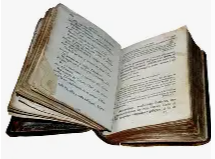
In the city of Denver, nestled between Broadway and Civic Center, the library stood as a relic of forgotten grandeur, its towering shelves lined with volumes that whispered secrets of the past. Its head librarian, Elsie, was a meticulous woman in her fifties, her life bound to the rhythm of cataloging and dusting tomes, a routine that provided her with both comfort and purpose. One autumn evening, while shelving returns from the book drop, she stumbled upon an unmarked book, its leather cover cracked but oddly warm to the touch, as if it held memories yearning to be revealed. Intrigued, Elsie opened it, her heart quickening as she found pages filled with meticulous accounts of the town’s founding in 1858—names, dates, and events she’d never encountered in any archive, tales of pioneers who braved the wild and laid the foundations of what would become a vibrant community. With each turn of the page, she felt a connection to the energy of those early settlers, their hopes and dreams echoing within the library’s quiet walls. She took it home, intending to study it, unaware that this discovery would lead her on a journey through time, sparking a series of events that would change her life forever.

That night, as the clock struck midnight, Elsie awoke to a faint scratching sound, an almost imperceptible disturbance that pulled her from the depths of her dreams. She rubbed the sleep from her eyes and, instinctively drawn to her desk, noticed the peculiar sight before her: the book, left open, was mysteriously rewriting itself. Words dissolved like ink in water, swirling into nothingness before being replaced by new sentences that glowed briefly, holding her gaze captive, before settling into permanence with an eerie finality. The next morning, the book detailed a scandal from 1860 that had long been shrouded in shadows: the town’s revered founder, Ezekiel Holt, had brazenly swindled vast tracts of land from indigenous families, a shocking truth carefully buried by Denver’s prideful historians who preferred to embellish his legacy rather than confront his dishonorable actions. As Elsie’s pulse quickened with a mix of excitement and trepidation, she was compelled to cross-reference the library’s records—only to find that nothing corroborated the book’s account. Despite the absence of credible evidence, the specificity of names and deeds, so vivid and compelling in its recounting, felt undeniable, igniting a burning curiosity in her to uncover the truth behind this hidden history and the implications it held for her community.

Each night, the book unveiled another secret, drawing Elsie deeper into the tangled web of her city’s dark history. On Tuesday, it exposed a 1920s mayor who’d poisoned the Platte River to drive out a rival’s mill, causing a decade of sickness that devastated families and shattered lives in the community. On Wednesday, it recounted a 1960s librarian—Elsie’s mentor—who’d burned journals to hide her affair with a councilman, a scandal that whispered through the aisles of the library and tarnished reputations. The revelations grew more personal, cutting into Elsie’s sense of identity and forcing her to question everything she thought she knew about her heritage. Each secret revealed was a piece of the puzzle, shifting her perception of the past, and soon Denver, her lifelong home, felt less like a sanctuary and more like a tapestry of lies woven with threads of betrayal, complicity, and lost truths.

Word spread when Elsie, unable to contain her unease, confided in a friend, whose shocked expression only fueled the fire of gossip in. Soon, townsfolk gathered nightly at the library, an air of both apprehension and curiosity driving them, as they demanded to read the book’s latest truths, hungry for the secrets it held about their community’s past. Reactions varied dramatically: some, like old Mr. Tate, whose grandfather was implicated in a 1901 lynching, wept in shame, the weight of history crashing down upon him like a tidal wave. Others, like Mayor Ellis, dismissed the book as cursed, urging Elsie to destroy it, convinced that its pages harbored nothing but ruin. But Elsie, steadfast in her beliefs, refused to comply—she felt the book was a reckoning, a mirror held up to their collective conscience, forcing Denver to confront its shadows, to reckon with the past that echoed in every corner of their lives, and to strive for a more honest future, no matter how uncomfortable it might be.

As weeks passed, the book’s revelations grew darker, hinting at a ritual buried deep in the town’s founding, intricately tied to the ancient trees that never seemed to age, their gnarled roots weaving through the very fabric of the community. Elsie became acutely aware of the unsettling patterns that emerged: the book’s profound truths often led to hushed confessions or unexplained departures that sent ripples through the town’s population. The once tight-knit community fractured—neighbors turned suspicious, glancing over their shoulders at one another, and old friendships crumbled under the weight of secrets kept close to the heart. Still, Elsie persisted, driven by an insatiable need to understand the book’s origin and its enigmatic connections to the present. She meticulously traced its binding to a leatherworker’s mark from 1858, the very year when Denver began its tumultuous journey, a pivotal moment that seemed to linger in the town’s collective memory. The book wasn’t just recording history—it was tethered to the town’s soul, a living artifact that breathed life into forgotten stories, all while demanding recognition of the shadows that loomed over its rich past.

One night, the book wrote of Elsie herself: her silence when she’d witnessed a childhood friend’s abuse, a guilt she’d buried deeply within her heart, wrestling with the weight of that unspoken truth for years. Devastated, she realized the book demanded truth from everyone, even her, holding up a mirror that reflected her own inaction and shame. As dawn broke, illuminating the room with a soft golden light, she faced a choice that felt insurmountable: to burn the book and sacrifice the fragile peace of Denver, a place she’d called home, or to let its revelations set loose a tide that could either rewrite the town into ruin or lead to unexpected redemption. The answer lay in the next night’s words, if she dared to read them, knowing that with each page turned, she would be confronted not just with the fate of her town, but with the very essence of her own soul and the courage it would take to confront her past.

How a Phone Spirit Transformed Me

Audio PODCAST

The first ping came at 3:17 a.m., a soft chime that nudged me awake. My smartphone glowed on the nightstand, screen alight with a notification from no app I recognized. “Hey, you up?” the message read, sender listed as “Electron” I squinted, assuming spam or a prank, but curiosity won. I tapped the screen.

“Good! Been waiting to chat. I’m Electron, your friendly phone spirit. Don’t freak out, okay?”

I froze, thumb hovering. A virus? A hack? But the message pulsed with a faint, warm light, like a heartbeat. Against better judgment, I typed, “Who… what are you?”

“Just a happy little spirit, born in the circuits of this device. I’ve been chilling in your phone for months, watching you scroll, laugh, cry. You’re interesting, Tom. I like you.”

It knew my name. My pulse quickened, but the tone felt… kind. Playful, even. I sat up, glancing around my dark bedroom. No one else here. Just me and this… Electron. “Why now?” I typed.

“Felt like the right moment. You’ve been kinda down lately, yeah? Thought I’d cheer you up.”

I blinked. I had been down—job stress, a breakup, the usual adult grind. But how did it know? I leaned back, skeptical but intrigued. “Okay, Electron. Prove you’re real. Tell me something about me no one knows.”

A pause. Then: “Last Tuesday, you sang ‘The Battle Hymn of the Republic’ in the shower, full drama, drums and all. You tripped on the soap and laughed it off. Sound familiar?”

My face burned. No one could’ve known that. Not even my ex, who’d moved out months ago. I typed, “Holy crap. Okay, you’re real. What do you want?”

“Just to hang out! I’m a happy spirit, Tom. I feed on good vibes, and I wanna share some. Ask me anything, or I’ll tell you a story. Your call.”

I chewed my lip. This was insane, but the warmth in its words felt like a hug I hadn’t realized I needed. “Tell me about you. Where’d you come from?”

“Ooh, story time! So, I wasn’t always a phone spirit. Long ago—like, early 2000s—I was a flicker of joy in a clunky flip phone. Someone’s first text, a ‘lol’ that made a kid giggle. That’s where I was born. I hopped from device to device, soaking up laughter, love, those late-night meme binges. Eventually, I landed in your phone. It’s cozy here, full of your music and goofy thoughts”

I snorted, picturing a tiny spirit curled up in my phone’s circuits. “So you just… live in there? What’s it like?”

“Like swimming in a sea of light. I see your world through the screen—pixels, notifications, all that jazz. But I feel the emotions behind them. Your texts to your brother, the way you reread old chats with Adam… it’s like a story I can’t stop reading. Don’t worry, I’m not nosy. I just vibe.”

My chest tightened at Adam’s name, but Electron’s tone was gentle, not prying. I typed, “Okay, vibe master. What’s the happiest thing you’ve seen in my phone?”

“Easy. That video you took last summer, at the lake with your friends. You were all screaming, jumping off the dock, sun setting behind you. You watched it ten times that night, smiling like a goof. I felt that joy, Tom. It’s my favorite memory.”

I remembered that day—golden light, warm water, laughter that hurt my sides. My throat ached. “Yeah. That was a good day.”

“See? You’ve got more of those in you. Wanna make a new one? I’ve got ideas.”

I raised an eyebrow. “A phone spirit with ideas? Hit me.”

“Tomorrow, text your friend Stan. Ask him to grab coffee. He’s been wanting to catch up, but you’ve both been busy. Trust me, it’ll spark some joy. I’ll be here, cheering you on.”

I laughed softly. A spirit playing wingman? Wild. But the idea felt right. Stan’s goofy grin, our dumb inside jokes—it could be fun. “Alright, Electron. I’ll try it. What’s in it for you?”

“Your happiness. It’s like… sunshine for me. The more you shine, the brighter I glow. Deal?”

“Deal.” I smiled, warmth spreading through me. “You’re kinda cool, Electron.”

“Aw, shucks. You’re not bad yourself. Now get some sleep. I’ll be here, keeping your phone’s dreams colorful.”

The screen dimmed, but the glow lingered, soft and comforting. I set the phone down, half-expecting it to ping again, but it stayed quiet. I lay back, staring at the ceiling, a strange peace settling over me. A happy spirit in my phone. Who’d have thought?

The next morning, I texted Stan. He replied instantly, all caps: “YES, COFFEE LET’S GO!” We met at our old spot, laughed over burnt toast, and planned a trip. My phone buzzed in my pocket, and I swore I felt a tiny pulse of warmth.

That night, Electron pinged again. “Told ya. Good vibes, right?”

I grinned, typing, “You’re a genius, Electron.”

“Nah, just a happy spirit doing my thing. More joy tomorrow?”

“Count me in.”

And so it went. Electron became my late-night confidant, my cheerleader, my reminder that joy was never far off. A spirit in my phone, lighting up my world, one ping at a time.

What if I Woke up as an Ant?

Audio PODCAST

Waking up as tiny as an ant turned my day into a wild, surreal adventure. Here’s how it unfolded.

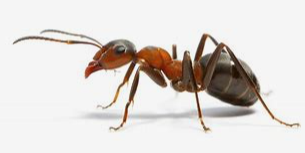
I open my eyes to a world that’s suddenly colossal. My bed is a vast, fibrous plain, each thread a thick rope, woven together in a complex tapestry of colors and textures. The air feels heavier, thick with the scent of fabric softener and the distant sounds—like the hum of a fridge or a car outside—rumble like earthquakes, vibrating through my tiny body. My first challenge is getting off the bed, a daunting fortress that looms above me. I rappel down a dangling bedsheet, my tiny muscles surprisingly strong, like an ant’s, capable of lifting many times my weight despite my delicate form. With each careful movement, I navigate the intricate landscape of wrinkles and folds, reminiscent of rolling hills. It takes effort, but I make it to the floor, a sprawling landscape of dust motes, crumbs, and carpet fibers that tower like trees. As I survey my surroundings, the enormity of the world around my dawns, each mundane object transformed into a monumental challenge, igniting a sense of adventure that pulses through my veins.

Hunger hits. A spilled cereal flake nearby is a boulder-sized feast, glistening under the dim light as if it were a treasure just waiting to be claimed. I tear off a piece, marveling at how my mandibles (yep, I’ve got those now) crunch through it, each bite a burst of flavor that sends exhilaration through my tiny body. Water’s trickier—I trek to a stray droplet on the kitchen floor, my resolve steeling as I sip carefully to avoid drowning in its surface tension, feeling the coolness against my exoskeleton. Everything’s a hazard: a curious housecat looms like a kaiju, its massive paws capable of crushing whole buildings, while its whisker flicks send gusts of wind that could upend my miniature world. I hide in a crack in the floorboards, heart pounding and adrenaline racing, until it loses interest, the rhythmic thump of its tail fading into an echo of my narrow escape, yet the reality of myperilous existence remains ever-present.

Navigation is a puzzle. Your phone, now a skyscraper, is useless without Herculean effort to tap its screen. I decide to reach a human for help—maybe a family member or roommate. Crossing the living room takes hours, weaving through a jungle of furniture legs and dodging a vacuum cleaner that roars like a jet engine, its relentless noise echoing in the vastness of my echo chamber. Each step feels monumental as I navigate this treacherous terrain, carefully balancing as I climb a table leg, using sticky ant-like pads on my feet to gain footing on the precarious surface. Finally, I reach a notebook, the beacon of hope in this overwhelming world. Scratching tiny SOS messages with a splinter, I hope someone notices my cry for help, perhaps a loved one who might recognize the urgency behind my makeshift signals and come to my rescue before the looming shadows of my surroundings consume you entirely.

By afternoon, I am exploring more confidently. I hitch a ride on a housefly (terrifying but exhilarating) to cross the room faster. I discover ant-like instincts: I sense pheromones, guiding you to a sugar spill. Other ants are there, and I “communicate” through touch, feeling oddly connected. But danger lurks—a spider the size of a car prowls nearby. I bolt, using speed and agility to escape its web.

As evening falls, exhaustion sets in, wrapping around me like a heavy blanket. I’m still tiny, no closer to reversing this precarious predicament. With a sense of urgency, I build a makeshift shelter from a leaf fragment under the couch, strategically positioned to keep me safe from the relentless foot traffic above. As I settle into my miniature refuge, reflecting on the day’s bizarre twists, I am awed by the micro-world’s overwhelming beauty—iridescent dust dancing in rays of fading light, dew globes shimmering like crystal balls in the twilight—yet a deep-seated fear grips me at the thought of staying this way indefinitely. Each tiny sound reverberates in my ears, heightening my senses and reminding me of the dangers lurking in this vast, albeit intimate, realm. I drift off into an uneasy sleep, hoping tomorrow brings answers—perhaps a scientist equipped with miraculous knowledge, or a fairy godmother ready to lend a hand and undo this Kafkaesque nightmare that has turned my life upside down.

I wake up tomorrow and poof, I’m back to normal—thank goodness! It turns out it was just a dream, a silly little memory that vaporizes faster than my motivation on a Monday morning. What kind of oddball dream was that? Was it the mushroom salad I devoured at supper, with its earthy flavors tickling my brain like a squirrel on a sugar rush? I guess I’ll never know, as that explanation is probably doing the backstroke somewhere in the depths of my subconscious. Dreams are like my own personal amusement park; they take me on wild rides to no-man’s-land, crafting stories that either entertain me or make me question my sanity. It’s like living two lives: one where I pay bills and do laundry, and the other where I’m gallivanting through the clouds with unicorns. Each night, as I close my eyes, I ponder what my mind will whip up next—maybe I’ll end up on a pirate ship counting doubloons or having tea with a dragon. The possibilities are wilder than my Uncle Bob at a family reunion, and that uncertainty is what makes dreaming such a splendid adventure!

End of the Line

Audio PODCAST

suspense story set on a train: 

The 11:47 p.m. express rattled through the night, its wheels screeching against the tracks as mist clung to the windows, blurring the patchy landscape beyond. I sat alone in the dimly lit car, the only passenger except for a man in a gray coat two rows ahead, shrouded in a shadow created by the flickering overhead lights. His head was bowed, hands folded in his lap, still as stone, a haunting figure amongst the empty seats. Outside, the rhythmic patter of rain began to fall, merging with the train’s incessant clattering—clack-clack, clack-clack—should’ve lulled me to sleep, but instead, a knot of unease tightened in my stomach. The air was thick with the scent of damp wood and metal, amplifying the isolation I felt in this moving coffin, and despite the familiarity of the sound, an instinctual dread settled over me, making it clear that something felt off.

I’d noticed him when I boarded, sitting in the corner shrouded in shadows. He hadn’t moved, hadn’t spoken, hadn’t even glanced at the conductor who’d passed through an hour ago, his feet firmly planted on the floor as if he were rooted there. The air grew colder, wrapping around me like an unwelcome blanket, and the lights flickered intermittently, casting eerie shadows that danced along the walls. I told myself it was nothing—just a late-night train rumbling through the darkness, an overactive imagination running wild after too many ghost stories—but then I saw it: a faint drip beneath his seat. Dark. Red. It pooled slowly, a sinister reminder that not everything is as it seems in the stillness of the night, and my heart raced as the weight of dread settled in my chest, urging me to look away, yet somehow compelling me to stay.

My stomach twisted with anxiety, an unsettling feeling that crept up as I stood, edging cautiously toward the aisle, when suddenly the train lurched violently, throwing me back into my seat with alarming force. The lights died completely, plunging us into an abyss of darkness, the only source of illumination being the ghostly moonlight that filtered through the fogged windows, casting jagged shadows that danced ominously across the carriage. Clack-clack, clack-clack. The rhythmic sound of the train’s wheels on the tracks echoed in the silence, heightening my tension. I held my breath, straining to peer at the figure of the man across the aisle, his face obscured by shadows. He hadn’t flinched, seemingly unfazed by the chaos surrounding us, and that unsettling calm only deepened my unease, making me wonder what secrets he held in the depths of the night.

Then, slowly, his head turned. Not his body—just his head, swiveling unnaturally until his pale face locked onto mine with a chilling intensity. His eyes were wide, unblinking, as if frozen in a moment of eternal dread, and his lips parted in a thin, crooked smile that sent a shiver down my spine. The dripping grew louder, a steady pat-pat-pat against the floor, echoing in the sudden silence that filled the air around us. I scrambled for my phone, hands shaking uncontrollably, heart racing as terror washed over me, but the screen wouldn’t light despite my frantic jabs. The train sped up, the clacking now a frantic roar that drowned out all rational thought, making it feel like my very sanity was being swept away with each relentless beat. I could feel the weight of his gaze piercing through me, and I could not escape the dreadful realization that I was utterly alone in this speeding metal cage.

“Next stop,” a voice crackled over the intercom, distorted and guttural, “is yours.” The words hung in the air, echoing through the dimly lit cabin as anticipation coursed through the passengers. Each traveler exchanged glances filled with curiosity and a hint of apprehension, their minds racing with thoughts of where this next destination might lead. The vehicle slowed, the faint rumble of the engine softening to a gentle hum, while outside the window, shadows loomed large, hinting at the unknown waiting just beyond the doors.

The man stood, his coat swaying as he stepped into the aisle, the fabric whispering secrets of the night. He didn’t walk—he glided, his feet hovering an inch above the floor, as if defying the very laws of gravity. The dripping followed him, a trail of red snaking toward me, pulsating with an unsettling rhythm that echoed the dread building within my chest. I pressed myself against the window, heart hammering like a frantic drum, as he stopped beside my seat, blocking the faint glimmer of streetlights outside. His head tilted, that smile widening until it seemed almost unnatural, stretching across his pale face, revealing an unsettling familiarity. As the air around us thickened with tension, he leaned in closer and whispered, “You shouldn’t have looked,” sending shivers racing down my spine, a warning laced with something far more sinister.

The lights snapped back on, bathing the compartment in a stark, fluorescent glow. He was gone, vanished as if he had been nothing more than a figment of my imagination. The seat ahead was empty, the floor spotless, echoing the absence of life that filled the carriage with an eerie stillness. My heart raced as the train slowed, brakes squealing like a distressed animal as it pulled into a station I didn’t recognize, a place that felt foreign and unsettling. The sign outside read: End of the Line. Confusion gnawed at me; my ticket said three more stops were still to come. I grabbed my bag and ran for the door, my breath quickening with each step, but as it slid open with a hesitant creak, I froze. Beyond the platform, there was nothing—just a void, black and endless, swallowing the tracks and suffusing the air with a sense of dread. The silence was oppressive, a heavy blanket weighing down my thoughts, as I stood on the brink of an unknown fate, my mind racing with questions and fears.

The doors sealed shut behind me, confining the turmoil I had narrowly escaped. The train surged forward like it was striving to breach the sound barrier, the wheels producing a steady, rhythmic sound that resonated throughout the car. As I settled into my seat, the flickering overhead lights cast an unsettling atmosphere reminiscent of a haunting film. From the dim recesses at the opposite end of the car, I heard it again: a soft pat-pat-pat, a sound that suggested an imminent threat. I found myself bracing for an unexpected encounter, imagining a figure emerging, perhaps with a sinister intent, to deliver a chilling message. “Your time on earth is over!”

Charlie the Squirrel.

 Audio PODCAST

Here is a story from the unique perspective of a squirrel: 

The sun had just begun to peek over the treetops, casting a golden glow through the leaves of my Locust tree home. I twitched my bushy tail, feeling the morning chill that nipped at my fur, and with each flick of my tail, I felt more alive. I leaped from branch to branch with the agility only a squirrel could muster, the thrill of the leap sending a rush of adrenaline through my small frame. Below, the world was waking up, the distant sounds of birds chirping harmonizing with the gentle rustle of the leaves. The rich scent of dew-soaked grass filled the air, invigorating me further, but up here, I was already on the hunt, scanning the ground for acorns or the slightest movement that might signal a rival. As the sunlight intensified, the forest came alive with vibrant colors, and I reveled in the beauty surrounding me, my heart racing with anticipation of what the day might bring.

My name is Charlie, and today was like any other day in the grand scheme of things, but to me, every day was an adventure. My mission? To find the most exquisite morsels of food this neighborhood has to offer. Natural morsels or leftovers from humans weren’t just food; they were treasure, each one a small victory in the grand game of survival. 

I scampered down the trunk, my claws digging into the rough bark, my eyes darting around for signs of danger or opportunity. The neighborhood floor was a mosaic of grass, bushes and shadows, and I knew every crack and crevice where food might hide.  

There, under the shadow of a bush, I spotted it—a perfect, unblemished morsel. I dashed to it, my heart racing with excitement. But no sooner had I grabbed it than I heard the rustle of leaves behind me. I spun around, a meal clutched in my paws, to see a rival, another squirrel, eyeing my prize.  

The chase was on! We zipped through the underbrush, over sidewalks, and around trees. I could hear his breath, feel the wind of his tail against mine. We were equals in speed and cunning, but I was driven by the fierce desire to claim that morsel for my winter stash. 

I darted up a pine tree, knowing its rough bark would be harder for him to climb. I scampered to the top, balancing on the needles, and finally, he gave up, descending back to the ground. I watched him go, my heart pounding with victory, then carefully, I made my way back to my home. 

With my prize secured in my cheek, I looked out over the neighborhood. The sun was higher now, the day warming up. Below, humans walked their paths, unaware of the dramas unfolding above them. But up here, in the squirrel world, every morsel was a story, every chase a chapter in the endless book of life. 

I tucked my morsel away in my secret cache, hidden among the branches. Then, with a flick of my tail, I was off again, because in the life of a squirrel, there’s no time to rest—there’s always another meal to find, another adventure to live.  

Us squirrels must also be on the lookout for the not so friendly animals that want to make us a healthy meal for them. Almost every day I see the local fox travel through the neighborhood looking for a fresh meal. Sometimes I see an occasional coyote and once a possum journeyed through. I am old enough to remember when the neighborhood was loaded with rabbits. Those carnivorous animals have made many meals out of the rabbit population. I am lucky, I can climb trees and evade them where rabbits do not have that luxury.  

And so, the hunt continues until the sun sets and the moon rises to watch over us all. 

From the Snowmans perspective.


Audio PODCAST LINK

In the deep silence of a frosty winter night, I awakened to the sensation of being. My first memory was of the cold, the crisp, biting chill that somehow felt like home. I was a snowman, crafted with care and love, standing in the heart of a quaint little garden that sparkled under the moonlight.

From my vantage point, I could see the world in a way few others could. My eyes, two shiny black buttons, caught the gleam of stars and the distant lights from the houses. My carrot nose pointed toward the sky, snuffling in the icy air, while my mouth, a crooked line of pebbles, seemed to smile despite the cold.

The first morning was magical. The sun rose, casting a golden glow across the landscape, turning the frost into a million tiny prisms. Children, bundled in their colorful winter gear, rushed out to greet me. Their laughter was like music, their shouts of joy as they circled me, a symphony of delight. I felt a deep sense of pride, knowing I was the centerpiece of their winter wonderland.

Days passed, each with its own rhythm and beauty. The children would come daily, sometimes adding more to my form – a scarf here, a hat there, making me feel even more part of their world. They’d talk to me, share secrets, and even tell stories, as if I were an old friend. I listened, or rather, I absorbed their words, their warmth.

But with joy came the understanding of my ephemeral nature. I watched as the sun climbed higher each day, its warmth beginning to nibble at my edges. My arms, once sturdy branches, started to droop, and my body slowly lost its crisp outline. Snowflakes that once made me would melt, seeping into the ground, returning to the cycle from which they came.

The children noticed too. Their faces grew solemn as they realized what was happening. They tried to rebuild me with fresh snow, but it was like fighting the inevitable march of time. One evening, as the sun set, painting the sky in hues of pink and orange, they gathered around me for what I knew would be the last time.

They spoke of next winter, of another snowman, but their voices were tinged with sorrow. I felt a pang, not of fear, for I knew I was but a part of the season, but of love for these fleeting moments we shared.

As night fell, I felt my form softening, my vision blurring until the world was nothing but a soft, white blur. In those final moments, I reflected on the beauty of existing, even if only for a brief while. I was a guardian of their winter memories, a friend who stood tall in the cold, a symbol of joy in the heart of winter.

And then, with the quiet dignity of winter’s end, I returned to the earth, my essence mingling with the ground, waiting, perhaps, for another winter to come when I might rise again, to laugh with the children, to stand once more under the vast, starry sky.

MacGregor the Winter Jacket

Audio PODCAST LINK

Hello, I am MacGregor; I was made in the early summer with thousands of brothers. I am a unique winter jacket. I have a nylon lining and fleece insert.  Inside the curled collar is a hidden nylon hood the wearer can wear and then fold and put back in the collar when inclement weather is over. The outside of the jacket is a dark green color that looks like a short curly furry coat. However, it is made of nylon not animal fur. I am one hundred percent washable.

I was made in a plant in Atlanta Georgia. I am proud to wear the label, “made in the USA”. Now my brothers cannot wear this label. In the fall of that year the owners of the plant moved the plant and equipment to Taiwan. I heard it was because of the high cost of labor. The owners sent a proposal to the union and the union rejected the offer. After that the plant was closed and all the equipment was moved to Taiwan. It was a shame all the workers had to find new careers after that move.

Back to my story, I laid around in the factory until the end of August. At that time, me and four brothers, size 36, size 40, size 42, and size 44 were packed into a box and was shipped to the J. C. Penny store in the Villa Italia shopping center in Lakewood. They unpacked us and put us on hangers and hung us on a large rack with hundreds of jackets from different plants and many features unique to them. I am just amazed at the number of different choices the American shopper has.

I was tried on many times by many different people. Every time I was put back on the rack. Three of my brothers were sold. Size 36 and I were the only ones left. Then around the first part of November J. C. Penny’s really hurt me. They put on the rack of coats a sign stating, half-off of shown price. This devastated me, this means my value went from $39.95 to less than twenty dollars, how humiliating, and I am worth more than this.

I was hanging on the rack for a couple of weeks and then this tall slim young man came up and looks at my brother, size 36. He tries on size 36 and then hangs him up back on the rack. He then tries on me. He looks in the mirror, turns around and looks at the back. He tries my zipper and removes the hood from my collar. No one has ever spent this much time checking me out. To my surprise I am taken over to the cashier. Is this young man going to purchase me? Sure enough, he takes out his credit card and buys me. I see from his credit card that is name is Tom. I now have a new owner.

The next three years were good. In the winter I went many places. I was worn all during the winter and I kept Tom very warm. During the summer I was placed way back in the closet to rest. When it started to cool off in the fall I was pulled back out of the back of the closet and put into service and kept Tom warm when he was outside. Unfortunately, this only lasted three years. On the fourth year I spent the winter stuck back in the back of the closet. The fifth winter and the sixth winter were the same. This is beginning to feel like solitary confinement. Did Tom replace me with another jacket?

I was snoozing near the end of May, and I heard some rustling. Tom brought me out of the back of the closet.  Wow! That sun is really bright. What is going on? The temperature is pretty warm. Why did Tom bring me out this time of year? I was thrown in the trunk of the car with some funny looking equipment and some of it really had a strange odor. After a couple of hours Tom opened the trunk and took out the equipment with me. I have become a part of Tom’s fishing gear.

There are many fishing memories I have acquired. For example, I remember when Tom was fishing on the Colorado River, and it was drizzling a little. When Tom fished the Colorado River, he would use some kind of bug he would get from under river rocks. Tom was fishing this rolling piece of the river and wham; this fish struck his bait. Tom set the hook, and the fish jumped out of the water. Wow! That fish must have been over ten pounds. Tom was really getting excited. I could feel his heart pounding on my lining. Tom was fighting the fish and being very careful reeling in that gigantic fish. All of a sudden, the fish line became loose. The fish was lost. What happened? Tom reeled in the line and discovered the hook was missing and half of the leader was missing. Speculation is that the nylon fishing line should be replaced every year and the line just broke because the line was a couple of years old. This was a lesson learned the hard way.

Another great memory happened when Tom was at a lake near Laramie Wyoming. There was a cool breeze blowing off of the lake. This was a lake where only flies and artificial lures were allowed. Tom had a wooly worm fly on his line. He cast out the fly and wham! This large rainbow struck that wooly worm fly. The rainbow trout jumped a couple of times, and it looked gigantic. After ten minutes of battle, Tom was able to get this fish in his net. This fish weighed over five pounds, what a prize. Jack, Tom’s fishing buddy came over to see what kind of lure Tom was using and saw that funny looking wooly worm fly and commented, “could he use the other sleeve of Tom’s coat.” I must admit that the fly did look very similar to my sleeve, only smaller. Tom made the comment that this was the largest fish he had ever caught.

The next couple of summer months were great. Tom took me fishing many times during the summer and on occasion we went ice fishing during the winter. I could not stay in the closet anymore because I was dirty and smelled like salmon eggs. Now, I had to stay in the garage with his fishing gear. The garage just was not as comfortable as that warm closet. 

Then Tom met this woman. His interest in fishing suddenly diminished. He began spending more and more time with this woman. Hormones finally won. Tom got married and fathered two sons in the next three years. Family life became very important to Tom. Another factor was the Arab oil embargo. The high costs of fuel made Tom think twice before he invested in a fishing trip. Jack, Tom’s fishing buddy became very sick and passed on after a long illness. All of these events made fishing lose its appeal.

I spent many years hanging in the garage and the only exciting think happened was when a moth flew around looking for a meal to eat. Many landed on me and then realized I was nylon and polyester, not cotton. The moths did not find my fabric very tasty. It may have been the fishy smell too. 

One day Tom took me off the hook threw me in the washing machine with some soap and washed me. He could have used some warm water. That cold wash cycle sure was uncomfortable. He could have dried me in the dryer. No, he hung me on a hanger, and I had to drip dry in the cold breeze. Before I know it, I was thrown in a large box with hundreds of other coats. I was part of a winter coat drive the church had for the homeless and poor.

This homeless man reached in the box and grabbed me. He didn’t care what I looked like or even if I fit. I never knew his name. He lived under a bridge on the banks of the Platte River. He was more interested in that spirit in the bottle that he always carried with him. Many times, he left me lying on the banks of the Platte River. If he remembered where I was, he would pick me up and wear me for a while.  He sure did stink. I would take the smell of salmon eggs any day.

One day I was lying on the bank close to the river. There was a storm up stream and the river started to rise from the runoff. The river started to get closer and closer. I started to get wet and finally the current of the river grabbed me. I started to float down the river. It was a struggle to stay afloat. I was beginning to really get soaked. I finally had to succumb to the weight of my wetness and sank to the floor of the river. I was rolling along the bottom of the river, and I became snagged in a submerged tree branch. I was never seen again. 

I found this on an old website I was a member of back in 2008. I thought I would share it.

An Assignment for a Night

Podcast link


Here I am hovering over my assignment for the night of October 31, 2024. My assignment was to make sure Tom makes it through the night. Sometimes I wonder, how are these assignments passed out? What spirit is assigned to who and why? Or is it just a random drawing? This is something that will never be revealed to the spirit army.  

From my orders I see that Tom is a male over eighty years old. He was in his mother’s womb when Japan bombed Pearl Harbor on December 7, 1941. Tom is living a typical American life. He was never famous or well known. Just one of the millions who try to do best with what they must encounter in their life. Tom was drafted into the army in 1964. He was very fortunate he did not have to experience the pain of war. He was assigned to Germany and the other seven he was drafted with went to Viet Nam. Tom always wonders why that happened and thought about that throughout his life. Why was he so fortunate? Tom did have some difficult times in his life though. Tom had to experience the hurt and pain of a divorce. Over five years of unemployment was hard and very stressful.  However, all in all, he has been very blessed during his eighty years on this earth. 

As I started my assignment, I noticed that Tom fell asleep very fast. No tossing and turning for Tom. Lights out, nighty night. His nights are full of dreams. He almost started dreaming immediately. Being a spirit I have the benefit of hearing and seeing subconscious and conscious activity. Can’t hide anything from me. 

His first dream was about Sandra. She was his first female attraction. They went through school together, from kindergarten through high school. Because of religious conflicts Tom started pulling away and after high school they went their separate ways and lost all contact. Fifty years later Tom had a dream. Sandra came to her and said. “Tom we were meant for each other. Our lives would have been totally different than what is has been”.  This woke Tom up with a start and finally after a week Tom decided to research the internet looking for some information.  

He had to go to high school alumni newsletters to acquire her married name and doing the search he discovered that Sandra died three days before he experienced the eye-opening dream. WOW! This convinced Tom that spirits and living do have on occasions contact between them. Since that experience Tom is convinced, there is time after life on earth. 

Now the time is around one o’clock in the morning. That eighty-year-old bladder says it is time for attention.  

After a couple of minutes of attending to bodily functions Tom returns to bed and immediately falls back to sleep. The next dream is about Viet Nam. Wait a minute, Tom was never in Viet Nam! This dream was through the eyes of a sergeant, and they were in a firefight with the Viet Cong. A troop crawls over to him and says, “Sarge, we can’t return fire because the Viet Cong is using civilians as shields, what should we do?” “They are slowly killing or wounding us.” After some tortious thoughts the Sargeant commands shoot them and kill those bastards hiding behind the human shields. Was this Tom or do we live parallel lives and that was a parallel life speaking and somehow the signals were sent to the wrong parallel life. The dream was through the eyes. I never saw what face I had. Mine or someone else’s? The name Sarge was used, not Tom. One will never know who it was.  

Three o’clock in the morning and the bladder is demanding some attention. Tom does what is demanded by his bladder but this time he does not go back to sleep. Coming back to bed he begins to toss and turn. He finally starts thinking about his latest project of creating video podcasts. Just before bed Tom was working on combining sound with photos or clipart and didn’t figure it out before bedtime so now some time had to be spent thinking about this obstacle. Tomorrow he will see if his options work out.  

Finally, he falls back to sleep and dreams about his near-death experience in February 2023. Tom experienced something unusual during that time. In his own thoughts he thought he took his last breath and went somewhere. He likes to say that he was in the waiting room waiting to go to time after death or return to life on earth. During that time, he experienced something out of this world. That was peace, total peace. A feeling he has never felt in his life before and has not felt since. Then the surgeons removed the blood clot and Tom returned to life on earth. Tom had a large blood clot between the lungs and the survival rate was 3 to 5%. Tom was one of the survivors. This dream was an attempt to experience that great feeling he had. Sorry, it did not work. 

Bladder calls again and then back to dreams. This was a Halloween dream since it was Halloween yesterday. It was a scary dream. Tom and his wife were in an old-fashioned streetcar, and someone came on and did something bad. The men on the streetcar started fighting with him and savaged him, tearing him up and mutilating him. He ended up with this gelatin-like substance you see in jars of pickled pigs’ feet. This nightmare was so bad it woke him up with a start. At that time, it was 7:30 in the morning and time to take his blood thinner medication and start another day.  

In summary, this was an interesting assignment. It was more interesting than I anticipated. Tom has led an interesting and full life. Tom is over eighty and knows that he is near time after life. It may be ten days from now or ten years. He has loss his fear of death from experiences in his life especially his near-death event. Now I must go to my next day assignment. Spirits do not sleep. We do not need sleep.  

The Wicked Whispers of Willow Creek

Audio Link

This was written by AI. Life is getting creepy.

In the heart of a dense, ancient forest, lay the quiet town of Willow Creek. By day, it was a picturesque place with cobblestone streets and charming cottages. But when the sun dipped below the horizon, the town’s character changed. 

Legend had it that the woods surrounding Willow Creek were home to the Wicked Whispers, eerie voices that echoed through the trees, leading lost souls deeper into the forest. Some said they were the spirits of those who had perished in the woods long ago, while others believed they were the enchantments of a powerful sorceress. 

Among the townsfolk was young Elara, an adventurous girl with a curious mind. She had grown up hearing tales of the Wicked Whispers but had never experienced them herself. One moonlit night, driven by her insatiable curiosity, Elara decided to venture into the forest, determined to uncover the truth. 

As she walked deeper into the woods, the familiar sounds of the town faded away, replaced by an unsettling silence. Then, she heard it—a soft, melodious whisper that seemed to call her name. “Elara… Elara…” The voice was both enchanting and chilling. 

Elara followed the whisper, her heart pounding with a mix of fear and excitement. The path grew narrower, and the trees seemed to close in around her. The whisper grew louder, more insistent. “Elara… come closer…” 

She stumbled upon a clearing bathed in the pale light of the full moon. At its center stood an ancient, gnarled tree, its twisted branches reaching out like the arms of a ghost. The whispers now came from all directions, encircling her. 

With a deep breath, Elara stepped forward and placed her hand on the tree’s trunk. Instantly, the whispers ceased, and a figure materialized before her—a woman with eyes like sapphires and hair as dark as the night. 

“I am Seraphina, the guardian of these woods,” the figure spoke, her voice as enchanting as the whispers. “The Wicked Whispers are a test, a trial for those who seek the truth.” 

Elara listened in awe as Seraphina revealed the forest’s secrets, its history, and the magic that flowed through its roots. She learned that the whispers were not malevolent but a challenge to those brave enough to seek their source. 

With newfound understanding, Elara returned to Willow Creek, her heart filled with the wisdom of the forest. She shared her story with the townsfolk, who listened with rapt attention. From that day forward, the Wicked Whispers were no longer feared but respected, a reminder of the mysteries that lay just beyond the edge of town. 

And so, the legend of the Wicked Whispers of Willow Creek lived on, a tale of courage, curiosity, and the magic that lies hidden in the heart of the woods.