dailyprompt

How Urgent Care Responds to Covid Symptoms Today

I tested positive February 8th for Covid, which was somewhat unexpected given how we’ve all adapted over the past few years. Procedures and attitudes have really changed since years ago, with a heightened awareness of health and safety measures permeating daily life. I went to urgent care because I had a sore throat. I am thinking I may have Strep Throat since I have had this ailment many times in my life. It’s frustrating to navigate through these overlapping illnesses, especially when the signs can sometimes be misleading. Strep Throat is a bacterial infection that requires prompt attention, and I would need a prescription to get an antibiotic to ensure that I can recover quickly and prevent any potential complications.

The admitting questionnaire does not even list Covid. They list cold and flu symptoms, but nothing about Covid, which seems particularly concerning given the ongoing pandemic. Remembering in the past when there were big bold letters at the top of the form that issued a clear warning about listing Covid symptoms, accompanied by special instructions that everyone was expected to abide by, it feels odd to see such a lack of attention now. I check the box for cold and flu symptoms since there is no category for sore throat, which I have been experiencing lately. Entering the waiting room, I am struck by the sight of 8 or ten patients waiting to be called up, all sitting closely together, which feels unsettling. No masks or social distancing measures are in place whatsoever, leaving me wondering about the safety protocols that should be implemented in such a high-traffic area where the risk of transmission could be significant.

In about ten minutes I am called into the admittance office. The nurse their does have a mask. I tell her I have concerns about Strep Throat and she says that is probably not my illness since most people develop an immunity to Strep as they age. But they will perform a Strep test anyway and also do a Flu and Covid tests to make sure it is not one of those. She takes me to a treatment room and tells me a nurse will be in shortly.

In a short time, a nurse or some other professional comes in, no mask, no concern about that I may be contagious. She does the routine of blood pressure, blood oxygen and whatever else they do. Asks a few questions like do I have any other symptoms and how long have I been ill. She then tells me another person will come in and do the nostril swabs for the samples.

Maybe ten, fifteen minutes later the next technician comes in, no mask, just like I am person with a bad sprain. She does the Strep swab first and then the flu swab. I comment I am sure glad there is only one more swab to do. To my surprise she responds and says the flu and Covid test is done at the same time. This brings back memories during the onset of Covid that there were comments that Covid is just a flu strain and for political and agenda reasons it is being blown out a proportion to the actual seriousness of the virus. If they use the same test, it makes one wonder.

It takes forty minutes for the test results. A Physician Assistant enters the room and gives me the results. the Strep test is negative, and the Flu test is also negative. Unfortunately, the covid comes back positive . I have Covid. There is no panic no concern, just like you have a cold or flu. She gives me a mask to wear home and says the quarantine is now only five days and that starts the day the symptoms start. Go home and if your symptoms get worse come back. Next Patient!

This Brings back how my wife was treated during the height of the pandemic. She was isolated immediately, and a sign was put on the door “restricted area”. Personnel would come into the room all masked up and in disposable garments. You had to put up with wearing masks everywhere, Clear plexiglass sheets separated you from the cashier. Do not get closer than 5 feet to the next person. Many restaurants did not survive the Covid shutdown. I always wondered how the small business was shut down, but the large, big box stores could stay open. One will never know if this helped or not.

Unfortunately, how Covid was treated has led people to distrust government, big pharma, and the medical profession. The face of Covid is so much different than the beginning; it is no longer seen with the same level of fear and urgency. Now it is treated like just a bad cold or the flu, leading to a general complacency among the public. This shift in perception not only complicates ongoing vaccination efforts but also fuels skepticism regarding public health recommendations, as many feel the initial responses lacked transparency and consistency. As a result, the conversations surrounding Covid have transformed, making it difficult for health authorities to regain trust and effectively communicate the importance of ongoing vigilance against this virus and its potential variants.

Daily writing prompt
How have you adapted to the changes brought on by the Covid-19 pandemic?

We Are All Unique

What makes a person unique is a mix of factors—like a recipe with endless variations. At the core, it’s their genetics, experiences, and choices. DNA provides the foundation, determining traits like eye color or a tendency to enjoy bad jokes. But that’s just the beginning—identical twins may have similar genetic codes but can still be very different.

Experiences shape us. Where you’re born, who raises you, the books you read, the people you meet, the challenges you face, and the successes you pursue make each person’s journey unique. No two people have the same story, even if they grow up close. A kid from a busy city and one from a quiet village may both love soccer, but their playing style and dreams will be different.

Then there’s choice—how you respond, what you appreciate, the peculiarities you embrace. One person may complain about a rainy day, while another enjoys it with an umbrella and dances. Personality comes from this mix: your humor, your stubbornness, your odd fondness for collecting bottle caps. It’s not only about what happens, but how you view it through your own perspective.

Even the tiniest quirks—like that epic scar from your legendary bike crash or a go-to song that’s forever stuck in your head because of an embarrassing memory—add some serious spice to the dish that is you. Philosophers might sip their lattes and ponder it’s all about your brain’s cosmic consciousness, that elusive unicorn of self-awareness. Scientists, on the other hand, would probably throw around terms like neural patterns or microbiome shenanigans (yep, even your gut bacteria have opinions). But honestly, it’s the chaotic, beautifully messy mix of nature, nurture, and your stubborn will that makes you one-of-a-kind. So, what do you think makes you the delightful weirdo that you are?

Daily writing prompt
Which aspects do you think makes a person unique?

Why the Big Rush?

When I was five, I was in kindergarten, and thinking about what I wanted to be was the farthest thing from my mind. Instead, I spent my days playing with colorful blocks, making new friends, and exploring the world around me with unfiltered curiosity and imagination. I was allowed to enjoy my younger years, filled with laughter and carefree adventures. I am old enough to remember when childhood was a time for innocence and wonder, when the biggest concern was whether to choose the red crayon or the blue one for my next drawing. Now, it seems that society does not allow young people to savor those precious moments of their younger years, as they are bombarded with expectations and pressures far beyond their age. The topic of sex never came up until junior high, which is now referred to as middle school, and it baffles me. I don’t know what the big rush is for introducing such complex adult issues to children who should still be focused on discovering the joy of playing tag or riding a bike for the first time. It’s as if the essence of being young is being overshadowed by an urgent push to grow up too fast.

Daily writing prompt
When you were five, what did you want to be when you grew up?

We All Use It, But Don’t Know How

Most people don’t fully understand how Wi-Fi works, even though they use it daily. They see it as a magical connection to the internet, but it’s really just radio waves—signals moving between a router and their device. The router takes data from a wired connection, changes it into a radio signal (usually at 2.4 or 5 GHz), and sends it out. Your device catches that signal, interprets it, and sends signals back. Walls, distance, and other devices can interfere with these signals.

The confusion arises when people don’t understand why their connection is poor—devices like microwaves and cordless phones share the same radio frequencies, causing interference. Also, “faster Wi-Fi” isn’t useful if your internet provider’s connection is still slow. It’s essential technology, but many don’t grasp the basics of signal strength, bandwidth, and interference.

Daily writing prompt
What’s something most people don’t understand?

I Do Not Have a Job

I am over eighty; therefore, I don’t have an income-based job. However, I have found immense joy and fulfillment in blogging, an activity that has transformed dramatically over the years. As I reflect on my journey, I will cover how technology has changed my blogging experience, from the days of simple text-based posts to the intricate multimedia content I can now create. With the emergence of user-friendly platforms and tools, I can now easily share not just my words but also photos, videos, and interactive elements that engage my readers in ways I never thought possible. This evolution has allowed me to connect with a wider audience, fostering a sense of community and engagement that enriches my life as I share my thoughts and experiences online.

Recently, the emerging AI (artificial intelligence) asset has been a large factor for me, revolutionizing the way I approach my writing process. There were times when I began to struggle with a prompt to write about since most of the significant events in my life have already been covered extensively. This often left me feeling uninspired and at a loss for new topics. However, since the introduction of AI tools into my routine, this problem is no longer evident, providing me with a wealth of ideas and perspectives that I hadn’t previously considered. In fact, I am now a week ahead of blogs just waiting to be released at a specific time, allowing me to focus on refining my work rather than scrambling for inspiration at the last minute. The research time has decreased significantly since AI makes it so simple now, allowing me to access relevant information and insights quickly. AI has also aided me in adding content to my postings, offering suggestions for improvements and enhancing the overall quality of my writing, which has empowered me to express my thoughts in a more articulate and engaging manner.

Another feature I like is screen snipping. It is so easy to insert a graphic by snipping and pasting, which has truly transformed the way I work. I no longer need to download a photo or graphic; with just a few clicks, I can capture any part of my screen quickly. This saves me precious time and helps to keep my workflow smooth and uninterrupted. Now I just snip and paste, allowing me to focus on my projects without the hassle of unnecessary downloads or file management. Overall, this functionality has streamlined my creative process significantly, enabling me to produce high-quality content with greater efficiency.

Yes, I used AI on the post. and it took me less than 45 minutes.

Daily writing prompt
How has technology changed your job?

Premonition

I am sure you have heard, “go by your gut feeling or your first choice is your best choice.” Throughout my 80 plus years, I have discovered that this is what has worked out for me many times in various situations, whether it was in making significant life decisions or simply choosing what to eat for dinner. Trusting my instincts has often led me to unexpected opportunities and fulfilling experiences that I might have missed had I overthought my choices. I would like to improve my skills at this though, learning to balance that initial intuition with thoughtful consideration, so I can refine my decision-making process, ensure I am making the most informed choices, and perhaps even develop a deeper understanding of when to trust my gut and when to analyze the details more closely.

A premonition is a strong feeling that something is about to happen, often without clear evidence. It’s like an intuitive hunch or gut instinct warning you about a future event—sometimes positive but often connected to unease or danger. It reflects your mind picking up subtle cues from your environment that your conscious brain hasn’t processed yet. Historically, people have linked premonitions to dreams and sudden chills, and while science doesn’t fully endorse it as a “sixth sense,” psychology suggests it could arise from pattern recognition or heightened awareness.

Improving premonition isn’t like training a muscle—you can’t hit the gym for it—but you can sharpen related skills. First, pay attention to your intuition; track those weird vibes and what follows, using a journal to spot patterns. Second, notice your surroundings—body language, tone shifts, or weather changes may signal what your brain’s recognizing. Meditation can quiet mental noise, helping you hear your inner voice. Trust yourself more; doubt drowns instinct, so if something feels off, don’t brush it aside.

It’s not foolproof—your brain can misfire with anxiety or wishful thinking—but over time, you might get better at sifting the real signals from the static. I have never had gigantic premonitions like a gigantic world-changing event; rather, mine have manifested as subtle indications, mere whispers of what was yet to come, often tied to events that have unfolded near me in my life. There have been times when a voice or spirit has aided or prompted me into these premonitions, guiding my intuition in ways I couldn’t fully comprehend. Who knows if that is a fact or a figment of my imagination? Throughout my life, I have encountered people with unusual skills and heightened sensitivities, and many have told me that I possess a gift of my own. I responded, “what are you imagining?” as a way to probe deeper into their perspectives. Maybe I do have a gift, and if it is indeed true, it would be fascinating to explore the depths of this unknown ability and see how it could be utilized in my everyday life. The thought of harnessing this potential stirs a curiosity within me, making me wonder about the possibilities that lie ahead and how they might intertwine with my reality.

Daily writing prompt
What’s a secret skill or ability you have or wish you had?

Spring and Fall

These seasons have a unique charm. Spring offers fresh vibes with temperatures usually between 50°F and 70°F, bringing blooming flowers, longer days, and crisp air. Fall contrasts with a cozy, winding-down feel—vibrant leaves in red, orange, and gold, and a temperature range starting warm and cooling to perfect sweater weather.

Spring: This season is like the universe hitting the snooze button on winter—it’s all about waking up (and sneezing, thanks to all those flowers). Temperatures start off as if they just rolled out of bed—chilly in the 40s or 50s°F—and then slowly decide to get their act together and climb into the 60s or low 70s, depending on where you hide on the map. It’s when the world finally says goodbye to winter: trees are like “Look at me, I’m budding!” and flowers like tulips and daffodils are popping up like they just won a game of whack-a-mole. The air is filled with that fresh smell of rain and soil, making you wonder if the outdoors has finally taken a shower. Days get longer, sunlight becomes your new best friend, and there’s this quiet buzz—like everything’s stretching after an epic catnap. It’s the Goldilocks zone of weather—not too hot, not too cold, but just right for procrastinating in the garden.

Fall: Nature’s version of a slow-motion exit from summer. Temps start off in the comfy high 60s or 70s°F, then suddenly decide they’re auditioning for a horror movie and plummet into the 50s and 40s! The highlight? The leaves! They’re like confetti at a parade gone wild, transforming into a kaleidoscope of red, orange, and yellow, only to land by your feet in crunchy piles reminiscent of potato chips. The air takes on a crispness that feels like nature’s way of saying, “Prepare yourself!” while wafting hints of decaying leaves and woodsmoke, if you’re lucky enough to live near a cozy bonfire instead of a stinky dumpster. It’s that magical sweater time when you finally get to show off that oversized knit you bought on impulse—cozy without the threat of frostbite! And the days get shorter, creating a mix of nostalgia and an overwhelming urge to binge-watch your favorite shows under a mountain of blankets.

Daily writing prompt
What is your favorite type of weather?

An Era, Not Just One Teacher

Time in the military between 1964 and 1966 shaped me in profound ways. It was not just one teacher who influenced me, but rather the unique combination of experiences that came from being away from home for the very first time. The vast number of people I encountered, each hailing from different walks of life and various locations across the United States, provided invaluable lessons that extended far beyond the classroom. The school of hard knocks truly became my best teacher, as I learned to adapt, persevere, and appreciate the diverse perspectives around me. These experiences not only forged my sense of resilience but also deepened my understanding of camaraderie, commitment, and what it means to serve a greater purpose. Each moment spent navigating challenges alongside my fellow servicemen and women was a steppingstone that contributed to my personal growth and shaped the person I am today.

From 1964 to 1966, during the Cold War, the U.S. became more involved in Vietnam, a period characterized by escalating military presence and political tension. I vividly experienced the early buildup of troops, which increased dramatically from about 16,000 in 1964 to over 180,000 by the end of 1966, reflecting a significant commitment to the conflict. This time was marked by intense training and the looming possibility of combat for those poised to be deployed, as the nation grappled with its foreign policy decisions. Friends and fellow soldiers around me prepared for the arduous journey ahead, sharing hopes and fears about what awaited them in the jungles of Southeast Asia. I was sent to Germany instead of Vietnam, where I engaged in various military exercises and learned valuable skills, yet I will always wonder why I was assigned there, particularly since everyone I was drafted with went to Vietnam, leaving me with a lingering sense of curiosity about the path not taken and the experiences I missed during that tumultuous era.

I learned to adapt quickly, whether it was navigating basic training, handling diverse equipment, or facing the uncertainty of deployment to Viet Nam, where every day brought new challenges and opportunities for growth. For many, this period forged a profound sense of identity and purpose, even if it came with hardship and moments of doubt. This transformative time in my life not only changed my outlook on life but was also instrumental in shaping how I treated people around me. During those intense experiences, I discovered that most people are inherently good and are trying to do what is best in the situations they find themselves in, often showing remarkable resilience and kindness in the face of adversity. That period was a life-changing era for me, filled with lessons that continue to resonate. I will never regret that I served and am incredibly proud to say that I am a United States veteran.

Daily writing prompt
Who was your most influential teacher? Why?

Wishing Time

One might wish they could spend more time pursuing what truly matters to them—whether that’s connecting with loved ones, engaging in heartfelt conversations that strengthen relationships, learning something new that sparks joy and fuels curiosity, or simply finding moments of peace amidst the chaos of everyday life. The search for meaningful experiences often leads individuals to prioritize what brings them fulfillment and happiness, allowing them to create cherished memories and deepen their understanding of the world around them. Ultimately, this quest for significance is a fundamental aspect of the human experience, guiding each person’s journey towards a more enriched and satisfying existence.

For example, carving out time to read a book, take a walk in nature, or work on a passion project could bring a sense of fulfillment. It’s less about adding “more” to an already full day and more about prioritizing what feels meaningful.

Therefore, my wish would be that I have more time to spend with loved ones, with each moment becoming a cherished memory that we can look back on fondly. I am at the age where I have realized that I took way too many people for granted, overlooking the value of their presence and the warmth of our shared experiences. Now, with the lessons learned from time slipping away too fast, I would like to rectify this fact by intentionally carving out time in my schedule to reconnect, listen to their stories, and create new adventures together that celebrate our bonds. Embracing the opportunity to nurture these relationships will not only enrich my life but also allow me to express my gratitude for their unwavering support and love.

Daily writing prompt
What do you wish you could do more every day?

My Legacy 2nd Edition

Audio PODCAST ORIGINAL

Audio PODCAST AI ASSISTED

On May 21, 2024, I posted this blog. I have been interested in AI (artificial intelligence) lately and I thought I would try something. The first section is the original post and the second is the same post, but I used AI to enhance the post.


ORIGINAL

I never thought much about a legacy until after my near-death experience in February of 2023. My Bloodclot (Podcast). After the event I started to reconcile my life and thought, “why was I given a second chance?” I must have some unfinished business to do before my journey is over. I am just a mere mortal. I do not jump over tall buildings or stop speeding bullets. All I have is over eighty years of life on this earth. Searching for the purpose of a second chance I have decided to write about events and experiences in my life. Last August I remembered I had a site on WordPress and became active in the site. Since then, I have posted many events. Is this the purpose for the second chance? Who knows for sure.

The legacy I want to leave behind is, He was a good man. He tried to do the right thing. He was fair and didn’t take advantage of his fellow man. His faith of God and life after death was strong.

I hope my two sons remember me as a good father who did what he thought was right and necessary so they can live a good and productive life.

I hope my spouses do not regret that the years they spent with me was good years together and do not regret the years together.

I hope my stepchildren do not regret that I came into their lives and can call me stepdad with pride.

I hope all the other people I have come in contact with can say, “he was a good man!”


This is the same posting but was enhanced with AI.

I never thought much about a legacy until after my near-death experience in February of 2023. My Bloodclot (Podcast). After the event, I started to reconcile my life and thought, “why was I given a second chance?” This profound question resonated within me, leading me to reflect deeper on the moments that shaped my existence. I must have some unfinished business to do before my journey is over, some stories yet to tell. I am just a mere mortal, trying to navigate the complexities of life. I do not jump over tall buildings or stop speeding bullets; rather, I face each day with the wisdom that only comes from lived experience. All I have is over eighty years of life on this earth, each year contributing to my understanding of joy, sorrow, triumph, and loss. Searching for the purpose of a second chance, I have decided to write about events and experiences in my life, hoping that sharing my journey might resonate with others facing their own trials and tribulations. Last August, I remembered I had a site on WordPress and became active in the site, driven by a newfound sense of urgency to connect and share. Since then, I have posted many events that reflect my growth and transformation. Is this the purpose for the second chance? Who knows for sure, but I am committed to exploring this path, whatever it may reveal about my legacy and the impact I can have on others.

The legacy I want to leave behind is, He was a good man. He tried to do the right thing in all situations, often putting others’ needs before his own. He was fair and didn’t take advantage of his fellow man; rather, he stood up for justice and compassion in the community. His unwavering faith in God and life after death was strong, providing him with the strength to face life’s challenges with grace. He inspired those around him to reflect on their own values and encouraged them to pursue a path filled with kindness and integrity, leaving a mark that would remind everyone of the importance of living a life rooted in love and morality.

I hope my two sons remember me as a good father who did what he thought was right and necessary, always striving to be a positive influence in their lives. I want them to recall the moments we spent together, the lessons I tried to impart, and the values I hoped to instill in them so they can live a good and productive life filled with integrity, kindness, and perseverance. It’s my wish that they carry forward the teachings of hard work and compassion, using these principles as their foundation in navigating the complexities of the world as they grow older and make their own decisions.

I hope my spouses do not regret that the years they spent with me were good years together, full of fond memories and shared experiences, nurturing our bond as a family and building a solid foundation for our future. I wish for them to reflect on the moments of joy, laughter, and even the challenges we faced, knowing that all of it contributed to a rich tapestry of life we created together, and that they look back at our time together with a sense of fulfillment and appreciation, rather than any sense of regret.

I hope my stepchildren do not regret that I came into their lives and can call me stepdad with pride, knowing that I am committed to being a positive and supportive presence in their journey. My aim is to build a strong bond with each of them, filled with love, trust, and respect. I want them to feel comfortable sharing their thoughts and dreams with me, fostering an environment where they can grow and thrive. As we create lasting memories together, I aspire to be someone they can rely on, offering guidance and understanding as they navigate the complexities of life.

I hope all the other people I have come in contact with can say, “he was a good man!” Throughout my life, I have strived to embody kindness and integrity in everything I do, making a concerted effort to lend a helping hand or offer a listening ear when needed. It’s my desire that those who crossed paths with me will remember not just the surface-level interactions, but the genuine compassion and understanding I aimed to share with them. In reflecting on my journey, I hope they can recall moments of laughter, heartfelt conversations, and the small gestures that made a difference, ultimately leading to the sentiment that I was indeed a good man.


What do you think? I noticed that the podcasts have more than doubled in length. That is understandable because it has been difficult for me to enumerate on a topic.

Daily writing prompt
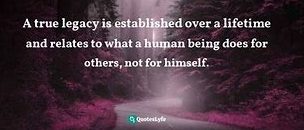
What is the legacy you want to leave behind?

No Tattoo for Me

Why I Don’t Want a Tattoo—at over 80, I’m Good Without the Ink.

At over 80 years old, I’ve survived enough trends to know they come and go faster than a cat on a hot tin roof—and let’s be honest, I don’t need them sticking to me like a bad burrito. These days, tattoos are popping up everywhere, like mushrooms after a rainstorm, and I swear there’s a parlor on every corner, faster than gas stations did back in the ’60s! I heard that the tattoo industry is on track to make a whopping $4 billion by 2032. My grandkids are walking canvases with their dragons and quotes, and I tip my hat to the artistry—really, I do! But when they ask, “Grandpa, why don’t you get one?” I chuckle and say, “Because I don’t want a tattoo, never have, and frankly, at my age, the only ink I want is in my printer ink.”

Back in my day, tattoos were for sailors, bikers, or fellas who’d seen the inside of a jail cell. I did my time in the Army—drafted in ’64—but I skipped the anchor or “Mom” on my bicep. Didn’t see the point. Now, I watch guys half my age strut around with sleeves and chest pieces, and I get it—it’s their way of telling the world who they are. Me? I’ve got over 80 years of stories in these bones. Don’t need a needle to spell them out.

For one thing, I’ve never been a fan of sticking around. I spent decades playing musical chairs with furniture alongside my wife, only to swap it out when she decided plaid was so last season. I’ve traded cars like Pokémon cards, flipped hobbies like pancakes. But a tattoo? That feels like signing up for a lifetime membership to a club I might’ve been totally bamboozled into joining. At my age, I’d just be left staring at some faded doodle, pondering why that abstract dragon seemed like a genius idea back in 2025!

And the pain? No thanks, I’ve got a full roster of aches already—my knees sound like a creaky old porch swing auditioning for a horror movie, and my back throws a fit if I sit too long, like a toddler denied dessert. Why add a buzzing needle to my list of woes? I’ve heard it’s not so bad, but I’ve also caught wind of tough guys wincing over rib tattoos like they just spotted a spider. I skillfully dodged shots as a kid and have grumbled my way through every flu jab like it’s a rite of passage. I’d much rather save my grit for hauling firewood than proving I can endure a tattoo session—it’s not like I’m trying to win an Olympic medal in pain tolerance!

But the real kicker? I like me as I am. This weathered hide—scarred from a fall off my bike at 12, wrinkled from summers fishing with my boys—tells its own tale. I don’t need ink to mark where I’ve been. Laugh lines, earned from a lifetime with my Wifes, say plenty. A tattoo wouldn’t add to that—it’d just feel like graffiti on a house I’ve spent decades building.

Choosing not to get one isn’t about being stubborn or old-fashioned; it’s more like a wise old owl saying, “Nah, I’ll pass!” After over 80 years of dodging trends, I’d like to think I’ve earned the right to say, “Thanks, but I’ve got my own vintage style!”

Maybe one day I’ll surprise them all—shuffle into a parlor and come out with a grizzly bear on my shoulder. Just kidding, I learned from all these years to not be so stupid. But for now, I’m content with my blank canvas. It’s served me well this long. Why mess with a good thing?

Daily writing prompt
What tattoo do you want and where would you put it?

Myself

For most of my life, I have tried to be something I was not, always feeling the heavy weight of expectations from those around me. Many times, throughout my journey, I heard phrases like “You should be like, whatever name you want to insert,” echoing in my mind. In my younger years, it was particularly striking; I would often hear, “you should be more like your brother.” The idea that I should mirror someone who is five years older than me seemed absurd at times. After all, each of us has our own unique path to walk. I guess I was a handful when I was young, full of energy and curiosity, eager to explore the world in my own way. Going to school, I faced similar sentiments from teachers and peers alike, hearing the same refrain: “You should be more like Johnny.” As if my worth could somehow be measured against his achievements or behavior. Even at church, the message was clear but stark; I was told I was a sinner and should strive to be more like the saints and apostles. These constant reminders emphasized the notion that I should mold myself into an ideal that fit neatly within the societal norms. Well, I got the picture; I should be somebody I am not and become someone who fulfills the criteria of those around me, fitting into a box that I never truly belonged in. Yet, deep inside, I yearned for the freedom to embrace my authentic self, to carve out my own identity free from the shadows of others.

My teenage years were very difficult for me. For some reason, I was angry and mad all the time, feeling as though a storm was brewing inside me, one that I couldn’t quite understand or control. I hated myself and my situation, constantly questioning my choices and my identity. Was it because I was trying to be somebody I was not, desperately seeking approval from my peers and struggling to find my place in the world, or was it just the hormonal change that everyone goes through during that age? The confusion often left me feeling isolated, as if I was trapped in a tumultuous sea with no way to swim to shore. Each day felt like a battle, where the weight of expectations bore down heavily on my shoulders, making it hard to breathe. Simple tasks like getting out of bed or wearing a smile seemed daunting, as if they required an energy I lacked. My relationships with family and friends began to fray at the seams, with misunderstandings and frustrations bubbling to the surface. One will never know if it was a combination of both, a perfect storm of teenage angst that shaped my experiences, but those years left a lasting imprint on my soul, instilling a sense of resilience in me that I would later learn to harness as I navigated adulthood.

I was drafted into the army later, and looking back now, I think this is one of the best things that happened to me in that period. This was in the Viet Nam era, but fortunately, my service period was served in Germany instead of Viet Nam, unlike the seven other men drafted on that day. They all went to Viet Nam, facing the uncertainty and dangers of a war-torn landscape. Why I went to Germany and not Viet Nam is something I will never know, and perhaps it was simply a twist of fate. In the service, you meet all kinds of people from many different areas of the country, bringing with them a rich tapestry of experiences and backgrounds. Because of that, I realized that the human race is not that bad; most people, despite their situations, are inherently good. All the ones I met were basically good and were just trying to get through the challenges in front of them, forging friendships that transcended our differences and shared struggles that created a bond that I still cherish to this day. The camaraderie formed during that time taught me invaluable lessons about empathy, understanding, and the importance of supporting one another, regardless of the circumstances we faced.

I have spent maybe two thirds of my life trying to be somebody that I am not. You may believe this or not, but one day I was taking a walk around the greenbelt near our home, which is a tranquil place filled with the rustling sounds of nature and the fresh scent of a small creek. There was nobody around, and I was just having some silent time to my own, allowing my thoughts to drift and my mind to clear. Suddenly, this loud voice came out and spoke, breaking the peaceful silence of my surroundings. “Tom, stop trying to be somebody else, just be yourself! Your purpose in life is to be yourself!” Those words echoed in my mind, touching something deep within me. After that profound event, I made the conscious decision to just be myself, embracing my true identity with all its complexities and imperfections. Since that time, I have been at peace and am genuinely enjoying simply being myself. I even like myself, flaws and all. This is one significant and positive change I have made in my life, a breakthrough that has opened up new avenues of self-acceptance and fulfillment that I had never experienced before.

Daily writing prompt
What is one word that describes you?

My most Memorable Compliment

When my son was growing up, during his teenage years, he was a typical teenager who thought he had all the answers to life’s questions and challenges. His confidence often led him to make bold decisions that sometimes worried me, as I recognized the turbulent nature of that age. He navigated through those challenging years with a mix of rebellion and curiosity, learning valuable lessons along the way about responsibility and the complexities of life. As he faced conflicts with friends, fluctuating emotions, and the pressures of schoolwork, I watched him grow into a more understanding and resilient young man. Through it all, I was there to support him, guiding him gently when needed, while also allowing him the space to learn from his experiences and mistakes. Ultimately, he made it through those challenging years, emerging wiser and more mature, with a clearer understanding of the world around him.

Somewhere when he was near twenty-five, he said to me, “Dad, I am just amazed how smart and wise you became in the last ten years. I often find myself recalling the lessons you’ve shared over the years, from your stories of perseverance to your insights on life and relationships. Your experiences have shaped not only your character but have also left a profound impact on my outlook. I hope to carry some of that wisdom into my own life as I step into adulthood and encounter my own trials and triumphs. As I face new challenges, I will remember your words of encouragement and the way you approached life’s obstacles with resilience and grace. I will strive to pass on these valuable lessons to my children, if I have any, because I believe that sharing this knowledge will help shape their understanding of the world and equip them to navigate their own paths.”

This was the best compliment I could have ever received. It made my day, lighting up my spirits and filling me with an overwhelming sense of joy and gratitude. Every detail of that moment is etched in my memory, and I still remember it after 25 years, as if it happened just yesterday.

Daily writing prompt
What was the best compliment you’ve received?

Negative Actions

Dealing with negative feelings can be tough. Here’s a rundown of the approaches that helps me.

  1. Acknowledge What I’m Feeling
    Don’t shove it down or pretend it’s not there. Name it—anger, sadness, frustration, whatever it is. Recognizing it can take away some of its power and help you figure out what’s driving it.
  2. Talk or Write It Out
    I talk to someone I trust, and vent to them. No one around? I Grab my laptop and dump my thoughts there. It doesn’t have to make sense—just let it flow. Sometimes seeing it outside my head makes it less overwhelming.
  3. I Distract myself
    I Dive into something that pulls my attention—I may try watching a war movie. For some reason I have a strong interest in the stress of WWII in Europe. I may go take a brisk walk and do a little huffing and puffing. I have been known to throw things or scream and yell. I have been told I am scary when I get mad. So, I try hard to contain anger feelings.
  4. Take a nap
    When it’s intense, I slow down, fortunately I go to sleep very easily and wake up refreshed and relaxed. Many times, after a short nap, my feelings have calmed down, allowing me to regain focus and clarity. I find that this simple act of resting not only rejuvenates my body but also helps to reset my mind, providing a much-needed pause.
  5. Cut Yourself Some Slack
    Negative feelings are a natural part of life. They do not signify weakness or failure. Allow yourself to experience these emotions without the burden of guilt for not maintaining a “positive” mindset at all times. It’s not about solving every issue; it’s about recognizing that you have some control. Remember, we are human, and perfection is not the goal.

Daily writing prompt
What strategies do you use to cope with negative feelings?

Here is Where I Spend a Lot of Time

For the last two years, this is where I spend more time than any other thing I do, engaging deeply with the activities and relationships that have enriched my life, discovering new interests, and continuously learning from my experiences; it has become not just a routine but a vital part of my daily existence.

I have learned a lot in this venture. All your life you learn, and this adventure is no different; in fact, it has been a profound journey of discovery and growth. Podcasting has emerged as the buzzword of the day, capturing the interest of audiences worldwide. Therefore, I have inserted an audio podcast into each posting, allowing me to connect more intimately with my audience. I do not use my own voice for the same reason I do not sing. My podcast page has remarkably become the most popular destination on my website, drawing in listeners and fostering a community around shared interests. I am amazed at the podcast downloads that have surged, illustrating the power of engaging content. Additionally, linking to other pages or reputable websites has become a popular feature; these hyperlinks enrich the experience for my readers, making each posting more interesting and informative. Furthermore, the ability to change the size of an image enhances the visual appeal of my posts, allowing for a more personalized touch. One must note that the introduction of AI (artificial intelligence) has opened up exciting new possibilities and has become another powerful tool in my ever-expanding toolbox, enabling me to refine my content and improve engagement. This combination of innovation and creativity continues to drive my passion for blogging and sharing knowledge.

I do this for fun. I am retired and not tied to worrying about having enough income to pay monthly bills or provide for growing children. I am selling nothing on my website; rather, I view it as a creative outlet where I can share my experiences and reflections. I am just exposing my life, adventures, and thoughts to the cyber community, hoping to inspire or entertain others along the way. Maybe if I ever have many thousands of subscribers, I may try to generate a small source of income, but that is not my primary focus. The satisfaction I get is the comments and likes I receive from my subscribers, which motivate me to continue sharing my journey, knowing that my words resonate with others and contribute to a sense of connection within this vast digital landscape.

No one knows how long this ride will continue. It may go for ten years or end tomorrow when my time on earth is over. As long as I am able, I will be here commenting about anything that piques my curiosity or inspires my thoughts. Whether it’s a fleeting moment of joy, a profound insight, or even a mundane occurrence that strikes a chord, my reflections will find their way to this platform. One will never know what my next blog will be about, and therein lies the excitement of this journey; each post is an opportunity to explore new ideas, engage with my audience in unexpected ways, and contribute to an ever-evolving tapestry of experiences and perspectives that we all share in this digital realm.

Daily writing prompt
What activities do you lose yourself in?

Am I Superstitious?

Am I superstitious? Well, let’s see.

Knocking on Wood: People still say “knock on wood” to ward off jinxing themselves after mentioning good fortune—like hoping a job interview goes well. It’s rooted in ancient beliefs about spirits living in trees, but today it’s more of a casual reflex. You’ll hear it in offices, homes, even on podcasts. On occasion I have been known to knock on wood.

Friday the 13th: This remains a big one. Some avoid major decisions or travel on this day, fearing bad luck. It’s tied to the number 13’s ominous rep (think elevators skipping the 13th floor in buildings) and Friday’s association with misfortune in Christian lore. Horror movies keep it alive—Jason Voorhees still haunts the collective psyche. I have thought about this, but I never changed anything because of that date. My oldest son was born on Friday the 13th and that was not bad luck

Crossing Fingers: Wishing for luck by crossing your fingers is everywhere—before tests, games, or even lottery ticket scratches. It’s a holdover from early Christian gestures for divine favor, now secularized into a quick “hope this works” move. I am guilty of this.

Black Cats: Crossing paths with a black cat still spooks some, especially around Halloween. Shelters report lower adoption rates for them because of the lingering “bad luck” stigma from witch-hunting days, though younger generations seem less fazed. I have heard of this, and a few times one has crossed my path, but I didn’t think much about it.

Spilling Salt: Tossing a pinch of salt over your left shoulder after spilling it persists in some households. It’s from the idea that salt was once precious and spilling it invited the devil—countered by blinding him with a throw. More common among older folks or in superstitious families. A few times I jokingly threw salt over the shoulder.

Beginner’s Luck: The belief that newbies have an edge—like winning at poker or slots on their first try—is alive in casinos and sports bars. It’s less a ritual and more an expectation, but it shapes how people approach games. Yes, I have played new games and just said, it is just beginners’ luck

Avoiding “Jinxing” It: Saying “don’t jinx it” when someone predicts success—like a sports team winning—reflects a modern twist on superstition. It’s big in fandom culture; think baseball fans refusing to mention a no-hitter in progress. Never thought of this much.

Lucky Pennies: “Find a penny, pick it up, all day long you’ll have good luck” still has traction. Kids and some adults grab coins off the sidewalk, though inflation’s made pennies less thrilling. Oh, my wife always says this, so I started saying it.

Mirrors and Umbrellas: Breaking a mirror (seven years bad luck) or opening an umbrella indoors still gets a wince from some. These are fading with younger crowds, but you’ll catch them in rural areas or among those with “old school” grandparents. When I was young It was the big item.

Sports Superstitions: These are huge. Fans wear the same unwashed jersey for every game, or players follow precise pre-game rituals—like LeBron James tossing chalk or baseballers avoiding stepping on foul lines. The 2025 Super Bowl probably saw plenty of lucky socks and barstool traditions. Nothing here, never was much of a sports fan.

Superstitions in the United States today are a mix of old traditions carried over from various cultural influences—European folklore, African diaspora beliefs, Native American customs—and newer quirks shaped by modern life. While many Americans might not take them too seriously, they often linger in habits, phrases, or knee-jerk reactions, subtly influencing decisions and interactions. For example, individuals might avoid walking under ladders or breaking mirrors, fearing bad luck, even if they don’t fully believe in the underlying myth. Additionally, the act of tossing salt over one’s left shoulder or knocking on wood has become so ingrained in everyday vernacular that it often occurs unconsciously. As we navigate through life’s uncertainties and challenges, these superstitions provide a sense of comfort and control, acting as little rituals that help people cope with life.

In conclusion, I would say I am superstitious, but I never let a superstition change or lead my life. Instead, I view these beliefs as intriguing cultural artifacts that give insight into human psychology and our shared history. While sometimes I find myself acknowledging certain rituals or omens, they serve more as whimsical traditions rather than guiding principles; I prefer to take charge of my decisions and paths, ensuring that my actions are based on rational thought and personal values rather than unfounded fears or expectations. This balance allows me to enjoy the rich tapestry of beliefs around me without becoming a prisoner to them.

Daily writing prompt
Are you superstitious?

Letter to Me at 100


Dear 100-Year-Old Tom

,

Hello from the TomT 2.0-man cave on March 10, 2025! I’m sitting here, imagining me at 100—hopefully still kicking, maybe with a few more wrinkles and a lot more stories. I don’t know where I am as I read this—maybe in a cozy chair with a cup of tea, or maybe in some high-tech pod with a robot nurse. Either way, I hope I am smiling.

Right now, I’m over 80 years old, living through a time that feels like a reality show gone wild! The world’s a crazy circus—debates about AI taking over our jobs, climate change melting our ice cream, and space travel like a never-ending game of ‘Where’s Waldo’ are everywhere. I can’t help but wonder what you’ve been up to since then. Did we finally figure out how to live sustainably, or did we just build a giant hamster wheel to solve climate change? Did people really hop on a rocket to Mars, or is that just another episode of “The Binge-Worthy Space Adventures”? Or did we somehow manage to surprise ourselves with something even more bonkers?

I hope you’re proud of what you are trying to do now, as it requires immense courage and determination. I’m genuinely curious about the journey you’ve embarked on and I’d love to know how it all turned out in the end. Did I take the risks I’m thinking about, the ones that can seem daunting but ultimately lead to growth? Did I let go of the stuff that’s weighing you down, both physically and emotionally, allowing yourself the freedom to soar into new opportunities? Embracing change can be challenging, yet it’s often necessary to reach our full potential and to discover who we truly are.

What’s life like at 100? Are you surrounded by family, friends, or maybe some cool new tech that keeps you company, like virtual reality experiences that let you revisit cherished memories? I hope you’ve got a few good laughs left in you—perhaps funny anecdotes from your younger days that never fail to bring a smile. And maybe you have a piece of advice for the younger generation, who are still sweating the small stuff in 2025; it’s important to remind them to cherish each moment, focus on what truly matters, and savor the beauty in life’s simplicities. After all, every wrinkle and grey hair tells a story, and your wisdom could help shape the future for those who come after you.

Take care, future me! I’m rooting for us to make it to you in one piece, preferably without any embarrassing falls or fashion faux pas. May your life be overflowing with memories worth keeping, filled with laughter, misadventures, and a million lessons learned—like never eat that weird street food again! Here’s to the years ahead—may they be as kind as your favorite pillow and as wild as a cat on a caffeine rush, embracing every twist and turn life throws our way, and savoring the quiet moments as much as those wild parties we probably won’t remember. I hope we remember to relish the little things, find joy in unexpected places, and never lose sight of our dreams.

With hope,
TomT 2.0

Daily writing prompt
Write a letter to your 100-year-old self.

No Meaning Whatsoever.

When my mother was carrying me, Pearl Harbor happened on December 7, 1941, marking a pivotal moment in history that would change the world forever. I was born in March 1942, just a few months after this event, during a time when the nation was reeling from the shock of war. My parents, like many others, faced the uncertainty of the future, compounded by the military draft that had been instituted to bolster the armed forces. They went to the local newspaper to read through the names of those being drafted, a ritual that many families engaged in to see if their loved ones were called. Among the names listed, they came across the name Thomas Lee, which resonated with them for reasons they couldn’t fully articulate. They found it to be a name that carried a sense of strength and resilience. Therefore, my middle name does not carry any special meaning or significance beyond the simple choice that came from a moment of reflection during tumultuous times, reflecting how life’s circumstances can influence even the smallest details of our existence.

Daily writing prompt
What is your middle name? Does it carry any special meaning/significance?

Spring is Near

The last thing I learned was when I woke up this morning and my eyes were itching like crazy, a familiar and unwelcome sensation that hinted at the changing seasons. As I rubbed my eyes and attempted to shake off the fatigue of the night before, I realized that this was my body’s way of signaling the arrival of spring. The blooming flowers and budding trees were beautiful, yet they also brought the onset of springtime allergies that I would soon have to navigate. With this irritating reminder, I started to prepare mentally for the upcoming months, filled with sneezing and sniffles, as I envisioned stocking up on allergy medicine and trying out various remedies, hoping to find some relief from the relentless pollen that would fill the air.

Daily writing prompt
What is the last thing you learned?

What do you do since you retired?

I hate this question. I am retired; I do not have to account to anyone for my time and what I am doing, which is a liberating feeling after so many years of obligation and responsibility. I worked diligently for 45 years, often feeling like I had to justify every minute of my day to my superiors and colleagues, constantly monitoring my productivity and output. Now, having reached this well-deserved stage of life, I believe I should have years ahead of me that are free from the constraints of being held accountable for my time. I relish the freedom to spend my days as I choose, whether it’s indulging in a newfound hobby, traveling to places I’ve always dreamed about, or simply enjoying the tranquility of my garden. I know you are just trying to be a conversationalist, but please, ask me how the weather is, inquire about how I feel, or even celebrate my birthday with me, but never, ever ask me what do you do? Such questions serve as a reminder of my past, a past I have happily left behind.

Daily writing prompt
What is one question you hate to be asked? Explain.

Military time

Audio PODCAST

It was the first part of 1964. I was employed with a good job, feeling secure and satisfied with my routine. A year ago, I bought a new car, a shiny, red 2 door hardtop that turned heads as I drove down the street. Life was great, filled with possibilities and dreams waiting to unfold. I was searching for the love of my life, often daydreaming about the future we could build together, and had some money in the bank, allowing me a sense of financial freedom. Then, in February, I received this letter in the mail that felt like a bolt from the blue. “Your friends and neighbors have selected you to become a member of the United States Army.” I was drafted! This unexpected turn of events sent chills down my spine and changed my entire life, forcing me to reevaluate my plans and adapt to a future I had never anticipated.

Took the oath in March 1964 and eagerly boarded a train to report to Fort Leonard Wood, Missouri, where I would undergo rigorous combat basic training that would prepare me for the challenges ahead. After an intense few months, in July, I successfully finished basic training and received my orders to report to Fort Huachuca, Arizona, where I was to engage in advanced individual training to develop specialized skills vital for my role. By November, I found myself in the bustling atmosphere of Fort Dix, New Jersey, excited yet anxious, where I boarded a ship that would take me across the ocean to Bremerhaven, Germany. The journey was long, but eventually, I stepped onto foreign soil and took a train ride to Nuremberg, where I reported to the 2nd Armored Cavalry Regiment. This assignment was crucial, as I was entrusted with the significant responsibility of guarding the border between Germany and Czechoslovakia during a tense period in history, showcasing my commitment to duty and the service of my country.

As my saga continued, in March of 1966, I received orders to return to the United States and Fort Hamilton, New York, where I was discharged from active duty with the United States Army. This marked the beginning of a new chapter in my life, but the transition wasn’t without its challenges. At home in Denver, I eagerly awaited the next step, and it wasn’t long before I received notice that I had been assigned to the 244th Engineer Battalion, which was located at the Rocky Mountain Arsenal near Denver. This assignment meant that I was to serve my two years of active army reserve obligation, during which I would balance civilian life with the commitments of military service. After completing my two years of active reserve, I finally received my discharge, but there was a lingering reminder of my commitment, as I had to spend two more years in the army inactive reserve. This was during the tumultuous Viet Nam era, and each day brought with it a sense of uncertainty; you never truly knew if your unit would be called up for active Viet Nam duty. The fear of deployment loomed over many of us, but fortunately, I never received the dreaded orders that would take me into the heart of conflict, allowing me to focus on my personal aspirations and the future ahead.

This experience helped me grow the most and opened my eyes to the rich tapestry of human diversity. The best part of this experience was learning about people from all walks of life. You meet all kinds of individuals from many different parts of the country and various nationalities, each with their own unique stories and perspectives that enrich your understanding of the world. This profound exposure to diverse backgrounds and cultures has equipped me with invaluable skills, which have helped me tremendously in future years while dealing with people in both personal and professional settings. I really believe it was the best experience of my life, as it taught me not only to appreciate differences but also to embrace commonalities. Finally, I found out that most people are basically good and are just trying to do what is best in the situations they are confronted with within their lives, navigating challenges and striving for better outcomes for themselves and their loved ones.

Daily writing prompt
What experiences in life helped you grow the most?

Water, Water, More Water

Audio PODCAST

Believe it or not, my favorite drink is water, just plain old boring water. Back in 2018, I had an 11 mm size kidney stone removed, and this experience was incredibly eye-opening. It was not fun having them go up through the basement to extract it; the entire procedure was quite surreal, filled with a mix of anxiety and hope. Up went a camera, a laser, and a vacuum tube to remove the debris, while I sat nervously, contemplating the pain and discomfort ahead. I passed chocolate milk for eight hours after this adventure, an odd side effect that I never anticipated. Thank God for anesthesia, which dulled the sharp edges of reality during that time. Unfortunately, I lost my ability to remember dreams after the bout with anesthesia, a peculiar trade-off that left me feeling a void I never expected. I miss my dreams—those vibrant landscapes of creativity and emotion that would unfold behind my eyelids. Oh, I still dream, but once I wake up, they are gone forever, like whispers of memories that fade with the light of day. The urologist told me to drink 2 liters of water a day to possibly not have a recurrence of such a painful ordeal, emphasizing the importance of hydration for my kidney health. Therefore, water is not just my favorite drink; it has transformed into a symbol of my resilience and a daily reminder to take care of myself, ensuring that I stay hydrated and healthy for the long run.

I also drink other drinks. I drink decaffeinated coffee any chance I get, as it provides me with the warm, comforting experience of my favorite beverage without the caffeine jitters. The urologist said I should avoid caffeine for reasons unknown, which has made me more conscious of my dietary choices overall. Maybe once a week I indulge in a Pepsi, savoring the familiar taste, but I try to limit my consumption of sugary sodas. Since I am prediabetic, I should avoid high sugar pops to maintain my health and manage my blood sugar levels effectively. I used to enjoy sipping on alcoholic drinks, particularly wines and beers, which were once a delightful part of social gatherings and celebrations. However, since February 2023, I was put on a blood thinner after a large blood clot between my lungs, and the doctor strongly recommended that I avoid alcohol altogether, as it may hamper the regulation of the clotting process. This was quite a shift for me, as I had always appreciated a good glass of wine or the occasional craft beer, making me reflect on my lifestyle changes. I was told about the Golden Years, filled with joy and relaxation, but I was never told that the gold was tarnished in spots, revealing challenges and adjustments that come with aging and health issues.

Daily writing prompt
What is your favorite drink?

My Favorite people

Audio PODCAST

First, My wife Dee. We have been together since the early eighties and decided to marry in 1995. We were both going through divorces, feeling the weight of our pasts, yet somehow, we managed to pick each other up and help each other understand that there is indeed life after an unplanned life-changing event. Through the ups and downs, we became each other’s support system, navigating the complexities of our emotions, and finding solace in our shared experiences. We have been one for over forty years now, creating a tapestry of memories woven from countless trips across the nation and two unforgettable journeys to Italy during those four decades. Each adventure brought us closer, as we explored new places together, indulging in the local cuisine and appreciating the beauty of different cultures. Now, as we embrace our senior years, we continue to enjoy being together, finding joy in the simple moments, and enduring the various events that life presents at this stage. The best part of all these years is that we have allowed each of us to be ourselves, fostering an environment of authenticity. We have built a relationship where there are no false fronts, no role-playing—just the freedom to be myself and her as herself. This genuine connection has made our lives profoundly fulfilling. Life has been great since Dee, and I cherish every moment we share, knowing that our love is a testament to resilience and companionship.

Second, is my two sons, Jeff and Adam, and my four stepchildren, Rick, Rob, Rita, and Renee. They have all been blessings in our lives, filling our days with joy and laughter. Each of them has forged their own unique paths and built wonderful families of their own, and I truly enjoy when we gather together to reminisce about past memories and celebrate upcoming milestones. These family reunions are particularly special, as they create a warm atmosphere where stories are shared, and laughter echoes. With them comes their families—loving partners, enthusiastic children, adorable grandchildren, and even great-grandchildren who bring an extra layer of joy to our gatherings. They are bonuses that we have been blessed with, enriching our lives in ways that words cannot fully capture, and reminding us of the importance of family bonds that transcend generations.
Every moment spent together is a treasured gift, creating a tapestry of love and connection that we are fortunate to share.

Third, are friends that have crossed our paths and enriched our lives in meaningful ways. I enjoy Dolores and her daughter Darlene, who bring a warmth and joy to every gathering. They are cherished church friends whom we met on one of our many enriching trips. Tom, Dolores’s husband, has passed on, leaving behind fond memories that we often share in his honor. After church services, they host delightful coffee and snacks in the fellowship hall, where I eagerly participate, as it gives us the chance to connect and share events in our lives that shape our experiences. There’s always a new story to tell or a laugh to be shared, deepening our bond not just as friends but as a community. Can’t forget Chuck, who is another good friend from a different church setting. A group of 10 to 12 men get together once a month for breakfast, a tradition that I look forward to immensely. I always attempt to sit next to Chuck, as his insights and humor make our conversations engaging; we take the time to reflect on what is happening in our lives, whether it’s personal milestones or challenges we face. Finally, there is Gary, an old-time friend with whom I enjoy the occasional meet-up to discuss politics and the current events that shape our world. Our discussions often dive deep into our differing perspectives yet are underpinned by mutual respect and understanding. It is strange how you can click with some individuals and genuinely enjoy being around them, as if they were meant to be part of your journey, adding richness and depth to the fabric of our lives.

Unfortunately, Stan, Jack, Len, and others have passed on, leaving a profound void in my life. Their laughter, wisdom, and friendship will always be cherished and remembered fondly. I will always remember them, not just for the moments we shared but for the invaluable lessons they imparted, shaping who we are today. Their spirits continue to inspire me, reminding me to celebrate life and the connections we form with those we hold dear.

Daily writing prompt
Who are your favorite people to be around?

Budgeting


Creating an effective budget is essential for managing personal finances, achieving financial goals, and ensuring financial security.

Since I am retired my budget goals is much different than when I was working and raising a family. Before I retired my goal was to pay off all credit cards before retirement. Credit card interest rates can drain a large portion of your income. After retirement all credit card amounts are paid off every month.

Before retirement I did attempt to budget the money, but it is difficult to do since many unforeseen circumstances enter your life. I was fortunate enough to work most of the time during my working years. I did have a period of time about 6 years where I did not have a stable job, and my finances fell about $30,000. Other than that, I was fortunate to have a stable working life. Times have changed and it appears that the American dream is farther out for one to reach.

After retirement we attempt to spend no more than what our fixed income is. Vacations and special expenses come out of our savings and investments. We do have a home equity line of credit available in case some medical surprise arises or some other unexpected expense. However, in the last eighteen years we have not had to tap into it.

Finally, my advice is try to avoid paying credit card interest charges. 18 percent or more interest rates are outrageous and should be outlawed.

Daily writing prompt
Write about your approach to budgeting.

Law Breaking

Given the breadth of laws and regulations, it’s quite possible that many people, including yourself, might have unintentionally broken some law at some point. Common examples include:

  • Speeding: Exceeding the speed limit, even slightly, can be an unintentional breach of traffic laws.
  • Downloading copyrighted content: Sometimes, sharing or downloading music, movies, or software without proper licensing can inadvertently violate copyright laws.
  • Littering: Dropping small pieces of trash or not disposing of waste correctly in public spaces might lead to an unintentional violation.


Given this complexity, here’s what we can infer:

Total Laws: Including all federal, state, and local laws, the number would be in the millions if one were to count every single piece of legislation, regulation, and local ordinance currently in effect.

Federal Statutes: There are over 30,000 federal statutes since 1789, but this count includes all historical laws, many of which are no longer in effect.

Regulations: The number of federal regulations could be in the hundreds of thousands, though exact numbers are hard to pin down due to the dynamic nature of regulatory law. In essence, while it’s impossible to state an exact number due to the ongoing legislative process and the layered nature of U.S. legal systems, the total count of all enforceable laws would be extremely high, reflecting the country’s long history and extensive governmental structures.

I used AI to get these statistics. Therefore, I may have broken the law using this information.

In conclusion, yes, I have unintentionally broken the law.

Daily writing prompt
Have you ever unintentionally broken the law?

Valentine’s Day


Audio PODCAST

Valentine’s Day, celebrated annually on February 14th, is a cultural and commercial holiday dedicated to love and affection. Here’s a look at its origins, traditions, and modern celebrations:

Origins:

  • Ancient Roots: The day has roots in both Christian and ancient Roman traditions. One theory suggests it evolved from Lupercalia, a Roman fertility festival held in mid-February.
  • Saint Valentine: The holiday is named after one or more early Christian saints named Valentine. The most popular story involves Saint Valentine of Rome, who, according to legend, was imprisoned for performing weddings for soldiers who were forbidden to marry. He reportedly restored sight to the blind daughter of his judge, and before his execution, he wrote her a letter signed “Your Valentine” as a farewell.

Traditions:

  • Exchange of Tokens of Love: The tradition of exchanging cards, flowers (especially red roses), and sweets has become central to Valentine’s Day. The first commercial Valentine’s Day greeting cards were introduced in the 19th century by Esther A. Howland.
  • Symbols: Hearts, Cupid (the Roman god of love), doves, and the color red dominate the iconography of the day, symbolizing love, affection, and passion.

Modern Celebrations:

  • Global Recognition: While Valentine’s Day is predominantly celebrated in Western countries, its commercialization has led to its global recognition. In some countries, it has adapted to local cultures or even spawned similar holidays celebrating love.
  • Beyond Romantic Love: Today, Valentine’s Day is not only for romantic partners. It’s also a day to celebrate love in all its forms – friendship, family, and even self-love. This broader interpretation includes “Galentine’s Day,” where friends celebrate their platonic bonds, often the day before Valentine’s Day.
  • Critiques and Alternatives: Some view Valentine’s Day as overly commercialized, leading to alternatives like “Single Awareness Day” or celebrations of self-love. There’s also a growing movement to use the day to honor all kinds of love, not just romantic relationships.

Cultural Variations:

  • Japan: In Japan, women give chocolates to men on Valentine’s Day, and men reciprocate with gifts on “White Day,” one month later.
  • South Korea: They celebrate “Black Day” on April 14 where singles eat black noodles to commiserate their single status, adding a unique twist to the holiday cycle.

Valentine’s Day continues to evolve, reflecting changes in society’s understanding of love, relationships, and personal expression. Whether it’s through traditional gifts or modern, inclusive celebrations, the day remains a testament to the universal desire for connection and affection.

Not Much to Remember Today

Audio PODCAST

Title: The Quiet Day: When Nothing Very Important Happened on February 11th

February 11th has had its share of headline-making moments throughout history, but let’s take a moment to appreciate the quieter side of this date. Today, we’re not here to delve into the monumental events or the groundbreaking discoveries; instead, we’re celebrating the ordinary, the mundane, and the blissfully uneventful.

A Day Like Any Other

Imagine waking up on February 11th to find the world much as you left it the day before. No major political upheavals, no scientific breakthroughs announced, just the regular hum of daily life. The sun rises, people go to work, birds chirp, and life ticks along at its usual pace. It’s comforting in its predictability, isn’t it?

The Beauty in the Mundane

There’s something inherently beautiful about days when nothing very important happens. It’s a reminder that not every day needs to be marked by history. Sometimes, the most significant event of the day might be the first bloom of spring, a quiet walk in the park, or the simple joy of a shared meal with family or friends. These are the moments that make up the fabric of our lives, woven together with threads of routine and simplicity.

Local News and Daily Life

On this day, local news might consist of a cat stuck in a tree being rescued by firefighters, a community garden project getting new volunteers, or a high school sports team winning a local match. These snippets of life are the heartbeat of our communities, reminding us of the connections we share and the small stories that matter deeply to those involved.

The Uncelebrated Heroes

February 11th might also be a day where unsung heroes shine. Perhaps a teacher went the extra mile to help a struggling student, or a neighbor quietly shoveled the snow off another’s driveway. These acts of kindness don’t make headlines, but they are the quiet forces that keep the world turning with compassion and empathy.

A Reflection on Nothingness

In a world often obsessed with achievement and spectacle, there’s a lesson in embracing the days where nothing very important happens. It teaches us to find joy in the present moment, to appreciate the peace that comes with uneventfulness, and to recognize that every day doesn’t need to be extraordinary to be meaningful.

Conclusion

So, here’s to February 11th, a day in the annals of time where we can take a breath, look around, and appreciate that sometimes, the absence of monumental events is an event in itself. It’s a day to celebrate the ordinary, to enjoy the tranquility of routine, and to find beauty in the quiet moments that make life truly rich. Here’s to the days when nothing very important happens – they are, in their own way, as noteworthy as any other.

National Poop Day

Audio PODCAST

Did you ever hear about this?

National Poop Day is celebrated annually on the day after Super Bowl Sunday, which in 2025 falls on February 10. This holiday, though quirky, has a serious side, aiming to educate people about the importance of digestive health and proper sanitation practices. Here’s a comprehensive look at National Poop Day:

Origin:

  • National Poop Day was conceived during a Polling Place election at the Madison Children’s Museum in 2016. Children voted to celebrate this day, which was then adopted as an annual event to discuss and destigmatize one of the most vital functions of the human body.

Purpose:

  • Health Awareness: The day serves to raise awareness about digestive health. Understanding your body’s natural processes, including the color, consistency, and frequency of bowel movements, can be indicative of your overall health.
  • Sanitation and Hygiene: It highlights the need for proper waste disposal, both for human health and environmental conservation.
  • Breaking Taboos: By humorously acknowledging poop, the day helps to break down social taboos surrounding the discussion of bodily functions.

Celebration Ideas:

  • Educational Events: Schools, museums, and health organizations might host events where people can learn about digestion, gut health, and the environmental impact of improper waste disposal. For instance, the Madison Children’s Museum has held events with activities like story times with books like “Everyone Poops” and hands-on learning about animal scat.
  • Community Cleanups: Promoting clean neighborhoods by organizing clean-ups, particularly focusing on pet waste, which can contaminate water sources if not disposed of correctly.
  • Social Media Campaigns: Using platforms like X (formerly Twitter) to share facts, humor, and educational content about poop, often using hashtags like #NationalPoopDay.
  • Fundraising for Sanitation: Some use this day to fundraise for organizations that work on improving sanitation conditions globally, like the Ocean Sewage Alliance.

Cultural Impact:

  • The day has found a niche in pop culture with humorous posts on social media, poop-themed merchandise, and even special events like “Poop Day” runs or walks. It also ties into the natural increase in sewage activity post-Super Bowl due to the consumption of heavy, rich foods during the game.

Health and Environmental Benefits:

  • Discussing poop openly can lead to better health practices. For example, understanding the Bristol Stool Scale for classifying poop can help individuals monitor their health and diet.
  • Environmentally, it underscores the importance of not flushing inappropriate items down the toilet, which can lead to sewage system issues.

Global Perspective:

  • While primarily an American observance, the themes of National Poop Day resonate globally, aligning with issues like World Toilet Day, which focuses on sanitation and hygiene worldwide.

National Poop Day combines humor with education to make a significant impact on public health discourse and environmental awareness. It reminds us that even the most basic bodily functions are crucial to our well-being and the health of our planet.

The Love of My Life


Audio PODCAST

Here’s a personal anecdote about feeling loved that I think encapsulates the warmth and support that love can bring:

A few years ago, during a particularly challenging time in my life, I found myself overwhelmed with an unexpected health issue. It was a period filled with stress and uncertainty.” Dee my wife stepped up called 911. An act that saved my life. At the Emergency Room with her two daughters, they helped me make the correct decision about the three options I had to make for the next procedure. I survived when the odds were only about a 3 to 5% survival rate. She was there when I awoke. She was there during the three days in ICU. She took me home and took care of me while I was recovering. She is the main reason I am thankful that I was given a continuation of life on this earth.

What made this moment so special wasn’t just the event but the effort and understanding. Dee had taken the time to not only notice my struggles but also to act on them in a way that was uniquely tailored to what would comfort me the most.

This experience was a profound reminder of how love can manifest in simple, thoughtful acts. It wasn’t about grand gestures or expensive gifts; it was the love communicated through attention to detail, care, and the desire to bring peace and happiness into someone’s life. I felt truly seen, cared for, and loved in the most comforting way, reinforcing the bond between us.

This example serves as a testament to how love can be both a source of solace and strength, reminding us that sometimes, love is best expressed in the quiet, considerate moments that speak directly to the heart.

I am so thankful that our lives crossed, and I was awarded with the everlasting love Dee, and I share.

Daily writing prompt
Can you share a positive example of where you’ve felt loved?

Clutter Reduction


Audio PODCAST

To reduce clutter in your life, consider these areas:

  1. Physical Space:
    • Home: Start with one room at a time, focusing on decluttering surfaces, closets, and storage areas. Donate, sell, or recycle items you no longer need or use.
    • Workplace: Organize your desk, digital files, and office supplies. Implement a system for incoming and outgoing documents.
  2. Digital Clutter:
    • Email: Unsubscribe from newsletters you don’t read, use folders to categorize important emails, and delete or archive old messages.
    • Digital Files: Organize your computer desktop, documents, and downloads. Regularly back up important files and delete duplicates or outdated information.
    • Apps and Social Media: Uninstall apps you rarely use and unfollow or mute accounts on social media that don’t add value to your life.
  3. Mental Clutter:
    • Tasks and Commitments: Evaluate your commitments. Say no to obligations that don’t serve you or your goals. Use a planner or app to manage tasks efficiently.
    • Information Overload: Limit time on news or social media if it feels overwhelming. Choose quality information sources over quantity.
  4. Time Management:
    • Routine: Develop routines for daily activities to reduce decision-making fatigue.
    • Prioritization: Focus on what’s important by using methods like the Eisenhower Box to categorize tasks by urgency and importance.
  5. Emotional Clutter:
    • Relationships: Reflect on relationships that drain your energy. It might be helpful to set boundaries or spend less time with those who add stress.
    • Past Issues: Sometimes, mental clutter comes from unresolved issues. Consider journaling or speaking with a therapist to process these feelings.

Your interests in writing, decluttering your workspace where you write could significantly boost your productivity and creativity. Organizing your digital writing tools and perhaps setting up a minimalist writing environment might help in focusing better on your craft.

Used Gruf my AI assistant.

Daily writing prompt
Where can you reduce clutter in your life?

Good and Bad About Snacks


audio Podcast

Good Aspects of Snacks:

  1. Nutrient Boost: Snacks can provide additional nutrients if chosen wisely. For example, nuts offer healthy fats, fiber, and protein; fruits give you vitamins, minerals, and antioxidants; yogurt provides calcium and probiotics.
  2. Energy Maintenance: Snacks can help maintain your blood sugar levels, providing energy between meals, which is particularly useful for people with active lifestyles or those who need a boost during long work hours.
  3. Mood Enhancement: Certain snacks like dark chocolate can release endorphins, leading to mood improvement. Plus, eating something you enjoy can simply make you feel good.
  4. Hunger Management: Snacking can prevent overeating at meal times by keeping hunger at bay, thus aiding in portion control and potentially weight management.
  5. Convenience: Snacks are often easy to prepare or grab on the go, fitting into busy schedules or serving as quick meals for children.
  6. Social Aspect: Sharing snacks can foster social bonds, whether at work, home, or during social gatherings.

Bad Aspects of Snacks:

  1. Caloric Intake: Many snacks, especially processed ones like chips, cookies, and candies, are high in calories but low in nutrients, leading to weight gain if consumed in excess.
  2. Nutritional Deficiency: Regular intake of high-sugar or high-salt snacks can contribute to an imbalanced diet, potentially leading to deficiencies in essential nutrients.
  3. Health Risks: Frequent snacking on unhealthy options can increase the risk of obesity, type 2 diabetes, heart disease, and dental issues like cavities, particularly from sugary snacks.
  4. Portion Control Issues: Snacks can be deceptive in terms of portion size; it’s easy to eat more than recommended, especially with foods that are palatable and easy to consume in large quantities.
  5. Quality of Ingredients: Many snacks contain preservatives, artificial colors, flavors, and trans fats, which are not beneficial for health and can even be harmful in large amounts.
  6. Interference with Meals: Snacking too close to meal times might reduce your appetite for more balanced meals, potentially leading to a less nutritious overall diet.
  7. Mindless Eating: Snacking often occurs while doing other activities like watching TV or working, leading to mindless eating where you might consume more than intended without noticing.

From your friendly AI.

Daily writing prompt
What snack would you eat right now?

Thoughts About the Future

CLICK HERE FOR PODCAST AI assisted

At 82, life can still hold a myriad of possibilities, challenges, and joys. This age marks a period where many reflect on their past while also looking forward to what can still be achieved or experienced. Here’s an exploration of what the future might entail for me, considering health, lifestyle, social engagement, and personal growth.

According to recent data from the Social Security Administration, an 82-year-old American male might expect to live an additional 6.77 years, bringing the total life expectancy to around 88.77 years. However, this is an average; individual health, lifestyle, and genetics play significant roles.

Cognitive health is another area of focus. Engaging in activities that stimulate the mind, from reading to learning new skills, can be beneficial in maintaining cognitive function. Social interaction also plays a crucial role in mental health.

Staying active is key. Whether it’s through gentle exercises like walking, swimming, or even yoga, physical activity can help maintain mobility and strength. For some, this might also mean using mobility aids like canes or walkers to ensure safety while still engaging in life.

Social isolation can be a significant issue in later life, but it’s one that can be addressed through community involvement. Senior centers, clubs, or volunteer work can provide social outlets. For those adept with technology, online communities or video calls with family and friends can maintain bonds.

The adage “you’re never too old to learn” rings true. Many find new hobbies, take up painting, writing, or even learning a new language, which not only keeps the mind active but also provides a sense of achievement.

There’s often a desire to reflect on one’s life and leave a legacy, whether through storytelling, writing memoirs, or contributing to causes close to one’s heart. This can give a sense of purpose and connection to the future. This is an important part for me. This is why I blog. It gives me a chance to reflect on my past and write down my past experiences for anyone interested in reading them.

Discussions around end-of-life care, legal matters like wills, and healthcare directives become more relevant. Open conversations with family about wishes for medical care or funeral arrangements can ease future burdens. Accepting aging and mortality involves coming to terms with one’s own journey. For some, this might mean engaging more with spiritual practices, counseling, or support groups to navigate these emotions.

In conclusion, for an 82-year-old male, the future is not just about managing decline but also about enriching life in its later stages. With the right approach to health, a nurturing social environment, and a mindset geared towards growth and reflection, the years ahead can be fulfilling. Each person’s path will be unique, shaped by their health, interests, and the support systems they have in place. The key is to embrace this phase with the same curiosity and zest for life that one might have had in youth, albeit with the wisdom and perspective that only age can provide.

Daily writing prompt
Do you spend more time thinking about the future or the past? Why?

AI impacts on writing

Link to Podcast


AI is here and a hot topic. There have been positive comments and negative comments about the impact AI will have on many fields. Since I spend a lot of time on writing I thought I would ask AI and see what the response would be.

I went to Grok which is X’s AI platform (formerly twitter). This is the response I received from Grok.

The impact of AI on writers is multifaceted, presenting both opportunities and challenges that are reshaping the landscape of writing professions: 

Opportunities for Writers: 

  • Increased Productivity: AI tools can serve as assistants in the writing process, generating ideas, outlines, or even draft content. They can help overcome writer’s block by providing prompts or alternative phrasings, allowing writers to focus on higher-level creative tasks. For instance, tools like Grammarly or platforms using AI for brainstorming can expedite the writing process by suggesting improvements and ideas. 
  • Enhancement of Creativity: AI can be used to explore new narrative styles or to simulate different perspectives, potentially leading to more innovative storytelling. Some writers find AI helpful in generating initial drafts that they can then refine, thus blending human creativity with computational power to create unique works. 
  • Educational and Analytical Support: AI can analyze vast amounts of text data to identify trends, patterns, or even market preferences, which can inform writers’ strategies for both content creation and marketing. 

Challenges for Writers: 

  • Job Security and Market Saturation: There’s a concern among writers that AI might produce enough content to saturate the market or replace human writers in certain areas like technical writing or content for SEO. This could potentially devalue human-authored work or lead to job displacement, especially in fields where speed and volume are prioritized over creativity and nuance. 
  • Authenticity and Originality: AI-generated content might challenge the authenticity of human creative expression. Critics argue that AI lacks the emotional depth and personal experience that human writers bring to their work, potentially leading to a homogenization of content. This raises ethical questions about authorship and the originality of AI-assisted or AI-generated works. 
  • Ethical and Legal Concerns: The use of AI in writing also brings up issues concerning copyright, as AI is trained on existing texts. This has sparked debates on intellectual property rights and the potential for AI to reproduce or closely mimic copyrighted material without permission. 
  • Human Touch and Emotional Connection: AI, while capable of producing coherent text, struggles to replicate the human touch – the emotional, cultural, and experiential nuances that resonate with readers. This limitation is seen as both a challenge and an opportunity for human writers to distinguish their work. 

Adaptation and Integration: 

  • Collaboration Over Replacement: Many in the writing community advocate for viewing AI as a tool that complements rather than competes with human writers. The focus is shifting towards how writers can leverage AI to enhance their work while maintaining the unique human elements that AI cannot replicate. 
  • New Roles and Skills: As AI integrates further into writing, new roles might emerge, like AI content editors or specialists in AI-human collaboration. Writers might need to learn how to interact with AI, understand its capabilities, and use it to augment their creative processes. 

The overall impact suggests a future where AI doesn’t outright replace writers but changes the nature of writing jobs. Writers who can adapt by using AI to enhance their work, remain vigilant about maintaining their unique voice, and navigate the ethical landscape will likely thrive in this evolving environment. 

Like it or not, AI is here, and one should accept the fact and adjust to living with AI and use it to your advantage instead of fighting the future. This took less than 30 seconds to come up with this response. I know one thing for sure AI is faster than me.

Mountains for Me

Audio Link

Born and raised in the Denver metro area. I have many good memories of viewing the mountains covered with a fresh layer of snow and the sun setting over the mountains. Many trips taken to the mountains for trout fishing and camping expeditions. The smell of the evergreen trees and the campfire while sitting around telling exciting events in your life. Listening to the sounds of the forest and seeing the many different types of animals merrily living their lives. Yes, I love the mountains and the memories they have given me.

I have been on the beach of the east and west coasts. Been to the beaches of The Great Lakes and beaches in Italy. Yes, they are beautiful and enjoyable. However, the many memories are not there. Therefore, my life and memories go hand in hand with the mountains.

Oh, I do not know how to swim.

Daily writing prompt
Beach or mountains? Which do you prefer? Why?

Fifteen Years

I have received notice from WordPress that I have been on this site for fifteen years.

Where does the time go?

PODCASTS

BOOKS

Science and Chemistry

podcast link

Yes, I was a young Geek. I loved science math anything that involved how things worked. It all started when I started Junior high school (middle school these days). I was assigned to an accelerated class, and we were told that the testing showed that we were above average and would be receiving above normal assignments. There was a science class with a lab. The science teacher needed volunteers and my friend, and I volunteered. We stayed after school and helped in the lab cleaning up washing equipment and had access to all these neat looking items. I even had a chemistry lab at home. Not big but I could do chemistry experiments at home.

Everything was great. However, sometime in high school they gave proficiency tests to direct you to the correct career goals. My dream was engineering or science. I was devastated when the tests did not recommend either. I never recovered and my attitude changed dramatically. I just squeaked by and graduated high school. I then decided to find a job and not continue to college. Those tests changed my life and outlook on the future.

On the bright side, as I look back on my life, I have experienced a good life and do not regret that my life ended up the way it did. Life has been good. I have more good memories than bad. I have a loving wife and a family that I love very much. My health throughout life has never been a life changing issue. Financial stability has allowed me to enjoy eighteen years of retirement. I can look in the mirror and not feel guilty about anything that I have done in my life.

Life has been good.

Daily writing prompt
What was your favorite subject in school?

It’s a Toss Up

Three years from now I may be on the other side. After my near-death experience in February 2023 my warranty ran out. Time after has just been bonus time and hoping for more time.

My Blood Clot LINK

Daily writing prompt
What will your life be like in three years?

Ramblings Magazine Issue #4 Podcast

Ramblings Magazine Issue #4 PODCAST

Ramblings Magazine Issue #4 pdf file

Hello Ramblings Magazine reader! Welcome!  

This is a podcast of the fourth issue of Ramblings Magazine.  

The Headings are: 

A continuation of “A Journey of Faith and Religion” 

Military Memories and Veterans Day 

Touched by God 

H O A Board Member Tales 

Flu Shot, yes, or no? 

Thanksgiving Memories 

Hope you enjoy it! 

The Book is Closed

There are more than just material possessions. There is the possession of freedom, health, friendships and more. Therefore, losing all possessions is death.

Podcasts

Daily writing prompt
What would you do if you lost all your possessions?

https://tomt2.com/2024/06/24/me-and-spirituality/

Read the Sign Dummy!

I really had to go, and I hurriedly rushed in. To my surprise, I rushed into the Women’s restroom. I really felt out of place.

https://tomt2.com/2024/04/11/hormones-in-high-school/

Daily writing prompt
Tell us about a time when you felt out of place.

Quiet Time

audio podcast

“Quiet time” generally refers to a period set aside for personal reflection, meditation, or reconciling. This can help in reducing stress, enhancing focus, and promoting mental clarity. Do you have a specific practice or routine for your quiet time? I do.

When I was working, I didn’t take much time for “quiet time”. My life was active with making money, raising 2 sons, marriage and many activities one has in this typical American life. Since I have been retired, I have the luxury of allocating time for some “quiet time”. It is well worth it to take some time for yourself. Now I make it a point to spend some “quiet time” every day. It may be before I go to sleep or when I wake in the morning. Sometimes it is in the middle of the day.

Individuals might set personal quiet times for reading, practicing mindfulness, or any activity that requires peace and quiet for personal enjoyment or growth. The concept of quiet time emphasizes the benefits of silence or minimal noise, which can enhance well-being, productivity, and focus. It’s a recognition of the value of tranquility in a typically noisy world.

One may ask, what do you think about in your “quiet time”? I let my mind answer the question. Whatever comes to mind is the subject for this moment of “quiet time”. It may be thoughts about future events on this earth or time after the journey of life. I have many years to pick a subject. I enjoy reminiscing about past parts of my life. How could I have done better? Or what did I learn from that experience and what could I have done better with the situation? I have also had paranormal experiences in my life, and I think about them many times.

Many times, my “quiet time” is spent on my blogging and writing. What do I write about and how can I craft the project. This subject came from one of my “quiet time” periods. Some are good subjects and others bomb.

I reminisce about events in my life. In my over eighty years of experience, I have seen and enjoyed many people, places, and things. Twenty-six trips and vacations under my belt. Two marriages and military time with forty-five years of employment history gives me many subjects for my “quiet time”.

I have had five paranormal experiences in my life. The experiences occupy many “quiet time” sessions. I was going to shortly cover them in this blog and discovered that these experiences would have made this post way too long and off topic. However, it did give me another prompt for another time.

I am over eighty and I know that my time on earth is near being over. “Quiet time” periods cover thinking about this fact. Yes, I am comfortable with this, and I do strongly believe that there is time after life on this earth. I remember the peace my grandmother had when she was on her deathbed and the peace, total peace. I experienced during my near-death event February 7, 2023.

“Quiet time” is my time. It helps my mental health and come to the purpose of time on this earth. Finally, I am glad I discovered “quiet time” maybe it will help you like it helped me.

I Confess

Yes, I have selective hearing. My wife tells me that all the time. I confess, yes, I have the tendency to make a decision that this conversation is not worth the time.

I will try to not make quick decisions in the future. Yea, Right!

Visit my most popular page AUDIO PODCASTS

Daily writing prompt
What details of your life could you pay more attention to?

My Heritage

Podcast

My mother’s heritage is of German descent. My father’s heritage is of English descent. If their families did not immigrate to America, I would not be here. My mother was born in Minnesota and her mother was from Bavaria Germany. My dad was born in Iowa and his roots trace back to England, Scotland areas. They met in Colorado, married and seven years later my time on earth began. This is an abbreviated version of my parents’ story.

My mother’s mother immigrated to America sometime in 1890. All I have heard was that she was seven years old at that time and she came from the Bavaria Germany area. I never heard who she came with or how she ended up in Minnesota. During that time, I read somewhere that many children were sold to couples that were going to America those days so that child could have a better life than what was going in Germany at that time. I will never know the true facts on this history. My DNA tests show that 42% of my heritage is of German Descent.

My father’s heritage is from England and the Scotland area. My dad had an uncle that traced their heritage to Cornwall England back to 1532. That area apparently had tin mines and as the need for tin diminished and many started to immigrate to greener pastures. Many moved to Australia and America. My dad’s family migrated to America before the Civil War and sometime ended up in Iowa as farmers. My DNA shows that 49% of my heritage is of English descent.

The remaining 8% DNA shows Scandanavian, Norway, Sweden Area heritage or Viking history.

With that, I am most interested in my grandma’s history. How did she get to America and who did she come with? What part of Bavaria did she come from? Also, where did the Viking heritage come from? Were my relatives’ victims of the Vikings when they were attacking and pillaging England? I doubt I will ever know anything about this history.

I am proud that my families were able to live and suffer the adversities of immigrating to another country and start a new life that is the base of the life I have been very fortunate to live. This is the last frontier. If things go bad, there is not a wild frontier in the world. It will be up to the ones living here to fix the country.

Daily writing prompt
What aspects of your cultural heritage are you most proud of or interested in?