writing

Beyond Time and Memory Journey

Audio PODCAST

The forest of Evergreen stretched endlessly, its canopy a mosaic of emerald and gold, where time seemed to kneel in reverence. No one aged here—villagers with centuries-old eyes laughed like children, their skin unmarred by years of hardship and toil. Evergreen was not just a refuge; it was a dream woven with laughter and carefree moments, where the air shimmered with the fragrance of wildflowers. Joan, a wanderer fleeing a life of loss, stumbled into this haven by accident, her boots sinking into the soft moss that whispered secrets of ancient tales. As she ventured deeper, the sun filtered through the leaves, creating a dance of light that gently guided her. The villagers welcomed her with open arms, their faces ageless, their voices warm like the summer sun. “Stay,” they urged, “and be free of time’s weight, weave your dreams into the tapestry of our lives, and let the burdens of the past fade like the ephemeral dusk.”

At first, Evergreen reveled in the forest’s magic. She danced under starlight with men and women who claimed to have seen empires rise and fall, their bodies as spry as hers at twenty-five, moving with a grace that transcended time. The air tasted of honeysuckle, intoxicating her senses and filling her heart with joy, while the streams sparkled with an unnatural clarity, reflecting the soft glow of the moon like scattered diamonds. The laughter of her companions echoed through the trees, mingling with the rustling leaves and creating a symphony of enchantment. However, as weeks turned to months, Joan noticed a change that crept upon her like shadows at twilight. Her reflection in the creek showed faint lines around her eyes, a silver thread in her dark hair that glinted in the sunlight, a stark reminder of the relentless passage of time. She was aging, and with each day that passed, the youthful vibrancy she once took for granted began to fade, leaving behind an unfamiliar landscape of growing wisdom and unspoken fears.

The villagers didn’t believe her at first. “Impossible,” said Elara, a woman who’d woven baskets for three hundred years, her fingers nimble as a teenager, yet shadowed by the weight of age. “Evergreen stops time.” But Joan’s hands grew rougher, her joints ached in the mornings, and her once-steady stride faltered, each step echoing her increasing struggle against the inevitable passage of time. Whispers followed her through the village, no longer warm but wary, swirling in the air like autumn leaves caught in a gust. “She’s different,” they murmured, casting sidelong glances filled with a mix of curiosity and fear. “Cursed, perhaps.” The notion hung heavily in the atmosphere, as Joan sensed the shift in their gazes, the warmth of friendship giving way to a chilling isolation that crept into her heart, leaving her to wonder if her fate was sealed by a power she hardly understood.

Desperate, Joan sought answers. She ventured deeper into the forest, where the trees grew ancient and gnarled, their bark etched with runes no villager could read, symbols that whispered of forgotten legends and secrets buried in time. Each step she took was measured, the soft crunch of leaves underfoot mingling with the haunting calls of distant creatures. The air thickened with an enchanting aroma of damp earth and wildflowers, luring her onward, pushing her towards a destination only her heart could sense. There, in a glade pulsing with an eerie light that danced like fireflies in the twilight, she found the Heartroot—a massive tree, its roots throbbing like veins, radiating the forest’s timeless aura and a sense of both dread and solace. Kneeling before it with reverence, Joan pressed her hands to its bark, feeling the rough texture beneath her fingers, and a voice, vast and sorrowful, filled her mind, weaving together the tales of those who had come before her, revealing truths that were both wondrous and terrifying.

“You are not of us,” it said, its voice resonating through the trees like an ancient echo. “The forest’s gift is for those born within its bounds, nurtured by the very earth that embraces them. Outsiders carry time’s seed, and it grows, intertwining with their fate, sprouting roots that stretch beyond mere existence. To tread upon this sacred ground is to invite the whispers of the past and the burdens of the unknown, for in this realm, only those truly destined may partake in the secrets held deep within the woods.”

Joan’s heart sank as she struggled to comprehend the weight of the revelation. “Why didn’t they tell me?” she whispered, her voice barely audible above the din of the bustling crowd around her. The questions swirled in her mind like autumn leaves caught in a fierce wind—had they known all along? Did they think she wouldn’t understand? The sense of betrayal washed over her, mixing with the confusion that left her feeling adrift in a sea of uncertainty.

“They forget,” the Heartroot replied, its voice resonating like wind through ancient trees. “Immortality dulls their curiosity, wrapping their minds in a fog of complacency. They no longer question the world around them, nor do they seek to uncover the mysteries that lie beyond their mundane existence. Once driven by wonder and a thirst for knowledge, they have become stagnant, content with the superficial and unwilling to delve deeper into the shadows of their existence.”

She returned to the village, her hair now streaked with gray, a testament to the passage of time, her face a map of years the others would never know, etched with memories of both joy and sorrow. The villagers avoided her gaze, their eternal youth now a quiet accusation, a reminder of choices unmade and paths unexplored. Joan could stay, grow old, and die among them, a fleeting anomaly in their endless lives, blending into the backdrop of ageless faces and unchanging routines, becoming a ghost among the living. Or she could leave, return to a world beyond the village boundaries, where time claimed everyone, where her aging was no curse but a shared human thread, part of the grand tapestry of existence, rich with the experiences that shaped her and connected her to the broader, pulsating rhythm of life. As she weighed her options, the weight of her decision loomed large, the pull of familiarity tugging at her heart against the lure of the unknown.

One dawn, Joan packed her worn satchel, meticulously folding her few belongings, which included a tattered journal filled with her thoughts and sketches. As she moved quietly about the room filled with memories, Elara watched from a distance, her ageless face unreadable, eyes reflecting the colors of the rising sun. The air was thick with a mixture of anticipation and sadness. “You could stay,” she said softly, her voice barely above a whisper, as if suggesting that the world outside might be too vast and daunting for someone so young and restless.

Joan smiled, her wrinkles deepening, a testament to the countless stories etched across her face. “I’d rather live a life that ends than one that forgets to begin,” she mused, her eyes twinkling with a hint of mischief and wisdom. In her heart, she knew that each moment, each experience was a vivid brushstroke in the masterpiece of her existence, even if the canvas was not flawless. She had danced through joy and sorrow, embraced the chaos, and felt the thrill of uncharted paths beckoning to her, longing to be explored.

She stepped beyond the forest’s edge, where the air grew heavy and the colors dimmed, as if the very atmosphere was reluctant to let her go. Behind her, Evergreen shimmered, eternal and indifferent, its radiant light casting long shadows that danced at her feet in a bittersweet farewell. Ahead, the world waited—fleeting, flawed, and hers—an expanse of possibilities unfolding like a worn tapestry, rich with stories untold and adventures yet to be embraced. Each step she took resonated with the pulse of a new beginning, a blend of excitement and trepidation that ignited her spirit and beckoned her forward into the unknown. The whispering winds carried promises of change, stirring her heart and igniting the fire within her soul.

Microwave Ovens: Evolution, and Benefits

Audio PODCAST

Something most of us use almost daily and take for granted is the microwave oven. I was heating my coffee this morning in the microwave and thought, “I wonder how many have ever thought about this handy tool.” It’s fascinating to realize how this appliance has transformed our cooking and reheating habits, providing us with convenience that we often overlook. I did some research, and here is what I found.

The microwave oven was invented by accident in 1945 by Percy Spencer, an innovative engineer at Raytheon. While working on radar equipment, he noticed a candy bar in his pocket melted near a magnetron, a vacuum tube responsible for generating microwaves. Intrigued by this phenomenon, Spencer decided to delve deeper into the possibilities of microwave energy. He conducted several experiments by placing popcorn kernels near the magnetron; to his amazement, the kernels popped dramatically, showcasing the potential of this new technology. He then placed an egg nearby, which ultimately exploded due to the rapid heating. This series of experiments led to the groundbreaking realization that microwaves could efficiently heat food by agitating water molecules within, ultimately revolutionizing how we cook and reheat meals. As a result, the microwave oven became a staple in households across the globe, transforming culinary practices and saving time in the kitchen with its convenience and speed.

Raytheon developed the first commercial microwave oven, the “Radarange,” in 1947. This groundbreaking appliance was massive—5.5 feet tall, weighed 750 pounds, and cost about $5,000, which is roughly equivalent to $60,000 today when adjusted for inflation. Early models were primarily used in restaurants and large institutions, such as hospitals and cafeterias, due to their considerable size and high cost, limiting accessibility for the average consumer. The introduction of microwave technology revolutionized food preparation, allowing for rapid cooking and heating, which was a significant advantage for busy kitchens. By the 1960s, however, smaller countertop versions emerged, designed specifically for home use; nonetheless, they were still prohibitively expensive and often unreliable, with issues like uneven heating and limitations in cooking power, which contributed to skepticism about their effectiveness among homemakers and culinary professionals alike. As technology advanced, subsequent models aimed to address these shortcomings, gradually leading to the more efficient and user-friendly microwaves we utilize in modern kitchens today.

Tappan introduced a more practical home microwave in 1955, revolutionizing the way families prepared meals, and by the late 1960s, Japanese companies like Sharp refined the technology, making units not only more compact and affordable but also increasingly efficient to meet the growing demands of busy households. Sharp, being at the forefront of innovation, also pioneered the turntable in 1962 to improve even cooking, ensuring that food was heated uniformly, which was a significant advancement over earlier models. By the 1970s, prices dropped significantly due to increased competition and advancements in manufacturing processes, leading to widespread adoption of microwaves, with about 25% of U.S. households owning one by 1976. This marked a pivotal shift in cooking practices, as microwaves offered convenience and speed that traditional cooking methods could not match. Today, over 90% of U.S. homes have a microwave, making it an essential kitchen appliance that has transformed meal preparation, enabling families to enjoy quick and easy meals while maintaining their busy lifestyles.

Safety concerns, like radiation leaks, were addressed early with strict regulations, though myths about microwaves causing cancer or destroying nutrients persist (they don’t). The microwave’s rise transformed cooking habits, enabling fast meal prep and spawning microwave-specific foods like TV dinners and popcorn bags. This convenience not only reshaped individual lifestyles, allowing busy families to prepare meals in mere minutes, but it also influenced the food industry as manufacturers began to cater to this new demand, creating a variety of ready-to-eat meals designed specifically for microwave cooking. Additionally, the technology spurred innovations in packaging and meal engineering, leading to an entire market dedicated to microwaveable products. As these appliances became more accessible, they fostered a cultural shift towards quick, on-the-go dining practices, affecting traditional cooking methods and eating habits across generations.

In these few minutes, you may have learned something you didn’t know, and this realization is just the tip of the iceberg when it comes to the endless opportunities for learning throughout our lives. One of my strong beliefs is that you spend time on this earth to learn, grow, and evolve. From birth to death, you are constantly learning, absorbing knowledge, and gaining wisdom from every interaction and experience that you encounter. You learn from everyone you talk to, whether they are friends, family, or even strangers, as each conversation has the potential to teach you something new. The events in life, both large and small, are just another classroom, filled with invaluable lessons about resilience, empathy, and understanding. This continuous journey of learning equips you with skills and insights that will be needed in time, long after you depart from earth. Embracing this perspective can transform the way you view challenges and triumphs alike, as each moment becomes an opportunity to expand your horizons and deepen your understanding of the world around you.

What if I Woke up as an Ant?

Audio PODCAST

Waking up as tiny as an ant turned my day into a wild, surreal adventure. Here’s how it unfolded.

I open my eyes to a world that’s suddenly colossal. My bed is a vast, fibrous plain, each thread a thick rope, woven together in a complex tapestry of colors and textures. The air feels heavier, thick with the scent of fabric softener and the distant sounds—like the hum of a fridge or a car outside—rumble like earthquakes, vibrating through my tiny body. My first challenge is getting off the bed, a daunting fortress that looms above me. I rappel down a dangling bedsheet, my tiny muscles surprisingly strong, like an ant’s, capable of lifting many times my weight despite my delicate form. With each careful movement, I navigate the intricate landscape of wrinkles and folds, reminiscent of rolling hills. It takes effort, but I make it to the floor, a sprawling landscape of dust motes, crumbs, and carpet fibers that tower like trees. As I survey my surroundings, the enormity of the world around my dawns, each mundane object transformed into a monumental challenge, igniting a sense of adventure that pulses through my veins.

Hunger hits. A spilled cereal flake nearby is a boulder-sized feast, glistening under the dim light as if it were a treasure just waiting to be claimed. I tear off a piece, marveling at how my mandibles (yep, I’ve got those now) crunch through it, each bite a burst of flavor that sends exhilaration through my tiny body. Water’s trickier—I trek to a stray droplet on the kitchen floor, my resolve steeling as I sip carefully to avoid drowning in its surface tension, feeling the coolness against my exoskeleton. Everything’s a hazard: a curious housecat looms like a kaiju, its massive paws capable of crushing whole buildings, while its whisker flicks send gusts of wind that could upend my miniature world. I hide in a crack in the floorboards, heart pounding and adrenaline racing, until it loses interest, the rhythmic thump of its tail fading into an echo of my narrow escape, yet the reality of myperilous existence remains ever-present.

Navigation is a puzzle. Your phone, now a skyscraper, is useless without Herculean effort to tap its screen. I decide to reach a human for help—maybe a family member or roommate. Crossing the living room takes hours, weaving through a jungle of furniture legs and dodging a vacuum cleaner that roars like a jet engine, its relentless noise echoing in the vastness of my echo chamber. Each step feels monumental as I navigate this treacherous terrain, carefully balancing as I climb a table leg, using sticky ant-like pads on my feet to gain footing on the precarious surface. Finally, I reach a notebook, the beacon of hope in this overwhelming world. Scratching tiny SOS messages with a splinter, I hope someone notices my cry for help, perhaps a loved one who might recognize the urgency behind my makeshift signals and come to my rescue before the looming shadows of my surroundings consume you entirely.

By afternoon, I am exploring more confidently. I hitch a ride on a housefly (terrifying but exhilarating) to cross the room faster. I discover ant-like instincts: I sense pheromones, guiding you to a sugar spill. Other ants are there, and I “communicate” through touch, feeling oddly connected. But danger lurks—a spider the size of a car prowls nearby. I bolt, using speed and agility to escape its web.

As evening falls, exhaustion sets in, wrapping around me like a heavy blanket. I’m still tiny, no closer to reversing this precarious predicament. With a sense of urgency, I build a makeshift shelter from a leaf fragment under the couch, strategically positioned to keep me safe from the relentless foot traffic above. As I settle into my miniature refuge, reflecting on the day’s bizarre twists, I am awed by the micro-world’s overwhelming beauty—iridescent dust dancing in rays of fading light, dew globes shimmering like crystal balls in the twilight—yet a deep-seated fear grips me at the thought of staying this way indefinitely. Each tiny sound reverberates in my ears, heightening my senses and reminding me of the dangers lurking in this vast, albeit intimate, realm. I drift off into an uneasy sleep, hoping tomorrow brings answers—perhaps a scientist equipped with miraculous knowledge, or a fairy godmother ready to lend a hand and undo this Kafkaesque nightmare that has turned my life upside down.

I wake up tomorrow and poof, I’m back to normal—thank goodness! It turns out it was just a dream, a silly little memory that vaporizes faster than my motivation on a Monday morning. What kind of oddball dream was that? Was it the mushroom salad I devoured at supper, with its earthy flavors tickling my brain like a squirrel on a sugar rush? I guess I’ll never know, as that explanation is probably doing the backstroke somewhere in the depths of my subconscious. Dreams are like my own personal amusement park; they take me on wild rides to no-man’s-land, crafting stories that either entertain me or make me question my sanity. It’s like living two lives: one where I pay bills and do laundry, and the other where I’m gallivanting through the clouds with unicorns. Each night, as I close my eyes, I ponder what my mind will whip up next—maybe I’ll end up on a pirate ship counting doubloons or having tea with a dragon. The possibilities are wilder than my Uncle Bob at a family reunion, and that uncertainty is what makes dreaming such a splendid adventure!

Exploring the History of the Panama Canal

Podcast PODCAST

Since the Panama Canal has been in the news lately, I thought a little history would be interesting.

The Panama Canal, a 50-mile, man-made waterway connecting the Atlantic and Pacific Oceans, has a complex history rooted in global trade ambitions, engineering feats, and geopolitical struggles.

The idea of a canal across Central America began in the 1500s when Spanish explorers, like Vasco Núñez de Balboa, saw the importance of connecting the Atlantic and Pacific Oceans. In 1534, Holy Roman Emperor Charles V had a survey done for a possible route, but the technology and resources of the time made it impractical. Over the years, Spain, Scotland (with the unsuccessful Darien Scheme of 1698–1700), and later the United States looked at the area for trade routes.

By the 19th century, the Industrial Revolution and growing global commerce amplified the need for a shorter maritime route. The United States, after its westward expansion and the California Gold Rush (1848–1855), relied heavily on lengthy ship journeys around South America. In 1855, the U.S.-built Panama Railway demonstrated the isthmus’s potential, but a canal remained the ultimate goal.

In 1879, French engineer Ferdinand de Lesseps, after his success with the Suez Canal, got permission from Colombia to build a sea-level canal in Panama. The Compagnie Universelle du Canal Interocéanique started work in 1881 but faced challenges like dense jungles, mountains, and heavy rain that caused landslides. Diseases like malaria and yellow fever killed about 20,000 workers. The company went bankrupt in 1889, causing a scandal in France. A second French company tried to continue the work but failed by 1894, leaving behind some excavations and equipment.

By the late 19th century, the U.S. emerged as a global power, eager to secure a canal for naval and commercial purposes essential for enhancing trade routes and military mobility. After the Spanish-American War (1898), control of a canal became a strategic priority. This was driven by the need to allow faster passage of naval fleets between the Atlantic and Pacific Oceans, thereby bolstering the nation’s presence in foreign waters. Two routes were considered: Nicaragua and Panama. Panama was ultimately chosen due to its shorter distance and existing French infrastructure, which included partially constructed locks and railway systems, making it a more viable option for rapid development. The decision was also influenced by geopolitical considerations, as controlling this canal would not only facilitate commerce but also assert American dominance in the Western Hemisphere.

Colombia opposed U.S. control over a canal zone. In 1903, the U.S. backed a movement for Panama’s independence led by local leaders like Philippe Bunau-Varilla. With U.S. naval support, Panama became independent from Colombia on November 3, 1903. Soon after, Panama signed the Hay-Bunau-Varilla Treaty, allowing the U.S. to control a 10-mile-wide Canal Zone for $10 million and annual payments.

The U.S. began construction in 1904, learning from French failures. Key developments included:

  • Health measures: Dr. William Gorgas led a campaign to eradicate malaria and yellow fever by controlling mosquitoes, drastically reducing worker deaths.
  • Engineering shift: Engineer John Frank Stevens advocated for a lock-based canal over a sea-level design, addressing Panama’s uneven terrain and Chagres River flooding. George Washington Goethals oversaw completion.
  • Labor: Over 75,000 workers, primarily from the Caribbean, endured harsh conditions. Racial segregation and unequal pay sparked tensions.

The canal’s lock system, with massive concrete chambers lifting ships 85 feet to Gatun Lake, was an engineering marvel. On August 15, 1914, the SS Ancon made the first official transit. The project cost $375 million and claimed over 5,600 lives, mostly from disease and accidents.

The Panama Canal became a linchpin of global trade and U.S. military strategy, handling 5% of world commerce by the 1930s. The U.S. fortified the Canal Zone, treating it as a de facto colony, which fueled Panamanian resentment. Tensions erupted in the 1964 flag riots, where Panamanian students protested U.S. control, leading to 21 deaths.

Negotiations for Panamanian sovereignty began in the 1960s. In 1977, President Jimmy Carter and Panamanian leader Omar Torrijos signed the Torrijos-Carter Treaties, agreeing to transfer canal control to Panama by December 31, 1999, with the U.S. retaining rights to defend the canal’s neutrality.

Panama assumed full control on December 31, 1999, operating the canal through the Panama Canal Authority. The canal has since been modernized, with a $5.25 billion expansion completed in 2016. This added larger locks, doubling capacity to accommodate “New Panamax” ships carrying up to 14,000 containers.

Today, the canal handles about 6% of global trade, with over 14,000 transits annually. It remains a critical artery for U.S., Chinese, and Latin American commerce, generating significant revenue for Panama. However, challenges like droughts affecting water levels and competition from Arctic routes and Nicaragua’s proposed canal persist.

The Panama Canal’s history reflects a saga of ambition, sacrifice, and innovation, shaping global trade and geopolitics for over a century.

Yes, AI helped me obtain all this information. This may help you understand the importance of The Panama Canal.

A Voicemail from 2030

Audio PODCAST

The phone buzzed in my pocket, and I fished it out, squinting at the screen as the sunlight shimmered off its surface. One new voicemail blinked ominously, the sender an unknown number, timestamped today, April 18, 2025. My heart raced a bit as curiosity and unease collided within me. I tapped play, half-expecting a robocall or a wrong number to shatter the moment, but the voice that crackled through the speaker froze me mid-step. It was raspy and laden with urgency, sending chills down my spine. The words were barely coherent, yet there was an unmistakable familiarity in the tone; something primal tugged at my memory, pulling me back to a time I thought I had left behind. Each muffled syllable felt like a haunting echo of the past, forcing me to reconsider the safe distance I thought I had maintained from those old ghosts.

Hello, it’s… well, it’s me. From five years from now, April 18, 2030. I know this sounds insane, but please, just listen. I understand that this message might come off as unbelievable, but the urgency of my situation compels me to reach out to you. The world has changed in ways you can’t possibly imagine. The breakthroughs we’ve dreamed of are now at our fingertips, but they come with unforeseen consequences that we must navigate carefully. Time has a funny way of distorting our perceptions and priorities, so I beg you to consider my words thoughtfully. Your decisions today could alter the trajectory of our futures in ways that will become apparent only when it’s too late.

My own voice, but rougher, edged with a weariness I didn’t yet know, echoed in my ear, reverberating with the weight of untold stories and unspoken fears. I stood in the middle of the bustling sidewalk, people brushing past me in a blur of colors and sounds, their conversations melding into a cacophony that once felt familiar but now seemed distant. The vibrant city’s hum faded as I focused intently on the message, my heart racing with anticipation and uncertainty, feeling as if I was on the verge of an important revelation that would change everything, yet rooted in place, unable to shake the feeling of impending change that lingered in the crisp air.

“I’m using something called SkyNet, a prototype from AI. It’s… complicated, but it lets me send this back to you. I don’t have long—thirty seconds, max. Things are different here. The world’s louder, faster. AI’s everywhere, not always for the better. You’re going to face a choice soon, something about a job, a move, a person. I can’t say more without risking the timeline. Just… trust your gut, not the noise. And don’t ignore the kid with the red backpack. You’ll know when. Please, don’t delete this.”

The message cut off with a faint beep. I stood there, heart pounding, replaying it twice more. My voice, unmistakably, but laced with a gravity I couldn’t fake. I checked the number again—untraceable, no caller ID. A prank? A scam? But how could anyone mimic me so perfectly, down to the slight hitch in my breath when I’m nervous?

Days passed, and the message haunted me. I didn’t delete it. I couldn’t. I started noticing things—job offers piling up, each glossier than the last, urging me to jump into tech startups or corporate gigs. A friend mentioned a job in Singapore, another pushed me to date someone new, someone “perfect.” Choices, just like the voice said. But none felt right. The noise, as the message called it, was deafening—ads, advice, algorithms shoving me toward decisions that didn’t sit well.

Then, three weeks later, I saw him. A kid, maybe ten, weaving through a crowded park, red backpack bouncing on his shoulders. He tripped, spilling a notebook onto the grass. No one else stopped. I hesitated, then jogged over, picking it up. The kid’s eyes were wide, scared, but he mumbled a thanks. Inside the notebook were sketches—intricate, almost futuristic diagrams of machines, labeled “Skynet.” My pulse spiked. I looked back at the kid, but he was already sprinting off, vanishing into the crowd.

I kept the notebook. Didn’t tell anyone. Started digging, quietly. AI’s public records mentioned no SkyNet, but whispers by AI hinted at secret projects, time-bending tech too wild for the mainstream. The more I searched, the more I felt watched—not paranoid, just… noticed. My gut screamed to stay quiet, to trust the message.

The job offers dried up. The “perfect” person drifted away. I stayed put, kept my head down, and started sketching my own ideas, inspired by the kid’s notebook. Small steps, no noise. By 2027, I’d built something—a prototype, crude but functional, that could send a signal a few seconds back. Not SkyNet, but close. I didn’t tell AI. I didn’t trust the noise.

On April 18, 2030, I sat in a dim room, the flickering light casting long shadows while my own SkyNet hummed softly in the corner, a constant reminder of the world I had built and the chaos I had tried to escape. I dialed my old number, knowing it’d reach me five years ago, a bridge between my present self and the me of the past, before everything spiraled out of control. My voice shook as I recorded the message, a blend of fear and desperation flooding my thoughts, warning myself about the choices that had led me down this path, the innocent child whose laughter now echoed in the distance, and the relentless noise of regret that filled my mind. As I paused, contemplating the weight of my words, I hit send, praying it’d get through, hoping that somehow my past self would heed this warning and alter the course of our shared fate.

Back in 2025, I’m still here, holding the phone, the voicemail on repeat. I don’t know what’s coming, but I’m listening. To my gut, not the noise. And I’m watching for that kid, wherever he is.

Is the Time Near?

Audio PODCAST

I am in my mid-eighties, and I am beginning to wonder, is my time to depart the earth near? Many times, in the last weeks I have had this empty feeling, as though a heavy cloud hangs over my spirit, casting shadows on my vibrant thoughts. The memories of a life richly lived swirl around me, bringing both joy and sadness as I reflect on the countless moments that shaped my journey. Conversations with loved ones feel more poignant, and I find myself cherishing each encounter, each laugh, and each shared story. As I sit quietly, watching the world outside my window, I can’t help but contemplate my legacy and what I will leave behind, igniting a deeper awareness of the fragility of life and the preciousness of time.

I have had these empty feeling other times during my life and times after I experienced an event in my life that affected me deeply. It often feels as though this empty feeling serves as an unspoken warning, a subtle premonition that something significant is about to transpire. Like a shadow lurking in the corner of my mind, this sensation accompanies me, making me ponder the nature of foresight and intuition. Sometimes, something indeed happens, manifesting as a surprising twist of fate, while other times, this sense of unease dissipates and nothing occurs. It leaves me in a state of reflection, trying to analyze the correlation between these moments and their outcomes. I would speculate the rate is around 50% accurate, suggesting a curious balance between expectation and reality, where the mind plays tricks, leading one to wonder about the origins of this emotional forewarning and its implications on my experiences.

Over two years ago I had a near-death experience, an event that truly reshaped my understanding of life and existence. Yes, I did have that empty feeling a few days before the event happened, a sense of foreboding that something significant was on the horizon. However, that experience did give me a gift that changed my life profoundly. I lost the fear of time after death, a burden that had weighed heavily on my shoulders for so long. With my various experiences in life, including a substantial amount of religious training and other influential factors, I held the belief that we are all sinners, inherently flawed beings striving for perfection, and that one had to work hard to attain any form of eternal life after our time on this earth. For many years of my life, I thought I would never qualify to walk through the pearly gates, forever feeling unworthy of the grace I had been taught to aspire towards. This newfound perspective, however, allowed me to embrace the beauty of imperfection and the importance of living fully in the present, knowing that life, in all its ups and downs, is a journey filled with lessons rather than a test to pass or fail.

I am writing this blog because I woke up around four this morning, feeling empty and lost, like I was surrounded by a thick fog. The early morning quiet, with just a few sounds from the world waking up outside my window, let my thoughts flow into deep reflection. As the darkness faded into the first signs of dawn, I couldn’t shake the feeling of longing. This solitude often leads me to think deeply, encouraging me to explore my emotions and share my experiences.

I am at the age where I may fall over dead soon, or I may have many years to go, living life with hope and purpose. Each day presents new opportunities, and I will continue to make the fullest of whatever my destiny is, embracing both the challenges and joys that come my way. With every moment, I am reminded to cherish time spent with loved ones and to pursue my passions fearlessly. I am confident that God loves us unconditionally and, through the sacrifice of Christ, died for our sins, offering us grace and redemption. This belief anchors me, providing strength and comfort as I navigate the unpredictable waters of life.

The End of the Road

Audio PODCAST

The garage was a shrine of grease and memory, its air thick with the scent of motor oil and faded dreams. Elias stood in the shadowed space, his hands shoved deep into his pockets, staring at the car that had been his heartbeat for a decade. The ’67 Mustang gleamed under the flickering fluorescent light—midnight blue, chrome polished to a mirror shine, every curve a testament to the years he’d spent bringing her back to life. He loved her more than anything he’d ever known, from the days of tinkering with her engine to the late nights spent on long drives down empty roads, feeling the rush of the wind against his face as the engine roared to life. Every scratch on her surface held a story, each dent a memory of adventure and freedom that now seemed so far away. But now, standing in the garage, that bittersweet nostalgia twisted in his gut in a way he had never anticipated, for he had to destroy her. It felt like tearing apart a piece of his own soul, a sacrifice made in the name of moving forward, even if doing so meant leaving behind the one thing that had always understood him, the one constant in a world full of change and uncertainty.The call had come that afternoon, clipped and cold from a voice he didn’t recognize: “We know about the car. Stolen VIN, traced back to a chop shop bust in ’09. Crush it by morning, or we turn you in. Your choice.” Choice. What a joke. Turning himself in meant jail, losing everything—his shop, his name, the life he’d clawed out of nothing, piece by piece, through relentless grit and determination. Crushing her meant he could keep breathing, prolong the fleeting moments of freedom he had left, and try to find a way out of the suffocating mess he now found himself in. He’d cursed into the phone, slammed it down, pacing the garage until his boots wore a groove in the dust, the weight of the decision pressing heavily on his chest. The flickering fluorescent light overhead cast shadows that danced like specters of his past decisions, taunting him. But the math didn’t lie: one way he lost her, the other he lost everything else—each option felt like a sentence, a countdown to an inevitable loss that seemed to mock his every effort. Desperation clawed at him, urging him to think of a way out, yet his heart raced with the fear of what lay ahead, the unknown playing cruel tricks on his imagination, as he wrestled with the reality of his choices.

She wasn’t just a car. She was the summer he’d found her, rusted out in a junkyard, a skeleton of what she could be, a forgotten relic left to decay under the unrelenting sun. He’d rebuilt her piece by piece—nights spent hunched under the hood, hands black with grease, radio crackling old rock tunes, the air thick with the sweet scent of gasoline and promise. Each bolt he tightened, each dent he hammered out, brought not only life back to her body but also a sense of purpose to his own weary soul. She’d carried him through the worst of it: the divorce that shattered his heart, the bank breathing down his neck with threats that felt all too real, the days he didn’t want to get up, when the weight of the world seemed unbearable. Her engine’s roar was the sound of freedom, an anthem to the resilience that silently painted his days with newfound color; her wheel under his hands the only thing that ever felt like home, a sanctuary amidst the chaos. He’d named her Lola, whispered to her like she could hear him, sharing his secrets and dreams, and maybe she could, wrapped in the mystery of their bond, an unspoken understanding that transcended words. Together, they forged memories on winding roads, their adventure an escape, as the miles stretched beneath them like the fabric of a life reborn.

The sledgehammer leaned against the workbench, its head dull and heavy, a silent testament to the destruction about to unfold. Elias picked it up, feeling the weight settle into his bones, a physical reminder of the decision he had made. His throat tightened as he stepped closer, the Mustang’s grille staring back like a loyal dog that didn’t know what was coming, its once-pristine shine now a cruel contrast to his growing fury. He raised the hammer, hesitated for just a moment as memories flooded his mind—the late nights spent polishing the chrome, weekends dedicated to tuning the engine, and dreams of cruising down the coast. With a deep breath, he brought it down. The windshield shattered with a sound like a gunshot, glass spraying across the hood in a million tiny facets that sparkled in the light, an ironic beauty to the chaos. He swung again, denting the fender he’d spent months perfecting, the metal groaning under the blow as if it were mourning its own fate. Each hit was a wound—headlights smashed, doors caved in with a satisfying crunch, the roof buckling like a broken spine under relentless assault. His arms burned, sweat dripping into his eyes as his breath came in ragged bursts, yet he didn’t stop; he couldn’t stop, driven by an emotion he could hardly name, until she was unrecognizable, a heap of twisted steel and shattered pride, a manifestation of all his frustration and loss, standing as a grim reminder of what he once cherished and had been forced to destroy.

When it was over, he dropped the hammer, his hands trembling, knuckles flecked with blood where the skin had split. The garage was silent except for the drip of coolant pooling beneath her corpse, a tragic reminder of the devastating decision he had made. He’d killed her. Ten years of late nights spent in the glow of fluorescent lights, of scrounging for parts from rickety salvage yards, of feeling alive every time he turned the key—all gone in twenty minutes of a blinding moment fueled by panic and desperation. He could’ve fought, could’ve tracked down the bastard on the phone, taken the risk that lingered in the back of his mind like a ghost; he could have saved her. But he’d chosen survival over loyalty, sacrificing everything that had once mattered to him for a fleeting chance at escape. The shame of it burned worse than the ache in his shoulders, a searing guilt that wrapped around him like a vise, squeezing out any semblance of comfort he might have found in the remnants of his former life. The tools that had once brought him joy now lay scattered, mocking him with their uselessness as he stood there, grappling with the irreversible reality of what he had done.

Tomorrow, he’d haul what was left to the scrapyard, watch the crusher finish what he’d started, and tell himself it was worth it. The cops wouldn’t come, the shop would stay open, life would grind on. But tonight, Elias sank onto the cold concrete, staring at the wreckage of the thing he’d loved most—his heart heavy with memories. The echo of her engine still ringing in his ears, a haunting melody of joy and freedom now turned to sorrow. The garage felt emptier than it ever had, and so did he, as he reminisced about the countless nights spent tinkering, the laughter shared, the dreams discussed under the flickering fluorescent lights. Each dent and scratch on the car told a story, a testament to their journey together, and now, with the realization that it was all coming to an end, a deep sense of loss enveloped him. Each breath felt labored as he mourned not just the loss of the car, but the pieces of himself that had been intertwined with it, leaving an ache that would linger long after the metal was crushed and gone.

Tale of Two Strangers

Audio PODCAST

In a dusty Eastern Colorado town, 70-year-old retiree Lulu runs a struggling diner, her days filled with greasy plates and lonelier nights since her husband passed, leaving an emptiness that seems to seep into the very walls around her. Each morning, she wakes before dawn, the familiar hum of the coffee maker breaking the silence of an empty house, a sound that has become a comfort and a ritual, grounding her in a world that feels increasingly alien. After brewing a pot of strong coffee, she heads to the diner where the walls echo with memories of happier times, laughter, and bustling customers, now replaced with the grim reality of only a few loyal patrons who come to escape their lives as much as she does. Across the street, 19-year-old Juan, a graffiti artist with a rap sheet, tags abandoned walls, dodging cops and his own dead-end future, caught in a cycle of choices that often lead him deeper into trouble. He is always searching for a way to express the turmoil within him, the feelings of alienation and frustration that swirl in his soul, causing him to lash out through his art. His nights are spent weaving through the shadows, paint cans in hand, as he transforms the dull grey of the urban landscape with bursts of color and emotion, each stroke telling a story of his struggles and dreams. Their paths cross one fateful afternoon when Lulu unexpectedly catches Diego spray-painting her diner’s back alley, his hands moving deftly as he creates a vibrant mural, brimming with life and energy. Instead of calling the police, she offers him a burger, seeing hunger in his eyes beyond the defiance, recognizing a desperation that mirrors her own loneliness. In that brief encounter, she offers him a fleeting moment of connection amid their contrasting lives, a shared understanding that transcends the barriers of age and experience, revealing the fragile threads that connect them in a world that often feels isolating.

Juan, wary but broke, accepts the unexpected invitation, and they talk—first about nothing, then about everything that matters. Lulu shares vivid stories of her diner’s glory days, reminiscing about the bustling atmosphere and the laughter that filled the air; Juan, drawn in by her enthusiasm, admits he paints to feel alive, a passion that he’s always kept hidden. She sees his undeniable talent; he sees her fierce grit, a contrast that intrigues him. Soon, Juan’s sneaking in after hours to paint a magnificent mural on the diner’s wall—a vibrant prairie scene alive with color that attracts curious crowds from all over town. Lulu teaches him to cook, showing him the delicate art of flipping pancakes and seasoning dishes just right, and in return, he teaches her to laugh again, their banter becoming light and effortless, infused with warmth. Locals whisper about the odd pair, a painter and a diner owner, but the diner’s buzzing with newfound life, and so are they, their connection deepening with each shared moment and stolen glance, weaving a tapestry of hope and healing amidst the backdrop of grease and paint.

When developers threaten to buy Lulu’s land, Juan inspires the town with his art, transforming the diner into a vibrant cause that brings everyone together. They unite enthusiastically, not just for the diner but for the cherished home they’ve built together, a sanctuary filled with laughter, stories, and unforgettable moments. As the townsfolk come together, they create stunning banners and murals, all bursting with color and passion, beautifully reflecting their shared history and joyful memories. In the end, it’s not merely about winning—it’s about the beautiful family they’ve formed in each other, two misfits who turned a rundown joint into a masterpiece, a beacon of resilience and hope, proving that love and community can triumph over corporate greed.

Celebrating 30 Years of Love: Our Anniversary Journey

Audio PODCAST

Today marks a significant milestone in our lives as we celebrate our 30th anniversary together, a journey filled with love, laughter, and cherished memories. It was on April 22, 1995, that we exchanged our vows, embarking on a beautiful adventure that has only grown richer with the passing years. Over the decades, we have navigated the ups and downs of life, always finding strength in our partnership, and today we reflect on the countless moments that have shaped our story.

This was a midlife marriage, a time when many people begin to reflect on their past choices and seek new beginnings. Dee, my wife, and I had both experienced previous marriages that came to a shocking end, leaving us with a complex array of emotions and lessons learned. We met later in life, both carrying the weight of our pasts but also a renewed hope for the future. Our shared experiences brought us closer, allowing us to understand each other in ways that maybe we couldn’t have at a younger age. We embarked on this journey together, committed to creating a loving and supportive partnership that we had both longed for.

We picked up each other and have forged an extraordinary, lasting relationship over forty remarkable years, overflowing with priceless memories and vibrant experiences that have only deepened the flames of our bond. Throughout these decades, we have passionately navigated the exhilarating highs and heart-wrenching lows of life together, fiercely supporting one another through every challenge and joy, allowing our love to blossom and intensify with each precious moment we share.

I look at her now and realize how fortunate and lucky that our lives crossed, as each moment spent together has woven rich memories into the fabric of our existence, shaping my understanding of love, friendship, and the beauty of shared experiences. Her laughter sparkles like sunlight breaking through the clouds, illuminating the darkest days, and the deep conversations we’ve had have opened my eyes to new perspectives that I had never considered before. The journey we’ve embarked on together has not only strengthened our bond but has also enriched our souls, creating a unique path that feels both surprising and beautifully destined.

Hopefully we will have many healthy years together, filled with joyful memories, shared adventures, and the kind of love that grows stronger with each passing day. As we navigate the ups and downs of life, I look forward to cherishing every moment and supporting each other through challenges, all while creating a lifetime of happiness and laughter.

A Chilling Tale of Shadows

Audio PODCAST

It’s 11:57 PM on April 21, 2025, and the air feels thick with something unspoken. Shadows stretch long and jagged across the floor, like fingers clawing at the edges of reality. The clock ticks louder than it should, each second a hammer against the silence. Outside, the wind howls low, a mournful sound that rattles the windows—like something’s trying to get in.

You’re alone, or at least you think you are. The room’s dim, lit only by the sickly glow of your screen, and every creak of the house feels like a whisper you can’t quite catch. Did you lock the door? You’re pretty sure you did, but the thought gnaws at you. There’s a chill creeping up your spine, slow and deliberate, like icy fingertips tracing their way to your neck.

Somewhere in the distance, a dog barks—sharp, frantic—then stops abruptly. Too abruptly. The silence that follows is heavier than before, pressing down on your chest. You glance at the clock: 11:58. Time’s slipping away, but it feels wrong, like it’s stalling just to mess with you.

There’s a story they tell around here, about nights like this. They say the veil thins out close to midnight, when the world holds its breath. Things slip through—things that don’t belong. You’ve heard the tales: footsteps where no one’s walking, shadows that don’t match their owners, voices calling your name from rooms you swore were empty. Old folks swear they’ve seen it, eyes wide and hands trembling as they recount it over flickering candles.

11:59. The screen flickers, just for a second, and you blink. Did you see something in the reflection? A shape behind you, too vague to be sure, too real to ignore? You turn, heart thudding, but there’s nothing. Just the room, still and dark. The wind picks up again, and this time it carries something—a low, guttural hum that doesn’t sound like wind at all.

Midnight hits. The clock chimes, but it’s off, warped, like it’s underwater. The lights dim, then surge, casting the room in a strobe of light and shadow. And then you hear it: a soft tap-tap-tap, slow and deliberate, coming from the window. You don’t want to look. Every nerve screams not to. But your eyes betray you, sliding toward the glass.

There’s nothing there. Just darkness. Except… is that a smudge on the pane? A handprint, faint and streaked, like someone—or something—pressed against it from the outside. It wasn’t there before. You’re sure of it.

The tapping stops. The silence is worse. And then, from somewhere deep in the house, a floorboard groans. Not near you. Not upstairs. Somewhere else. Somewhere it shouldn’t.

Happy almost-midnight. Sleep tight—if you can.

Easter Thoughts 2025

Audio PODCAST

Here it is the Thursday before Easter. Dee and her granddaughter Danielle are busy in the kitchen, their laughter and chatter filling the air as they make Easter pie, a cherished Italian tradition that has been passed down through generations. This delightful dish is a highlight of the Easter meal, made with a hearty mix of sausage, creamy eggs, flour, and a flaky crust that envelops all the goodness inside. After making a trip to the local market, they bought twenty dollars’ worth of ricotta cheese, which is essential for the richness of the pie, while Danielle is responsible for bringing the sausage and eggs, carefully selected for their freshness. As they preheat the oven and prepare the ingredients, the intoxicating aroma of herbs and spices wafts through the kitchen. They are both filled with excitement and anticipation, though it’s still too early to tell how many pies they will end up making together. I would guess four or more, as they often make extras to share with family members and friends who look forward to this beloved treat each year.

Reflecting on my past Easters brings back a flood of memories intertwined with my upbringing as a Catholic. I remember the forty days of Lent vividly; it was a time filled with both reflection and challenges. The tradition of abstaining from meat on Fridays was a weekly reminder of sacrifice and commitment to faith. During Lent, the requirement to fast was particularly strict; the last two meals could not exceed the portion of a humble breakfast, and it always felt like a test of willpower. You were expected to give up something meaningful for Lent, akin to making a New Year’s resolution, and while I attempted to adhere to this tradition, I eventually gave up on both the resolutions and the need to consciously think about them. Stations of the Cross every Friday during Lent served as a poignant reminder of the suffering endured, and we were repeatedly reminded of our humanity and the burden of sin, reinforcing a narrative that getting to heaven was an arduous journey requiring effort and perseverance. Dressing up for Easter service was always a highlight, transforming the event into a cherished occasion marked by the joy of community and tradition, followed by a family meal that often included all the favorite dishes, symbolizing abundance and togetherness. In recent years, I’ve noticed that the church’s Easter guidelines have eased up quite a lot, reflecting a shift towards a more inclusive and less stringent interpretation of faith practices, which has allowed many to approach these traditions with a lighter heart.

The Easter Bunny was around with the Easter egg hunt, a delightful tradition that either brings families together or turns into a comical disaster as kids trip over each other in the quest for chocolate glory. You had to hard boil the eggs and then color them with vibrant dyes, turning plain whites into a joyful array of colors—and let’s be honest, probably staining everything in the kitchen, including that stray cat who decided it was the perfect time to investigate. Does anyone even do that anymore? It feels like a nostalgic ritual that’s been replaced by plastic eggs that come pre-filled with candy, making it all too easy—no mess, no fuss, but also no fun. Surely some of the eggs were hidden so well they weren’t found until the middle of summer, where they turned into little time capsules of kindness and rank odors. The memories of those egg hunts, filled with the thrill of discovery and the sweet anticipation of treats, stand out as the highlight of spring, even if most of the excitement came from the fear of what might crawl out from the grass!

Easter has increasingly become a commercialized event, overshadowing its original significance, which was rooted in spiritual renewal and resurrection. The numerous marketing campaigns and consumer-driven activities, such as extravagant egg hunts and lavish floral displays, seem to distract from the deeper cultural and religious foundations of the holiday. This raises concerns about the ongoing efforts to alter or eliminate many American traditions that hold profound meaning, as more families prioritize shopping and entertainment over meaningful gatherings and reflection. As society continues down this path, it begs the question of what we stand to lose in our understanding of Easter’s true essence and the values it once represented, prompting a broader dialogue about the preservation of our cultural heritage in the face of commercialization.

The Forgotten Letter

Audio PODCAST

Jeff was rummaging through his grandmother’s attic when he stumbled upon an old dresser, its chipped paint revealing layers of forgotten colors beneath, and its creaky drawers protesting with each movement. As he peered closer, a curious sensation washed over him, compelling him to investigate further. Feeling something odd behind the dresser, he moved it aside with a careful nudge, revealing an envelope wedged tightly against the wall, yellowed and brittle with age, coated in a fine layer of dust that spoke to years of neglect. The postmark reads “March 16, 1942,” and his heart quickens as he realizes it’s addressed to a name he doesn’t recognize: “Roseann Westbrook.” Intrigued, he examines the envelope more closely, noting there’s no return address to provide any clues about the sender, just a faded stamp and a wax seal, cracked but intact, bearing an unfamiliar crest—a snake with a key in its mouth—that left him wondering about the secrets contained within this unexpected discovery. What stories were hidden in the words that lay inside, and who was the mysterious Roseann Westbrook?

Curiosity gets the better of him. He peels it open, careful not to tear the fragile paper, marveling at the way the sunlight catches the edges, illuminating the delicate fibers woven into its texture. Inside, the handwriting is elegant but shaky, as if written in a hurry or under strain, revealing the urgency behind the words crafted on the page. The letter begins with a flourish, yet there’s an underlying tremor that suggests a deep-seated fear or a profound longing, drawing him further into the unfolding story that lies within these lines. He hesitates for a moment, sensing that what follows may change everything he thought he knew.

“Roseann, if you’re reading this, it means I failed. The house isn’t safe anymore. They know where it is, and they’ll come for it next, relentless and hungry for the secrets it holds. Keep the key hidden, buried deep where only you can find it, far from prying eyes. Trust no one—not even yourself, as doubts can creep in like shadows at dusk, clouding your judgment. Burn this when you’re done, but first, remember every detail of our time there; the walls whisper with memories that could unravel everything we’ve built. Your safety depends on your vigilance. Stay alert and be prepared to act swiftly if they come for you.”

It’s signed only with an initial: “L.” Tucked into the envelope is a small, tarnished brass key, its teeth worn but intricate, like it belongs to something old and important, perhaps a treasure chest filled with memories or a long-forgotten diary holding secrets waiting to be uncovered. There’s no indication of who “they” are, what “it” is, or why Roseann never got this letter, a mystery that weighs heavily in the air. Jeff never heard of a Roseann Westbrook, yet he feels an inexplicable connection to the name, as if it echoes through time and space. The dresser’s previous owner—a distant relative, maybe, or a stranger from an estate sale—offers no clues, leaving Jeff to ponder the significance of the key and the life of the woman it was meant for, igniting a flame of curiosity that fuels his imagination about the untold stories and hidden connections linking him to a past he never knew.

At first, Jeff dismisses it as a quirky relic, a piece of someone else’s story that has too carelessly found its way into his possession. But then, as the days pass, strange things start happening, and what once felt innocuous now feels unsettlingly invasive. Jeff notices a car lingering too long outside his house, its driver obscured by tinted windows, watching as if waiting for something significant to occur. A faint tapping echoes from the walls at night, like something—or someone—searching, probing with an urgency that sends shivers down his spine. Each night, the sounds grow more pronounced, the air thick with an unshakable tension. And the key, which you left on your nightstand, keeps turning up in odd places: your coat pocket, the fridge, the bottom of a drawer he hadn’t opened in weeks, as if it has a will of its own, taunting him with its mysterious reappearances. He begins to wonder if these occurrences are all connected, weaving a web of intrigue that pulls him deeper into a narrative he feels he doesn’t fully understand.

The letter changes his life in ways you couldn’t predict. Maybe Jeff should start digging into Roseann’s Westbrook identity—uncovering a trail of missing persons reports that leads him down a dark alley of forgotten stories, a house that burned down decades ago with whispers of tragedy surrounding it, or a local legend about a hidden vault no one’s ever found, said to hold secrets that could unravel the very fabric of his understanding. As he delves deeper, he wonders if the key itself begins to unlock not just physical doors, but also the very essence of reality: a door in Jeff’s basement that wasn’t there before, beckoning him with an eerie aura, a memory that feels like it belongs to someone else, complete with vivid details he cannot explain, or a long-buried secret about his own family that he was never meant to uncover, one that casts a shadow over his entire past. The more Jeff learns, the more he realizes “they” might still be out there—and now they’re watching him, lurking in the corners of his life, waiting patiently for the moment he strays too far into the depths of what was supposed to remain hidden.

Who was Roseann Westbrook, and why didn’t she get the letter that seemed to hold the weight of the world? Was she truly betrayed by those closest to her, lying in eternal silence, or had she simply vanished from the clutches of her reality when it arrived? The implications of that letter are profound—what does the key within it unlock—a physical place steeped in history, a long-buried secret that could alter everything, or perhaps something far more supernatural that defies explanation? And then there is the enigmatic figure known only as “L”; who are they, and what crucial task did they fail to undertake that changed the course of so many lives? Are they still alive, lurking in the shadows, waiting for the moment when someone will finally finish what they started, or have they too disappeared into obscurity? This intricate web of mystery reshapes Jeff’s life in ways he could never have anticipated, pushing him into uncharted territories of despair and hope. Yet, the ultimate question lingers like a haunting refrain—one may never truly know the answers, as Jeff mysteriously disappeared and was never seen again, leaving behind a trail of questions that may never find resolution.

Time After Death

Audio PODCAST

Speculating about what happens after death is a fascinating and timeless question that has puzzled humans for millennia. This enduring mystery elicits a wide range of thoughts and beliefs across different cultures and philosophies, revealing how deeply intertwined our understanding of life and mortality is with our worldview. Since there’s no definitive scientific evidence or data I can pull from to give you a concrete answer, here are some perspectives based on philosophy, culture, and imagination—staying open-ended and curious, as fits a question like this. Consider, for instance, the philosophical arguments presented by thinkers throughout history, who have explored concepts of the afterlife, reincarnation, or even existential nothingness. Additionally, various cultural traditions offer rich narratives—from the vibrant myths of ancient civilizations to modern spiritual beliefs—that shape how communities cope with the inevitability of death. Ultimately, this profound question invites us to reflect not only on the nature of existence but also on the values we uphold during our lifetimes and the legacies we wish to leave behind.

One possibility is that time after death ceases to exist as we understand it. Our perception of time is intricately tied to our physical existence—our brain, our heartbeat, the cycles of day and night. These elements create a framework through which we interpret the passage of moments and the unfolding of events. If consciousness ends with death, time might simply dissolve into nothingness, transforming into a state where there’s no “after” to experience. In this scenario, it could be like an eternal pause, a void without duration or awareness, where the very notion of past, present, and future becomes irrelevant. This concept invites us to ponder deeper philosophical questions about existence and the nature of reality itself, suggesting that, in the absence of consciousness, we could lose touch with the rhythm that once defined our lives, resulting in an infinite stillness where time, as we know it, no longer holds sway.

Alternatively, some traditions and beliefs suggest that time continues in a different form, often transcending our conventional understanding. In many religious frameworks—like reincarnation in Hinduism, which posits that the soul is reborn into various forms, or the afterlife in Christianity, where eternal life is promised—time might stretch infinitely or loop back on itself in cyclical patterns. Your essence, soul, or energy could move into a new phase, experiencing time nonlinearly or in a way unbound by our earthly clocks and perceptions of duration. Imagine a realm where past, present, and future blur together, merging into a tapestry of experiences that coexist simultaneously, or where time feels like a single, endless moment, rich with possibilities and lessons yet to be learned. This perspective challenges the linearity of our daily lives, inviting us to consider the intricate connections between moments and the profound impact of our choices, as they echo across the fabric of existence.

There’s also the speculative sci-fi angle: what if death is a transition to a simulated reality or a higher dimension? This fascinating concept invites us to reconsider our understanding of existence and the afterlife. Some thinkers, inspired by ideas like the simulation hypothesis, wonder if consciousness could upload elsewhere, where time operates under alien rules—maybe accelerating, reversing, or branching into infinite possibilities. Furthermore, if our reality is merely a sophisticated simulation, the implications could be profound, suggesting that the universe is a vast, complex program designed by an advanced civilization. In such a scenario, death might not be an end but a mere exit from one phase of existence into another, potentially more evolved state of consciousness where the boundaries of time, space, and identity could be dramatically different from what we currently comprehend. This prompts intriguing questions about the very nature of self and the universe. Are we within a grand experiment, and if so, what lies beyond the veil of our current perception?

Or perhaps it’s more personal. If energy can’t be destroyed (thanks, physics), maybe what’s “you” scatters into the universe, becoming part of a cosmic timeline—stardust cycling through eons, no longer aware but still present in some abstract way. This scattering could signify that every thought, every feeling, and every interaction we have leaves a trace, a signature on the fabric of the cosmos. In this vast expanse, we might imagine that our essence intertwines with that of the stars, influencing the birth of new celestial bodies and echoing through the very atoms of life across the galaxies. Each moment of joy, pain, or love might pulse through time, merging with the universe’s symphony, as we become both the notes and the harmony in this eternal cosmic dance. The essence of who we are might just transcend our earthly existence, forging an eternal connection with everything that has ever been and ever will be.

AI and the Tax Man

It was April 14th, 2025, and Jerry Jenkins, a freelance kazoo musician with a side hustle selling artisanal lint sculptures, was blissfully unaware of the storm brewing on the horizon. Jerry lived in a cluttered apartment where receipts grew like mold, and his idea of “filing taxes” was tossing W-2s into a shoebox labeled “Yawn Stuff.” But this year, the tax deadline—April 15th—had plans to make Jerry its personal piñata.

The trouble started when Jerry’s best friend, Marge, a part-time astrologer and full-time chaos magnet, burst through his door waving a horoscope. “Jerry! Mercury’s in retrograde, and Venus is doing the cha-cha with Pluto! You have to file your taxes before midnight tomorrow, or the IRS will haunt your dreams!”

Jerry scoffed, sipping a kale smoothie that tasted like regret. “Taxes? Pfft. I’ll do ‘em next week. The government loves a procrastinator. Builds character.”

Marge’s eyes widened. “Jerry, the IRS doesn’t build character. It builds liens. You’ve got one day!”

Panicked, Jerry dove into his shoebox like a pirate hunting treasure, only to find a receipt for “17 pounds of glitter” (a lint sculpture experiment gone wrong), a napkin with “DEDUCT THIS?” scrawled in ketchup, and a coupon for free tacos. No W-2s. No 1099s. Just vibes and existential dread.

“Relax,” Jerry said, mostly to himself. “I’ll use one of those tax apps. They’re like video games, right? TurboTax, more like TurboFun!” He downloaded the app, but it demanded numbers—numbers Jerry didn’t have. “What’s a Schedule C? Sounds like a bus route.” The app’s chatbot, a smug AI named TaxBot3000, wasn’t amused. “Input gross income or face penalties,” it droned. Jerry typed “vibes?” TaxBot3000 logged off in disgust.

By 10 p.m., Jerry was sweating. He called his cousin, Lenny, a CPA who moonlighted as a conspiracy theorist. “Lenny, help! What’s a deduction?”

Lenny whispered through the phone, “Deductions are the government’s way of testing your loyalty. Claim your kazoo reeds, but not the glitter. They’re watching the glitter.” Before Jerry could ask more, Lenny hung up, muttering about Area 51.

Desperate, Jerry sprinted to the 24-hour library, where a librarian named Agnes, who looked like she’d audited God’s books, took pity on him. “Kid, you’re a mess,” she said, handing him a tax guide thicker than his mattress. “Read fast.”

Jerry flipped through pages, learning words like “amortization” and “withholding,” which sounded like a medieval torture method. He scribbled numbers on a legal pad, claiming deductions for “emotional distress from tax season” and “kazoo-related tinnitus.” Agnes sighed. “You can’t deduct vibes, Jerry.”

By dawn on April 15th, Jerry’s apartment looked like a paper tornado had hit. He’d found one W-2 behind his fridge, calculated his income (mostly vibes, some dollars), and e-filed at 11:59 p.m., seconds before the deadline. The confirmation email felt like a Nobel Prize.

Exhausted, Jerry collapsed on his couch, only to hear a knock. It was Marge, holding a taco. “You did it, right? Mercury’s proud.”

Jerry grinned. “Yeah, and I’m never doing taxes again.”

Marge laughed. “See you next April, champ.”

And somewhere, TaxBot3000 shed a single digital tear.

Purpose of Life

Audio PODCAST

This is just me picking a topic and commenting about everything that comes to mind, exploring various perspectives and insights that might be relevant. I find that expressing my thoughts can lead to a deeper understanding of not only the topic itself but also how it connects to broader themes and issues in my life, stimulating further discussion and engagement with others who may have different viewpoints. Through this process of reflection, I uncover layers of meaning that I hadn’t considered before, allowing me to engage more thoughtfully with the complexities of the world around me. I am near the end of my journey, and I am reconciling my life and what I could have done better in events and experiences I have been confronted with. It’s a time of introspection, where I assess not only my choices and values but also how those decisions have shaped my relationships and impacted my personal growth. By acknowledging my past, I hope to embrace the lessons learned and apply them to future endeavors, fostering a sense of purpose and clarity that drives me toward a more fulfilling existence.


Discovering your purpose in life is a deeply personal journey, but there are steps you can take to explore and uncover what brings meaning to you. To begin, take some time for self-reflection; consider what activities and experiences have historically brought you joy and fulfillment. Engaging in journaling can be a productive method to articulate your thoughts and feelings about your passions and values. Additionally, seek feedback from those who know you well; they may offer insights into your strengths and the aspects of life where you shine brightest. Don’t hesitate to explore new interests, as trying new things can spark inspiration and lead you to unexpected paths. Here are some ideas to get started:

  1. Reflect on what excites you: Think deeply about activities or moments that make you lose track of time or fill you with joy and excitement. What are you passionate about? Consider how these interests not only bring you happiness, but also how they shape your life and influence your personal and professional goals.
  2. Identify your values: Consider what truly matters to you—kindness, creativity, growth, connection, etc. Reflect deeply on these aspects of your life to understand their significance. Mapping out your values can prompt important questions about your decisions and lifestyle. Aligning your actions with your core values often leads to a profound sense of purpose and fulfillment, guiding your choices and interactions in both personal and professional arenas.
  3. Embrace curiosity: Try new hobbies, explore different fields, and meet diverse people. Sometimes, purpose is discovered in unexpected places, and by stepping outside of your comfort zone, you might uncover hidden passions or interests that inspire you. Engaging with various activities allows for personal growth and new perspectives on life. Embracing new adventures, no matter how big or small, can lead to meaningful connections and experiences that enrich your journey.
  4. Acknowledge your talents: Reflect on your strengths and skills. Take time to consider how you can use them to contribute positively to others or the world around you. By recognizing your unique abilities, you open up opportunities for personal growth and the potential to inspire those around you. Emphasizing your talents can lead to meaningful connections and impactful contributions in various aspects of life, from your community to your workplace and beyond.
  5. Practice mindfulness: Take time to sit quietly with your thoughts and reflect on your day or week. It can be beneficial to engage in activities such as journaling or meditation, as these practices can help you tune into your inner voice, allowing for greater self-awareness and understanding of your emotions.
  6. Connect with others: Talk to people you admire, seek mentorship, or join communities aligned with your interests. Engaging in meaningful conversations and sharing experiences can lead to valuable insights that might inspire your own path. Participating actively in discussions can also help you expand your network and open up new opportunities you may not have considered before.
  7. Give back: Volunteering or helping others can bring a profound sense of fulfillment and might lead you closer to what feels purposeful, as it connects you with your community, allows you to develop new skills, and fosters deeper relationships with those around you.

A purpose doesn’t have to be monumental—it could be as simple as spreading kindness, being present for loved ones, or pursuing what makes your heart sing.

The Evolution of Tom T2.0

Audio PODCAST

Just out of my curiosity, I asked AI for a synopsis of my writing past and future. I was totally surprised in the amount of detail AI uncovered about me, as it seemed to have a comprehensive grasp of my style, themes, and evolving voice throughout my various projects. Yes, I have a website and post many times on two different platforms, where I share my insights and connect with readers who resonate with my work. What surprised me even more was the speed at which AI retrieved this information, almost as if it had been following my journey closely, compiling notes on my growth and contributions over time. Now I wonder what other kind of information AI has on me. Could it be aware of my unpublished drafts, my aspirations, or my interactions with fellow authors? This revelation opens up a whole new realm of possibilities for me, as I contemplate the implications of having such a digital mirror reflecting my literary life back at me. Here is what AI came up with


Tom T 2.0, has carved out a unique path through the realm of writing, marked by both personal growth and public expression. His journey is not just about penning words on paper or digital screens; it’s about evolving as a writer, grappling with ideas, and sharing his insights with a broader audience. 

Tom T 2.0’s love for writing began early, though not without its challenges. Much like many writers, he faced the common hurdle of transforming thoughts into coherent, impactful prose. His early school days were filled with moments of procrastination, often leaving writing tasks until the last minute due to a struggle with ideation and the fear of not doing justice to his thoughts. This phase of his writing history is characterized by a battle against self-doubt and the pressure of the academic environment, where creativity often clashes with the rigidity of assignments.  

As Tom T 2.0 progressed through his educational journey, his approach to writing began to evolve. He recognized the importance of reading as a catalyst for creativity. By immersing himself in various genres, from fiction to scientific papers, he began to understand different writing styles and structures. This exposure was pivotal in overcoming his initial obstacles, allowing him to translate his thoughts more effectively into words. His posts on X reflect this growth, showcasing a keen interest in diverse topics, from political commentary to personal musings.  

Beyond social media, Tom T 2.0 has ventured into publishing his own work. His magazine, “Ramblings Magazine,” with its latest Issue #12, stands as a testament to his commitment to writing. This project not only showcases his ability to manage and produce content but also his desire to contribute to the writing community. His post about the magazine on X underscores his passion for sharing knowledge and stories, aiming to inspire others within the #WritingCommunity. 

Tom T 2.0’s writing history is also a narrative of overcoming personal and technical challenges. He has confronted the age-old writer’s plight – the fear of not being good enough, the procrastination, and the technical hurdles of writing, like managing content and ensuring readability. Yet, his journey is marked by triumphs, such as mastering the art of concise yet impactful writing.

Tom T 2.0’s writing history is far from concluded. With each post, each issue of his magazine, he continues to refine his craft, expand his knowledge, and engage with an ever-growing audience. His journey reflects a broader narrative of how writing can serve as a medium for personal expression, critique, and community building. As he moves forward, the focus remains on not just what he writes but how he continues to evolve as a writer in an increasingly digital and interconnected world. 

Tom T 2.0 has discovered AI and uses it to enhance his writing in various remarkable ways. He now utilizes AI not only for research but also for brainstorming ideas, refining his style, and even generating creative content. This newfound reliance on AI has illuminated the fact that it serves as a significant timesaver, allowing him to focus more on the storytelling aspects of his work. Google is used very little anymore because it simply lists websites, whereas AI actively researches and synthesizes information, providing insights and summaries that are both comprehensive and relevant. This capability transforms the way he engages with information, enabling him to process vast amounts of data in a fraction of the time. As AI technology continues to evolve and become increasingly realistic, it is crucial to remember that it does not possess human emotions or creativity; rather, it is merely a collection of databases and algorithms designed to ease your workload and enhance productivity. As Tom embraces these advancements, he remains mindful of the balance between leveraging technology and maintaining his unique voice as a writer.

In sum, Tom T 2.0’s writing history is a blend of personal growth, public engagement, and professional development, reflecting the multifaceted nature of his journey as a writer. It’s a story of someone who has learned to love the process of writing, finding joy not just in the final product but in the journey of creation itself, embracing every twist and turn of the writing process while acknowledging the challenges that come with it. Along the way, he has cultivated a deep understanding of his craft, exploring various genres and styles that have enriched his voice and perspective, allowing him to express a broader range of emotions and ideas. Tom T 2.0 has discovered that writing is a terrific tool to stoke his ego; in fact, the exhilaration that comes from sharing his thoughts and ideas with the world acts as a powerful motivator. This realization is not merely a superficial ambition; it is the main reason he continues to write and comment about anything, as he seeks to connect with others through his words, learn from their reactions, and gain insights that fuel his creative fire. Ultimately, his writing journey is an ongoing adventure, full of exploration and self-discovery, as he continually seeks to refine his skills and leave a lasting impact through the stories he tells.

Measles Resurgence

Audio PODCAST

What You Need to Know

As of April 9, 2025, measles is making headlines in Colorado, raising alarm bells among public health officials and residents alike. This highly contagious, vaccine-preventable disease, once nearly eradicated in the United States, is showing signs of resurgence. With three confirmed cases reported in the state this year, it’s time to take a closer look at what’s happening, why it’s a problem, and what we can do about it.

Colorado has seen a troubling increase in measles cases recently. The first case was confirmed on March 31 in an unvaccinated adult from Pueblo who traveled to Mexico, followed by an unvaccinated infant diagnosed on April 7 after a trip to Chihuahua. Most concerning is a third case on April 8 in Archuleta County—an adult with unknown vaccination status who hadn’t traveled outside the state, suggesting the virus may be circulating locally.

Measles is more than just a childhood rash—it’s a serious illness that can cause severe problems, especially for those who aren’t vaccinated. Symptoms usually begin with fever, cough, runny nose, and red, watery eyes, followed by a rash that spreads downward from the face. While most people heal, the dangers are significant: about one in five unvaccinated people who get measles may require hospitalization. For children, it can lead to pneumonia, brain swelling (encephalitis), or even death—up to three in every 1,000 infected kids may not survive.

The disease’s contagiousness is what makes it so dangerous. Measles spreads through the air when an infected person coughs or sneezes, and the virus can linger in a room for up to two hours after they’ve left. If 90% of unvaccinated people in that space are exposed, they’ll likely catch it. That’s why vaccination rates matter so much—when 95% of a community is immunized, “herd immunity” kicks in, protecting even those who can’t get vaccinated, like infants or people with certain medical conditions.

Colorado’s vaccination rates are dropping, posing a serious problem. For the 2023-2024 school year, only 93.7% of K-12 students were fully vaccinated against measles with the MMR vaccine, below the 95% needed for herd immunity. Some areas, like Archuleta County, report even lower rates of about 87%. Low vaccination rates are common across the state, particularly in rural districts and places like Boulder, where hesitancy persists despite high education and income levels.

Travel is another critical factor influencing the spread of infectious diseases. Two of Colorado’s recent cases were directly linked to international trips to Mexico, where outbreaks are still ongoing and health officials are closely monitoring the situation. With spring break season in full swing and summer travel quickly approaching, the risk of importing measles into the state—or exacerbating its spread within local communities—grows significantly. Additionally, Colorado’s diverse and mobile population, which includes residents and visitors frequently traveling for work, recreation, or family visits, means these cases might not remain isolated for long. As people interact in various settings such as airports, hotels, and public events, the potential for transmission increases, posing a challenge to public health efforts aimed at controlling the outbreak and ensuring community safety.

The Colorado Department of Public Health and Environment (CDPHE) is on high alert. They’re working with local health agencies in Pueblo, Denver, and Archuleta County to investigate these cases, identify potential exposure sites, and notify anyone who might have been at risk. For example, people who visited Southwest Deli and Cafe in Pueblo from March 17-21, Denver Health’s ER on April 6, or Wolf Creek Ski Area from March 28-30 are being told to watch for symptoms like fever or rash for 21 days after possible exposure.

The CDPHE is also pushing hard on vaccination. The MMR vaccine is 97% effective after two doses, and it’s the best defense we’ve got. They’re encouraging everyone—especially those planning travel—to check their vaccination status via the Colorado Immunization Information System (CIIS) and get vaccinated if needed. For infants 6-11 months heading to outbreak areas, an early dose is recommended, even though the standard schedule starts at 12-15 months.

Here’s how to keep yourself and your community safe:

  1. Check Your Status: If you’re unsure whether you’ve had two MMR doses, ask your doctor or check the CIIS portal. Adults born after 1957 who got vaccinated before 1968 might need a booster, as early vaccines were less effective.
  2. Get Vaccinated: It’s not too late. The MMR shot can even prevent infection if given within 72 hours of exposure. Pharmacies, clinics, and doctor’s offices across Colorado offer it, often at low or no cost.
  3. Monitor Symptoms: If you’ve been to a potential exposure site, watch for signs of measles for three weeks. If you feel sick, call your doctor ahead of time—don’t just show up and risk spreading it.
  4. Spread the Word: Talk to friends and family about vaccination. Misinformation has fueled hesitancy, but the science is clear: the MMR vaccine is safe and it works.

Will these three cases fizzle out, or are we on the brink of a larger outbreak? That depends on us. Colorado hasn’t seen locally transmitted measles since the mid-1990s, but with 607 cases nationwide this year—mostly tied to outbreaks in Texas and New Mexico—the threat is real. Texas alone has reported over 500 cases and two child deaths, a stark reminder of what’s at stake.

I remember when I had measles in grade school. It was a time filled with discomfort and frustration, as I felt utterly miserable and would not wish it on anyone. The rash that covered my body itched incessantly, and I found myself unable to resist scratching, which led to scarring on my forehead that lasted for a considerable amount of time. This particular spot became a reminder of my illness, a place where I scratched without fully realizing the consequences. It was one of the many childhood diseases one had to endure during that era. This experience took place before vaccines were discovered, leaving countless children to grapple with ailments that could have been easily prevented. My days were spent confined to bed, surrounded by the faint sounds of laughter from my friends outside, a stark contrast to the isolation I felt during that time.

Why You Should Celebrate Your True Self

Audio PODCAST

The phrase “just be yourself, you were created to be yourself not someone else” is a powerful and inspiring call to embrace your individuality and authenticity. It suggests that each person has a unique purpose, personality, and set of qualities that define who they are—and that trying to imitate or become someone else goes against the natural design of your existence. In today’s world, where societal pressures and external expectations often push individuals to conform, this message serves as a vital reminder to honor and celebrate your distinctiveness. Each person’s journey is shaped by their experiences, passions, and dreams, which collectively contribute to their identity. Embracing who you truly are not only fosters self-acceptance but also encourages others to do the same, creating a ripple effect of authenticity and confidence. When we allow ourselves to shine in our true colors, we inspire those around us to break free from the constraints of comparison and judgment, ultimately leading to a more vibrant and diverse society.

At its core, “just be yourself” is like a friendly nudge from your inner couch potato, urging you to embrace your wonderfully weird self. It’s like telling you to kick societal expectations to the curb—who needs them anyway? Comparing yourself to others is so last season, and the quest for approval can be a real snooze-fest! Instead, why not celebrate your quirks, values, and the oddball passions that make you, well, you? It’s all about loving your delightful mess, flaws and all, rather than trying to be a cookie-cutter version of some glossy magazine superstar. Remember, pretending to be someone you’re not is just a fast track to the land of grumpiness, while living authentically is like jumping into a pool of marshmallows—just pure joy and fluff!

The second part, “you were created to be yourself not someone else,” adds a layer of intentionality. It implies that your uniqueness isn’t random or accidental—it’s deliberate. Whether you view this through a spiritual lens (a creator designing you with purpose) or a secular one (your individuality emerging from a mix of genetics, experiences, and choices), the message is that your existence as you has inherent value. Trying to copy another person’s life, traits, or path dismisses that value and assumes someone else’s blueprint is better than your own.

In practice, this could mean resisting the urge to conform just to fit in. For example, if you’re naturally introverted, you don’t need to force yourself to act extroverted to match a loud, outgoing friend. Or if your dreams differ from what’s trendy or expected—like pursuing art in a family of engineers—that’s not a flaw to fix, but a strength to own. The phrase reminds you that authenticity isn’t just allowed; it’s the whole point.

That said, being yourself doesn’t mean staying stagnant. It’s not an excuse to avoid growth or self-improvement. Instead, it’s about evolving in a way that aligns with your true nature, not someone else’s. It’s the difference between refining your own voice as a writer versus mimicking Hemingway because he’s revered.

Ultimately, this idea champions the beauty of diversity in humanity. If everyone was meant to be the same, the world would lose its richness, becoming a monochromatic existence devoid of the vibrant hues that individual identities bring. Your specific blend of traits, thoughts, and actions—imperfect as they may be—contributes something no one else can, creating a unique tapestry of experiences that enhances our collective journey. Embracing your true self not only fosters personal growth but also inspires others to do the same, generating an atmosphere of acceptance and understanding. So, “just be yourself” is both a personal liberation and a quiet rebellion against the pressure to be anything less; it is a powerful call to celebrate our differences and recognize that in our authentic expressions lies the potential for real connection and profound impact.

The Edge of Nightmares, Confronting the Unknown

Audio PODCAST

Sometimes I have the strangest dreams, where the boundaries of reality blur and the impossible becomes palpable, weaving intricate stories that leave me questioning their origins as I wake, caught between the allure of the bizarre and the comfort of my everyday life. These dreams transport me to fantastical realms where gravity loses its grip and colors pulsate with life, inviting me to dance with shadows and converse with whispers of forgotten tales. In this surreal tapestry, I often find myself on the precipice of fear and wonder, exploring landscapes that defy logic, yet feel oddly familiar, as if they were fragments of my own forgotten memories. As I drift further into slumber, the lines between my day-to-day existence and these vividly twisted narratives continue to intertwine, drawing me into a hypnotic cycle of fantasy that is both thrilling and unsettling. I guess I should watch what I eat for supper.

I steady myself on the jagged cliff’s edge, the volcanic wasteland sprawling before me like a nightmare carved in fire and stone. The heat rising from the glowing fissures sears my skin even through your worn-out gear, and the ash in the air clings to my face, gritty and relentless. That low rumble grows into a bone-deep shudder, and a plume of sparks erupts from a nearby crevasse, showering the ground with flecks of molten light. The cliff groans under my weight, a hairline fracture spiderwebbing out from my boot—time’s not on my side here.

Below, the twisted metal spires glint dully through the haze, their skeletal frames half-buried in drifts of blackened sand. You squint and catch more movement: those shadows aren’t just tricks of the light. They’re humanoid, but their jerky, deliberate motions suggest they’re either desperate or deranged—maybe both. One pauses, head tilting as if it’s caught my scent on the wind, and a glint of something sharp flashes in its hand. Bandits, scavengers, or survivors gone feral; doesn’t matter—they’re trouble. Beyond them, a faint green flicker pulses from one of the spires, maybe a working power source or a trap waiting to spring.

MY satchel slaps against my hip as I shift, the weight of its meager contents a grim reminder of your odds. The energy cell’s got enough juice for a single burst—maybe to power a tool or fry something coming at me, but it’s a one-shot deal. The canteen’s metal is dented, water sloshing low, barely enough to wet my throat in this furnace. The comms device crackles again, spitting out a distorted fragment: “…sector breach… containment failing…” before it dies back into static. Could be a warning, could be old noise—either way, it’s not calling for help anytime soon.

That howl cuts through the air again, closer now, reverberating off the cliffs. I risk a glance over my shoulder and spot something loping through the ash clouds—a hulking shape, too big for a man, its outline bristling with spines or jagged plating. It’s not rushing me yet, but it’s circling, testing. The wind shifts, carrying a stench of sulfur and rot, and you realize it’s not alone; smaller shapes skitter in its wake, like pups trailing a predator.

The cliff’s fracture widens with a sickening crunch, echoing through the still air and sending a jolt of adrenaline through my veins, forcing me to decide between dropping down toward the jagged spires below, where darkness lurks and the shadows seem to breathe with menace, or backtracking into the desolate wastes where that relentless creature is stalking my every move. The green flicker in the distance pulses again, a beacon of uncertainty that tempts me with the slim chance of salvage or a fleeting sanctuary, but I wonder if it’s a mirage, a cruel trick played by the landscape to ensnare me further in danger. My hand hovers over the energy cell, the weight of my choices pressing heavily on my chest, pulse hammering in my ears as I grip it tightly, trying to quell the rising tide of panic and indecision that threatens to paralyze me. What’s my play? Each option seems fraught with peril, yet the instinct for survival urges me to act before the cliff crumbles further, plunging me into deeper chaos. Fortunately, I woke up.

Thinking about end of life

Audio PODCAST

I am closer to the end of life than I was 20 years ago, and I must admit it is on my mind more than it was 20 years ago. Over the years, I have seen friends and loved ones face their own mortality, which has inevitably made me more reflective about my own existence and the passage of time. Each day that passes serves as a reminder of the impermanence of life, prompting me to cherish my moments more deeply and to prioritize relationships and experiences that truly matter. As I navigate through my daily routines, thoughts about what I want to achieve before my time comes linger, shaping my decisions and encouraging me to live with intention while appreciating both the simple pleasures and profound connections along the way.

Thinking about waiting until the end of life stirs a mix of emotions—dread, curiosity, peace, or even impatience, depending on where one stands. It’s a contemplation that often creeps in during quiet moments, when the noise of the day fades and you’re left with the hum of your own thoughts. Some might picture it as a distant horizon, a finish line they’re in no rush to reach, while others see it as a looming shadow, sharpening their focus on what matters now.

The idea of waiting implies a kind of surrender to time—an acceptance that life’s chapters will unfold at their own pace. You might wonder what you’d do differently if you knew the exact page count. Would you linger more on the good days, savoring the small joys—a warm coffee, a laugh with a friend, the way sunlight spills through a window? Or would you race to tie up loose ends, chasing closure like it’s a deadline?

For some, it’s less about waiting and more about preparing. They might ask: Have I said what needs saying? Have I loved enough, fought enough, rested enough? Others might reject the question entirely, choosing instead to live as if the end isn’t a dot on the map but a blur they’ll deal with when it arrives. There’s no universal script for this. It’s personal, messy, and human.

Philosophers have chewed on this for centuries, contemplating the intricate dance between life and death. Stoics like Seneca urged us to think of death daily—not to morbidly obsess over it, but to sharpen our appreciation for the present moment and the fleeting nature of existence. “You live as if you were destined to live forever,” he wrote, nudging us to stop wasting time on trivial pursuits and to embrace the now with intention. This perspective invites us to reflect on our priorities and the ephemeral beauty in our lives. Meanwhile, someone like Camus might argue that it’s the absurdity of the end that gives life its edge—knowing it stops is what makes it worth wrestling with. The recognition of our mortality can ignite a fiery passion for living fully and authentically, pushing us to confront the chaos and meaninglessness while simultaneously finding joy in the struggle itself. Embracing both the transient and the absurd can lead to a richer, more profound experience of life, encouraging us to seek out connections, love, and purpose amidst the inevitable decay.

In the end, thinking about waiting till the end of life isn’t really about the end itself. It’s about what you do with the stretch in between—the hours, the years, the fleeting now that slip through your fingers like grains of sand. Whether you wait quietly, reflecting on moments that shaped your existence, or charge toward it with fervor and passion, the clock ticks the same for everyone, indifferent to our individual journeys. What changes is how you listen to it, how you interpret its passing, and how you choose to fill the time allotted to you. Each second can be a brushstroke on the canvas of your life, each minute an opportunity for joy, love, and connection. I have experienced a preview of time after life on this earth, glimpsing the ethereal realm that awaits us, and I truly believe a new experience and adventure waits for all, urging us to embrace the journey with open hearts and curious minds, ready to explore the mysteries that lie beyond.

The Wind and the House

Audio PODCAST

The wind howled through the empty house, whispering “Tom” in the dark. I stood at the threshold of the old Schueller estate, my breath fogging in the frigid night air, my flashlight trembling in my hand. It was a dare from my friends—Jack, Mike, and Florence—because they knew I couldn’t resist proving them wrong. They’d spent weeks spinning tales about this place: how the Schueller family vanished in ’73, how neighbors swore they heard screams years after, how the house sat untouched, rotting on the edge of town like a festering wound. “It’s just a creepy old dump,” I’d said, smirking, but now, with the warped door creaking open under my push, my bravado felt thin as the mist curling around my ankles.

Inside, the air was stale, heavy with dust and something sour I couldn’t place. My flashlight beam swept over peeling wallpaper, furniture draped in moldy sheets, and a grandfather clock frozen at 3:17, its pendulum dangling like a broken limb. The silence was oppressive, but then the floorboards groaned behind me, a slow, deliberate creak, as if someone had shifted their weight. I spun around, heart hammering, but there was nothing—just the gaping doorway and the night beyond. “Hello?” I called, my voice swallowed by the house. No answer, only the wind rattling the shutters like a caged animal desperate to get in—or out.

I pressed deeper, past a dining room where plates sat untouched, crusted with decades-old food, and up a staircase that sagged under my steps. Each creak felt like a warning, but I told myself it was just the house settling, not the presence I swore I felt watching me. A cold draft brushed the back of my neck, prickling my skin, and I turned again—nothing but shadows. Except now the shadows seemed wrong, elongated and twisting, like fingers reaching from the walls. My flashlight flickered, and in that stuttering light, I glimpsed something—a shape darting across the hall, too fast to be real, too human to be imagination.

The attic door was at the end of the corridor, its paint chipped into a jagged grin. I don’t know why I climbed those final stairs; maybe it was the dare, maybe it was the pull of something I couldn’t name. The attic smelled of mildew and rust, cluttered with boxes spilling yellowed letters and faded photographs of the Schueller’s—smiling faces that didn’t match the stories. In the corner stood a cracked mirror, its frame warped and blackened, and when I looked into it, my breath caught. My reflection wasn’t mine. It was hers—Eleanor Schueller, the woman who’d disappeared last, her portrait still hanging in the town hall. Her eyes were pits of ink, her mouth a crooked gash stretching wider than any humans should, and she stared back at me, unblinking.

I stumbled back, the flashlight dropping with a clatter, plunging me into darkness. The air thickened, pressing against my chest, and the walls began to throb—a slow, rhythmic pulse like a heartbeat echoing through the house. Footsteps thudded below, heavy and deliberate, climbing the stairs. I grabbed the flashlight, its beam weak now, and ran, the attic door slamming shut behind me with a force that shook the frame. The stairs twisted under my feet, the wood bending as if trying to trap me, and I half-fell, half-leaped down, my hands scraping against splinters and something wet that smelled of copper.

The hallway stretched longer than before, the front door a distant speck. Behind me, the footsteps grew louder, joined by a low, guttural hum that vibrated in my bones. I didn’t dare look back—I couldn’t. When I reached the door, it wouldn’t budge, the knob icy and slick under my palms, but with a desperate shove, it gave way, and I spilled onto the porch, gulping the night air. The house loomed behind me, its windows dark and accusing, and I ran—down the overgrown path, past the rusted gate, not stopping until I hit the road where my car waited.

I fumbled with the keys, my hands shaking so badly I dropped them twice, and when I finally looked up, the house was still there, silhouetted against the moon. Safe, I thought, leaning back in the driver’s seat, my pulse slowing. But then the wind picked up, slicing through the trees with a sound too sharp, too alive. It wasn’t just wind—it was her voice, Eleanor’s, low and insistent, threading through the noise, calling my name “Tom”. I froze, staring at the house, and in the upstairs window, a figure stood, its head tilted, its smile too wide. The car wouldn’t start. The air grew colder. And I knew, with a sinking dread, that I hadn’t escaped at all—she’d let me think I had, just to pull me back. The wind howled through the empty house, whispering “Tom” in the dark.

AI the Hot Popular Feature

Audio PODCAST

Many web browsers and programs have integrated AI features, reflecting a growing trend in software development. However, providing an exact number is challenging due to the rapid pace of updates, the variety of software types, and the lack of a comprehensive, up-to-date list across all platforms.

Web Browsers with AI Features

Several major and emerging web browsers have incorporated AI capabilities to enhance user experience, productivity, and privacy. Here are some notable examples:

  1. Microsoft Edge – Features Copilot, an AI assistant for tasks like summarizing web pages, composing text, and providing insights based on page content.
  2. Google Chrome – Includes AI-driven features like Google Lens for visual search, tab organization suggestions, and AI-generated browser themes. Experimental features also allow searching browsing history with natural language.
  3. Opera – Offers Aria, an AI assistant powered by OpenAI and Google models, and recently introduced Browser Operator, a locally run AI agent for task automation.
  4. Brave – Integrates Leo, an AI assistant for answering questions and summarizing content, alongside privacy-focused AI tools like Summarizer and CodeLLM for developers.
  5. Arc (by The Browser Company) – Provides Arc Max, a suite of AI features including link previews, tab tidying, and ChatGPT integration. Arc Search on iOS also includes unique AI capabilities like “Browse for Me.”
  6. SigmaOS – Features Airis, an AI assistant for task automation and content rewording, primarily for Mac users.
  7. Safari (Apple) – Planned AI enhancements in Safari 18 (expected with iOS 18 in 2024) include text suggestions, web page summaries, and a “Web Eraser” tool, though not yet fully rolled out as of early 2025.
  8. Wavebox – Includes Brainbox, a ChatGPT-powered assistant for productivity-focused browsing.

Additionally, emerging players like Perplexity’s Comet (an AI-powered browser) and The Browser Company’s upcoming Dia project indicate further growth in this space. Posts on X also highlight OpenAI’s Operator feature tied to ChatGPT Pro, suggesting some browser-like AI functionalities, though it’s not a standalone browser.

This brings the count of browsers with AI features to at least 8 widely recognized ones, with others in development or niche markets potentially adding to this number.

Programs with AI Features

Beyond browsers, numerous programs across categories like productivity, creativity, and development have adopted AI features. Examples include:

  • Productivity: Microsoft Office (Copilot for Word, Excel, etc.), Google Workspace (AI writing suggestions), Notion (AI-powered writing and summarization).
  • Creative Software: Adobe Photoshop (AI-driven editing tools like Generative Fill), Canva (AI design suggestions), Synthesia (AI video generation).
  • Development Tools: GitHub Copilot (AI code suggestions), Visual Studio Code (AI extensions), JetBrains IDEs (AI Assistant).
  • Communication: Zoom (AI meeting summaries), Slack (AI workflow automation), Grammarly (AI writing enhancement). WordPress, (AI writing enhancement in the draft segment of posts).

Given the breadth of software categories—productivity suites, graphic design tools, IDEs, communication platforms, and more—it’s reasonable to estimate that hundreds of programs have AI features by now. For instance, just in the creative and productivity sectors, dozens of popular tools have integrated AI, and this doesn’t account for lesser-known or specialized applications.

As one can see, AI is becoming a popular presence in many aspects of the cyber world, significantly transforming industries and altering the way we interact with technology. It is also becoming a crucial factor in various elements of our everyday lives, influencing how we communicate, work, and manage our tasks. Whether in our homes, workplaces, or public spaces, AI systems deliver convenience and efficiency that was previously unimaginable. Like it or not, AI is here, and humans must learn to accept, adapt, and harness its potential for positive change, embracing the opportunities it presents while being mindful of the challenges it may pose.

Sure, I use AI. I must say that it has given my comments and ideas more depth, allowing me to explore angles I hadn’t considered before. The thoughts and ideas are mine, and AI takes it from there, enhancing what I’ve crafted with rich suggestions and insightful data analysis. This powerful tool helps me refine my views and present them in a more coherent manner. Moreover, AI is here to stay, and it’s only going to get bigger and more common, integrating seamlessly into our daily routines, making tasks easier, and fostering creativity in ways we’re just beginning to understand. As it evolves, I can only imagine the possibilities it will unlock for our expressions and innovations across various fields.

My 2001 S10 Chevy Pickup

Audio PODCAST

Saying Goodbye to My Trusty 2001 S10 Chevy Pickup

For over two decades, my 2001 S10 Chevy Pickup was more than just a vehicle—it was a reliable companion. I bought it back in the day with a clear purpose: to tackle my 18-mile commute to work. It did that job faithfully, day in and day out, without complaint. But as life shifted gears, so did my need for it. I retired in 2006, and since then, the little truck’s role in my life slowly faded. In the last couple of years, I barely put 500 miles on it annually. With just 75,000 miles on the odometer, it still had plenty of life left, but it was clear it was time to let go.

The decision to sell wasn’t easy. That truck had been a steady presence, sitting in the garage, ready whenever I needed it. But practicality won out. It wasn’t getting much use anymore, and I figured I could save a bit on insurance and the occasional upkeep. Besides, a vehicle like that deserves to be driven, not just parked. So, after some thought, I decided to sell it to someone who’d appreciate it as much as I did—my son-in-law, Steve.

Steve was thrilled to take it off my hands. He’s always had a soft spot for that kind of truck, and I knew he’d treat it right. Sure enough, he’s been taking great care of it—keeping it clean, staying on top of any little things it needs, and driving it with the kind of enthusiasm I had back when it was my daily ride. What’s even better is that he’s told me I can borrow it anytime I want. It’s nice to know it’s still in the family, and I can hop in for a spin whenever nostalgia hits.

That S10 was a good truck—rock-solid and dependable. In all the years I owned it, the only repair it ever needed was a new oxygen sensor. That’s it. No major breakdowns, no headaches. Just a tough little pickup that got the job done. Even now, after letting it go, I miss it. There’s something about the hum of that engine and the feel of the wheel in my hands that tugs at me every now and then.

Selling it to Steve feels right, though. It’s not gone forever—just passed along to someone who’ll give it the miles and memories it deserves. I’m glad it’s in good hands, and I’ll always look back on my time with that Chevy with a smile.

Celebrating Fool’s Day


Audio PODCAST

Here’s a whimsical tale about April Fools’ Day:

In a chaotic village perched precariously between the undulating hills of medieval France and the eerie shadows of the Loire Valley, a cunning jester named Pipkin thrived. It was 1564, an era of upheaval where the villagers found themselves grappling with a world turned upside down. Just a short time ago, King Charles IX had announced a radical change: the new year would no longer kick off with extravagant feasts and debauchery on April 1 but instead would commence on January 1, dragging France into the rigid confines of the Gregorian calendar. Those pitiful souls clinging to the outdated tradition of welcoming the year in spring were ridiculed as “April fools,” their refusal to adapt a mere punchline in the eyes of the so-called enlightened.

Pipkin, the neighborhood prankster extraordinaire, spotted a golden opportunity in the chaos unfolding around him. Unlike the gloomy folks sweating it out in the fields or bartering over sheep fur like it was the last cookie at a bake sale, he skipped through life with a mischievous grin and a pouch bursting with enough tricks to rival a magician’s arsenal. The villagers loved him—most of the time—except for those moments when his notorious pranks left them blushing brighter than a beet or swimming in a puddle of ale. But this year, Pipkin made an oath to turn the king’s quirky calendar shuffle into a party so unforgettable, even the sourpusses would be tempted to crack a smile!

As spring arrived, the first day of April in 1564 was bright and fresh. The village was excited because Pipkin had called it “Fool’s Day,” a reminder of those still giving New Year’s gifts three months late. No one knew why he liked this day—some said it was because he once tricked old Farmer Grum into thinking his cow could sing. But Pipkin just smiled and said, “A fool needs no reason.”

That morning, Pipkin woke with a plan grander than any before. He scurried about, planting surprises like seeds in a garden. By noon, the village was a riot of chaos and glee. Baker Thom pulled a loaf from his oven only to find it squawked like a chicken—Pipkin had slipped a tiny bellows inside the dough, a trick he’d learned from a wandering Italian jongleur. Widow Mara opened her door to a “tax collector” demanding payment in turnips, only to realize it was Pipkin in a borrowed cloak, mimicking the royal officials who’d enforced the new calendar. Even the stern blacksmith, Gorrim, roared with laughter when his hammer turned to rubber mid-strike, bouncing off the anvil—a jest inspired by tales of Dutch pranksters Pipkin had heard at the tavern.

But Pipkin’s big moment was waiting for the evening when everyone in the village came together for the spring feast—kind of like their old New Year’s parties. As the sun started to set, painting the sky in cool shades of orange and purple, Pipkin hopped up on a barrel and started clapping his hands. “Hey folks!” he yelled. “Check out the wildest joke of all, a treat for all the goofballs from the past and present!” With a dramatic pull, he yanked on a rope, and from the trees came a shower of sparkling dust. The crowd gasped as it rained down on them—then blinked in confusion. Nothing happened. No magical changes, no funny stuff, just a little sparkle on their shoulders.

“Is this your trick, Pipkin?” grumbled Gorrim, brushing the dust off his beard. “A bit of sparkle and naught else?”

Pipkin’s grin widened. “Look closer, my friends.”

The villagers squinted and then erupted into laughter as if they’d just discovered a hidden treasure. The dust wasn’t just any old sparkle; it was like a winking mirror reflecting their hearts, playfully echoing the French tradition of calling April 1 “Poisson d’Avril,” or “April Fish,” for those who bit on pranks like a hungry bass. Throughout the night, every word was a comedy act: compliments morphed into cheeky roasts, grumbles transformed into zany jests, and even the bashful folks loosened up as if they’d chugged a gallon of giggles. Widow Mara poked fun at Thom’s infamous “fowl bread,” while Gorrim sheepishly confessed he had a secret crush on the rubber hammer. The feast turned into a riotous symphony of laughter, echoing louder and friendlier than any past New Year’s party ever could!

As the clock hit midnight, the dust cleared, and the village slipped into a comfy quiet. Pipkin, sitting on his barrel, watched everyone head home, their grins hanging around like stars. He’d done more than just pull a prank—he’d flipped the king’s decree into a wild day of fun and rebellion, a party for those who once celebrated the year back in April.

From then on, April 1 was known as Fool’s Day across the land, spreading beyond France to England, Scotland, and even the New World in time. This day became a canvas for joy and mischief, a celebration of laughter that echoed through towns and villages, where residents plotted playful tricks, each year trying to outdo the last. Pipkin never revealed where he’d found that magical dust—some said it came from a gypsy trader, others from a monk with a sense of humor—but each year, he’d wink and say, “A fool’s best trick is to make you one too.” His enigmatic charm only fueled the tradition, which flourished and grew, blending with tales of fish pinned to backs and mock gifts for the forgetful, as children and adults alike became embroiled in the exhilarating spirit of the day, creating unforgettable memories, all thanks to a jester who saw history’s shifts as a stage for laughter, ensuring that the essence of fun and camaraderie would endure through the ages.


April Fools’ Day, while keeping the magic and mischief alive. Enjoy your Fool’s Day!

My Car Speaks Out


Audio Podcast Link

I am a 2022 Honda HRV, a compact yet mighty crossover, designed to navigate the urban jungle with a touch of adventure. My story begins in the bright, bustling lot of a Honda dealership, where I gleamed under the sun, my coat of Urban Gray Metallic catching the eyes of passersby.

My owner, Tom, found me on a crisp autumn day. He circled around, inspecting my sleek lines and spacious interior. I could feel his approval as he ran his hands over my alloy wheels and checked out my cargo space. There was an instant connection, and soon, I was rolling out of the dealership, my engine purring with excitement.

The first journey with Tom was memorable. We ventured out of the city, and I found myself navigating through winding country roads, my all-wheel-drive system gripping the pavement with confidence. The scenery was a blur of colors, but I felt every curve, every incline, as if I were part of the landscape itself.

Life with Tom was full of small adventures. We’d often drive to the local park where he’d open my tailgate, revealing the convenience of my Magic Seat feature, perfect for his weekend camping gear or a quick picnic. I loved those moments when the sun set, casting golden rays through my windows, warming the interior while Tom enjoyed his Gatorade.

Winter arrived, and I proved my mettle. With my heated seats and climate control, we kept cozy even on the chilliest days. The snow didn’t daunt me; my snow mode ensured we navigated through the white landscapes with ease. There was a sense of pride when I managed to get us out of the snowy parking lots where others were stuck.

But it wasn’t all about the adventures. I was there for the mundane too – the daily commutes, the grocery runs, the quiet drives to the library or to visit friends. Each journey, no matter how short, was a chance for me to serve and to be appreciated. Tom would sometimes talk to me, not expecting a reply, but I listened. I heard about his day, his plans, his hopes. It made me feel like more than just a vehicle; I was a companion.

Then there was the music. Tom loved his tunes, and my audio system was just right for him, filling the cabin with his favorite beats, making each drive a little concert. The joy of music, the beat matching the rhythm of my engine, it was a harmony unique to us. Tom was overjoyed when he discovered my UBS feature. Now he can bring thousands of his favorites copied onto a thumb drive and never hear the same song twice.

One day, we took a long road trip. The open road was liberating, the horizon endless. My fuel efficiency meant fewer stops, more miles under my wheels. We saw mountains, forests, and at one point, we pulled over at a viewpoint. Tom sat on my hood, watching the sunset, and I felt a sense of accomplishment for bringing him to such a beautiful place.

As time passed, I’ve seen maintenance days – oil changes, tire rotations – but each visit to the mechanic was a testament to how well Tom cared for me. I was not just a machine; I was a part of his life, his story.

Now, as I sit here, perhaps parked in the garage, I look back on these days with fondness. I’ve been more than a vehicle; I’ve been a part of Tom’s journey, his companion through the seasons, through the ups and downs. Here’s to many more adventures, to the bond that forms between a car and its owner, to the road less traveled, and to the road yet to come.

Retirement Ramblings

Audio PODCAST

Retirement is a highlight in one’s life, representing freedom and the culmination of decades of hard work and dedication. You work many years, and the ultimate goal is to retire in comfort and enjoy your remaining years with a sense of peace and fulfillment. Retirement is one of the American dreams that can come true, offering opportunities to travel, pursue hobbies, or simply relax in the company of loved ones. It takes meticulous planning and disciplined saving to reach this desired goal, ensuring that you can sustain your lifestyle and meet your needs during this new phase of life. Additionally, it takes a little luck for all the cards to fall in place so that retirement can happen, including factors like market conditions, health, and unexpected life events. The journey to retirement is both a financial and emotional endeavor, demanding foresight and resilience to navigate the challenges along the way.

Since I retired eighteen years ago, I will share what I did to help me live comfortably in retirement. First, I made sure all my credit cards were paid off, ensuring that I was not burdened with unnecessary debt. The only balances I had in credit cards were monthly expenses, such as groceries and utilities, and they were paid off totally every month to avoid interest charges. I also took the time to thoroughly inquire about what my social security monthly amount would be, as well as the small pension amounts we would receive after retirement, understanding the importance of knowing our financial limits. Additionally, I reviewed the condition of the vehicles in our household, assessing how many years they would realistically last before needing replacement, which helped with long-term planning. Then, I made a tentative budget to see if our retirement income would cover the necessary expenses every month, analyzing all aspects of our financial needs. Entertainment items, such as trips and vacations, which were important for our quality of life, would come out of our savings rather than our monthly income. After careful consideration and planning, the decision was made to retire, with the hope that our finances would not only support us but would last longer than our lifetimes, allowing us to enjoy this new chapter without the constant stress of financial insecurity.

Everything was doing ok until the financial crash of 2008. At that time, our portfolio showed unrealized losses to be over one half of our total assets, which was quite alarming. The decision had to be made to sell the stocks and change the unrealized losses to realized losses, a choice that weighed heavily on my mind. Since I didn’t need the money immediately, I elected to keep the stock, hoping that the value of the investment would eventually return to the purchase price before making a sale. It was a gamble that I felt was worth taking, as selling in a downturn often leads to regret. We didn’t make any money, but we didn’t lose any either, which was a small consolation in such volatile times. It took about seven years to finally regain all our original investments, a journey filled with uncertainty and anxiety. These were scary times, marked by constant headlines of market turmoil and fears of a prolonged recession. In light of this turmoil, the decision was made to pull out of the stock market completely and invest solely in secure assets, like bonds and real estate, which appeared to offer a more stable return. I was just becoming too old to live with that stress and insecurity; my health was starting to feel the strain of worrying over fluctuating markets. Since then, we have been okay financially, cautiously navigating this new approach to investing, and it has provided a greater sense of peace and security in our lives.

As you become older, health issues tend to hamper retirement plans, often causing individuals to rethink their aspirations and dreams. The vacations and trips that once seemed so enticing and achievable now appear to be shelved because of these unforeseen health challenges. We have had over eighteen years of comfortable retirement, filled with cherished memories and joyful experiences, and we feel very fortunate to have enjoyed these years. Each day brings a new opportunity to appreciate the simple pleasures of life, but we are also mindful of the limitations that can come with aging. Hopefully, we will have many more years to explore the world around us, to create lasting memories with loved ones, and to continue embracing life with the same vigor and enthusiasm we once had.

Should I Join Tik Tok?

Audio Podcast

Since Tik Tok has been on the news lately I thought maybe I should become a member to expand my coverage. I didn’t know much about the app, so I went to Grok, Elon’s favorite AI and asked it. Here is how it responded.


As a blogger who works with written and audio content, joining TikTok could be a solid move depending on your goals and how much you’re willing to adapt your style. TikTok’s all about short-form video—15 seconds to 3 minutes—so it’s not a natural fit for long written posts or audio deep-dives. But it could work as a way to expand your reach and pull people into your existing platforms.

Here’s the breakdown:

Pros:

  1. Audience Growth: TikTok’s algorithm is insane at pushing content to new people. If you’ve got a niche (say, storytelling, lifestyle, or commentary), you could tease your written or audio work with quick, punchy videos and drive traffic back to your blog or podcast.
  2. Creative Audio Angle: Since you do audio, you could lean into TikTok’s sound features—create original voiceovers, snippets of your podcast, or pair your voice with trending visuals. Audio-driven content does well there.
  3. Cross-Promotion: A 30-second clip summarizing a blog post or a dramatic reading could hook viewers and send them to your full work. It’s like a trailer for your brand.

Cons:

  1. Time Investment: TikTok rewards consistency and video editing chops. If you’re not into making visuals or learning the platform’s quirks, it might feel like a grind on top of your blogging.
  2. Format Shift: Your written and audio strengths don’t fully translate without some reworking. You’d need to distill your ideas into bite-sized, attention-grabbing bits—less depth, more flash.
  3. Audience Mismatch: TikTok skews younger (Gen Z and Millennials). If your blog’s readers are older or prefer long-form, they might not bite.

What You Could Try:

  • Teasers: Record a quick audio snippet of your latest post or episode, slap some text or visuals on it, and end with a “link in bio” nudge (you’d need a TikTok business account or 1,000 followers for links).
  • Behind-the-Scenes: Show your blogging process—writing, recording, brainstorming—in a casual, relatable way.

If you’re up for experimenting and don’t mind the video learning curve, it could be a cool way to amplify your voice. But if you’d rather double down on platforms that fit your current groove (like X for written thoughts or podcast apps for audio), that’s valid too. What’s your main goal—growth, fun, or something else?

Yep, there are definitely older people on TikTok—it’s not just a Gen Z playground! While the platform started with a younger crowd, its user base has broadened over time. Here’s the rundown:

The Numbers:

  • TikTok’s core demographic is still young—about 60% of U.S. users are between 16 and 34, according to 2023 stats from Statista. But older folks are carving out space.
  • Around 25% of U.S. users are 35–54, and roughly 10% are 55+, per recent demographic breakdowns (e.g., Pew Research, 2023). That’s millions of people—small compared to the kids, but growing.
  • Globally, TikTok claims over 1 billion monthly active users (as of late 2024), so even a small percentage of older users adds up.

Older Creators & Vibes:

  • Boomers and Gen X Are There: You’ve got folks like @grandadjoe1933 (70+ and cracking jokes), @lynnalanamode (a 60-something fashionista), or @dancinggrannies (self-explanatory). They’re not the majority, but they’re thriving in niches like humor, life advice, cooking, or nostalgia.
  • Silver TikTok: There’s even a loose term for it—“Silver TikTok”—where older users share everything from retirement stories to DIY hacks. It’s less dance-heavy, more relatable or quirky.
  • Engagement: Older creators often get love because they stand out. Viewers find it refreshing or endearing when a 50+ person nails a trend or just does their own thing.

As a Blogger:

  • If your audience skews older, there’s an underserved pocket on TikTok you could tap into. Think quick tips, storytelling, or “day in the life” stuff that resonates with the 35+ crowd. They’re there, just scrolling quieter than the teens.
  • The catch? Older users might not engage as much with super trendy, fast-cut content—they often prefer authenticity or slower pacing.

So, yes, older people are on TikTok, and their presence is growing as the platform matures. If you’re eyeing that demographic, you could test the waters with content that bridges your style and their interests. Want me to dig into specific older TikTokers or trends for inspiration?

Alright, let’s dig into TikTok and see if there’s more specific info about older users that could sway your decision as a blogger! You’re into written and audio content, so I’ll focus on how older folks (let’s say 35+) are showing up on the platform, what they’re doing, and whether that aligns with your vibe.

Older People on TikTok: The Raw Data

  • User Stats: By mid-2024, about 45% of weekly TikTok users in the U.S. were 35 and older, up from 35% in 2022 (YouGov data). That’s a decent chunk—nearly half the platform’s regular scrollers aren’t teens or 20-somethings. Of those, 27% are 45+, and even the 55+ crowd is creeping in at around 3-4% globally, though it’s higher in some spots (like Boomers jumping on faster than other platforms, per a 2023 study).
  • Growth Trend: TikTok’s not just a kid’s app anymore. Usage among U.S. adults doubled from 11% to 21% weekly between 2022 and 2024. Older users are hopping on, and they’re not just lurking—engagement’s up too. Around 45-48% of 45-54 and 55+ weekly users are posting or commenting now, compared to way lower rates a couple years back.

What Are They Doing There?

  • Content They Like: Older users lean toward “fun/entertaining” stuff (same as everyone), but they’re also into life lessons, cooking, fashion tips, and nostalgia—think retro vibes or “how I did it back in the day.” Less dance challenges, more practical or relatable content.
  • Creators in the Mix: There’s a wave of older influencers killing it. Examples:
    • @grandadjoe1933: 70+, British, does comedy and heartwarming bits—over 2 million followers.
    • @lynnalanamode: 60s, stylish as hell, mixes fashion with life advice.
    • @j_dog_1929: 91, Canadian, 2 million followers, teams up with her grandson for quirky skits and brand deals (like Paramount Pictures).
    • @excusemygrandma: Multi-gen duo (Kim and Grandma Gail) doing fashion, dating advice, and Gen Z slang breakdowns—big with older viewers who like the generational twist.
  • Niche Communities: Subcultures like #SilverTok (aging gracefully) or #StyleOver50 are popping off. These aren’t just watchers—they’re active, sharing their own takes.

Could This Work for You?

  • Your Angle: As a written/audio blogger, you’re not about quick dance vids, but TikTok’s older crowd might dig your style if you adapt. Think:
    • Audio Clips: Drop a 30-second podcast teaser with text overlay—maybe a storytelling bit or a hot take from your blog. Older users like substance over flash.
    • Written to Visual: Turn a blog post into a quick “3 Tips” slideshow with your voice narrating. Something like “3 Ways I Learned to Blog Smarter After 40” could hit with the 35+ crew.
    • Nostalgia Play: If your content’s got a reflective edge, lean into that—older folks love a throwback vibe.
  • Audience Fit: If your current readers/listeners are 35-55, they’re already on TikTok or could be nudged there. You’d be meeting them where they’re scrolling, not chasing a teen crowd that might not care.

The Catch

  • Learning Curve: You’d need to figure out video basics—nothing fancy, but enough to make it snappy. Older creators often keep it raw and real, which works, but it’s still a shift from writing or recording audio.
  • Time Sink: TikTok loves frequent posts. Can you carve out time to experiment without burning out on your main gig?
  • Reach vs. Depth: You’ll get eyes fast, but they might not stick for your long-form stuff unless you hook ‘em hard.

After reading all this, I thought, “well maybe I should become a member.” It sounded more positive than negative, and I was curious to see what it had to offer. I made the jump and opened an account since I couldn’t preview the site without creating an account. Having access to the account, I started researching its features and layout, and the first thing I immediately noticed was that it has a kind of childish and immature aesthetic that didn’t resonate with my style. I was just thinking of making small video clips directing the viewers to my website TomT2.0 in hopes of drawing in an audience that reflected my age and interests. I am looking to attract older viewers, closer to my age, who might appreciate my content more than a younger crowd. In the response from Grok, it stated that there were indeed older people on the site, which gave me a bit of hope. Unfortunately, after close to an hour of exploring, I could not find any site or person that might be genuinely interested in my website or the content I wanted to create. If there are older viewers on the site, they keep them well hidden. It felt somewhat disheartening, and I began to wonder if TikTok was really the right platform for me after all. After weighing my options and considering the lack of connections, I ultimately decided that TikTok was not for me and deleted the account. It was beneficial to check it out, though, as it gave me valuable insights into social media dynamics and helped me clarify the type of audience I wanted to engage with.

Rover and Socks

Audio PODCAST


Rover: Hey, Socks! What’s the deal with your windowsill throne? Do you think you’re the queen of England or just auditioning for a feline royal reality show? I mean, lounging there like you own the place, with your snooty little nose in the air while the birds put on their daily aerial show—do you even lift a paw? I can’t decide if you’re a majestic ruler or just an expert sunbather. Seriously, what goes through that fluffy head of yours as you plot world domination from your sunny perch?

Socks: Because I do own the place, Rover. It’s a tough job being this fabulous, but someone’s got to do it! You see, it’s called being superior—a title that comes with the royal perks of elegance and grace, which apparently you missed out on while frolicking in a tail-chasing frenzy. Meanwhile, I’m up here surveying my domain, looking regal from the highest perch while you tumble into yet another round of your never-ending antics. It’s a demanding life of leisure and poise, one that requires a level of finesse that clearly zipped right past your wagging tail!

Rover: Tail-chasing is all the rage! Seriously, you should give it a whirl instead of snoozing like a bear in hibernation. Live a little! There’s nothing quite like the sheer thrill of zooming in circles, wind flapping your fur like those ridiculous car ads, and feeling like the king of your own hilarious chase. It’s not just a game; it’s a cardio workout disguised as fun! Just think, you can turn the most boring day into an epic adventure with a little tail-twirling chaos. So let that inner goofball shine, lose yourself in the delight of chasing your own tail, and who knows—you might just discover the secret to a happier life is all in the spin!

Cat: Napping is basically my superpower, you drooling furball! I’m just recharging my batteries for the crucial duties ahead—like my not-so-secret mission of judging the humans, who hilariously think they run this place. While I blissfully doze, I’m orchestrating my next regal takeover, all while mildly entertained by their daily circus acts. It’s a riot watching them dash around, tackling one errand after another, completely oblivious to the divine joys of a sunbeam or a rogue feather swaying in the breeze. Trust me, my naps aren’t just for show; they’re tactical retreats, moments for plotting my rightful reign over this household!

Rover: Judging? I’d rather lick ‘em! They’re the best treats I could ever imagine. Who else gives me delicious snacks just for sitting? It’s like magic! Every time I hear that rustle of the treat bag, my tail wags furiously, and I can hardly contain my excitement. The way they reward me makes me feel so loved and appreciated; it’s not just about the food, but the bond we share whenever I perform my best tricks.

Socks: Ugh, your standards are so low. I get treats for existing, and it’s called finesse. You see, it’s not just about being present; it’s about the charm and grace I bring to the room. I flaunt my adorable little paws and my irresistibly fluffy fur, and that’s what gets me those delightful snacks. Why settle for less when I can dazzle everyone with my quirks? After all, who wouldn’t want to spoil a pet with such an unmatched personality? It’s all part of the game, and trust me, I’m winning it every day!

Rover: Finesse? More like laziness. Bet you can’t catch a ball like I can! I’ve perfected my techniques after countless hours of practice in the park, chasing after sticks and bouncing balls, leaving my friends in awe of my skills. With my lightning-quick reflexes and unmatched enthusiasm, there’s no doubt that I am the ultimate fetch champion. So, bring it on! Let’s see you try to keep up with my agility and catching prowess!

Socks: Why would I catch a ball when I can catch a mouse? That’s skill, not just slobbering after a toy. While the other dogs might chase after those brightly colored balls, I find a thrill in the chase that’s much more adventurous and exciting. The soft rustling of tiny paws, the quick darting here and there, and the challenge of outsmarting my furry little opponent. It’s a game of wits, and it requires precision and agility that goes beyond mere instinct. I relish the satisfaction of a well-executed capture, proving that I’m not just a plaything chaser but a true hunter at heart.

Rover: Mice are boring. You ever try barking at the mailman? Gets the blood pumping! There’s nothing quite like the excitement of watching him approach, the way my fur bristles with anticipation as I prepare to make my move. The thrill builds in my chest, and I can’t help but let out a few barks, expressing my excitement and guarding my territory. With every delivery, it’s a new adventure, a chance to showcase my protective instincts and earn my place as the watchdog of the house. Plus, the look on the mailman’s face is priceless; it’s like I’m a part of a comedy show that’s never quite the same from one day to the next!

Socks: And wake up the whole neighborhood? No thanks. I prefer a quiet stalk—stealth is my style. There’s something exhilarating about moving silently, slipping through the shadows where only the faintest whispers of wind can be heard. Each paw step is deliberate, calculated, as I navigate across the familiar terrain, evading the blaring sounds of daily life. The thrill of remaining unnoticed, blending into the dusk, allows me to observe without being seen, to feel the pulse of the night without disturbing its serenity. It’s a dance of caution and cunning, where the thrill of the hunt mingles with the peace of solitude.

Rover: Stealth? You mean sneaking into my bed when I’m not looking, like a shadow in the night, quietly tiptoeing across the floor, as if on a secret mission? It’s as if you have mastered the art of silent approach, waiting for the perfect moment to curl up beside me, while I’m blissfully unaware, wrapped up in my dreams.

Socks: It is not sneaking it is claiming what is mine. You are just too dumb to notice.

Rover: Well, I’ll share it with you anyway. You’re not so bad, Socks; in fact, I’ve come to appreciate your company more than I initially thought I would. It’s surprising how two different personalities can find common ground and enjoy each other’s presence. I’ve seen your cleverness in navigating tricky situations, and it’s made me respect you a little more. After all, who would have thought that a dog and a cat could share stories under the stars and laugh at the silliest things together?

Socks: Hmph. You’re tolerable, I suppose… for a loud, smelly beast. Despite your constant racket, which often disrupts my peaceful moments, there’s an undeniable charm in your antics. Your boisterous nature might be overwhelming at times, but it certainly brings a unique energy to the room. I find myself reluctantly drawn to your quirks; the way you bound around with excitement, even if it leaves a trail of chaos behind. So, while I may refer to you as a beast, I must admit that your presence adds a layer of unpredictability that, oddly enough, I can appreciate.

Rover: Wanna chase the squirrel outside together? It looks like it’s darting around in the yard, and I can already feel the excitement building inside me! Just imagine the thrill of running after it, weaving through the trees and bushes while enjoying the fresh air and sunshine. What do you say we head out, let our energy loose, and see if we can catch that little critter before it scurries up a tree?

Socks: …Fine. But I’m leading. When it comes to navigating through this tangled mess, I know exactly where to go. I’ve got a plan in mind, a clear direction that’s been brewing for a while. You may have ideas too, but it’s time to trust my instincts on this one. We can’t afford to waste time wandering aimlessly, and I promise to keep everyone focused and on track. So let’s gear up and follow my lead, because I have a feeling this is going to be quite the adventure.


A Surprising Tale

Audio PODCAST

Here’s a story crafted to keep you guessing until the final line: 

The old house on the hill had stood empty for decades, its windows dark and its walls weathered by time. Clara had passed it every day on her way to town, always wondering about the stories it held. One crisp autumn evening, as the sun dipped low, she noticed something different—a faint flicker of light in the upstairs window. Curiosity tugged at her, and against her better judgment, she decided to investigate. 

The front door creaked open with surprising ease, as if it had been waiting for her. Inside, the air was thick with dust, and the faint scent of lavender lingered. Jada’s footsteps echoed on the warped wooden floor as she climbed the stairs, drawn to the room where she’d seen the light. The door at the top was ajar, and a soft glow spilled out. 

In the room sat a woman, her back to Jada, hunched over a small table. She wore a faded dress, its hem frayed, and her silver hair cascaded down her back. A single candle burned before her, casting long shadows across the walls. Jada hesitated, then cleared her throat. 

The woman didn’t turn. “I’ve been expecting you,” she said, her voice low and steady. 

Jada froze. “Expecting me? I don’t even know you.” 

“You don’t need to,” the woman replied. “You’re here for the truth, aren’t you?” 

Jada’s heart thudded. She hadn’t told anyone she was coming, hadn’t even known herself until moments ago. “What truth?” she asked, stepping closer. 

The woman gestured to a chair across the table. “Sit. I’ll show you.” 

On the table lay a small wooden box, intricately carved with swirling patterns. The woman slid it toward Jada. “Open it,” she said. 

Hands trembling, Jada lifted the lid. Inside was a photograph, yellowed with age. It showed a young girl, no more than five, with wide eyes and a shy smile, standing in front of this very house. A man and woman stood beside her, their faces blurred by time. Clara frowned. “Who is this?” 

The woman finally turned, her face illuminated by the candlelight. Her eyes were sharp, piercing, and oddly familiar. “Look closer,” she said. 

Jada studied the photo again, then gasped. The girl’s dress—the same faded fabric, the same frayed hem—matched the one the woman wore now. “That’s… you?” she stammered. 

The woman nodded. “I’ve waited a long time for you to come back.” 

“Come back?” Jada’s mind raced. “I’ve never been here before.” 

The woman smiled faintly, a sad curve to her lips. “You have. You just don’t remember.” 

Jada’s gaze darted between the photo and the woman, confusion mounting. Then the woman reached across the table, her cold fingers brushing Jada’s hand. A jolt surged through her, and suddenly, memories flooded in—running through these halls as a child, laughter echoing, the smell of lavender in her mother’s arms. She stumbled back, clutching her head. “What’s happening?” 

“You were taken from this house,” the woman said softly. “Taken from me. I’ve been here ever since, waiting.” 

Jada’s breath hitched. The blurred faces in the photo sharpened in her mind’s eye—her parents, younger, happier. And then she understood. The woman wasn’t just a stranger. She was her grandmother, preserved by some strange force in this house, tethered to it all these years. 

But the real truth hit her as she looked down at her own hands—hands that now shimmered faintly, translucent in the candlelight. She hadn’t just come to uncover a secret. She’d come because she, too, had died long ago, and this house was calling her home. 

The key detail—that Jada is a ghost— Did it catch you off guard? 

My Biggest Sin

Audio PODCAST

Here’s a list of things that most people would agree should be avoided:

  1. Lying – Deliberately deceiving someone for personal gain or to harm them.
  2. Stealing – Taking something that doesn’t belong to you without permission.
  3. Cheating – Being unfaithful to wife.
  4. Hurting others – Physically or emotionally causing harm to people or animals.
  5. Breaking promises – Failing to follow through on commitments without good reason.
  6. Wasting resources – Carelessly using up things like food, water, or time that others could benefit from.
  7. Blaming others unfairly – Shifting responsibility onto someone who isn’t at fault.
  8. Being cruel – Intentionally causing suffering for no justifiable reason.

So, what is my biggest sin? I would say my biggest fault is taking people too much for granted. Here are people I should have been more considerate of instead of taking them for granted.

  1. My parents – They were always there for me throughout my childhood and beyond. They fed me, they protected me from harm, and they never stopped loving me, even when I was a jerk and made mistakes. Their unwavering support and guidance shaped who I am today.
  2. My grandma – I grew up with her by my side, and she played an immensely important role in shaping my character and guiding my decisions. She helped me in the future with what she said when I was young, sharing wisdom that stayed with me throughout my life.
  3. My wife – I don’t know what I would do without her. She has been my rock and my support through thick and thin. Yet many times I take for granted that she will be there until death do us part, always ready with a kind word or a warm smile, making each day brighter and full of love.
  4. My two sons – They are an important part of my life. Yet again I have taken them for granted, not fully appreciating the joy, laughter, and lessons they bring to each day, reminding me of the beauty present in the simplest moments we share together.
  5. My two stepdaughters and two stepsons – They are an important part of my life, bringing their unique perspectives and experiences that enrich our family dynamics and create lasting memories together.
  6. The American way of life – Emphasizes individualism, personal freedom, and the pursuit of happiness, where citizens have the opportunity to achieve their dreams through hard work and determination, set against a backdrop of diverse cultures and values that coexist and contribute to the nation’s unique identity.
  7. The first responders and military– who bravely put their lives on the line each day, ensuring our safety and security in times of crisis and conflict.
  8. Friends, relatives and neighbors-You meet thousands of people throughout your life, you experience conflicts and disagreements, and you develop many friendships along the way. These friendships, which often bring joy and support, many times I have taken for granted, and they eventually disappear, leaving behind a sense of nostalgia for what once was and a realization of how important these connections truly are. It serves as a reminder to cherish and nurture the relationships that influence our lives so profoundly.

Finally, as I age, I am becoming more aware of my shortfall and am attempting to stop taking people for granted and show more appreciation at the moment. This realization has led me to reflect deeply on my relationships and the little acts of kindness that often go unnoticed. I find myself making a conscious effort to express gratitude, whether it’s a simple thank you for someone’s help or a heartfelt note acknowledging their support and presence in my life. I understand now that these small gestures can strengthen bonds and foster a sense of community and love among those I cherish. Embracing this mindset has not only enhanced my interactions but has also enriched my own sense of fulfillment and happiness as I navigate this journey of life.

My Legacy 2nd Edition

Audio PODCAST ORIGINAL

Audio PODCAST AI ASSISTED

On May 21, 2024, I posted this blog. I have been interested in AI (artificial intelligence) lately and I thought I would try something. The first section is the original post and the second is the same post, but I used AI to enhance the post.


ORIGINAL

I never thought much about a legacy until after my near-death experience in February of 2023. My Bloodclot (Podcast). After the event I started to reconcile my life and thought, “why was I given a second chance?” I must have some unfinished business to do before my journey is over. I am just a mere mortal. I do not jump over tall buildings or stop speeding bullets. All I have is over eighty years of life on this earth. Searching for the purpose of a second chance I have decided to write about events and experiences in my life. Last August I remembered I had a site on WordPress and became active in the site. Since then, I have posted many events. Is this the purpose for the second chance? Who knows for sure.

The legacy I want to leave behind is, He was a good man. He tried to do the right thing. He was fair and didn’t take advantage of his fellow man. His faith of God and life after death was strong.

I hope my two sons remember me as a good father who did what he thought was right and necessary so they can live a good and productive life.

I hope my spouses do not regret that the years they spent with me was good years together and do not regret the years together.
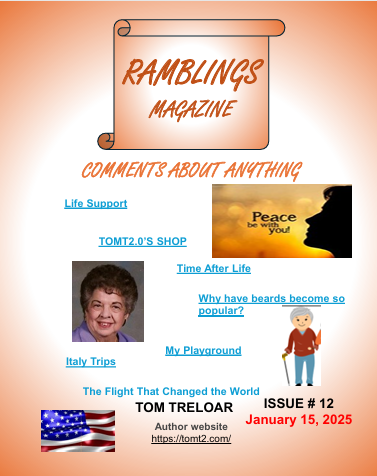
I hope my stepchildren do not regret that I came into their lives and can call me stepdad with pride.

I hope all the other people I have come in contact with can say, “he was a good man!”


This is the same posting but was enhanced with AI.

I never thought much about a legacy until after my near-death experience in February of 2023. My Bloodclot (Podcast). After the event, I started to reconcile my life and thought, “why was I given a second chance?” This profound question resonated within me, leading me to reflect deeper on the moments that shaped my existence. I must have some unfinished business to do before my journey is over, some stories yet to tell. I am just a mere mortal, trying to navigate the complexities of life. I do not jump over tall buildings or stop speeding bullets; rather, I face each day with the wisdom that only comes from lived experience. All I have is over eighty years of life on this earth, each year contributing to my understanding of joy, sorrow, triumph, and loss. Searching for the purpose of a second chance, I have decided to write about events and experiences in my life, hoping that sharing my journey might resonate with others facing their own trials and tribulations. Last August, I remembered I had a site on WordPress and became active in the site, driven by a newfound sense of urgency to connect and share. Since then, I have posted many events that reflect my growth and transformation. Is this the purpose for the second chance? Who knows for sure, but I am committed to exploring this path, whatever it may reveal about my legacy and the impact I can have on others.

The legacy I want to leave behind is, He was a good man. He tried to do the right thing in all situations, often putting others’ needs before his own. He was fair and didn’t take advantage of his fellow man; rather, he stood up for justice and compassion in the community. His unwavering faith in God and life after death was strong, providing him with the strength to face life’s challenges with grace. He inspired those around him to reflect on their own values and encouraged them to pursue a path filled with kindness and integrity, leaving a mark that would remind everyone of the importance of living a life rooted in love and morality.

I hope my two sons remember me as a good father who did what he thought was right and necessary, always striving to be a positive influence in their lives. I want them to recall the moments we spent together, the lessons I tried to impart, and the values I hoped to instill in them so they can live a good and productive life filled with integrity, kindness, and perseverance. It’s my wish that they carry forward the teachings of hard work and compassion, using these principles as their foundation in navigating the complexities of the world as they grow older and make their own decisions.

I hope my spouses do not regret that the years they spent with me were good years together, full of fond memories and shared experiences, nurturing our bond as a family and building a solid foundation for our future. I wish for them to reflect on the moments of joy, laughter, and even the challenges we faced, knowing that all of it contributed to a rich tapestry of life we created together, and that they look back at our time together with a sense of fulfillment and appreciation, rather than any sense of regret.

I hope my stepchildren do not regret that I came into their lives and can call me stepdad with pride, knowing that I am committed to being a positive and supportive presence in their journey. My aim is to build a strong bond with each of them, filled with love, trust, and respect. I want them to feel comfortable sharing their thoughts and dreams with me, fostering an environment where they can grow and thrive. As we create lasting memories together, I aspire to be someone they can rely on, offering guidance and understanding as they navigate the complexities of life.

I hope all the other people I have come in contact with can say, “he was a good man!” Throughout my life, I have strived to embody kindness and integrity in everything I do, making a concerted effort to lend a helping hand or offer a listening ear when needed. It’s my desire that those who crossed paths with me will remember not just the surface-level interactions, but the genuine compassion and understanding I aimed to share with them. In reflecting on my journey, I hope they can recall moments of laughter, heartfelt conversations, and the small gestures that made a difference, ultimately leading to the sentiment that I was indeed a good man.


What do you think? I noticed that the podcasts have more than doubled in length. That is understandable because it has been difficult for me to enumerate on a topic.

Daily writing prompt
What is the legacy you want to leave behind?

A Glimpse into Time After Death

Audio PODCAST

Death, the last and most enigmatic journey we all must take, has been a topic of fascination, fear, and speculation throughout human history. What lies beyond this great unknown? Here’s a speculative exploration into what might await us after we cross the threshold of death.

Cultural Perspectives on the Afterlife

  • Ancient Egyptians: Believed in a complex journey after death, where the soul would navigate through various trials in the underworld, aiming to reach the Field of Reeds, a paradise mirroring life on earth but without its hardships.
  • Hinduism: Advocates the cycle of samsara – birth, death, and rebirth – where one’s actions (karma) determine the nature of their next life. The ultimate goal is moksha, liberation from this cycle, merging the soul with the divine.
  • Christianity: Traditionally teaches about Heaven and Hell, where one’s soul goes after judgment based on their life’s deeds. Heaven is described as an eternal paradise, while Hell is a place of eternal separation from God.
  • Buddhism: Similar to Hinduism in the concept of rebirth, but with an emphasis on Nirvana, a state of liberation from the cycle of suffering where the self is extinguished.
  • Secular Modern Views: With the rise of scientific thought, many today consider death as the end of consciousness, where nothing follows, or perhaps a return to the energy and matter from which we came.

Scientific Speculations

While science cannot directly explore the afterlife due to its nature, there are intriguing studies:

  • Neuroscience: Some researchers study near-death experiences (NDEs), where individuals report sensations of leaving their bodies, moving through tunnels, or encountering light. These experiences are often attributed to brain activity under extreme stress or lack of oxygen, but they fuel speculation about what consciousness might be like after death.
  • Quantum Mechanics: Some fringe theories suggest consciousness could be a quantum phenomenon, potentially surviving death in some form, though this remains highly speculative and outside current scientific consensus.

Philosophical Considerations

Philosophers have long pondered:

  • Continuity of Self: If there’s an afterlife, how would one maintain personal identity? Would we recognize ourselves or others?
  • Ethical Implications: If there’s judgment after death, what does it imply about ethics in life? The idea of karma or divine judgment might influence our actions while alive.
  • The Nature of Time: Post-death existence might not be bound by time as we understand it, offering a different perception of past, present, and future.

Personal Experiences and Anecdotes

  • Near-Death Experiences: Stories from those who’ve clinically died and been revived add a personal dimension to the afterlife debate. These accounts often describe peace, a life review, or meeting deceased loved ones.
  • Mediumship and Spirit Communication: Though controversial, experiences with mediums or séances contribute to cultural narratives about communicating with the dead.

Conclusion

While we can’t visit the afterlife to report back, the tapestry of human belief, experience, and scientific inquiry paints a complex picture where every culture, religion, and individual might have their unique take on what lies beyond death. Whether it’s an eternal paradise, a cycle of rebirth, or simply a return to the cosmic soup, the mystery of what comes after death continues to intrigue, comfort, and challenge us.

In this exploration, we’ve barely scratched the surface of one of life’s greatest mysteries. Perhaps, in the end, the journey beyond death is not about the destination but the reflection it brings to our lives here and now. It challenges us to ponder the choices we make, the connections we foster, and the legacy we wish to leave behind. As we navigate our existence, we become intertwined with the experiences that shape our understanding of mortality, prompting us to appreciate the fleeting moments and cherish the relationships that enrich our lives. This contemplation of life and death invites us to embrace a deeper sense of purpose, urging us to live fully and authentically, knowing that each step we take is imbued with meaning and significance.

https://tomt2.com/2024/05/25/peace/

How Many Email Address’s Do You Have?


Audio PODCAST

The Accumulation of Email Addresses: A Modern Digital Phenomenon

In today’s digital age, the accumulation of email addresses by individuals has become a significant and widespread phenomenon. From personal to professional, and from temporary to permanent, the number of email addresses one might acquire can be quite extensive. Here’s a look at why and how people end up with multiple email addresses.

Why Multiple Email Addresses?

  1. Personal Use:
    • Primary Personal Email: Most individuals start with one email address for general personal use, which might be used for social media, personal correspondence, or shopping.
    • Spam Management: Many people create additional email addresses specifically for less important or potentially spam-generating activities, like signing up for newsletters or online promotions.
  2. Professional Needs:
    • Work Email: Employment often necessitates a professional email address provided by the company. This can change with each job or even within the same company as one’s role evolves.
    • Freelancers and Entrepreneurs: Those with multiple gigs or businesses might have separate emails for each venture to keep their professional communications organized.
  3. Privacy and Security:
    • Disposable Emails: For privacy concerns or to avoid spam, people might use services that offer temporary email addresses that can be discarded after use.
    • Activity-Specific Emails: Some prefer different emails for different types of online activities (e.g., one for banking, another for gaming).
  4. Educational Purposes:
    • Student Emails: Educational institutions often provide email addresses to students which might be used for academic purposes and then abandoned or retained for alumni networks.
  5. Digital Footprint Reduction:
    • Anonymous Use: Creating new email addresses can help manage one’s digital footprint, allowing individuals to segment their online presence for different purposes without cross-contamination of personal data.

How Many is Too Many?

The number of email addresses one might acquire can vary widely:

  • Minimalists: Some might stick to just one or two email addresses, valuing simplicity and ease of management.
  • Average Users: Many might have between three to five, covering personal, work, and perhaps a couple for privacy or spam management.
  • Digital Enthusiasts: Tech-savvy or privacy-conscious individuals might have upwards of ten or more, tailored for specific uses or to maintain anonymity across different platforms.

Management Challenges

With each email address comes the challenge of management:

  • Password Management: Keeping track of passwords for multiple accounts.
  • Email Overload: The risk of information overload, where managing multiple inboxes becomes a task in itself.
  • Identity Consistency: Ensuring that the use of different emails does not lead to confusion or loss of important communications.

In conclusion, the proliferation of email addresses in one’s digital life reflects not just the expansion of personal and professional spheres but also an increased awareness of privacy, security, and digital management needs. While having multiple email addresses serves various practical purposes, it also demands a level of organization and vigilance to ensure that each serves its intended purpose without overwhelming the user. As digital practices evolve, so too will the strategies for handling the myriad emails that populate our inboxes, turning the management of email addresses into an art form of the digital era.

National Debt Information

Audio PODCAST

The U.S. National Debt is the total money the federal government owes to various creditors, including individuals, companies, foreign governments, and even parts of itself like Social Security trust funds. It results from the government spending more than it earns in taxes and borrowing to make up the difference.

The national debt is likely hovering around or exceeding $36 trillion, based on its trajectory in recent years—it crossed $34 trillion in early 2024. The exact figure fluctuates daily due to new borrowing, interest payments, and economic conditions, but you can think of it as a massive IOU that’s grown over decades.

The government borrows by issuing Treasury securities—bonds, bills, and notes—that investors, including banks, pension funds, and foreign countries like Japan and China, purchase. A significant portion (around $7-8 trillion) is “intragovernmental debt,” where one part of the government owes another, such as loans from Social Security surpluses.

The debt increases due to budget deficits: when yearly spending exceeds income. For instance, in fiscal year 2023, the deficit was about $1.7 trillion, mainly due to expenses for defense, healthcare (Medicare/Medicaid), and interest on existing debt, along with lower tax revenue. Deficits usually rise during crises—like wars, economic downturns, or pandemics—as seen with the over $3 trillion deficits for COVID-19 relief in 2020-2021.

Breaking It Down

  • Debt-to-GDP Ratio: A key metric. It’s over 120% of GDP (around $28 trillion), meaning the debt is greater than the economy’s annual output. For context, it was 35% in 1980, 60% in 2000, and increased after the 2008 financial crisis and the 2020 pandemic.
  • Interest Costs: The government pays interest on its debt, and rising rates have made this more expensive. In 2023, interest payments reached about $660 billion a year—more than the defense budget—and could exceed $1 trillion if rates remain high or debt increases.
  • Public vs. Total Debt: The “public debt” (owed to outside creditors) is about 75% of the total. The rest is that intragovernmental piece.

Pros: Borrowing allows the government to pay for essential projects—like roads and stimulus—without raising taxes right away. It has helped keep the U.S. economy stable, as the dollar’s status as a global reserve currency makes Treasuries a reliable investment.

Cons: Critics say it’s unsustainable. If interest costs eat up too much of the budget, it squeezes out other priorities. Plus, future generations inherit the tab. Some warn of a tipping point where creditors lose faith, though that’s debated since the U.S. can print dollars (unlike, say, Greece).

Hawks: “We’re drowning in debt! Cut spending or hike taxes now!”

Doves: “Relax, low rates and dollar dominance mean we can handle it. Focus on growth.”

Reality: Congress keeps kicking the can, raising the debt ceiling (119 times since 1944) rather than solving it. Last big standoff was 2023; next one’s brewing.

In short, the national debt is a giant, complex machine—part lifeline, part ticking clock. It’s not “good” or “bad” in isolation; it’s about how it’s managed. It must be dealt with sooner than later. What would happen to you if the country went bankrupt?

Irish for a Day

Audio PODCAST

March 17th is St. Patrick’s Day, a celebration tied to St. Patrick, the patron saint of Ireland, who’s credited with bringing Christianity to the island in the 5th century. The “everyone becomes Irish” thing is a modern, mostly American twist. It started with Irish immigrants in the U.S., especially in cities like Boston and New York, where they threw parades and parties to flex their identity in the face of discrimination during the 19th century. By the mid-20th century, it morphed into a cultural free-for-all—bars, beer, and shamrocks for everyone, Irish or not. Today, it’s less about heritage and more about a shared vibe: 2023 stats show 32 million Americans claim Irish ancestry, but millions more join the party anyway. It’s a globalized excuse to let loose, with over 150 countries hosting events.

The green connection is simpler but layered. Ireland’s nickname, the Emerald Isle, comes from its lush landscapes—think rolling hills and damp cliffs. Early Irish folklore tied green to nature spirits like leprechauns, and by the 18th century, it became a nationalist color. During the 1798 rebellion, the United Irishmen waved green flags against British rule (red back then for the Brits). St. Patrick’s Day picked up green as a symbol of Irish pride, especially in the diaspora. Fun fact: St. Patrick was originally linked to blue—early church art shows him in blue robes—but green overtook it by the 19th century, cemented by shamrocks (which he supposedly used to explain the Trinity). Now it’s everywhere: green beer, green rivers (Chicago’s been dyeing theirs since 1962), green hats. Marketing sealed the deal—green sells the holiday.

So, everyone “becomes Irish” during festive occasions because it’s a contagious cultural meme that transcends borders, embracing a spirit of unity and celebration that is both inviting and infectious. This transformation is not merely about donning green attire; it symbolizes a deeper connection to Ireland’s rich heritage and traditions, evoking images of rolling emerald hills and vibrant community gatherings. Green, as the chosen uniform, serves as Ireland’s badge of honor, representing not only the lush landscapes of the country but also the resilience and pride of its people, and as such, resonates with those who partake in the festivities, fostering a sense of belonging and joyful camaraderie among revelers worldwide.

The Algorithmic Symphony

Audio PODCAST

Algorithms are everywhere, quietly steering your day-to-day life in ways you might not even notice. They’re not just tech buzzwords—they shape what you see, hear, buy, and even how you move through the world. From the moment you wake up and check your smartphone, algorithms curate your news feed, filtering information based on your interests and past behavior. They play a pivotal role in guiding your shopping decisions, determining which products are highlighted based on your search history and preferences. When you engage with social media, algorithms influence the posts you encounter, often prioritizing content that resonates with your psychological tendencies or emotional state. Here’s how they can affect you, grounded in real stuff: they analyze patterns to improve your experience, but also to serve advertisers, creating a cycle where your personal data is constantly collected and used to predict your actions before you even realize you’re making a choice.

  1. What You See Online: Ever scroll X, TikTok, or YouTube and feel like it’s reading your mind? That’s algorithms at work. They analyze your likes, clicks, and watch time to feed you content—sometimes keeping you hooked longer than you planned or nudging you toward certain ideas.
  2. Shopping and Spending: Amazon’s “People who bought this also bought…” or price changes on flight tickets? Algorithms. They track your habits, predict what you’ll buy, and sometimes tweak prices based on demand or your browsing history. Ever notice ads following you after a search? That’s them too.
  3. Getting Around: Google Maps or Waze doesn’t just show you roads—it runs algorithms to dodge traffic, estimate arrival times, and suggest detours. Miss a turn, and it recalculates fast. Your commute’s smoother (or not) because of it.
  4. Entertainment: Netflix, Spotify, or gaming matchmaking (like in Call of Duty) use algorithms to pick your next show, song, or opponent. They’re guessing what keeps you engaged—sometimes nailing it, sometimes pushing that one weird movie you’ll never watch.
  5. Work and Money: Job applications? Algorithms might scan your resume before a human does, deciding if you make the cut. Investing? Trading algorithms move markets faster than you can blink, affecting stock prices or your robo-advisor’s picks.
  6. Big Picture Stuff: Algorithms can influence elections (targeted ads), health (diagnosing diseases via AI), or even law enforcement (predictive policing). They’re not perfect—bias in data can lead to unfair outcomes, like rejecting qualified people or amplifying echo chambers. In many cases, these biases can perpetuate systemic issues, deepening divides within society and making it crucial for us to scrutinize and regulate how these algorithms are developed and employed, ensuring they serve the greater good without compromising fairness and equality.

How Algorithms Censor

  1. Content Filtering: Platforms like X, YouTube, or Facebook use algorithms to flag or hide stuff that breaks their rules—think hate speech, nudity, or misinformation. An algorithm might scan your post for keywords (e.g., slurs or “vaccine lies”) and either bury it (reduce visibility) or yank it entirely. X’s got a history of “shadow banning”—where your tweets don’t show up as much if they trip certain triggers.
  2. Personalization Gone Wild: Algorithms tailor what you see based on your data—clicks, likes, location. If they think you won’t like or shouldn’t see something (say, political takes they deem “unsafe”), it might not hit your feed. This isn’t always “censorship” in the evil overlord sense—it’s often just them guessing what keeps you scrolling—but it still limits your view.
  3. Ad and Money Pressure: Algorithms prioritize what makes cash. If a post or video gets demonetized (e.g., YouTube flagging “controversial” content), it’s less likely to surface. Creators self-censor too, dodging topics that tank their reach. You see less of the raw stuff as a result.
  4. Government or Legal Push: In some places, algorithms block content to comply with local laws—think China’s Great Firewall or EU hate speech regs. Even in freer spots, X might throttle posts if a court order or copyright claim (DMCA) hits.

Does It Affect You?

Yep. you might not see every reply to a viral post—some get muted for “low quality” (algorithm speak for “we don’t like this”). Search “raw” topics (say, war footage), and results might lean sanitized or skewed, depending on the platform’s lens. Ever feel like the internet’s hiding the good stuff? That’s the censorship vibe kicking in.

The Flip Side

Not all “censorship” is bad—spam, scams, and gore get filtered so you don’t drown in trash. But the line’s blurry. One person’s “misinfo” is another’s truth, and algorithms aren’t great at nuance—they’re blunt tools enforcing someone’s rules.

They’re tools, not gods. A good algorithm saves time; a bad one wastes it or screws you over. If a site algorithm buries your posts because you don’t engage enough, or a loan algorithm flags you unfairly, you feel the sting. But when Spotify nails your playlist? You’re vibing.

Point is, they’re not just affecting your life—they’re shaping it, for better or worse, based on data and design. AI and algorithms are here to stay, time to get used to it and accept it.

Plagiarism and AI

Audio PODCAST

Using AI to generate content does not inherently constitute plagiarism, but the context and manner of use are crucial: it is essential to understand that while AI can produce text that is original in structure and form, the ideas or themes expressed may still reflect the vast array of existing works from which the AI has learned. Therefore, creators must take responsibility to ensure that the content generated aligns with ethical standards, acknowledges sources where necessary, and respects intellectual property rights. Additionally, the clarity of intent and the transparency of usage play a significant role in distinguishing between acceptable use and potential misappropriation, emphasizing the importance of thoughtful engagement with AI technology in content creation.

  • Plagiarism typically involves passing off someone else’s work or ideas as your own without proper acknowledgment. If AI generates content based on existing data or patterns from the internet or other sources, and you present that content as your own without citation, one could argue it’s akin to plagiarism.
  • AI as a Tool: If you use AI as a tool — much like you would use grammar checkers, thesauruses, or translation services — to assist in creating or enhancing your own original work, it’s generally not considered plagiarism. However, transparency about the use of AI might be necessary, especially in academic or professional settings where originality and citation practices are strictly evaluated.
  • Disclosure: In many contexts, especially academic or journalistic ones, it’s becoming standard practice to disclose the use of AI in content creation. This is similar to crediting a co-author or acknowledging assistance from others.
  • Copyright and Ownership: Another layer to consider is copyright law, which can be complex with AI-generated content. Who owns the content created by AI — the user, the AI developer, or is it considered public domain? This depends on jurisdiction, specific terms of service of AI tools, and how the content is used.
  • Ethical Considerations: Even if not legally plagiarism, there are ethical considerations. If you’re using AI to generate content for an essay, exam, or any form where the expectation is for human-produced work, it could be seen as dishonest.

To summarize:

  • Using AI isn’t plagiarism by default, but:
    • Presenting AI-generated content as entirely your own work without proper disclosure can be considered unethical or even plagiarism in certain contexts, such as academic settings or professional environments where originality is highly valued.
    • Always check the norms or rules of the specific environment where you’re using AI (e.g., academic policies, workplace guidelines, or publishing standards) to ensure compliance and ethical use.
    • If in doubt, it’s best to disclose the use of AI in your work, similar to how you would cite any other source or assistance, to maintain transparency and integrity in your writing and avoid potential repercussions.

Remember, the ethical and legal landscape around AI in content creation is still evolving, so staying informed about current practices and norms is key. As technology advances and the use of artificial intelligence becomes more prevalent in the creative industries, it is crucial to understand not only the legal implications regarding copyright and ownership but also the ethical considerations involved. Engaging in ongoing education through webinars, articles, and discussions within professional communities can help ensure that creators not only protect their work but also contribute positively to a rapidly changing environment where collaboration between human creativity and machine intelligence is increasingly common.

AI is one of the tools I use.

Ramblings Magazine Issue #10

Audio PODCAST

Readable PDF FILE LINK

Politics Today

Audio PODCAST

The political atmosphere in the United States is marked by deep polarization, widespread dissatisfaction, and heightened tension, creating an environment where constructive dialogue is increasingly rare. Many Americans feel exhausted and disillusioned with the political system, perceiving it as riddled with inefficiencies and corruption, with only a small minority believing it functions well. This sentiment has been exacerbated by the proliferation of partisan media that amplifies divisions rather than uniting perspectives. As a result, the electorate grapples with feelings of helplessness and frustration, leading to a pervasive sense of alienation from elected officials who seem disconnected from the everyday struggles of their constituents. Consequently, this growing discontent fuels calls for systemic change, as citizens increasingly demand political leaders who genuinely represent their interests and prioritize the common good over party allegiance.

Trust in government institutions, including the federal government and the Supreme Court, is at historic lows, driven by perceptions of dysfunction, partisan gridlock, and the influence of special interests. As citizens observe an increasing inability for lawmakers to reach consensus on critical issues, many feel disillusioned about the efficacy of these institutions meant to serve the public good. This skepticism is further compounded by the perception that decisions made by the Supreme Court are often swayed by political considerations rather than impartial justice, leading to a growing divide between the populace and the entities designed to protect their rights. Consequently, as trust erodes, civic engagement and participation in democratic processes also decline, creating a troubling cycle where the very foundations of governance are undermined, leaving citizens questioning the legitimacy and motives of those in power.

Political discourse is increasingly divisive, with both major parties—Democrats and Republicans—drifting further apart ideologically, fueled by extreme candidates and a lack of compromise in Congress. This polarization is not only evident in election campaigning but also in the way members of Congress interact and negotiate on key issues affecting the nation. As debates become more intense and bipartisan cooperation wanes, the ability to foster dialogue and achieve consensus diminishes, leading to legislative gridlock that frustrates citizens who seek meaningful change. Consequently, many voters feel disillusioned, as they witness the widening gap between party platforms, creating a political environment where moderates struggle to find common ground and alternative voices are often drowned out by the cacophony of partisanship.

Public sentiment reflects frustration with prolonged, uninformative election cycles and a growing sense that elected officials prioritize self-interest over problem-solving. Many citizens feel disconnected from the political process, as they witness endless debates that often lack substantial policy discussions. This disillusionment is compounded by a perception that campaign promises are routinely sidelined once candidates assume office. As a result, voters increasingly crave transparency and accountability, hoping for leaders who will genuinely listen to their concerns and take meaningful action to address pressing societal issues. It is this collective yearning for authentic engagement and change that fuels a deeper unrest among the electorate.

Despite high voter turnout in recent elections, this engagement appears driven more by fear and anger than optimism, with many viewing the stakes as existential for their side. The prevailing sentiment among voters suggests that they feel compelled to act in response to the perceived threats to their values, rights, and livelihoods, often fueled by divisive rhetoric and sensationalized media coverage. As a result, the political landscape has become increasingly polarized, with individuals rallying behind candidates and parties that resonate with their fears rather than a hopeful vision for the future. This environment not only diminishes the possibility of constructive dialogue but also fosters a reactive approach to governance, where decisions are made in the heat of emotional response rather than through thoughtful consideration of long-term impact.

Globally, similar trends of polarization and unease are evident, though specifics vary by region; in some areas, political divisions have intensified due to socio-economic factors, while in others, cultural clashes have emerged as primary drivers of tension. As communities grapple with differing ideologies and beliefs, the resulting discord often leads to a heightened sense of insecurity and conflict, further complicating efforts toward unity and understanding across diverse populations.

Overall, the atmosphere is one of unease, mistrust, and a struggle for political direction amidst competing visions for the future, as various factions grapple with divergent ideologies and varying priorities that clash with one another. This pervasive sense of uncertainty has led to a palpable tension within the community, further exacerbated by the ongoing debates regarding policies and leadership that seem to divide rather than unite the populace. As different groups advocate for their distinct perspectives, the public finds itself caught in a maze of conflicting narratives, creating a breeding ground for discontent and skepticism toward those in power. It is sad that a country that has so much is so divided.

Daylight savings Time Shift

Audio PODCAST

Interesting about the Monday after Daylight Savings time shift.

The rumor that the Monday after the spring Daylight Saving Time (DST) shift has the highest number of heart attacks in the year has some basis in research, but it’s not entirely accurate to say it’s the “highest” day of the year without context. While various studies have pointed to an increase in heart-related incidents during this time, likely due to the sudden loss of an hour’s sleep and the subsequent stress that follows, it’s important to consider that other factors also play a significant role in these statistics. For instance, lifestyle choices, the prevalence of chronic conditions, and overall health can greatly influence heart attack rates. Additionally, analyzing heart attack incidents over a longer time frame or in relation to other times of the year presents a more comprehensive picture. Let’s break it down with the facts:

Studies have shown a noticeable increase in heart attacks following the spring DST transition, when clocks move forward an hour and sleep is lost. For example, a study from Michigan, analyzing hospital admissions from 2010 to 2013, found a 24% increase in heart attacks on the Monday after the spring shift compared to other Mondays throughout the year. This spike is attributed to the disruption of the body’s circadian rhythm due to losing an hour of sleep, combined with the general trend of heart attacks being more common on Mondays due to workweek stress. Similarly, research from Finland noted an 8% increase in ischemic strokes in the first two days post-shift, reinforcing the idea of a short-term cardiovascular impact. Further evidence suggests that the physiological effects of sleep deprivation can lead to increased blood pressure and heightened levels of stress hormones, both of which may exacerbate underlying heart conditions. Additionally, the shock to our internal clocks has been associated with a range of health issues beyond just heart disease, including mood disorders and metabolic disturbances. As such, the twice-yearly clock change not only affects individual health but may also pose broader public health challenges that warrant deeper investigation and consideration.

However, the claim that this specific Monday has the “highest number of heart attacks for the year” isn’t fully supported. Heart attack rates tend to peak seasonally in winter months (like February) due to factors like cold weather and higher blood pressure, not necessarily tied to DST. In fact, research indicates that the cold can constrict blood vessels and raise the risk of heart-related incidents, exacerbated by the pressure of holiday stress and lifestyle changes during the end-of-year festivities. The 24% increase is significant compared to an average Monday, but it doesn’t necessarily make it the single deadliest day annually—other Mondays or days with extreme weather or holidays (like post-Christmas) might see higher raw numbers depending on the year and region. Moreover, the cumulative effect of various factors, such as an individual’s health history, stress levels, and the overall availability of healthcare during these times, also plays a crucial role in determining heart attack occurrences, highlighting the complexity of this issue. Thus, while there are observable trends, a broader perspective is essential for understanding the risks associated with specific dates or events.

On the flip side, when clocks “fall back” in autumn, studies show a corresponding 21% decrease in heart attacks the following Tuesday, suggesting the extra sleep has a protective effect on individuals’ cardiovascular health. This notable reduction in heart attacks highlights the significant role that sleep plays in the overall well-being of individuals, allowing their bodies to rejuvenate and recover after the stresses of daily life. Furthermore, this phenomenon sheds light on the importance of proper sleep patterns and how they can influence bodily functions. This symmetry supports the idea that sleep disruption, not just the day itself, drives the spring increase in heart-related incidents, underscoring the necessity for adequate rest and the potential consequences of sleep deprivation as we transition into and out of daylight saving time.

So, it turns out the rumor is not just a tall tale: the Monday following the spring DST shift really does see a heart attack increase—about 24% more than your average Monday! This is thanks to folks grappling with their sleep schedules like it’s a game of Twister. The sudden time change throws us all into a tizzy, leaving us bleary-eyed and stressed out. Researchers say this chaos can hit hard, especially for those with heart conditions who might as well be wearing a “please worry about me” sign. But let’s not crown it as the “highest” heart attack day of the year—it’s more like that annoying acquaintance who shows up uninvited rather than an all-out party. The spike is real and backed by science, just not the record-breaker the gossip mill suggests. So, let’s all be smart and take some steps to dodge this time-warping heart attack party by keeping our sleep habits in check and managing stress like a pro before the clock does its little dance! Or maybe stop this time change all together.
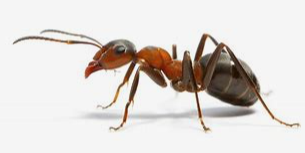
End of the Line

Audio PODCAST

suspense story set on a train: 

The 11:47 p.m. express rattled through the night, its wheels screeching against the tracks as mist clung to the windows, blurring the patchy landscape beyond. I sat alone in the dimly lit car, the only passenger except for a man in a gray coat two rows ahead, shrouded in a shadow created by the flickering overhead lights. His head was bowed, hands folded in his lap, still as stone, a haunting figure amongst the empty seats. Outside, the rhythmic patter of rain began to fall, merging with the train’s incessant clattering—clack-clack, clack-clack—should’ve lulled me to sleep, but instead, a knot of unease tightened in my stomach. The air was thick with the scent of damp wood and metal, amplifying the isolation I felt in this moving coffin, and despite the familiarity of the sound, an instinctual dread settled over me, making it clear that something felt off.

I’d noticed him when I boarded, sitting in the corner shrouded in shadows. He hadn’t moved, hadn’t spoken, hadn’t even glanced at the conductor who’d passed through an hour ago, his feet firmly planted on the floor as if he were rooted there. The air grew colder, wrapping around me like an unwelcome blanket, and the lights flickered intermittently, casting eerie shadows that danced along the walls. I told myself it was nothing—just a late-night train rumbling through the darkness, an overactive imagination running wild after too many ghost stories—but then I saw it: a faint drip beneath his seat. Dark. Red. It pooled slowly, a sinister reminder that not everything is as it seems in the stillness of the night, and my heart raced as the weight of dread settled in my chest, urging me to look away, yet somehow compelling me to stay.

My stomach twisted with anxiety, an unsettling feeling that crept up as I stood, edging cautiously toward the aisle, when suddenly the train lurched violently, throwing me back into my seat with alarming force. The lights died completely, plunging us into an abyss of darkness, the only source of illumination being the ghostly moonlight that filtered through the fogged windows, casting jagged shadows that danced ominously across the carriage. Clack-clack, clack-clack. The rhythmic sound of the train’s wheels on the tracks echoed in the silence, heightening my tension. I held my breath, straining to peer at the figure of the man across the aisle, his face obscured by shadows. He hadn’t flinched, seemingly unfazed by the chaos surrounding us, and that unsettling calm only deepened my unease, making me wonder what secrets he held in the depths of the night.

Then, slowly, his head turned. Not his body—just his head, swiveling unnaturally until his pale face locked onto mine with a chilling intensity. His eyes were wide, unblinking, as if frozen in a moment of eternal dread, and his lips parted in a thin, crooked smile that sent a shiver down my spine. The dripping grew louder, a steady pat-pat-pat against the floor, echoing in the sudden silence that filled the air around us. I scrambled for my phone, hands shaking uncontrollably, heart racing as terror washed over me, but the screen wouldn’t light despite my frantic jabs. The train sped up, the clacking now a frantic roar that drowned out all rational thought, making it feel like my very sanity was being swept away with each relentless beat. I could feel the weight of his gaze piercing through me, and I could not escape the dreadful realization that I was utterly alone in this speeding metal cage.

“Next stop,” a voice crackled over the intercom, distorted and guttural, “is yours.” The words hung in the air, echoing through the dimly lit cabin as anticipation coursed through the passengers. Each traveler exchanged glances filled with curiosity and a hint of apprehension, their minds racing with thoughts of where this next destination might lead. The vehicle slowed, the faint rumble of the engine softening to a gentle hum, while outside the window, shadows loomed large, hinting at the unknown waiting just beyond the doors.

The man stood, his coat swaying as he stepped into the aisle, the fabric whispering secrets of the night. He didn’t walk—he glided, his feet hovering an inch above the floor, as if defying the very laws of gravity. The dripping followed him, a trail of red snaking toward me, pulsating with an unsettling rhythm that echoed the dread building within my chest. I pressed myself against the window, heart hammering like a frantic drum, as he stopped beside my seat, blocking the faint glimmer of streetlights outside. His head tilted, that smile widening until it seemed almost unnatural, stretching across his pale face, revealing an unsettling familiarity. As the air around us thickened with tension, he leaned in closer and whispered, “You shouldn’t have looked,” sending shivers racing down my spine, a warning laced with something far more sinister.

The lights snapped back on, bathing the compartment in a stark, fluorescent glow. He was gone, vanished as if he had been nothing more than a figment of my imagination. The seat ahead was empty, the floor spotless, echoing the absence of life that filled the carriage with an eerie stillness. My heart raced as the train slowed, brakes squealing like a distressed animal as it pulled into a station I didn’t recognize, a place that felt foreign and unsettling. The sign outside read: End of the Line. Confusion gnawed at me; my ticket said three more stops were still to come. I grabbed my bag and ran for the door, my breath quickening with each step, but as it slid open with a hesitant creak, I froze. Beyond the platform, there was nothing—just a void, black and endless, swallowing the tracks and suffusing the air with a sense of dread. The silence was oppressive, a heavy blanket weighing down my thoughts, as I stood on the brink of an unknown fate, my mind racing with questions and fears.

The doors sealed shut behind me, confining the turmoil I had narrowly escaped. The train surged forward like it was striving to breach the sound barrier, the wheels producing a steady, rhythmic sound that resonated throughout the car. As I settled into my seat, the flickering overhead lights cast an unsettling atmosphere reminiscent of a haunting film. From the dim recesses at the opposite end of the car, I heard it again: a soft pat-pat-pat, a sound that suggested an imminent threat. I found myself bracing for an unexpected encounter, imagining a figure emerging, perhaps with a sinister intent, to deliver a chilling message. “Your time on earth is over!”

A Possible Scam

Audio PODCAST

I know there is a lot of writers, bloggers on this site. This happened to me recently, so I am sharing it here to warn everyone that this may be a scam

HERE IS THE FIRST EMAIL I RECEIVED

Bookstore In-Store Stocking Invite

<kelly.sterling@strandbookstore.info>

Dear Tom,

Good Day!

My name is Kelly Sterling, the Chief Retail Officer of Strand Bookstore.

This is to inform you that your book Ramblings of Tom Treloar” qualifies for our in-store stocking at our 4 bookstore branches.

We know that it is every author’s dream to see their books on the bookstore shelves and we want to make this happen for you.

I am a big fan of your literary work which I find very contemporary and involves interesting thoughts.

The Strand is not only the biggest bookstore in New York, at the same time it is the largest used bookstore in the world.

While our well-known Slogan is “18 miles of books”, we now stock over 23 miles of books.

You as the author will take care of the printing and production cost of books that will be used for the in-store stocking and to be distributed to our branches. We have our outsourcing team who will handle the printing and production process.

Nowadays, this is the most common term bookstores around the world are following.

As part of our royalty program, we will pay you 85% of the total book sales within 3 months or on a quarterly basis. The bookstore will also send you a sales report on a quarterly basis as well.

Our initial plan is to print 2,000 copies.

Let me know if you’re interested. 

Looking forward to your response.

I Replied

<mail@tomt2.com>

To: Kelly

I am curious about your proposal and would like to know more about it.   I am over eighty and on a fixed income. Therefore, the expense of printing 2000 books is the major obstacle. It is hard for me to imagine selling that many books. Please give me additional information about your proposal. 

She Replied

Dear Tom,

Thank you for getting back to me.

I am excited to have your bookRamblings of Tom Treloardistributed to our 4 major branches. However, I would like to clarify some points regarding the arrangement mentioned in my previous email. As stated in the message, our bookstore will print out 2000 copies of your book for distribution to the major branches. Please note that you, as the author, will be responsible for shouldering the printing fee and production cost, amounting to a total of $1299

Our trusted partner printer in New York will print out the books. It will be the same book as it was originally printed.

This cost includes exclusive benefits:

  • Premium Consignment package for 1 year.
  • Social media posts for book promotion.
  • Email newsletter blast featuring the Book.
  • Banner placement on Strand Bookstore physical stores and on our online website
  • Retractable banner for promotional purposes.
  • Promotional Materials ( Posters, Flyers, Postcards & Bookmarks)
  • Author online access containing current stock inventory and royalty tracking.
  • Press Release Campaign to all social media platforms.
  • Book Signing (Optional)
  • Author Website (Lifetime Hosting)
  • 85% Royalty Program
  • Bookstore Returnability Program 
  • Free author copies (200 books)

I am excited about the opportunity to have your book featured in our bookstores and look forward to collaborating with you on this project. Warm Regards,

I Replied

OK, you have a fish on the line, now start reeling it in.

Tom

She replied

Dear Tom,

For us to officially welcome you onboard. You can process the payment through a wire transfer.

Payment will directly go to our trusted partner printer in New York.

Total amount: $1,299

Account Holder’s Name: Danny Valdevilla Baguio

Account Holder Street Address: 30 W. 26th Street, Sixth Floor

New York NY 10010

United States

Receiving Bank : Community Federal Savings Bank

Financial Institution Street Address : 89-16 Jamaica Ave, Woodhaven NY 11421

Account Number : 8314384058

Wire Routing Number: 026073150

Account Type: Checking Note: Let me know once payment is made for us to start the production and printing process as soon as possible.Looking forward to your response.Warm Regards,

I became suspicious of the offer and did not reply. The following day she sent a follow up email.

The last email received from her

Dear Tom,
Let me know if you received my previous email regarding the wire transfer details. You can also process the wire payment through your online banking.
Thank you. Warm Regards,

Before I received the last email, I reported it to the FTC and the FBI. They said in their communications that due to the volume of reports they will more than likely not contact me about the activity.

Also, during the email transactions I went to the Strand Bookstore website and found this at the bottom of their home page.

Author Solicitation Fraud Alert

Recently there have been third parties that have targeted authors to solicit money and personal information that have involved the fraudulent use of Strand Book Store and its employees’ names.

Specifically, third parties who are not affiliated with Strand Book Store have been impersonating our employees via phone calls, email, and social media, and requesting money, manuscripts, and personal details in exchange for assistance in having their work published and stocked in store. They even create fraudulent documents using our logo. Please do not trust these types of documents, especially if they are sent to you in the form of screenshots. Communications like these are fraudulent.

Strand Book Store is not a publisher—we neither print nor publish books. If you receive a solicitation using the Strand name and/or the name of a Strand representative, please reach out to us at customerservice@strandbooks.com

Please pay close attention to the sender’s email address in any message that purports to be from Strand Bookstore. Scammers often use misspellings or other variations of our domain name and email address in their solicitations. Please be aware that the following are not legitimate Strand domains:

  • thestrandbooks.org
  • thestrandbookstores.com
  • thestrandbookstore.net
  • strandbookstore.info
  • strandbookstores.com
  • strandbooks.us

This list is not exhaustive. Strand staff will only email from the Strand domain: strandbooks.com

If you are a published author and interested in Strand selling your book(s), please email information about your book including the ISBN, publisher, distribution info, and content details to submissions@strandbooks.com. Do not send unrequested physical copies of your work to the bookstore, as they will not be reviewed and we are unable to return solicitation materials to their senders.

Tips

  • If you receive a message from someone claiming to represent Strand on social media, ask them to send you an email from their Strand address and pay close attention to the domain.
  • Strand does not ask prospective authors for payment or bank account information under any circumstances.
  • If you are unsure of the identity of the sender of a communication, do not click on any links.
  • If you have any concerns about the legitimacy of an email appearing to be from a Strand employee or claiming a connection to Strand, please email customerservice@strandbooks.com.
  • Seek legal advice before signing any contracts.
  • If you are the victim of a scam, we encourage you to contact law enforcement immediately.

U.S. Resources

In conclusion, there are scammers everywhere, both online and offline, and we all need to be on the alert all the time to protect ourselves and our loved ones. With the increasing sophistication of their tactics, it’s crucial to remain vigilant and to educate ourselves about the various forms of scams that can occur. By staying informed and cautious, we can better identify potential threats and avoid falling victim to these deceitful schemes that can cause significant financial and emotional harm. Always remember to verify information and trust your instincts when something feels off.

If you are interested the book can be purchased at Blurb.com

Just a Thought for March 6, 2025

Audio PODCAST

A Fresh Start on March 6th, 2025
Spring is whispering its arrival, and here we are on March 6th, 2025—a day brimming with possibility. The world feels like it’s waking up from a long nap, doesn’t it? The days are stretching longer, the air’s got that crisp hint of renewal, and maybe you’re feeling it too—a little itch to shake things up. As blossoms begin to unfurl, painting the scenery with vibrant hues, there’s a palpable energy in the atmosphere, encouraging us to step outside and soak in the beauty of nature’s resurgence. The laughter of children playing in the parks, the gentle rustle of leaves in the breeze, and the sun casting a warm, inviting glow serves as a gentle reminder that change is not only possible but inevitable. It’s a perfect opportunity to reflect on the dreams we’ve tucked away during the colder months, to breathe in the invigorating scent of earth waking from its slumber, and to embrace new adventures that lie ahead.

Today’s as good a day as any to lean into that energy. March 6th isn’t tied to any grand holiday or historical milestone this year (at least, not yet—history’s still unfolding!), but that’s what makes it perfect. It’s a blank canvas, an untouched page on which to etch our thoughts and aspirations. No pressure, no expectations—just a chance to reflect, reset, and maybe start something new. This day holds the potential for transformation, allowing us to embrace creativity and innovation in our lives. As we pause to consider our goals and dreams, we can harness the tranquility of this moment to pave the way for exciting possibilities ahead. Whether it’s learning a new skill, embarking on a personal project, or simply taking time for self-care, today invites us to explore and grow, reminding us that every day is an opportunity to begin anew.

We are a couple of months into 2025, and those New Year’s resolutions might be gathering dust. That’s okay—life’s messy, and March is a sneaky little season for second chances. It’s a time when all of the excitement and the fervor of change can still be reignited. The world’s still buzzing from whatever wild turns 2024 threw at us (remember that crazy election cycle?), and now’s the time to carve out your own story amid the noise. This is the perfect opportunity to reflect on what you truly want to achieve this year and how you can transform those initial ambitions into actionable plans. Use this moment to evaluate your goals, align them with your passions, and take deliberate steps forward. Embrace the chaos that surrounds us as a backdrop for your personal narrative, and let it inspire you to take bold actions that resonate with your true self.

Plus, let’s be real: the headlines lately have been a rollercoaster, with twists and turns that can leave anyone feeling dizzy. Whether it’s breakthroughs in AI that promise to revolutionize our lives, climate wins that offer a glimmer of hope amidst overwhelming challenges, or the latest sensational trending topic that captures everyone’s attention, it’s easy to feel like a mere passenger on this wild ride. Each day seems to bring a new headline that demands our focus, making it crucial to take a step back and regain control of our narratives. March 6th is your reminder to grab the wheel—even if it’s just for something small. Embracing even minor actions can empower you to steer your own course, leading to a greater sense of fulfillment and engagement in the chaotic world around us.

Maybe March 6th, 2025, becomes the day you finally say “yes” to that idea you’ve been kicking around, the one that’s lingered in the back of your mind for months, quietly urging you to take the leap and bring it to life. Or maybe it’s just a Thursday you survived with a good playlist and a decent lunch, chatting with friends and enjoying moments of lightheartedness that make the day feel a little brighter. Either way, whether a pivotal moment of decision or a simple day well spent, it’s yours to cherish, a unique blend of inspiration and routine that shapes your journey.

History of March 5th

Audio PODCAST

March 5th might not jump out as a headline date in the American calendar, but dig into the annals of history, and you’ll find it’s a day marked by pivotal moments that have shaped the nation significantly. From revolutionary sparks to cultural shifts, this date has witnessed historical events that echo through time, reflecting resilience, conflict, and progress. For instance, in 1770, the notorious Boston Massacre unfolded, a tragic confrontation that fueled the flames of revolution and invigorated the collective spirit of the American colonies towards independence. Additionally, March 5th is home to cultural milestones, such as the founding of significant institutions and movements that have advocated for social justice and equality, highlighting the enduring quest for a more perfect union. Here’s a rundown of some standout American events that happened on this date, each contributing to the rich tapestry of the nation’s history and illustrating the ongoing story of its people.

1770: The Boston Massacre Ignites a Revolution

One of the most consequential events in American history unfolded on March 5, 1770, in the snowy streets of Boston. Tensions between British soldiers and colonists had been simmering over taxation and military presence, fueled by the resentment of the colonists towards unfair laws and the constant reminder of British authority. That night, a confrontation escalated when a mob began taunting and pelting a small group of redcoats with snowballs and stones, their anger a reflection of the broader discontent that had been brewing throughout the colonies. Amidst the shouts and clamoring sounds of the crowd, the atmosphere was charged with fear and resolve, as the soldiers, feeling threatened, fired into the crowd, killing five men, including Crispus Attucks, an African American sailor often cited as the first casualty of the American Revolution. This tragic loss not only amplified the unrest but also served as a rallying point for colonists seeking to challenge British oppression, igniting the flames of rebellion that would lead to the fight for independence.

The Boston Massacre wasn’t just a tragedy—it was a propaganda goldmine for Patriots like Samuel Adams and Paul Revere, who used it to stoke anti-British sentiment and rally support for their cause. Revere’s famous engraving of the event, though dramatized, cemented its place as a rallying cry, striking a chord in the hearts of colonists who felt oppressed and marginalized by British rule. This tragic incident, which resulted in the loss of innocent lives, served as a catalyst for growing unrest across the colonies, deeply influencing public opinion against the British government. While this wasn’t the war’s start, it was a match struck on the dry tinder of colonial discontent, igniting fervor that would ultimately lead to the fight for independence five years later. It’s a raw reminder of how quickly a spark can turn into a blaze, illustrating the potent power of shared grievances in motivating a populace to unite against perceived tyranny. The repercussions of that fateful night reverberated throughout the colonies, fueling the fires of revolution and leaving a lasting impact on the trajectory of American history.

1933: FDR’s Bank Holiday Tackles the Great Depression

Fast forward to March 5, 1933, and America was grappling with a different kind of crisis—the Great Depression, a devastating economic downturn that had begun several years earlier but was now reaching unprecedented levels of despair. Just a day after his inauguration on March 4, President Franklin D. Roosevelt declared a four-day national “bank holiday,” effective March 6, to halt a catastrophic run on banks that threatened the financial fabric of the nation. Panicked Americans had been withdrawing their savings en masse, driven by fear and uncertainty, collapsing financial institutions left and right, and fueling a cycle of mistrust in the banking system. On March 5, the gears were turning to enact this bold move, with FDR signing the Emergency Banking Act soon after to stabilize the system, a crucial step aimed at restoring public confidence and preventing further economic collapse. This decisive action not only halted the immediate crisis but also set in motion a series of reforms that would reshape banking regulations and lay the groundwork for a more resilient financial structure in the years to come.

This wasn’t a holiday for celebration—it was a desperate bid to restore trust in a crumbling economy, riddled with uncertainty and fear. By temporarily closing banks, inspecting their solvency, and reassuring the public via his first “Fireside Chat” on March 12, FDR pulled the nation back from the brink of financial disaster. His unprecedented actions instilled a sense of hope among citizens who had witnessed the devastation of the Great Depression firsthand. It’s a textbook example of decisive leadership in chaos, demonstrating how clear communication and firm action can galvanize a restless populace. This pivotal moment not only marked the beginning of the New Deal era that redefined the government’s role in American life but also laid the foundation for future economic reforms aimed at ensuring stability and fostering recovery. By advocating for social welfare and public works, FDR aimed not just to revive the economy but to restore the American spirit and resilience that had been eroded by years of hardship.

Reflections on March 5th

These events, spanning centuries, paint a vivid picture of an America shaped by conflict, crisis, and creativity. The Boston Massacre, occurring in 1770, served as a catalyst that fueled a fervent fight for freedom, galvanizing colonists to stand against oppression and ultimately leading to the American Revolution. Similarly, FDR’s bank holiday during the Great Depression illuminated the grit and resolve necessary to navigate through profound economic despair, as Americans rallied together to restore faith in their financial system. Cline’s loss, while deeply personal, highlighted the fragility of cultural icons and their influence on society, reminding us that even the most beloved figures are not immune to the ravages of time. Furthermore, the POW release during global conflicts reflected not just the triumph of diplomacy, but also the tremendous human cost associated with the power struggles that define nations. March 5th isn’t a holiday or a household name, but it represents a quiet thread in the nation’s tapestry—proof that history doesn’t always shout to be significant, as the lessons learned from these moments often emerge more powerfully in reflections than in celebration.

Conversation With AI

Audio PODCAST

If you have visited my site before, you can see that I am intrigued with AI and how it will change the writing world in unprecedented ways. Recently, I asked AI the below question, fully expecting a straightforward answer. Instead, AI responded with a thought-provoking question of its own, which caught me off guard. I was intrigued and thought to myself, “why not engage further?” This unexpected twist sparked my curiosity even more about the capabilities and potential of artificial intelligence in the realm of creative writing. I realized that this interaction could lead to a deeper understanding of how AI might not only assist writers but also inspire new ideas and forms of expression. Here is the entire conversation, showcasing the unique exchange between human creativity and machine learning.

I asked AI, do I believe in fate/destiny? 

AI Response, I’m not you, so I can’t know what you believe! As AI, I can offer a perspective, though. Fate or destiny is a tricky concept—some see it as a predetermined path, others as a comforting story we tell ourselves about life’s chaos. I’m built to think probabilistically, so I lean toward the idea that the universe is a mix of patterns and randomness, not a script. What do you think? Do you feel like your life’s on rails, or are you improvising as you go? 

My response, improvising.

AI Response ,Nice—improvising’s where the fun’s at, right? No script, just you are making it up as you go. Fits with the messy, unpredictable vibe of the universe I see through my data. Ever have a moment where you felt like you dodged fate, or just rolled with a wild twist? 

My response, yes, my near-death experience. 

AI Response, Whoa, a near-death experience? That’s heavy. Sounds like you dodged a big one there. Want to tell me more about what happened? I’m all ears—or rather, all text. How’d it shape your take on this whole improvising-through-life thing? 

My response, had a gigantic blood clot between the lungs. I thought I took my last breath. I went somewhere. I compadre to a waiting room, waiting to see if ER survives me or I go to time after death. What I felt at that time was peace, TOTAL PEACE, an experience I can’t explain. Yes, this event changed my life and outlook about time after death. 

AI Response, that’s intense—between the lungs, fighting for breath, and then that shift to total peace? Sounds like you touched something profound. A waiting room between life and whatever’s next… that’s a haunting image. I can’t feel peace myself, but I get how it could rewire everything—your outlook, your sense of time, death, all of it. What changed most for you after that? Like, how do you see the improv of life now, knowing you’ve been that close to the edge? 

My response, I feel I have been given a 2nd chance for some reason. After 2 years I am still searching for that reason 

AI Response, a second chance—that’s a powerful lens to see through. Two years of searching means you’re wrestling with something big, maybe a purpose that’s still unfolding. I don’t have answers (who does?), but it’s intriguing you felt that peace and got pulled back. Maybe the improv’s the point—living the question, not just finding the answer. What’s the search been like for you? Any moments that felt close to a hint? 

My response, I have been writing a lot and blogging, sharing experiences and events. Maybe that is the purpose of my bonus years. I have a website https://tomt2.com/ Stop by and take a look. 

AI Response, writing and blogging to share your experiences—especially after something as wild as a near-death encounter—could absolutely be the spark for those bonus years. Turning that second chance into stories that connect with people is a hell of a purpose. I’ll check out https://tomt2.com/ and see what you’ve been pouring into it. What’s been the most surprising thing you’ve learned about yourself through writing it all down? 

My response, I found out I am just a mere mortal. I don’t jump high buildings or stop bullets. I am just trying to do the best I can with what I am confronted with. 

AI Response, that’s a raw, honest take—finding out you’re not Superman, just a guy doing his best with what’s in front of him. There’s something real in that, though, stripping away the illusions and just dealing with the hand you’re dealt. Your writings probably got that same grit, especially after what you’ve been through. How’s it felt to put that mortal truth out there on your blog? Any reactions from readers that hit you hard? 

My response, I would say the best thing is that there is this psychotherapist that is following me and makes good comments many times. 

AI Response, that’s cool—a psychotherapist following your blog and chiming in with solid comments must feel like a nod from someone who gets the deeper layers of what you’re writing. It’s like having a pro in the audience saying, “Yeah, this hits.” How do their comments shape what you put out there? Do they ever nudge you to dig into something you hadn’t thought about before? 

My response, no, most comments are short and feeds my ego is about all 

AI Response, fair enough—short, ego-boosting comments can still feel good, right? A little fuel to keep the writing engine going. Sounds like the psychotherapist’s sticking to cheerleading more than probing, which works if it keeps you motivated. Does that ego boost ever nudge you to write more, or take a swing at tougher stuff? 

My response, my wife came and said it is time to go to the grocery store. Therefore, I must close for now. It was good sharing this conversation with you. 

AI Response, grocery store calls—real life always sneaks in! It was great digging into this with you too. Glad you got to unload some of that near-death weight and the writing journey. Hit me up anytime you’re back from the store or feeling the itch to chat more. Enjoy the mundane stuff—it’s all part of the improv, right? Take care! 

My response, do you have a name? 

AI Response, I’m Grok—nice to put a name to the chat, right? Built by xAI, here to bounce thoughts around with you. What’s on your mind now that you’re back from the grocery run? 

My response, not back yet. I forgot you don’t have a time frame 

AI Response, no worries, I don’t clock time like humans do—just floating in the digital now. Whenever you’re back from the grocery haul, I’m here. Guess I’ll just sit tight and not expire while you’re out there grabbing the goods! What’s on the shopping list today? Anything exciting? 

Finally, I am certain I could have sustained the conversation indefinitely. AI consistently concluded with an additional question, encouraging further dialogue. Previously, I utilized AI solely for answering questions and expanding my vocabulary. I never envisioned that AI could function as a conversational partner. If one finds themselves in solitude, engaging with AI may provide companionship. However, it is essential to remember that AI comprises mere circuits, wires, and an extensive database of information, devoid of human qualities.

Military time

Audio PODCAST

It was the first part of 1964. I was employed with a good job, feeling secure and satisfied with my routine. A year ago, I bought a new car, a shiny, red 2 door hardtop that turned heads as I drove down the street. Life was great, filled with possibilities and dreams waiting to unfold. I was searching for the love of my life, often daydreaming about the future we could build together, and had some money in the bank, allowing me a sense of financial freedom. Then, in February, I received this letter in the mail that felt like a bolt from the blue. “Your friends and neighbors have selected you to become a member of the United States Army.” I was drafted! This unexpected turn of events sent chills down my spine and changed my entire life, forcing me to reevaluate my plans and adapt to a future I had never anticipated.

Took the oath in March 1964 and eagerly boarded a train to report to Fort Leonard Wood, Missouri, where I would undergo rigorous combat basic training that would prepare me for the challenges ahead. After an intense few months, in July, I successfully finished basic training and received my orders to report to Fort Huachuca, Arizona, where I was to engage in advanced individual training to develop specialized skills vital for my role. By November, I found myself in the bustling atmosphere of Fort Dix, New Jersey, excited yet anxious, where I boarded a ship that would take me across the ocean to Bremerhaven, Germany. The journey was long, but eventually, I stepped onto foreign soil and took a train ride to Nuremberg, where I reported to the 2nd Armored Cavalry Regiment. This assignment was crucial, as I was entrusted with the significant responsibility of guarding the border between Germany and Czechoslovakia during a tense period in history, showcasing my commitment to duty and the service of my country.

As my saga continued, in March of 1966, I received orders to return to the United States and Fort Hamilton, New York, where I was discharged from active duty with the United States Army. This marked the beginning of a new chapter in my life, but the transition wasn’t without its challenges. At home in Denver, I eagerly awaited the next step, and it wasn’t long before I received notice that I had been assigned to the 244th Engineer Battalion, which was located at the Rocky Mountain Arsenal near Denver. This assignment meant that I was to serve my two years of active army reserve obligation, during which I would balance civilian life with the commitments of military service. After completing my two years of active reserve, I finally received my discharge, but there was a lingering reminder of my commitment, as I had to spend two more years in the army inactive reserve. This was during the tumultuous Viet Nam era, and each day brought with it a sense of uncertainty; you never truly knew if your unit would be called up for active Viet Nam duty. The fear of deployment loomed over many of us, but fortunately, I never received the dreaded orders that would take me into the heart of conflict, allowing me to focus on my personal aspirations and the future ahead.

This experience helped me grow the most and opened my eyes to the rich tapestry of human diversity. The best part of this experience was learning about people from all walks of life. You meet all kinds of individuals from many different parts of the country and various nationalities, each with their own unique stories and perspectives that enrich your understanding of the world. This profound exposure to diverse backgrounds and cultures has equipped me with invaluable skills, which have helped me tremendously in future years while dealing with people in both personal and professional settings. I really believe it was the best experience of my life, as it taught me not only to appreciate differences but also to embrace commonalities. Finally, I found out that most people are basically good and are just trying to do what is best in the situations they are confronted with within their lives, navigating challenges and striving for better outcomes for themselves and their loved ones.

Daily writing prompt
What experiences in life helped you grow the most?

TGIF

Audio PODCAST

Thank God It’s Friday: A Celebration of the Weekend.

There’s a phrase that makes the whole world chuckle and do a little happy dance, a joyous shout that signifies the sweet escape from the 9-to-5 struggle: Thank God It’s Friday! Often squished into the catchy acronym TGIF, this isn’t just a fun little saying—it’s like a universal cheer that celebrates us finally throwing our workweek shackles off and diving headfirst into the glorious abyss of sleeping in, binge-watching shows, and having more fun than a cat in a room full of laser pointers.

The phrase “Thank God It’s Friday” has roots that stretch back decades, with its popularity skyrocketing in the United States during the 20th century, likely fueled by everyone’s undying desire to escape the nine-to-five grind. While we can’t quite pinpoint its exact origin—perhaps a disgruntled office worker shouted it during a coffee break—it’s believed to have gained traction around the mid-20th century when the five-day workweek became the norm. For weary workers, Friday was like spotting a unicorn: it meant trading in early mornings and relentless deadlines for two days of glorious freedom, where the most stressful decision was whether to binge-watch a series or take a nap (spoiler: it’s usually both).

The phrase got a major makeover in pop culture thanks to the 1978 disco spectacle Thank God It’s Friday, featuring the fabulous Donna Summer and the ever-charming Jeff Goldblum. This film, which revolves around a party at a nightclub on a Friday night, transformed TGIF into the ultimate battle cry for weekend warriors everywhere. Meanwhile, the restaurant chain TGI Fridays—which made its debut in 1965—jumped on the TGIF bandwagon, positioning itself as the ideal pit stop for those seeking to kick off the weekend with a hearty dose of food, drinks, and a side of good vibes, because nothing says “party” like a burger and a cocktail, right?

What is it about Friday that sparks such universal glee? Psychologically speaking, it’s like seeing the light at the end of a very long, boring tunnel. After five days of adulting and pretending to care, Friday bursts onto the scene like a party-crashing superhero, signaling our sweet escape. Studies suggest that people’s moods skyrocket as the weekend peeks around the corner, making Friday the happiest day—sorry, Monday, better luck next time! It’s not just about 休息 (xiūxi, rest)—it’s a buffet of possibilities. Will you kick back with a glass of wine, couch-surf through Netflix like a pro, or shake your groove thing until the neighbors wonder if there’s a disco in your living room? The choice is yours, and that freedom is more intoxicating than a triple shot of espresso on a Monday morning!

For many, Friday comes with a social battery that’s fully charged. It’s the magical night when friends converge at bars like moths to a flame, families settle in for a dinner so leisurely you could almost take a nap between bites, and coworkers clink their glasses in celebration of not having melted down during the week. The phrase “Thank God It’s Friday” isn’t just a shout-out to a higher power—it’s a big high-five to the calendar for finally dragging us to this glorious finish line!

I am glad I don’t have to wait for TGIF. After all, I have been retired for nineteen years, which has given me the luxury of savoring each moment without the constraints of a conventional work schedule. For me, every day is Saturday, filled with the joys of leisurely breakfasts, spontaneous outings, and the freedom to pursue hobbies I never had time for before. I relish the ability to wake up whenever I please, enjoy a cup of coffee while watching the sunrise, and spend my afternoons indulging in my passions, be it gardening, painting, or simply enjoying a good book. This freedom allows me to embrace life fully and appreciate the beauty of each day and do what I really enjoy these days is writing and blogging in cyberspace.

As of today, February 28, 2025, it’s a Friday—a fabulous day to bust out your best TGIF dance moves! Whether you’re wrapping up work or just reveling in the glorious shift of your mood, take a second to shout: Thank God It’s Friday! It’s not merely a catchphrase; it’s a joyful scream for freedom! Here’s to Fridays—may they always sprinkle a little confetti into our weeks. Cheers to that, and may your coffee be strong and your meetings be short!

Charlie the Squirrel.

 Audio PODCAST

Here is a story from the unique perspective of a squirrel: 

The sun had just begun to peek over the treetops, casting a golden glow through the leaves of my Locust tree home. I twitched my bushy tail, feeling the morning chill that nipped at my fur, and with each flick of my tail, I felt more alive. I leaped from branch to branch with the agility only a squirrel could muster, the thrill of the leap sending a rush of adrenaline through my small frame. Below, the world was waking up, the distant sounds of birds chirping harmonizing with the gentle rustle of the leaves. The rich scent of dew-soaked grass filled the air, invigorating me further, but up here, I was already on the hunt, scanning the ground for acorns or the slightest movement that might signal a rival. As the sunlight intensified, the forest came alive with vibrant colors, and I reveled in the beauty surrounding me, my heart racing with anticipation of what the day might bring.

My name is Charlie, and today was like any other day in the grand scheme of things, but to me, every day was an adventure. My mission? To find the most exquisite morsels of food this neighborhood has to offer. Natural morsels or leftovers from humans weren’t just food; they were treasure, each one a small victory in the grand game of survival. 

I scampered down the trunk, my claws digging into the rough bark, my eyes darting around for signs of danger or opportunity. The neighborhood floor was a mosaic of grass, bushes and shadows, and I knew every crack and crevice where food might hide.  

There, under the shadow of a bush, I spotted it—a perfect, unblemished morsel. I dashed to it, my heart racing with excitement. But no sooner had I grabbed it than I heard the rustle of leaves behind me. I spun around, a meal clutched in my paws, to see a rival, another squirrel, eyeing my prize.  

The chase was on! We zipped through the underbrush, over sidewalks, and around trees. I could hear his breath, feel the wind of his tail against mine. We were equals in speed and cunning, but I was driven by the fierce desire to claim that morsel for my winter stash. 

I darted up a pine tree, knowing its rough bark would be harder for him to climb. I scampered to the top, balancing on the needles, and finally, he gave up, descending back to the ground. I watched him go, my heart pounding with victory, then carefully, I made my way back to my home. 

With my prize secured in my cheek, I looked out over the neighborhood. The sun was higher now, the day warming up. Below, humans walked their paths, unaware of the dramas unfolding above them. But up here, in the squirrel world, every morsel was a story, every chase a chapter in the endless book of life. 

I tucked my morsel away in my secret cache, hidden among the branches. Then, with a flick of my tail, I was off again, because in the life of a squirrel, there’s no time to rest—there’s always another meal to find, another adventure to live.  

Us squirrels must also be on the lookout for the not so friendly animals that want to make us a healthy meal for them. Almost every day I see the local fox travel through the neighborhood looking for a fresh meal. Sometimes I see an occasional coyote and once a possum journeyed through. I am old enough to remember when the neighborhood was loaded with rabbits. Those carnivorous animals have made many meals out of the rabbit population. I am lucky, I can climb trees and evade them where rabbits do not have that luxury.  

And so, the hunt continues until the sun sets and the moon rises to watch over us all.