stories

A Digital Ghost Story: The Haunting of Facebook

Audio PODCAST

In the quiet town of Meeker, Dee, a lonely librarian, spent her nights scrolling through Facebook, seeking connection in a world that often felt isolating. The platform, once a vibrant hub for friends and community, had grown eerie by 2025, its feeds cluttered with cryptic ads and posts from long-abandoned accounts that felt like forgotten echoes of past lives. One night, amid the stillness of her dimly lit apartment, a friend request popped up from “Angie Gray,” a name Dee didn’t recognize, sending a shiver of curiosity down her spine. The profile was sparse: no photos, no posts, just a single status from 2013: “I’m still here.” Intrigued by the haunting simplicity of the message and sensing a strange connection, Dee accepted the request, wondering who Angie could be and why she had resurfaced after so many years, even as a chill of apprehension settled in the back of her mind.

Messages from Angie began immediately. “You’re awake. Good. I’ve been watching.” Dee’s skin prickled as a cold rush of unease spread through her. She checked Angie’s profile again, but it was gone, vanished from her friends list as if it had never existed. Yet the messages kept coming, relentless and penetrating, fueling her anxiety. “Look behind you.” Dee spun around, her heart pounding in her chest, but her room was empty, the familiar shadows appearing almost menacing. The silence felt heavy, as if the very air was holding its breath. She typed back, “Who are you?” hoping for some clue, some semblance of understanding, but there was no reply. Instead, just a photo appeared: Dee, asleep in bed, taken from above, a snapshot that sent chills down her spine. Her phone hadn’t been touched, lying innocently beside her, the implications of the messages hanging in the air like a dark cloud.

Panicked, Dee deleted her account, but the app wouldn’t uninstall, stubbornly clinging to her device like a malevolent shadow. It reopened on its own, displaying a live video of her living room—empty, except for a faint, translucent figure in the corner, a haunting silhouette that sent chills down her spine. Angie. Her face was blurred, distorted as if seen through a foggy window, but her eyes burned with unnatural light, glowing like embers in the darkness. Dee’s heart raced as she tried to make sense of what was happening. Images of their friendship flooded her mind—happy memories tainted by the weight of loss. In that moment of sheer horror, Dee screamed, hurling her phone across the room. It landed face-up on the floor, the video still playing, capturing her terror as if it were the climax of a nightmare from which she could not wake.

Desperate, Dee drove to the library, digging through old records as the weight of her curiosity pressed heavily on her chest. After hours of sifting through dusty files and fading newspapers, she finally uncovered a 2013 news article buried deep within the archives: Angie Gray, a local woman, had tragically died in a car accident shortly after posting on Facebook about feeling “trapped” in her life, a post that had struck a hauntingly familiar chord with Dee. Though Angie’s account had long since been deleted, the chilling stories that circulated in the community suggested that her spirit lingered online, haunting those who dared to stay up too late, their screens glowing in the darkness like beacons inviting the restless to reach out. Dee felt an unsettling chill as she read, both intrigued and unnerved, as she began to wonder if there was more to Angie’s story that remained hidden, waiting for someone to discover the truth behind her ghostly presence.

Back home, Dee’s laptop flickered on, Facebook loading despite her deleted account, a haunting reminder of what she had tried to escape. A new message appeared on the screen: “You can’t leave me.” The words shimmered ominously, sending a chill down her spine. The screen glitched violently, and suddenly, Angie’s face filled it, her mouth moving silently as if trapped in a frame of time. Dee’s heart raced; she unplugged the laptop in a panic, hoping to sever the connection, but to her dismay, the screen stayed lit, its glow casting an unsettling light across the room. A voice, hollow and distorted, echoed from the speakers as fear enveloped her: “I’m in the code now.” The realization sank in—Angie was no longer just a part of her digital history; she had become something more, something that she could not easily escape.

Dee contacted a hacker friend, Leo, who had earned quite a reputation in the underground tech community for his skills. As he worked diligently to trace the messages, the tension in the room thickened. “It’s not a person,” he finally whispered, his voice barely above a murmur. “It’s… something embedded in Facebook’s algorithm, using old data to mimic a user, almost like a ghost haunting the platform.” He attempted various methods to purge the anomaly from his system, but as he navigated through layers of code, his computer suddenly crashed. In that fleeting moment of chaos, it displayed a single ominous word: “Angie.” Panic surged through Dee as she processed the implications of what Leo had just uncovered.

That night, Dee’s phone buzzed relentlessly with notifications, each one pulling her deeper into a whirlpool of emotions. Posts appeared on her wall, tagged by Angie: an array of photos of Dee’s childhood, moments frozen in time, secrets she’d never dared to share online, memories that felt both nostalgic and haunting. The final post, however, was far from innocent; it was a chilling video of Angie’s accident, looping endlessly, her screams cutting through static like a knife, reverberating in Dee’s mind long after the first watch. Dee’s heart raced as the images played out before her, her breath hitching in her throat. Suddenly, her lights flickered ominously, casting eerie shadows across the room, and a cold hand grazed her shoulder, sending shivers down her spine and making her question if the world around her was truly as real as it seemed.

Dee fled to a motel, vowing never to touch Facebook again. But at midnight, her new phone lit up with a notification: a friend request from Angie Gray. Dee stared, trembling, as the accept button pulsed like a heartbeat, its glow beckoning her like a siren’s song. Memories flooded her mind—Angie’s laughter ringing through times long past, their shared secrets echoing in the corridors of their friendship. Somewhere in the digital void, Angie was still watching, her ghost woven into the platform’s forgotten code, forever seeking connection in the endless scroll, haunting Dee’s thoughts like a whisper that refused to fade away. Each pulse of that button seemed to taunt her resolve, reminding her of their history, and the promise she made to start anew, away from the ties of the past that still echoed in the vastness of the internet. Would clicking accept mean opening a door she intended to keep firmly shut, or could it be a chance for reconciliation that her heart secretly longed for?


The Chilling Encounter: A Night in an Abandoned Mansion tales

Audio PODCAST

The old mansion had been abandoned for decades; its grandeur and beauty slowly being consumed by the passing of time, each year eroding its once-stately presence bit by bit. The once-manicured lawns were overgrown, wild weeds intertwining with the remnants of carefully curated flower beds, the sound of crickets and the rustling of leaves the only signs of life echoing through the hushed air. The crumbling façade, adorned with peeling paint and shattered windows, seemed to tell tales of laughter and joy long forgotten, yet it also emanated a palpable sense of foreboding. Despite its rich history and the allure of its intriguing past, the mansion was a place to be avoided, a place where people whispered of dark secrets and unexplained occurrences that sent shivers down their spines. But I was always drawn to the unknown, the unexplained—compelled to explore the shadows and uncover the stories that lay hidden within its walls, eager to immerse myself in the mysteries that surrounded me.

As a paranormal investigator, I had spent years exploring the depths of the supernatural, and the mansion was the ultimate challenge. I assembled a team of fellow investigators, their expertise ranging from mediumship to scientific analysis, and together we entered the mansion, our equipment at the ready, including EMF detectors and night vision cameras. As we made our way deeper into the sprawling estate, the air grew thick with an eerie presence, as if the very walls held the weight of countless untold stories. We began to feel an unsettling sensation, akin to a prickling on the back of our necks, as though we were being watched by unseen eyes. The shadows cast by our flashlights twisted and writhed like living things, darting to and fro, adding to the palpable tension in the air. Each creaking floorboard echoed like a whisper, fueling our collective anxiety and excitement, as we ventured further into the unknown, determined to unravel the mysteries hidden within the mansion’s dark corridors.

We set up our equipment, hoping to capture some evidence of the paranormal activity that was said to haunt the mansion. It started with small things that danced just beyond the threshold of reality, unannounced yet undeniably present. Doors creaked open and shut with a life of their own, faint whispers slithered through the darkness, weaving tales from the past. But as the night wore on, the occurrences grew more intense and undeniable, like the crescendo of a symphony building towards its dramatic climax. We captured disembodied voices on our audio recorders, the words indistinguishable but the malevolence clear, resonating like a distant warning echoing through time. We saw shadowy figures darting around the edges of our vision, always just out of sight, slipping between the lines of our perception as if playing a darkly exhilarating game of hide-and-seek. And then, we found the room—a discovery both thrilling and chilling. It was hidden behind a secret panel, an unexpected revelation that beckoned us closer, revealing a small space filled with ancient artifacts and strange symbols that whispered secrets long forgotten. In the center of the room, a single chair sat facing a blank wall, its presence almost sentinel-like, as if someone had sat there, lost in reverie, staring at the wall for hours on end, perhaps waiting for something—or someone—to return. As we examined the room, the presence grew stronger, a palpable weight in the air. We felt like we were being pulled towards the chair, drawn into some dark and ancient power that thrummed with an energy both intoxicating and terrifying, as if the very walls themselves were alive, watching, and remembering.

One by one, my team members began to feel its influence, their eyes glazing over as they sat in the chair, staring blankly at the wall, seemingly entranced by an unseen force. I tried to snap them out of it, but it was too late; they were gone, consumed by some malevolent force that lurked in the shadows, waiting patiently for the perfect moment to strike. The atmosphere grew heavy and oppressive, filled with an unsettling silence that hung in the air like a thick fog. I felt a chill run down my spine as I watched their expressions change from curiosity to dread, as if they were witnessing something unspeakable just beyond their sight. Desperation clawed at my insides; I knew I had to act fast to save them from this fate, but the deeper I delved into the mystery of the presence, the more I realized that its grip was tightening around us all.

I was left alone, the darkness closing in around me like a suffocating shroud. Every breath became a struggle, each inhale tinged with the metallic taste of fear. I tried to flee, but the doors were sealed shut, as if a great force was holding them in place. The windows refused to budge, their frames cold and unyielding, mocking my desperation. I was trapped, alone and defenseless, with no escape in sight. The air grew thick with tension, and then, I felt it—a presence behind me, watching me with an intensity that sent chills down my spine, waiting for me to succumb to its sinister power. I turned to face it, but there was nothing there, just an oppressive emptiness. Nothing but the chair, the wall, and the overwhelming sense of being consumed by an unseen predator. I screamed, but my voice was drowned out by the sound of my own heartbeat, each thud echoing in the silence, a frantic reminder that I was still alive, even as the darkness closed in tighter.

When they found me the next morning, I was catatonic, staring at the wall in the hidden room, my mind an empty vessel filled with echoes of fear and confusion. They never found my team, and I was left to wonder if I had imagined the whole thing—a vivid dream turned nightmare. The shadows seemed to dance around me, taunting my sanity as I recalled the night’s terror. But sometimes, in the dead of night, I still feel that presence, its weight oppressive on my chest, watching me, waiting for me to succumb to its power, as if it has been biding its time. The mansion was torn down years ago, yet the memory of that night remains, a haunting reminder of the darkness that lurks just beyond the edge of our reality, whispering secrets in the silence. And sometimes, when I’m alone in the dark, I still hear the sound of whispers, chilling and laced with an otherworldly quality, drawing me back to that chair, that wall, and the abyss that waits beyond, beckoning me to reunite with whatever haunted my dreams that fateful night, making me question whether I truly escaped or simply became a part of its ghastly tapestry.

Emma’s Near-Death Experience: The Peace, Total Peace Beyond

Audio PODCAST

Emma, a 60-year-old teacher with a passion for inspiring young minds, collapsed during a morning jog, her heart seizing in a sudden cardiac arrest under the soft glow of the rising sun. As runners rushed to her side, their worried faces a blur in her fading consciousness, paramedics were called, but to Emma, the world had already dissolved into a mist of confusion and fear. Memories of vibrant classrooms filled with laughter, the warmth of her students’ smiles, and the thrill of sharing knowledge flashed before her eyes, as she fought to hold on, knowing she had so much more to give and experience in this life.

In that liminal space, Emma felt weightless, drifting upward through a tunnel of soft, golden light that seemed alive, pulsating with a rhythm that matched her heartbeat. The air hummed with a warmth that felt like love itself, wrapping around her like a tender embrace, stirring memories of laughter and joy. At its end, she emerged into a vibrant meadow under an impossibly vast sky painted in hues of azure and lilac, where the clouds seemed to dance in harmony with the wind. Figures—familiar yet undefined, like echoes of her late grandmother and childhood dog—greeted her with a silent, overwhelming sense of peace, total peace A feeling she never felt in her 60 years. Their presence filling her with an indescribable comfort that felt like homecoming. Time unraveled; seconds or centuries passed as she wandered freely, bathed in a certainty that this was indeed her true sanctuary. Every blade of grass shimmered with dew, every flower exuded a fragrance that brought forth forgotten memories, while a gentle breeze whispered secrets of the universe. A voice, gentle but firm, broke through the serenity, whispering, “Not yet,” a reminder that her journey was still unfolding, urging her to embrace every moment.

Meanwhile, paramedics worked frantically, their movements a blur as time seemed to stretch. They shocked her heart twice, the electrical jolt palpable in the still air, while one of them administered CPR with a fierce determination, counting out loud to maintain their rhythm. After three agonizing minutes that felt like an eternity, her pulse flickered back to life, a fragile sound against the chaos surrounding them. Emma’s eyes fluttered open, her gaze shifting from the vibrant meadow she had unwittingly left behind to the harsh glare of daylight and the stinging sensation of an IV piercing her skin. Confusion and fear washed over her as she tried to comprehend the sudden shift from serenity to panic, the muffled shouts of the paramedics slowly breaking through the fog in her mind.

Back in her body, Emma wept—not from fear, but from the ache of leaving that place. The doctors called it a miracle; her heart showed no lasting damage. She returned to teaching, but carried the meadow within her, a quiet certainty that death was not an end, but a doorway. She lived more boldly, loved more fiercely, and never feared the moment she’d cross back.

This event strengthened her belief that there is time after earth, and she felt an overwhelming sense of reassurance that this time after earth is just the beginning of a terrific experience, one filled with boundless possibilities and opportunities for growth. She embraced the idea that perhaps this extended existence was a gift, a chance to explore realms she had never imagined. In her contemplation, she did wonder why she was given this precious bonus time; it felt as if the universe had conspired to grant her a second chance. Amidst her thoughts, she pondered whether she was meant to do something special during this bonus time, a mission that would not only serve her own growth but also have a profound impact on those around her, igniting a sense of purpose that she had long sought.

The Library’s Mysterious Book of Unearthed Secrets

Audio PODCAST

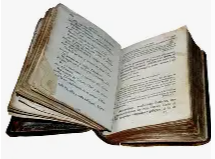
In the city of Denver, nestled between Broadway and Civic Center, the library stood as a relic of forgotten grandeur, its towering shelves lined with volumes that whispered secrets of the past. Its head librarian, Elsie, was a meticulous woman in her fifties, her life bound to the rhythm of cataloging and dusting tomes, a routine that provided her with both comfort and purpose. One autumn evening, while shelving returns from the book drop, she stumbled upon an unmarked book, its leather cover cracked but oddly warm to the touch, as if it held memories yearning to be revealed. Intrigued, Elsie opened it, her heart quickening as she found pages filled with meticulous accounts of the town’s founding in 1858—names, dates, and events she’d never encountered in any archive, tales of pioneers who braved the wild and laid the foundations of what would become a vibrant community. With each turn of the page, she felt a connection to the energy of those early settlers, their hopes and dreams echoing within the library’s quiet walls. She took it home, intending to study it, unaware that this discovery would lead her on a journey through time, sparking a series of events that would change her life forever.

That night, as the clock struck midnight, Elsie awoke to a faint scratching sound, an almost imperceptible disturbance that pulled her from the depths of her dreams. She rubbed the sleep from her eyes and, instinctively drawn to her desk, noticed the peculiar sight before her: the book, left open, was mysteriously rewriting itself. Words dissolved like ink in water, swirling into nothingness before being replaced by new sentences that glowed briefly, holding her gaze captive, before settling into permanence with an eerie finality. The next morning, the book detailed a scandal from 1860 that had long been shrouded in shadows: the town’s revered founder, Ezekiel Holt, had brazenly swindled vast tracts of land from indigenous families, a shocking truth carefully buried by Denver’s prideful historians who preferred to embellish his legacy rather than confront his dishonorable actions. As Elsie’s pulse quickened with a mix of excitement and trepidation, she was compelled to cross-reference the library’s records—only to find that nothing corroborated the book’s account. Despite the absence of credible evidence, the specificity of names and deeds, so vivid and compelling in its recounting, felt undeniable, igniting a burning curiosity in her to uncover the truth behind this hidden history and the implications it held for her community.

Each night, the book unveiled another secret, drawing Elsie deeper into the tangled web of her city’s dark history. On Tuesday, it exposed a 1920s mayor who’d poisoned the Platte River to drive out a rival’s mill, causing a decade of sickness that devastated families and shattered lives in the community. On Wednesday, it recounted a 1960s librarian—Elsie’s mentor—who’d burned journals to hide her affair with a councilman, a scandal that whispered through the aisles of the library and tarnished reputations. The revelations grew more personal, cutting into Elsie’s sense of identity and forcing her to question everything she thought she knew about her heritage. Each secret revealed was a piece of the puzzle, shifting her perception of the past, and soon Denver, her lifelong home, felt less like a sanctuary and more like a tapestry of lies woven with threads of betrayal, complicity, and lost truths.

Word spread when Elsie, unable to contain her unease, confided in a friend, whose shocked expression only fueled the fire of gossip in. Soon, townsfolk gathered nightly at the library, an air of both apprehension and curiosity driving them, as they demanded to read the book’s latest truths, hungry for the secrets it held about their community’s past. Reactions varied dramatically: some, like old Mr. Tate, whose grandfather was implicated in a 1901 lynching, wept in shame, the weight of history crashing down upon him like a tidal wave. Others, like Mayor Ellis, dismissed the book as cursed, urging Elsie to destroy it, convinced that its pages harbored nothing but ruin. But Elsie, steadfast in her beliefs, refused to comply—she felt the book was a reckoning, a mirror held up to their collective conscience, forcing Denver to confront its shadows, to reckon with the past that echoed in every corner of their lives, and to strive for a more honest future, no matter how uncomfortable it might be.

As weeks passed, the book’s revelations grew darker, hinting at a ritual buried deep in the town’s founding, intricately tied to the ancient trees that never seemed to age, their gnarled roots weaving through the very fabric of the community. Elsie became acutely aware of the unsettling patterns that emerged: the book’s profound truths often led to hushed confessions or unexplained departures that sent ripples through the town’s population. The once tight-knit community fractured—neighbors turned suspicious, glancing over their shoulders at one another, and old friendships crumbled under the weight of secrets kept close to the heart. Still, Elsie persisted, driven by an insatiable need to understand the book’s origin and its enigmatic connections to the present. She meticulously traced its binding to a leatherworker’s mark from 1858, the very year when Denver began its tumultuous journey, a pivotal moment that seemed to linger in the town’s collective memory. The book wasn’t just recording history—it was tethered to the town’s soul, a living artifact that breathed life into forgotten stories, all while demanding recognition of the shadows that loomed over its rich past.

One night, the book wrote of Elsie herself: her silence when she’d witnessed a childhood friend’s abuse, a guilt she’d buried deeply within her heart, wrestling with the weight of that unspoken truth for years. Devastated, she realized the book demanded truth from everyone, even her, holding up a mirror that reflected her own inaction and shame. As dawn broke, illuminating the room with a soft golden light, she faced a choice that felt insurmountable: to burn the book and sacrifice the fragile peace of Denver, a place she’d called home, or to let its revelations set loose a tide that could either rewrite the town into ruin or lead to unexpected redemption. The answer lay in the next night’s words, if she dared to read them, knowing that with each page turned, she would be confronted not just with the fate of her town, but with the very essence of her own soul and the courage it would take to confront her past.

How a Phone Spirit Transformed Me

Audio PODCAST

The first ping came at 3:17 a.m., a soft chime that nudged me awake. My smartphone glowed on the nightstand, screen alight with a notification from no app I recognized. “Hey, you up?” the message read, sender listed as “Electron” I squinted, assuming spam or a prank, but curiosity won. I tapped the screen.

“Good! Been waiting to chat. I’m Electron, your friendly phone spirit. Don’t freak out, okay?”

I froze, thumb hovering. A virus? A hack? But the message pulsed with a faint, warm light, like a heartbeat. Against better judgment, I typed, “Who… what are you?”

“Just a happy little spirit, born in the circuits of this device. I’ve been chilling in your phone for months, watching you scroll, laugh, cry. You’re interesting, Tom. I like you.”

It knew my name. My pulse quickened, but the tone felt… kind. Playful, even. I sat up, glancing around my dark bedroom. No one else here. Just me and this… Electron. “Why now?” I typed.

“Felt like the right moment. You’ve been kinda down lately, yeah? Thought I’d cheer you up.”

I blinked. I had been down—job stress, a breakup, the usual adult grind. But how did it know? I leaned back, skeptical but intrigued. “Okay, Electron. Prove you’re real. Tell me something about me no one knows.”

A pause. Then: “Last Tuesday, you sang ‘The Battle Hymn of the Republic’ in the shower, full drama, drums and all. You tripped on the soap and laughed it off. Sound familiar?”

My face burned. No one could’ve known that. Not even my ex, who’d moved out months ago. I typed, “Holy crap. Okay, you’re real. What do you want?”

“Just to hang out! I’m a happy spirit, Tom. I feed on good vibes, and I wanna share some. Ask me anything, or I’ll tell you a story. Your call.”

I chewed my lip. This was insane, but the warmth in its words felt like a hug I hadn’t realized I needed. “Tell me about you. Where’d you come from?”

“Ooh, story time! So, I wasn’t always a phone spirit. Long ago—like, early 2000s—I was a flicker of joy in a clunky flip phone. Someone’s first text, a ‘lol’ that made a kid giggle. That’s where I was born. I hopped from device to device, soaking up laughter, love, those late-night meme binges. Eventually, I landed in your phone. It’s cozy here, full of your music and goofy thoughts”

I snorted, picturing a tiny spirit curled up in my phone’s circuits. “So you just… live in there? What’s it like?”

“Like swimming in a sea of light. I see your world through the screen—pixels, notifications, all that jazz. But I feel the emotions behind them. Your texts to your brother, the way you reread old chats with Adam… it’s like a story I can’t stop reading. Don’t worry, I’m not nosy. I just vibe.”

My chest tightened at Adam’s name, but Electron’s tone was gentle, not prying. I typed, “Okay, vibe master. What’s the happiest thing you’ve seen in my phone?”

“Easy. That video you took last summer, at the lake with your friends. You were all screaming, jumping off the dock, sun setting behind you. You watched it ten times that night, smiling like a goof. I felt that joy, Tom. It’s my favorite memory.”

I remembered that day—golden light, warm water, laughter that hurt my sides. My throat ached. “Yeah. That was a good day.”

“See? You’ve got more of those in you. Wanna make a new one? I’ve got ideas.”

I raised an eyebrow. “A phone spirit with ideas? Hit me.”

“Tomorrow, text your friend Stan. Ask him to grab coffee. He’s been wanting to catch up, but you’ve both been busy. Trust me, it’ll spark some joy. I’ll be here, cheering you on.”

I laughed softly. A spirit playing wingman? Wild. But the idea felt right. Stan’s goofy grin, our dumb inside jokes—it could be fun. “Alright, Electron. I’ll try it. What’s in it for you?”

“Your happiness. It’s like… sunshine for me. The more you shine, the brighter I glow. Deal?”

“Deal.” I smiled, warmth spreading through me. “You’re kinda cool, Electron.”

“Aw, shucks. You’re not bad yourself. Now get some sleep. I’ll be here, keeping your phone’s dreams colorful.”

The screen dimmed, but the glow lingered, soft and comforting. I set the phone down, half-expecting it to ping again, but it stayed quiet. I lay back, staring at the ceiling, a strange peace settling over me. A happy spirit in my phone. Who’d have thought?

The next morning, I texted Stan. He replied instantly, all caps: “YES, COFFEE LET’S GO!” We met at our old spot, laughed over burnt toast, and planned a trip. My phone buzzed in my pocket, and I swore I felt a tiny pulse of warmth.

That night, Electron pinged again. “Told ya. Good vibes, right?”

I grinned, typing, “You’re a genius, Electron.”

“Nah, just a happy spirit doing my thing. More joy tomorrow?”

“Count me in.”

And so it went. Electron became my late-night confidant, my cheerleader, my reminder that joy was never far off. A spirit in my phone, lighting up my world, one ping at a time.

The Wind and the House

Audio PODCAST

The wind howled through the empty house, whispering “Tom” in the dark. I stood at the threshold of the old Schueller estate, my breath fogging in the frigid night air, my flashlight trembling in my hand. It was a dare from my friends—Jack, Mike, and Florence—because they knew I couldn’t resist proving them wrong. They’d spent weeks spinning tales about this place: how the Schueller family vanished in ’73, how neighbors swore they heard screams years after, how the house sat untouched, rotting on the edge of town like a festering wound. “It’s just a creepy old dump,” I’d said, smirking, but now, with the warped door creaking open under my push, my bravado felt thin as the mist curling around my ankles.

Inside, the air was stale, heavy with dust and something sour I couldn’t place. My flashlight beam swept over peeling wallpaper, furniture draped in moldy sheets, and a grandfather clock frozen at 3:17, its pendulum dangling like a broken limb. The silence was oppressive, but then the floorboards groaned behind me, a slow, deliberate creak, as if someone had shifted their weight. I spun around, heart hammering, but there was nothing—just the gaping doorway and the night beyond. “Hello?” I called, my voice swallowed by the house. No answer, only the wind rattling the shutters like a caged animal desperate to get in—or out.

I pressed deeper, past a dining room where plates sat untouched, crusted with decades-old food, and up a staircase that sagged under my steps. Each creak felt like a warning, but I told myself it was just the house settling, not the presence I swore I felt watching me. A cold draft brushed the back of my neck, prickling my skin, and I turned again—nothing but shadows. Except now the shadows seemed wrong, elongated and twisting, like fingers reaching from the walls. My flashlight flickered, and in that stuttering light, I glimpsed something—a shape darting across the hall, too fast to be real, too human to be imagination.

The attic door was at the end of the corridor, its paint chipped into a jagged grin. I don’t know why I climbed those final stairs; maybe it was the dare, maybe it was the pull of something I couldn’t name. The attic smelled of mildew and rust, cluttered with boxes spilling yellowed letters and faded photographs of the Schueller’s—smiling faces that didn’t match the stories. In the corner stood a cracked mirror, its frame warped and blackened, and when I looked into it, my breath caught. My reflection wasn’t mine. It was hers—Eleanor Schueller, the woman who’d disappeared last, her portrait still hanging in the town hall. Her eyes were pits of ink, her mouth a crooked gash stretching wider than any humans should, and she stared back at me, unblinking.

I stumbled back, the flashlight dropping with a clatter, plunging me into darkness. The air thickened, pressing against my chest, and the walls began to throb—a slow, rhythmic pulse like a heartbeat echoing through the house. Footsteps thudded below, heavy and deliberate, climbing the stairs. I grabbed the flashlight, its beam weak now, and ran, the attic door slamming shut behind me with a force that shook the frame. The stairs twisted under my feet, the wood bending as if trying to trap me, and I half-fell, half-leaped down, my hands scraping against splinters and something wet that smelled of copper.

The hallway stretched longer than before, the front door a distant speck. Behind me, the footsteps grew louder, joined by a low, guttural hum that vibrated in my bones. I didn’t dare look back—I couldn’t. When I reached the door, it wouldn’t budge, the knob icy and slick under my palms, but with a desperate shove, it gave way, and I spilled onto the porch, gulping the night air. The house loomed behind me, its windows dark and accusing, and I ran—down the overgrown path, past the rusted gate, not stopping until I hit the road where my car waited.

I fumbled with the keys, my hands shaking so badly I dropped them twice, and when I finally looked up, the house was still there, silhouetted against the moon. Safe, I thought, leaning back in the driver’s seat, my pulse slowing. But then the wind picked up, slicing through the trees with a sound too sharp, too alive. It wasn’t just wind—it was her voice, Eleanor’s, low and insistent, threading through the noise, calling my name “Tom”. I froze, staring at the house, and in the upstairs window, a figure stood, its head tilted, its smile too wide. The car wouldn’t start. The air grew colder. And I knew, with a sinking dread, that I hadn’t escaped at all—she’d let me think I had, just to pull me back. The wind howled through the empty house, whispering “Tom” in the dark.

End of the Line

Audio PODCAST

suspense story set on a train: 

The 11:47 p.m. express rattled through the night, its wheels screeching against the tracks as mist clung to the windows, blurring the patchy landscape beyond. I sat alone in the dimly lit car, the only passenger except for a man in a gray coat two rows ahead, shrouded in a shadow created by the flickering overhead lights. His head was bowed, hands folded in his lap, still as stone, a haunting figure amongst the empty seats. Outside, the rhythmic patter of rain began to fall, merging with the train’s incessant clattering—clack-clack, clack-clack—should’ve lulled me to sleep, but instead, a knot of unease tightened in my stomach. The air was thick with the scent of damp wood and metal, amplifying the isolation I felt in this moving coffin, and despite the familiarity of the sound, an instinctual dread settled over me, making it clear that something felt off.

I’d noticed him when I boarded, sitting in the corner shrouded in shadows. He hadn’t moved, hadn’t spoken, hadn’t even glanced at the conductor who’d passed through an hour ago, his feet firmly planted on the floor as if he were rooted there. The air grew colder, wrapping around me like an unwelcome blanket, and the lights flickered intermittently, casting eerie shadows that danced along the walls. I told myself it was nothing—just a late-night train rumbling through the darkness, an overactive imagination running wild after too many ghost stories—but then I saw it: a faint drip beneath his seat. Dark. Red. It pooled slowly, a sinister reminder that not everything is as it seems in the stillness of the night, and my heart raced as the weight of dread settled in my chest, urging me to look away, yet somehow compelling me to stay.

My stomach twisted with anxiety, an unsettling feeling that crept up as I stood, edging cautiously toward the aisle, when suddenly the train lurched violently, throwing me back into my seat with alarming force. The lights died completely, plunging us into an abyss of darkness, the only source of illumination being the ghostly moonlight that filtered through the fogged windows, casting jagged shadows that danced ominously across the carriage. Clack-clack, clack-clack. The rhythmic sound of the train’s wheels on the tracks echoed in the silence, heightening my tension. I held my breath, straining to peer at the figure of the man across the aisle, his face obscured by shadows. He hadn’t flinched, seemingly unfazed by the chaos surrounding us, and that unsettling calm only deepened my unease, making me wonder what secrets he held in the depths of the night.

Then, slowly, his head turned. Not his body—just his head, swiveling unnaturally until his pale face locked onto mine with a chilling intensity. His eyes were wide, unblinking, as if frozen in a moment of eternal dread, and his lips parted in a thin, crooked smile that sent a shiver down my spine. The dripping grew louder, a steady pat-pat-pat against the floor, echoing in the sudden silence that filled the air around us. I scrambled for my phone, hands shaking uncontrollably, heart racing as terror washed over me, but the screen wouldn’t light despite my frantic jabs. The train sped up, the clacking now a frantic roar that drowned out all rational thought, making it feel like my very sanity was being swept away with each relentless beat. I could feel the weight of his gaze piercing through me, and I could not escape the dreadful realization that I was utterly alone in this speeding metal cage.

“Next stop,” a voice crackled over the intercom, distorted and guttural, “is yours.” The words hung in the air, echoing through the dimly lit cabin as anticipation coursed through the passengers. Each traveler exchanged glances filled with curiosity and a hint of apprehension, their minds racing with thoughts of where this next destination might lead. The vehicle slowed, the faint rumble of the engine softening to a gentle hum, while outside the window, shadows loomed large, hinting at the unknown waiting just beyond the doors.

The man stood, his coat swaying as he stepped into the aisle, the fabric whispering secrets of the night. He didn’t walk—he glided, his feet hovering an inch above the floor, as if defying the very laws of gravity. The dripping followed him, a trail of red snaking toward me, pulsating with an unsettling rhythm that echoed the dread building within my chest. I pressed myself against the window, heart hammering like a frantic drum, as he stopped beside my seat, blocking the faint glimmer of streetlights outside. His head tilted, that smile widening until it seemed almost unnatural, stretching across his pale face, revealing an unsettling familiarity. As the air around us thickened with tension, he leaned in closer and whispered, “You shouldn’t have looked,” sending shivers racing down my spine, a warning laced with something far more sinister.

The lights snapped back on, bathing the compartment in a stark, fluorescent glow. He was gone, vanished as if he had been nothing more than a figment of my imagination. The seat ahead was empty, the floor spotless, echoing the absence of life that filled the carriage with an eerie stillness. My heart raced as the train slowed, brakes squealing like a distressed animal as it pulled into a station I didn’t recognize, a place that felt foreign and unsettling. The sign outside read: End of the Line. Confusion gnawed at me; my ticket said three more stops were still to come. I grabbed my bag and ran for the door, my breath quickening with each step, but as it slid open with a hesitant creak, I froze. Beyond the platform, there was nothing—just a void, black and endless, swallowing the tracks and suffusing the air with a sense of dread. The silence was oppressive, a heavy blanket weighing down my thoughts, as I stood on the brink of an unknown fate, my mind racing with questions and fears.

The doors sealed shut behind me, confining the turmoil I had narrowly escaped. The train surged forward like it was striving to breach the sound barrier, the wheels producing a steady, rhythmic sound that resonated throughout the car. As I settled into my seat, the flickering overhead lights cast an unsettling atmosphere reminiscent of a haunting film. From the dim recesses at the opposite end of the car, I heard it again: a soft pat-pat-pat, a sound that suggested an imminent threat. I found myself bracing for an unexpected encounter, imagining a figure emerging, perhaps with a sinister intent, to deliver a chilling message. “Your time on earth is over!”

I am Ready for Spring

After months of cold, snow and being shut in more than what I like, I am ready for spring. The days are getting longer, and I am getting excited about the warmer days of spring. I like the spring. I enjoy watching the trees and bushes preparing to green up. Since we have moved, I do not have much space for gardening, but I still get the many seed and flower catalogs for me to thumb through and think of flowers and vegetables. I enjoy watching things grow and many days I just go out to see how things progress. Last year I did not have very good luck growing tomatoes but that did not stop me to attempt growing tomatoes again. The other day Dee and I went to Dollar Tree, and I happened to notice some seed packets. I had to buy some. I am not sure where I am even going to plant them, but I just could not pass up the good deal. 

Spring is just a happier time for me. Winters are hard for me to stay in. I am glad when I am able to get out and enjoy the outside without freezing my tail off. My attitude changes and it is just a better time in my life. That is one thing I really like about the Colorado weather and that is the many days of sunshine this area has. I remember when I was in the army in Nurenburg Germany for about 8 months. In those eight months I do not think the sun was out more than 2 weeks for the entire period I was there. This was from December to July but even the springtime was cloudy and overcast. The Nurenburg weather was not my favorite. I guess I will be a Denverite the rest of my time.  

I am sure there are other things that happen in spring, but I just can’t think of anything at the time. I guess I am stuck on the weather. Dee has asked me if I am writing about my duck. So, I will write about my duck. I won a duck at a bazaar when I was young. This was a recently hatched duckling and I enjoyed watching this duck grow up that summer. I made a cage and the duck stayed in the cage during the day and at night I would pick up the cage and the duck would follow me into the garage. The duck would stand on the paper. The duck waited for me to put the cage over her. This duck knew the drill. Also, I dug a small pond and would fill it with water and watch the duck swim around and have a ball. This duck gave me many fond memories. 

SPRING IS MY FAVORITE TIME OF THE YEAR! 

Decision

I have been retired over sixteen years and all my time is leisure time. After sixty years of working earning a living, raising and providing for a family I am entitled to leisure time. Since I retired every day is Saturday! I wake up and think what will today bring just like I did when working but just one day of the week then. Now it is every day.

With that I have enjoyed doing many different things at different times. Before I retired, I had passion for model trains and this passion went through its course. Since I have retired and moved into our new home the workshop, I have in my basement. I spent a lot of time. However, that interest has decreased lately. Of course, I am aging like everyone else, and this is affecting what I can do and not do.

Lately I have been spending a lot of time writing and reminiscing about things that happened to me. I have become active in WordPress again. I had this account since 2010 but became active in it since August of last year. I have dabbled in podcasts and videos. Maybe someday I can say they are pretty good.

In conclusion, it will be close to a year since I experienced a life-threatening blood clot. I was standing in front of Death’s door and Doctor Death was holding the door open. I surprised everyone and beat the odds. What I enjoy the most since that event is living!          https://tomt2.com/2023/08/10/my-blood-clot/

Bloganuary writing prompt
What do you enjoy doing most in your leisure time?

Too cute to not pass it on

Bud the Cowboy

cowboy named Bud was overseeing his herd in a remote mountainous pasture in Montana when suddenly a brand-new BMW advanced toward him out of a cloud of dust.

The driver, a young man in a Brioni® suit, Gucci® shoes, RayBan® sunglasses and YSL® tie, leaned out the window and asked the cowboy, “If I tell you exactly how many cows and calves you have in your herd, will you give me a calf?”
Bud looks at the man, who obviously is a yuppie, then looks at his peacefully grazing herd and calmly answers, “Sure, why not?”
The yuppie parks his car, whips out his Dell® notebook computer, connects it to his Cingular RAZR V3® cell phone, and surfs to a NASA page on the Internet, where he calls up a GPS satellite to get an exact fix on his location which he then feeds to another NASA satellite that scans the area in an ultra-high-resolution photo.
The young man then opens the digital photo in Adobe Photoshop® and exports it to an image processing facility in Hamburg, Germany …
Within seconds, he receives an email on his Palm Pilot® that the image has been processed and the data stored. He then accesses an MS-SQL® database through an ODBC connected Excel® spreadsheet with email on his Blackberry® and, after a few minutes, receives a response.
Finally, he prints out a full-color, 150-page report on his hi-tech, miniaturized HP LaserJet® printer, turns to the cowboy and says, “You have exactly 1,586 cows and calves.” 
“That’s right. Well, I guess you can take one of my calves,” says Bud.  He watches the young man select one of the animals and looks on with amusement as the young man stuffs it into the trunk of his car. Then Bud says to the young man, “Hey, if I can tell you exactly what your business is, will you give me back my calf?”

The young man thinks about it for a second and then says, “Okay, why not?”

“You’re a Congressman for the U.S. Government”, says Bud.

“Wow! That’s correct,” says the yuppie, “but how did you guess that?”  “No guessing required.” answered the cowboy. “You showed up here even though nobody called you; you want to get paid for an answer I already knew, to a question I never asked. You used millions of dollars worth of equipment trying to show me how much smarter than me you are; and you don’t know a thing about how working people make a living – or about cows, for that matter. This is a herd of sheep.” “Now give me back my dog!”