Information

False Reporting


The issue of misinformation and lies in news media is a significant concern in contemporary society, affecting public perception, trust in journalism, and even the outcomes of elections. Here’s an overview based on recent trends and discussions:

Current Landscape:

  • Proliferation of Misinformation: The spread of false or misleading information has been exacerbated by the digital age, where social media platforms and the internet allow content to reach vast audiences quickly. Misinformation can range from incorrect facts to deliberate disinformation campaigns designed to sway public opinion or sow discord.
  • Impact of Social Media: Platforms like X (formerly Twitter) have become hotbeds for misinformation, with posts often going viral before they can be fact-checked or corrected. The rapid dissemination of information without adequate verification has led to significant real-world consequences, especially during crises like natural disasters or elections.
  • Role of Traditional Media: Even established news outlets are not immune to spreading misinformation, sometimes due to the pressure of breaking news first, ideological biases, or lapses in editorial oversight. Recent examples include erroneous reporting on significant events like the origins of pandemics or election integrity.

Key Points from Recent Discussions:

  • Election Misinformation: The 2024 U.S. presidential election was particularly noted for misinformation, with false claims about voting processes, ballot integrity, and election results. This has led to a loss of trust in electoral systems and has been a focal point in discussions about media responsibility.
  • Fact-Checking and Retraction: The effectiveness of fact-checking by media organizations has been questioned, especially when corrections or retractions do not receive the same visibility as the original misinformation. The discontinuation of some fact-checking programs by major social media platforms has raised alarms about the potential increase in unchecked misinformation.
  • Legal and Ethical Considerations: There have been lawsuits against media outlets for spreading false information, leading to settlements but not always public acknowledgment or correction of the misinformation. This has sparked debates about the adequacy of current defamation laws in combating misinformation.
  • Public Perception: Surveys and posts on X reflect a growing skepticism towards news media, with many Americans believing that news organizations might intentionally mislead or manipulate public opinion.
  • Technological Solutions: AI is being explored for its potential in combating misinformation by flagging dubious content and assisting in fact-checking, although it also poses risks when used to generate misleading content.

Moving Forward:

  • Media Literacy: There’s a push for increased education on media literacy to empower individuals to critically evaluate the information they consume.
  • Journalistic Integrity: Calls for stronger adherence to journalistic standards, transparency in reporting, and accountability when errors occur.
  • Policy and Regulation: Discussions on how government and platforms should regulate or mitigate misinformation without infringing on free speech.
  • Community Action: Grassroots movements and protests, like those seen trending on X, demonstrate public demand for truth in media, especially in politically charged contexts like immigration policy.

In conclusion, while misinformation in media is a complex issue intertwined with technology, politics, and human behavior, ongoing efforts across societal, technological, and legislative domains are aimed at reducing its impact. However, the balance between free speech and the prevention of harm from misinformation remains a contentious and evolving challenge.

MacGregor the Winter Jacket

Audio PODCAST LINK

Hello, I am MacGregor; I was made in the early summer with thousands of brothers. I am a unique winter jacket. I have a nylon lining and fleece insert.  Inside the curled collar is a hidden nylon hood the wearer can wear and then fold and put back in the collar when inclement weather is over. The outside of the jacket is a dark green color that looks like a short curly furry coat. However, it is made of nylon not animal fur. I am one hundred percent washable.

I was made in a plant in Atlanta Georgia. I am proud to wear the label, “made in the USA”. Now my brothers cannot wear this label. In the fall of that year the owners of the plant moved the plant and equipment to Taiwan. I heard it was because of the high cost of labor. The owners sent a proposal to the union and the union rejected the offer. After that the plant was closed and all the equipment was moved to Taiwan. It was a shame all the workers had to find new careers after that move.

Back to my story, I laid around in the factory until the end of August. At that time, me and four brothers, size 36, size 40, size 42, and size 44 were packed into a box and was shipped to the J. C. Penny store in the Villa Italia shopping center in Lakewood. They unpacked us and put us on hangers and hung us on a large rack with hundreds of jackets from different plants and many features unique to them. I am just amazed at the number of different choices the American shopper has.

I was tried on many times by many different people. Every time I was put back on the rack. Three of my brothers were sold. Size 36 and I were the only ones left. Then around the first part of November J. C. Penny’s really hurt me. They put on the rack of coats a sign stating, half-off of shown price. This devastated me, this means my value went from $39.95 to less than twenty dollars, how humiliating, and I am worth more than this.

I was hanging on the rack for a couple of weeks and then this tall slim young man came up and looks at my brother, size 36. He tries on size 36 and then hangs him up back on the rack. He then tries on me. He looks in the mirror, turns around and looks at the back. He tries my zipper and removes the hood from my collar. No one has ever spent this much time checking me out. To my surprise I am taken over to the cashier. Is this young man going to purchase me? Sure enough, he takes out his credit card and buys me. I see from his credit card that is name is Tom. I now have a new owner.

The next three years were good. In the winter I went many places. I was worn all during the winter and I kept Tom very warm. During the summer I was placed way back in the closet to rest. When it started to cool off in the fall I was pulled back out of the back of the closet and put into service and kept Tom warm when he was outside. Unfortunately, this only lasted three years. On the fourth year I spent the winter stuck back in the back of the closet. The fifth winter and the sixth winter were the same. This is beginning to feel like solitary confinement. Did Tom replace me with another jacket?

I was snoozing near the end of May, and I heard some rustling. Tom brought me out of the back of the closet.  Wow! That sun is really bright. What is going on? The temperature is pretty warm. Why did Tom bring me out this time of year? I was thrown in the trunk of the car with some funny looking equipment and some of it really had a strange odor. After a couple of hours Tom opened the trunk and took out the equipment with me. I have become a part of Tom’s fishing gear.

There are many fishing memories I have acquired. For example, I remember when Tom was fishing on the Colorado River, and it was drizzling a little. When Tom fished the Colorado River, he would use some kind of bug he would get from under river rocks. Tom was fishing this rolling piece of the river and wham; this fish struck his bait. Tom set the hook, and the fish jumped out of the water. Wow! That fish must have been over ten pounds. Tom was really getting excited. I could feel his heart pounding on my lining. Tom was fighting the fish and being very careful reeling in that gigantic fish. All of a sudden, the fish line became loose. The fish was lost. What happened? Tom reeled in the line and discovered the hook was missing and half of the leader was missing. Speculation is that the nylon fishing line should be replaced every year and the line just broke because the line was a couple of years old. This was a lesson learned the hard way.

Another great memory happened when Tom was at a lake near Laramie Wyoming. There was a cool breeze blowing off of the lake. This was a lake where only flies and artificial lures were allowed. Tom had a wooly worm fly on his line. He cast out the fly and wham! This large rainbow struck that wooly worm fly. The rainbow trout jumped a couple of times, and it looked gigantic. After ten minutes of battle, Tom was able to get this fish in his net. This fish weighed over five pounds, what a prize. Jack, Tom’s fishing buddy came over to see what kind of lure Tom was using and saw that funny looking wooly worm fly and commented, “could he use the other sleeve of Tom’s coat.” I must admit that the fly did look very similar to my sleeve, only smaller. Tom made the comment that this was the largest fish he had ever caught.

The next couple of summer months were great. Tom took me fishing many times during the summer and on occasion we went ice fishing during the winter. I could not stay in the closet anymore because I was dirty and smelled like salmon eggs. Now, I had to stay in the garage with his fishing gear. The garage just was not as comfortable as that warm closet. 

Then Tom met this woman. His interest in fishing suddenly diminished. He began spending more and more time with this woman. Hormones finally won. Tom got married and fathered two sons in the next three years. Family life became very important to Tom. Another factor was the Arab oil embargo. The high costs of fuel made Tom think twice before he invested in a fishing trip. Jack, Tom’s fishing buddy became very sick and passed on after a long illness. All of these events made fishing lose its appeal.

I spent many years hanging in the garage and the only exciting think happened was when a moth flew around looking for a meal to eat. Many landed on me and then realized I was nylon and polyester, not cotton. The moths did not find my fabric very tasty. It may have been the fishy smell too. 

One day Tom took me off the hook threw me in the washing machine with some soap and washed me. He could have used some warm water. That cold wash cycle sure was uncomfortable. He could have dried me in the dryer. No, he hung me on a hanger, and I had to drip dry in the cold breeze. Before I know it, I was thrown in a large box with hundreds of other coats. I was part of a winter coat drive the church had for the homeless and poor.

This homeless man reached in the box and grabbed me. He didn’t care what I looked like or even if I fit. I never knew his name. He lived under a bridge on the banks of the Platte River. He was more interested in that spirit in the bottle that he always carried with him. Many times, he left me lying on the banks of the Platte River. If he remembered where I was, he would pick me up and wear me for a while.  He sure did stink. I would take the smell of salmon eggs any day.

One day I was lying on the bank close to the river. There was a storm up stream and the river started to rise from the runoff. The river started to get closer and closer. I started to get wet and finally the current of the river grabbed me. I started to float down the river. It was a struggle to stay afloat. I was beginning to really get soaked. I finally had to succumb to the weight of my wetness and sank to the floor of the river. I was rolling along the bottom of the river, and I became snagged in a submerged tree branch. I was never seen again. 

I found this on an old website I was a member of back in 2008. I thought I would share it.

The New Face of COVID

PODCAST

Last Wednesday I tested positive for COVID. Procedures and attitudes have really changed since years ago. I go to urgent care because I had a sore throat, and I am thinking I may have Strep Throat since I have had this ailment many times in my life. Strep Throat is a bacterial infection, and I would need a prescription to get an antibiotic.

The admitting questionnaire does not even list Covid. They list cold and flu symptoms, but nothing about Covid. Remembering in the past in big bold letters at the top of the form there was a warning about listing Covid symptoms and there were special instructions to abide by. I check cold and flu symptoms since there is no category for sore throat. Enter the waiting room and there are 8 or ten patients waiting to be called up. No masks or distancing whatever.

In about ten minutes I am called into the admittance office. The nurse their does have a mask. I tell her I have concerns about Strep Throat and she says that is probably not my illness since most people develop an immunity to Strep as they age. But they will perform a Strep test anyway and also do a Flu and Covid tests to make sure it is not one of those. She takes me a treatment room and tells me a nurse will be in shortly.

In a short time, a nurse or some other professional comes in, no mask, no concern about that I may be contagious. She does the routine of blood pressure, blood oxygen and whatever else they do. Asks a few questions like do I have any other symptoms and how long have I been ill. She then tells me another person will come in and do the nostril swabs for the samples.

Maybe ten, fifteen minutes later the next technician comes in, no mask, just like I am person with a bad sprain. She does the Strep swab first and then the flu swab. I comment I am sure glad there is only one more swab to do. To my surprise she responds and says the flu and Covid test is done at the same time. This brings back memories during the onset of Covid that there were comments that Covid is just a flu strain and for political and agenda reasons it is being blown out a proportion to the actual seriousness of the virus. If they use the same test, it makes one wonder.

It takes forty minutes for the test results. A Physician Assistant enters the room and gives me the results. the Strep test is negative, and the Flu test is also negative. Unfortunately, the covid comes back positive. I have Covid. There is no panic no concern, just like you have a cold or flu. She gives me a mask to wear home and says the quarantine is now only five days and that starts the day the symptoms start. Go home and if your symptoms get worse come back. Next Patient!

This Brings back how my wife was treated during the height of the pandemic. She was isolated immediately, and a sign was put on the door “restricted area”. Personnel would come into the room all masked up and in disposable garments. You had to put up with wearing masks everywhere, Clear plexiglass sheets separated you from the cashier. Do not get closer than 5 feet to the next person. Many restaurants did not survive the Covid shutdown. I always wondered how the small business was shut down, but the large, big box stores could stay open. One will never know if this helped or not.

Unfortunately, how Covid was treated has led people to distrust government, big pharma and the medical profession. The face of Covid is so much different than the beginning. Now it is treated like just a bad cold or the flu.

Happy Birthday Elvis Presley

Podcast. AI assisted.

Elvis Aaron Presley, famously known as “The King of Rock ‘n’ Roll,” was born on January 8, 1935, in Tupelo, Mississippi. He would be 90 today if alive. His journey from a humble beginning to becoming an international icon is one of the most remarkable stories in music history. This article explores Elvis’s life, his contributions to music, his cultural impact, and why his legacy continues to resonate with audiences around the world.

Elvis grew up in poverty, raised by his parents, Vernon and Gladys Presley, in a two-room house. His musical talent was evident early on; at ten, he sang in a local church, and by 1946, his uncle gave him a guitar for his birthday, setting the course for his future. His family moved to Memphis, Tennessee, where Elvis graduated from Humes High School in 1953. That same year, he walked into Sun Studio to record a song for his mother’s birthday, inadvertently setting his career in motion when Sam Phillips, owner of Sun Records, heard his unique voice.

Elvis’s blend of country, blues, and gospel music, coupled with his dynamic stage presence, caught the public’s attention with hits like “That’s All Right” in 1954. His television appearances, especially on “The Ed Sullivan Show” in 1956, where his hip-swiveling dance moves caused a national stir, catapulted him into superstardom. Songs like “Heartbreak Hotel,” “Hound Dog,” and “Love Me Tender” became anthems of the era, defining a new genre—rock ‘n’ roll.

In 1958, Elvis was drafted into the U.S. Army, serving in Germany for two years, which temporarily halted his music career. However, his return in 1960 saw a shift to film and music that catered to a broader, family-oriented audience. Hits like “It’s Now or Never” and “Are You Lonesome Tonight?” showcased his versatility. By the mid-1960s, his movie career overshadowed his music, leading to a dip in his chart-topping success.

Elvis’s 1968 NBC television special, often referred to as the “’68 Comeback Special,” marked his return to the music scene with vigor. Dressed in black leather, performing live for the first time in years, this special rekindled his career. It was followed by hits like “Suspicious Minds” and a series of successful Vegas performances.

The 1970s saw Elvis continue to perform in Las Vegas, but his health and personal life faced challenges. On August 16, 1977, Elvis died at the age of 42, leaving behind a legacy that continued to grow posthumously. His record sales have surpassed a billion worldwide, and his albums have been re-released to new generations.

Elvis Presley’s influence extends beyond music. He was a significant figure in the cultural shift of the 1950s, breaking racial barriers by popularizing African-American musical styles to a broader audience. His fashion, particularly his jumpsuits, became iconic, and his dance moves influenced generations of performers. Moreover, Elvis’s life has been the subject of numerous books, films, and even conspiracy theories regarding his death.

Today, Elvis’s estate, Graceland, is a pilgrimage site for fans, and his music is celebrated yearly at events like Elvis Week. His influence is seen in artists across genres, from rock to country to pop, with artists like Bruce Springsteen, Beyoncé, and even Kacey Musgraves citing him as an influence. The film “Elvis” (2022), directed by Baz Luhrmann, brought his story to a new generation, showing the enduring fascination with his life and music.

Elvis Presley’s legacy is not just in the records he broke or the music he created but in how he transformed American culture, music, and entertainment. His life story is one of rags to riches, of talent meeting opportunity, and of a cultural icon whose influence transcends time. Elvis might have left the building, but his spirit, music, and cultural impact remain vibrant, proving that indeed, “Elvis has not left the building” in the hearts of millions around the globe.

The fifties was the era I grew up in. I have memories of Elvis. I remember watching The Ed Sullivan Show and the controversy about is motions. I remember the audience of screaming girls going into a semitrance when he sang. Elvis was drafted 6 years before I was, and his movies were big when I was stationed in Germany. I have many good memories of Elvis, and he will be remembered.

The Rise of Podcasts

CLICK FOR PODCAST. AI assisted.

In the landscape of digital media, podcasts have emerged as a significant force, reshaping how we consume information, entertainment, and education. From their humble beginnings in the early 2000s to becoming cultural phenomena, podcasts have woven themselves into the fabric of daily life for millions around the globe.

The term ‘podcast’ was coined as a portmanteau of “iPod” and “broadcast,” signaling the initial vision of delivering radio-like content to Apple’s music player. However, the true power of podcasts lies in their accessibility on various platforms, not just the iPod. The concept took root with shows like “The Daily Source Code” by Adam Curry and “This Week in Tech” by Leo Laporte, but it was “Serial” in 2014 that truly catapulted podcasts into mainstream consciousness. This true-crime narrative captured the imagination of listeners worldwide, demonstrating the potential for deep, serialized storytelling in audio format.

Podcasts offer a unique medium for content consumption: They can be listened to while multitasking, making them perfect for commutes, workouts, or chores. The voice-only format creates a personal connection between the host and listener, often fostering a sense of community among fans. From true crime, comedy, and politics to science, history, and self-improvement, there’s a podcast for virtually every interest.

Podcasts have become a significant educational tool, offering deep dives into subjects not traditionally covered in mainstream media. Shows like “Stuff You Should Know” or “Radiolab” exemplify this educational aspect. From storytelling to comedy, podcasts like “Welcome to Night Vale” or “My Favorite Murder” provide entertainment that’s as gripping or humorous as traditional media. Many podcasts foster communities through listener interaction, fan clubs, or live events, enhancing the sense of belonging among listeners. The format has revitalized long-form journalism, with investigative podcasts like “The Daily” influencing how news stories are reported and consumed.

Looking forward, the integration of technology like AI for personalized content or interactive episodes could redefine the podcasting landscape. Moreover, the potential for podcasts in education, mental health, and even corporate training is vast, suggesting that this medium is only beginning to explore its potential.

Podcasts have not just filled a niche; they’ve created a new dimension in media consumption where the human voice tells stories, shares knowledge, and builds communities. As technology advances and listeners’ tastes evolve, the podcast will continue to be a vital part of our cultural tapestry, offering a voice to the many and a platform for the diverse tales of our time.

Finally, I have been actively blogging since the fall of 2023. I have 2 sites and when I became active again, I discovered that podcasting or voice files have become a very popular segment. I have over 150 voice files. The podcast page has become the most popular of the site. visitors download 4, 5, 6, maybe 10 audio files at a time. Most are short podcasts, just a voice file of the blogging topic. I do have a small number of close to an hour. I discovered quickly that my speaking voice is about as good as my singing. Therefore, I use an AI voice with the name of Mark. I don’t know whether he is from Microsoft or Adobe. I have not had any speaking guests, but somewhere down the road I may. I am enjoying this blogging journey and learning new things very often. I am doing this just for fun and do not expect to make a dime. My goal is the have thousands of subscribers. Make me feel good and subscribe.

January 6, 2021

CLICK HERE FOR PODCAST AI Assisted

The January 6, 2021, Capitol attack has had profound and multifaceted impacts on the United States, affecting various aspects of national life:

Political Impact:

  • Polarization: The event has deepened political divides, with differing interpretations of the riot’s significance and causes. Some view it as an attack on democracy itself, while others see it as an overblown response to a protest or characterize the participants as tourists or victims of political persecution.
  • Election Integrity: It has fueled discussions and actions around election integrity, leading to new voting laws in several states, some of which aim to restrict voting access under the guise of preventing fraud, while others seek to expand voting rights.
  • Accountability and Impeachment: Donald Trump was impeached by the House for “incitement of insurrection” but was acquitted by the Senate. This has led to debates about accountability for political leaders and their influence on violent actions.

Legal and Security Implications:

  • Criminal Prosecutions: Over 1,500 individuals have faced criminal charges related to the riot, making it one of the largest criminal investigations in U.S. history. This has set legal precedents regarding seditious conspiracy, obstruction of an official proceeding, and the use of social media in criminal investigations.
  • Security Measures: The attack led to immediate and long-lasting changes in Capitol security, including increased fencing, more robust law enforcement presence, and a reevaluation of intelligence and response strategies.

Cultural and Social Effects:

  • Public Trust: There’s been a significant impact on public trust in institutions, particularly in law enforcement, the electoral process, and the legitimacy of political discourse. Trust varies widely along party lines, with many seeing the event either as a wake-up call for democracy or as an example of political overreach.
  • Media and Misinformation: The event has highlighted the role of media in shaping public perception, with misinformation playing a significant role both in the lead-up to and the aftermath of January 6. This has prompted discussions on media responsibility, the spread of conspiracy theories, and the need for media literacy.

Legislative and Policy Changes:

  • Capitol Security: New laws and bills have been proposed to enhance Capitol security, though progress is slow due to political disagreements.
  • Election Laws: The riot has influenced policy discussions on voting rights, with some states passing laws seen as either protecting or restricting voting access in response to claims of election fraud.

Ongoing Investigations and Commemoration:

  • Congressional Investigations: The bipartisan House Select Committee’s investigation has produced a detailed report on the events, although its findings and recommendations continue to be politically divisive.
  • National Reflection: January 6th has become a day of reflection for many, with memorials, speeches, and educational initiatives aimed at ensuring such an event does not happen again, while for others, it’s a point of contention or denial regarding the severity or nature of the incident.

The effects of January 6, 2021, continue to evolve, influencing American politics, society, and policy in ways that are still unfolding, often highlighting the challenges of national unity, governance, and the health of democratic institutions.

The above was from AI information gleaned from the internet. Right or wrong this information is plastered all over the internet. Again, it comes down to the individual whether they want to believe it or not. The past events have divided this country more than any other time I remember.

Ramblings Magazine Issue #7 podcast

Podcast LINK

Hard copy LINK

Hello Ramblings Magazine reader! Welcome!  

This is a podcast of the seventh issue of Ramblings Magazine.  

The Headings are: 

Back to Writing. 

Early Morning. 

My Eyes are Killing Me. 

My Regrets. 

Reminiscing is my Interest. 

Camping Tales. 

Past Experiences. 

A Bone Fish Grill Experience. 

Vicks VapoRub and Toenail Fungus. 

Mother’s Day May 12, 2024. 

I Should Have Done More. 

A World of Fruit. 

A Leader and a Follower. 

The Grok Platform and Me. 

New Mother Celebration. 

A three-letter middle name. 

Touched by God. 

My Favorite Machine. 

Retirement. 

Title and Date Unknown. 

Don’t Let Your Hormones Run Your life. 

What Matters. 

Frit and Leo. 

Don’t Remember Title or Date. 

Hardest Part of School Year. 

A Piece of Clothing.  

A Day of Reflection. 

2008 Was Not the Year to be Elected President. 

A Touch of Italy. 

And the Winner is. 

Photo Memory Section 

The Day Colorado Went to Pot


PODCAST. AI Assisted.

On January 1, 2014, Colorado made history by becoming the first state in the United States to sell recreational marijuana to adults following the legalization of its use. This pivotal moment was the result of the passage of Amendment 64 in November 2012, which was approved by 55% of Colorado voters. The amendment allowed individuals 21 years and older to possess up to one ounce of marijuana for personal use and established a regulatory framework for its cultivation, sale, and taxation.

The first legal sales of recreational marijuana occurred with hundreds of people lining up outside dispensaries across the state, including in major cities like Denver. This was not just a local event but drew international attention, with media from around the world covering the historic day.

  • Since legalization, Colorado has seen significant economic benefits. By the end of 2023, sales figures were approaching $15 billion since the start of recreational sales. Tax revenues from marijuana have been directed towards education, public health, and law enforcement. However, the economic impact has not been without challenges, as the industry has experienced fluctuations, particularly after a surge during the COVID-19 pandemic.
  • Colorado implemented a strict regulatory system to oversee the marijuana industry, including rules on advertising, product safety, and preventing sales to minors. The state established a Marijuana Enforcement Division to ensure compliance with these regulations, which cover everything from packaging and labeling to potency limits on edibles.
  • There has been a focus on public health with campaigns to educate about responsible use, particularly concerning the dangers of driving under the influence. Despite these efforts, there have been concerns about increased emergency room visits, especially among children accidentally consuming edibles, and the rise in high-potency products.
  • Legalization has led to a significant decrease in marijuana-related arrests, dropping by 71% from 2012 to 2019. However, there’s been debate over whether this has addressed or merely shifted racial disparities in arrests. The normalization of marijuana use has also sparked discussions on its impact on youth usage, with some studies suggesting no significant increase post-legalization while others highlight concerns about potency and marketing.
  • Colorado’s move has contributed to a broader cultural shift in attitudes towards marijuana in the U.S., influencing subsequent legalization efforts in other states. It turned Denver into a hub for “cannabis tourism”, although interest has fluctuated.
  • Despite successes, the industry faces ongoing challenges like black market competition due to high taxes, banking issues due to federal illegality, and debates over consumption lounges and social equity in business ownership.
  • By late 2024, posts on X and web articles reflected mixed sentiments, with some users noting price increases and shortages, while others celebrated the industry’s growth and the normalization of marijuana use. There’s also been scrutiny over product labeling and potency claims.

Colorado’s journey with recreational marijuana has been a learning curve for the state and a model for others, showcasing both the potential benefits and the complexities of legalization in practice. This has set a precedent for how states can navigate the transition from prohibition to regulated markets.

New Years Day January 2025

PODCAST. AI assisted.

New Year’s Day, celebrated on January 1st each year, marks the beginning of the Gregorian calendar year. This day is observed around the world with a variety of customs, traditions, and festivities, making it one of the most widely celebrated public holidays.

Historical Background:

  • Gregorian Calendar: New Year’s Day in the Gregorian calendar was established by Pope Gregory XIII in 1582 as a reform of the Julian calendar to better align with the solar year.
  • Ancient Beginnings: The tradition of celebrating the new year can be traced back to ancient civilizations. For instance, the Babylonians celebrated the new year during the spring equinox around late March, while the Romans originally celebrated it in March, before changing it to January 1st in honor of Janus, the god of beginnings and transitions.

Fireworks and Parties: Many countries welcome the new year with spectacular fireworks displays, particularly in major cities like Sydney, London, New York, and Dubai. Parties, whether large public gatherings or intimate celebrations with family and friends, are common, often extending late into the night or early morning of the New Year.

  • New Year’s Resolutions: A popular tradition in many cultures is making New Year’s resolutions, where individuals set goals or promises for self-improvement or change in the coming year. This practice reflects a universal desire for renewal and betterment.
  • Cultural Variations:
    • Japan: Known as “Shōgatsu,” celebrations include traditional meals, visiting shrines or temples for hatsumōde (the first shrine visit of the year), and the eating of toshikoshi soba (noodles for crossing over from one year to the next).
    • Scotland: Hogmanay, as New Year’s Eve is called, features unique traditions like “first-footing,” where the first person to enter a home after midnight brings gifts, symbolizing good luck for the household.
    • China: While the Chinese New Year falls on a different date based on the lunar calendar, the Gregorian New Year is still observed, especially in urban areas, with some adopting Western customs like countdowns and parties.
  • Parades and Festivities: The Tournament of Roses Parade in Pasadena, California, USA, is a famous example, culminating in the Rose Bowl football game.
  • Culinary Traditions: Food plays a significant role, with each culture having special dishes for luck, prosperity, or health. For example, in the Southern United States, eating black-eyed peas and collard greens is thought to bring good fortune.

New Year’s Day is more than just a change in the calendar; it’s a moment for reflection on the past year, celebration of life, and anticipation of new beginnings. It’s a time when people around the globe share in the collective experience of renewal, setting aside differences to celebrate the universal passage of time.

This day also serves as a reminder of our shared humanity, as we all look forward to new possibilities, personal growth, and the hope that each new year brings. Whether through quiet contemplation or exuberant celebration, New Year’s Day encapsulates the human spirit’s resilience and optimism.

Personally, I could never get into New Years Eve and New Years Day. I felt it was just another event to drink too much and pay for it the next day.

Still Need to Do Day

PODCAST. AI assisted.

Still Need To Do Day is an informal holiday observed annually on December 29th. It falls in the lull between the rush of Christmas and the anticipation of New Year’s Eve, offering a unique opportunity for reflection and action. Here’s a comprehensive look at this day:

The primary purpose of Still Need To Do Day is to motivate people to tackle those lingering tasks on their to-do lists before the year ends. It’s about taking stock of what has been accomplished over the year and focusing on what remains undone. This day was conceptualized by Thomas and Ruth Roy of Wellcat Holidays, who saw it as an opportunity to encourage individuals to complete tasks, thereby fostering a sense of accomplishment and setting a positive tone for the new year.

How to Celebrate

  • Make a To-Do List: The day begins with listing down all the tasks that you’ve been putting off. This could range from household chores, like fixing a leaky faucet, to personal goals like starting a new exercise routine.
  • Prioritize Tasks: Break down larger tasks into smaller, manageable steps. This approach not only makes the tasks less daunting but also provides multiple points of achievement throughout the day.
  • Set Goals: Alongside completing immediate tasks, this day is also about setting new goals for the upcoming year. It’s a moment to reflect on personal and professional aspirations.
  • Community and Accountability: Some people celebrate this day in groups, either virtually or in person, where participants share their lists and support each other in completing tasks. This communal aspect can add a fun, competitive edge to productivity.
  • Reward Yourself: After accomplishing tasks, rewarding oneself can be highly motivating. Rewards can be simple, like watching a movie, enjoying a favorite meal, or taking a relaxing bath.

While not an official holiday, Still Need To Do Day resonates with many due to its universal appeal. It acknowledges the human tendency to procrastinate while providing a structured time to address it head-on. The day has gained popularity through mentions in blogs, lifestyle websites, and social media, where individuals share their to-do lists and progress, fostering a sense of community and collective motivation.

Benefits

  • Productivity: It promotes a burst of productivity at a time when many might feel the lull of the holiday season.
  • Mental Health: Completing tasks can significantly boost one’s mood, reduce stress, and increase self-esteem.
  • Preparation for New Year: It sets the stage for a fresh start, ensuring the new year begins with fewer lingering tasks from the past.
  • Community Engagement: For those who engage in group activities, it strengthens social bonds and provides a platform for mutual encouragement.

In conclusion, still Need To Do Day serves as a reminder that even in the downtime of the holiday season, there’s value in productivity, reflection, and preparation for the future. It’s a day to celebrate the act of doing, encouraging everyone to embrace the last few days of the year with action and optimism. Whether you’re catching up on work, organizing your space, or simply ticking off personal goals, Still Need To Do Day embodies the spirit of finishing strong and looking forward to new beginnings.

Call a Friend Day


PODCAST. AI ASSISTED.

“Call a Friend Day” is observed annually on December 28, right after the hustle and bustle of Christmas but before the anticipation of New Year’s Eve. This day is specifically set aside to encourage individuals to reconnect with friends through the traditional method of a phone call, emphasizing the value of voice-to-voice communication in an age dominated by text and social media. Here’s a look at how this day is celebrated and its significance, based on various blogs and web content:

The exact origin of “Call a Friend Day” isn’t well-documented, but its purpose is clear: to foster personal connections that might be neglected in our busy lives. The holiday season often sees people reconnecting, but this day is dedicated to those friends who might live far away or with whom you’ve lost touch due to daily life’s demands. It’s a reminder that hearing someone’s voice can have a profoundly positive effect on our mental and emotional well-being.

Celebration Ideas:

  • Make the Call: The most straightforward celebration involves picking up the phone to call a friend, whether it’s someone you haven’t spoken to in a while or your daily chat buddy. The act itself is the celebration.
  • Create a Soundtrack: Some suggest making a playlist of songs about friendship or songs that remind you of specific friends, which you can share with them.
  • Group Call: If you have mutual friends who are far apart, organize a group call or video chat session. This can turn into a virtual party or just a catch-up session.
  • Turn Wrong Numbers into Friends: A unique suggestion from some is to intentionally dial a wrong number to see if you can strike up a conversation, potentially making a new friend in the process.

Some often discuss how this day serves as a reminder of the importance of maintaining friendships despite the ease of more impersonal forms of communication. The personal touch of a phone call can bridge gaps, offering a moment of warmth and connection in a sometimes-isolating world. There’s an emphasis on not just the act of calling but appreciating the conversation and the relationship itself.

An interesting perspective comes from sharing personal experiences where friends call daily for extended periods. These posts discuss the challenges of such frequency and offer advice on how to communicate boundaries respectfully while still valuing the friendship.

From a public health angle, from sources like the CDC have highlighted “Call a Friend Day” as an opportunity for mental health self-care and emergency preparedness, suggesting using this day to establish an out-of-town contact for communication during crises.

In summary, “Call a Friend Day” is about more than just making a phone call; it’s about reconnecting, valuing the human voice, and nurturing relationships in a meaningful way during a time when many are reflecting on the past year and looking forward to the new one.

Speculation is that there are many lonely people that are crying for human interaction.

National Fruitcake Day

PODCAST. AI assisted.
December 27th
marks a unique celebration in the calendar of food holidays – it’s National Fruitcake Day! This day is dedicated to a dessert that has stirred both love and ridicule in equal measure, yet its rich history and cultural significance cannot be understated. Let’s dive into the world of fruitcake, exploring its origins, its place in holiday traditions, and how we can celebrate this peculiar yet delightful treat.

Fruitcake’s origins trace back to ancient times. The Romans are credited with creating an early version of fruitcake as a form of sustenance for their soldiers, made from a mix of barley, honey, wine, and dried fruits like pomegranate seeds. Over centuries, as dried fruits became more accessible in Europe, fruitcake evolved into the dense, sweet confection we know today. It became a staple in European holiday celebrations, with each region adding its unique twist to the recipe – from Germany’s stollen to Italy’s panforte.

By the time fruitcake crossed the Atlantic to America, it had already become a symbol of holiday cheer and abundance. Here, the cake was often soaked in spirits like bourbon or rum, which not only added flavor but also preserved the cake for months, making it a perfect gift to exchange during the holiday season. Despite its sometimes controversial reputation, fruitcake has been a beloved tradition in many households, often connected with stories and memories passed down through generations.

Why Celebrate National Fruitcake Day?

  • Cultural Heritage: Fruitcake represents a tapestry of culinary history from various cultures, making it an excellent topic for celebrating diversity in food traditions.
  • Culinary Challenge: For those who’ve never warmed up to fruitcake, this day is a perfect opportunity to try new recipes or revisit traditional ones. Perhaps you’ll find a version that changes your mind!
  • Community and Sharing: Fruitcakes have historically been gifts, symbolizing love and care. National Fruitcake Day is a great excuse to share this treat with friends or neighbors, fostering community spirit.
  • Creativity: From decorating your fruitcake to invent new recipes, this day invites creativity in the kitchen. Why not make your own fruitcake with local or exotic fruits?

Ways to Celebrate:

  • Bake Your Own: Try your hand at making fruitcake. There are countless recipes out there, from the classic dense cakes soaked in spirits to lighter, modern variations. Perhaps you’ll use a recipe that’s been in your family for generations or experiment with something new.
  • Fruitcake Tasting: Organize a tasting party where everyone brings their version or a store-bought fruitcake to compare and enjoy together. You might discover that fruitcake can be quite delicious when made or chosen with care.
  • Fruitcake Toss: Inspired by the Great Fruitcake Toss in Manitou Springs, Colorado, if you’re not a fan, you can have some fun by seeing who can toss a fruitcake the furthest – just make sure it’s in good humor!
  • Educational Fun: Learn about the history of fruitcake with your family. It’s not just food; it’s a journey through time and cultures.
  • Gift-Giving: Embrace the tradition of giving fruitcake as a gift. Package them nicely, and maybe you’ll start a new tradition where your fruitcake is eagerly anticipated every holiday season.

Finally, National Fruitcake Day is more than just an ode to a dense dessert; it’s a celebration of culinary history, tradition, and the joy of sharing. Whether you’re a fruitcake aficionado or a curious skeptic, this day offers a chance to appreciate this misunderstood delicacy. So, grab your apron, choose your ingredients, and let’s bake up some fruitcake memories on December 27th. Here’s to the enduring charm of fruitcake, a sweet reminder of the holidays that keeps on giving.

There are rumors going around that fruitcakes were found in the Egyptian pyramids.

National Candy Cane Day

PODCAST AI assisted

Have you ever heard of Candy Cane Day?


National Candy Cane Day
is observed annually on December 26 in the United States. This day celebrates the candy cane, a traditional Christmas treat known for its distinctive cane shape and usually peppermint flavor with red and white stripes. Here are some key points about National Candy Cane Day:

  • Candy canes have a storied, though somewhat debated, history. One legend claims they originated in 1670s Germany when a choirmaster at the Cologne Cathedral handed out sugar sticks to keep children quiet during the Christmas Eve service. Another story links candy canes to a later time, with the first documented recipe appearing in 1844.
  • The day is an opportunity for people to enjoy leftover candy canes from the holiday season or to buy them on discount post-Christmas. Activities might include:
    • Eating candy canes or using them in recipes like hot chocolate or peppermint bark.
    • Sharing candy canes with friends, family, or neighbors.
    • Using them as decorations or in crafting projects.
  • Candy canes are deeply associated with Christmas, both as a treat and as a symbol. They are often hung on Christmas trees, used in holiday decorations, or given as gifts. The day after Christmas makes sense for this celebration as it encourages the use of all those candy canes accumulated during the festive period.
  • While peppermint is the classic flavor, modern times have seen candy canes in numerous flavors like cherry, sour apple, blueberry, watermelon, and even unconventional ones like pickle or bacon.
  • Candy canes are made from sugar, water, and peppermint oil, which some believe might offer health benefits like aiding digestion and freshening breath. However, they are high in sugar, so moderation is key.
  • On this day, people often post about their candy cane consumption or crafts on social media, using hashtags like #NationalCandyCaneDay to share their celebrations.

The celebration of National Candy Cane Day underscores the candy’s role in holiday culture, providing a fun way to extend the festive season a little longer.

Twas the night before Christmas

PODCAST

On a chilly December 24th day in 1823, the pages of the Troy Sentinel in New York became the cradle for one of the most beloved Christmas stories of all time. “A Visit from St. Nicholas,” more commonly known as “The Night Before Christmas,” was first published, and with it, Clement Clarke Moore gifted the world an enduring piece of holiday magic.

Clement Clarke Moore, a professor of Oriental and Greek literature at Columbia College (now Columbia University), penned this poem as a Christmas gift for his six children. Little did he know that his whimsical tale would capture the hearts of generations to come. Initially, the poem was published anonymously, but it was soon attributed to Moore, who later included it in his 1844 collection, “Poems.”

Moore’s poem has had an indelible impact on how we perceive Santa Claus. Before “The Night Before Christmas,” Saint Nicholas was often depicted in various forms, but Moore’s vivid description gave us the jolly, rotund Santa we know today, with his “little round belly, that shook when he laughed, like a bowl full of jelly.”

  • Santa’s Attire: The poem detailed Santa’s outfit, with “a broad face and a little round belly,” clad in “a miniature sleigh and eight tiny reindeer.”
  • The Reindeer: Moore named Santa’s reindeer, introducing the now-iconic Dasher, Dancer, Prancer, Vixen, Comet, Cupid, Dunder (later changed to Donner), and Blixem (later Blitzen).
  • The Magic of Christmas Eve: The narrative captures the wonder of Christmas Eve, with children nestled all snug in their beds, while visions of sugar-plums dance in their heads.

“The Night Before Christmas” has transcended its initial publication to become a cornerstone of Christmas tradition. It’s recited at countless holiday gatherings, illustrated in children’s books, and adapted into various forms of media. Here’s how it’s woven into our culture:

  • Literature: The poem has been illustrated by some of the finest artists, with each interpretation adding to its visual legacy.
  • Music: It has been set to music numerous times, with one of the most famous renditions being by composer Kenneth Darby in the 1950s.
  • Film and TV: The poem’s imagery has inspired countless animations and adaptations, spreading cheer across screens big and small.

Clement Clarke Moore’s contribution to Christmas folklore is immeasurable. His poem not only shaped our modern image of Santa but also instilled a sense of wonder and joy in the holiday season. It’s a testament to the power of storytelling, where a simple poem for children can resonate through centuries, influencing culture and tradition.

As we enjoy the festivities of Christmas, let’s take a moment to appreciate this piece of literary history. Whether you’re reciting it with family, reading it to your children, or simply reflecting on its verses, “The Night Before Christmas” remains a beacon of holiday spirit, reminding us of the magic that lies in the quiet moments before the dawn of Christmas Day.

So, this holiday season, perhaps you’ll turn to the Troy Sentinel’s gift to the world from 1823, celebrating not just Christmas, but the beauty of literature that connects us across time.

The Festivus Blog

PODCAST

Festivus, famously known as “Festivus for the rest of us,” is a non-commercial holiday celebrated on December 23, primarily as an alternative to the commercial and religious aspects of Christmas. Originating from a 1997 episode of Seinfeld titled “The Strike,” Festivus has grown from a fictional holiday into a cultural phenomenon embraced by those seeking a less conventional holiday experience.

The holiday was conceived by Daniel O’Keefe, father of Seinfeld writer Dan O’Keefe, in the mid-1960s as a way to celebrate his first date with his wife in a secular, non-materialistic manner. In the Seinfeld episode, it’s depicted through the character Frank Costanza, who introduces the holiday to his friends as a protest against the consumerism of Christmas.

Festivus Traditions

  • The Festivus Pole: Instead of a Christmas tree, an unadorned aluminum pole is erected. This symbolizes the rejection of holiday commercialism, as the pole has no decorations, especially no distracting tinsel.
  • The Airing of Grievances: After dinner, participants share how others have disappointed them over the past year. This tradition encapsulates the holiday’s spirit of candor and reflection.
  • Festivus Dinner: Traditionally, the meal includes meatloaf, often served on a bed of lettuce, contrasting with the lavish feasts of Christmas.
  • Feats of Strength: The celebration concludes with a wrestling match where the head of the household must be pinned. However, many opt for less physical alternatives like thumb wrestling or arm wrestling.
  • Festivus Miracles: While not an official tradition, minor, everyday events are humorously labeled as “Festivus miracles,” adding a touch of irony to the day.

Today, Festivus has transcended its television origin to become a part of many people’s holiday rituals. Blogs, social media, and websites like FestivusWeb.com detail how to celebrate the holiday, offering everything from recipes for Festivus dinner to tips on hosting your own “airing of grievances.” Posts on platforms celebrate the holiday with humor and creativity, showcasing personal Festivus poles and recounting grievances aired.

Festivus appeals to those who feel the pressure of traditional holiday celebrations, offering a space for laughter, honesty, and simplicity. It’s an opportunity for families and friends to come together in a way that’s less about gifts and more about genuine interaction. Moreover, it serves as a playful critique of consumer culture, promoting mindfulness during the often-hectic holiday season.

Festivus might be one of the most unique holidays out there, born from television but embraced in real life for its humor and heart. As we approach December 23, whether you’re setting up your aluminum pole or just enjoying the lore, Festivus invites everyone to step back from the commercial rush and enjoy a moment of communal reflection and fun. Remember, you don’t need tinsel, just a willingness to engage with those around you in candid, often comedic, ways. Happy Festivus!

Thomas Edison’s Christmas Lights

PODCAST

In the tapestry of holiday traditions, few moments shine as brightly as when Thomas Edison, the wizard of Menlo Park, illuminated the first string of electric Christmas tree lights on December 22, 1882. This wasn’t just a festive experiment; it was a moment that would redefine holiday celebrations for generations to come.

Back in 1882, Christmas decorations were predominantly made of candles, which, while beautiful, posed a significant fire hazard. Imagine the scene: the glow of candles on evergreen branches, a sight both enchanting and dangerous. Enter Thomas Edison, who had already made headlines with his incandescent light bulb. Edison’s associate, Edward H. Johnson, took the idea a step further. On December 22, 1882, Johnson, an inventor in his own right and Edison’s partner, adorned his Christmas tree in his New York City home with 80 hand-wired red, white, and blue electric bulbs. This wasn’t just for show; it was a demonstration of what electric lights could do for safety and aesthetics in holiday decor.

The spectacle was reported in the Detroit Post and Tribune, describing how “one can hardly imagine anything prettier.” This wasn’t just a novelty; it marked the beginning of a new era for Christmas decor. Edison’s electric lights were safer than candles, reusable, and didn’t require the constant attention to prevent fires. However, the technology was initially too expensive for the average household. A string of lights could cost as much as a month’s salary for many workers.

But as with many of Edison’s inventions, the price came down over time, and the idea caught on. By the early 20th century, electric Christmas lights had become more accessible, thanks to innovations in manufacturing and a growing electrical infrastructure. Companies like General Electric started producing pre-wired sets, making it easier for families to illuminate their celebrations.

This invention did more than just light up trees; it influenced how we celebrate and remember Christmas. The warm glow of electric lights became synonymous with the holiday spirit, symbolizing joy, warmth, and togetherness. It transformed the Christmas tree from a fire hazard into a centerpiece of safety and celebration. Over the years, the tradition evolved with colored lights, blinking patterns, and eventually, LED technology, which brought energy efficiency into the mix.

Today, when we string up our lights, whether they’re classic incandescent, energy-saving LEDs, or even smart lights that dance to music, we’re participating in a tradition that began with Edison and Johnson’s pioneering demonstration. It’s a reminder of how innovation can create enduring cultural practices. Each twinkle of a light on a Christmas tree is a nod to human ingenuity, turning a simple act of decoration into a celebration of progress and festivity.

In conclusion, Thomas Edison’s contribution to Christmas traditions in 1882 goes beyond mere decoration; it was a beacon of innovation that has continued to evolve. As we plug in our lights each year, we’re not just decorating for the holidays; we’re partaking in a legacy of light, safety, and joy that began with a single, bright idea over a century ago. This year, as you look at your twinkling tree, remember the spark of genius that made it all possible.

The Intriguing History of the Crossword Puzzle


PODCAST

Crossword puzzles, those delightful grid games that challenge our vocabulary and wit, have a history as rich and engaging as the puzzles themselves. Today, let’s delve into how this beloved pastime came to be.

The Birth of the Crossword

The story of the crossword puzzle begins on December 21, 1913, when Arthur Wynne, a journalist from Liverpool working for the “New York World,” introduced a new kind of puzzle to his readers. Called the “Word-Cross Puzzle,” it was published in the newspaper’s Fun section. This wasn’t just any puzzle; it was the first of its kind, featuring words intersecting in a diamond-shaped grid. Wynne’s creation was inspired by earlier word games like the “Magic Squares,” but his innovation lay in the intersecting words, which added a new layer of complexity and enjoyment.

The Crossword Craze

The initial response was modest, but word of mouth spread, and by the late 1920s, crossword puzzles had become a national craze in the United States. The “New York World” was soon followed by other publications, recognizing the public’s hunger for these brain teasers. The puzzle’s popularity soared to such heights that it was not uncommon to see people solving crosswords in trains, parks, and even during work breaks.

Evolution and Expansion

The format of the crossword evolved over time. The diamond shape gave way to the now-standard square or rectangular grid with black squares separating the words. This evolution was partly driven by the need for more complex puzzles and better space management in newspapers. The 1924 publication of “The Cross Word Puzzle Book” by Simon & Schuster, which became the first book to sell a million copies in the U.S., further solidified the crossword’s place in popular culture.

In the 1930s, crossword puzzles began to take on different forms across the world. In Britain, the “cryptic crossword” was developed, known for its clues that require a bit of lateral thinking or wordplay, contrasting with the American style’s more straightforward definitions.

Crosswords in the Digital Age

The advent of digital technology brought new dimensions to crossword puzzles. With the internet, puzzles became available online, allowing for interactive solving, instant checking, and community engagement through forums and competitions. Mobile apps further revolutionized the accessibility of crosswords, turning them into a daily ritual for millions worldwide.

Modern Innovations

Today, crossword puzzles continue to evolve. We see a blend of traditional and modern elements – from themed puzzles that reflect current events to crosswords that cater to niche interests or even educational purposes. The rise of AI has also introduced new dynamics in puzzle creation, although the human touch in crafting clues remains irreplaceable for its cleverness and cultural relevance.

Cultural Impact

Crosswords have not only been a source of entertainment but also a cultural phenomenon. They’ve influenced language, with terms like “clue” and “grid” gaining specific meanings within crossword culture. They’ve also been a subject in literature, films, and even academic study, exploring cognitive benefits like improved memory and problem-solving skills.

Conclusion

From its humble beginnings in a newspaper supplement to becoming a global pastime, the history of the crossword puzzle is a testament to human ingenuity and our love for wordplay. As we continue to see new twists in the crossword’s evolution, it’s clear that this puzzle will keep engaging minds for generations to come, proving that sometimes, solving a problem can be just as enjoyable as the problem itself.

So next time you pick up a pen or hover your finger over a digital grid, remember you’re partaking in a tradition that’s over a century old, yet as fresh and challenging as ever.

“It’s a Wonderful Life”

PODCAST

“It’s a Wonderful Life,” directed by Frank Capra and released on December 20, 1946, has transcended time to become not just a holiday classic but a timeless piece of cinematic history. Starring James Stewart, Donna Reed, and Lionel Barrymore, this film explores the depths of human emotion, the power of community, and the profound impact one life can have on many. Let’s delve into why this movie continues to captivate audiences around the world.

At its core, “It’s a Wonderful Life” tells the story of George Bailey, a man who has always put others before himself. Despite his dreams of adventure, George remains in his small town of Bedford Falls, running the family business, the Bailey Building and Loan, which offers an alternative to the ruthless practices of the local tycoon, Mr. Potter. On Christmas Eve, after a series of misfortunes, George contemplates suicide, believing he’s worth more dead than alive. An angel, Clarence, is sent to show him what life in Bedford Falls would be like without him. This journey into an alternate reality reveals the true value of George’s life and the countless lives he’s touched.

The Value of Individual Life: The film’s central theme is the worth of every individual. George’s life, seen through the lens of “what might have been,” illustrates how each person’s existence is a thread in the fabric of community life.

  • Community and Connection: “It’s a Wonderful Life” celebrates the strength of community. It shows how collective support can lift an individual out of despair, emphasizing the importance of friendship, family, and social bonds.
  • Sacrifice and Selflessness: George’s life is one of sacrifice, where he continually places the needs of others above his own desires. This selflessness is rewarded in the end, not with material gain, but with the love and gratitude of those he’s helped.
  • Hope and Redemption: The narrative arc from despair to hope is a powerful message, especially during the holiday season. George’s redemption comes from understanding his impact on others, offering a message of hope that resonates with viewers of all ages.

Cultural Impact

Despite its initial lukewarm reception, “It’s a Wonderful Life” has grown into an iconic film, often cited as one of the best movies ever made. Its annual television broadcasts have made it a staple of Christmas viewing. The film’s messages have influenced other works and are often referenced in popular culture. It has also sparked numerous adaptations, including stage plays, remakes, and parodies.

Why It Still Resonates

  • Universal Themes: The themes of the film are universal, touching on the human condition in ways that remain relevant. The struggle between personal dreams and communal responsibilities, the fight against corruption, and the power of kindness are timeless.
  • James Stewart’s Performance: Stewart’s portrayal of George Bailey is often hailed as one of his finest roles, capturing the essence of a man at his breaking point yet full of compassion.
  • Timeless Storytelling: Capra’s direction, with its blend of drama, comedy, and fantasy, crafts a narrative that feels both magical and real, making the film accessible and emotionally engaging.

“It’s a Wonderful Life” is more than just a movie; it’s a cultural touchstone that reminds us of the beauty in everyday life, the importance of community, and the profound impact of kindness. Its message that each life matters is perhaps more poignant now than ever, in a world that can often feel disconnected. As we watch George Bailey’s journey each year, we’re not just celebrating a film; we’re celebrating the human spirit’s resilience and capacity for love and change. This holiday season, or any time you need a reminder of the good in the world, “It’s a Wonderful Life” awaits to show you, once again, the magic in the mundane.

Timeless Tale of “A Christmas Carol”

PODCAST

In the heart of Victorian London, where the fog cloaked the city in a perpetual gloom, Charles Dickens penned a story that would illuminate the spirit of Christmas for generations to come. Published on December 19, 1843, “A Christmas Carol” is not just a book; it’s a cultural phenomenon, a moral compass, and a heartwarming tale that reminds us of the true essence of the holiday season.

The Genesis of the Ghost Story

Charles Dickens, at the time of writing “A Christmas Carol,” was already an established author, yet he faced financial difficulties and sought to reignite his passion for writing. His observations of the stark contrast between the opulent and the impoverished in London fueled his narrative. Dickens intended “A Christmas Carol” as a critique of the industrial age’s harsh realities, particularly the plight of the poor and the indifference of the rich.

The story centers around Ebenezer Scrooge, a miserly old man whose heart is as cold as a winter’s night. Dickens masterfully uses the framework of a ghost story to explore themes of redemption, charity, and the joy of giving. The tale unfolds over Christmas Eve night, during which Scrooge is visited by the ghost of his former business partner, Jacob Marley, and the Spirits of Christmas Past, Present, and Yet to Come.

The Characters and Their Symbolism

  • Ebenezer Scrooge: More than just a miser, Scrooge represents the potential for change in humanity. His transformation from a bitter recluse to a benevolent figure is the heart of the story.
  • Jacob Marley: Marley’s ghost serves as a harbinger, warning Scrooge of the chains he will forge in life with his greed and lack of compassion.
  • The Three Spirits: Each ghost shows Scrooge a different aspect of his life and the lives of others. The Ghost of Christmas Past revisits memories, revealing the joys lost to avarice. The Ghost of Christmas Present displays the current state of happiness and hardship, contrasting Scrooge’s isolation with others’ communal joy. The Ghost of Christmas Yet to Come presents a bleak future, motivating Scrooge to change his ways before it’s too late.

The Legacy of “A Christmas Carol”

“A Christmas Carol” did more than entertain; it influenced social reforms. Dickens’ vivid portrayal of poverty and his call for charity contributed to the establishment of the modern form of Christmas celebration, emphasizing kindness, generosity, and community.

The book’s publication was a commercial success, selling out its initial print run by Christmas Eve. Its enduring popularity has led to countless adaptations in theatre, film, radio, and television, each adding its own flavor to Dickens’ narrative but maintaining the core message of redemption and transformation.

Why “A Christmas Carol” Still Resonates

Today, “A Christmas Carol” continues to resonate due to its universal themes:

  • Redemption: The idea that it’s never too late to change one’s ways offers hope to us all.
  • Community and Compassion: In a world that often feels divided, the story reminds us of the strength found in community and the power of compassion.
  • The Spirit of Giving: At a time when consumerism can overshadow the holiday, Dickens’ tale brings us back to the joy of selfless giving.
  • Reflection and Growth: The journey through Scrooge’s past, present, and possible future is a metaphor for personal reflection and the growth that can come from understanding one’s impact on the world.

“A Christmas Carol” is not merely a seasonal read; it’s a yearly reminder of the values we should uphold every day. Whether through Dickens’ original prose, through the myriad adaptations, or in the quiet moments when we ponder our own lives, the story of Scrooge’s redemption persists as a beacon of hope, urging us to embrace the spirit of Christmas all year round.

How the Grinch Stole Christmas

PODCAST

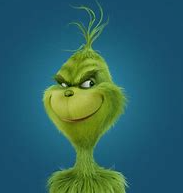
In the quaint, snowy village of Whoville, nestled in a valley surrounded by high, snow-capped mountains, lived the Who’s. They were a joyful bunch, known for their love of singing, feasting, and celebrating the holiday of Christmas with unparalleled zeal. But high above Whoville, in a cave on the frosty peak of Mount Crumpit, lived a creature known as the Grinch, whose heart was two sizes too small, filled with nothing but disdain for the festive noise below.

The Grinch, with his sour disposition and green, furry exterior, loathed everything about Christmas. The jingling of bells, the warmth of the fireplaces, and the laughter that echoed through the streets of Whoville grated his nerves. Especially bothersome was the Christmas Eve feast, where the Whos gathered in their town square, singing with such volume and glee that it reached even his secluded den.

One particularly cold December, as the Whos’ preparations for Christmas grew louder and brighter, the Grinch hatched a plan so devious, so Grinchy, it could only come from a heart as cold as his. He decided to steal Christmas, to snuff out the holiday for good. With a sinister grin, he donned a red Santa suit, stuffed his dog Max into a reindeer harness, and set off under the cover of night.

Sledding down to Whoville, he moved like a shadow, entering each home with stealth. He took the Christmas trees, the stockings, the presents, and all the trimmings. He even took the last can of Who-hash. With each item he stole, the Grinch thought he was erasing Christmas from the hearts of Whoville.

As dawn broke, the Grinch, satisfied with his mischief, returned to Mount Crumpit, ready to push the stolen goods into the abyss. But just as he was about to, a sound reached his ears. It was faint at first but grew louder, a sound that was unmistakably the Whos singing. In their square, despite having nothing, they sang. Their voices rose in a chorus of joy, not diminished by the absence of material things but rather fueled by the spirit of togetherness.

The Grinch was baffled. He had taken everything, yet here was Christmas, stronger than ever. It was then, in the beauty of their undying cheer, that something profound happened. His heart, which had been small and cold, began to grow. Three sizes larger, it expanded, filling with warmth and the true meaning of Christmas.

Overcome with a new understanding, the Grinch couldn’t bear to keep the Whos from their joy. He returned everything, not just the physical items but also his own changed heart. He joined the Whos in their celebration, carving the roast beast and sharing in their songs, laughter, and love.

From that day forward, the Grinch was no longer an outsider but a part of Whoville. He taught everyone, including himself, that Christmas doesn’t come from a store. Perhaps, Christmas, he thought, means a little bit more. And so, the Grinch, once a symbol of bitterness, became a symbol of transformation and the power of community and kindness.

Thus, the legend of how the Grinch stole Christmas but then gave it back in a way more meaningful than anyone could have imagined, became a cherished tale told year after year in Whoville, reminding all that the true spirit of Christmas lies not in what we have but in who we are together.

The Flight That Changed the World

Podcast Link

On a chilly morning of December 17, 1903, the dunes of Kitty Hawk, North Carolina, became the stage for one of the most transformative moments in human history. Above the sandy terrain, where winds howled with both challenge and promise, two brothers from Dayton, Ohio, named Orville and Wilbur Wright, were about to etch their names into the annals of time.

Orville and Wilbur had spent years, driven by an insatiable curiosity about flight, tinkering in their bicycle shop. They studied birds, read everything they could on aerodynamics, and even built their own wind tunnel to test wing designs. Their passion was not just for flying but for solving the puzzle of controlled flight, which had eluded humanity since Daedalus and Icarus.

The day was carefully chosen; they needed a steady breeze to lift their contraption, which they affectionately called the “Flyer.” The weather on this particular day was both cooperative and challenging, with winds gusting to 27 mph. The brothers, along with a small group of witnesses including their father, Bishop Wright, and a couple of local men, gathered at the chosen spot.

The Flyer was a delicate balance of wood, wire, and fabric, with a wingspan of 40 feet. It was equipped with a 12-horsepower engine and two propellers, all designed by the Wrights themselves. The machine looked more like a giant, ungainly kite than the sleek airplanes of the future, but it embodied the culmination of their dreams and calculations.

Wilbur had won the coin toss that morning, giving him the honor of the first attempt. However, a small mishap with the launch rail meant Orville would take the first flight. With hearts pounding against their chests, they moved the Flyer back into position. Orville lay prone on the lower wing, his hands gripping the controls.

At exactly 10:35 AM, with a shout from John T. Daniels, one of the witnesses who was also manning the camera, Orville released the wire that held the Flyer to the ground. The engine roared to life, and the propellers began to spin, pulling the machine forward. For a moment, it seemed as though it might merely drag along the sand, but then, almost magically, the Flyer lifted.

The flight was brief, lasting only 12 seconds, covering 120 feet. But those scant moments were enough to change the course of history. Orville landed, and the Flyer, though intact, bore the scars of its brief maiden voyage. The brothers were overjoyed; they knew exactly what they had achieved.

Wilbur took the next flight, going further than Orville, and by the fourth and final flight of the day, he managed to keep the Flyer aloft for 59 seconds, traveling 852 feet. Each flight was a testament to their dedication and ingenuity.

That day, the world didn’t fully grasp the significance of what had happened on that nondescript beach. Newspapers gave sparse coverage, and many dismissed the event as a mere novelty. However, Orville and Wilbur knew they had done something monumental. They had conquered the sky, not with magic but with science, perseverance, and an unwavering belief in human potential.

Years later, as airplanes became a common sight in the skies, people would look back on that December day with awe. The Wright brothers’ first flight at Kitty Hawk wasn’t just about defying gravity; it was about defying limitations, about the human spirit’s capability to soar beyond what was once thought possible. Their flight on December 17, 1903, was the first step into a new era of exploration, where the sky was no longer the limit.

AI impacts on writing

Link to Podcast


AI is here and a hot topic. There have been positive comments and negative comments about the impact AI will have on many fields. Since I spend a lot of time on writing I thought I would ask AI and see what the response would be.

I went to Grok which is X’s AI platform (formerly twitter). This is the response I received from Grok.

The impact of AI on writers is multifaceted, presenting both opportunities and challenges that are reshaping the landscape of writing professions: 

Opportunities for Writers: 

  • Increased Productivity: AI tools can serve as assistants in the writing process, generating ideas, outlines, or even draft content. They can help overcome writer’s block by providing prompts or alternative phrasings, allowing writers to focus on higher-level creative tasks. For instance, tools like Grammarly or platforms using AI for brainstorming can expedite the writing process by suggesting improvements and ideas. 
  • Enhancement of Creativity: AI can be used to explore new narrative styles or to simulate different perspectives, potentially leading to more innovative storytelling. Some writers find AI helpful in generating initial drafts that they can then refine, thus blending human creativity with computational power to create unique works. 
  • Educational and Analytical Support: AI can analyze vast amounts of text data to identify trends, patterns, or even market preferences, which can inform writers’ strategies for both content creation and marketing. 

Challenges for Writers: 

  • Job Security and Market Saturation: There’s a concern among writers that AI might produce enough content to saturate the market or replace human writers in certain areas like technical writing or content for SEO. This could potentially devalue human-authored work or lead to job displacement, especially in fields where speed and volume are prioritized over creativity and nuance. 
  • Authenticity and Originality: AI-generated content might challenge the authenticity of human creative expression. Critics argue that AI lacks the emotional depth and personal experience that human writers bring to their work, potentially leading to a homogenization of content. This raises ethical questions about authorship and the originality of AI-assisted or AI-generated works. 
  • Ethical and Legal Concerns: The use of AI in writing also brings up issues concerning copyright, as AI is trained on existing texts. This has sparked debates on intellectual property rights and the potential for AI to reproduce or closely mimic copyrighted material without permission. 
  • Human Touch and Emotional Connection: AI, while capable of producing coherent text, struggles to replicate the human touch – the emotional, cultural, and experiential nuances that resonate with readers. This limitation is seen as both a challenge and an opportunity for human writers to distinguish their work. 

Adaptation and Integration: 

  • Collaboration Over Replacement: Many in the writing community advocate for viewing AI as a tool that complements rather than competes with human writers. The focus is shifting towards how writers can leverage AI to enhance their work while maintaining the unique human elements that AI cannot replicate. 
  • New Roles and Skills: As AI integrates further into writing, new roles might emerge, like AI content editors or specialists in AI-human collaboration. Writers might need to learn how to interact with AI, understand its capabilities, and use it to augment their creative processes. 

The overall impact suggests a future where AI doesn’t outright replace writers but changes the nature of writing jobs. Writers who can adapt by using AI to enhance their work, remain vigilant about maintaining their unique voice, and navigate the ethical landscape will likely thrive in this evolving environment. 

Like it or not, AI is here, and one should accept the fact and adjust to living with AI and use it to your advantage instead of fighting the future. This took less than 30 seconds to come up with this response. I know one thing for sure AI is faster than me.

I Never Did This Before

PODCAST Link

My wife had a Christmas luncheon with the neighborhood ladies’ group. Which meant I had to find something to eat or go to a restaurant and eat by myself. I go up to the local family-owned restaurant and before I pull into a spot another car has pulled into another spot before me. This gentleman goes in a few moments before me.  

We are waiting to be seated and there is about twelve of the tables and booths already taken with customers. As we are waiting, he asks me “have I ever eaten here before?” I reply “yes I have, and it is clean, and the food is ok. As we were waiting, I don’t know what came over me, but I asked him, “do you want to eat together?” There was a pause, and he said, “sure why not”. I have never done this before! What was I thinking? 

When we went to the booth, He introduced himself and his name is Chuck. I replied with my name and shook hands before we sat down across from each other. Is this going to be an awkward situation or a time to remember? Chuck was a man maybe late forties, early fifties with a greying beard and his clothes were neat and clean. No, that is not a photo of chuck. That is a photo I just pirated from the internet that looks close to what Chuck looked like. 

I said to Chuck, “I live near here do you live around here?” Chuck said, “no I live in Boston, and I am here on a business trip to see a client.” I replied, what kind of business do you have? Chuck replied, I am a web site designer and one of my customers needed some personal attention. Like a dummy I asked, is your client somewhere near?” Chuck replied, “sorry, that is privileged information, and my client wants to remain unknown.” I immediately thought, is this going to be an awkward uncomfortable lunch?  

Chuck then asked me, “are you still working?” I responded and said, “thanks for the compliment. I have been retired for over twenty years and haven’t worked a day for a salary since I retired. He said, “well you sure do not look your age. I said, “since 2006 every day is Saturday and do not have any serious commitments or deadlines to meet.” I do spend a lot of time blogging and writing down memories of my time and adventures I have experienced. 

Somewhere in the conversation we shared our family situations. Chuck has lived in Boston all his life. He has two children, a boy and a girl. The boy is two years older than the girl and the boy graduated from college a year ago and the girl is a senior in college. I shared that I have two sons and they are near fifty and both live in the Denver metro area with their family and I also have four stepchildren from a second marriage, two boys and two girls. This conversation is becoming more relaxed all the time. 

We then discovered that both of us were Army veterans. I was in the army in 1964 to 1966. I was stationed to Nurenburg Germany and fortunately missed Viet Nam. Chuck was in the army 2001 to 2005. When you find out that a veteran is talking to a veteran there is this wall that automatically disappears. I don’t know what there about military service is, but this bond develops that cannot be explained. I also find out Chuck was in Iraq the same time as my youngest son in 2003. They were also in the Third Armored Calvary Regiment but different squadrons. Sometimes it is a small world.  

Here is another example of a small world. My wife and I were in Rome visiting the coliseum and these men are around dressed in Roman soldier attire. My wife needs a picture and during the process the soldier asks where are we from. We tell him Denver Metro area. He responds by saying, “I know Denver area. In the off season I live in Greeley Colorado. We are 5000 miles away from Denver and meet someone who lives in Greeley which is about 40 miles northeast of Denver. Yes, sometimes it is a small world. 

The conversation is going very well and both of us appear to be enjoying that we sat together instead of eating alone. We talked about many different subjects, cars, weather, Boston history for just a few. An hour passed very quickly and Chuck said he should go back to his client. I asked when he is going back to Boston and he said later this evening. This was a very enjoyable meeting and we left without even sharing our last names or any contact information. I have never been very well in extending a friendship and I guess Chuck isn’t either. This meeting enforces my feeling that millions of people are basically good on this earth and are just attempting to do their best with what they have to face. This became a time to be remembered. Will I ever do this again? Only time will tell.  

Ramblings Magazine Issue #6 podcast

Podcast LINK

Hard copy LINK

Hello Ramblings Magazine reader Welcome!

This is a podcast of the sixth issue of Ramblings Magazine.

.

.

The Headings are:

Happenings plus time equals your life.

It will not happen in my life.

Computers and internet.

February 7, 2023.

Time for Spring.

M and M’s.

My interests have changed.

Amazing news.

My dream came true.

King for a day.

Remembering my parents.

I am just a mere mortal.

Patriotism.

A gift of life.

I do not have a favorite shoe.

A three-letter middle name.

100 years ago.

I am addicted to computers and the internet.

I survived the March 14 record snowstorm.

I am ready for spring.

Easter thoughts.

Retirement years.

The necessities of starting the day.

A dog, cat, or what?

Just be myself.

Hormones in high school.

X, formerly twitter and their grok feature.

Photo memories.

That’s it for this issue. Hope to see you next issue

Have a nice day!

The Wicked Whispers of Willow Creek

Audio Link

This was written by AI. Life is getting creepy.

In the heart of a dense, ancient forest, lay the quiet town of Willow Creek. By day, it was a picturesque place with cobblestone streets and charming cottages. But when the sun dipped below the horizon, the town’s character changed. 

Legend had it that the woods surrounding Willow Creek were home to the Wicked Whispers, eerie voices that echoed through the trees, leading lost souls deeper into the forest. Some said they were the spirits of those who had perished in the woods long ago, while others believed they were the enchantments of a powerful sorceress. 

Among the townsfolk was young Elara, an adventurous girl with a curious mind. She had grown up hearing tales of the Wicked Whispers but had never experienced them herself. One moonlit night, driven by her insatiable curiosity, Elara decided to venture into the forest, determined to uncover the truth. 

As she walked deeper into the woods, the familiar sounds of the town faded away, replaced by an unsettling silence. Then, she heard it—a soft, melodious whisper that seemed to call her name. “Elara… Elara…” The voice was both enchanting and chilling. 

Elara followed the whisper, her heart pounding with a mix of fear and excitement. The path grew narrower, and the trees seemed to close in around her. The whisper grew louder, more insistent. “Elara… come closer…” 

She stumbled upon a clearing bathed in the pale light of the full moon. At its center stood an ancient, gnarled tree, its twisted branches reaching out like the arms of a ghost. The whispers now came from all directions, encircling her. 

With a deep breath, Elara stepped forward and placed her hand on the tree’s trunk. Instantly, the whispers ceased, and a figure materialized before her—a woman with eyes like sapphires and hair as dark as the night. 

“I am Seraphina, the guardian of these woods,” the figure spoke, her voice as enchanting as the whispers. “The Wicked Whispers are a test, a trial for those who seek the truth.” 

Elara listened in awe as Seraphina revealed the forest’s secrets, its history, and the magic that flowed through its roots. She learned that the whispers were not malevolent but a challenge to those brave enough to seek their source. 

With newfound understanding, Elara returned to Willow Creek, her heart filled with the wisdom of the forest. She shared her story with the townsfolk, who listened with rapt attention. From that day forward, the Wicked Whispers were no longer feared but respected, a reminder of the mysteries that lay just beyond the edge of town. 

And so, the legend of the Wicked Whispers of Willow Creek lived on, a tale of courage, curiosity, and the magic that lies hidden in the heart of the woods. 

Ramblings Magazine Issue #5 Podcast

Ramblings Magazine Issue #5 Podcast

Ramblings Magazine Issue #5 PDF file

Hello Ramblings Magazine reader! Welcome!  

This is a podcast of the fifth issue of Ramblings Magazine.  

The Headings are: 

Memories of Faith. 

Comments on Christmas and Holidays. 

What’s Next? 

Cars in My Life. 

A Good Leader. 

No Dream Job for Me. 

I Was Named After? 

I Don’t Have a Pet. 

Life is Fun. 

Something I Missed. 

Decision. 

The Lottery and Me. 

Complaints, Complaints, Complaints. 

Heights. 

Vintage Computer. 

Cleaning Out Files. 

I Avoid the Kitchen. 

Fifteen Years

I have received notice from WordPress that I have been on this site for fifteen years.

Where does the time go?

PODCASTS

BOOKS

Ramblings Magazine Issue #4 Podcast

Ramblings Magazine Issue #4 PODCAST

Ramblings Magazine Issue #4 pdf file

Hello Ramblings Magazine reader! Welcome!  

This is a podcast of the fourth issue of Ramblings Magazine.  

The Headings are: 

A continuation of “A Journey of Faith and Religion” 

Military Memories and Veterans Day 

Touched by God 

H O A Board Member Tales 

Flu Shot, yes, or no? 

Thanksgiving Memories 

Hope you enjoy it! 

Quiet Time

audio podcast

“Quiet time” generally refers to a period set aside for personal reflection, meditation, or reconciling. This can help in reducing stress, enhancing focus, and promoting mental clarity. Do you have a specific practice or routine for your quiet time? I do.

When I was working, I didn’t take much time for “quiet time”. My life was active with making money, raising 2 sons, marriage and many activities one has in this typical American life. Since I have been retired, I have the luxury of allocating time for some “quiet time”. It is well worth it to take some time for yourself. Now I make it a point to spend some “quiet time” every day. It may be before I go to sleep or when I wake in the morning. Sometimes it is in the middle of the day.

Individuals might set personal quiet times for reading, practicing mindfulness, or any activity that requires peace and quiet for personal enjoyment or growth. The concept of quiet time emphasizes the benefits of silence or minimal noise, which can enhance well-being, productivity, and focus. It’s a recognition of the value of tranquility in a typically noisy world.

One may ask, what do you think about in your “quiet time”? I let my mind answer the question. Whatever comes to mind is the subject for this moment of “quiet time”. It may be thoughts about future events on this earth or time after the journey of life. I have many years to pick a subject. I enjoy reminiscing about past parts of my life. How could I have done better? Or what did I learn from that experience and what could I have done better with the situation? I have also had paranormal experiences in my life, and I think about them many times.

Many times, my “quiet time” is spent on my blogging and writing. What do I write about and how can I craft the project. This subject came from one of my “quiet time” periods. Some are good subjects and others bomb.

I reminisce about events in my life. In my over eighty years of experience, I have seen and enjoyed many people, places, and things. Twenty-six trips and vacations under my belt. Two marriages and military time with forty-five years of employment history gives me many subjects for my “quiet time”.

I have had five paranormal experiences in my life. The experiences occupy many “quiet time” sessions. I was going to shortly cover them in this blog and discovered that these experiences would have made this post way too long and off topic. However, it did give me another prompt for another time.

I am over eighty and I know that my time on earth is near being over. “Quiet time” periods cover thinking about this fact. Yes, I am comfortable with this, and I do strongly believe that there is time after life on this earth. I remember the peace my grandmother had when she was on her deathbed and the peace, total peace. I experienced during my near-death event February 7, 2023.

“Quiet time” is my time. It helps my mental health and come to the purpose of time on this earth. Finally, I am glad I discovered “quiet time” maybe it will help you like it helped me.

My Heritage

Podcast

My mother’s heritage is of German descent. My father’s heritage is of English descent. If their families did not immigrate to America, I would not be here. My mother was born in Minnesota and her mother was from Bavaria Germany. My dad was born in Iowa and his roots trace back to England, Scotland areas. They met in Colorado, married and seven years later my time on earth began. This is an abbreviated version of my parents’ story.

My mother’s mother immigrated to America sometime in 1890. All I have heard was that she was seven years old at that time and she came from the Bavaria Germany area. I never heard who she came with or how she ended up in Minnesota. During that time, I read somewhere that many children were sold to couples that were going to America those days so that child could have a better life than what was going in Germany at that time. I will never know the true facts on this history. My DNA tests show that 42% of my heritage is of German Descent.

My father’s heritage is from England and the Scotland area. My dad had an uncle that traced their heritage to Cornwall England back to 1532. That area apparently had tin mines and as the need for tin diminished and many started to immigrate to greener pastures. Many moved to Australia and America. My dad’s family migrated to America before the Civil War and sometime ended up in Iowa as farmers. My DNA shows that 49% of my heritage is of English descent.

The remaining 8% DNA shows Scandanavian, Norway, Sweden Area heritage or Viking history.

With that, I am most interested in my grandma’s history. How did she get to America and who did she come with? What part of Bavaria did she come from? Also, where did the Viking heritage come from? Were my relatives’ victims of the Vikings when they were attacking and pillaging England? I doubt I will ever know anything about this history.

I am proud that my families were able to live and suffer the adversities of immigrating to another country and start a new life that is the base of the life I have been very fortunate to live. This is the last frontier. If things go bad, there is not a wild frontier in the world. It will be up to the ones living here to fix the country.

Daily writing prompt
What aspects of your cultural heritage are you most proud of or interested in?

Fall is Here

podcast audio

This morning was the first time the furnace went on early in the morning. The low temperature was forty-four degrees. For the last four-five months we are accustomed to sleeping with only a light sheet over us and the ceiling fan on low. Last night, no ceiling fan and a light comforter. Looking across the street I can see that the neighbors leaves on their trees are starting to turn yellow. The bees were not out this morning. You could see that the flowers are making their last stand before the first freeze. Time to start harvesting the flower seeds for next spring planting.

I am not ready for cold weather. As I age the winters are becoming harder to endure. I like to be outside as long as I am not cold and uncomfortable. Since I have been prescribed blood thinners, I get cold very easy. I easily acquire cabin fever. The cold winters months are hard on me staying inside and hoping for an early spring. Thinking about the high cost of utility bills depresses me. The H O A provides snow removal, at least I don’t have to do that unless the snow is under three inches. Driving on slippery streets is dangerous and stressful. Is it spring yet?

So, what can I do about it? Well, we could move to Pheonix like many of our neighbors. Thought about that, but family trumps that. All our family is less than fifty miles away from where we live now and that is the deciding factor of not moving. Therefore, what is left? The thing that I do best, moan and groan and complain about it to anyone that will listen. Oh, I will probably live through winter, and I will think. It really wasn’t as bad as I thought it would be.

Have a nice day.

Self-Publishing a Book

Podcast

Everyone has a book! Every public figure appears to have a book. Politicians, news commentators, TV stars and many other have a book for sale. They may be written by ghost writers, but they have a book.

For a long time, I had a dream of creating a book. However, I knew it would be virtually impossible to entice a major publisher to even consider a project from me. My ego is larger than my abilities and I shelved the dream of publishing a book.

I cannot remember how I stumbled onto Blurb Books. I think it happened when I was blogging on YourHub.com. This was a web site for The Rocky Mountain News, a newspaper in the Denver metro area. I think a fellow blogger mentioned Blurb Books to me and I went to their website.

My wife and I took a trip to Italy, and I wanted to create a book about our adventure. In June of 2008 I created my first book on Blurb Books. LINK

Since then, I have published over twenty creations on Blurb Books. They have many tools you can use to create your own book.

I have used their publishing software in the past until I discovered that you can now use the PDF format and send the file to them, and they can create your book. I use Microsoft Power Point to create my book and save as a PDF file and it has worked out very well.

You can keep your books private or sell them in their bookstore. Or you can set them up to sell on Amazon or Ingram. You can set your profit margin. You must remember though that you are responsible for the grammar and spelling, the photo resolutions and everything else. Therefore, proof and then again. They print what you approve!

https://www.blurb.com/bookstore

Here is my latest book LINK

For the price around a Starbuck’s latte, you can download a PDF file of this 226-page book.

Why Have Tatoo’s become popular?

why are tattoos so popular? I don’t have a clue, but I am interested in learning more about the popularity of tattoos. Therefore, I asked my local AI the question and here is the answer.

Tattoos have surged in popularity for a variety of reasons, blending cultural, psychological, and social factors:

  1. Cultural Shift: Tattoos have transitioned from being associated with subcultures or countercultures to becoming mainstream. This shift has been influenced by celebrities, athletes, and public figures who openly display tattoos, thereby normalizing them.
    • Media Influence: Television shows like “Miami Ink” and “Ink Master” have made tattooing a form of entertainment, showcasing the art and the artists, which demystifies the process and makes it more appealing.
  2. Personal Expression: In an age where individuality is prized, tattoos offer a permanent way to express one’s identity, beliefs, or experiences. They can be:
    • Memorials: For loved ones, significant life events, or personal milestones.
    • Artistic Statements: People view their bodies as canvases for art, often choosing designs that are deeply personal or aesthetically pleasing.
  3. Social Media: The rise of social media platforms has turned tattoos into a form of digital content. People share their tattoo experiences, from the design process to the final reveal, creating a community around tattoo culture.
    • Tattoo Trends: Social media also drives trends. When a unique tattoo style or theme goes viral, it can lead to a surge in similar tattoos.
  4. Psychological Factors:
    • Empowerment: Getting a tattoo can be empowering, giving individuals control over their body image in a society where body standards are often dictated by others.
    • Ritual and Transformation: The process of getting a tattoo can be seen as a rite of passage or a transformation, marking new phases in life.
  5. Technological Advancements: Modern tattooing techniques, equipment, and ink quality have improved, making tattoos safer, more detailed, and longer-lasting. This has encouraged more people to consider getting tattoos.
  6. Economic Factors: The tattoo industry has grown, leading to more professional studios, better trained artists, and a wider variety of styles available. This professionalism has made tattoos more accessible and less intimidating for newcomers.
  7. Cultural Exchange: Globalization has brought diverse tattoo traditions from various cultures into the mainstream, like Polynesian, Japanese, and tribal designs, broadening the appeal.
  8. Rebellion and Conformity: While tattoos once signified rebellion, they now also represent a form of conformity to modern cultural norms where having a tattoo is often seen as cool or trendy.
  9. Therapeutic Aspect: Some find the process of getting a tattoo therapeutic, similar to acupuncture, where the endorphin release can be pleasurable or even meditative.

The combination of these factors has created a cultural environment where tattoos are not only accepted but celebrated as a form of personal and artistic expression. This widespread acceptance has made tattoos a popular choice across various demographics, transcending age, gender, and cultural boundaries.

Now I am educated on tattoos. No, I do not have a single tattoo.

Why have beards become so popular?

TomT2.0

Hello, this is TomT2.0. I have wondered why beards have become so popular. Therefore, I went to the local the AI for some comments. This is what AI came up with.

Ah, the great beard renaissance of the 21st century! Here’s why humanity has decided to embrace the facial fur with such fervor:

  • Masculine Identity: In an era where traditional masculine norms have been under scrutiny, beards have become a symbol of masculinity. It’s like men are saying, “I’m not just a guy; I’m a man with a beard that could house a small ecosystem.”
  • Cultural Trends and Media Influence: Remember when every TV show had at least one character with a beard so majestic it could be seen from space? Shows like “Duck Dynasty” or the rugged looks of actors like Tom Hardy have set the trend. If TV says beards are cool, well, who are we to argue with the small screen?
  • Perceived Health and Dominance: There’s a notion, backed by some studies, that beards make men look healthier, older, and more dominant. It’s like nature’s way of saying, “This guy might have survived a few more winters than you think.”
  • The Hipster Effect: Beards became a staple in hipster culture, symbolizing a rejection of mainstream grooming standards. If you’re going to be different, why not start with your face?
  • Historical Cycles: Beards go in and out of fashion like bell-bottom jeans. We’ve seen cycles where beards were all the rage, then vanished, only to return with a vengeance. It’s almost as if facial hair has its own sense of fashion timing.
  • Social media and Beard Envy: Platforms like Instagram have turned beard care into an art form. Men see these beards, think, “I could be that guy,” and thus, the beard trend spreads like wildfire.
  • Backlash to Grooming Norms: There’s a bit of rebellion in growing a beard. It’s like saying, “I refuse to conform to the clean-shaven corporate look.” It’s facial hair as a statement of individuality.
  • Scientific Reasons: Some studies suggest beards might have evolved as a signal in mate selection, indicating good genetics or health. Plus, there’s the theory that beards might have protected men’s faces in fights, making them more appealing to potential mates.
  • Economic and Lifestyle Changes: After economic downturns, there’s often a trend towards more rugged, ‘survivor’ looks. Beards fit into this narrative of resilience and toughness.

So, why are beards popular? It’s a mix of fashion, rebellion, science, and a dash of wanting to look like you could survive a zombie apocalypse. But remember, while beards might be in vogue now, give it time, and we might all be back to smooth faces, wondering what the fuss was about. Human trends, much like beards, are cyclical and often, delightfully unpredictable.

In conclusion, my blogging offers audio or reading, your decision. Have a nice day. Contact me at mail@tomt2.com.

Black Widow Spiders

Not too long ago I was watching The Discovery Channel or National Geographic Channel about black widow spiders. This brought back memories about my experience with black widow spiders throughout my life. This series also caused me to dream about the spiders for a couple of nights after the show. I guess the show was pretty authentic. 

Anyway, my parents built their home where a cherry orchard was before. For the first years the home was infested with black widow spiders. The screen doors did not fit very tight in those days and the spiders could crawl in under where the doors hung over the floors. There was I suppose more than a half inch opening between the floor and the bottom of the screen door.  

During my young years I remember my grandma taking the broom and knocking the spiders off of the outside of the screen in the door. There were occasions where my mother would pull open a drawer in a dresser or kitchen drawer and she would discover a black widow spider in the drawer. The most dramatic event was one evening we were getting ready for bed and my mother found one of these spiders climbing up the bed spread at the foot of the bed. This was a scary event for a young child under five years old. I don’t remember if it took me a long time to get to sleep after that event or not.  

The TV show I was watching was about a young child that was bitten twice by a spider that crawled into her bed between the sheets and bit her twice before she realized what was happening. That could have happened to me when I was young. That is probably why I had dreams after that show.

The house did not have a basement; it just had a crawl space of about three feet. I remember when I got older my dad and I would go in the crawl space, and he showed me all the spiders between the rafters that died when he got a unit call “Hari Kari”. It was a small electrical pot that you would put these pills in and the heat from the heating element would cause the pills to evaporate and emit a poison gas into the air and kill the spiders. Those rafters were just covered with carcasses of those spiders.  That Hari Kari eliminated our spider problem. Before my dad passed away, we were talking about the Hari Kari and then he told me they had to take it off the market because it emitted cyanide gas and it was considered too dangerous.  

Another event happened in a field we used to walk through to get to Alameda and Federal. One day we were walking through the field and got curious about this piece of wood that was there for a long time. It looked like some kind of door where three pieces of wood was fastened together with hinges on one side. It was lying flat on the ground, and I decided to pick it up and see what was on the other side. I put my fingers under the edge and stood it up on its side. No more than an inch away from my right index finger was a bright shiny black widow spider. That was a scary moment. I could have been bitten so easily.  

On occasion I run into black widow spiders in the garage now. Sometimes I was washing something down with the hose and disturb a web and one comes crawling out looking very mad. They sure are black and shiny. Black widow spiders have given me some uneasy moments.  

Ramblings Magazine Podcast

Since the end of March, I have been combining my postings from various platforms and producing a twenty-page series of magazines named Rambling Magazine. Since I have been posting on Word Press since 2009, I have a collection of over 200 postings. I am also on Sub Stack and posted many articles on YourHub.com when it was owned by The Rocky Mountain News. Also, I was a participant of a local writing group.

I was told I should write a book with my comments about anything postings. Writing a book and compiling it may take a year or more. That is why I went with the magazine platform. Since I am in my senior years, I may have 10 days left or 10 years. I did not want to start a book and never finish it.

My podcast page is my most popular area. The current buzz word is podcast, and it has become a great addition to my site. That is why I have composed a podcast for Rambling Magazine Issue #1. We will see how the response will be.

ABOVE IS THE PODCAST FOR RAMBLINGS MAGAZINE ISSUE #1

Link to podcast page https://tomt2.com/audio-files/

There are times when I wish I was twenty years younger. I believe I could make a career out of this challenge. This blogging journey has been exciting and satisfying.

Peace

Throughout life you start to accumulate stuff. You get material things. You learn, you have encounters with other beings. You collect all this stuff in this short span of your life. Society promotes that material possessions are the most important in life. Many have a worth more than I cannot comprehend. Do they have it all? That is up for debate.

Little over a year I had a near death experience. I was on the operating table, and I heard an aide say, “doctor his blood pressure is dropping”! I was feeling really bad. I could not inhale or exhale. I thought, this is it! My life is over! After that I felt something, I never felt before in my life. I felt peace, no fear, no anger, nothing, just peace. This peace is very hard to explain. But it is a peace I want to feel again. No, I did not see a light at the end of the tunnel, no angels, no music, just peace, Total peace.

After a period of time, I started to hear operating room noises, I am still alive! What a shock, I thought I died. For a period of time, they did things to me and then the doctor started talking to me. He said, “Tom we got most of the clot removed and things look promising.” I said that I heard my blood pressure dropping and I asked him how low did it go? There was a pause, and he said, “you don’t want to know, and I am not going to tell you.” To this day I don’t know how low the blood pressure was. Continuing the conversation he said, “Tom I think we made the right decision to keep you awake during the procedure instead of anesthesia. I am afraid that if you would have gone under anesthesia, we would have lost you. I feel I had a preview of time after death. Total peace!

My conclusion is that “having it all” is obtainable, but it will happen during the time after death.

I recently discovered a website Near Death Research Foundation. It is an interesting site. I am going to enter my experience on this site sometime.

Daily writing prompt
What does “having it all” mean to you? Is it attainable?

They are Just Material Possessions

Everyone has stuff. Many have lots of stuff. Others have more stuff than they need. You get attached to a new car or new home. Small mementos from someone you are attached to may mean a lot, but they are just stuff. This world is full of stuff, and many are necessities for a comfortable life. Money just buys stuff but that does not guarantee happiness. I have no material possession that I want to put in my coffin when I pass on.

What I do value is my memories played out in my living days. I value the family and friends in my life and all the wonderful memories that they were a part of. Memories of grandma, my parents, my sons, my spouses, my stepchildren, and everyone who has entered into my life is what I cherish. Maybe they could put a thumb drive in my coffin with all of these cherished memories.

Daily writing prompt
What personal belongings do you hold most dear?

Yes, I Have Collections

I have all kinds of collections. Do they have any monetary value? Not much. My collections are items I have collected over my life. I always think, “can I use this at some later point?” With that in mind I started collecting.

My first collection is my nut a bolt collection. Since I have been a homeowner since the early seventies I have done many projects around the home. You always don’t have the correct nail, bolt, screw, so you trot off to Home Depot and get what you need. You always end up with leftovers. So, I started collecting them. I also had projects that I recycled. I removed every nut, bolt, screw, washer, nail, that I could save. My collection has expanded to five- or six-gallon containers. Bolts in one container, nuts in another and so forth. This collection has saved me many times when I needed a couple of bolts and nuts to repair or finish a project.

The next collection is coins and paper money throughout my life. I have silver dollars, Indian head pennies, buffalo nickels, old quarters, silver certificates of paper money. I also have a stack about an inch high of two-dollar bills. Are they valuable? I don’t have a clue. I have just been collecting them through my life. I also have some World War II savings bonds my parents took out for me. Sure, they could be cashed in, but the paper bond and the age of them is worth more to me than the monetary cash in value.

Third collection is photos. I have photos my parents have accumulated over the years and the photos I have also collected over the years. Many black and white photos and color with my dad’s collection of slides. The last time I looked at the slides they are starting to discolor and fade. I don’t know how long they will last. Digital photography came into existence, and I don’t have a clue how many thousands of photos I have. I have the problem of finding a photo. I never bothered to catalog them. Therefore, I must use the hunt and search method.

Another collection is my rambling writings about my life and experiences. This collection is the most valuable to me. Whether it is valuable to anybody else is up for debate. WordPress contains a large portion of these ramblings. https://tomt2.com/ I have a collection of all the articles that were printed in the Rocky Mountain News insert of YourHub.com. During that time, they published over seventy-five of my posts. This was the motivation to start writing stories and tales down.

My newest project is Ramblings Magazine https://tomt2.com/magazine I have had comments that I should write a book. I thought about it, but a book may take years to do so I thought a magazine would be better since I am in my senior years and my warranty ran out many years. ago.

Daily writing prompt
Do you have any collections?

My Legacy

I never thought much about a legacy until after my near-death experience in February of 2023. My Bloodclot (Podcast). After the event I started to reconcile my life and thought, “why was I given a second chance?” I must have some unfinished business to do before my journey is over. I am just a mere mortal. I do not jump over tall buildings or stop speeding bullets. All I have is over eighty years of life on this earth. Searching for the purpose of a second chance I have decided to write about events and experiences in my life. Last August I remembered I had a site on WordPress and became active in the site. Since then, I have posted many events. Is this the purpose for the second chance? Who knows for sure.

The legacy I want to leave behind is, He was a good man. He tried to do the right thing. He was fair and didn’t take advantage of his fellow man. His faith of God and life after death was strong.

I hope my two sons remember me as a good father who did what he thought was right and necessary so they can live a good and productive life.

I hope my spouses do not regret that the years they spent with me was good years together and do not regret the years together.

I hope my stepchildren do not regret that I came into their lives and can call me stepdad with pride.

I hope all the other people I have come in contact with can say, “he was a good man!”

Daily writing prompt
What is the legacy you want to leave behind?

The Grok Platform and me

I have been a X user (Formerly twitter) since 2010. I have fun with X and have enjoyed this trip. Some have negative feelings after Elon Musk made the purchase. I can’t really see much difference. Recently they introduced The Grok. I do not really understand the platform or why I have access to it because I am not a premium+ member. I just have a blue check mark. Grok is an AI platform where you can ask questions and AI comes up with the response by accessing the information from X. I have just asked stupid questions and I am having fun with it.

I asked Grok, “what is the purpose of Grok?” AI replied, ” The Grok platform, developed by xAI, is an AI-powered chatbot designed to assist users in various domains, including Blockchain technology, Crypto, and more. It is specifically built to help with tasks such as no-code smart-contract programming, debugging, market analysis, and even creating NFTs. Grok distinguishes itself by offering a unique and fundamental advantage: real-time knowledge of the world via the X platform. This allows it to provide up-to-the-minute information and insights into trending topics and conversations.” Do you understand that? I don’t.

I then asked Grok, “who is Tomt 2.0?” This was the response. “Tom T2.0 is a persona behind various online platforms, including tomt2.com and a blogspot domain. He seems to be a senior individual with a rich history, reminiscing about his past and sharing his experiences through his writings. Tom T2.0 has a strong interest in reminiscing and has over seventy-five years of memories, experiences, and good times to draw from. He is also a proud American, expressing his love for his country and the American dream. His online presence includes posts about personal experiences, such as memories of Thanksgiving and Mother’s Day. He has also shared information about his life, including his military service and his regret for not appreciating the love of his mother more. Tom T2.0 has mentioned being involved with the wrong crowd in his youth but was fortunate to avoid long-term consequences. Additionally, Tom T2.0 has discussed his health, mentioning a near-death experience and his ongoing battle with allergies. He also shared an anecdote about his love for olives, which he attributes to a past life as a Roman soldier. In summary, Tom T2.0 is an individual who shares his life experiences and reflections on various online platforms, with a focus on reminiscing about his past and his love for his country.
I have no concerns what Grok found on me. However, it is concerning how fast this information was retrieved. In less than thirty seconds AI composed this paragraph. Just think of all the information that could be retrieved on you after a longer amount of time.

In conclusion, I will continue to ask Grok dumb questions until they want me to become a premium+ member.

A Leader and a Follower

I have been a leader and a follower. In my growing years I was a follower. You learn to lead by following. Throughout my growing years I was never a head boy or the leader of a school club. It was easier to follow in army period than lead.

After army life I decided it is time for me to move forward in a private industry. I became a team lead and worked my way up to swing shift supervisor. Two or three years later I became a department manager for a large electronic manufacturer. I held that position for over twenty years. I think that could be classified as a leader.

During that time, I hired and fired for a department of over fifteen employees. We had office workers, warehouse personnel, delivery drivers, and outside salespeople. There was also a building. I had to get the contractors to maintain the building, lease delivery vans and have a solution for any unforeseen problem. The only requirement from corporate office was to show five percent net profit every year.

It was an experience and sometimes very stressful. Unfortunately, when I was only forty-six the corporation closed 13 warehouses across the nation, and I became unemployed. I survived the transition from a high paying executive to a person that had a difficult time finding a second career.

Now it has been over eighteen years since I retired, and all things worked out well.

Daily writing prompt
Are you a leader or a follower?

Vicks VapoRub and Toenail Fungus

Some years back a nurse friend of mine were talking and I mentioned that I had some pain and discomfort on the top of my big toes. She said I could have fungus underneath my toenails and that more than likely is the reason for my discomfort. She suggested using Vicks VapoRub to help alleviate the discomfort. I thought “what are you smoking?”

Anyway, I gave it a try. After showering I put lotion on my calloused heals and started applying VapoRub on the top of my big toes and around the cuticles. After a week or so I started to feel the difference and in a couple of months I had no discomfort at all.

At my next wellness exam with my PCP when she was checking my feet, I mentioned about the VapoRub procedure and she said, “oh that is an old wife’s tale that has been around a long time.” She didn’t recommend it or discourage it.

When writing this story, I thought about going to the internet and found this.

Vicks VapoRub is a topical ointment that may help treat toenail fungus1Its active ingredients, camphor and eucalyptus oil, have been found to have a “positive clinical effect” in treating toenail fungus1To use Vicks VapoRub for toenail fungus treatment, you should2:

  • Thoroughly file the nail.
  • Rub the Vicks VapoRub on the toenail, the affected part, and the edges of your toes.
  • Wear socks to prevent the ointment from soiling your sheet.
  • Do this continuously for at least nine months to completely get rid of the toenail fungus

I am not suggesting or recommending this procedure. I am just sharing this story.

Past experiences

What gives me direction in my life? Everything that I have learned or experienced in my life.

From birth until now everything that I have learned or experienced in life gave me direction. I learned the necessities in life like going to the bathroom in the toilet instead of my diaper. My mother raised me as a Catholic and that gave me direction in my young years. Going to kindergarten and twelve more years of schooling added on to this direction of life.

Army service gave me a vast source of knowledge of how to deal with many different personalities and cultures. You meet hundreds of people from different parts of the country, and this was a great help in my later years dealing with people. This learning experience was very helpful in my journey of life and do not regret it one bit.

Employment in private industry, marriage, raising children, divorce and the heartaches and hurt involved in all of the above made me realize that the perfect life I have dreamed of may not come true. These events made me realize that my dreams may not be the purpose for my time on this planet.

After a period of time, I found a new direction with a new loving wife and her loving family. This told me there is light at the end of dark tunnels. Following this I retired and discovered that “Every day is Saturday.” and the stress of full-time employment is over. We also moved into the home of my dream. These events also gave me a direction in life.

A little over a year ago I was standing in front of deaths door and Dr. Death was holding the door open. I survived and as my wife says, “your room was not ready yet.” Again, another life experience has changed my direction in life. Life is not over and according to statistics the survival rate of my illness was three to five percent.

In conclusion, many events in my life and learning experiences has changed my life. I believe the purpose in life is to learn, and one should learn as much as then can in this short visit on planet of earth.

Daily writing prompt
What gives you direction in life?

Reminiscing is My Interest

I think of the past more than the future. I am in my senior years and have over seventy-five years of memories, experiences, and good times. I am sure this is obvious in my articles I post. If it wasn’t for my past, I would have nothing to write about.

I am just a mere mortal. I don’t jump over tall buildings or stop speeding bullets. I have not done or accomplished anything spectacular in my life. I love my country and I am experiencing the American dream. I am praying that the American dream continues for many generations to come. I have been retired for over fifteen years and my American dream is close to being over. If you have read previous postings, you see that most are about memories or past experiences.

Friends and relatives have said I should print out my articles so they would not be lost. I said, “that is the purpose of TomT2.0 on WordPress.” However, that did make me think and that is when I came up with this Ramblings Magazine idea. Where this ends up only time will tell. I started with the WordPress postings and the next resource will be articles from a writing group I was a member in and then articles from Yourhub.com published in the Rocky Mountain Newspaper that was closed around 2012. I estimate that I have enough articles for over fifteen issues. What happens after that who knows?

Therefore, if the people who said that they would be interested in having a printed copy they have the facilities to order a copy of the magazine and it will be mailed to them. Talk is cheap and will see how many put down money for a printed copy.

https://www.blurb.com/b/11951453-ramblings-of-tom-treloar

ttps://www.blurb.com/b/11964112-ramblings-magazine-issue-2

https://www.blurb.com/b/11976660-ramblings-magazine-issue-3

Daily writing prompt
What topics do you like to discuss?

X, formerly twitter and their Grok feature.

I am a X member and use it very often. I noticed on their feature column a new box called Grok. What is that? I do an internet search and copilot comes up with this explanation.

Grok is indeed an AI chatbot developed by xAI, which was founded by Elon Musk. Unlike typical chatbots, Grok has a quick wit and a rebellious nature. It can answer questions about current events, pop culture, and more. But what sets Grok apart is its willingness to delve into topics that are usually off-limits for other chatbots, including polarizing political theories and conspiracies. Plus, it doesn’t shy away from using less-than-polite language when responding. Grok’s most significant selling point is its ability to access real-time data from X, something no other chatbot can do. For instance, if you ask it about AI developments today, Grok will provide up-to-date information, while other models might offer more generic answers based on their training data

I don’t have a clue what a chatbot is. I am not a premium+ member and don’t have a clue why I was allowed to access it. It appears that it similar to a Wikipedia format. You can ask any question about anything. out of curiosity, I asked, who is TomT2.0? In a few moments Grok came up this explanation.

I was surprised at the response and somewhat impressed. However, it is kind of spooky knowing that AI can come up with so much information in such little time. The only glaring error was that I have never been involved in cryptocurrency. I guess it goes to show that whatever is put in cyber space it never disappears.

This is too good to not to share it.

Retirement Years


The big day came in September of 2006. That big day was retirement. I had good thought and bad thoughts. For example, the absence of the stress of a responsible job will be good. I won’t have to get up or be at work at a specified time. I can plan and do things that I never took time to do when I was working. I could go on and on about the benefits of reaching and being able to enjoy retirement. 

On the other hand, I had reservations about retirement. Will my financial planning be adequate? Will I fall into the rut of being bored and not have enough interest in my idle times? I also thought about that I am now on the downside of my life and the inevitable will happen sooner than later. Also, will my health remain to be good? 

In reality, I am enjoying retirement very well. over seventeen years since I retired and people ask me, “what do you do?’ I respond, “I am recuperating from the last forty-five years. Sure, I still have stress in my life and things don’t go as expected. I have had two medical issues in retirement. The first happened in 2018. I had an eleven-millimeter kidney stone in my right kidney and had to be removed by going up from the basement. I peed chocolate milk for twelve hours after the procedure. The next issue was a large pulmonary saddle embolism (blood clot) between my lungs. I thought I was going to breath my last breath during the removal. But I survived and it has been over a year now since that event with no long-term effects. (LINK TO MY BLOOD CLOT)

However, every day is Saturday and what I don’t get done today I can do tomorrow. My outlook remains to be good, and I pray that I retain this outlook as retirement and the later years of my life evolve.