health

Autumn’s Call to Reflect and Grow

Audio Podcast 3 1/2 minutes

Autumn is not just about colorful leaves and warm clothes — it’s a time for change that encourages us to welcome new beginnings. As nature shifts from bright summer colors to softer tones, it invites us to reflect on our own lives. November 6th, sitting between Halloween and Thanksgiving, is a great moment to pause and appreciate the beauty around us. This season promotes introspection and encourages us to think about our journeys and the changes we go through. The air becomes cooler, signaling a transition not just in seasons but also a reminder to be mindful as we look toward winter. It’s a time to value small moments, connect with loved ones, and possibly set goals for the new year, finding joy in both endings and fresh starts.

Just as trees shed their leaves to prepare for winter, we too can release what no longer serves us. This might mean decluttering your physical space, reevaluating commitments, or simply letting go of outdated beliefs that no longer resonate with our true selves. It could involve assessing friendships and relationships that drain our energy and considering whether they uplift us or hold us back. Ask yourself: What am I holding onto that’s weighing me down? Reflecting on these aspects can lead to powerful realizations and the opportunity to create a more meaningful existence. Letting go isn’t about loss — it’s about making room for growth, allowing new opportunities and experiences to enter, fostering personal development and rejuvenation as we embrace the changes ahead.

The slower pace of fall encourages reflection. With shorter days and cooler weather, we naturally look inward, making it a good time for personal growth. This season allows us to embrace change and adapt our thoughts and feelings. Use this time to reconnect with your values and goals, letting autumn’s stillness help you understand yourself better. Activities like journaling, meditation, or quiet walks through fallen leaves can help you focus on what matters while enjoying the beauty around you. As the landscape changes, let your thoughts evolve, guiding you toward intentional actions in the future.

While spring symbolizes rebirth, autumn serves as a quieter time of preparation, where nature slows down and reflects. It’s an opportunity to plant seeds in your mind and spirit for future growth. As days shorten and the air cools, take a moment to set intentions for the person you wish to become in the new year. Consider the habits you want to develop, like reading, exercising, or practicing mindfulness. Think about the relationships you want to nurture and those you may need to strengthen or let go. This autumn, take the chance to prepare for the growth that spring will bring and build a solid foundation for your goals.

There’s something wonderfully comforting about fall rituals — lighting candles (without setting anything on fire), enjoying warm drinks topped with whipped cream, and gathering with loved ones to share laughter and stories that are probably exaggerated, all while staying cozy under blankets as the chill in the air drives us indoors. These simple pleasures, like indulging in a homemade pie that seems to call your name or taking a leisurely stroll through the colorful leaves, can be surprisingly uplifting for your mind and soul. Embrace them; appreciate the warmth (both literal and from the oversized sweater you call “vintage”) that these rituals bring during this changing season. Let November 6th be a day to appreciate slowing down, lament the impending disappearance of pumpkin spice lattes, and enjoy the moment as you cherish simple joys (like finishing the last piece of pie) with those around you, fully engaging in the delightful chaos of the season.

Writers Block

Audio Podcast

Writer’s block is a condition where a writer struggles to produce new work, often feeling stuck, uninspired, or unable to generate ideas. It can manifest as difficulty starting, completing, or finding the right words for a piece, and may be caused by various factors like stress, self-doubt, perfectionism, lack of inspiration, or external pressures.

This is my current situation. After nearly twenty years of blogging, I find it increasingly challenging to discover new topics to explore. I have chronicled numerous events from my life, and I am exhausting compelling subjects. I am an ordinary individual, not someone who accomplishes extraordinary feats. I do not leap tall buildings or halt speeding bullets. I am simply who I am.

I have tried searching many writing prompts, and unfortunately, many do not motivate me to write about the topics presented. Often, I find that the themes are either too narrow, lacking in depth, or simply do not resonate with my personal interests and experiences. I’ve explored various sources hoping to discover something that sparks my creativity and ignites a passion for writing. However, it seems like a never-ending quest to find the right prompt that can truly inspire me and lead to a fulfilling writing experience.

Maybe it is the introduction of AI in my writings that has led to this unsettling feeling. Recently, I have used AI many times lately, experimenting with various tools and techniques to enhance my creative process. However, I am beginning to feel that it is not me who is truly writing anymore; instead, it seems as though my authentic voice is being overshadowed by algorithms and machine-generated suggestions. This has raised questions in my mind about the essence of creativity and individuality in an age where technology can mimic human thought. I find myself longing for the raw, organic flow of ideas that used to come so naturally, all while wondering if I can reclaim my unique perspective amid the growing influence of artificial intelligence.

Maybe it is the discomfort I am experiencing in my right hip for over two months, a persistent ache that has begun to affect my daily activities and overall quality of life. The doctors say it is arthritic degeneration, a term that feels daunting when I consider what it implies for my future. Examination showed that my hip joints are ok, which is a relief, yet the source of my discomfort remains elusive. Despite my efforts with exercises and physical therapy, which I approach with hope and determination, there has not been much change; the stiffness and discomfort linger, casting a shadow over my optimism. I am beginning to think my age is catching up with me and this is something I will have to accept, yet I refuse to let it define me completely. I find myself reflecting on the importance of staying active and engaging in life, even as I navigate the reality of this new limitation.

Maybe I just need to take a break for a while and see if that helps. Writing is becoming more like a job than a task that I have enjoyed throughout the last 20 years. Is burnout raising its ugly head like it did 20 years ago when I retired from the working world? I find myself struggling to put words on the page, feeling pressured by deadlines and expectations rather than inspired by creative impulses. Perhaps stepping away for a bit will allow me to rediscover that initial passion and joy I once felt, helping me to break free from this cycle of stress and regain my enthusiasm. It’s important to remember that creativity often flourishes in moments of rest and reflection, and I hope that this time away will renew my spirit and reignite my love for the craft.

Therefore, that is where I am at the moment. I am just going to wait and see what direction I end up going. Life has a way of taking unexpected turns, and sometimes I find myself pondering what the future holds for me. Oh, I wrote this at 4 in the morning, a time when the world is still and my thoughts seem to flow more freely. I do not have any problem going to sleep; however, my problem is staying asleep after 3 or 4 hours of sleep, then I often wake up feeling restless and unable to return to sleep. Perhaps I need to explore some methods to calm my mind and body, to create a more restful atmosphere that will allow me to drift into a deeper sleep without interruption. Only time will tell the direction I end up going.

Beat the Summer Heat

Audio PODCAST

Summer’s scorching heat is like that overly enthusiastic relative who shows up uninvited—joyful yet challenging! While the sun’s golden rays are begging you to hit the beach, fire up the barbecue, and lounge like a professional napper, you must remember that staying cool and safe is essential to fully enjoy this sizzling season. So, how do you navigate this sauna we call summer without melting? First and foremost, hydration should be your new best friend. Chug that H2O like it’s a marathon! Aim for eight glasses a day but bump it up if you’re sweating like a popsicle in a heatwave. Sprinkle in some electrolyte-rich drinks, like coconut water, for that refreshing “I’m on a tropical vacation” vibe. And seriously, ditch the sugary sodas and heavy caffeine—they’re basically the party crashers of your hydration game. Always tote around a reusable water bottle, preferably decked out with a zesty slice of lemon, because who said staying hydrated can’t be gourmet?

Dress like you’re ready for a sizzling summer showdown! Opt for lightweight, breathable fabrics like cotton or linen; think of loose cuts that let air flow and keep you cooler than a popsicle at a beach party. Go for light colors to reflect sunlight – after all, who wants to be a walking sun magnet? Complete your look with a wide-brimmed hat that makes you look like you’re about to announce the weather, paired with UV-blocking sunglasses that scream, “I’m too cool for sunburns!” And please, don’t skimp on sunscreen—smother on that broad-spectrum SPF 30 or higher like it’s frosting on a cake, and remember to reapply every two hours, or risk turning into a lobster!

Beat the heat with a splash of creativity! When the sun is acting like it’s auditioning for a villain role from a superhero movie (2-4 p.m., we’re looking at you), hightail it to air-conditioned cafes where the coffee is hot, but the air is cool! At home, shut those blinds like you’re hiding from an ex and let the fans do their thing to stir up a breeze. If things get too toasty, a cold foot soak or a damp towel on your neck can feel like a spa day gone right. Plan your outdoor shenanigans for early morning or late evening when the sun is too sleepy to bother you. Remember to eat light and fresh—salads, grilled veggies, or water-rich fruits like watermelon and oranges! Grilling not only keeps the kitchen cool but also adds a deliciously smoky flavor that screams summer without so much as raising a sweat!

Be vigilant for signs of heat exhaustion—dizziness, nausea, or excessive sweating. Should these symptoms manifest, it is imperative to relocate to a cool environment immediately, and to hydrate with water or an electrolyte-replenishing beverage while taking sufficient time to rest. Prolonged exposure to elevated temperatures can result in severe health complications; thus, maintaining vigilance and taking proactive measures is critical. Furthermore, wearing lightweight, breathable fabrics and taking regular breaks in shaded locations can substantially mitigate your risk. By adhering to these guidelines, you will not only endure the summer heat but also engage safely in various outdoor pursuits, fostering memorable experiences with friends and family while prioritizing health and safety.

Remember, summer is like a good hair day—fleeting and full of sunshine, and before you know it, you’ll be swearing at your thermostat while your snow boots stage a dramatic comeback!

Navigating Life After Surgeries

Daily writing prompt
Have you ever had surgery? What for?

Yes, I had surgery for a variety of medical issues, which included outpatient procedures and acute problems that had developed over time.

The first surgery was for cataracts, a common condition that can cloud the lens of the eye and affect vision. I was fifty years old when the first one was performed, a significant moment in my life that marked the beginning of a journey toward clearer sight. I remember the anticipation and slight anxiety I felt leading up to the procedure, but I was relieved to learn that it was a relatively routine surgery. Then, ten years later, I underwent the same procedure for the remaining eye, which allowed me to fully appreciate the world in vivid detail once again. This is now an outpatient surgery and normally uneventful, with most patients able to return home the same day. I seldom wear glasses anymore since the surgery, which has been a liberating experience, although I still occasionally find myself reaching for them while using the laptop for extended periods, especially when focusing on small text or detail-oriented tasks. The difference in my vision post-surgery has greatly enhanced my daily life, allowing me to engage more fully in activities that I enjoy, such as reading and exploring life

The next surgery happened in 2018 for an eleven mm kidney stone in my right kidney. No modesty allowed here; it was a process that truly tested my understanding of medical technology. They went up through the basement using a laser to break up the stone, a technique that showcases the incredible advancements in modern medicine. In addition to the laser, they needed a bright light to illuminate the area and a vacuum to efficiently remove the debris created during the procedure. It’s remarkable to think about how they can insert all that specialized equipment into your tube and navigate their way up to the kidney, skillfully extracting the stone with such precision. I was kept under observation overnight, monitoring any complications, and was thankfully discharged the following afternoon, feeling relieved yet exhausted. For twelve hours after the surgery, I passed urine that looked like chocolate milk, an unsettling sight that served as a vivid reminder of the battle I had just endured. Each urinating act was a mix of discomfort and fascination at what my body was going through, making me appreciate the resilience of the human body and the expertise of the medical professionals who helped me.

Finally, on January 7, 2023, I had a pulmonary saddle embolism, which is a gigantic blood clot between my lungs. Word to the wise, if you ever wake up in the middle of the night, with a terrific pain in a calf. Do not massage the calf to relieve the pain. Speculation is the massage caused the DVT clot to break loose and migrate from the calf to between the lungs. CT scan showed that it looked like a large tree root going to various parts of the lungs.

They gave me three options, each with its own set of implications and outcomes. First, I could simply rely on medication to try to dissolve the clot, a method that seemed less invasive but carried uncertainties about its effectiveness and timing. The second option was more direct: they would enter through the groin above the hip under anesthesia and insert a specialized instrument designed to remove the clot as much as possible. This approach felt aggressive, and the thought of going under made me hesitate. The third option, however, piqued my interest despite its unconventional nature. It involved performing the same procedure as the second option, but without general anesthesia; instead, I would remain awake and alert, with only local pain medication to numb the area. They explained that they had seen the best results with this method, which allowed for immediate adjustments during the procedure based on my feedback. After weighing the risks and benefits of each choice, I ultimately opted for the third option, believing that remaining conscious would not only give me a measure of control over the situation but also help to improve the overall outcome of the procedure.

The most pain I suffered was when they cut the artery or vein to insert the instruments. They didn’t bother to tell me that they were going to make another incision above the other hip to remove the debris, which caught me completely off guard. It was just as painful as the first incision, intensifying my anxiety and fear during the procedure. The rest of the surgery was not that painful, but I experienced immense discomfort and unease that lingered in my mind. During that harrowing bout, I did think I took my last breath and felt a chilling certainty that my time on this earth was drawing to a close. I do believe I experienced a near-death event, one that left an indelible impression on my psyche, and I had a surreal preview of the time after life on this earth, filled with profound reflections that I still ponder to this day. After three days in the ICU and an additional day in the hospital, they sent me home, but that was only the beginning of my journey back to normalcy. It has been over two and a half years since that day, and while I have recovered physically, the emotional and psychological scars have remained. The only long-term effects are the daily reminder that I must take blood thinner medication for the remainder of my life, which serves as a constant connection to that traumatic experience, reminding me of the fragility of existence and the importance of cherishing every moment.

.

Am I starting to show my age?

Audio PODCAST

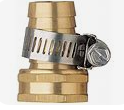
Recently I went to Home Depot to buy a replacement connector for a hose, a task that seemed straightforward enough. I find what I need, a sturdy little connector that would serve its purpose well, and head to the self-checkout with a sense of accomplishment. I scan the item and get ready to pay, feeling rather pleased with my efficient shopping. However, as I reach into my front pocket for the money, I receive the shock of my life. My billfold and money are not there! PANIC! Where are they? My heart races as I search my other pockets, but there’s nothing. No wallet, no cash, nothing to complete my purchase. I feel a wave of embarrassment wash over me as I finally have to summon the clerk, my cheeks burning with the realization that I’ve forgotten my money. I inform her, awkwardly, that I can’t pay for the five-dollar purchase because of my carefree negligence. She kindly voids out the purchase, a small relief amid my distress, and I rush to my car, my mind racing with thoughts of where I might have lost my wallet, as I hurry home, vowing to be more careful in the future.

The trip is about ten minutes to home, but it feels like an eternity as I replay the events in my mind. All the time I am thinking about what could have happened to my billfold and cash, the weight of worry growing heavier with each passing moment. Did it fall out of my pocket during my hurried walk? Impossible! I can’t bear the thought of having lost such an important item. I start trying to retrace my tracks, mentally revisiting the last place I remember having it—each location sparks a flicker of hope but also despair. Maybe someone took it at breakfast yesterday, though I truly don’t believe that, as this is precisely why I carry my billfold in the front pocket to thwart pickpockets. I had different pants on yesterday, a pair with more pockets but perhaps a looser fit. Maybe I left it in yesterday’s pants, tucked away in a pocket I didn’t think to check. That is possible, isn’t it? The thought gives me a glimmer of optimism, as I urge myself to maintain hope while counting down the blocks until I reach home.

As I drive home, I can’t shake off the feeling of dread as I imagine the worst-case scenarios—what if it is gone for good, lost among the countless other items in my car, or worse, stolen by someone who has no regard for the inconvenience they cause? My mind races through the exhausting process I will undoubtedly have to face, reporting my credit cards to prevent any unauthorized charges, replacing my driver’s license along with my health insurance card, which is a nuisance I could do without. This situation brings back vivid memories of a particularly distressing day when my wife’s purse was lifted off her shopping cart during our grocery run, a simple act that spiraled into a massive headache as we navigated the chaos of getting everything replaced. The discomfort and frustration we endured were overwhelming, turning a mundane shopping trip into a stressful ordeal that seemed to take forever to resolve. I can’t help but wish we had taken extra precautions then, as this experience serves as a painful reminder of the vulnerability, we all face in our daily lives.

I finally get home and rush in the house, hurrying toward the closet where I had left yesterday’s pants, my heart racing with anxiety and anticipation. RELIEF! It is there, waiting for me like a long-lost friend. Apparently, in my flustered morning rush, I took out all the other items from the pocket and meticulously placed them in the replacement pocket, but inadvertently put the billfold back in yesterday’s pants, thinking I had checked everything thoroughly. As I hold the familiar fabric in my hands, a wave of embarrassment washes over me, reminding me of how forgetful I can be these days. It seems like little mishaps like this are becoming a routine, making me acutely aware of how I’m growing older, and I can’t help but chuckle at my own forgetfulness, wishing I could easily dismiss these moments as mere quirks rather than signs of aging.

Virus Versus Bacteria

Audio PODCAST

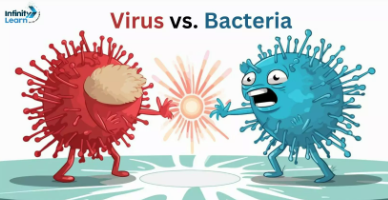
A virus and a bacterium are both microscopic entities that can cause illness, but they differ significantly in structure, behavior, and how they interact with living organisms. Viruses, which are smaller than bacteria, consist of genetic material encased in a protein coat, and they depend entirely on the host cells they invade for replication. Unlike bacteria, which are single-celled organisms capable of surviving independently, viruses cannot carry out metabolic processes on their own and are often referred to as obligate parasites. Bacteria, on the other hand, possess a more complex cellular structure, including a cell wall and cellular machinery that allows them to thrive in a variety of environments, reproduce quickly by binary fission, and sometimes develop resistance to antibiotics, making them a significant concern in public health. Understanding these fundamental differences is essential for developing effective treatments and preventive measures against the diseases they cause.

A bacterium is a single-celled organism with a relatively simple structure: it has a cell wall, a cell membrane, cytoplasm, and genetic material (DNA) that’s not enclosed in a nucleus. Bacteria are prokaryotes, meaning they lack complex organelles like mitochondria or a defined nucleus, which distinguishes them from eukaryotic cells that make up more complex organisms such as plants and animals. They can reproduce independently through binary fission, a process in which one cell splits into two identical cells, allowing for rapid population growth under favorable conditions. Many bacteria can survive in a wide range of environments—some even thrive without oxygen, showcasing their remarkable adaptability. They play crucial roles in various ecosystems, contributing to nutrient cycling and biodegradation. While certain bacteria, like Streptococcus or Escherichia coli (in pathogenic strains), can cause diseases such as strep throat or food poisoning, others are harmless or even beneficial. For instance, certain strains of Escherichia coli that reside in the human gut aid in digestion and the production of essential vitamins, highlighting the complex relationships bacteria have with their environments and hosts. Additionally, ongoing research into bacterial interactions continues to uncover their significant impact on health, biotechnology, and the ecosystem.

A virus, on the other hand, isn’t a cell at all—it’s a much smaller, simpler particle made of genetic material (either DNA or RNA) wrapped in a protein coat, sometimes with a lipid envelope that aids in its ability to enter host cells. Viruses can’t reproduce on their own; they rely entirely on their host organism, acting as obligate parasites that invade host cells, hijacking the cell’s machinery to replicate their own genetic material and produce new viral particles. This intricate process often damages or kills the host cell, leading to the symptoms and ailments commonly associated with viral infections, which is why viruses are typically associated with disease—think influenza, HIV, or the common cold, each highlighting the variety of health challenges posed by different viral strains. Unlike bacteria, which can metabolize and grow independently in various environments, viruses exist in a paradoxical state; outside a host, they’re essentially inert, displaying no signs of life until they come into contact with a suitable cell to infect, which further emphasizes their unique biological characteristics and the complexities of how they interact with living organisms.

Treatment differs significantly between bacterial and viral infections: antibiotics can effectively target specific components of bacterial cells, such as the cell wall or critical metabolic processes (for example, penicillin disrupts cell wall synthesis), but they are ineffective against viruses, which lack those structural and functional targets. For viral infections, healthcare professionals rely on antiviral drugs or vaccines, which are designed with the intention of blocking the replication of viruses in the host or enhancing the immune response to provide better protection against future infections. In addition to the mechanisms of action, scale-wise, bacteria are generally larger, typically measured in micrometers, which allows for easier observation under light microscopes, while viruses are significantly tinier, measured in nanometers, often necessitating sophisticated imaging techniques such as electron microscopy to be visualized. Understanding these distinctions not only highlights the complexity of treating infectious diseases but also underscores the importance of appropriate diagnostic procedures to ensure that patients receive the correct treatment, ultimately leading to better health outcomes.

In short: bacteria are standalone living cells capable of independent life; they possess the necessary components to carry out metabolic processes, reproduce on their own, and adapt to various environments, showcasing their resilience and diversity. In contrast, viruses are non-living entities outside a host, relying entirely on hijacking the cellular machinery of other organisms to multiply and propagate, which makes them significantly different from bacteria in terms of their biological function and lifecycle. This fundamental distinction highlights the complexity of microorganisms and their roles in ecosystems, illustrating how bacteria contribute to nutrient cycles while viruses can disrupt cellular processes for their replication.

Time After Death

Audio PODCAST

Speculating about what happens after death is a fascinating and timeless question that has puzzled humans for millennia. This enduring mystery elicits a wide range of thoughts and beliefs across different cultures and philosophies, revealing how deeply intertwined our understanding of life and mortality is with our worldview. Since there’s no definitive scientific evidence or data I can pull from to give you a concrete answer, here are some perspectives based on philosophy, culture, and imagination—staying open-ended and curious, as fits a question like this. Consider, for instance, the philosophical arguments presented by thinkers throughout history, who have explored concepts of the afterlife, reincarnation, or even existential nothingness. Additionally, various cultural traditions offer rich narratives—from the vibrant myths of ancient civilizations to modern spiritual beliefs—that shape how communities cope with the inevitability of death. Ultimately, this profound question invites us to reflect not only on the nature of existence but also on the values we uphold during our lifetimes and the legacies we wish to leave behind.

One possibility is that time after death ceases to exist as we understand it. Our perception of time is intricately tied to our physical existence—our brain, our heartbeat, the cycles of day and night. These elements create a framework through which we interpret the passage of moments and the unfolding of events. If consciousness ends with death, time might simply dissolve into nothingness, transforming into a state where there’s no “after” to experience. In this scenario, it could be like an eternal pause, a void without duration or awareness, where the very notion of past, present, and future becomes irrelevant. This concept invites us to ponder deeper philosophical questions about existence and the nature of reality itself, suggesting that, in the absence of consciousness, we could lose touch with the rhythm that once defined our lives, resulting in an infinite stillness where time, as we know it, no longer holds sway.

Alternatively, some traditions and beliefs suggest that time continues in a different form, often transcending our conventional understanding. In many religious frameworks—like reincarnation in Hinduism, which posits that the soul is reborn into various forms, or the afterlife in Christianity, where eternal life is promised—time might stretch infinitely or loop back on itself in cyclical patterns. Your essence, soul, or energy could move into a new phase, experiencing time nonlinearly or in a way unbound by our earthly clocks and perceptions of duration. Imagine a realm where past, present, and future blur together, merging into a tapestry of experiences that coexist simultaneously, or where time feels like a single, endless moment, rich with possibilities and lessons yet to be learned. This perspective challenges the linearity of our daily lives, inviting us to consider the intricate connections between moments and the profound impact of our choices, as they echo across the fabric of existence.

There’s also the speculative sci-fi angle: what if death is a transition to a simulated reality or a higher dimension? This fascinating concept invites us to reconsider our understanding of existence and the afterlife. Some thinkers, inspired by ideas like the simulation hypothesis, wonder if consciousness could upload elsewhere, where time operates under alien rules—maybe accelerating, reversing, or branching into infinite possibilities. Furthermore, if our reality is merely a sophisticated simulation, the implications could be profound, suggesting that the universe is a vast, complex program designed by an advanced civilization. In such a scenario, death might not be an end but a mere exit from one phase of existence into another, potentially more evolved state of consciousness where the boundaries of time, space, and identity could be dramatically different from what we currently comprehend. This prompts intriguing questions about the very nature of self and the universe. Are we within a grand experiment, and if so, what lies beyond the veil of our current perception?

Or perhaps it’s more personal. If energy can’t be destroyed (thanks, physics), maybe what’s “you” scatters into the universe, becoming part of a cosmic timeline—stardust cycling through eons, no longer aware but still present in some abstract way. This scattering could signify that every thought, every feeling, and every interaction we have leaves a trace, a signature on the fabric of the cosmos. In this vast expanse, we might imagine that our essence intertwines with that of the stars, influencing the birth of new celestial bodies and echoing through the very atoms of life across the galaxies. Each moment of joy, pain, or love might pulse through time, merging with the universe’s symphony, as we become both the notes and the harmony in this eternal cosmic dance. The essence of who we are might just transcend our earthly existence, forging an eternal connection with everything that has ever been and ever will be.

Measles Resurgence

Audio PODCAST

What You Need to Know

As of April 9, 2025, measles is making headlines in Colorado, raising alarm bells among public health officials and residents alike. This highly contagious, vaccine-preventable disease, once nearly eradicated in the United States, is showing signs of resurgence. With three confirmed cases reported in the state this year, it’s time to take a closer look at what’s happening, why it’s a problem, and what we can do about it.

Colorado has seen a troubling increase in measles cases recently. The first case was confirmed on March 31 in an unvaccinated adult from Pueblo who traveled to Mexico, followed by an unvaccinated infant diagnosed on April 7 after a trip to Chihuahua. Most concerning is a third case on April 8 in Archuleta County—an adult with unknown vaccination status who hadn’t traveled outside the state, suggesting the virus may be circulating locally.

Measles is more than just a childhood rash—it’s a serious illness that can cause severe problems, especially for those who aren’t vaccinated. Symptoms usually begin with fever, cough, runny nose, and red, watery eyes, followed by a rash that spreads downward from the face. While most people heal, the dangers are significant: about one in five unvaccinated people who get measles may require hospitalization. For children, it can lead to pneumonia, brain swelling (encephalitis), or even death—up to three in every 1,000 infected kids may not survive.

The disease’s contagiousness is what makes it so dangerous. Measles spreads through the air when an infected person coughs or sneezes, and the virus can linger in a room for up to two hours after they’ve left. If 90% of unvaccinated people in that space are exposed, they’ll likely catch it. That’s why vaccination rates matter so much—when 95% of a community is immunized, “herd immunity” kicks in, protecting even those who can’t get vaccinated, like infants or people with certain medical conditions.

Colorado’s vaccination rates are dropping, posing a serious problem. For the 2023-2024 school year, only 93.7% of K-12 students were fully vaccinated against measles with the MMR vaccine, below the 95% needed for herd immunity. Some areas, like Archuleta County, report even lower rates of about 87%. Low vaccination rates are common across the state, particularly in rural districts and places like Boulder, where hesitancy persists despite high education and income levels.

Travel is another critical factor influencing the spread of infectious diseases. Two of Colorado’s recent cases were directly linked to international trips to Mexico, where outbreaks are still ongoing and health officials are closely monitoring the situation. With spring break season in full swing and summer travel quickly approaching, the risk of importing measles into the state—or exacerbating its spread within local communities—grows significantly. Additionally, Colorado’s diverse and mobile population, which includes residents and visitors frequently traveling for work, recreation, or family visits, means these cases might not remain isolated for long. As people interact in various settings such as airports, hotels, and public events, the potential for transmission increases, posing a challenge to public health efforts aimed at controlling the outbreak and ensuring community safety.

The Colorado Department of Public Health and Environment (CDPHE) is on high alert. They’re working with local health agencies in Pueblo, Denver, and Archuleta County to investigate these cases, identify potential exposure sites, and notify anyone who might have been at risk. For example, people who visited Southwest Deli and Cafe in Pueblo from March 17-21, Denver Health’s ER on April 6, or Wolf Creek Ski Area from March 28-30 are being told to watch for symptoms like fever or rash for 21 days after possible exposure.

The CDPHE is also pushing hard on vaccination. The MMR vaccine is 97% effective after two doses, and it’s the best defense we’ve got. They’re encouraging everyone—especially those planning travel—to check their vaccination status via the Colorado Immunization Information System (CIIS) and get vaccinated if needed. For infants 6-11 months heading to outbreak areas, an early dose is recommended, even though the standard schedule starts at 12-15 months.

Here’s how to keep yourself and your community safe:

  1. Check Your Status: If you’re unsure whether you’ve had two MMR doses, ask your doctor or check the CIIS portal. Adults born after 1957 who got vaccinated before 1968 might need a booster, as early vaccines were less effective.
  2. Get Vaccinated: It’s not too late. The MMR shot can even prevent infection if given within 72 hours of exposure. Pharmacies, clinics, and doctor’s offices across Colorado offer it, often at low or no cost.
  3. Monitor Symptoms: If you’ve been to a potential exposure site, watch for signs of measles for three weeks. If you feel sick, call your doctor ahead of time—don’t just show up and risk spreading it.
  4. Spread the Word: Talk to friends and family about vaccination. Misinformation has fueled hesitancy, but the science is clear: the MMR vaccine is safe and it works.

Will these three cases fizzle out, or are we on the brink of a larger outbreak? That depends on us. Colorado hasn’t seen locally transmitted measles since the mid-1990s, but with 607 cases nationwide this year—mostly tied to outbreaks in Texas and New Mexico—the threat is real. Texas alone has reported over 500 cases and two child deaths, a stark reminder of what’s at stake.

I remember when I had measles in grade school. It was a time filled with discomfort and frustration, as I felt utterly miserable and would not wish it on anyone. The rash that covered my body itched incessantly, and I found myself unable to resist scratching, which led to scarring on my forehead that lasted for a considerable amount of time. This particular spot became a reminder of my illness, a place where I scratched without fully realizing the consequences. It was one of the many childhood diseases one had to endure during that era. This experience took place before vaccines were discovered, leaving countless children to grapple with ailments that could have been easily prevented. My days were spent confined to bed, surrounded by the faint sounds of laughter from my friends outside, a stark contrast to the isolation I felt during that time.

Ramblings Magazine Issue #10

Audio PODCAST

Readable PDF FILE LINK

Daylight savings Time Shift

Audio PODCAST

Interesting about the Monday after Daylight Savings time shift.

The rumor that the Monday after the spring Daylight Saving Time (DST) shift has the highest number of heart attacks in the year has some basis in research, but it’s not entirely accurate to say it’s the “highest” day of the year without context. While various studies have pointed to an increase in heart-related incidents during this time, likely due to the sudden loss of an hour’s sleep and the subsequent stress that follows, it’s important to consider that other factors also play a significant role in these statistics. For instance, lifestyle choices, the prevalence of chronic conditions, and overall health can greatly influence heart attack rates. Additionally, analyzing heart attack incidents over a longer time frame or in relation to other times of the year presents a more comprehensive picture. Let’s break it down with the facts:

Studies have shown a noticeable increase in heart attacks following the spring DST transition, when clocks move forward an hour and sleep is lost. For example, a study from Michigan, analyzing hospital admissions from 2010 to 2013, found a 24% increase in heart attacks on the Monday after the spring shift compared to other Mondays throughout the year. This spike is attributed to the disruption of the body’s circadian rhythm due to losing an hour of sleep, combined with the general trend of heart attacks being more common on Mondays due to workweek stress. Similarly, research from Finland noted an 8% increase in ischemic strokes in the first two days post-shift, reinforcing the idea of a short-term cardiovascular impact. Further evidence suggests that the physiological effects of sleep deprivation can lead to increased blood pressure and heightened levels of stress hormones, both of which may exacerbate underlying heart conditions. Additionally, the shock to our internal clocks has been associated with a range of health issues beyond just heart disease, including mood disorders and metabolic disturbances. As such, the twice-yearly clock change not only affects individual health but may also pose broader public health challenges that warrant deeper investigation and consideration.

However, the claim that this specific Monday has the “highest number of heart attacks for the year” isn’t fully supported. Heart attack rates tend to peak seasonally in winter months (like February) due to factors like cold weather and higher blood pressure, not necessarily tied to DST. In fact, research indicates that the cold can constrict blood vessels and raise the risk of heart-related incidents, exacerbated by the pressure of holiday stress and lifestyle changes during the end-of-year festivities. The 24% increase is significant compared to an average Monday, but it doesn’t necessarily make it the single deadliest day annually—other Mondays or days with extreme weather or holidays (like post-Christmas) might see higher raw numbers depending on the year and region. Moreover, the cumulative effect of various factors, such as an individual’s health history, stress levels, and the overall availability of healthcare during these times, also plays a crucial role in determining heart attack occurrences, highlighting the complexity of this issue. Thus, while there are observable trends, a broader perspective is essential for understanding the risks associated with specific dates or events.

On the flip side, when clocks “fall back” in autumn, studies show a corresponding 21% decrease in heart attacks the following Tuesday, suggesting the extra sleep has a protective effect on individuals’ cardiovascular health. This notable reduction in heart attacks highlights the significant role that sleep plays in the overall well-being of individuals, allowing their bodies to rejuvenate and recover after the stresses of daily life. Furthermore, this phenomenon sheds light on the importance of proper sleep patterns and how they can influence bodily functions. This symmetry supports the idea that sleep disruption, not just the day itself, drives the spring increase in heart-related incidents, underscoring the necessity for adequate rest and the potential consequences of sleep deprivation as we transition into and out of daylight saving time.

So, it turns out the rumor is not just a tall tale: the Monday following the spring DST shift really does see a heart attack increase—about 24% more than your average Monday! This is thanks to folks grappling with their sleep schedules like it’s a game of Twister. The sudden time change throws us all into a tizzy, leaving us bleary-eyed and stressed out. Researchers say this chaos can hit hard, especially for those with heart conditions who might as well be wearing a “please worry about me” sign. But let’s not crown it as the “highest” heart attack day of the year—it’s more like that annoying acquaintance who shows up uninvited rather than an all-out party. The spike is real and backed by science, just not the record-breaker the gossip mill suggests. So, let’s all be smart and take some steps to dodge this time-warping heart attack party by keeping our sleep habits in check and managing stress like a pro before the clock does its little dance! Or maybe stop this time change all together.

TGIF

Audio PODCAST

Thank God It’s Friday: A Celebration of the Weekend.

There’s a phrase that makes the whole world chuckle and do a little happy dance, a joyous shout that signifies the sweet escape from the 9-to-5 struggle: Thank God It’s Friday! Often squished into the catchy acronym TGIF, this isn’t just a fun little saying—it’s like a universal cheer that celebrates us finally throwing our workweek shackles off and diving headfirst into the glorious abyss of sleeping in, binge-watching shows, and having more fun than a cat in a room full of laser pointers.

The phrase “Thank God It’s Friday” has roots that stretch back decades, with its popularity skyrocketing in the United States during the 20th century, likely fueled by everyone’s undying desire to escape the nine-to-five grind. While we can’t quite pinpoint its exact origin—perhaps a disgruntled office worker shouted it during a coffee break—it’s believed to have gained traction around the mid-20th century when the five-day workweek became the norm. For weary workers, Friday was like spotting a unicorn: it meant trading in early mornings and relentless deadlines for two days of glorious freedom, where the most stressful decision was whether to binge-watch a series or take a nap (spoiler: it’s usually both).

The phrase got a major makeover in pop culture thanks to the 1978 disco spectacle Thank God It’s Friday, featuring the fabulous Donna Summer and the ever-charming Jeff Goldblum. This film, which revolves around a party at a nightclub on a Friday night, transformed TGIF into the ultimate battle cry for weekend warriors everywhere. Meanwhile, the restaurant chain TGI Fridays—which made its debut in 1965—jumped on the TGIF bandwagon, positioning itself as the ideal pit stop for those seeking to kick off the weekend with a hearty dose of food, drinks, and a side of good vibes, because nothing says “party” like a burger and a cocktail, right?

What is it about Friday that sparks such universal glee? Psychologically speaking, it’s like seeing the light at the end of a very long, boring tunnel. After five days of adulting and pretending to care, Friday bursts onto the scene like a party-crashing superhero, signaling our sweet escape. Studies suggest that people’s moods skyrocket as the weekend peeks around the corner, making Friday the happiest day—sorry, Monday, better luck next time! It’s not just about 休息 (xiūxi, rest)—it’s a buffet of possibilities. Will you kick back with a glass of wine, couch-surf through Netflix like a pro, or shake your groove thing until the neighbors wonder if there’s a disco in your living room? The choice is yours, and that freedom is more intoxicating than a triple shot of espresso on a Monday morning!

For many, Friday comes with a social battery that’s fully charged. It’s the magical night when friends converge at bars like moths to a flame, families settle in for a dinner so leisurely you could almost take a nap between bites, and coworkers clink their glasses in celebration of not having melted down during the week. The phrase “Thank God It’s Friday” isn’t just a shout-out to a higher power—it’s a big high-five to the calendar for finally dragging us to this glorious finish line!

I am glad I don’t have to wait for TGIF. After all, I have been retired for nineteen years, which has given me the luxury of savoring each moment without the constraints of a conventional work schedule. For me, every day is Saturday, filled with the joys of leisurely breakfasts, spontaneous outings, and the freedom to pursue hobbies I never had time for before. I relish the ability to wake up whenever I please, enjoy a cup of coffee while watching the sunrise, and spend my afternoons indulging in my passions, be it gardening, painting, or simply enjoying a good book. This freedom allows me to embrace life fully and appreciate the beauty of each day and do what I really enjoy these days is writing and blogging in cyberspace.

As of today, February 28, 2025, it’s a Friday—a fabulous day to bust out your best TGIF dance moves! Whether you’re wrapping up work or just reveling in the glorious shift of your mood, take a second to shout: Thank God It’s Friday! It’s not merely a catchphrase; it’s a joyful scream for freedom! Here’s to Fridays—may they always sprinkle a little confetti into our weeks. Cheers to that, and may your coffee be strong and your meetings be short!

Water, Water, More Water

Audio PODCAST

Believe it or not, my favorite drink is water, just plain old boring water. Back in 2018, I had an 11 mm size kidney stone removed, and this experience was incredibly eye-opening. It was not fun having them go up through the basement to extract it; the entire procedure was quite surreal, filled with a mix of anxiety and hope. Up went a camera, a laser, and a vacuum tube to remove the debris, while I sat nervously, contemplating the pain and discomfort ahead. I passed chocolate milk for eight hours after this adventure, an odd side effect that I never anticipated. Thank God for anesthesia, which dulled the sharp edges of reality during that time. Unfortunately, I lost my ability to remember dreams after the bout with anesthesia, a peculiar trade-off that left me feeling a void I never expected. I miss my dreams—those vibrant landscapes of creativity and emotion that would unfold behind my eyelids. Oh, I still dream, but once I wake up, they are gone forever, like whispers of memories that fade with the light of day. The urologist told me to drink 2 liters of water a day to possibly not have a recurrence of such a painful ordeal, emphasizing the importance of hydration for my kidney health. Therefore, water is not just my favorite drink; it has transformed into a symbol of my resilience and a daily reminder to take care of myself, ensuring that I stay hydrated and healthy for the long run.
I also drink other drinks. I drink decaffeinated coffee any chance I get, as it provides me with the warm, comforting experience of my favorite beverage without the caffeine jitters. The urologist said I should avoid caffeine for reasons unknown, which has made me more conscious of my dietary choices overall. Maybe once a week I indulge in a Pepsi, savoring the familiar taste, but I try to limit my consumption of sugary sodas. Since I am prediabetic, I should avoid high sugar pops to maintain my health and manage my blood sugar levels effectively. I used to enjoy sipping on alcoholic drinks, particularly wines and beers, which were once a delightful part of social gatherings and celebrations. However, since February 2023, I was put on a blood thinner after a large blood clot between my lungs, and the doctor strongly recommended that I avoid alcohol altogether, as it may hamper the regulation of the clotting process. This was quite a shift for me, as I had always appreciated a good glass of wine or the occasional craft beer, making me reflect on my lifestyle changes. I was told about the Golden Years, filled with joy and relaxation, but I was never told that the gold was tarnished in spots, revealing challenges and adjustments that come with aging and health issues.

Daily writing prompt
What is your favorite drink?

National Poop Day

Audio PODCAST

Did you ever hear about this?

National Poop Day is celebrated annually on the day after Super Bowl Sunday, which in 2025 falls on February 10. This holiday, though quirky, has a serious side, aiming to educate people about the importance of digestive health and proper sanitation practices. Here’s a comprehensive look at National Poop Day:

Origin:

  • National Poop Day was conceived during a Polling Place election at the Madison Children’s Museum in 2016. Children voted to celebrate this day, which was then adopted as an annual event to discuss and destigmatize one of the most vital functions of the human body.

Purpose:

  • Health Awareness: The day serves to raise awareness about digestive health. Understanding your body’s natural processes, including the color, consistency, and frequency of bowel movements, can be indicative of your overall health.
  • Sanitation and Hygiene: It highlights the need for proper waste disposal, both for human health and environmental conservation.
  • Breaking Taboos: By humorously acknowledging poop, the day helps to break down social taboos surrounding the discussion of bodily functions.

Celebration Ideas:

  • Educational Events: Schools, museums, and health organizations might host events where people can learn about digestion, gut health, and the environmental impact of improper waste disposal. For instance, the Madison Children’s Museum has held events with activities like story times with books like “Everyone Poops” and hands-on learning about animal scat.
  • Community Cleanups: Promoting clean neighborhoods by organizing clean-ups, particularly focusing on pet waste, which can contaminate water sources if not disposed of correctly.
  • Social Media Campaigns: Using platforms like X (formerly Twitter) to share facts, humor, and educational content about poop, often using hashtags like #NationalPoopDay.
  • Fundraising for Sanitation: Some use this day to fundraise for organizations that work on improving sanitation conditions globally, like the Ocean Sewage Alliance.

Cultural Impact:

  • The day has found a niche in pop culture with humorous posts on social media, poop-themed merchandise, and even special events like “Poop Day” runs or walks. It also ties into the natural increase in sewage activity post-Super Bowl due to the consumption of heavy, rich foods during the game.

Health and Environmental Benefits:

  • Discussing poop openly can lead to better health practices. For example, understanding the Bristol Stool Scale for classifying poop can help individuals monitor their health and diet.
  • Environmentally, it underscores the importance of not flushing inappropriate items down the toilet, which can lead to sewage system issues.

Global Perspective:

  • While primarily an American observance, the themes of National Poop Day resonate globally, aligning with issues like World Toilet Day, which focuses on sanitation and hygiene worldwide.

National Poop Day combines humor with education to make a significant impact on public health discourse and environmental awareness. It reminds us that even the most basic bodily functions are crucial to our well-being and the health of our planet.

Two Years Ago


Audio PODCAST LINK

Two years ago, if you can imagine such a thing, I, found myself in a peculiar situation. I was no longer bound by the physical constraints of life, yet I was very much aware, experiencing time in a way I never had before.

I remember the moment it happened, the feeling of detaching from my body, as if you were shedding an old coat. The world, as you knew it, didn’t disappear. However, I felt a sense of peace, total Peace. A feeling that is unexplainable.

Time, in this new state, was different. I may have been in a waiting room. Waiting to see if the medical team revives me and I return to life on earth. Or will I continue to time after life on this earth.

I didn’t see that light at the end of the tunnel like so many say they see. No music, no angels, just me. However, I experienced peace, total peace. A feeling I never felt before in my eighty plus years. Or after I was revived, that peace was gone.

Yet, there was also a sense of isolation. I missed the tactile sensations of life – the warmth of the sun, the taste of your favorite food, the hug of a friend. However, peace, total peace overpowered everything.

I began to understand that time after death was not about waiting for something to happen but about experiencing peace, total peace. I found joy in this new exploration, in learning about the universe from a perspective unbound by human limitations.

Two years in this new dimension of time felt like both an eternity and a heartbeat. I learned that death wasn’t an end but a transition to another kind of journey, one where time was not a line but a vast, interconnected web of experiences. I feel blessed and honored that I was chosen to experience a preview of time after death. I will share my experience to as many as this mere mortal is able to. Here, is this timeless space, I continued to live, to love, and to be myself. I am confident time after death will not be a disappointment.

audio podcast MY BLOOD CLOT

Good and Bad About Snacks


audio Podcast

Good Aspects of Snacks:

  1. Nutrient Boost: Snacks can provide additional nutrients if chosen wisely. For example, nuts offer healthy fats, fiber, and protein; fruits give you vitamins, minerals, and antioxidants; yogurt provides calcium and probiotics.
  2. Energy Maintenance: Snacks can help maintain your blood sugar levels, providing energy between meals, which is particularly useful for people with active lifestyles or those who need a boost during long work hours.
  3. Mood Enhancement: Certain snacks like dark chocolate can release endorphins, leading to mood improvement. Plus, eating something you enjoy can simply make you feel good.
  4. Hunger Management: Snacking can prevent overeating at meal times by keeping hunger at bay, thus aiding in portion control and potentially weight management.
  5. Convenience: Snacks are often easy to prepare or grab on the go, fitting into busy schedules or serving as quick meals for children.
  6. Social Aspect: Sharing snacks can foster social bonds, whether at work, home, or during social gatherings.

Bad Aspects of Snacks:

  1. Caloric Intake: Many snacks, especially processed ones like chips, cookies, and candies, are high in calories but low in nutrients, leading to weight gain if consumed in excess.
  2. Nutritional Deficiency: Regular intake of high-sugar or high-salt snacks can contribute to an imbalanced diet, potentially leading to deficiencies in essential nutrients.
  3. Health Risks: Frequent snacking on unhealthy options can increase the risk of obesity, type 2 diabetes, heart disease, and dental issues like cavities, particularly from sugary snacks.
  4. Portion Control Issues: Snacks can be deceptive in terms of portion size; it’s easy to eat more than recommended, especially with foods that are palatable and easy to consume in large quantities.
  5. Quality of Ingredients: Many snacks contain preservatives, artificial colors, flavors, and trans fats, which are not beneficial for health and can even be harmful in large amounts.
  6. Interference with Meals: Snacking too close to meal times might reduce your appetite for more balanced meals, potentially leading to a less nutritious overall diet.
  7. Mindless Eating: Snacking often occurs while doing other activities like watching TV or working, leading to mindless eating where you might consume more than intended without noticing.

From your friendly AI.

Daily writing prompt
What snack would you eat right now?

Life Support

Around a year and a half ago I experienced a near death event. I had a massive blood clot between my lungs, and I thought I took my last breath. I don’t know where I went but wherever I was I experienced something I have never experienced before in my life and that was peace, total peace. I believe this was a preview of time after death. I cannot explain what it felt like but, I must say it was great. Since then, I have not felt that way since.

My experience can be read at My Blood Clot Link.

Since that time, I have been on a blood thinner prescription. The medical team could never determine what caused my clot. I did not fit any item on their laundry list of reasons for my blood clot. Therefore, I was put on this medication and told to expect to take this pill every twelve hours. They told me to try to be consistent. If I start taking them at seven in the morning, then take one at seven in the evening. Getting in the habit of taking one when I get up and one when I go to bed is not consistent enough. Since it may vary by two to three hours. Also, they said if I forget one do not double up the dosage. This could cause internal bleeding. In other words, they gave me a good scare, be consistent or maybe pay the consequences.

Sure, I make sure that I take my keys, money, driver’s license, and all the other necessities. However, the most important thing for me is to carry one day’s dosage on me in case I am delayed somewhere. I think I can say, “I am on life support.” mail@tomt2.com

Daily writing prompt
What is the most important thing to carry with you all the time?

Sunset to Sunrise

Ten to eleven o’clock is the normal time for me to go to bed and sleep. Seven to eight o’clock is the normal time for me to get up.

Sounds simple, right? Unfortunately, there are events that does not make it a simple eight-hour sound sleep. First, my bladder requires attention at least twice during that time. Some nights it happens four times. Many times, I get up go and come back and go back to sleep almost immediately. Other times not so fortunate. My mind starts working and I start thinking about many different subjects and takes different times to fall back to sleep. I remember the good old days when I could fall asleep and sleep for eight hours before my bladder would say, “hey Tom, it is time to pee!”

Secondly, I have started to wake up somewhere around four or five in the morning. I guess I do not need eight hours of sleep anymore before I feel rested. I don’t get up at that time. It gives me a good time to reconcile various events in my life. It may be a recent event or some event that happened many years ago. I do enjoy this time though; it gives me a time to think about actions I took or relationships in my life. Also, I take time to talk to the creator. It is usually a one-sided conversation though. After this mental activity I usually take a snooze before it is time to arise. I cannot remember the last time an alarm clock was needed to wake me up in the morning. Apparently, my biological clock never goes to sleep.

As I become older the afternoon nap is becoming more common and the ten-fifteen-minute snooze has become an hour or more.

Daily writing prompt
What time do you go to bed and wake up currently?

My Surgery Tales

I am over eighty and have been relatively healthy throughout my life. In spite of smoking for over twenty years and doing very little exercise during that time. I also have drunk my share of alcohol.

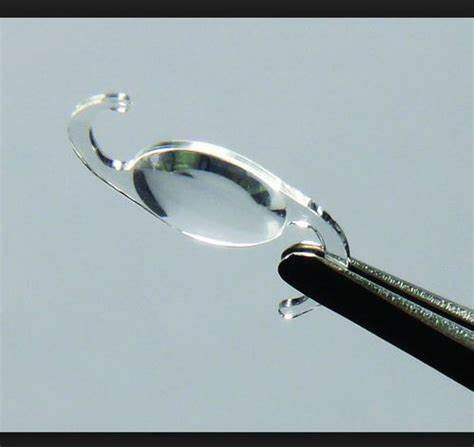
My first surgery was when I was fifty. It was cataract surgery on my right eye. This was an outpatient surgery, and I was home before lunch. I was amazed at how bright and clear my vision was. Ten years later, I had the same surgery on my left eye. Since the surgery was done by two different providers I do not know if this done on purpose or what. The first implant had the focal point for distant vision. The second implant has the focal point for close vision. The only time I have to wear glasses is for close detail work. It is amazing how your brain can adjust for two different focal points.

My second event happened in 2018. I started having pain in the early evening on my right side below my rib cage. Finally, around 11pm my wife took me to the ER. The CAT scan showed an 11mm kidney stone in my right kidney and it got in a position where it attempted to travel down the tube to the bladder. The ER personnel said that was the largest kidney stone that they have ever seen. It was removed by going up from the basement and used a laser to break it up. I peed chocolate milk for 12 hours after the removal.

Finally on February 7, 2023, around 2:30 in the morning I woke up with a terrific Charlie Horse in my left calf. I massaged it trying to relieve the pain. Big Mistake! The pain decreased but about 30 minutes later I had difficulty breathing, woke Dee my wife and she called 911. The EMT’s took me to ER. The CAT scan showed a Pulmonary Saddle Embolism between my lungs. Otherwise, a gigantic blood clot. The speculation was that massaging the calf dislodged the clot and it migrated up to my chest.

They gave me three options. First, to attempt to use medication to remove the clot. Secondly, to go under anesthesia and enter through the groin with their instruments and remove the clot. Finally, to do the same procedure but the patient stays awake during the procedure. They said they have had the best luck when the patient stays awake and alert. That is the option I chose.

The most painful was when they cut the vein or artery for the entrance of the instruments. The other was just discomfort. After about 30 minutes I heard one of the assistants say, “Doctor his blood pressure is dropping.” I was starting to feel really bad, and I was at the point I was thinking this was my last breath. I blacked out. A period later I woke up and was starting to feel better. After about 45 minutes the surgeon was finished and told his aide to finish it.

The doctor started talking to me and asked how I was doing and that he got most of the clot but there were areas he couldn’t reach. In the conversation I asked. “Doctor, I heard an aide say my blood pressure was dropping”, how low did it go? There was a pause and he finally said, “Tom, you don’t want to know how low it went, and I am not going to tell you.” I still don’t know how low it dropped. He also stated, “Tom, I think we made the right decision for you to stay awake. I am afraid that if you went under anesthesia, I would have lost you.” That was an eye-opening comment to me. I then spent three days in ICU and then went home.

This was a near death experience, and I may have had a preview of time after death. During the time I blacked out until I woke up, I experienced something I have never experienced in my entire life and that was peace, total peace! I cannot express or explain what I was feeling but I am ready to feel it again. Was this a preview? Who Knows.

That was close to over a year and a half ago. I am doing well. I will never get back to myself before this event, but I am happy where I am.

Daily writing prompt
Have you ever had surgery? What for?

Vicks VapoRub and Toenail Fungus

Some years back a nurse friend of mine were talking and I mentioned that I had some pain and discomfort on the top of my big toes. She said I could have fungus underneath my toenails and that more than likely is the reason for my discomfort. She suggested using Vicks VapoRub to help alleviate the discomfort. I thought “what are you smoking?”

Anyway, I gave it a try. After showering I put lotion on my calloused heals and started applying VapoRub on the top of my big toes and around the cuticles. After a week or so I started to feel the difference and in a couple of months I had no discomfort at all.

At my next wellness exam with my PCP when she was checking my feet, I mentioned about the VapoRub procedure and she said, “oh that is an old wife’s tale that has been around a long time.” She didn’t recommend it or discourage it.

When writing this story, I thought about going to the internet and found this.

Vicks VapoRub is a topical ointment that may help treat toenail fungus1Its active ingredients, camphor and eucalyptus oil, have been found to have a “positive clinical effect” in treating toenail fungus1To use Vicks VapoRub for toenail fungus treatment, you should2:

  • Thoroughly file the nail.
  • Rub the Vicks VapoRub on the toenail, the affected part, and the edges of your toes.
  • Wear socks to prevent the ointment from soiling your sheet.
  • Do this continuously for at least nine months to completely get rid of the toenail fungus

I am not suggesting or recommending this procedure. I am just sharing this story.

My Eyes are Killing Me.

It is that time of the year again. Spring allergies have attacked me full force. A couple of days ago my nose started to run and I looked around and sure enough, the trees were starting to leaf up and the fruit trees were all filled with blossoms. I thought, oh no, it is the time of year for itchy, scratchy, red eyes.

Before I turned fifty, I didn’t have allergies, but as I got older, they started to attack me and the older I age the worse they get. I read that this is a characteristic of the aging process in some people. I guess I am stuck with the problem. Fortunately, it only lasts a couple of weeks and once the trees are finished doing their thing, I am ok.

Over the counter medication such as Alavert and Claritin work for the runny nose discomfort and the runny nose can be tolerated. The itchy, burning, running eyes are another issue. I don’t know how many eyes drops and ointments I have tried and to no relief. The best that has worked for me at the moment is Thera Tears and Pataday. Unfortunately, my itchy eyes bother me for about two weeks. I have learned to not rub my eyes no matter what. That only makes it worse. It sure has been difficult to refrain from an automatic response.

I have talked to eye doctors, and they just told me allergies are caused by your immune system and it thinks the pollen is a threat to your eyes and attempts to protect your body from infection. Apparently, they do not have any suggestions for the discomfort. one consolation is that it only lasts a couple of weeks, and it will all be over.

Time to go back being uncomfortable and grouchy.

A Gift of Life

February 7, 2023, I received a gift from God. It was one of the greatest gifts I have received. On that day I was afflicted with a gigantic blood clot between my lungs. The surgeons gave me three options. The first was attempt to use medication to break up the clot. The second was to go up through the groin into the artery using anesthesia. The third was the same procedure but the patient stayed awake without going under anesthesia. They said they had the best results when the patient stayed awake. I picked that option. The most painful was when they cut into the artery to insert their equipment.

Somewhere in the procedure I was feeling very bad. I was at the point that I thought this is my last breath. I must have passed out and sometime later I woke up and was starting to feel better. The remainder of the procedure took about forty-five minutes. after completion the surgeon talked to me and he said, “Tom I think the right decision was made to stay awake. I am afraid if you would have gone under anesthesia, I would have lost you”. At that moment I realized I just received a gift from God!

After three days in ICU and an additional day in the hospital, I went home. Doing some research and I find that only three to five percent survive a clot of that size. Also, most patients die within six months after. Well, it has been over a year now and I am still here! This has truly been a gift from God. How long this gift continues only God knows.

https://tomt2.com/2023/08/10/my-blood-clot/

Daily writing prompt
Share one of the best gifts you’ve ever received.

MY BLOOD CLOT PODCAST

It has been over ten months since I survived a life-threatening blood clot. The survival rate for this kind is three to five percent and forty to fifty percent die withing five months after the clot. I consider myself very fortunate to have beaten the odds and I consider this a second chance.

PODCAST

For about 2 months I have been having periodic aches in my left calf. It would come and go and had no specific time or length of ache. I just thought it may be part of aging and didn’t think about it much I

On the night of February 5,2023, I had to go to the bathroom and stood up and a shooting pain went up from the ball of my left heal up through my calf. I could hardly walk to the bathroom. After finishing I came back to bed and laid down. The pain was not bad when no weight was put on the foot. I went back to sleep and woke up the following morning. The pain was not that bad when weight was put on the heal. It felt very similar to the same pain I had when I was diagnosed with a Bakers Cyst back in 2012. I emailed my PCP relaying my symptoms, she responded suggesting I come in and get it checked out. Ironically there was an appointment available the same day at 4:50PM and I took it. After the examination she deduced that I had Plantar Fasciitis and Achilles tendonitis. An ultrasound was not taken. She set me up for PT and showed me how to do some home exercises. I went home satisfied 

On the night of February 6th and morning of February 7th I went to the bathroom twice with no problems. Then about 4am I went again and experienced this shooting pain from the ball of the left foot with serious pain in the calf. Again, I could hardly walk to the toilet. After going back to bed, the pain from the ball of the foot went away, but the pain in the calf was still there. I massaged the calf to try to lower the pain and about 4:30am I began having trouble breathing. I woke my wife and told her to call 911, thought I was having a heart attack. She freaked out but did call 911. The operator told her to open the front door. However, in her panic she turned the key the wrong way on the security door dead bolt and jammed the lock so she could not get the door unlocked. I knew about the problem for about 2 years but learned how to live with it. I will now see that I fix it for good. Because of that the paramedics had to come through the garage.  

The paramedics get here and check me out and determine that I can survive a trip to Swedish Medical instead of taking me to St. Anthony Hospital, which is the closest to our home. I am put in the ambulance through the garage. Put an I V in me and start giving me fluid and oxygen. The siren was used during the trip to Swedish. I would estimate it took 10 to 20 minutes to get to the ER. I went into an ER waiting room immediately. 

First thing they do is have an ultrasound on my left calf area. The ultrasound shows DVT (deep vein thrombosis), in the leg from the knee down to the ankle. Next a CT scan was done in my lung area, and they found a large clot located between my lungs. This is called pulmonary saddle embolism.  With that finding an I V Heparin drip was ordered to start reducing and preventing additional clotting.  

After a period, a doctor came to discuss the situation. He explained that there were three choices that could be made. First choice is to attempt to use medication to clear the clot. He did not recommend this because of the size of the clot. Secondly, go in through the groin, up to the lung area and remove some of the clot and put me under anesthesia. The last option was for me to stay awake during the procedure. He said this option is the one they have had the best success. After discussing with my wife and 2 stepdaughters, I decided to stay awake during the procedure and gave the ok. 

They wheeled me to the operating room. I am in the room before the room is prepared and I am just amazed how much equipment and items are used for a medical procedure. Towels, clothes, pillows, tubing and items I can’t even explain. Finally, they are ready to start the procedure. The doctor told me that they would use a local anesthesia to help endure the pain. The most painful part was when they cut the vein or artery on my right groin. They didn’t bother to tell me that they needed an incision on both sides of the groin. The incision on the left groin was just as painful as the right side. I am glad they used a local anesthesia. I don’t know how intense the pain would have been without it.  

Anyway, the procedure has started and after a period I am starting to feel bad. I shout out, “how much longer?” The doctor says maybe 20 to 30 minutes. I groan. I am continuing to feel bad. I hear from someone in the room, “his blood pressure is dropping doctor”. I am really starting to feel bad, and I get to the point, I don’t know whether I can continue. I was at the point of giving up. I thought I was breathing my last breath. I don’t know what happened or what they did but I started to recover and feel better. The procedure lasted maybe 20 minutes and then I heard the doctor say we are finished Thomas. I was relieved. 

Maybe 5 or 10 minutes later the doctor started talking to me saying the clot they removed was one of the biggest clots that they have dealt with, and I was a good patient compared to some of their previous patients. Apparently, some patients get to the point where they must be restrained because they want to get up before they are finished with the procedure. I asked the doctor, “I heard my blood pressure was dropping”. I asked him “how low did it go?” There was a pause, and he said, “you don’t want to know, and I am not going to tell you.” I never did find out how low it went. As the conversation continued the doctor said, “you know Thomas I think we made the right decision. I am afraid if you had gone under anesthesia, I am afraid we would have lost you.” I didn’t know what to say about that comment. Now I can say I was standing in front of deaths door and Dr. Death was holding the door open. I was given a second chance in life.  As my wife says, “your room wasn’t ready yet. Now my job is to find out why I was given another period of life and find out what is expected of me with this second chance.   

One of the assisting doctors takes over and apparently, they are having a difficult time stopping the bleeding from the right groin incision. I guess they can’t use sutures like normal and being loaded up with blood thinners they must use compression on the wound and wait until it starts to heal. The doctor put pressure on the wound for about 45 minutes before it stopped bleeding. After it stopped bleeding, they wheeled me to an ICU room. During the trip to the ICU room, I attempted to raise my head and the doctor yelled at me “don’t do that, you must remain flat on your back until the incisions heal.” 

It is still Feb. 7th when I go to the ICU room and stay there until the afternoon of Feb. 9th. They wanted to get me to a normal room sooner, but a room was not available until late Thursday afternoon the 9th. I do not remember much about the time in ICU. The worst part was having to lay flat on my back all the time. I could not lay on my side, and I am not accustomed to laying on my back while sleeping. This was pure misery, a time I will never forget. I understand the reason for that is to keep the strain from the incisions and allow them to heal and not break open and start bleeding. Another item I discovered during this stay was a condom catheter, it was like a condom with a tube that went to a bag below the bed and whenever nature called you let it go and the urine went into the bag via the tube at the end of the condom. Since I was receiving blood thinner through the I V, they drew blood every 2 hours to make sure I was not getting too much blood thinner. There is always a concern about internal bleeding.  

Finally, they discharged me from the hospital on Friday afternoon February 10th. Ever notice they want to discharge as many as they can before the weekends. Anyway, in the following months I have follow up appointments, wear a heart monitor, and tested for sleep apnea. The last test was an echocardiogram. They wanted to make sure the blood clot did not leave any long term. Damage. All the tests showed there was no long-term damage.  

In conclusion, it is near the end of July, and I feel pretty good for being over eighty and just dodged death. The only thing I have noticed is that my endurance is shorter now and I tend to get tired sooner. The moral of the story is that if you ever wake up in the middle of the night with a painful cramp in your calf, do not massage the calf to attempt to relieve the pain. The speculation is, when I massaged my cramp a large portion of the clot broke loose and migrated between my lungs and with the constriction and the blood flow slowing down the clot just became larger. The doctors said I was very fortunate to survive a clot of this size. Now I must figure out why I was given another chance of survival. 

CATARACTS A FACT OF LIFE

Audio file for listening instead of reading.

Here I am over eighty and twenty years ago I had my first cataract removed. Seven years later my second one was removed. As you age a large percentage of people can expect to experience cataracts. It is just a part of the aging process. As you get older your body parts just don’t function like they used to and start to wear out. What causes cataracts? Professionals say that there may be a variety of causes. In my case I speculate that I have lived most of my life in the Denver area and the altitude exposes you to more ultraviolet radiation than lower altitudes. Also, when I was a youngster, eye protection was not that common. All summer we ran around with no sunglasses and no shirt. Now, I am starting to pay for this unawareness of the dangers of sunshine. I have had two cataracts removed and one suspicious spot on my nose has been removed. My back looks like the moon surface and my doctor have told me to keep a close eye on my back and call him if I notice any changes in those craters. What you did in the past starts to catch up with you sooner or later. 

Cataracts are clouding the lens in the eye. When I first started to notice them, my sight started to show a tint of yellow. Driving at night becomes difficult because the oncoming headlights start to sparkle brightly, and a lot of your view is lost. I think they call that, headlight blooming. After a period of time, it becomes intolerable, and you know it is time to get something done.  

Fortunately, cataract surgery is relatively simple now. I remember in the late fifties my uncle came from Meeker Colorado and had cataract surgery. We went to see him in the hospital, and he was laying there with sandbags placed on both sides of his head to immobilize his movement and he was in a lot of pain. He spent a week in the hospital. In those days they didn’t have implants and he had to wear big thick glasses to replace the cloudy lenses. 

Cataract replacement Lense

The surgery now is an outpatient procedure. The whole procedure shouldn’t take more than four hours. This consists of pre-op and post-op time. The surgery probably doesn’t take over twenty minutes. The procedure twenty years ago was very similar to today’s procedure. Infection is the main concern. I started antibiotics in the affected eye the day before and continued them a week after surgery. You are sedated and your eye is numbed up. However, you are awake and aware of what is going on around you. You do have an IV in your arm and can be put under immediately if needed. You also are fitted with oxygen apparatus just in case. They put this fabric type material over your face and cut a hole in it over your eye. This exposes your eye to the surgeon. I speculate that somehow your eyelid is secured so you can’t blink. Your eye is numbed, and you can’t feel anything in the eye area. The surgeon does his thing, and the most annoying thing is the bright light in your eye. Your cataract lens is removed, and a replacement lens is inserted. The incision is so small that no stitches are normally needed. The surgery is over, and you may spend forty-five minutes in post-op. You are ready to go home, and you need someone to drive you home. 

On the first surgery, I experienced clear vision the first time I opened my eye. The second time I was not as fortunate. It took about a week for my vision to clear up. Now it is clear, and I had to be fitted for new prescription glasses. I am just amazed how technology has progressed and how a complicated procedure has become a simple common event. After a period, the time varies with the patient, the clear tissue that covers the implant may become clouded and a laser is used to remove that tissue so that clear vision will return. It has been twenty years since my surgery, and I have not experienced this yet.  

Finally, if you live to be over sixty, you will more than likely experience cataract surgery. I am confident it will become simpler and simpler as time goes by.  

Originally Published 11/11/2007 Yourhub.com, modified to fit this this format.

TALES OF A FORMER SMOKER


Colorado in 2008 was having a debate to outlaw smoking in public establishments. Casinos say that the smoking ban will more than likely affect their business. Approximately twenty percent of Colorado residents are smokers. Bar owners ask appeals court to overturn the state smoking ban. These are all headings of stories about the statewide smoking ban. Smoking is still an issue. The major majority voted for a smoking ban in recent years. There are still twenty percent who feel they are being unfairly treated with the smoking bans. I have been on both sides of the issue. I was a smoker and quit many years before any smoking ban took effect.  

I started smoking when I was in the eighth grade. Why did I start? I would say because of peer pressure. Everyone I ran around with started smoking about the same time. It was cool! Many movie stars smoked. You would go to a movie and smoking was always featured. Fred Flintstone and Barney smoked and advertised Winston cigarettes. Smoking was the thing to do if you wanted to be cool. My Dad smoked. The local parish priest smoked. Many neighbors smoked. This was all before the adverse effects of smoking were known. No one cared about the addictive effects of nicotine, or the tar build up in your lungs. I remember when I first started smoking. You would inhale and suddenly become dizzy. I never did get sick to my stomach though. After a period, the dizziness went away and the addiction to nicotine took over. You were hooked.  

I smoked through high school and beyond. I was drafted into the army in 1964 and at those times most of the new recruits smoked. I recall the saying, “smoke them if you have them”. A cloud of smoke would rise from the company of troops where only a half a dozen or so did not smoke. The red butt can with an inch of water in the can lined the center of the barracks. Sometimes I think cigarettes were more important than bullets.  

I was still smoking when I got out of the army and continued to smoke for a few more years. At that time there were no regulations about smoking. I would smoke one to two packs a day. That was when a pack was around twenty-five cents. I smoked everywhere. I would smoke in the grocery store checkout line. I smoked in the house and the car, throwing out the butts through the window. I was a rude ruthless smoker. I didn’t care about anybody’s rights. I stunk from cigarette smoke and my fingers would turn yellow from the tobacco-burning cigarette. Nicotine really had me hooked. 

Here I was twenty-five and I would huff and puff going up a flight of stairs. The effects of smoking were becoming known, and I was beginning to experience the effects. I began to realize smoking was affecting my health. I decided that I wanted to live a long healthy life and continuing to smoke was going to hamper this desire. I decided to quit. For the next two to three years, I must have quit two hundred times or more. I finally succeeded; I no longer am addicted to nicotine. It took me about a year before I did not have that nicotine urge. Two more years passed before the smell of smoke ceased to smell good and I wanted to have just one cigarette. I knew if I had one, I would be hooked again. I was 28 when I finally succeeded in quitting. Stopping smoking was the hardest thing I ever did in my life. 

Where am I now? It has been over fifty years since I finally quit smoking. I speculate that if I did not quit smoking, I would be dead from heart disease or lung cancer. In the late seventies my father was having circulation problems in his right leg and his primary doctor referred him to a specialist. The first question the specialist asked my father was, “how long did you smoke?” We asked why he asked that, and he responded by telling us that circulation problems in the legs are characteristic of smokers. Well, the specialist was not able to save my father’s leg and the last five years of his life was without his right leg. My father was seventy when this happened. I was forty-five and I am hoping I am not going to continue the legacy of my father. I see people my age that are dependent on their oxygen tank. Seeing these people makes me very thankful that I can still breathe on my own. Maybe I quit soon enough in my life to bypass these bullets.  

After reading this you may think, “he is really anti-smoking, he wants stronger no smoking laws.” I don’t really agree with the current smoking laws. In my opinion I feel that smoking or no smoking should be up to the individual business owner. If a business owner wants to cater to the twenty percent of the smoking population, they become a smoking establishment. If they want to do business with the eighty percent of the non-smoking population, you become a no-smoking establishment. Businesses are either smoking or no smoking, no combination establishments would be allowed. As a consumer I can elect to go to the establishment I want to. Let the market forces determine whom you want to do business with.  

In conclusion, I made a big mistake when I smoked that first cigarette. You become addicted to nicotine faster than you imagine. There is no easy way to quit once you become addicted. If you are young and consider smoking that cigarette, think twice and say no, it may save you a lot of pain and suffering. No, I did not follow my father’s legacy of passing away at seventy-five. I am now over eighty and still very thankful that I was successful in quitting smoking when I was twenty-eight.

About two years ago my son who was forty-six years old at that time had a life-threatening heart attack to realize that smoking can shorten your life. He has not had a cigarette since that life threatening event.  

This was originally published by me on yourhub.com in 2008. I have edited it to fit the times now.