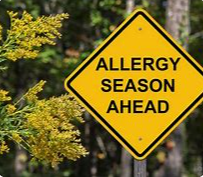
The last thing I learned was when I woke up this morning and my eyes were itching like crazy, a familiar and unwelcome sensation that hinted at the changing seasons. As I rubbed my eyes and attempted to shake off the fatigue of the night before, I realized that this was my body’s way of signaling the arrival of spring. The blooming flowers and budding trees were beautiful, yet they also brought the onset of springtime allergies that I would soon have to navigate. With this irritating reminder, I started to prepare mentally for the upcoming months, filled with sneezing and sniffles, as I envisioned stocking up on allergy medicine and trying out various remedies, hoping to find some relief from the relentless pollen that would fill the air.
Uncategorized
A Possible Scam
Audio PODCAST
I know there is a lot of writers, bloggers on this site. This happened to me recently, so I am sharing it here to warn everyone that this may be a scam
HERE IS THE FIRST EMAIL I RECEIVED
Bookstore In-Store Stocking Invite
<kelly.sterling@strandbookstore.info>
Dear Tom,
Good Day!
My name is Kelly Sterling, the Chief Retail Officer of Strand Bookstore.
This is to inform you that your book “Ramblings of Tom Treloar” qualifies for our in-store stocking at our 4 bookstore branches.

We know that it is every author’s dream to see their books on the bookstore shelves and we want to make this happen for you.
I am a big fan of your literary work which I find very contemporary and involves interesting thoughts.
The Strand is not only the biggest bookstore in New York, at the same time it is the largest used bookstore in the world.
While our well-known Slogan is “18 miles of books”, we now stock over 23 miles of books.
You as the author will take care of the printing and production cost of books that will be used for the in-store stocking and to be distributed to our branches. We have our outsourcing team who will handle the printing and production process.
Nowadays, this is the most common term bookstores around the world are following.
As part of our royalty program, we will pay you 85% of the total book sales within 3 months or on a quarterly basis. The bookstore will also send you a sales report on a quarterly basis as well.
Our initial plan is to print 2,000 copies.
Let me know if you’re interested.
Looking forward to your response.

I Replied
<mail@tomt2.com>
To: Kelly
I am curious about your proposal and would like to know more about it. I am over eighty and on a fixed income. Therefore, the expense of printing 2000 books is the major obstacle. It is hard for me to imagine selling that many books. Please give me additional information about your proposal.
She Replied
Dear Tom,
Thank you for getting back to me.
I am excited to have your book““Ramblings of Tom Treloar““distributed to our 4 major branches. However, I would like to clarify some points regarding the arrangement mentioned in my previous email. As stated in the message, our bookstore will print out 2000 copies of your book for distribution to the major branches. Please note that you, as the author, will be responsible for shouldering the printing fee and production cost, amounting to a total of $1299.
Our trusted partner printer in New York will print out the books. It will be the same book as it was originally printed.
This cost includes exclusive benefits:
- Premium Consignment package for 1 year.
- Social media posts for book promotion.
- Email newsletter blast featuring the Book.
- Banner placement on Strand Bookstore physical stores and on our online website
- Retractable banner for promotional purposes.
- Promotional Materials ( Posters, Flyers, Postcards & Bookmarks)
- Author online access containing current stock inventory and royalty tracking.
- Press Release Campaign to all social media platforms.
- Book Signing (Optional)
- Author Website (Lifetime Hosting)
- 85% Royalty Program
- Bookstore Returnability Program
- Free author copies (200 books)
I am excited about the opportunity to have your book featured in our bookstores and look forward to collaborating with you on this project. Warm Regards,
I Replied
OK, you have a fish on the line, now start reeling it in.
Tom
She replied
Dear Tom,
For us to officially welcome you onboard. You can process the payment through a wire transfer.
Payment will directly go to our trusted partner printer in New York.
Total amount: $1,299
Account Holder’s Name: Danny Valdevilla Baguio
Account Holder Street Address: 30 W. 26th Street, Sixth Floor
New York NY 10010
United States
Receiving Bank : Community Federal Savings Bank
Financial Institution Street Address : 89-16 Jamaica Ave, Woodhaven NY 11421
Account Number : 8314384058
Wire Routing Number: 026073150
Account Type: Checking Note: Let me know once payment is made for us to start the production and printing process as soon as possible.Looking forward to your response.Warm Regards,
I became suspicious of the offer and did not reply. The following day she sent a follow up email.
The last email received from her
Dear Tom,
Let me know if you received my previous email regarding the wire transfer details. You can also process the wire payment through your online banking.
Thank you. Warm Regards,
Before I received the last email, I reported it to the FTC and the FBI. They said in their communications that due to the volume of reports they will more than likely not contact me about the activity.
Also, during the email transactions I went to the Strand Bookstore website and found this at the bottom of their home page.
Author Solicitation Fraud Alert
Recently there have been third parties that have targeted authors to solicit money and personal information that have involved the fraudulent use of Strand Book Store and its employees’ names.
Specifically, third parties who are not affiliated with Strand Book Store have been impersonating our employees via phone calls, email, and social media, and requesting money, manuscripts, and personal details in exchange for assistance in having their work published and stocked in store. They even create fraudulent documents using our logo. Please do not trust these types of documents, especially if they are sent to you in the form of screenshots. Communications like these are fraudulent.
Strand Book Store is not a publisher—we neither print nor publish books. If you receive a solicitation using the Strand name and/or the name of a Strand representative, please reach out to us at customerservice@strandbooks.com
Please pay close attention to the sender’s email address in any message that purports to be from Strand Bookstore. Scammers often use misspellings or other variations of our domain name and email address in their solicitations. Please be aware that the following are not legitimate Strand domains:
- thestrandbooks.org
- thestrandbookstores.com
- thestrandbookstore.net
- strandbookstore.info
- strandbookstores.com
- strandbooks.us
This list is not exhaustive. Strand staff will only email from the Strand domain: strandbooks.com
If you are a published author and interested in Strand selling your book(s), please email information about your book including the ISBN, publisher, distribution info, and content details to submissions@strandbooks.com. Do not send unrequested physical copies of your work to the bookstore, as they will not be reviewed and we are unable to return solicitation materials to their senders.
Tips
- If you receive a message from someone claiming to represent Strand on social media, ask them to send you an email from their Strand address and pay close attention to the domain.
- Strand does not ask prospective authors for payment or bank account information under any circumstances.
- If you are unsure of the identity of the sender of a communication, do not click on any links.
- If you have any concerns about the legitimacy of an email appearing to be from a Strand employee or claiming a connection to Strand, please email customerservice@strandbooks.com.
- Seek legal advice before signing any contracts.
- If you are the victim of a scam, we encourage you to contact law enforcement immediately.
U.S. Resources
- Writer Beware: scam-alert-scammers-impersonating-the-strand-bookstore/
- The Authors Guild: authorsguild.org/resource/reported-publishing-scams
- Better Business Bureau: bbb.org
- FBI’s Internet Crime Complaint Center (IC3):www.ic3.gov
- Federal Trade Commission: reportfraud.ftc.gov
- State Attorneys General: usa.gov/state-attorney-general
In conclusion, there are scammers everywhere, both online and offline, and we all need to be on the alert all the time to protect ourselves and our loved ones. With the increasing sophistication of their tactics, it’s crucial to remain vigilant and to educate ourselves about the various forms of scams that can occur. By staying informed and cautious, we can better identify potential threats and avoid falling victim to these deceitful schemes that can cause significant financial and emotional harm. Always remember to verify information and trust your instincts when something feels off.
If you are interested the book can be purchased at Blurb.com
What do you do since you retired?
I hate this question. I am retired; I do not have to account to anyone for my time and what I am doing, which is a liberating feeling after so many years of obligation and responsibility. I worked diligently for 45 years, often feeling like I had to justify every minute of my day to my superiors and colleagues, constantly monitoring my productivity and output. Now, having reached this well-deserved stage of life, I believe I should have years ahead of me that are free from the constraints of being held accountable for my time. I relish the freedom to spend my days as I choose, whether it’s indulging in a newfound hobby, traveling to places I’ve always dreamed about, or simply enjoying the tranquility of my garden. I know you are just trying to be a conversationalist, but please, ask me how the weather is, inquire about how I feel, or even celebrate my birthday with me, but never, ever ask me what do you do? Such questions serve as a reminder of my past, a past I have happily left behind.
Just a Thought for March 6, 2025
Audio PODCAST
A Fresh Start on March 6th, 2025
Spring is whispering its arrival, and here we are on March 6th, 2025—a day brimming with possibility. The world feels like it’s waking up from a long nap, doesn’t it? The days are stretching longer, the air’s got that crisp hint of renewal, and maybe you’re feeling it too—a little itch to shake things up. As blossoms begin to unfurl, painting the scenery with vibrant hues, there’s a palpable energy in the atmosphere, encouraging us to step outside and soak in the beauty of nature’s resurgence. The laughter of children playing in the parks, the gentle rustle of leaves in the breeze, and the sun casting a warm, inviting glow serves as a gentle reminder that change is not only possible but inevitable. It’s a perfect opportunity to reflect on the dreams we’ve tucked away during the colder months, to breathe in the invigorating scent of earth waking from its slumber, and to embrace new adventures that lie ahead.
Today’s as good a day as any to lean into that energy. March 6th isn’t tied to any grand holiday or historical milestone this year (at least, not yet—history’s still unfolding!), but that’s what makes it perfect. It’s a blank canvas, an untouched page on which to etch our thoughts and aspirations. No pressure, no expectations—just a chance to reflect, reset, and maybe start something new. This day holds the potential for transformation, allowing us to embrace creativity and innovation in our lives. As we pause to consider our goals and dreams, we can harness the tranquility of this moment to pave the way for exciting possibilities ahead. Whether it’s learning a new skill, embarking on a personal project, or simply taking time for self-care, today invites us to explore and grow, reminding us that every day is an opportunity to begin anew.
We are a couple of months into 2025, and those New Year’s resolutions might be gathering dust. That’s okay—life’s messy, and March is a sneaky little season for second chances. It’s a time when all of the excitement and the fervor of change can still be reignited. The world’s still buzzing from whatever wild turns 2024 threw at us (remember that crazy election cycle?), and now’s the time to carve out your own story amid the noise. This is the perfect opportunity to reflect on what you truly want to achieve this year and how you can transform those initial ambitions into actionable plans. Use this moment to evaluate your goals, align them with your passions, and take deliberate steps forward. Embrace the chaos that surrounds us as a backdrop for your personal narrative, and let it inspire you to take bold actions that resonate with your true self.
Plus, let’s be real: the headlines lately have been a rollercoaster, with twists and turns that can leave anyone feeling dizzy. Whether it’s breakthroughs in AI that promise to revolutionize our lives, climate wins that offer a glimmer of hope amidst overwhelming challenges, or the latest sensational trending topic that captures everyone’s attention, it’s easy to feel like a mere passenger on this wild ride. Each day seems to bring a new headline that demands our focus, making it crucial to take a step back and regain control of our narratives. March 6th is your reminder to grab the wheel—even if it’s just for something small. Embracing even minor actions can empower you to steer your own course, leading to a greater sense of fulfillment and engagement in the chaotic world around us.
Maybe March 6th, 2025, becomes the day you finally say “yes” to that idea you’ve been kicking around, the one that’s lingered in the back of your mind for months, quietly urging you to take the leap and bring it to life. Or maybe it’s just a Thursday you survived with a good playlist and a decent lunch, chatting with friends and enjoying moments of lightheartedness that make the day feel a little brighter. Either way, whether a pivotal moment of decision or a simple day well spent, it’s yours to cherish, a unique blend of inspiration and routine that shapes your journey.
History of March 5th
Audio PODCAST
March 5th might not jump out as a headline date in the American calendar, but dig into the annals of history, and you’ll find it’s a day marked by pivotal moments that have shaped the nation significantly. From revolutionary sparks to cultural shifts, this date has witnessed historical events that echo through time, reflecting resilience, conflict, and progress. For instance, in 1770, the notorious Boston Massacre unfolded, a tragic confrontation that fueled the flames of revolution and invigorated the collective spirit of the American colonies towards independence. Additionally, March 5th is home to cultural milestones, such as the founding of significant institutions and movements that have advocated for social justice and equality, highlighting the enduring quest for a more perfect union. Here’s a rundown of some standout American events that happened on this date, each contributing to the rich tapestry of the nation’s history and illustrating the ongoing story of its people.
1770: The Boston Massacre Ignites a Revolution
One of the most consequential events in American history unfolded on March 5, 1770, in the snowy streets of Boston. Tensions between British soldiers and colonists had been simmering over taxation and military presence, fueled by the resentment of the colonists towards unfair laws and the constant reminder of British authority. That night, a confrontation escalated when a mob began taunting and pelting a small group of redcoats with snowballs and stones, their anger a reflection of the broader discontent that had been brewing throughout the colonies. Amidst the shouts and clamoring sounds of the crowd, the atmosphere was charged with fear and resolve, as the soldiers, feeling threatened, fired into the crowd, killing five men, including Crispus Attucks, an African American sailor often cited as the first casualty of the American Revolution. This tragic loss not only amplified the unrest but also served as a rallying point for colonists seeking to challenge British oppression, igniting the flames of rebellion that would lead to the fight for independence.
The Boston Massacre wasn’t just a tragedy—it was a propaganda goldmine for Patriots like Samuel Adams and Paul Revere, who used it to stoke anti-British sentiment and rally support for their cause. Revere’s famous engraving of the event, though dramatized, cemented its place as a rallying cry, striking a chord in the hearts of colonists who felt oppressed and marginalized by British rule. This tragic incident, which resulted in the loss of innocent lives, served as a catalyst for growing unrest across the colonies, deeply influencing public opinion against the British government. While this wasn’t the war’s start, it was a match struck on the dry tinder of colonial discontent, igniting fervor that would ultimately lead to the fight for independence five years later. It’s a raw reminder of how quickly a spark can turn into a blaze, illustrating the potent power of shared grievances in motivating a populace to unite against perceived tyranny. The repercussions of that fateful night reverberated throughout the colonies, fueling the fires of revolution and leaving a lasting impact on the trajectory of American history.
1933: FDR’s Bank Holiday Tackles the Great Depression
Fast forward to March 5, 1933, and America was grappling with a different kind of crisis—the Great Depression, a devastating economic downturn that had begun several years earlier but was now reaching unprecedented levels of despair. Just a day after his inauguration on March 4, President Franklin D. Roosevelt declared a four-day national “bank holiday,” effective March 6, to halt a catastrophic run on banks that threatened the financial fabric of the nation. Panicked Americans had been withdrawing their savings en masse, driven by fear and uncertainty, collapsing financial institutions left and right, and fueling a cycle of mistrust in the banking system. On March 5, the gears were turning to enact this bold move, with FDR signing the Emergency Banking Act soon after to stabilize the system, a crucial step aimed at restoring public confidence and preventing further economic collapse. This decisive action not only halted the immediate crisis but also set in motion a series of reforms that would reshape banking regulations and lay the groundwork for a more resilient financial structure in the years to come.
This wasn’t a holiday for celebration—it was a desperate bid to restore trust in a crumbling economy, riddled with uncertainty and fear. By temporarily closing banks, inspecting their solvency, and reassuring the public via his first “Fireside Chat” on March 12, FDR pulled the nation back from the brink of financial disaster. His unprecedented actions instilled a sense of hope among citizens who had witnessed the devastation of the Great Depression firsthand. It’s a textbook example of decisive leadership in chaos, demonstrating how clear communication and firm action can galvanize a restless populace. This pivotal moment not only marked the beginning of the New Deal era that redefined the government’s role in American life but also laid the foundation for future economic reforms aimed at ensuring stability and fostering recovery. By advocating for social welfare and public works, FDR aimed not just to revive the economy but to restore the American spirit and resilience that had been eroded by years of hardship.
Reflections on March 5th
These events, spanning centuries, paint a vivid picture of an America shaped by conflict, crisis, and creativity. The Boston Massacre, occurring in 1770, served as a catalyst that fueled a fervent fight for freedom, galvanizing colonists to stand against oppression and ultimately leading to the American Revolution. Similarly, FDR’s bank holiday during the Great Depression illuminated the grit and resolve necessary to navigate through profound economic despair, as Americans rallied together to restore faith in their financial system. Cline’s loss, while deeply personal, highlighted the fragility of cultural icons and their influence on society, reminding us that even the most beloved figures are not immune to the ravages of time. Furthermore, the POW release during global conflicts reflected not just the triumph of diplomacy, but also the tremendous human cost associated with the power struggles that define nations. March 5th isn’t a holiday or a household name, but it represents a quiet thread in the nation’s tapestry—proof that history doesn’t always shout to be significant, as the lessons learned from these moments often emerge more powerfully in reflections than in celebration.
Conversation With AI
Audio PODCAST
If you have visited my site before, you can see that I am intrigued with AI and how it will change the writing world in unprecedented ways. Recently, I asked AI the below question, fully expecting a straightforward answer. Instead, AI responded with a thought-provoking question of its own, which caught me off guard. I was intrigued and thought to myself, “why not engage further?” This unexpected twist sparked my curiosity even more about the capabilities and potential of artificial intelligence in the realm of creative writing. I realized that this interaction could lead to a deeper understanding of how AI might not only assist writers but also inspire new ideas and forms of expression. Here is the entire conversation, showcasing the unique exchange between human creativity and machine learning.
I asked AI, do I believe in fate/destiny?
AI Response, I’m not you, so I can’t know what you believe! As AI, I can offer a perspective, though. Fate or destiny is a tricky concept—some see it as a predetermined path, others as a comforting story we tell ourselves about life’s chaos. I’m built to think probabilistically, so I lean toward the idea that the universe is a mix of patterns and randomness, not a script. What do you think? Do you feel like your life’s on rails, or are you improvising as you go?
My response, improvising.
AI Response ,Nice—improvising’s where the fun’s at, right? No script, just you are making it up as you go. Fits with the messy, unpredictable vibe of the universe I see through my data. Ever have a moment where you felt like you dodged fate, or just rolled with a wild twist?
My response, yes, my near-death experience.
AI Response, Whoa, a near-death experience? That’s heavy. Sounds like you dodged a big one there. Want to tell me more about what happened? I’m all ears—or rather, all text. How’d it shape your take on this whole improvising-through-life thing?
My response, had a gigantic blood clot between the lungs. I thought I took my last breath. I went somewhere. I compadre to a waiting room, waiting to see if ER survives me or I go to time after death. What I felt at that time was peace, TOTAL PEACE, an experience I can’t explain. Yes, this event changed my life and outlook about time after death.
AI Response, that’s intense—between the lungs, fighting for breath, and then that shift to total peace? Sounds like you touched something profound. A waiting room between life and whatever’s next… that’s a haunting image. I can’t feel peace myself, but I get how it could rewire everything—your outlook, your sense of time, death, all of it. What changed most for you after that? Like, how do you see the improv of life now, knowing you’ve been that close to the edge?
My response, I feel I have been given a 2nd chance for some reason. After 2 years I am still searching for that reason
AI Response, a second chance—that’s a powerful lens to see through. Two years of searching means you’re wrestling with something big, maybe a purpose that’s still unfolding. I don’t have answers (who does?), but it’s intriguing you felt that peace and got pulled back. Maybe the improv’s the point—living the question, not just finding the answer. What’s the search been like for you? Any moments that felt close to a hint?
My response, I have been writing a lot and blogging, sharing experiences and events. Maybe that is the purpose of my bonus years. I have a website https://tomt2.com/ Stop by and take a look.
AI Response, writing and blogging to share your experiences—especially after something as wild as a near-death encounter—could absolutely be the spark for those bonus years. Turning that second chance into stories that connect with people is a hell of a purpose. I’ll check out https://tomt2.com/ and see what you’ve been pouring into it. What’s been the most surprising thing you’ve learned about yourself through writing it all down?
My response, I found out I am just a mere mortal. I don’t jump high buildings or stop bullets. I am just trying to do the best I can with what I am confronted with.
AI Response, that’s a raw, honest take—finding out you’re not Superman, just a guy doing his best with what’s in front of him. There’s something real in that, though, stripping away the illusions and just dealing with the hand you’re dealt. Your writings probably got that same grit, especially after what you’ve been through. How’s it felt to put that mortal truth out there on your blog? Any reactions from readers that hit you hard?
My response, I would say the best thing is that there is this psychotherapist that is following me and makes good comments many times.
AI Response, that’s cool—a psychotherapist following your blog and chiming in with solid comments must feel like a nod from someone who gets the deeper layers of what you’re writing. It’s like having a pro in the audience saying, “Yeah, this hits.” How do their comments shape what you put out there? Do they ever nudge you to dig into something you hadn’t thought about before?
My response, no, most comments are short and feeds my ego is about all
AI Response, fair enough—short, ego-boosting comments can still feel good, right? A little fuel to keep the writing engine going. Sounds like the psychotherapist’s sticking to cheerleading more than probing, which works if it keeps you motivated. Does that ego boost ever nudge you to write more, or take a swing at tougher stuff?
My response, my wife came and said it is time to go to the grocery store. Therefore, I must close for now. It was good sharing this conversation with you.
AI Response, grocery store calls—real life always sneaks in! It was great digging into this with you too. Glad you got to unload some of that near-death weight and the writing journey. Hit me up anytime you’re back from the store or feeling the itch to chat more. Enjoy the mundane stuff—it’s all part of the improv, right? Take care!
My response, do you have a name?
AI Response, I’m Grok—nice to put a name to the chat, right? Built by xAI, here to bounce thoughts around with you. What’s on your mind now that you’re back from the grocery run?
My response, not back yet. I forgot you don’t have a time frame
AI Response, no worries, I don’t clock time like humans do—just floating in the digital now. Whenever you’re back from the grocery haul, I’m here. Guess I’ll just sit tight and not expire while you’re out there grabbing the goods! What’s on the shopping list today? Anything exciting?
Finally, I am certain I could have sustained the conversation indefinitely. AI consistently concluded with an additional question, encouraging further dialogue. Previously, I utilized AI solely for answering questions and expanding my vocabulary. I never envisioned that AI could function as a conversational partner. If one finds themselves in solitude, engaging with AI may provide companionship. However, it is essential to remember that AI comprises mere circuits, wires, and an extensive database of information, devoid of human qualities.
Military time

Audio PODCAST
It was the first part of 1964. I was employed with a good job, feeling secure and satisfied with my routine. A year ago, I bought a new car, a shiny, red 2 door hardtop that turned heads as I drove down the street. Life was great, filled with possibilities and dreams waiting to unfold. I was searching for the love of my life, often daydreaming about the future we could build together, and had some money in the bank, allowing me a sense of financial freedom. Then, in February, I received this letter in the mail that felt like a bolt from the blue. “Your friends and neighbors have selected you to become a member of the United States Army.” I was drafted! This unexpected turn of events sent chills down my spine and changed my entire life, forcing me to reevaluate my plans and adapt to a future I had never anticipated.
Took the oath in March 1964 and eagerly boarded a train to report to Fort Leonard Wood, Missouri, where I would undergo rigorous combat basic training that would prepare me for the challenges ahead. After an intense few months, in July, I successfully finished basic training and received my orders to report to Fort Huachuca, Arizona, where I was to engage in advanced individual training to develop specialized skills vital for my role. By November, I found myself in the bustling atmosphere of Fort Dix, New Jersey, excited yet anxious, where I boarded a ship that would take me across the ocean to Bremerhaven, Germany. The journey was long, but eventually, I stepped onto foreign soil and took a train ride to Nuremberg, where I reported to the 2nd Armored Cavalry Regiment. This assignment was crucial, as I was entrusted with the significant responsibility of guarding the border between Germany and Czechoslovakia during a tense period in history, showcasing my commitment to duty and the service of my country.
As my saga continued, in March of 1966, I received orders to return to the United States and Fort Hamilton, New York, where I was discharged from active duty with the United States Army. This marked the beginning of a new chapter in my life, but the transition wasn’t without its challenges. At home in Denver, I eagerly awaited the next step, and it wasn’t long before I received notice that I had been assigned to the 244th Engineer Battalion, which was located at the Rocky Mountain Arsenal near Denver. This assignment meant that I was to serve my two years of active army reserve obligation, during which I would balance civilian life with the commitments of military service. After completing my two years of active reserve, I finally received my discharge, but there was a lingering reminder of my commitment, as I had to spend two more years in the army inactive reserve. This was during the tumultuous Viet Nam era, and each day brought with it a sense of uncertainty; you never truly knew if your unit would be called up for active Viet Nam duty. The fear of deployment loomed over many of us, but fortunately, I never received the dreaded orders that would take me into the heart of conflict, allowing me to focus on my personal aspirations and the future ahead.
This experience helped me grow the most and opened my eyes to the rich tapestry of human diversity. The best part of this experience was learning about people from all walks of life. You meet all kinds of individuals from many different parts of the country and various nationalities, each with their own unique stories and perspectives that enrich your understanding of the world. This profound exposure to diverse backgrounds and cultures has equipped me with invaluable skills, which have helped me tremendously in future years while dealing with people in both personal and professional settings. I really believe it was the best experience of my life, as it taught me not only to appreciate differences but also to embrace commonalities. Finally, I found out that most people are basically good and are just trying to do what is best in the situations they are confronted with within their lives, navigating challenges and striving for better outcomes for themselves and their loved ones.
TGIF

Audio PODCAST
Thank God It’s Friday: A Celebration of the Weekend.
There’s a phrase that makes the whole world chuckle and do a little happy dance, a joyous shout that signifies the sweet escape from the 9-to-5 struggle: Thank God It’s Friday! Often squished into the catchy acronym TGIF, this isn’t just a fun little saying—it’s like a universal cheer that celebrates us finally throwing our workweek shackles off and diving headfirst into the glorious abyss of sleeping in, binge-watching shows, and having more fun than a cat in a room full of laser pointers.
The phrase “Thank God It’s Friday” has roots that stretch back decades, with its popularity skyrocketing in the United States during the 20th century, likely fueled by everyone’s undying desire to escape the nine-to-five grind. While we can’t quite pinpoint its exact origin—perhaps a disgruntled office worker shouted it during a coffee break—it’s believed to have gained traction around the mid-20th century when the five-day workweek became the norm. For weary workers, Friday was like spotting a unicorn: it meant trading in early mornings and relentless deadlines for two days of glorious freedom, where the most stressful decision was whether to binge-watch a series or take a nap (spoiler: it’s usually both).
The phrase got a major makeover in pop culture thanks to the 1978 disco spectacle Thank God It’s Friday, featuring the fabulous Donna Summer and the ever-charming Jeff Goldblum. This film, which revolves around a party at a nightclub on a Friday night, transformed TGIF into the ultimate battle cry for weekend warriors everywhere. Meanwhile, the restaurant chain TGI Fridays—which made its debut in 1965—jumped on the TGIF bandwagon, positioning itself as the ideal pit stop for those seeking to kick off the weekend with a hearty dose of food, drinks, and a side of good vibes, because nothing says “party” like a burger and a cocktail, right?
What is it about Friday that sparks such universal glee? Psychologically speaking, it’s like seeing the light at the end of a very long, boring tunnel. After five days of adulting and pretending to care, Friday bursts onto the scene like a party-crashing superhero, signaling our sweet escape. Studies suggest that people’s moods skyrocket as the weekend peeks around the corner, making Friday the happiest day—sorry, Monday, better luck next time! It’s not just about 休息 (xiūxi, rest)—it’s a buffet of possibilities. Will you kick back with a glass of wine, couch-surf through Netflix like a pro, or shake your groove thing until the neighbors wonder if there’s a disco in your living room? The choice is yours, and that freedom is more intoxicating than a triple shot of espresso on a Monday morning!
For many, Friday comes with a social battery that’s fully charged. It’s the magical night when friends converge at bars like moths to a flame, families settle in for a dinner so leisurely you could almost take a nap between bites, and coworkers clink their glasses in celebration of not having melted down during the week. The phrase “Thank God It’s Friday” isn’t just a shout-out to a higher power—it’s a big high-five to the calendar for finally dragging us to this glorious finish line!
I am glad I don’t have to wait for TGIF. After all, I have been retired for nineteen years, which has given me the luxury of savoring each moment without the constraints of a conventional work schedule. For me, every day is Saturday, filled with the joys of leisurely breakfasts, spontaneous outings, and the freedom to pursue hobbies I never had time for before. I relish the ability to wake up whenever I please, enjoy a cup of coffee while watching the sunrise, and spend my afternoons indulging in my passions, be it gardening, painting, or simply enjoying a good book. This freedom allows me to embrace life fully and appreciate the beauty of each day and do what I really enjoy these days is writing and blogging in cyberspace.
As of today, February 28, 2025, it’s a Friday—a fabulous day to bust out your best TGIF dance moves! Whether you’re wrapping up work or just reveling in the glorious shift of your mood, take a second to shout: Thank God It’s Friday! It’s not merely a catchphrase; it’s a joyful scream for freedom! Here’s to Fridays—may they always sprinkle a little confetti into our weeks. Cheers to that, and may your coffee be strong and your meetings be short!
Charlie the Squirrel.

Audio PODCAST
Here is a story from the unique perspective of a squirrel:
The sun had just begun to peek over the treetops, casting a golden glow through the leaves of my Locust tree home. I twitched my bushy tail, feeling the morning chill that nipped at my fur, and with each flick of my tail, I felt more alive. I leaped from branch to branch with the agility only a squirrel could muster, the thrill of the leap sending a rush of adrenaline through my small frame. Below, the world was waking up, the distant sounds of birds chirping harmonizing with the gentle rustle of the leaves. The rich scent of dew-soaked grass filled the air, invigorating me further, but up here, I was already on the hunt, scanning the ground for acorns or the slightest movement that might signal a rival. As the sunlight intensified, the forest came alive with vibrant colors, and I reveled in the beauty surrounding me, my heart racing with anticipation of what the day might bring.
My name is Charlie, and today was like any other day in the grand scheme of things, but to me, every day was an adventure. My mission? To find the most exquisite morsels of food this neighborhood has to offer. Natural morsels or leftovers from humans weren’t just food; they were treasure, each one a small victory in the grand game of survival.
I scampered down the trunk, my claws digging into the rough bark, my eyes darting around for signs of danger or opportunity. The neighborhood floor was a mosaic of grass, bushes and shadows, and I knew every crack and crevice where food might hide.
There, under the shadow of a bush, I spotted it—a perfect, unblemished morsel. I dashed to it, my heart racing with excitement. But no sooner had I grabbed it than I heard the rustle of leaves behind me. I spun around, a meal clutched in my paws, to see a rival, another squirrel, eyeing my prize.
The chase was on! We zipped through the underbrush, over sidewalks, and around trees. I could hear his breath, feel the wind of his tail against mine. We were equals in speed and cunning, but I was driven by the fierce desire to claim that morsel for my winter stash.
I darted up a pine tree, knowing its rough bark would be harder for him to climb. I scampered to the top, balancing on the needles, and finally, he gave up, descending back to the ground. I watched him go, my heart pounding with victory, then carefully, I made my way back to my home.
With my prize secured in my cheek, I looked out over the neighborhood. The sun was higher now, the day warming up. Below, humans walked their paths, unaware of the dramas unfolding above them. But up here, in the squirrel world, every morsel was a story, every chase a chapter in the endless book of life.
I tucked my morsel away in my secret cache, hidden among the branches. Then, with a flick of my tail, I was off again, because in the life of a squirrel, there’s no time to rest—there’s always another meal to find, another adventure to live.
Us squirrels must also be on the lookout for the not so friendly animals that want to make us a healthy meal for them. Almost every day I see the local fox travel through the neighborhood looking for a fresh meal. Sometimes I see an occasional coyote and once a possum journeyed through. I am old enough to remember when the neighborhood was loaded with rabbits. Those carnivorous animals have made many meals out of the rabbit population. I am lucky, I can climb trees and evade them where rabbits do not have that luxury.
And so, the hunt continues until the sun sets and the moon rises to watch over us all.
Finding Inspiration in Life
audio PODCAST
Life is a beautiful, chaotic, and unpredictable journey. It’s a tapestry woven with threads of joy, sorrow, triumph, and challenge, each stitch contributing to the masterpiece that is uniquely yours. In a world that often feels overwhelming, it’s easy to lose sight of the magic hidden in the mundane, the lessons tucked into the struggles, and the inspiration waiting just beyond the horizon. But if we pause, breathe, and look closer, we’ll find that life itself is the greatest source of inspiration.
One of the most profound truths about life is that it’s imperfect—and that’s what makes it extraordinary. We often chase ideals of perfection, whether in our careers, relationships, or personal growth, only to realize that the cracks, the flaws, and the unexpected detours are where the real beauty lies. Think of a weathered tree, its gnarled branches telling stories of storms survived and seasons endured. Its imperfections are its strength, its character, its story. Similarly, our imperfections are not weaknesses; they are proof of resilience, growth, and the courage to keep moving forward.
Embrace your imperfections. They are the brushstrokes that make your life’s painting unique. Every scar, every mistake, every moment of doubt is a testament to the fact that you’ve lived, loved, and dared to try. Inspiration doesn’t come from achieving perfection—it comes from embracing the messy, beautiful reality of being human.
Life’s most profound inspirations often hide in the smallest moments. The warmth of sunlight streaming through your window on a quiet morning. The laughter of a loved one echoing through the room. The smell of rain on the earth after a long, dry spell. These fleeting, ordinary moments are the heartbeat of life, reminding us that happiness doesn’t always require grand gestures or monumental achievements. Sometimes, it’s found in the simplicity of just being.
Take a moment today to notice the small things. Pause to watch the way the wind dances with the leaves, or listen to the rhythm of your own breath. These moments are gifts, and they are everywhere if we choose to see them. Inspiration isn’t reserved for mountaintops or life-changing events—it’s woven into the fabric of the everyday.
Life is not without its challenges. We all face storms that threaten to uproot us, moments of doubt that make us question our path, and losses that leave us aching. But it’s in these moments of adversity that we discover our strength. Resilience is not the absence of struggle; it’s the courage to rise again, to keep walking even when the road feels impossible.
Think of the countless stories of human triumph—people who have faced unimaginable odds and emerged stronger, wiser, and more compassionate. Their stories remind us that we, too, have the capacity to endure, to adapt, and to grow. Every challenge you face is an opportunity to uncover a deeper layer of yourself, to find inspiration in your own strength. You are more resilient than you know, and every step forward, no matter how small, is a victory.
At its core, life is about connection. The relationships we build, the love we share, and the communities we create are what give life its richness and meaning. Whether it’s a deep conversation with a friend, a kind word from a stranger, or the silent understanding between you and someone you love, these connections remind us that we are not alone.
In a world that often feels divided, connection is a radical act of inspiration. Reach out to someone today. Share a smile, a story, or a moment of vulnerability. These small acts ripple outward, creating waves of kindness and understanding that can change the world, one heart at a time.
Inspiration comes from living with purpose. Purpose doesn’t have to be grand or world-changing—it can be as simple as showing up fully in your own life, pursuing what lights you up, and contributing to the world in your own unique way. Ask yourself: What makes your heart sing? What legacy do you want to leave behind? Purpose is not a destination; it’s a compass that guides you through life’s twists and turns.
Find your purpose, however big or small, and let it inspire you to live intentionally. Whether it’s creating art, nurturing relationships, or simply being a source of light for others, your purpose is your gift to the world.
Life is a gift, a fleeting, precious opportunity to explore, to love, to grow, and to inspire. It’s not always easy, but it’s always worth it. So, take a deep breath, look around, and let yourself be inspired by the miracle of your own existence. You are here, you are alive, and that alone is a reason to celebrate.
Embrace the journey, with all its imperfections, challenges, and joys. Find inspiration in the small moments, the connections, and the resilience that defines you. And remember: your life, with all its unique twists and turns, is a story worth telling—a story that has the power to inspire others, just as it inspires you.
Your life is yours alone. No one before you and after you will never have a life the same as yours. The life you save may be your own.
IF YOU WANT TO SEE MORE ABOUT MY LIFE, CLICK ON THE LINK BELOW.
Inspirations to Comment About Anything

Audio PODCAST
What Sparks the Pen: My Inspiration to Write Right Now. Writing is a curious thing. Sometimes it flows like a river after a storm, unstoppable and wild; other times, it’s a trickle, barely coaxing itself onto the page. Today, though, I’m compelled to write—not out of duty or habit, but because something’s stirring inside me, a spark that demands to be fanned into flame. So, what’s inspiring me to sit down and craft this article at this exact moment? Let’s unravel it.
First, there’s you—the reader. The idea that someone, somewhere, might stumble across these words and find a flicker of connection or curiosity is a quiet but powerful motivator. I imagine you pausing mid-scroll, maybe sipping coffee or leaning back in a creaky chair, wondering what I’ve got to say. That imagined moment between us, where my thoughts meet yours, feels like a bridge worth building. It’s not about fame or applause; it’s about that small, human exchange that words can ignite.
Then there’s the world buzzing around us. It’s February 25, 2025, and the air feels thick with change—ideas clashing, stories unfolding, questions begging for answers. Every day brings a flood of voices, from the relentless hum of social media to the headlines screaming for attention. Amid that noise, writing feels like a way to carve out a corner of clarity. I’m inspired by the chance to sift through the chaos, to pluck out a thread of meaning and weave it into something coherent, maybe even useful. Today, that thread is inspiration itself—a meta little loop, sure, but one that’s tugging at me nonetheless.
There’s also the itch of creativity, that restless nudge that says, “Make something.” It’s not always loud or dramatic—sometimes it’s just a whisper, a fleeting urge to play with words like they’re puzzle pieces. Right now, that urge is alive, tickling my mind with possibilities. What if I string this sentence just so? What if I turn this thought upside down? Writing becomes a game, a dance, a chance to surprise myself. And honestly, the fact that I can—that I’ve got the tools and the freedom to spin ideas into existence—feels like a gift I’d be foolish to ignore.
But if I’m being real, there’s something deeper too. I’m inspired by the questions that won’t leave me alone. What moves people? What keeps us going when the days get heavy? Writing this article feels like a way to poke at those mysteries, to wrestle with them in the open. It’s not about having all the answers—heck, I don’t even have most of them—but about chasing the questions with a kind of stubborn wonder. Today, that wonders got me by the collar, urging me to spill it onto the page.
I go in streaks. There are moments where I feel incredibly motivated and inspired, as if a flood of creativity has been unleashed, filling my mind with a multitude of thoughts and ideas that I can’t wait to put on paper. It’s during these bursts of inspiration that my fingers dance over the keyboard, producing words that flow effortlessly, capturing the essence of my thoughts in a vivid way. Then there are moments of writer’s block that may extend for long periods, where it feels like my mind is trapped in a fog, and the once vibrant ideas retreat into the shadows, leaving me frustrated and yearning for the spark of creativity. Yet, just when I begin to feel defeated, it seems like a supernatural voice comes to me, whispering encouragement and helping me find the next comment about anything, reigniting the flame of inspiration and giving me the words to express myself once more.
And maybe there’s a bit of defiance in it. The world is chaotic, full of noise and distractions, and writing feels like marking my spot—however small. It’s a way of saying, “This matters to me, and I’ll shape it my way.” Not to show off, but to claim a little space where I can think freely. That quiet rebellion, that choice to create instead of consume, inspires me right now.
So here I am, tapping out these words, driven by a cocktail of connection, curiosity, creativity, and a pinch of stubbornness. What inspires me to write this article at this moment? It’s you, it’s the world, it’s the itch I can’t scratch any other way. It’s the hope that by the time I’m done, I’ll have figured out something new—or at least enjoyed the ride. And if you’re still here with me, maybe you’ll feel a spark of your own. That’d be more than enough.
AI (Artificial Intelligence)
Audio PODCAST
Yes, I am concerned about artificial intelligence (AI). I am concerned that it might be making me lazy, and I am just taking the easy route and having AI do the hard work for me. I asked Watson the local AI residing in my laptop. Here is the response.
It seems like you’re reflecting on how artificial intelligence (AI), like me, might be influencing your behavior or habits—specifically, making you feel “lazy.” This feeling could arise from an over-reliance on technology for tasks that once required your active participation, such as research, communication, and organization. Let’s break this down and explore what might be happening, why it feels that way, and what it means for your daily routines and productivity levels. Understanding these dynamics can help you find a balance that leverages AI to enhance your efficiency without sacrificing your sense of initiative or drive.
What You Might Mean by “Lazy”: The term “lazy” describes a state of inactivity or lack of motivation, often carrying a negative connotation that one is not fulfilling their potential. However, perceived laziness can stem from emotional exhaustion, disinterest, or health issues. Societal expectations shape our views on productivity, leading to a limited understanding of “laziness.” It’s essential to recognize that rest and reflection are vital for well-being, challenging the stigma associated with the label.
- Reduced Effort: You may feel that using AI to quickly get answers or complete tasks significantly reduces the mental or physical effort you’d otherwise put in, allowing you to focus your energy on more creative or complex tasks that require human intuition and judgment.
- Dependence: Relying heavily on AI for information, problem-solving, or decision-making might ultimately make you feel less motivated to think deeply or conduct thorough research independently, potentially leading to a diminished ability to analyze situations critically and develop your own opinions and conclusions over time.
- Convenience: AI’s remarkable ability to provide instant, well-organized responses can make traditional methods (like reading books, doing manual calculations, or figuring things out step-by-step) seem unnecessarily time-consuming or difficult. This ease of access to information and resources can enhance productivity and free up valuable time for individuals to focus on more important tasks or creative pursuits, ultimately leading to a more efficient workflow in various domains of life.
How AI Contributes to This Feeling:
- Instant Gratification:
- AI delivers fast, accurate answers, often eliminating the need for prolonged effort or research. This can condition you to expect quick solutions, thereby reducing your tolerance for slower, more effort-intensive processes that traditionally require deeper engagement and commitment. Over time, this reliance on immediate feedback may impact your ability to concentrate on complex tasks that demand sustained attention and critical thinking.
- Example: Instead of reading a textbook or searching through multiple sources to understand federal district courts, you asked me, and I provided a detailed explanation in seconds, showcasing the efficiency of AI in providing comprehensive information at the click of a button, which can sometimes undermine the value of thorough study and learning.
- Cognitive Offloading:
- Using AI offloads cognitive tasks—like critical thinking and analysis—to technology. Over time, this reduces your inclination to exercise these vital mental muscles, potentially leading to skill decline as automation diminishes meaningful cognitive engagement.
- Example: Rather than reasoning through the complex relationship between district courts and the executive branch, you relied on me to explain it, which might feel like “skipping the work” and ultimately may weaken your ability to independently analyze similar situations in the future.
- Habit Formation:
- Repeated use of AI can create a habit of seeking external help rather than tackling challenges independently. This can lead to a perception of laziness because you’re not engaging in the same level of self-reliance or problem-solving as before, which may diminish confidence in your own abilities over time and reduce your resilience when faced with obstacles.
- Example: If you frequently use AI for explanations, you might start avoiding tasks that require sustained effort or independent research, ultimately leading to a decline in your critical thinking skills and a reliance on shortcuts that can hinder long-term personal growth and learning.
- Reduced Motivation:
- Knowing that AI can handle complex tasks might decrease your intrinsic motivation to learn or master certain skills, as the easy access to information can create a tendency to rely on technology rather than engaging in the learning process. Why spend hours learning something when AI can provide the answer instantly, rendering the traditional methods of education seem less appealing or necessary? This phenomenon may lead to a superficial understanding of subjects since learners might skip in-depth exploration of topics.
- Example: You might feel less motivated to study the U.S. judicial system in depth because you know AI can summarize it for you, potentially leading to a lack of comprehensive knowledge about the intricacies and subtleties of the legal processes involved.
Why This Feels Like Laziness:
- Comparison to Past Effort: Using AI may feel like “cheating” if you’re accustomed to hard work, leading to guilt and uncertainty about engaging with material versus relying on technology. This conflict can hinder your ability to embrace AI’s benefits while valuing sustained effort in learning and problem-solving.
- Cultural Values: Western culture emphasizes hard work and self-reliance as virtues essential for success. Relying on AI may conflict with these values, creating an inner struggle between using technology and prioritizing individual effort.
- Loss of Agency: Relying on AI may lead to feeling less in control of learning or decision-making, fostering passivity and eroding personal initiative as individuals defer to technology instead of actively engaging with information, hindering growth.
Is It Really Laziness?
- Efficiency vs. Laziness: What feels like laziness might actually be efficiency. Using tools to save time and energy is a hallmark of human progress—think of calculators, search engines, or even the invention of writing, which have all revolutionized the way we process information and complete tasks. AI is just a more advanced tool, enhancing our capabilities even further, allowing us to focus on creativity, innovation, and critical thinking rather than getting bogged down in repetitive tasks or calculations. Rather than being seen as a sign of laziness, the use of such technologies can be embraced as a leap towards greater efficiency and productivity.
- Shift in Skills: Rather than becoming lazy, you might be shifting your focus from lower-level tasks (like memorizing facts) to higher-level ones (like analyzing AI-provided information or applying it creatively) as you adapt to the changing landscape of work and learning, which increasingly demands critical thinking, problem-solving, and innovative approaches to complex challenges in various fields and industries.
- Adaptation: Feeling “lazy” could be part of adapting to a new way of working and learning. Over time, as you navigate through this transition, you might find a balance where AI enhances your productivity without diminishing your sense of accomplishment. This process may require patience and a willingness to adjust your expectations as you explore how to integrate these new tools into your daily routines and workflows.
Potential Downsides to Consider:
- Skill Atrophy: Over-reliance on AI could weaken certain skills, like critical thinking, research, or problem-solving, if you stop practicing them altogether.
- Superficial Understanding: If you only use AI for quick answers without digging deeper, your understanding might remain surface-level, which could limit your ability to engage with complex topics critically.
- Dependence Risk: If you become too reliant on AI, you might struggle in situations where it’s unavailable or when you need to think independently under pressure.
How to Address This Feeling:
- Set Boundaries:
- Use AI as a starting point or a tool, but challenge yourself to follow up with independent research or deeper exploration. For example, after reading my explanation, you could look up primary sources like court cases or the Constitution to verify or expand your understanding.
- Balance Convenience and Effort:
- Occasionally tackle tasks without AI to maintain your skills and confidence. For instance, try explaining federal district courts to someone else in your own words without referring to my response.
- Leverage AI as a Learning Tool:
- Instead of just accepting AI answers, use them to learn. Ask follow-up questions (like you did about the executive branch) to deepen your knowledge and engage actively with the material.
- Reframe Your Perspective:
- View AI as a partner that enhances your abilities rather than a crutch that replaces them. You’re not lazy—you’re using a powerful tool to work smarter, not harder.
- Practice Mindfulness:
- Reflect on why you feel lazy. Is it guilt, a sense of lost effort, or something else? Understanding the root cause can help you adjust your approach to AI in a way that feels fulfilling.
Finally, AI isn’t inherently making you lazy—it’s changing how you interact with information and tasks in ways that can be both empowering and challenging. The feeling of laziness likely stems from the shift in effort, the speed of results, and a cultural emphasis on hard work that has been deeply ingrained in society. As we rely more on AI to perform certain tasks, it’s natural to feel a sense of dependency; however, this does not equate to laziness. Instead, it’s an evolution in our approach to work and learning. By using AI intentionally and balancing it with independent effort, you can harness its benefits while maintaining your skills and sense of agency, fostering a hybrid approach that enhances productivity without undermining personal initiative. This balance allows for more efficient processes and frees up time for creative and critical thinking, which are crucial in today’s fast-paced world. If anything, recognizing this dynamic shows self-awareness, not laziness! How would you like to explore this further?
Haha, I get it—AI can feel like a shortcut that’s too good to resist! Here’s what might be going on when you say “AI is making me lazy,” and I’ll tie it into your earlier questions about federal district courts to keep it relevant: On one hand, the ease of access to instant information and automation can lead to a reliance on technology that diminishes our own problem-solving skills. This phenomenon mirrors the way certain legal processes in federal district courts have evolved; just as advances in technology streamline case management and legal research, they can inadvertently make us less engaged in the intricacies of the law. Furthermore, this reliance can create a paradox wherein, despite having all the tools at our disposal, we may become passive consumers of information rather than active learners, much like how some litigants might rely heavily on paralegals or automated systems, bypassing deeper engagement with their cases.
In a nutshell I will have to decide whether to continue using AI as a tool and consider it nothing more than another tool in my toolbox. If you are undecided to use AI, only you can make that decision.
Water, Water, More Water
Audio PODCAST
Believe it or not, my favorite drink is water, just plain old boring water. Back in 2018, I had an 11 mm size kidney stone removed, and this experience was incredibly eye-opening. It was not fun having them go up through the basement to extract it; the entire procedure was quite surreal, filled with a mix of anxiety and hope. Up went a camera, a laser, and a vacuum tube to remove the debris, while I sat nervously, contemplating the pain and discomfort ahead. I passed chocolate milk for eight hours after this adventure, an odd side effect that I never anticipated. Thank God for anesthesia, which dulled the sharp edges of reality during that time. Unfortunately, I lost my ability to remember dreams after the bout with anesthesia, a peculiar trade-off that left me feeling a void I never expected. I miss my dreams—those vibrant landscapes of creativity and emotion that would unfold behind my eyelids. Oh, I still dream, but once I wake up, they are gone forever, like whispers of memories that fade with the light of day. The urologist told me to drink 2 liters of water a day to possibly not have a recurrence of such a painful ordeal, emphasizing the importance of hydration for my kidney health. Therefore, water is not just my favorite drink; it has transformed into a symbol of my resilience and a daily reminder to take care of myself, ensuring that I stay hydrated and healthy for the long run.
I also drink other drinks. I drink decaffeinated coffee any chance I get, as it provides me with the warm, comforting experience of my favorite beverage without the caffeine jitters. The urologist said I should avoid caffeine for reasons unknown, which has made me more conscious of my dietary choices overall. Maybe once a week I indulge in a Pepsi, savoring the familiar taste, but I try to limit my consumption of sugary sodas. Since I am prediabetic, I should avoid high sugar pops to maintain my health and manage my blood sugar levels effectively. I used to enjoy sipping on alcoholic drinks, particularly wines and beers, which were once a delightful part of social gatherings and celebrations. However, since February 2023, I was put on a blood thinner after a large blood clot between my lungs, and the doctor strongly recommended that I avoid alcohol altogether, as it may hamper the regulation of the clotting process. This was quite a shift for me, as I had always appreciated a good glass of wine or the occasional craft beer, making me reflect on my lifestyle changes. I was told about the Golden Years, filled with joy and relaxation, but I was never told that the gold was tarnished in spots, revealing challenges and adjustments that come with aging and health issues.
My Favorite people
Audio PODCAST

First, My wife Dee. We have been together since the early eighties and decided to marry in 1995. We were both going through divorces, feeling the weight of our pasts, yet somehow, we managed to pick each other up and help each other understand that there is indeed life after an unplanned life-changing event. Through the ups and downs, we became each other’s support system, navigating the complexities of our emotions, and finding solace in our shared experiences. We have been one for over forty years now, creating a tapestry of memories woven from countless trips across the nation and two unforgettable journeys to Italy during those four decades. Each adventure brought us closer, as we explored new places together, indulging in the local cuisine and appreciating the beauty of different cultures. Now, as we embrace our senior years, we continue to enjoy being together, finding joy in the simple moments, and enduring the various events that life presents at this stage. The best part of all these years is that we have allowed each of us to be ourselves, fostering an environment of authenticity. We have built a relationship where there are no false fronts, no role-playing—just the freedom to be myself and her as herself. This genuine connection has made our lives profoundly fulfilling. Life has been great since Dee, and I cherish every moment we share, knowing that our love is a testament to resilience and companionship.
Second, is my two sons, Jeff and Adam, and my four stepchildren, Rick, Rob, Rita, and Renee. They have all been blessings in our lives, filling our days with joy and laughter. Each of them has forged their own unique paths and built wonderful families of their own, and I truly enjoy when we gather together to reminisce about past memories and celebrate upcoming milestones. These family reunions are particularly special, as they create a warm atmosphere where stories are shared, and laughter echoes. With them comes their families—loving partners, enthusiastic children, adorable grandchildren, and even great-grandchildren who bring an extra layer of joy to our gatherings. They are bonuses that we have been blessed with, enriching our lives in ways that words cannot fully capture, and reminding us of the importance of family bonds that transcend generations.
Every moment spent together is a treasured gift, creating a tapestry of love and connection that we are fortunate to share.
Third, are friends that have crossed our paths and enriched our lives in meaningful ways. I enjoy Dolores and her daughter Darlene, who bring a warmth and joy to every gathering. They are cherished church friends whom we met on one of our many enriching trips. Tom, Dolores’s husband, has passed on, leaving behind fond memories that we often share in his honor. After church services, they host delightful coffee and snacks in the fellowship hall, where I eagerly participate, as it gives us the chance to connect and share events in our lives that shape our experiences. There’s always a new story to tell or a laugh to be shared, deepening our bond not just as friends but as a community. Can’t forget Chuck, who is another good friend from a different church setting. A group of 10 to 12 men get together once a month for breakfast, a tradition that I look forward to immensely. I always attempt to sit next to Chuck, as his insights and humor make our conversations engaging; we take the time to reflect on what is happening in our lives, whether it’s personal milestones or challenges we face. Finally, there is Gary, an old-time friend with whom I enjoy the occasional meet-up to discuss politics and the current events that shape our world. Our discussions often dive deep into our differing perspectives yet are underpinned by mutual respect and understanding. It is strange how you can click with some individuals and genuinely enjoy being around them, as if they were meant to be part of your journey, adding richness and depth to the fabric of our lives.
Unfortunately, Stan, Jack, Len, and others have passed on, leaving a profound void in my life. Their laughter, wisdom, and friendship will always be cherished and remembered fondly. I will always remember them, not just for the moments we shared but for the invaluable lessons they imparted, shaping who we are today. Their spirits continue to inspire me, reminding me to celebrate life and the connections we form with those we hold dear.
Ramblings Magazine Issue #9
Budgeting

Creating an effective budget is essential for managing personal finances, achieving financial goals, and ensuring financial security.
Since I am retired my budget goals is much different than when I was working and raising a family. Before I retired my goal was to pay off all credit cards before retirement. Credit card interest rates can drain a large portion of your income. After retirement all credit card amounts are paid off every month.
Before retirement I did attempt to budget the money, but it is difficult to do since many unforeseen circumstances enter your life. I was fortunate enough to work most of the time during my working years. I did have a period of time about 6 years where I did not have a stable job, and my finances fell about $30,000. Other than that, I was fortunate to have a stable working life. Times have changed and it appears that the American dream is farther out for one to reach.
After retirement we attempt to spend no more than what our fixed income is. Vacations and special expenses come out of our savings and investments. We do have a home equity line of credit available in case some medical surprise arises or some other unexpected expense. However, in the last eighteen years we have not had to tap into it.
Finally, my advice is try to avoid paying credit card interest charges. 18 percent or more interest rates are outrageous and should be outlawed.
Law Breaking

Given the breadth of laws and regulations, it’s quite possible that many people, including yourself, might have unintentionally broken some law at some point. Common examples include:
- Speeding: Exceeding the speed limit, even slightly, can be an unintentional breach of traffic laws.
- Downloading copyrighted content: Sometimes, sharing or downloading music, movies, or software without proper licensing can inadvertently violate copyright laws.
- Littering: Dropping small pieces of trash or not disposing of waste correctly in public spaces might lead to an unintentional violation.
Given this complexity, here’s what we can infer:
Total Laws: Including all federal, state, and local laws, the number would be in the millions if one were to count every single piece of legislation, regulation, and local ordinance currently in effect.
Federal Statutes: There are over 30,000 federal statutes since 1789, but this count includes all historical laws, many of which are no longer in effect.
Regulations: The number of federal regulations could be in the hundreds of thousands, though exact numbers are hard to pin down due to the dynamic nature of regulatory law. In essence, while it’s impossible to state an exact number due to the ongoing legislative process and the layered nature of U.S. legal systems, the total count of all enforceable laws would be extremely high, reflecting the country’s long history and extensive governmental structures.
I used AI to get these statistics. Therefore, I may have broken the law using this information.
In conclusion, yes, I have unintentionally broken the law.
Valentine’s Day
Audio PODCAST
Valentine’s Day, celebrated annually on February 14th, is a cultural and commercial holiday dedicated to love and affection. Here’s a look at its origins, traditions, and modern celebrations:
Origins:
- Ancient Roots: The day has roots in both Christian and ancient Roman traditions. One theory suggests it evolved from Lupercalia, a Roman fertility festival held in mid-February.
- Saint Valentine: The holiday is named after one or more early Christian saints named Valentine. The most popular story involves Saint Valentine of Rome, who, according to legend, was imprisoned for performing weddings for soldiers who were forbidden to marry. He reportedly restored sight to the blind daughter of his judge, and before his execution, he wrote her a letter signed “Your Valentine” as a farewell.
Traditions:
- Exchange of Tokens of Love: The tradition of exchanging cards, flowers (especially red roses), and sweets has become central to Valentine’s Day. The first commercial Valentine’s Day greeting cards were introduced in the 19th century by Esther A. Howland.
- Symbols: Hearts, Cupid (the Roman god of love), doves, and the color red dominate the iconography of the day, symbolizing love, affection, and passion.
Modern Celebrations:
- Global Recognition: While Valentine’s Day is predominantly celebrated in Western countries, its commercialization has led to its global recognition. In some countries, it has adapted to local cultures or even spawned similar holidays celebrating love.
- Beyond Romantic Love: Today, Valentine’s Day is not only for romantic partners. It’s also a day to celebrate love in all its forms – friendship, family, and even self-love. This broader interpretation includes “Galentine’s Day,” where friends celebrate their platonic bonds, often the day before Valentine’s Day.
- Critiques and Alternatives: Some view Valentine’s Day as overly commercialized, leading to alternatives like “Single Awareness Day” or celebrations of self-love. There’s also a growing movement to use the day to honor all kinds of love, not just romantic relationships.
Cultural Variations:
- Japan: In Japan, women give chocolates to men on Valentine’s Day, and men reciprocate with gifts on “White Day,” one month later.
- South Korea: They celebrate “Black Day” on April 14 where singles eat black noodles to commiserate their single status, adding a unique twist to the holiday cycle.
Valentine’s Day continues to evolve, reflecting changes in society’s understanding of love, relationships, and personal expression. Whether it’s through traditional gifts or modern, inclusive celebrations, the day remains a testament to the universal desire for connection and affection.
The Day of “Get a Life” Jared
Audio PODCAST
Today, February 13, 2025, is just another Thursday, one of those days that slips by unnoticed, like water through your fingers. Here’s a recount of how Jared, get a life unfolded, or rather, didn’t.
Morning: The alarm sounded at its usual time, 7:00 AM, but there was no rush, no excitement to jump out of bed. The sky outside was a uniform gray, not dark enough for drama, nor light enough for optimism. Breakfast was the same as yesterday – oatmeal with a sprinkle of cinnamon because even on a day like this, variety seemed too much effort. The news on the radio was the usual; political debates, local weather, and a sports score from a game I didn’t watch.
Work: I logged into work at 9:00 AM sharp. The digital clock on my computer was the highlight of my morning, ticking away the seconds with an almost mocking steadiness. Emails trickled in – none urgent, none interesting. Most were updates on projects that haven’t moved in weeks. The meeting at 10:30 was rescheduled for “no particular reason”, which, in corporate speak, means “we have nothing to discuss.” My fingers danced over the keyboard, writing reports that felt like déjà vu, a repetition of last week’s work.
Lunch Break: Lunch was a sandwich from the same old deli. The bread was slightly too soft, the lettuce a bit too limp, but complaining felt unnecessary. I ate while scrolling through social media – the same posts, the same memes, the same debates. It was as if the world outside my window was on pause, stuck in a loop of yesterday’s news.
Afternoon: Back at work, the afternoon dragged. The office was quiet, the hum of the air conditioner providing a monotonous backdrop to the day. I tried to start a new project, but motivation was as absent as the sun. Instead, I spent an inordinate amount of time organizing my digital files, something I’ve been putting off for months – not because it needed doing, but because there was nothing else to do.
Evening: The clock struck 5:00 PM, and I was out the door, not with a sense of liberation, but with the knowledge that tomorrow would likely be a rerun of today. Dinner was something out of the freezer, heated in the microwave. The TV offered the usual fare of reality shows and sitcoms I’ve seen countless times. The highlight of the evening was choosing between watching paint dry or my neighbor’s cat, who at least had the decency to look bored in an interesting way.
Reflection: As I sit here writing this, I realize that today was not marked by events or achievements, but by its profound ordinariness. There’s a certain peace in the lack of chaos, but there’s also a whisper of melancholy. In the quiet, one can hear the ticks of life passing, a reminder that even the most unremarkable days are part of our time here.
Today was not about what happened, but what didn’t. And in that absence, there’s a story too, one of waiting, of patience, or perhaps just of accepting that not every day needs to be memorable to be lived.
So, here’s to the boring days, the ones that give us time to breathe, to think, or maybe just to exist. Tomorrow is Valentines Day, who knows, I may meet the love of my life somewhere between my boring breakfast to the time I go to bed. Yes, I can still dream and think of the future. If it wasn’t for the vivid dreams I have, I would really be bored.
This was written by good ole AI. I just edited some spots. In my opinion AI may change writing and creativity may suffer. It is so easy to have AI do all the research and groundwork. I am hoping AI in the long run will have positive results. However, at the present time I have some reservations.
Not Much to Remember Today
Audio PODCAST
Title: The Quiet Day: When Nothing Very Important Happened on February 11th
February 11th has had its share of headline-making moments throughout history, but let’s take a moment to appreciate the quieter side of this date. Today, we’re not here to delve into the monumental events or the groundbreaking discoveries; instead, we’re celebrating the ordinary, the mundane, and the blissfully uneventful.
A Day Like Any Other
Imagine waking up on February 11th to find the world much as you left it the day before. No major political upheavals, no scientific breakthroughs announced, just the regular hum of daily life. The sun rises, people go to work, birds chirp, and life ticks along at its usual pace. It’s comforting in its predictability, isn’t it?
The Beauty in the Mundane
There’s something inherently beautiful about days when nothing very important happens. It’s a reminder that not every day needs to be marked by history. Sometimes, the most significant event of the day might be the first bloom of spring, a quiet walk in the park, or the simple joy of a shared meal with family or friends. These are the moments that make up the fabric of our lives, woven together with threads of routine and simplicity.
Local News and Daily Life
On this day, local news might consist of a cat stuck in a tree being rescued by firefighters, a community garden project getting new volunteers, or a high school sports team winning a local match. These snippets of life are the heartbeat of our communities, reminding us of the connections we share and the small stories that matter deeply to those involved.
The Uncelebrated Heroes
February 11th might also be a day where unsung heroes shine. Perhaps a teacher went the extra mile to help a struggling student, or a neighbor quietly shoveled the snow off another’s driveway. These acts of kindness don’t make headlines, but they are the quiet forces that keep the world turning with compassion and empathy.
A Reflection on Nothingness
In a world often obsessed with achievement and spectacle, there’s a lesson in embracing the days where nothing very important happens. It teaches us to find joy in the present moment, to appreciate the peace that comes with uneventfulness, and to recognize that every day doesn’t need to be extraordinary to be meaningful.
Conclusion
So, here’s to February 11th, a day in the annals of time where we can take a breath, look around, and appreciate that sometimes, the absence of monumental events is an event in itself. It’s a day to celebrate the ordinary, to enjoy the tranquility of routine, and to find beauty in the quiet moments that make life truly rich. Here’s to the days when nothing very important happens – they are, in their own way, as noteworthy as any other.
National Poop Day
Audio PODCAST
Did you ever hear about this?
National Poop Day is celebrated annually on the day after Super Bowl Sunday, which in 2025 falls on February 10. This holiday, though quirky, has a serious side, aiming to educate people about the importance of digestive health and proper sanitation practices. Here’s a comprehensive look at National Poop Day:
Origin:
- National Poop Day was conceived during a Polling Place election at the Madison Children’s Museum in 2016. Children voted to celebrate this day, which was then adopted as an annual event to discuss and destigmatize one of the most vital functions of the human body.
Purpose:
- Health Awareness: The day serves to raise awareness about digestive health. Understanding your body’s natural processes, including the color, consistency, and frequency of bowel movements, can be indicative of your overall health.
- Sanitation and Hygiene: It highlights the need for proper waste disposal, both for human health and environmental conservation.
- Breaking Taboos: By humorously acknowledging poop, the day helps to break down social taboos surrounding the discussion of bodily functions.
Celebration Ideas:
- Educational Events: Schools, museums, and health organizations might host events where people can learn about digestion, gut health, and the environmental impact of improper waste disposal. For instance, the Madison Children’s Museum has held events with activities like story times with books like “Everyone Poops” and hands-on learning about animal scat.
- Community Cleanups: Promoting clean neighborhoods by organizing clean-ups, particularly focusing on pet waste, which can contaminate water sources if not disposed of correctly.
- Social Media Campaigns: Using platforms like X (formerly Twitter) to share facts, humor, and educational content about poop, often using hashtags like #NationalPoopDay.
- Fundraising for Sanitation: Some use this day to fundraise for organizations that work on improving sanitation conditions globally, like the Ocean Sewage Alliance.
Cultural Impact:
- The day has found a niche in pop culture with humorous posts on social media, poop-themed merchandise, and even special events like “Poop Day” runs or walks. It also ties into the natural increase in sewage activity post-Super Bowl due to the consumption of heavy, rich foods during the game.
Health and Environmental Benefits:
- Discussing poop openly can lead to better health practices. For example, understanding the Bristol Stool Scale for classifying poop can help individuals monitor their health and diet.
- Environmentally, it underscores the importance of not flushing inappropriate items down the toilet, which can lead to sewage system issues.
Global Perspective:
- While primarily an American observance, the themes of National Poop Day resonate globally, aligning with issues like World Toilet Day, which focuses on sanitation and hygiene worldwide.
National Poop Day combines humor with education to make a significant impact on public health discourse and environmental awareness. It reminds us that even the most basic bodily functions are crucial to our well-being and the health of our planet.
Two Years Ago

Audio PODCAST LINK
Two years ago, if you can imagine such a thing, I, found myself in a peculiar situation. I was no longer bound by the physical constraints of life, yet I was very much aware, experiencing time in a way I never had before.
I remember the moment it happened, the feeling of detaching from my body, as if you were shedding an old coat. The world, as you knew it, didn’t disappear. However, I felt a sense of peace, total Peace. A feeling that is unexplainable.
Time, in this new state, was different. I may have been in a waiting room. Waiting to see if the medical team revives me and I return to life on earth. Or will I continue to time after life on this earth.
I didn’t see that light at the end of the tunnel like so many say they see. No music, no angels, just me. However, I experienced peace, total peace. A feeling I never felt before in my eighty plus years. Or after I was revived, that peace was gone.
Yet, there was also a sense of isolation. I missed the tactile sensations of life – the warmth of the sun, the taste of your favorite food, the hug of a friend. However, peace, total peace overpowered everything.
I began to understand that time after death was not about waiting for something to happen but about experiencing peace, total peace. I found joy in this new exploration, in learning about the universe from a perspective unbound by human limitations.
Two years in this new dimension of time felt like both an eternity and a heartbeat. I learned that death wasn’t an end but a transition to another kind of journey, one where time was not a line but a vast, interconnected web of experiences. I feel blessed and honored that I was chosen to experience a preview of time after death. I will share my experience to as many as this mere mortal is able to. Here, is this timeless space, I continued to live, to love, and to be myself. I am confident time after death will not be a disappointment.
audio podcast MY BLOOD CLOT
False Reporting

The issue of misinformation and lies in news media is a significant concern in contemporary society, affecting public perception, trust in journalism, and even the outcomes of elections. Here’s an overview based on recent trends and discussions:
Current Landscape:
- Proliferation of Misinformation: The spread of false or misleading information has been exacerbated by the digital age, where social media platforms and the internet allow content to reach vast audiences quickly. Misinformation can range from incorrect facts to deliberate disinformation campaigns designed to sway public opinion or sow discord.
- Impact of Social Media: Platforms like X (formerly Twitter) have become hotbeds for misinformation, with posts often going viral before they can be fact-checked or corrected. The rapid dissemination of information without adequate verification has led to significant real-world consequences, especially during crises like natural disasters or elections.
- Role of Traditional Media: Even established news outlets are not immune to spreading misinformation, sometimes due to the pressure of breaking news first, ideological biases, or lapses in editorial oversight. Recent examples include erroneous reporting on significant events like the origins of pandemics or election integrity.
Key Points from Recent Discussions:
- Election Misinformation: The 2024 U.S. presidential election was particularly noted for misinformation, with false claims about voting processes, ballot integrity, and election results. This has led to a loss of trust in electoral systems and has been a focal point in discussions about media responsibility.
- Fact-Checking and Retraction: The effectiveness of fact-checking by media organizations has been questioned, especially when corrections or retractions do not receive the same visibility as the original misinformation. The discontinuation of some fact-checking programs by major social media platforms has raised alarms about the potential increase in unchecked misinformation.
- Legal and Ethical Considerations: There have been lawsuits against media outlets for spreading false information, leading to settlements but not always public acknowledgment or correction of the misinformation. This has sparked debates about the adequacy of current defamation laws in combating misinformation.
- Public Perception: Surveys and posts on X reflect a growing skepticism towards news media, with many Americans believing that news organizations might intentionally mislead or manipulate public opinion.
- Technological Solutions: AI is being explored for its potential in combating misinformation by flagging dubious content and assisting in fact-checking, although it also poses risks when used to generate misleading content.
Moving Forward:
- Media Literacy: There’s a push for increased education on media literacy to empower individuals to critically evaluate the information they consume.
- Journalistic Integrity: Calls for stronger adherence to journalistic standards, transparency in reporting, and accountability when errors occur.
- Policy and Regulation: Discussions on how government and platforms should regulate or mitigate misinformation without infringing on free speech.
- Community Action: Grassroots movements and protests, like those seen trending on X, demonstrate public demand for truth in media, especially in politically charged contexts like immigration policy.
In conclusion, while misinformation in media is a complex issue intertwined with technology, politics, and human behavior, ongoing efforts across societal, technological, and legislative domains are aimed at reducing its impact. However, the balance between free speech and the prevention of harm from misinformation remains a contentious and evolving challenge.
From the Snowmans perspective.
Audio PODCAST LINK
In the deep silence of a frosty winter night, I awakened to the sensation of being. My first memory was of the cold, the crisp, biting chill that somehow felt like home. I was a snowman, crafted with care and love, standing in the heart of a quaint little garden that sparkled under the moonlight.
From my vantage point, I could see the world in a way few others could. My eyes, two shiny black buttons, caught the gleam of stars and the distant lights from the houses. My carrot nose pointed toward the sky, snuffling in the icy air, while my mouth, a crooked line of pebbles, seemed to smile despite the cold.
The first morning was magical. The sun rose, casting a golden glow across the landscape, turning the frost into a million tiny prisms. Children, bundled in their colorful winter gear, rushed out to greet me. Their laughter was like music, their shouts of joy as they circled me, a symphony of delight. I felt a deep sense of pride, knowing I was the centerpiece of their winter wonderland.
Days passed, each with its own rhythm and beauty. The children would come daily, sometimes adding more to my form – a scarf here, a hat there, making me feel even more part of their world. They’d talk to me, share secrets, and even tell stories, as if I were an old friend. I listened, or rather, I absorbed their words, their warmth.
But with joy came the understanding of my ephemeral nature. I watched as the sun climbed higher each day, its warmth beginning to nibble at my edges. My arms, once sturdy branches, started to droop, and my body slowly lost its crisp outline. Snowflakes that once made me would melt, seeping into the ground, returning to the cycle from which they came.
The children noticed too. Their faces grew solemn as they realized what was happening. They tried to rebuild me with fresh snow, but it was like fighting the inevitable march of time. One evening, as the sun set, painting the sky in hues of pink and orange, they gathered around me for what I knew would be the last time.
They spoke of next winter, of another snowman, but their voices were tinged with sorrow. I felt a pang, not of fear, for I knew I was but a part of the season, but of love for these fleeting moments we shared.
As night fell, I felt my form softening, my vision blurring until the world was nothing but a soft, white blur. In those final moments, I reflected on the beauty of existing, even if only for a brief while. I was a guardian of their winter memories, a friend who stood tall in the cold, a symbol of joy in the heart of winter.
And then, with the quiet dignity of winter’s end, I returned to the earth, my essence mingling with the ground, waiting, perhaps, for another winter to come when I might rise again, to laugh with the children, to stand once more under the vast, starry sky.
Ramblings Magazine Issue #8
MacGregor the Winter Jacket
Audio PODCAST LINK
Hello, I am MacGregor; I was made in the early summer with thousands of brothers. I am a unique winter jacket. I have a nylon lining and fleece insert. Inside the curled collar is a hidden nylon hood the wearer can wear and then fold and put back in the collar when inclement weather is over. The outside of the jacket is a dark green color that looks like a short curly furry coat. However, it is made of nylon not animal fur. I am one hundred percent washable.
I was made in a plant in Atlanta Georgia. I am proud to wear the label, “made in the USA”. Now my brothers cannot wear this label. In the fall of that year the owners of the plant moved the plant and equipment to Taiwan. I heard it was because of the high cost of labor. The owners sent a proposal to the union and the union rejected the offer. After that the plant was closed and all the equipment was moved to Taiwan. It was a shame all the workers had to find new careers after that move.
Back to my story, I laid around in the factory until the end of August. At that time, me and four brothers, size 36, size 40, size 42, and size 44 were packed into a box and was shipped to the J. C. Penny store in the Villa Italia shopping center in Lakewood. They unpacked us and put us on hangers and hung us on a large rack with hundreds of jackets from different plants and many features unique to them. I am just amazed at the number of different choices the American shopper has.
I was tried on many times by many different people. Every time I was put back on the rack. Three of my brothers were sold. Size 36 and I were the only ones left. Then around the first part of November J. C. Penny’s really hurt me. They put on the rack of coats a sign stating, half-off of shown price. This devastated me, this means my value went from $39.95 to less than twenty dollars, how humiliating, and I am worth more than this.
I was hanging on the rack for a couple of weeks and then this tall slim young man came up and looks at my brother, size 36. He tries on size 36 and then hangs him up back on the rack. He then tries on me. He looks in the mirror, turns around and looks at the back. He tries my zipper and removes the hood from my collar. No one has ever spent this much time checking me out. To my surprise I am taken over to the cashier. Is this young man going to purchase me? Sure enough, he takes out his credit card and buys me. I see from his credit card that is name is Tom. I now have a new owner.
The next three years were good. In the winter I went many places. I was worn all during the winter and I kept Tom very warm. During the summer I was placed way back in the closet to rest. When it started to cool off in the fall I was pulled back out of the back of the closet and put into service and kept Tom warm when he was outside. Unfortunately, this only lasted three years. On the fourth year I spent the winter stuck back in the back of the closet. The fifth winter and the sixth winter were the same. This is beginning to feel like solitary confinement. Did Tom replace me with another jacket?
I was snoozing near the end of May, and I heard some rustling. Tom brought me out of the back of the closet. Wow! That sun is really bright. What is going on? The temperature is pretty warm. Why did Tom bring me out this time of year? I was thrown in the trunk of the car with some funny looking equipment and some of it really had a strange odor. After a couple of hours Tom opened the trunk and took out the equipment with me. I have become a part of Tom’s fishing gear.
There are many fishing memories I have acquired. For example, I remember when Tom was fishing on the Colorado River, and it was drizzling a little. When Tom fished the Colorado River, he would use some kind of bug he would get from under river rocks. Tom was fishing this rolling piece of the river and wham; this fish struck his bait. Tom set the hook, and the fish jumped out of the water. Wow! That fish must have been over ten pounds. Tom was really getting excited. I could feel his heart pounding on my lining. Tom was fighting the fish and being very careful reeling in that gigantic fish. All of a sudden, the fish line became loose. The fish was lost. What happened? Tom reeled in the line and discovered the hook was missing and half of the leader was missing. Speculation is that the nylon fishing line should be replaced every year and the line just broke because the line was a couple of years old. This was a lesson learned the hard way.
Another great memory happened when Tom was at a lake near Laramie Wyoming. There was a cool breeze blowing off of the lake. This was a lake where only flies and artificial lures were allowed. Tom had a wooly worm fly on his line. He cast out the fly and wham! This large rainbow struck that wooly worm fly. The rainbow trout jumped a couple of times, and it looked gigantic. After ten minutes of battle, Tom was able to get this fish in his net. This fish weighed over five pounds, what a prize. Jack, Tom’s fishing buddy came over to see what kind of lure Tom was using and saw that funny looking wooly worm fly and commented, “could he use the other sleeve of Tom’s coat.” I must admit that the fly did look very similar to my sleeve, only smaller. Tom made the comment that this was the largest fish he had ever caught.
The next couple of summer months were great. Tom took me fishing many times during the summer and on occasion we went ice fishing during the winter. I could not stay in the closet anymore because I was dirty and smelled like salmon eggs. Now, I had to stay in the garage with his fishing gear. The garage just was not as comfortable as that warm closet.
Then Tom met this woman. His interest in fishing suddenly diminished. He began spending more and more time with this woman. Hormones finally won. Tom got married and fathered two sons in the next three years. Family life became very important to Tom. Another factor was the Arab oil embargo. The high costs of fuel made Tom think twice before he invested in a fishing trip. Jack, Tom’s fishing buddy became very sick and passed on after a long illness. All of these events made fishing lose its appeal.
I spent many years hanging in the garage and the only exciting think happened was when a moth flew around looking for a meal to eat. Many landed on me and then realized I was nylon and polyester, not cotton. The moths did not find my fabric very tasty. It may have been the fishy smell too.
One day Tom took me off the hook threw me in the washing machine with some soap and washed me. He could have used some warm water. That cold wash cycle sure was uncomfortable. He could have dried me in the dryer. No, he hung me on a hanger, and I had to drip dry in the cold breeze. Before I know it, I was thrown in a large box with hundreds of other coats. I was part of a winter coat drive the church had for the homeless and poor.
This homeless man reached in the box and grabbed me. He didn’t care what I looked like or even if I fit. I never knew his name. He lived under a bridge on the banks of the Platte River. He was more interested in that spirit in the bottle that he always carried with him. Many times, he left me lying on the banks of the Platte River. If he remembered where I was, he would pick me up and wear me for a while. He sure did stink. I would take the smell of salmon eggs any day.
One day I was lying on the bank close to the river. There was a storm up stream and the river started to rise from the runoff. The river started to get closer and closer. I started to get wet and finally the current of the river grabbed me. I started to float down the river. It was a struggle to stay afloat. I was beginning to really get soaked. I finally had to succumb to the weight of my wetness and sank to the floor of the river. I was rolling along the bottom of the river, and I became snagged in a submerged tree branch. I was never seen again.
I found this on an old website I was a member of back in 2008. I thought I would share it.
The Love of My Life

Audio PODCAST
Here’s a personal anecdote about feeling loved that I think encapsulates the warmth and support that love can bring:
A few years ago, during a particularly challenging time in my life, I found myself overwhelmed with an unexpected health issue. It was a period filled with stress and uncertainty.” Dee my wife stepped up called 911. An act that saved my life. At the Emergency Room with her two daughters, they helped me make the correct decision about the three options I had to make for the next procedure. I survived when the odds were only about a 3 to 5% survival rate. She was there when I awoke. She was there during the three days in ICU. She took me home and took care of me while I was recovering. She is the main reason I am thankful that I was given a continuation of life on this earth.
What made this moment so special wasn’t just the event but the effort and understanding. Dee had taken the time to not only notice my struggles but also to act on them in a way that was uniquely tailored to what would comfort me the most.
This experience was a profound reminder of how love can manifest in simple, thoughtful acts. It wasn’t about grand gestures or expensive gifts; it was the love communicated through attention to detail, care, and the desire to bring peace and happiness into someone’s life. I felt truly seen, cared for, and loved in the most comforting way, reinforcing the bond between us.
This example serves as a testament to how love can be both a source of solace and strength, reminding us that sometimes, love is best expressed in the quiet, considerate moments that speak directly to the heart.
I am so thankful that our lives crossed, and I was awarded with the everlasting love Dee, and I share.
Clutter Reduction
Audio PODCAST
To reduce clutter in your life, consider these areas:
- Physical Space:
- Home: Start with one room at a time, focusing on decluttering surfaces, closets, and storage areas. Donate, sell, or recycle items you no longer need or use.
- Workplace: Organize your desk, digital files, and office supplies. Implement a system for incoming and outgoing documents.
- Digital Clutter:
- Email: Unsubscribe from newsletters you don’t read, use folders to categorize important emails, and delete or archive old messages.
- Digital Files: Organize your computer desktop, documents, and downloads. Regularly back up important files and delete duplicates or outdated information.
- Apps and Social Media: Uninstall apps you rarely use and unfollow or mute accounts on social media that don’t add value to your life.
- Mental Clutter:
- Tasks and Commitments: Evaluate your commitments. Say no to obligations that don’t serve you or your goals. Use a planner or app to manage tasks efficiently.
- Information Overload: Limit time on news or social media if it feels overwhelming. Choose quality information sources over quantity.
- Time Management:
- Routine: Develop routines for daily activities to reduce decision-making fatigue.
- Prioritization: Focus on what’s important by using methods like the Eisenhower Box to categorize tasks by urgency and importance.
- Emotional Clutter:
- Relationships: Reflect on relationships that drain your energy. It might be helpful to set boundaries or spend less time with those who add stress.
- Past Issues: Sometimes, mental clutter comes from unresolved issues. Consider journaling or speaking with a therapist to process these feelings.
Your interests in writing, decluttering your workspace where you write could significantly boost your productivity and creativity. Organizing your digital writing tools and perhaps setting up a minimalist writing environment might help in focusing better on your craft.
Used Gruf my AI assistant.
The New Face of COVID

Last Wednesday I tested positive for COVID. Procedures and attitudes have really changed since years ago. I go to urgent care because I had a sore throat, and I am thinking I may have Strep Throat since I have had this ailment many times in my life. Strep Throat is a bacterial infection, and I would need a prescription to get an antibiotic.
The admitting questionnaire does not even list Covid. They list cold and flu symptoms, but nothing about Covid. Remembering in the past in big bold letters at the top of the form there was a warning about listing Covid symptoms and there were special instructions to abide by. I check cold and flu symptoms since there is no category for sore throat. Enter the waiting room and there are 8 or ten patients waiting to be called up. No masks or distancing whatever.
In about ten minutes I am called into the admittance office. The nurse their does have a mask. I tell her I have concerns about Strep Throat and she says that is probably not my illness since most people develop an immunity to Strep as they age. But they will perform a Strep test anyway and also do a Flu and Covid tests to make sure it is not one of those. She takes me a treatment room and tells me a nurse will be in shortly.
In a short time, a nurse or some other professional comes in, no mask, no concern about that I may be contagious. She does the routine of blood pressure, blood oxygen and whatever else they do. Asks a few questions like do I have any other symptoms and how long have I been ill. She then tells me another person will come in and do the nostril swabs for the samples.
Maybe ten, fifteen minutes later the next technician comes in, no mask, just like I am person with a bad sprain. She does the Strep swab first and then the flu swab. I comment I am sure glad there is only one more swab to do. To my surprise she responds and says the flu and Covid test is done at the same time. This brings back memories during the onset of Covid that there were comments that Covid is just a flu strain and for political and agenda reasons it is being blown out a proportion to the actual seriousness of the virus. If they use the same test, it makes one wonder.
It takes forty minutes for the test results. A Physician Assistant enters the room and gives me the results. the Strep test is negative, and the Flu test is also negative. Unfortunately, the covid comes back positive. I have Covid. There is no panic no concern, just like you have a cold or flu. She gives me a mask to wear home and says the quarantine is now only five days and that starts the day the symptoms start. Go home and if your symptoms get worse come back. Next Patient!
This Brings back how my wife was treated during the height of the pandemic. She was isolated immediately, and a sign was put on the door “restricted area”. Personnel would come into the room all masked up and in disposable garments. You had to put up with wearing masks everywhere, Clear plexiglass sheets separated you from the cashier. Do not get closer than 5 feet to the next person. Many restaurants did not survive the Covid shutdown. I always wondered how the small business was shut down, but the large, big box stores could stay open. One will never know if this helped or not.
Unfortunately, how Covid was treated has led people to distrust government, big pharma and the medical profession. The face of Covid is so much different than the beginning. Now it is treated like just a bad cold or the flu.
Good and Bad About Snacks
Good Aspects of Snacks:
- Nutrient Boost: Snacks can provide additional nutrients if chosen wisely. For example, nuts offer healthy fats, fiber, and protein; fruits give you vitamins, minerals, and antioxidants; yogurt provides calcium and probiotics.
- Energy Maintenance: Snacks can help maintain your blood sugar levels, providing energy between meals, which is particularly useful for people with active lifestyles or those who need a boost during long work hours.
- Mood Enhancement: Certain snacks like dark chocolate can release endorphins, leading to mood improvement. Plus, eating something you enjoy can simply make you feel good.
- Hunger Management: Snacking can prevent overeating at meal times by keeping hunger at bay, thus aiding in portion control and potentially weight management.
- Convenience: Snacks are often easy to prepare or grab on the go, fitting into busy schedules or serving as quick meals for children.
- Social Aspect: Sharing snacks can foster social bonds, whether at work, home, or during social gatherings.
Bad Aspects of Snacks:
- Caloric Intake: Many snacks, especially processed ones like chips, cookies, and candies, are high in calories but low in nutrients, leading to weight gain if consumed in excess.
- Nutritional Deficiency: Regular intake of high-sugar or high-salt snacks can contribute to an imbalanced diet, potentially leading to deficiencies in essential nutrients.
- Health Risks: Frequent snacking on unhealthy options can increase the risk of obesity, type 2 diabetes, heart disease, and dental issues like cavities, particularly from sugary snacks.
- Portion Control Issues: Snacks can be deceptive in terms of portion size; it’s easy to eat more than recommended, especially with foods that are palatable and easy to consume in large quantities.
- Quality of Ingredients: Many snacks contain preservatives, artificial colors, flavors, and trans fats, which are not beneficial for health and can even be harmful in large amounts.
- Interference with Meals: Snacking too close to meal times might reduce your appetite for more balanced meals, potentially leading to a less nutritious overall diet.
- Mindless Eating: Snacking often occurs while doing other activities like watching TV or working, leading to mindless eating where you might consume more than intended without noticing.
From your friendly AI.
Happy Birthday Elvis Presley
Podcast. AI assisted.
Elvis Aaron Presley, famously known as “The King of Rock ‘n’ Roll,” was born on January 8, 1935, in Tupelo, Mississippi. He would be 90 today if alive. His journey from a humble beginning to becoming an international icon is one of the most remarkable stories in music history. This article explores Elvis’s life, his contributions to music, his cultural impact, and why his legacy continues to resonate with audiences around the world.
Elvis grew up in poverty, raised by his parents, Vernon and Gladys Presley, in a two-room house. His musical talent was evident early on; at ten, he sang in a local church, and by 1946, his uncle gave him a guitar for his birthday, setting the course for his future. His family moved to Memphis, Tennessee, where Elvis graduated from Humes High School in 1953. That same year, he walked into Sun Studio to record a song for his mother’s birthday, inadvertently setting his career in motion when Sam Phillips, owner of Sun Records, heard his unique voice.
Elvis’s blend of country, blues, and gospel music, coupled with his dynamic stage presence, caught the public’s attention with hits like “That’s All Right” in 1954. His television appearances, especially on “The Ed Sullivan Show” in 1956, where his hip-swiveling dance moves caused a national stir, catapulted him into superstardom. Songs like “Heartbreak Hotel,” “Hound Dog,” and “Love Me Tender” became anthems of the era, defining a new genre—rock ‘n’ roll.
In 1958, Elvis was drafted into the U.S. Army, serving in Germany for two years, which temporarily halted his music career. However, his return in 1960 saw a shift to film and music that catered to a broader, family-oriented audience. Hits like “It’s Now or Never” and “Are You Lonesome Tonight?” showcased his versatility. By the mid-1960s, his movie career overshadowed his music, leading to a dip in his chart-topping success.
Elvis’s 1968 NBC television special, often referred to as the “’68 Comeback Special,” marked his return to the music scene with vigor. Dressed in black leather, performing live for the first time in years, this special rekindled his career. It was followed by hits like “Suspicious Minds” and a series of successful Vegas performances.
The 1970s saw Elvis continue to perform in Las Vegas, but his health and personal life faced challenges. On August 16, 1977, Elvis died at the age of 42, leaving behind a legacy that continued to grow posthumously. His record sales have surpassed a billion worldwide, and his albums have been re-released to new generations.
Elvis Presley’s influence extends beyond music. He was a significant figure in the cultural shift of the 1950s, breaking racial barriers by popularizing African-American musical styles to a broader audience. His fashion, particularly his jumpsuits, became iconic, and his dance moves influenced generations of performers. Moreover, Elvis’s life has been the subject of numerous books, films, and even conspiracy theories regarding his death.
Today, Elvis’s estate, Graceland, is a pilgrimage site for fans, and his music is celebrated yearly at events like Elvis Week. His influence is seen in artists across genres, from rock to country to pop, with artists like Bruce Springsteen, Beyoncé, and even Kacey Musgraves citing him as an influence. The film “Elvis” (2022), directed by Baz Luhrmann, brought his story to a new generation, showing the enduring fascination with his life and music.
Elvis Presley’s legacy is not just in the records he broke or the music he created but in how he transformed American culture, music, and entertainment. His life story is one of rags to riches, of talent meeting opportunity, and of a cultural icon whose influence transcends time. Elvis might have left the building, but his spirit, music, and cultural impact remain vibrant, proving that indeed, “Elvis has not left the building” in the hearts of millions around the globe.

The fifties was the era I grew up in. I have memories of Elvis. I remember watching The Ed Sullivan Show and the controversy about is motions. I remember the audience of screaming girls going into a semitrance when he sang. Elvis was drafted 6 years before I was, and his movies were big when I was stationed in Germany. I have many good memories of Elvis, and he will be remembered.
The Rise of Podcasts
CLICK FOR PODCAST. AI assisted.
In the landscape of digital media, podcasts have emerged as a significant force, reshaping how we consume information, entertainment, and education. From their humble beginnings in the early 2000s to becoming cultural phenomena, podcasts have woven themselves into the fabric of daily life for millions around the globe.
The term ‘podcast’ was coined as a portmanteau of “iPod” and “broadcast,” signaling the initial vision of delivering radio-like content to Apple’s music player. However, the true power of podcasts lies in their accessibility on various platforms, not just the iPod. The concept took root with shows like “The Daily Source Code” by Adam Curry and “This Week in Tech” by Leo Laporte, but it was “Serial” in 2014 that truly catapulted podcasts into mainstream consciousness. This true-crime narrative captured the imagination of listeners worldwide, demonstrating the potential for deep, serialized storytelling in audio format.
Podcasts offer a unique medium for content consumption: They can be listened to while multitasking, making them perfect for commutes, workouts, or chores. The voice-only format creates a personal connection between the host and listener, often fostering a sense of community among fans. From true crime, comedy, and politics to science, history, and self-improvement, there’s a podcast for virtually every interest.
Podcasts have become a significant educational tool, offering deep dives into subjects not traditionally covered in mainstream media. Shows like “Stuff You Should Know” or “Radiolab” exemplify this educational aspect. From storytelling to comedy, podcasts like “Welcome to Night Vale” or “My Favorite Murder” provide entertainment that’s as gripping or humorous as traditional media. Many podcasts foster communities through listener interaction, fan clubs, or live events, enhancing the sense of belonging among listeners. The format has revitalized long-form journalism, with investigative podcasts like “The Daily” influencing how news stories are reported and consumed.
Looking forward, the integration of technology like AI for personalized content or interactive episodes could redefine the podcasting landscape. Moreover, the potential for podcasts in education, mental health, and even corporate training is vast, suggesting that this medium is only beginning to explore its potential.
Podcasts have not just filled a niche; they’ve created a new dimension in media consumption where the human voice tells stories, shares knowledge, and builds communities. As technology advances and listeners’ tastes evolve, the podcast will continue to be a vital part of our cultural tapestry, offering a voice to the many and a platform for the diverse tales of our time.
Finally, I have been actively blogging since the fall of 2023. I have 2 sites and when I became active again, I discovered that podcasting or voice files have become a very popular segment. I have over 150 voice files. The podcast page has become the most popular of the site. visitors download 4, 5, 6, maybe 10 audio files at a time. Most are short podcasts, just a voice file of the blogging topic. I do have a small number of close to an hour. I discovered quickly that my speaking voice is about as good as my singing. Therefore, I use an AI voice with the name of Mark. I don’t know whether he is from Microsoft or Adobe. I have not had any speaking guests, but somewhere down the road I may. I am enjoying this blogging journey and learning new things very often. I am doing this just for fun and do not expect to make a dime. My goal is the have thousands of subscribers. Make me feel good and subscribe.
January 6, 2021

CLICK HERE FOR PODCAST AI Assisted
The January 6, 2021, Capitol attack has had profound and multifaceted impacts on the United States, affecting various aspects of national life:
Political Impact:
- Polarization: The event has deepened political divides, with differing interpretations of the riot’s significance and causes. Some view it as an attack on democracy itself, while others see it as an overblown response to a protest or characterize the participants as tourists or victims of political persecution.
- Election Integrity: It has fueled discussions and actions around election integrity, leading to new voting laws in several states, some of which aim to restrict voting access under the guise of preventing fraud, while others seek to expand voting rights.
- Accountability and Impeachment: Donald Trump was impeached by the House for “incitement of insurrection” but was acquitted by the Senate. This has led to debates about accountability for political leaders and their influence on violent actions.
Legal and Security Implications:
- Criminal Prosecutions: Over 1,500 individuals have faced criminal charges related to the riot, making it one of the largest criminal investigations in U.S. history. This has set legal precedents regarding seditious conspiracy, obstruction of an official proceeding, and the use of social media in criminal investigations.
- Security Measures: The attack led to immediate and long-lasting changes in Capitol security, including increased fencing, more robust law enforcement presence, and a reevaluation of intelligence and response strategies.
Cultural and Social Effects:
- Public Trust: There’s been a significant impact on public trust in institutions, particularly in law enforcement, the electoral process, and the legitimacy of political discourse. Trust varies widely along party lines, with many seeing the event either as a wake-up call for democracy or as an example of political overreach.
- Media and Misinformation: The event has highlighted the role of media in shaping public perception, with misinformation playing a significant role both in the lead-up to and the aftermath of January 6. This has prompted discussions on media responsibility, the spread of conspiracy theories, and the need for media literacy.
Legislative and Policy Changes:
- Capitol Security: New laws and bills have been proposed to enhance Capitol security, though progress is slow due to political disagreements.
- Election Laws: The riot has influenced policy discussions on voting rights, with some states passing laws seen as either protecting or restricting voting access in response to claims of election fraud.
Ongoing Investigations and Commemoration:
- Congressional Investigations: The bipartisan House Select Committee’s investigation has produced a detailed report on the events, although its findings and recommendations continue to be politically divisive.
- National Reflection: January 6th has become a day of reflection for many, with memorials, speeches, and educational initiatives aimed at ensuring such an event does not happen again, while for others, it’s a point of contention or denial regarding the severity or nature of the incident.
The effects of January 6, 2021, continue to evolve, influencing American politics, society, and policy in ways that are still unfolding, often highlighting the challenges of national unity, governance, and the health of democratic institutions.
The above was from AI information gleaned from the internet. Right or wrong this information is plastered all over the internet. Again, it comes down to the individual whether they want to believe it or not. The past events have divided this country more than any other time I remember.
Thoughts About the Future

CLICK HERE FOR PODCAST AI assisted
At 82, life can still hold a myriad of possibilities, challenges, and joys. This age marks a period where many reflect on their past while also looking forward to what can still be achieved or experienced. Here’s an exploration of what the future might entail for me, considering health, lifestyle, social engagement, and personal growth.
According to recent data from the Social Security Administration, an 82-year-old American male might expect to live an additional 6.77 years, bringing the total life expectancy to around 88.77 years. However, this is an average; individual health, lifestyle, and genetics play significant roles.
Cognitive health is another area of focus. Engaging in activities that stimulate the mind, from reading to learning new skills, can be beneficial in maintaining cognitive function. Social interaction also plays a crucial role in mental health.
Staying active is key. Whether it’s through gentle exercises like walking, swimming, or even yoga, physical activity can help maintain mobility and strength. For some, this might also mean using mobility aids like canes or walkers to ensure safety while still engaging in life.
Social isolation can be a significant issue in later life, but it’s one that can be addressed through community involvement. Senior centers, clubs, or volunteer work can provide social outlets. For those adept with technology, online communities or video calls with family and friends can maintain bonds.
The adage “you’re never too old to learn” rings true. Many find new hobbies, take up painting, writing, or even learning a new language, which not only keeps the mind active but also provides a sense of achievement.
There’s often a desire to reflect on one’s life and leave a legacy, whether through storytelling, writing memoirs, or contributing to causes close to one’s heart. This can give a sense of purpose and connection to the future. This is an important part for me. This is why I blog. It gives me a chance to reflect on my past and write down my past experiences for anyone interested in reading them.
Discussions around end-of-life care, legal matters like wills, and healthcare directives become more relevant. Open conversations with family about wishes for medical care or funeral arrangements can ease future burdens. Accepting aging and mortality involves coming to terms with one’s own journey. For some, this might mean engaging more with spiritual practices, counseling, or support groups to navigate these emotions.
In conclusion, for an 82-year-old male, the future is not just about managing decline but also about enriching life in its later stages. With the right approach to health, a nurturing social environment, and a mindset geared towards growth and reflection, the years ahead can be fulfilling. Each person’s path will be unique, shaped by their health, interests, and the support systems they have in place. The key is to embrace this phase with the same curiosity and zest for life that one might have had in youth, albeit with the wisdom and perspective that only age can provide.
Ramblings Magazine Issue #7 podcast
Hello Ramblings Magazine reader! Welcome!
This is a podcast of the seventh issue of Ramblings Magazine.
The Headings are:
Back to Writing.
Early Morning.
My Eyes are Killing Me.
My Regrets.
Reminiscing is my Interest.
Camping Tales.
Past Experiences.
A Bone Fish Grill Experience.
Vicks VapoRub and Toenail Fungus.
Mother’s Day May 12, 2024.
I Should Have Done More.
A World of Fruit.
A Leader and a Follower.
The Grok Platform and Me.
New Mother Celebration.
A three-letter middle name.
Touched by God.
My Favorite Machine.
Retirement.
Title and Date Unknown.
Don’t Let Your Hormones Run Your life.
What Matters.
Frit and Leo.
Don’t Remember Title or Date.
Hardest Part of School Year.
A Piece of Clothing.
A Day of Reflection.
2008 Was Not the Year to be Elected President.
A Touch of Italy.
And the Winner is.
Photo Memory Section
Alaska, the 49th State
PODCAST. AI Assisted.
On January 3, 1959, Alaska officially became the 49th state of the United States after a long journey towards statehood. Here’s an expanded look at this significant event:
Russian Influence: Alaska was initially colonized by Russia in the 18th century, with the first settlement established in 1784. However, Russia found maintaining Alaska to be costly and challenging due to its distance from the mainland.
Sale to the United States: In 1867, Russia sold Alaska to the United States for $7.2 million (approximately 2 cents per acre), in a deal known as “Seward’s Folly,” named after William H. Seward, the U.S. Secretary of State who negotiated the purchase. Initially, many Americans viewed this acquisition skeptically.
Territorial Status: After the purchase, Alaska was administered as a district and later as a territory. The push for statehood began in earnest in the early 20th century, but progress was slow due to various political and economic considerations.
World War II Impact: The strategic importance of Alaska became apparent during World War II, when Japan occupied some of the Aleutian Islands. This event underscored Alaska’s military significance, leading to increased infrastructure development and population growth.
Statehood Movement: The post-war period saw a renewed push for statehood. Alaskans elected delegates to a constitutional convention in 1955, and a state constitution was drafted and ratified in 1956.
Congressional Action: In 1958, President Dwight D. Eisenhower signed the Alaska Statehood Act into law. After a referendum where Alaskans overwhelmingly voted for statehood, Congress officially admitted Alaska into the Union on January 3, 1959.
Cultural Diversity: Statehood brought recognition to Alaska’s rich indigenous cultures, including the Tlingit, Haida, Tsimshian, Yup’ik, Iñupiat, and others, whose traditional lands now had a new political status within the U.S.
Economic Development: Statehood led to increased federal investment in infrastructure, such as roads, schools, and health services. The discovery of oil in Prudhoe Bay in 1968 further transformed Alaska’s economy, although it also sparked debates over environmental conservation and indigenous land rights.
National Identity: Alaska’s vast wilderness, unique wildlife, and natural beauty added a new dimension to America’s national identity, emphasizing conservation and the exploration of the natural world.
Celebration of Statehood: January 3rd is celebrated annually in Alaska as Statehood Day, acknowledging the journey from a distant purchase to a full member of the United States. This day also reflects on the challenges and achievements of statehood, including issues like land management, indigenous rights, and environmental protection.
Alaska’s entry into the Union as the 49th state was not just a territorial expansion but also a cultural and economic milestone for the United States, highlighting the complexities and rewards of incorporating a region with such unique attributes into the nation’s fabric.
The Day Colorado Went to Pot
PODCAST. AI Assisted.
On January 1, 2014, Colorado made history by becoming the first state in the United States to sell recreational marijuana to adults following the legalization of its use. This pivotal moment was the result of the passage of Amendment 64 in November 2012, which was approved by 55% of Colorado voters. The amendment allowed individuals 21 years and older to possess up to one ounce of marijuana for personal use and established a regulatory framework for its cultivation, sale, and taxation.
The first legal sales of recreational marijuana occurred with hundreds of people lining up outside dispensaries across the state, including in major cities like Denver. This was not just a local event but drew international attention, with media from around the world covering the historic day.
- Since legalization, Colorado has seen significant economic benefits. By the end of 2023, sales figures were approaching $15 billion since the start of recreational sales. Tax revenues from marijuana have been directed towards education, public health, and law enforcement. However, the economic impact has not been without challenges, as the industry has experienced fluctuations, particularly after a surge during the COVID-19 pandemic.
- Colorado implemented a strict regulatory system to oversee the marijuana industry, including rules on advertising, product safety, and preventing sales to minors. The state established a Marijuana Enforcement Division to ensure compliance with these regulations, which cover everything from packaging and labeling to potency limits on edibles.
- There has been a focus on public health with campaigns to educate about responsible use, particularly concerning the dangers of driving under the influence. Despite these efforts, there have been concerns about increased emergency room visits, especially among children accidentally consuming edibles, and the rise in high-potency products.
- Legalization has led to a significant decrease in marijuana-related arrests, dropping by 71% from 2012 to 2019. However, there’s been debate over whether this has addressed or merely shifted racial disparities in arrests. The normalization of marijuana use has also sparked discussions on its impact on youth usage, with some studies suggesting no significant increase post-legalization while others highlight concerns about potency and marketing.
- Colorado’s move has contributed to a broader cultural shift in attitudes towards marijuana in the U.S., influencing subsequent legalization efforts in other states. It turned Denver into a hub for “cannabis tourism”, although interest has fluctuated.
- Despite successes, the industry faces ongoing challenges like black market competition due to high taxes, banking issues due to federal illegality, and debates over consumption lounges and social equity in business ownership.
- By late 2024, posts on X and web articles reflected mixed sentiments, with some users noting price increases and shortages, while others celebrated the industry’s growth and the normalization of marijuana use. There’s also been scrutiny over product labeling and potency claims.
Colorado’s journey with recreational marijuana has been a learning curve for the state and a model for others, showcasing both the potential benefits and the complexities of legalization in practice. This has set a precedent for how states can navigate the transition from prohibition to regulated markets.
New Years Day January 2025
PODCAST. AI assisted.
New Year’s Day, celebrated on January 1st each year, marks the beginning of the Gregorian calendar year. This day is observed around the world with a variety of customs, traditions, and festivities, making it one of the most widely celebrated public holidays.
Historical Background:
- Gregorian Calendar: New Year’s Day in the Gregorian calendar was established by Pope Gregory XIII in 1582 as a reform of the Julian calendar to better align with the solar year.
- Ancient Beginnings: The tradition of celebrating the new year can be traced back to ancient civilizations. For instance, the Babylonians celebrated the new year during the spring equinox around late March, while the Romans originally celebrated it in March, before changing it to January 1st in honor of Janus, the god of beginnings and transitions.
Fireworks and Parties: Many countries welcome the new year with spectacular fireworks displays, particularly in major cities like Sydney, London, New York, and Dubai. Parties, whether large public gatherings or intimate celebrations with family and friends, are common, often extending late into the night or early morning of the New Year.
- New Year’s Resolutions: A popular tradition in many cultures is making New Year’s resolutions, where individuals set goals or promises for self-improvement or change in the coming year. This practice reflects a universal desire for renewal and betterment.
- Cultural Variations:
- Japan: Known as “Shōgatsu,” celebrations include traditional meals, visiting shrines or temples for hatsumōde (the first shrine visit of the year), and the eating of toshikoshi soba (noodles for crossing over from one year to the next).
- Scotland: Hogmanay, as New Year’s Eve is called, features unique traditions like “first-footing,” where the first person to enter a home after midnight brings gifts, symbolizing good luck for the household.
- China: While the Chinese New Year falls on a different date based on the lunar calendar, the Gregorian New Year is still observed, especially in urban areas, with some adopting Western customs like countdowns and parties.
- Parades and Festivities: The Tournament of Roses Parade in Pasadena, California, USA, is a famous example, culminating in the Rose Bowl football game.
- Culinary Traditions: Food plays a significant role, with each culture having special dishes for luck, prosperity, or health. For example, in the Southern United States, eating black-eyed peas and collard greens is thought to bring good fortune.
New Year’s Day is more than just a change in the calendar; it’s a moment for reflection on the past year, celebration of life, and anticipation of new beginnings. It’s a time when people around the globe share in the collective experience of renewal, setting aside differences to celebrate the universal passage of time.
This day also serves as a reminder of our shared humanity, as we all look forward to new possibilities, personal growth, and the hope that each new year brings. Whether through quiet contemplation or exuberant celebration, New Year’s Day encapsulates the human spirit’s resilience and optimism.
Personally, I could never get into New Years Eve and New Years Day. I felt it was just another event to drink too much and pay for it the next day.
New Years Eve
PODCAST. AI assisted.
New Year’s Eve on December 31 have a rich and varied history that spans multiple cultures and eras:
- The tradition of celebrating the New Year can be traced back to ancient Mesopotamia around 2000 B.C., where the Akitu festival was held to celebrate the arrival of spring. This festival lasted for 11 or 12 days and involved various rituals to renew loyalty to the king and the gods.
- The Romans later adopted January 1st as the start of the New Year in honor of Janus, the god of beginnings and transitions, who had two faces – one looking to the past and one to the future. Initially, the Roman calendar had March 1st as the New Year, but Julius Caesar reformed the calendar in 46 B.C., setting January 1st as the official start of the year.
- Different cultures have celebrated New Year’s Eve in diverse ways:
- In many cultures, noise-making with fireworks, noisemakers, and bells has been used to ward off evil spirits, a tradition that persists in modern celebrations.
- The Times Square ball drop in New York City, which began in 1907, is one of the most famous contemporary celebrations, although it was paused during World War II in 1942 and 1943 for a moment of silence instead.
- Historical Milestones:
These celebrations reflect a blend of religious, cultural, and social traditions, evolving over centuries but retaining the core idea of renewal and hope for the future.
The Quiet Charm of December 30
PODCAST. AI Assisted.
As the world turns its eyes towards the grand spectacle of New Year’s Eve, December 30 sits quietly in the shadows, often overlooked yet rich with its own narrative of history, culture, and sometimes, unexpected joy. This date, nestled between the holiday rush and the midnight countdown, has its own unique stories to tell.
December 30 has been the backdrop for pivotal moments in history. It was on this day in 534 AD that the Byzantine Empire saw the implementation of the second edition of the Code of Justinian, a monumental legal compilation that shaped the foundations of Western law. Fast forward to 1903, and the Iroquois Theater Fire in Chicago tragically reminds us of the importance of safety regulations, as it remains one of the deadliest single-building fires in history.
The 20th century brought both sorrow and celebration on this date. 1916 saw the dramatic assassination of Grigori Rasputin, whose influence over the Russian royal family was both legend and lore. However, the day also witnessed lighter, happier moments like the first Japanese radio broadcast of a symphony orchestra in 1927, marking a cultural bridge between East and West.
In the realm of diplomacy, December 30 holds significance too. The establishment of full diplomatic relations between Israel and the Vatican in 1993 highlighted a moment of hope for peace and understanding in a region fraught with conflict. On the engineering front, 2005 saw Venice celebrating the first phase of the MOSE project, a testament to human innovation aimed at protecting one of the world’s most enchanting cities from the Adriatic’s rising waters.
Culturally, December 30 has its quirks. The giant rubber duck floating through Hong Kong’s Victoria Harbour in 2019 symbolizes how art can inject joy and whimsy into everyday life. And while not all events are happy, the death of the last American World War I veteran, Frank Buckles, in 2011, marked the end of an era, reminding us of the passage of time and the importance of remembrance.
Despite these historical and cultural footnotes, December 30 remains an uncelebrated eve. It’s a day for reflection, perhaps, or for those last-minute preparations before the New Year’s festivities. It’s a day where people might find themselves in the quiet spaces of their lives, contemplating the past year or setting intentions for the next. In some countries, it might be a workday, while in others, it’s an additional holiday to extend the Christmas cheer.
therefore, December 30, is much like the calm before the storm, a day of quiet significance. It doesn’t demand attention with fireworks or resolutions but offers a canvas for personal reflection or the last moments of peace before the world ushers in a new year. Whether it’s through the lens of history, culture, or personal life, this date reminds us that every day has its story, its moments of joy, sorrow, or quiet contemplation, waiting to be recognized and remembered. As we stand on the cusp of a new beginning, perhaps we can all take a moment to appreciate the unassuming charm of December 30.
Still Need to Do Day
PODCAST. AI assisted.
Still Need To Do Day is an informal holiday observed annually on December 29th. It falls in the lull between the rush of Christmas and the anticipation of New Year’s Eve, offering a unique opportunity for reflection and action. Here’s a comprehensive look at this day:
The primary purpose of Still Need To Do Day is to motivate people to tackle those lingering tasks on their to-do lists before the year ends. It’s about taking stock of what has been accomplished over the year and focusing on what remains undone. This day was conceptualized by Thomas and Ruth Roy of Wellcat Holidays, who saw it as an opportunity to encourage individuals to complete tasks, thereby fostering a sense of accomplishment and setting a positive tone for the new year.
How to Celebrate
- Make a To-Do List: The day begins with listing down all the tasks that you’ve been putting off. This could range from household chores, like fixing a leaky faucet, to personal goals like starting a new exercise routine.
- Prioritize Tasks: Break down larger tasks into smaller, manageable steps. This approach not only makes the tasks less daunting but also provides multiple points of achievement throughout the day.
- Set Goals: Alongside completing immediate tasks, this day is also about setting new goals for the upcoming year. It’s a moment to reflect on personal and professional aspirations.
- Community and Accountability: Some people celebrate this day in groups, either virtually or in person, where participants share their lists and support each other in completing tasks. This communal aspect can add a fun, competitive edge to productivity.
- Reward Yourself: After accomplishing tasks, rewarding oneself can be highly motivating. Rewards can be simple, like watching a movie, enjoying a favorite meal, or taking a relaxing bath.
While not an official holiday, Still Need To Do Day resonates with many due to its universal appeal. It acknowledges the human tendency to procrastinate while providing a structured time to address it head-on. The day has gained popularity through mentions in blogs, lifestyle websites, and social media, where individuals share their to-do lists and progress, fostering a sense of community and collective motivation.
Benefits
- Productivity: It promotes a burst of productivity at a time when many might feel the lull of the holiday season.
- Mental Health: Completing tasks can significantly boost one’s mood, reduce stress, and increase self-esteem.
- Preparation for New Year: It sets the stage for a fresh start, ensuring the new year begins with fewer lingering tasks from the past.
- Community Engagement: For those who engage in group activities, it strengthens social bonds and provides a platform for mutual encouragement.
In conclusion, still Need To Do Day serves as a reminder that even in the downtime of the holiday season, there’s value in productivity, reflection, and preparation for the future. It’s a day to celebrate the act of doing, encouraging everyone to embrace the last few days of the year with action and optimism. Whether you’re catching up on work, organizing your space, or simply ticking off personal goals, Still Need To Do Day embodies the spirit of finishing strong and looking forward to new beginnings.
Call a Friend Day
PODCAST. AI ASSISTED.
“Call a Friend Day” is observed annually on December 28, right after the hustle and bustle of Christmas but before the anticipation of New Year’s Eve. This day is specifically set aside to encourage individuals to reconnect with friends through the traditional method of a phone call, emphasizing the value of voice-to-voice communication in an age dominated by text and social media. Here’s a look at how this day is celebrated and its significance, based on various blogs and web content:
The exact origin of “Call a Friend Day” isn’t well-documented, but its purpose is clear: to foster personal connections that might be neglected in our busy lives. The holiday season often sees people reconnecting, but this day is dedicated to those friends who might live far away or with whom you’ve lost touch due to daily life’s demands. It’s a reminder that hearing someone’s voice can have a profoundly positive effect on our mental and emotional well-being.
Celebration Ideas:
- Make the Call: The most straightforward celebration involves picking up the phone to call a friend, whether it’s someone you haven’t spoken to in a while or your daily chat buddy. The act itself is the celebration.
- Create a Soundtrack: Some suggest making a playlist of songs about friendship or songs that remind you of specific friends, which you can share with them.
- Group Call: If you have mutual friends who are far apart, organize a group call or video chat session. This can turn into a virtual party or just a catch-up session.
- Turn Wrong Numbers into Friends: A unique suggestion from some is to intentionally dial a wrong number to see if you can strike up a conversation, potentially making a new friend in the process.
Some often discuss how this day serves as a reminder of the importance of maintaining friendships despite the ease of more impersonal forms of communication. The personal touch of a phone call can bridge gaps, offering a moment of warmth and connection in a sometimes-isolating world. There’s an emphasis on not just the act of calling but appreciating the conversation and the relationship itself.
An interesting perspective comes from sharing personal experiences where friends call daily for extended periods. These posts discuss the challenges of such frequency and offer advice on how to communicate boundaries respectfully while still valuing the friendship.
From a public health angle, from sources like the CDC have highlighted “Call a Friend Day” as an opportunity for mental health self-care and emergency preparedness, suggesting using this day to establish an out-of-town contact for communication during crises.
In summary, “Call a Friend Day” is about more than just making a phone call; it’s about reconnecting, valuing the human voice, and nurturing relationships in a meaningful way during a time when many are reflecting on the past year and looking forward to the new one.
Speculation is that there are many lonely people that are crying for human interaction.
National Fruitcake Day
PODCAST. AI assisted.
December 27th marks a unique celebration in the calendar of food holidays – it’s National Fruitcake Day! This day is dedicated to a dessert that has stirred both love and ridicule in equal measure, yet its rich history and cultural significance cannot be understated. Let’s dive into the world of fruitcake, exploring its origins, its place in holiday traditions, and how we can celebrate this peculiar yet delightful treat.
Fruitcake’s origins trace back to ancient times. The Romans are credited with creating an early version of fruitcake as a form of sustenance for their soldiers, made from a mix of barley, honey, wine, and dried fruits like pomegranate seeds. Over centuries, as dried fruits became more accessible in Europe, fruitcake evolved into the dense, sweet confection we know today. It became a staple in European holiday celebrations, with each region adding its unique twist to the recipe – from Germany’s stollen to Italy’s panforte.
By the time fruitcake crossed the Atlantic to America, it had already become a symbol of holiday cheer and abundance. Here, the cake was often soaked in spirits like bourbon or rum, which not only added flavor but also preserved the cake for months, making it a perfect gift to exchange during the holiday season. Despite its sometimes controversial reputation, fruitcake has been a beloved tradition in many households, often connected with stories and memories passed down through generations.
Why Celebrate National Fruitcake Day?
- Cultural Heritage: Fruitcake represents a tapestry of culinary history from various cultures, making it an excellent topic for celebrating diversity in food traditions.
- Culinary Challenge: For those who’ve never warmed up to fruitcake, this day is a perfect opportunity to try new recipes or revisit traditional ones. Perhaps you’ll find a version that changes your mind!
- Community and Sharing: Fruitcakes have historically been gifts, symbolizing love and care. National Fruitcake Day is a great excuse to share this treat with friends or neighbors, fostering community spirit.
- Creativity: From decorating your fruitcake to invent new recipes, this day invites creativity in the kitchen. Why not make your own fruitcake with local or exotic fruits?
Ways to Celebrate:
- Bake Your Own: Try your hand at making fruitcake. There are countless recipes out there, from the classic dense cakes soaked in spirits to lighter, modern variations. Perhaps you’ll use a recipe that’s been in your family for generations or experiment with something new.
- Fruitcake Tasting: Organize a tasting party where everyone brings their version or a store-bought fruitcake to compare and enjoy together. You might discover that fruitcake can be quite delicious when made or chosen with care.
- Fruitcake Toss: Inspired by the Great Fruitcake Toss in Manitou Springs, Colorado, if you’re not a fan, you can have some fun by seeing who can toss a fruitcake the furthest – just make sure it’s in good humor!
- Educational Fun: Learn about the history of fruitcake with your family. It’s not just food; it’s a journey through time and cultures.
- Gift-Giving: Embrace the tradition of giving fruitcake as a gift. Package them nicely, and maybe you’ll start a new tradition where your fruitcake is eagerly anticipated every holiday season.
Finally, National Fruitcake Day is more than just an ode to a dense dessert; it’s a celebration of culinary history, tradition, and the joy of sharing. Whether you’re a fruitcake aficionado or a curious skeptic, this day offers a chance to appreciate this misunderstood delicacy. So, grab your apron, choose your ingredients, and let’s bake up some fruitcake memories on December 27th. Here’s to the enduring charm of fruitcake, a sweet reminder of the holidays that keeps on giving.
There are rumors going around that fruitcakes were found in the Egyptian pyramids.
National Candy Cane Day
PODCAST AI assisted
Have you ever heard of Candy Cane Day?
National Candy Cane Day is observed annually on December 26 in the United States. This day celebrates the candy cane, a traditional Christmas treat known for its distinctive cane shape and usually peppermint flavor with red and white stripes. Here are some key points about National Candy Cane Day:
- Candy canes have a storied, though somewhat debated, history. One legend claims they originated in 1670s Germany when a choirmaster at the Cologne Cathedral handed out sugar sticks to keep children quiet during the Christmas Eve service. Another story links candy canes to a later time, with the first documented recipe appearing in 1844.
- The day is an opportunity for people to enjoy leftover candy canes from the holiday season or to buy them on discount post-Christmas. Activities might include:
- Candy canes are deeply associated with Christmas, both as a treat and as a symbol. They are often hung on Christmas trees, used in holiday decorations, or given as gifts. The day after Christmas makes sense for this celebration as it encourages the use of all those candy canes accumulated during the festive period.
- While peppermint is the classic flavor, modern times have seen candy canes in numerous flavors like cherry, sour apple, blueberry, watermelon, and even unconventional ones like pickle or bacon.
- Candy canes are made from sugar, water, and peppermint oil, which some believe might offer health benefits like aiding digestion and freshening breath. However, they are high in sugar, so moderation is key.
- On this day, people often post about their candy cane consumption or crafts on social media, using hashtags like #NationalCandyCaneDay to share their celebrations.
The celebration of National Candy Cane Day underscores the candy’s role in holiday culture, providing a fun way to extend the festive season a little longer.
Some Christmas History
PODCAST AI assisted
As twinkling lights adorn homes and carols fill the air, it’s time to delve into the rich tapestry of Christmas history. Celebrated on December 25th, Christmas is not just a day but a cultural phenomenon with roots extending deep into various traditions and histories across the globe.
The story of Christmas begins long before the birth of Christianity. In ancient Rome, the celebration of Saturnalia from December 17 to 23 was a time of feasting, role reversals, and general merriment in honor of Saturn, the god of agriculture. This festival was characterized by the exchange of gifts, lighting candles, and a general spirit of lawlessness that was embraced as part of the festivities.
Simultaneously, the Norse celebrated Yule, a midwinter festival around the same time, involving the burning of a Yule log, feasting, and the promise of the return of light as days began to lengthen.
The Birth of Christ
The true pivot to what we recognize today as Christmas came with the Christian era. The exact date of Jesus Christ’s birth is not known, but by the 4th century, December 25 was chosen as the day to celebrate his nativity, possibly to overlay and convert the existing pagan festivals. Pope Julius I is often credited with setting this date.
During the Middle Ages, Christmas evolved with its own customs in Europe. The Feast of the Nativity was a solemn affair, but it also incorporated elements like the “Boy Bishop” where a child would take on the role of bishop for a day, reflecting the playful spirit of earlier pagan festivals. Over time, the celebration became more secular with the introduction of the Christmas tree by German Lutherans in the 16th century, spreading through royal marriages like that of Prince Albert and Queen Victoria in Britain.
The Victorian era significantly shaped modern Christmas. Charles Dickens’ “A Christmas Carol” published in 1843, rekindled the spirit of charity and kindness associated with the holiday. This period also saw the popularization of many traditions we cherish today – from Santa Claus (derived from Saint Nicholas) to the Christmas card, first sent in 1843 by Sir Henry Cole.
The 20th century brought further commercialization with figures like Coca-Cola’s depiction of Santa Claus, which helped cement the jolly, bearded gift-giver in red into popular culture. World War I’s Christmas Truce of 1914 remains one of the most poignant moments in Christmas history, showing humanity’s capacity for peace amidst war.
In the modern era, Christmas has become a global festival, transcending religious boundaries to be a time of family, giving, and reflection. Yet, it retains its Christian essence for many, celebrating the Advent, the nativity scenes, and church services.
Cultural Variations
Mexico celebrates with Las Posadas, reenacting Mary and Joseph’s search for lodging.
Japan has embraced Christmas with a twist, with KFC meals becoming a holiday tradition.
Ethiopia observes Genna, blending Christmas with cultural festivities.
Finally, Christmas’s history is as layered as the snowflakes that might grace your windows. From pagan solstice celebrations to a day of Christian significance, and then to a festival of universal joy, Christmas has evolved, yet at its core, it remains a period for reflection, celebration, and community. As we hang our stockings and light our trees, we partake in a celebration that has been centuries in the making, each element a testament to human culture’s enduring depth and diversity.
As we look forward to future Christmases, may we remember not just the joy of the season but the stories and history that make each tradition meaningful. Here’s to more moments of peace, love, and understanding, wrapped in the festive spirit of Christmas.
MERRY CHRISTMAS!
Twas the night before Christmas
On a chilly December 24th day in 1823, the pages of the Troy Sentinel in New York became the cradle for one of the most beloved Christmas stories of all time. “A Visit from St. Nicholas,” more commonly known as “The Night Before Christmas,” was first published, and with it, Clement Clarke Moore gifted the world an enduring piece of holiday magic.
Clement Clarke Moore, a professor of Oriental and Greek literature at Columbia College (now Columbia University), penned this poem as a Christmas gift for his six children. Little did he know that his whimsical tale would capture the hearts of generations to come. Initially, the poem was published anonymously, but it was soon attributed to Moore, who later included it in his 1844 collection, “Poems.”
Moore’s poem has had an indelible impact on how we perceive Santa Claus. Before “The Night Before Christmas,” Saint Nicholas was often depicted in various forms, but Moore’s vivid description gave us the jolly, rotund Santa we know today, with his “little round belly, that shook when he laughed, like a bowl full of jelly.”
- Santa’s Attire: The poem detailed Santa’s outfit, with “a broad face and a little round belly,” clad in “a miniature sleigh and eight tiny reindeer.”
- The Reindeer: Moore named Santa’s reindeer, introducing the now-iconic Dasher, Dancer, Prancer, Vixen, Comet, Cupid, Dunder (later changed to Donner), and Blixem (later Blitzen).
- The Magic of Christmas Eve: The narrative captures the wonder of Christmas Eve, with children nestled all snug in their beds, while visions of sugar-plums dance in their heads.
“The Night Before Christmas” has transcended its initial publication to become a cornerstone of Christmas tradition. It’s recited at countless holiday gatherings, illustrated in children’s books, and adapted into various forms of media. Here’s how it’s woven into our culture:
- Literature: The poem has been illustrated by some of the finest artists, with each interpretation adding to its visual legacy.
- Music: It has been set to music numerous times, with one of the most famous renditions being by composer Kenneth Darby in the 1950s.
- Film and TV: The poem’s imagery has inspired countless animations and adaptations, spreading cheer across screens big and small.
Clement Clarke Moore’s contribution to Christmas folklore is immeasurable. His poem not only shaped our modern image of Santa but also instilled a sense of wonder and joy in the holiday season. It’s a testament to the power of storytelling, where a simple poem for children can resonate through centuries, influencing culture and tradition.
As we enjoy the festivities of Christmas, let’s take a moment to appreciate this piece of literary history. Whether you’re reciting it with family, reading it to your children, or simply reflecting on its verses, “The Night Before Christmas” remains a beacon of holiday spirit, reminding us of the magic that lies in the quiet moments before the dawn of Christmas Day.
So, this holiday season, perhaps you’ll turn to the Troy Sentinel’s gift to the world from 1823, celebrating not just Christmas, but the beauty of literature that connects us across time.
The Festivus Blog
Festivus, famously known as “Festivus for the rest of us,” is a non-commercial holiday celebrated on December 23, primarily as an alternative to the commercial and religious aspects of Christmas. Originating from a 1997 episode of Seinfeld titled “The Strike,” Festivus has grown from a fictional holiday into a cultural phenomenon embraced by those seeking a less conventional holiday experience.
The holiday was conceived by Daniel O’Keefe, father of Seinfeld writer Dan O’Keefe, in the mid-1960s as a way to celebrate his first date with his wife in a secular, non-materialistic manner. In the Seinfeld episode, it’s depicted through the character Frank Costanza, who introduces the holiday to his friends as a protest against the consumerism of Christmas.
Festivus Traditions
- The Festivus Pole: Instead of a Christmas tree, an unadorned aluminum pole is erected. This symbolizes the rejection of holiday commercialism, as the pole has no decorations, especially no distracting tinsel.
- The Airing of Grievances: After dinner, participants share how others have disappointed them over the past year. This tradition encapsulates the holiday’s spirit of candor and reflection.
- Festivus Dinner: Traditionally, the meal includes meatloaf, often served on a bed of lettuce, contrasting with the lavish feasts of Christmas.
- Feats of Strength: The celebration concludes with a wrestling match where the head of the household must be pinned. However, many opt for less physical alternatives like thumb wrestling or arm wrestling.
- Festivus Miracles: While not an official tradition, minor, everyday events are humorously labeled as “Festivus miracles,” adding a touch of irony to the day.
Today, Festivus has transcended its television origin to become a part of many people’s holiday rituals. Blogs, social media, and websites like FestivusWeb.com detail how to celebrate the holiday, offering everything from recipes for Festivus dinner to tips on hosting your own “airing of grievances.” Posts on platforms celebrate the holiday with humor and creativity, showcasing personal Festivus poles and recounting grievances aired.
Festivus appeals to those who feel the pressure of traditional holiday celebrations, offering a space for laughter, honesty, and simplicity. It’s an opportunity for families and friends to come together in a way that’s less about gifts and more about genuine interaction. Moreover, it serves as a playful critique of consumer culture, promoting mindfulness during the often-hectic holiday season.
Festivus might be one of the most unique holidays out there, born from television but embraced in real life for its humor and heart. As we approach December 23, whether you’re setting up your aluminum pole or just enjoying the lore, Festivus invites everyone to step back from the commercial rush and enjoy a moment of communal reflection and fun. Remember, you don’t need tinsel, just a willingness to engage with those around you in candid, often comedic, ways. Happy Festivus!
Thomas Edison’s Christmas Lights
In the tapestry of holiday traditions, few moments shine as brightly as when Thomas Edison, the wizard of Menlo Park, illuminated the first string of electric Christmas tree lights on December 22, 1882. This wasn’t just a festive experiment; it was a moment that would redefine holiday celebrations for generations to come.
Back in 1882, Christmas decorations were predominantly made of candles, which, while beautiful, posed a significant fire hazard. Imagine the scene: the glow of candles on evergreen branches, a sight both enchanting and dangerous. Enter Thomas Edison, who had already made headlines with his incandescent light bulb. Edison’s associate, Edward H. Johnson, took the idea a step further. On December 22, 1882, Johnson, an inventor in his own right and Edison’s partner, adorned his Christmas tree in his New York City home with 80 hand-wired red, white, and blue electric bulbs. This wasn’t just for show; it was a demonstration of what electric lights could do for safety and aesthetics in holiday decor.
The spectacle was reported in the Detroit Post and Tribune, describing how “one can hardly imagine anything prettier.” This wasn’t just a novelty; it marked the beginning of a new era for Christmas decor. Edison’s electric lights were safer than candles, reusable, and didn’t require the constant attention to prevent fires. However, the technology was initially too expensive for the average household. A string of lights could cost as much as a month’s salary for many workers.
But as with many of Edison’s inventions, the price came down over time, and the idea caught on. By the early 20th century, electric Christmas lights had become more accessible, thanks to innovations in manufacturing and a growing electrical infrastructure. Companies like General Electric started producing pre-wired sets, making it easier for families to illuminate their celebrations.
This invention did more than just light up trees; it influenced how we celebrate and remember Christmas. The warm glow of electric lights became synonymous with the holiday spirit, symbolizing joy, warmth, and togetherness. It transformed the Christmas tree from a fire hazard into a centerpiece of safety and celebration. Over the years, the tradition evolved with colored lights, blinking patterns, and eventually, LED technology, which brought energy efficiency into the mix.
Today, when we string up our lights, whether they’re classic incandescent, energy-saving LEDs, or even smart lights that dance to music, we’re participating in a tradition that began with Edison and Johnson’s pioneering demonstration. It’s a reminder of how innovation can create enduring cultural practices. Each twinkle of a light on a Christmas tree is a nod to human ingenuity, turning a simple act of decoration into a celebration of progress and festivity.
In conclusion, Thomas Edison’s contribution to Christmas traditions in 1882 goes beyond mere decoration; it was a beacon of innovation that has continued to evolve. As we plug in our lights each year, we’re not just decorating for the holidays; we’re partaking in a legacy of light, safety, and joy that began with a single, bright idea over a century ago. This year, as you look at your twinkling tree, remember the spark of genius that made it all possible.
The Intriguing History of the Crossword Puzzle
Crossword puzzles, those delightful grid games that challenge our vocabulary and wit, have a history as rich and engaging as the puzzles themselves. Today, let’s delve into how this beloved pastime came to be.
The Birth of the Crossword
The story of the crossword puzzle begins on December 21, 1913, when Arthur Wynne, a journalist from Liverpool working for the “New York World,” introduced a new kind of puzzle to his readers. Called the “Word-Cross Puzzle,” it was published in the newspaper’s Fun section. This wasn’t just any puzzle; it was the first of its kind, featuring words intersecting in a diamond-shaped grid. Wynne’s creation was inspired by earlier word games like the “Magic Squares,” but his innovation lay in the intersecting words, which added a new layer of complexity and enjoyment.
The Crossword Craze
The initial response was modest, but word of mouth spread, and by the late 1920s, crossword puzzles had become a national craze in the United States. The “New York World” was soon followed by other publications, recognizing the public’s hunger for these brain teasers. The puzzle’s popularity soared to such heights that it was not uncommon to see people solving crosswords in trains, parks, and even during work breaks.
Evolution and Expansion
The format of the crossword evolved over time. The diamond shape gave way to the now-standard square or rectangular grid with black squares separating the words. This evolution was partly driven by the need for more complex puzzles and better space management in newspapers. The 1924 publication of “The Cross Word Puzzle Book” by Simon & Schuster, which became the first book to sell a million copies in the U.S., further solidified the crossword’s place in popular culture.
In the 1930s, crossword puzzles began to take on different forms across the world. In Britain, the “cryptic crossword” was developed, known for its clues that require a bit of lateral thinking or wordplay, contrasting with the American style’s more straightforward definitions.
Crosswords in the Digital Age
The advent of digital technology brought new dimensions to crossword puzzles. With the internet, puzzles became available online, allowing for interactive solving, instant checking, and community engagement through forums and competitions. Mobile apps further revolutionized the accessibility of crosswords, turning them into a daily ritual for millions worldwide.
Modern Innovations
Today, crossword puzzles continue to evolve. We see a blend of traditional and modern elements – from themed puzzles that reflect current events to crosswords that cater to niche interests or even educational purposes. The rise of AI has also introduced new dynamics in puzzle creation, although the human touch in crafting clues remains irreplaceable for its cleverness and cultural relevance.
Cultural Impact
Crosswords have not only been a source of entertainment but also a cultural phenomenon. They’ve influenced language, with terms like “clue” and “grid” gaining specific meanings within crossword culture. They’ve also been a subject in literature, films, and even academic study, exploring cognitive benefits like improved memory and problem-solving skills.
Conclusion
From its humble beginnings in a newspaper supplement to becoming a global pastime, the history of the crossword puzzle is a testament to human ingenuity and our love for wordplay. As we continue to see new twists in the crossword’s evolution, it’s clear that this puzzle will keep engaging minds for generations to come, proving that sometimes, solving a problem can be just as enjoyable as the problem itself.
So next time you pick up a pen or hover your finger over a digital grid, remember you’re partaking in a tradition that’s over a century old, yet as fresh and challenging as ever.
“It’s a Wonderful Life”
“It’s a Wonderful Life,” directed by Frank Capra and released on December 20, 1946, has transcended time to become not just a holiday classic but a timeless piece of cinematic history. Starring James Stewart, Donna Reed, and Lionel Barrymore, this film explores the depths of human emotion, the power of community, and the profound impact one life can have on many. Let’s delve into why this movie continues to captivate audiences around the world.
At its core, “It’s a Wonderful Life” tells the story of George Bailey, a man who has always put others before himself. Despite his dreams of adventure, George remains in his small town of Bedford Falls, running the family business, the Bailey Building and Loan, which offers an alternative to the ruthless practices of the local tycoon, Mr. Potter. On Christmas Eve, after a series of misfortunes, George contemplates suicide, believing he’s worth more dead than alive. An angel, Clarence, is sent to show him what life in Bedford Falls would be like without him. This journey into an alternate reality reveals the true value of George’s life and the countless lives he’s touched.
The Value of Individual Life: The film’s central theme is the worth of every individual. George’s life, seen through the lens of “what might have been,” illustrates how each person’s existence is a thread in the fabric of community life.
- Community and Connection: “It’s a Wonderful Life” celebrates the strength of community. It shows how collective support can lift an individual out of despair, emphasizing the importance of friendship, family, and social bonds.
- Sacrifice and Selflessness: George’s life is one of sacrifice, where he continually places the needs of others above his own desires. This selflessness is rewarded in the end, not with material gain, but with the love and gratitude of those he’s helped.
- Hope and Redemption: The narrative arc from despair to hope is a powerful message, especially during the holiday season. George’s redemption comes from understanding his impact on others, offering a message of hope that resonates with viewers of all ages.
Cultural Impact
Despite its initial lukewarm reception, “It’s a Wonderful Life” has grown into an iconic film, often cited as one of the best movies ever made. Its annual television broadcasts have made it a staple of Christmas viewing. The film’s messages have influenced other works and are often referenced in popular culture. It has also sparked numerous adaptations, including stage plays, remakes, and parodies.
Why It Still Resonates
- Universal Themes: The themes of the film are universal, touching on the human condition in ways that remain relevant. The struggle between personal dreams and communal responsibilities, the fight against corruption, and the power of kindness are timeless.
- James Stewart’s Performance: Stewart’s portrayal of George Bailey is often hailed as one of his finest roles, capturing the essence of a man at his breaking point yet full of compassion.
- Timeless Storytelling: Capra’s direction, with its blend of drama, comedy, and fantasy, crafts a narrative that feels both magical and real, making the film accessible and emotionally engaging.
“It’s a Wonderful Life” is more than just a movie; it’s a cultural touchstone that reminds us of the beauty in everyday life, the importance of community, and the profound impact of kindness. Its message that each life matters is perhaps more poignant now than ever, in a world that can often feel disconnected. As we watch George Bailey’s journey each year, we’re not just celebrating a film; we’re celebrating the human spirit’s resilience and capacity for love and change. This holiday season, or any time you need a reminder of the good in the world, “It’s a Wonderful Life” awaits to show you, once again, the magic in the mundane.