Saturday set the tone with scattered flurries and a high that barely reached the mid‑20s. The day never really warmed up, hovering around 24°F with overcast skies and humidity that clung to the air like a heavy coat. Light winds added just enough bite to make the cold feel sharper than the thermometer suggested.
Sunday kept the chill going. Snow showers drifted through the metro area, and the cold air deepened as a winter weather advisory took effect. By mid‑afternoon, temperatures sat in the low twenties, with wind chills dipping below zero. Even the brief breaks in cloud cover didn’t offer much relief.
By Monday, the storm had moved on, but the cold lingered. Morning temperatures hovered in the single digits, and although the sun finally returned, the air stayed crisp and unforgiving. It was the kind of day where the sunlight looks warm from indoors but feels like a trick the moment you step outside.
What stands out about this stretch isn’t just the numbers—it’s the mood. Streets were quieter. People moved a little faster between doorways. Seniors know cold, but this was the kind that settles in your bones and makes you appreciate every warm pocket of the city.
And now, as temperatures begin their slow climb back toward something more forgiving, there’s a small sense of triumph in the air. We made it through another deep freeze—together, layered up, caffeinated, and already swapping stories about just how cold it really was.
Loveland, Colorado, known as the Sweetheart City, has a beloved tradition of re-mailing and specially postmarking Valentine’s Day cards that’s been charming people worldwide for nearly 80 years.The Valentine Re-Mailing Program began in 1947, initiated by Postmaster Elmer Ivers and Loveland Chamber of Commerce President Ted Thompson. It started as a way to capitalize on the city’s romantic name, and it quickly grew into the largest valentine re-mailing program of its kind in the world. Each year, around 100,000 to 160,000 cards arrive from all 50 U.S. states and over 100 countries. Here’s how it works: People send pre-addressed and pre-stamped Valentine’s Day envelopes (or cards) inside a larger envelope to the Loveland post office. Volunteers then handstamp each one with a unique cachet (a decorative design, often featuring a love-themed poem or message) created by a local artist through an annual contest, plus a special Loveland postmark. The cards are then re-mailed to their recipients, arriving with that extra touch of romance from the Sweetheart City
The tradition has expanded over the years with related events like the Sweetheart Festival, crowning a Miss Loveland Valentine (a tradition since 1962), heart-decorated streetlamps, and group weddings. In 2026, the program will celebrate its 80th anniversary. It’s a heartfelt way Loveland spreads love globally—one stamped envelope at a time!
Loveland Colorado’s address: Postmaster Attention: Valentine Re-Mailing 446 E. 29th Street Loveland, CO 80538-9998
In the tapestry of holiday traditions, few moments shine as brightly as when Thomas Edison, the wizard of Menlo Park, illuminated the first string of electric Christmas tree lights on December 22, 1882. This wasn’t just a festive experiment; it was a moment that would redefine holiday celebrations for generations to come.
Back in 1882, Christmas decorations were predominantly made of candles, which, while beautiful, posed a significant fire hazard. Imagine the scene: the glow of candles on evergreen branches, a sight both enchanting and dangerous. Enter Thomas Edison, who had already made headlines with his incandescent light bulb. Edison’s associate, Edward H. Johnson, took the idea a step further. On December 22, 1882, Johnson, an inventor in his own right and Edison’s partner, adorned his Christmas tree in his New York City home with 80 hand-wired red, white, and blue electric bulbs. This wasn’t just for show; it was a demonstration of what electric lights could do for safety and aesthetics in holiday decor.
The spectacle was reported in the Detroit Post and Tribune, describing how “one can hardly imagine anything prettier.” This wasn’t just a novelty; it marked the beginning of a new era for Christmas decor. Edison’s electric lights were safer than candles, reusable, and didn’t require the constant attention to prevent fires. However, the technology was initially too expensive for the average household. A string of lights could cost as much as a month’s salary for many workers.
But as with many of Edison’s inventions, the price came down over time, and the idea caught on. By the early 20th century, electric Christmas lights had become more accessible, thanks to innovations in manufacturing and a growing electrical infrastructure. Companies like General Electric started producing pre-wired sets, making it easier for families to illuminate their celebrations.
This invention did more than just light up trees; it influenced how we celebrate and remember Christmas. The warm glow of electric lights became synonymous with the holiday spirit, symbolizing joy, warmth, and togetherness. It transformed the Christmas tree from a fire hazard into a centerpiece of safety and celebration. Over the years, the tradition evolved with colored lights, blinking patterns, and eventually, LED technology, which brought energy efficiency into the mix.
Today, when we string up our lights, whether they’re classic incandescent, energy-saving LEDs, or even smart lights that dance to music, we’re participating in a tradition that began with Edison and Johnson’s pioneering demonstration. It’s a reminder of how innovation can create enduring cultural practices. Each twinkle of a light on a Christmas tree is a nod to human ingenuity, turning a simple act of decoration into a celebration of progress and festivity.
In conclusion, Thomas Edison’s contribution to Christmas traditions in 1882 goes beyond mere decoration; it was a beacon of innovation that has continued to evolve. As we plug in our lights each year, we’re not just decorating for the holidays; we’re partaking in a legacy of light, safety, and joy that began with a single, bright idea over a century ago. This year, as you look at your twinkling tree, remember the spark of genius that made it all possible.
On December 4th, the town of Lamar woke to a strange sight: lanterns hanging from every tree, fence, and lamppost, transforming the quiet streets into a whimsical wonderland. No one knew who had placed them there, and the air buzzed with excitement and curiosity as neighbors stepped outside to take in the surreal scene. They weren’t ordinary lanterns either; each one glowed with a soft golden light, as if the sun itself had been captured inside, casting a warm and inviting glow that chased away the early morning chill. Young children giggled and pointed, while older residents shared theories about the mysterious decorator, invoking stories of holiday magic and community spirit. The entire town felt more alive, united in this unexpected celebration of light amid the brisk December air, creating an enchanting atmosphere that encouraged everyone to take a moment to appreciate the beauty surrounding them.
Children ran through the streets pointing them out, their laughter ringing in the air like sweet music, and elders paused in their errands to marvel at the enchanting scene unfolding before them. The lanterns didn’t flicker or fade, even as the day wore on, their steady glow casting a magical light that seemed to dance across the cobblestones. By evening, as the sun dipped below the horizon, the whole town gathered in the square, bathed in their warm glow, exchanging stories and laughter, creating bonds that felt as timeless as the lanterns themselves, illuminating not just the night but the very essence of community.
That’s when the mayor noticed something remarkable: each lantern bore a name. Not famous names, not saints or heroes, but the names of ordinary townsfolk, the baker, known for his warm bread that filled the air with delightful aromas each morning; the schoolteacher, who dedicated her life to nurturing young minds and fostering a love for learning; the quiet man who swept the sidewalks, tirelessly keeping the town clean and inviting with a gentle smile. Every person found their name shining on a lantern, illuminating the essence of the community, reminding all who passed by of the heart and soul that resided within their small town, where each individual played an important role in the tapestry of their shared lives.
The mystery deepened, but so did the joy as it interwove into the fabric of their lives. People began to see themselves differently, uncovering layers of potential they never knew existed. The baker realized his bread had been feeding more than stomachs it had been feeding hope, fueling dreams that spread like wildfire in the hearts of the community. The schoolteacher saw that her lessons had planted seeds that grew into courage, blossoming into unyielding determination that inspired her students to reach for the stars. Even the quiet man, often overlooked, discovered that his small kindnesses had lit paths for others, illuminating the darkness for those who felt lost and alone, and empowering them to forge their own journeys toward a brighter future.
No one ever discovered who hung the lanterns. Some said it was magic, others whispered it was the work of angels. But the truth didn’t matter. What mattered was the reminder: every life, no matter how ordinary, carries light.
From that day forward, December 4th became Lamar’s “Lantern Day,” a deeply cherished annual tradition that brought the community together in a heartfelt celebration of gratitude and acknowledgment. Each year, the townsfolk hung lanterns for one another, thoughtfully choosing names and stories that shed light on the quiet contributions often overlooked. The streets came alive with laughter and the warm, flickering glow of countless lanterns, each carrying its own special tale of kindness and support. As they gathered in the square, sharing memories and heartfelt messages, the atmosphere transformed into a beautiful tapestry of vibrant colors and shared joy. And with each passing year, the square shone even brighter, not only from the brilliance of the lanterns themselves but from the profound realization that, in their own unique ways, everyone is a bearer of light, contributing to the warmth and spirit of their beloved community.
Move over, Turkey Day. The night before Thanksgiving (infamously dubbed Drinksgiving, Blackout Wednesday, or simply “the busiest bar night of the year”) is when America truly lets loose, reveling in a unique blend of nostalgia and celebration. For anyone in their twenties or thirties who’s headed home for the holiday, Wednesday night is sacred, a ritual steeped in years of cherished memories. College friends flood back into town, high-school group chats explode with excitement, and suddenly everyone you’ve ever known is at the same sticky-floored bar you swore you’d never return to, drawn by the magnetic pull of shared histories and familiar faces. It’s a hometown reunion disguised as a bar crawl, filled with laughter that echoes off the walls, stories that rekindle old bonds, and the thrill of reliving youthful escapades. As the night unfolds, there’s an unmistakable electricity in the air, a sense of community that reminds us all why we ventured out in the first place: to reconnect, reminisce, and make new memories before diving into the family festivities of Thanksgiving Day.
While the bars overflow, grocery stores hit peak chaos (people sprinting for cranberry sauce and extra wine like it’s the apocalypse), and airports groan under the weight of the year’s heaviest travel day, the atmosphere is electric with a mix of excitement and anxiety. Friends gather in dimly lit corners of crowded pubs, swapping holiday plans and reminiscing about the good old days, all while keeping a watchful eye on the clock as they know they have to be up early for family gatherings. In the end, Thanksgiving Eve isn’t about gratitude; it’s about one glorious, slightly reckless night with the friends who knew you before you had a “real job” (right before you have to sit across from your aunt and explain, yes, you’re still single) and navigate the sometimes awkward, yet endearing family dynamics that come with the holiday season. As laughter fills the air and memories are shared over clinking glasses, there’s a sense of warmth in the chaos, making this night a cherished tradition worth every frantic moment.
No wonder the police forces are ramping up their relentless hunt for reckless drivers who have no business being behind the wheel, especially given the shocking surge in traffic accidents driven by their absurdly negligent behavior. With each year that goes by, the chaos on our roads escalates, fueled by impaired or distracted drivers who seem to disregard the safety of others. In response, law enforcement is not just cranking up their vigilance; they’re deploying harsher measures and leveraging cutting-edge technology to root out those who threaten public safety, determined to reclaim our roads and make them safer for everyone else. Therefore, do not drink and get behind that steering wheel.
So, raise a glass to Blackout Wednesday: the unofficial start of the holiday season, and the reason half the country needs three plates of stuffing just to recover.
As I sat on my front porch, the morning air crisp and the coffee steaming in my mug, I watched the world wake up, relishing the tranquility of this serene moment. The street was quiet, save for the soft chirping of sparrows flitting between the trees, their lively songs weaving a soft symphony that filled the stillness. Dew glistened on the grass, catching the first rays of sunlight like scattered diamonds, creating a shimmering carpet that invited the day to unfold. In the distance, the faint rustling of leaves hinted at the gentle breeze, carrying with it the aromatic scent of blooming flowers and freshly cut grass, making each breath a reminder of nature’s rejuvenation. I felt a sense of peace wash over me as I took a sip from my mug, savoring the warmth that matched the gentle glow of dawn, and in that moment, I understood the beauty of simply being present.
Across the road, old Mr. Roberts shuffled out in his plaid slippers, retrieving his newspaper with a habitual grunt that echoed softly in the morning air. He paused for a moment, squinting at something in his garden, his brow furrowing in curiosity. I followed his gaze and saw it—a small, scruffy fox, its russet fur damp from the night’s dew, nosing cautiously around his rosebushes, clearly searching for something to eat. The creature seemed oblivious to the world around it, its attention wholly absorbed in its task. Suddenly, it froze, locking eyes with Mr. Roberts, who had been tending to his own garden nearby, the sunlight reflecting off his watering can. The fox stood still, tense and alert, before it made a split-second decision and darted off, a streak of fire vanishing into the hedge, leaving only the faint rustle of leaves and a lingering sense of wonder in the crisp morning air.
Moments later, a delivery van rumbled by its tires humming on the asphalt as if eager to explore the winding streets of our neighborhood. The driver, a young woman with a bright pink cap that seemed to glow under the afternoon sun, hopped out with a sense of urgency, dropping a package—carefully wrapped in cheerful brown paper—at the neighbor’s door. She waved at me with a friendly gesture, her smile quick but warm, before hastily getting back into her vehicle and speeding off, disappearing around the corner. A gentle breeze stirred, carrying the enchanting scent of blooming lilacs from Mrs. Pomeranian yard next door, where her tabby cat, Whiskers, prowled the porch railing with an air of feline authority, eyeing the sparrows with lazy menace, as if plotting a playful ambush while soaking up the golden rays of sunlight pouring down.
Then, something peculiar caught my attention. At the end of the street, where the pavement met the woods, a solitary figure stood—a child, perhaps ten years old, clad in a bright red hoodie that starkly contrasted with the muted hues of twilight. Clutched tightly in their small hand was a single blue balloon, vibrant and buoyant, swaying gently in the evening breeze. The balloon appeared almost luminescent against the backdrop of the encroaching darkness, an ethereal symbol of childhood joy and innocence. They remained motionless, their gaze fixed intently down the road, as if anticipating something or someone, an unwritten story unfolding in their young mind. The air was thick with the scent of damp earth and fallen leaves, and the sounds of the evening—a distant rustle of branches, the soft chirping of crickets—seemed to fade into a hush around this moment. The balloon bobbed softly, reflecting the waning sunlight and drawing my gaze like a signal, as though it held secrets waiting to be discovered. I blinked, and in that brief moment of darkness, they were gone, as though they had slipped into the mist that clung to the trees, disappearing into the encroaching shadows. I sipped my coffee, its warmth anchoring me amidst the surreal nature of the scene, contemplating whether I had conjured the vision or if the child had indeed existed, a fleeting specter lingering at the edge of my awareness, a haunting reminder of the fragile line between reality and the ethereal whispers of a fading day.
The morning rolled on, ordinary yet alive with small mysteries, each moment a thread in the tapestry of the day, weaving together the subtle scents of dew-kissed grass and the gentle rustle of leaves as the breeze danced through the trees. The sun, cautiously peeking above the horizon, painted the sky in hues of orange and pink, inviting the world to awaken from its slumber, while birds serenaded the dawn with their cheerful melodies, hinting at the adventures that lay ahead. Each tick of the clock echoed like a heartbeat, amplifying the feeling that life was teeming with possibilities, as the coffee brewed its rich aroma in the background, inviting those willing to savor the fleeting beauty of the morning.
This is a short story from Tales of TOMT 2.0 Book Two Can be purchased at Amazon. Link
There’s something peculiar about November 20th. It’s not quite Thanksgiving, not yet the holiday rush. It’s the pause before the crescendo—the day that slips between the cracks of calendars and celebrations.
But maybe that’s its charm.
On this day, the trees are half-bare, like they’re undecided. The air carries a whisper of winter, but still smells faintly of fallen leaves. People start to speak in future tense: “We’ll get the turkey,” “We’ll decorate soon,” “We’ll slow down eventually.” But today? Today is still ours.
It’s a perfect day for small rebellions:
Write a letter to someone who wouldn’t expect it.
Take a walk without your phone.
Start a story with no ending in mind.
Because November 20th is a liminal space—a quiet spark before the storm. And sometimes, the most interesting things happen in the in-between.
Autumn is not just about colorful leaves and warm clothes — it’s a time for change that encourages us to welcome new beginnings. As nature shifts from bright summer colors to softer tones, it invites us to reflect on our own lives. November 6th, sitting between Halloween and Thanksgiving, is a great moment to pause and appreciate the beauty around us. This season promotes introspection and encourages us to think about our journeys and the changes we go through. The air becomes cooler, signaling a transition not just in seasons but also a reminder to be mindful as we look toward winter. It’s a time to value small moments, connect with loved ones, and possibly set goals for the new year, finding joy in both endings and fresh starts.
Just as trees shed their leaves to prepare for winter, we too can release what no longer serves us. This might mean decluttering your physical space, reevaluating commitments, or simply letting go of outdated beliefs that no longer resonate with our true selves. It could involve assessing friendships and relationships that drain our energy and considering whether they uplift us or hold us back. Ask yourself: What am I holding onto that’s weighing me down? Reflecting on these aspects can lead to powerful realizations and the opportunity to create a more meaningful existence. Letting go isn’t about loss — it’s about making room for growth, allowing new opportunities and experiences to enter, fostering personal development and rejuvenation as we embrace the changes ahead.
The slower pace of fall encourages reflection. With shorter days and cooler weather, we naturally look inward, making it a good time for personal growth. This season allows us to embrace change and adapt our thoughts and feelings. Use this time to reconnect with your values and goals, letting autumn’s stillness help you understand yourself better. Activities like journaling, meditation, or quiet walks through fallen leaves can help you focus on what matters while enjoying the beauty around you. As the landscape changes, let your thoughts evolve, guiding you toward intentional actions in the future.
While spring symbolizes rebirth, autumn serves as a quieter time of preparation, where nature slows down and reflects. It’s an opportunity to plant seeds in your mind and spirit for future growth. As days shorten and the air cools, take a moment to set intentions for the person you wish to become in the new year. Consider the habits you want to develop, like reading, exercising, or practicing mindfulness. Think about the relationships you want to nurture and those you may need to strengthen or let go. This autumn, take the chance to prepare for the growth that spring will bring and build a solid foundation for your goals.
There’s something wonderfully comforting about fall rituals — lighting candles (without setting anything on fire), enjoying warm drinks topped with whipped cream, and gathering with loved ones to share laughter and stories that are probably exaggerated, all while staying cozy under blankets as the chill in the air drives us indoors. These simple pleasures, like indulging in a homemade pie that seems to call your name or taking a leisurely stroll through the colorful leaves, can be surprisingly uplifting for your mind and soul. Embrace them; appreciate the warmth (both literal and from the oversized sweater you call “vintage”) that these rituals bring during this changing season. Let November 6th be a day to appreciate slowing down, lament the impending disappearance of pumpkin spice lattes, and enjoy the moment as you cherish simple joys (like finishing the last piece of pie) with those around you, fully engaging in the delightful chaos of the season.
I woke this morning with the temperature in the forties. It is cloudy and gloomy outside and appears to be that way all day. Gloomy days always bring back vivid memories of when I was stationed in Nuremberg, Germany, while in the army. During that time of about nine months, most of the days were characterized by an overcast sky and the constant presence of clouds looming above me. The damp chill in the air would seep into my bones, making each day feel longer than the last. Being from Colorado, where the sun shines nearly 300 days out of the year, was a large adjustment for me to be in an area that experiences such a high number of gray and dreary days. I often found myself longing for the warmth of the sun on my skin and the brilliant blue skies that I had taken for granted. Each overcast morning reminded me of the stark contrast to my vibrant home state, and I’d catch myself reminiscing about enjoying the mountains or lounging outdoors soaking in the sun.
The leaves are on their full-time effort to cover the yards and streets with colorful bounty, creating a brilliant tapestry of reds, yellows, and oranges that captivate the senses, while they flutter gently down from their branches like nature’s confetti, eagerly emptying the trees before the first snow settles in. As they gather on the ground, they form soft, crunchable carpets that invite children to jump in and adults to take leisurely strolls, all the while signaling the transition from the warmth of autumn to the crisp chill of winter that lies just around the corner.
The first freeze normally occurs around the middle of October, and one must remember to turn off the water to the outside valves and drain the pipes and hoses to prevent any unwanted damage. With the changing seasons, it’s also a good time to check on other outdoor supplies and preparations. I recently checked my ice melt container, and to my dismay, during the summer it melded into one big rock, compacted and solidified by the heat. Now I must go buy some more ice melt or figure out how to get the rock out of the container and break it up into a usable size. This little predicament has got me pondering about the best approach; perhaps I could use a hammer or a chisel, but that sounds labor-intensive. I predict I will take the easy way and go buy some more, as it would save me time and effort, allowing me to focus on the other tasks that come with preparing for the winter months ahead.
One happy part is the homeowner association does the snow removal, and that saves me from all that cold and heavy work that often comes with winter. At our former home, which was situated on the corner of a busy intersection, we had a gigantic driveway that could have easily accommodated six or more cars. Every snowstorm turned into quite the labor-intensive affair, and it would take me two hours or more to tackle the daunting task of snow removal by hand. The heavy lifting and the chilly breeze blasting against my face truly made it an exhausting chore. Now, I find great relief in knowing that I no longer have to brave the elements, especially during those harsh winter months. Retiring does have advantages; I can now spend my time enjoying cozy evenings by the fireplace, sipping hot cocoa, and relishing the peacefulness of not having to shovel snow.
Many times, during my forty plus years of employment, I had to fight the snow, crazy drivers, and the stress of getting to work on time, navigating through treacherous weather conditions that tested my patience and endurance. Each winter brought its own set of challenges, from shoveling the driveway in the early dawn to encountering reckless drivers who seemed oblivious to the icy roads. I vividly remember the anxiety of being late and the constant rush to meet deadlines, which added an extra layer of tension to an already hectic morning routine. I remember one time during a storm my relief could not make it to work and since we had some equipment that could not be left unattended, I had to stay. That 8-hour shift turned into an 18-hour shift. Now that I’ve moved on, I do not miss this one bit, as I cherish the freedom to enjoy my mornings without the dread of battling the elements or the chaos of rush hour traffic.
The good thing to remember is that in only six months, spring will be here, bringing with it a sense of renewal and joy. As the days grow longer and temperatures begin to rise, we will be able to reminisce about how we not only survived another winter but also found ways to thrive through the cold and darkness. We will look back on cozy evenings spent by the fireplace, the laughter shared with friends and family, and the resilience we discovered within ourselves during those challenging months. Soon, the vibrant colors of blooming flowers and the sweet melodies of birds returning will serve as beautiful reminders of the promise that comes with the changing of the seasons, inviting us to embrace life once again.
Today is the first day of fall. The ninety-degree days are over, and with the arrival of this new season, we can finally embrace the cool, crisp air that fills our lungs. Cooler days and nights are ahead, providing the perfect backdrop for cozy sweaters and warm drinks. The leaves are starting to change to their golden color, painting landscapes in hues of orange, red, and yellow, and gracefully falling to the ground like nature’s confetti. As we walk beneath the trees, we might hear the satisfying crunch of leaves underfoot. It’s time to start thinking about the season’s preparations, including the moments when the furnace will go on to take away the morning chill in the home, wrapping us in warmth as we enjoy the comforting aroma of pumpkin spice and freshly baked pies wafting through the air.
The word “fall” derives from Old English “feallan,” meaning to fall, and it specifically refers to the beautiful and colorful phenomenon of falling leaves, which marks the transition from summer to winter. This term is preferred in American English over the more traditional “autumn,” which stems from the Latin word “augustus.” The choice of “fall” not only encapsulates the essence of the season but also highlights the picturesque scenery of trees shedding their foliage, creating a vibrant tapestry of colors on the ground. This season is often associated with harvest celebrations, cooler temperatures, and a sense of change, making it a time for reflection and preparation for the upcoming winter months.
Fall allergies spike due to ragweed pollen, affecting ~23 million Americans annually. As the leaves begin to change color and the air turns crisp, countless individuals experience the relentless onslaught of allergy symptoms. My eyes have the traditional itch and redness, which often leads to a frustrating cycle of rubbing and swelling that makes it difficult to focus on daily activities. In addition to these uncomfortable symptoms, the sneezing, runny nose, and overall fatigue that accompany fall allergies can diminish one’s quality of life, making autumn feel less like a season of beauty and more like a season of struggle.
It’s the second most popular wedding season globally, after summer, with countless couples choosing this time to tie the knot due to the beautiful fall foliage and moderate weather. This enchanting season not only provides a picturesque backdrop for outdoor ceremonies but also offers a rich palette of colors that inspire everything from floral arrangements to wedding attire. As autumn ushers in cozy atmospheres and seasonal celebrations, many couples see it as the perfect opportunity to share their love in a unique and heartfelt way.
Time marches on, and in three months, we will be talking about the next season of the year, winter. As the days grow shorter and the crispness of the air becomes more pronounced, we can already feel the anticipation building for the beauty that winter brings. The first snowfall will blanket the earth in a serene white, transforming familiar landscapes into a magical wonderland. Families will gather around warm fires, sharing stories and laughter, while festive decorations will begin to adorn homes, creating a sense of warmth and joy during the cold months ahead.
Summer’s scorching heat is like that overly enthusiastic relative who shows up uninvited—joyful yet challenging! While the sun’s golden rays are begging you to hit the beach, fire up the barbecue, and lounge like a professional napper, you must remember that staying cool and safe is essential to fully enjoy this sizzling season. So, how do you navigate this sauna we call summer without melting? First and foremost, hydration should be your new best friend. Chug that H2O like it’s a marathon! Aim for eight glasses a day but bump it up if you’re sweating like a popsicle in a heatwave. Sprinkle in some electrolyte-rich drinks, like coconut water, for that refreshing “I’m on a tropical vacation” vibe. And seriously, ditch the sugary sodas and heavy caffeine—they’re basically the party crashers of your hydration game. Always tote around a reusable water bottle, preferably decked out with a zesty slice of lemon, because who said staying hydrated can’t be gourmet?
Dress like you’re ready for a sizzling summer showdown! Opt for lightweight, breathable fabrics like cotton or linen; think of loose cuts that let air flow and keep you cooler than a popsicle at a beach party. Go for light colors to reflect sunlight – after all, who wants to be a walking sun magnet? Complete your look with a wide-brimmed hat that makes you look like you’re about to announce the weather, paired with UV-blocking sunglasses that scream, “I’m too cool for sunburns!” And please, don’t skimp on sunscreen—smother on that broad-spectrum SPF 30 or higher like it’s frosting on a cake, and remember to reapply every two hours, or risk turning into a lobster!
Beat the heat with a splash of creativity! When the sun is acting like it’s auditioning for a villain role from a superhero movie (2-4 p.m., we’re looking at you), hightail it to air-conditioned cafes where the coffee is hot, but the air is cool! At home, shut those blinds like you’re hiding from an ex and let the fans do their thing to stir up a breeze. If things get too toasty, a cold foot soak or a damp towel on your neck can feel like a spa day gone right. Plan your outdoor shenanigans for early morning or late evening when the sun is too sleepy to bother you. Remember to eat light and fresh—salads, grilled veggies, or water-rich fruits like watermelon and oranges! Grilling not only keeps the kitchen cool but also adds a deliciously smoky flavor that screams summer without so much as raising a sweat!
Be vigilant for signs of heat exhaustion—dizziness, nausea, or excessive sweating. Should these symptoms manifest, it is imperative to relocate to a cool environment immediately, and to hydrate with water or an electrolyte-replenishing beverage while taking sufficient time to rest. Prolonged exposure to elevated temperatures can result in severe health complications; thus, maintaining vigilance and taking proactive measures is critical. Furthermore, wearing lightweight, breathable fabrics and taking regular breaks in shaded locations can substantially mitigate your risk. By adhering to these guidelines, you will not only endure the summer heat but also engage safely in various outdoor pursuits, fostering memorable experiences with friends and family while prioritizing health and safety.
Remember, summer is like a good hair day—fleeting and full of sunshine, and before you know it, you’ll be swearing at your thermostat while your snow boots stage a dramatic comeback!
Interesting about the Monday after Daylight Savings time shift.
The rumor that the Monday after the spring Daylight Saving Time (DST) shift has the highest number of heart attacks in the year has some basis in research, but it’s not entirely accurate to say it’s the “highest” day of the year without context. While various studies have pointed to an increase in heart-related incidents during this time, likely due to the sudden loss of an hour’s sleep and the subsequent stress that follows, it’s important to consider that other factors also play a significant role in these statistics. For instance, lifestyle choices, the prevalence of chronic conditions, and overall health can greatly influence heart attack rates. Additionally, analyzing heart attack incidents over a longer time frame or in relation to other times of the year presents a more comprehensive picture. Let’s break it down with the facts:
Studies have shown a noticeable increase in heart attacks following the spring DST transition, when clocks move forward an hour and sleep is lost. For example, a study from Michigan, analyzing hospital admissions from 2010 to 2013, found a 24% increase in heart attacks on the Monday after the spring shift compared to other Mondays throughout the year. This spike is attributed to the disruption of the body’s circadian rhythm due to losing an hour of sleep, combined with the general trend of heart attacks being more common on Mondays due to workweek stress. Similarly, research from Finland noted an 8% increase in ischemic strokes in the first two days post-shift, reinforcing the idea of a short-term cardiovascular impact. Further evidence suggests that the physiological effects of sleep deprivation can lead to increased blood pressure and heightened levels of stress hormones, both of which may exacerbate underlying heart conditions. Additionally, the shock to our internal clocks has been associated with a range of health issues beyond just heart disease, including mood disorders and metabolic disturbances. As such, the twice-yearly clock change not only affects individual health but may also pose broader public health challenges that warrant deeper investigation and consideration.
However, the claim that this specific Monday has the “highest number of heart attacks for the year” isn’t fully supported. Heart attack rates tend to peak seasonally in winter months (like February) due to factors like cold weather and higher blood pressure, not necessarily tied to DST. In fact, research indicates that the cold can constrict blood vessels and raise the risk of heart-related incidents, exacerbated by the pressure of holiday stress and lifestyle changes during the end-of-year festivities. The 24% increase is significant compared to an average Monday, but it doesn’t necessarily make it the single deadliest day annually—other Mondays or days with extreme weather or holidays (like post-Christmas) might see higher raw numbers depending on the year and region. Moreover, the cumulative effect of various factors, such as an individual’s health history, stress levels, and the overall availability of healthcare during these times, also plays a crucial role in determining heart attack occurrences, highlighting the complexity of this issue. Thus, while there are observable trends, a broader perspective is essential for understanding the risks associated with specific dates or events.
On the flip side, when clocks “fall back” in autumn, studies show a corresponding 21% decrease in heart attacks the following Tuesday, suggesting the extra sleep has a protective effect on individuals’ cardiovascular health. This notable reduction in heart attacks highlights the significant role that sleep plays in the overall well-being of individuals, allowing their bodies to rejuvenate and recover after the stresses of daily life. Furthermore, this phenomenon sheds light on the importance of proper sleep patterns and how they can influence bodily functions. This symmetry supports the idea that sleep disruption, not just the day itself, drives the spring increase in heart-related incidents, underscoring the necessity for adequate rest and the potential consequences of sleep deprivation as we transition into and out of daylight saving time.
So, it turns out the rumor is not just a tall tale: the Monday following the spring DST shift really does see a heart attack increase—about 24% more than your average Monday! This is thanks to folks grappling with their sleep schedules like it’s a game of Twister. The sudden time change throws us all into a tizzy, leaving us bleary-eyed and stressed out. Researchers say this chaos can hit hard, especially for those with heart conditions who might as well be wearing a “please worry about me” sign. But let’s not crown it as the “highest” heart attack day of the year—it’s more like that annoying acquaintance who shows up uninvited rather than an all-out party. The spike is real and backed by science, just not the record-breaker the gossip mill suggests. So, let’s all be smart and take some steps to dodge this time-warping heart attack party by keeping our sleep habits in check and managing stress like a pro before the clock does its little dance! Or maybe stop this time change all together.
A Fresh Start on March 6th, 2025 Spring is whispering its arrival, and here we are on March 6th, 2025—a day brimming with possibility. The world feels like it’s waking up from a long nap, doesn’t it? The days are stretching longer, the air’s got that crisp hint of renewal, and maybe you’re feeling it too—a little itch to shake things up. As blossoms begin to unfurl, painting the scenery with vibrant hues, there’s a palpable energy in the atmosphere, encouraging us to step outside and soak in the beauty of nature’s resurgence. The laughter of children playing in the parks, the gentle rustle of leaves in the breeze, and the sun casting a warm, inviting glow serves as a gentle reminder that change is not only possible but inevitable. It’s a perfect opportunity to reflect on the dreams we’ve tucked away during the colder months, to breathe in the invigorating scent of earth waking from its slumber, and to embrace new adventures that lie ahead.
Today’s as good a day as any to lean into that energy. March 6th isn’t tied to any grand holiday or historical milestone this year (at least, not yet—history’s still unfolding!), but that’s what makes it perfect. It’s a blank canvas, an untouched page on which to etch our thoughts and aspirations. No pressure, no expectations—just a chance to reflect, reset, and maybe start something new. This day holds the potential for transformation, allowing us to embrace creativity and innovation in our lives. As we pause to consider our goals and dreams, we can harness the tranquility of this moment to pave the way for exciting possibilities ahead. Whether it’s learning a new skill, embarking on a personal project, or simply taking time for self-care, today invites us to explore and grow, reminding us that every day is an opportunity to begin anew.
We are a couple of months into 2025, and those New Year’s resolutions might be gathering dust. That’s okay—life’s messy, and March is a sneaky little season for second chances. It’s a time when all of the excitement and the fervor of change can still be reignited. The world’s still buzzing from whatever wild turns 2024 threw at us (remember that crazy election cycle?), and now’s the time to carve out your own story amid the noise. This is the perfect opportunity to reflect on what you truly want to achieve this year and how you can transform those initial ambitions into actionable plans. Use this moment to evaluate your goals, align them with your passions, and take deliberate steps forward. Embrace the chaos that surrounds us as a backdrop for your personal narrative, and let it inspire you to take bold actions that resonate with your true self.
Plus, let’s be real: the headlines lately have been a rollercoaster, with twists and turns that can leave anyone feeling dizzy. Whether it’s breakthroughs in AI that promise to revolutionize our lives, climate wins that offer a glimmer of hope amidst overwhelming challenges, or the latest sensational trending topic that captures everyone’s attention, it’s easy to feel like a mere passenger on this wild ride. Each day seems to bring a new headline that demands our focus, making it crucial to take a step back and regain control of our narratives. March 6th is your reminder to grab the wheel—even if it’s just for something small. Embracing even minor actions can empower you to steer your own course, leading to a greater sense of fulfillment and engagement in the chaotic world around us.
Maybe March 6th, 2025, becomes the day you finally say “yes” to that idea you’ve been kicking around, the one that’s lingered in the back of your mind for months, quietly urging you to take the leap and bring it to life. Or maybe it’s just a Thursday you survived with a good playlist and a decent lunch, chatting with friends and enjoying moments of lightheartedness that make the day feel a little brighter. Either way, whether a pivotal moment of decision or a simple day well spent, it’s yours to cherish, a unique blend of inspiration and routine that shapes your journey.
In the deep silence of a frosty winter night, I awakened to the sensation of being. My first memory was of the cold, the crisp, biting chill that somehow felt like home. I was a snowman, crafted with care and love, standing in the heart of a quaint little garden that sparkled under the moonlight.
From my vantage point, I could see the world in a way few others could. My eyes, two shiny black buttons, caught the gleam of stars and the distant lights from the houses. My carrot nose pointed toward the sky, snuffling in the icy air, while my mouth, a crooked line of pebbles, seemed to smile despite the cold.
The first morning was magical. The sun rose, casting a golden glow across the landscape, turning the frost into a million tiny prisms. Children, bundled in their colorful winter gear, rushed out to greet me. Their laughter was like music, their shouts of joy as they circled me, a symphony of delight. I felt a deep sense of pride, knowing I was the centerpiece of their winter wonderland.
Days passed, each with its own rhythm and beauty. The children would come daily, sometimes adding more to my form – a scarf here, a hat there, making me feel even more part of their world. They’d talk to me, share secrets, and even tell stories, as if I were an old friend. I listened, or rather, I absorbed their words, their warmth.
But with joy came the understanding of my ephemeral nature. I watched as the sun climbed higher each day, its warmth beginning to nibble at my edges. My arms, once sturdy branches, started to droop, and my body slowly lost its crisp outline. Snowflakes that once made me would melt, seeping into the ground, returning to the cycle from which they came.
The children noticed too. Their faces grew solemn as they realized what was happening. They tried to rebuild me with fresh snow, but it was like fighting the inevitable march of time. One evening, as the sun set, painting the sky in hues of pink and orange, they gathered around me for what I knew would be the last time.
They spoke of next winter, of another snowman, but their voices were tinged with sorrow. I felt a pang, not of fear, for I knew I was but a part of the season, but of love for these fleeting moments we shared.
As night fell, I felt my form softening, my vision blurring until the world was nothing but a soft, white blur. In those final moments, I reflected on the beauty of existing, even if only for a brief while. I was a guardian of their winter memories, a friend who stood tall in the cold, a symbol of joy in the heart of winter.
And then, with the quiet dignity of winter’s end, I returned to the earth, my essence mingling with the ground, waiting, perhaps, for another winter to come when I might rise again, to laugh with the children, to stand once more under the vast, starry sky.
New Year’s Day, celebrated on January 1st each year, marks the beginning of the Gregorian calendar year. This day is observed around the world with a variety of customs, traditions, and festivities, making it one of the most widely celebrated public holidays.
Historical Background:
Gregorian Calendar: New Year’s Day in the Gregorian calendar was established by Pope Gregory XIII in 1582 as a reform of the Julian calendar to better align with the solar year.
Ancient Beginnings: The tradition of celebrating the new year can be traced back to ancient civilizations. For instance, the Babylonians celebrated the new year during the spring equinox around late March, while the Romans originally celebrated it in March, before changing it to January 1st in honor of Janus, the god of beginnings and transitions.
Fireworks and Parties: Many countries welcome the new year with spectacular fireworks displays, particularly in major cities like Sydney, London, New York, and Dubai. Parties, whether large public gatherings or intimate celebrations with family and friends, are common, often extending late into the night or early morning of the New Year.
New Year’s Resolutions: A popular tradition in many cultures is making New Year’s resolutions, where individuals set goals or promises for self-improvement or change in the coming year. This practice reflects a universal desire for renewal and betterment.
Cultural Variations:
Japan: Known as “Shōgatsu,” celebrations include traditional meals, visiting shrines or temples for hatsumōde (the first shrine visit of the year), and the eating of toshikoshi soba (noodles for crossing over from one year to the next).
Scotland: Hogmanay, as New Year’s Eve is called, features unique traditions like “first-footing,” where the first person to enter a home after midnight brings gifts, symbolizing good luck for the household.
China: While the Chinese New Year falls on a different date based on the lunar calendar, the Gregorian New Year is still observed, especially in urban areas, with some adopting Western customs like countdowns and parties.
Parades and Festivities: The Tournament of Roses Parade in Pasadena, California, USA, is a famous example, culminating in the Rose Bowl football game.
Culinary Traditions: Food plays a significant role, with each culture having special dishes for luck, prosperity, or health. For example, in the Southern United States, eating black-eyed peas and collard greens is thought to bring good fortune.
New Year’s Day is more than just a change in the calendar; it’s a moment for reflection on the past year, celebration of life, and anticipation of new beginnings. It’s a time when people around the globe share in the collective experience of renewal, setting aside differences to celebrate the universal passage of time.
This day also serves as a reminder of our shared humanity, as we all look forward to new possibilities, personal growth, and the hope that each new year brings. Whether through quiet contemplation or exuberant celebration, New Year’s Day encapsulates the human spirit’s resilience and optimism.
Personally, I could never get into New Years Eve and New Years Day. I felt it was just another event to drink too much and pay for it the next day.
New Year’s Eve on December 31 have a rich and varied history that spans multiple cultures and eras:
The tradition of celebrating the New Year can be traced back to ancient Mesopotamia around 2000 B.C., where the Akitu festival was held to celebrate the arrival of spring. This festival lasted for 11 or 12 days and involved various rituals to renew loyalty to the king and the gods.
The Romans later adopted January 1st as the start of the New Year in honor of Janus, the god of beginnings and transitions, who had two faces – one looking to the past and one to the future. Initially, the Roman calendar had March 1st as the New Year, but Julius Caesar reformed the calendar in 46 B.C., setting January 1st as the official start of the year.
Different cultures have celebrated New Year’s Eve in diverse ways:
In many cultures, noise-making with fireworks, noisemakers, and bells has been used to ward off evil spirits, a tradition that persists in modern celebrations.
The Times Square ball drop in New York City, which began in 1907, is one of the most famous contemporary celebrations, although it was paused during World War II in 1942 and 1943 for a moment of silence instead.
Historical Milestones:
The first New Year’s Eve celebration in Times Square was held on December 31, 1904.
In African American communities, the Watch Night service began on December 31, 1862, known as “Freedom’s Eve,” which celebrated the anticipation of the Emancipation Proclamation going into effect.
These celebrations reflect a blend of religious, cultural, and social traditions, evolving over centuries but retaining the core idea of renewal and hope for the future.
As the world turns its eyes towards the grand spectacle of New Year’s Eve, December 30 sits quietly in the shadows, often overlooked yet rich with its own narrative of history, culture, and sometimes, unexpected joy. This date, nestled between the holiday rush and the midnight countdown, has its own unique stories to tell.
December 30 has been the backdrop for pivotal moments in history. It was on this day in 534 AD that the Byzantine Empire saw the implementation of the second edition of the Code of Justinian, a monumental legal compilation that shaped the foundations of Western law. Fast forward to 1903, and the Iroquois Theater Fire in Chicago tragically reminds us of the importance of safety regulations, as it remains one of the deadliest single-building fires in history.
The 20th century brought both sorrow and celebration on this date. 1916 saw the dramatic assassination of Grigori Rasputin, whose influence over the Russian royal family was both legend and lore. However, the day also witnessed lighter, happier moments like the first Japanese radio broadcast of a symphony orchestra in 1927, marking a cultural bridge between East and West.
In the realm of diplomacy, December 30 holds significance too. The establishment of full diplomatic relations between Israel and the Vatican in 1993 highlighted a moment of hope for peace and understanding in a region fraught with conflict. On the engineering front, 2005 saw Venice celebrating the first phase of the MOSE project, a testament to human innovation aimed at protecting one of the world’s most enchanting cities from the Adriatic’s rising waters.
Culturally, December 30 has its quirks. The giant rubber duck floating through Hong Kong’s Victoria Harbour in 2019 symbolizes how art can inject joy and whimsy into everyday life. And while not all events are happy, the death of the last American World War I veteran, Frank Buckles, in 2011, marked the end of an era, reminding us of the passage of time and the importance of remembrance.
Despite these historical and cultural footnotes, December 30 remains an uncelebrated eve. It’s a day for reflection, perhaps, or for those last-minute preparations before the New Year’s festivities. It’s a day where people might find themselves in the quiet spaces of their lives, contemplating the past year or setting intentions for the next. In some countries, it might be a workday, while in others, it’s an additional holiday to extend the Christmas cheer.
therefore, December 30, is much like the calm before the storm, a day of quiet significance. It doesn’t demand attention with fireworks or resolutions but offers a canvas for personal reflection or the last moments of peace before the world ushers in a new year. Whether it’s through the lens of history, culture, or personal life, this date reminds us that every day has its story, its moments of joy, sorrow, or quiet contemplation, waiting to be recognized and remembered. As we stand on the cusp of a new beginning, perhaps we can all take a moment to appreciate the unassuming charm of December 30.
Still Need To Do Day is an informal holiday observed annually on December 29th. It falls in the lull between the rush of Christmas and the anticipation of New Year’s Eve, offering a unique opportunity for reflection and action. Here’s a comprehensive look at this day:
The primary purpose of Still Need To Do Day is to motivate people to tackle those lingering tasks on their to-do lists before the year ends. It’s about taking stock of what has been accomplished over the year and focusing on what remains undone. This day was conceptualized by Thomas and Ruth Roy of Wellcat Holidays, who saw it as an opportunity to encourage individuals to complete tasks, thereby fostering a sense of accomplishment and setting a positive tone for the new year.
How to Celebrate
Make a To-Do List: The day begins with listing down all the tasks that you’ve been putting off. This could range from household chores, like fixing a leaky faucet, to personal goals like starting a new exercise routine.
Prioritize Tasks: Break down larger tasks into smaller, manageable steps. This approach not only makes the tasks less daunting but also provides multiple points of achievement throughout the day.
Set Goals: Alongside completing immediate tasks, this day is also about setting new goals for the upcoming year. It’s a moment to reflect on personal and professional aspirations.
Community and Accountability: Some people celebrate this day in groups, either virtually or in person, where participants share their lists and support each other in completing tasks. This communal aspect can add a fun, competitive edge to productivity.
Reward Yourself: After accomplishing tasks, rewarding oneself can be highly motivating. Rewards can be simple, like watching a movie, enjoying a favorite meal, or taking a relaxing bath.
While not an official holiday, Still Need To Do Day resonates with many due to its universal appeal. It acknowledges the human tendency to procrastinate while providing a structured time to address it head-on. The day has gained popularity through mentions in blogs, lifestyle websites, and social media, where individuals share their to-do lists and progress, fostering a sense of community and collective motivation.
Benefits
Productivity: It promotes a burst of productivity at a time when many might feel the lull of the holiday season.
Mental Health: Completing tasks can significantly boost one’s mood, reduce stress, and increase self-esteem.
Preparation for New Year: It sets the stage for a fresh start, ensuring the new year begins with fewer lingering tasks from the past.
Community Engagement: For those who engage in group activities, it strengthens social bonds and provides a platform for mutual encouragement.
In conclusion, still Need To Do Day serves as a reminder that even in the downtime of the holiday season, there’s value in productivity, reflection, and preparation for the future. It’s a day to celebrate the act of doing, encouraging everyone to embrace the last few days of the year with action and optimism. Whether you’re catching up on work, organizing your space, or simply ticking off personal goals, Still Need To Do Day embodies the spirit of finishing strong and looking forward to new beginnings.
“Call a Friend Day” is observed annually on December 28, right after the hustle and bustle of Christmas but before the anticipation of New Year’s Eve. This day is specifically set aside to encourage individuals to reconnect with friends through the traditional method of a phone call, emphasizing the value of voice-to-voice communication in an age dominated by text and social media. Here’s a look at how this day is celebrated and its significance, based on various blogs and web content:
The exact origin of “Call a Friend Day” isn’t well-documented, but its purpose is clear: to foster personal connections that might be neglected in our busy lives. The holiday season often sees people reconnecting, but this day is dedicated to those friends who might live far away or with whom you’ve lost touch due to daily life’s demands. It’s a reminder that hearing someone’s voice can have a profoundly positive effect on our mental and emotional well-being.
Celebration Ideas:
Make the Call: The most straightforward celebration involves picking up the phone to call a friend, whether it’s someone you haven’t spoken to in a while or your daily chat buddy. The act itself is the celebration.
Create a Soundtrack: Some suggest making a playlist of songs about friendship or songs that remind you of specific friends, which you can share with them.
Group Call: If you have mutual friends who are far apart, organize a group call or video chat session. This can turn into a virtual party or just a catch-up session.
Turn Wrong Numbers into Friends: A unique suggestion from some is to intentionally dial a wrong number to see if you can strike up a conversation, potentially making a new friend in the process.
Some often discuss how this day serves as a reminder of the importance of maintaining friendships despite the ease of more impersonal forms of communication. The personal touch of a phone call can bridge gaps, offering a moment of warmth and connection in a sometimes-isolating world. There’s an emphasis on not just the act of calling but appreciating the conversation and the relationship itself.
An interesting perspective comes from sharing personal experiences where friends call daily for extended periods. These posts discuss the challenges of such frequency and offer advice on how to communicate boundaries respectfully while still valuing the friendship.
From a public health angle, from sources like the CDC have highlighted “Call a Friend Day” as an opportunity for mental health self-care and emergency preparedness, suggesting using this day to establish an out-of-town contact for communication during crises.
In summary, “Call a Friend Day” is about more than just making a phone call; it’s about reconnecting, valuing the human voice, and nurturing relationships in a meaningful way during a time when many are reflecting on the past year and looking forward to the new one.
Speculation is that there are many lonely people that are crying for human interaction.
PODCAST. AI assisted. December 27th marks a unique celebration in the calendar of food holidays – it’s National Fruitcake Day! This day is dedicated to a dessert that has stirred both love and ridicule in equal measure, yet its rich history and cultural significance cannot be understated. Let’s dive into the world of fruitcake, exploring its origins, its place in holiday traditions, and how we can celebrate this peculiar yet delightful treat.
Fruitcake’s origins trace back to ancient times. The Romans are credited with creating an early version of fruitcake as a form of sustenance for their soldiers, made from a mix of barley, honey, wine, and dried fruits like pomegranate seeds. Over centuries, as dried fruits became more accessible in Europe, fruitcake evolved into the dense, sweet confection we know today. It became a staple in European holiday celebrations, with each region adding its unique twist to the recipe – from Germany’s stollen to Italy’s panforte.
By the time fruitcake crossed the Atlantic to America, it had already become a symbol of holiday cheer and abundance. Here, the cake was often soaked in spirits like bourbon or rum, which not only added flavor but also preserved the cake for months, making it a perfect gift to exchange during the holiday season. Despite its sometimes controversial reputation, fruitcake has been a beloved tradition in many households, often connected with stories and memories passed down through generations.
Why Celebrate National Fruitcake Day?
Cultural Heritage: Fruitcake represents a tapestry of culinary history from various cultures, making it an excellent topic for celebrating diversity in food traditions.
Culinary Challenge: For those who’ve never warmed up to fruitcake, this day is a perfect opportunity to try new recipes or revisit traditional ones. Perhaps you’ll find a version that changes your mind!
Community and Sharing: Fruitcakes have historically been gifts, symbolizing love and care. National Fruitcake Day is a great excuse to share this treat with friends or neighbors, fostering community spirit.
Creativity: From decorating your fruitcake to invent new recipes, this day invites creativity in the kitchen. Why not make your own fruitcake with local or exotic fruits?
Ways to Celebrate:
Bake Your Own: Try your hand at making fruitcake. There are countless recipes out there, from the classic dense cakes soaked in spirits to lighter, modern variations. Perhaps you’ll use a recipe that’s been in your family for generations or experiment with something new.
Fruitcake Tasting: Organize a tasting party where everyone brings their version or a store-bought fruitcake to compare and enjoy together. You might discover that fruitcake can be quite delicious when made or chosen with care.
Fruitcake Toss: Inspired by the Great Fruitcake Toss in Manitou Springs, Colorado, if you’re not a fan, you can have some fun by seeing who can toss a fruitcake the furthest – just make sure it’s in good humor!
Educational Fun: Learn about the history of fruitcake with your family. It’s not just food; it’s a journey through time and cultures.
Gift-Giving: Embrace the tradition of giving fruitcake as a gift. Package them nicely, and maybe you’ll start a new tradition where your fruitcake is eagerly anticipated every holiday season.
Finally, National Fruitcake Day is more than just an ode to a dense dessert; it’s a celebration of culinary history, tradition, and the joy of sharing. Whether you’re a fruitcake aficionado or a curious skeptic, this day offers a chance to appreciate this misunderstood delicacy. So, grab your apron, choose your ingredients, and let’s bake up some fruitcake memories on December 27th. Here’s to the enduring charm of fruitcake, a sweet reminder of the holidays that keeps on giving.
There are rumors going around that fruitcakes were found in the Egyptian pyramids.
National Candy Cane Day is observed annually on December 26 in the United States. This day celebrates the candy cane, a traditional Christmas treat known for its distinctive cane shape and usually peppermint flavor with red and white stripes. Here are some key points about National Candy Cane Day:
Candy canes have a storied, though somewhat debated, history. One legend claims they originated in 1670s Germany when a choirmaster at the Cologne Cathedral handed out sugar sticks to keep children quiet during the Christmas Eve service. Another story links candy canes to a later time, with the first documented recipe appearing in 1844.
The day is an opportunity for people to enjoy leftover candy canes from the holiday season or to buy them on discount post-Christmas. Activities might include:
Eating candy canes or using them in recipes like hot chocolate or peppermint bark.
Sharing candy canes with friends, family, or neighbors.
Using them as decorations or in crafting projects.
Candy canes are deeply associated with Christmas, both as a treat and as a symbol. They are often hung on Christmas trees, used in holiday decorations, or given as gifts. The day after Christmas makes sense for this celebration as it encourages the use of all those candy canes accumulated during the festive period.
While peppermint is the classic flavor, modern times have seen candy canes in numerous flavors like cherry, sour apple, blueberry, watermelon, and even unconventional ones like pickle or bacon.
Candy canes are made from sugar, water, and peppermint oil, which some believe might offer health benefits like aiding digestion and freshening breath. However, they are high in sugar, so moderation is key.
On this day, people often post about their candy cane consumption or crafts on social media, using hashtags like #NationalCandyCaneDay to share their celebrations.
The celebration of National Candy Cane Day underscores the candy’s role in holiday culture, providing a fun way to extend the festive season a little longer.
As twinkling lights adorn homes and carols fill the air, it’s time to delve into the rich tapestry of Christmas history. Celebrated on December 25th, Christmas is not just a day but a cultural phenomenon with roots extending deep into various traditions and histories across the globe.
The story of Christmas begins long before the birth of Christianity. In ancient Rome, the celebration of Saturnalia from December 17 to 23 was a time of feasting, role reversals, and general merriment in honor of Saturn, the god of agriculture. This festival was characterized by the exchange of gifts, lighting candles, and a general spirit of lawlessness that was embraced as part of the festivities.
Simultaneously, the Norse celebrated Yule, a midwinter festival around the same time, involving the burning of a Yule log, feasting, and the promise of the return of light as days began to lengthen.
The Birth of Christ
The true pivot to what we recognize today as Christmas came with the Christian era. The exact date of Jesus Christ’s birth is not known, but by the 4th century, December 25 was chosen as the day to celebrate his nativity, possibly to overlay and convert the existing pagan festivals. Pope Julius I is often credited with setting this date.
During the Middle Ages, Christmas evolved with its own customs in Europe. The Feast of the Nativity was a solemn affair, but it also incorporated elements like the “Boy Bishop” where a child would take on the role of bishop for a day, reflecting the playful spirit of earlier pagan festivals. Over time, the celebration became more secular with the introduction of the Christmas tree by German Lutherans in the 16th century, spreading through royal marriages like that of Prince Albert and Queen Victoria in Britain.
The Victorian era significantly shaped modern Christmas. Charles Dickens’ “A Christmas Carol” published in 1843, rekindled the spirit of charity and kindness associated with the holiday. This period also saw the popularization of many traditions we cherish today – from Santa Claus (derived from Saint Nicholas) to the Christmas card, first sent in 1843 by Sir Henry Cole.
The 20th century brought further commercialization with figures like Coca-Cola’s depiction of Santa Claus, which helped cement the jolly, bearded gift-giver in red into popular culture. World War I’s Christmas Truce of 1914 remains one of the most poignant moments in Christmas history, showing humanity’s capacity for peace amidst war.
In the modern era, Christmas has become a global festival, transcending religious boundaries to be a time of family, giving, and reflection. Yet, it retains its Christian essence for many, celebrating the Advent, the nativity scenes, and church services.
Cultural Variations
Mexico celebrates with Las Posadas, reenacting Mary and Joseph’s search for lodging.
Japan has embraced Christmas with a twist, with KFC meals becoming a holiday tradition.
Ethiopia observes Genna, blending Christmas with cultural festivities.
Finally, Christmas’s history is as layered as the snowflakes that might grace your windows. From pagan solstice celebrations to a day of Christian significance, and then to a festival of universal joy, Christmas has evolved, yet at its core, it remains a period for reflection, celebration, and community. As we hang our stockings and light our trees, we partake in a celebration that has been centuries in the making, each element a testament to human culture’s enduring depth and diversity.
As we look forward to future Christmases, may we remember not just the joy of the season but the stories and history that make each tradition meaningful. Here’s to more moments of peace, love, and understanding, wrapped in the festive spirit of Christmas.
On a chilly December 24th day in 1823, the pages of the Troy Sentinel in New York became the cradle for one of the most beloved Christmas stories of all time. “A Visit from St. Nicholas,” more commonly known as “The Night Before Christmas,” was first published, and with it, Clement Clarke Moore gifted the world an enduring piece of holiday magic.
Clement Clarke Moore, a professor of Oriental and Greek literature at Columbia College (now Columbia University), penned this poem as a Christmas gift for his six children. Little did he know that his whimsical tale would capture the hearts of generations to come. Initially, the poem was published anonymously, but it was soon attributed to Moore, who later included it in his 1844 collection, “Poems.”
Moore’s poem has had an indelible impact on how we perceive Santa Claus. Before “The Night Before Christmas,” Saint Nicholas was often depicted in various forms, but Moore’s vivid description gave us the jolly, rotund Santa we know today, with his “little round belly, that shook when he laughed, like a bowl full of jelly.”
Santa’s Attire: The poem detailed Santa’s outfit, with “a broad face and a little round belly,” clad in “a miniature sleigh and eight tiny reindeer.”
The Reindeer: Moore named Santa’s reindeer, introducing the now-iconic Dasher, Dancer, Prancer, Vixen, Comet, Cupid, Dunder (later changed to Donner), and Blixem (later Blitzen).
The Magic of Christmas Eve: The narrative captures the wonder of Christmas Eve, with children nestled all snug in their beds, while visions of sugar-plums dance in their heads.
“The Night Before Christmas” has transcended its initial publication to become a cornerstone of Christmas tradition. It’s recited at countless holiday gatherings, illustrated in children’s books, and adapted into various forms of media. Here’s how it’s woven into our culture:
Literature: The poem has been illustrated by some of the finest artists, with each interpretation adding to its visual legacy.
Music: It has been set to music numerous times, with one of the most famous renditions being by composer Kenneth Darby in the 1950s.
Film and TV: The poem’s imagery has inspired countless animations and adaptations, spreading cheer across screens big and small.
Clement Clarke Moore’s contribution to Christmas folklore is immeasurable. His poem not only shaped our modern image of Santa but also instilled a sense of wonder and joy in the holiday season. It’s a testament to the power of storytelling, where a simple poem for children can resonate through centuries, influencing culture and tradition.
As we enjoy the festivities of Christmas, let’s take a moment to appreciate this piece of literary history. Whether you’re reciting it with family, reading it to your children, or simply reflecting on its verses, “The Night Before Christmas” remains a beacon of holiday spirit, reminding us of the magic that lies in the quiet moments before the dawn of Christmas Day.
So, this holiday season, perhaps you’ll turn to the Troy Sentinel’s gift to the world from 1823, celebrating not just Christmas, but the beauty of literature that connects us across time.
Festivus, famously known as “Festivus for the rest of us,” is a non-commercial holiday celebrated on December 23, primarily as an alternative to the commercial and religious aspects of Christmas. Originating from a 1997 episode of Seinfeld titled “The Strike,” Festivus has grown from a fictional holiday into a cultural phenomenon embraced by those seeking a less conventional holiday experience.
The holiday was conceived by Daniel O’Keefe, father of Seinfeld writer Dan O’Keefe, in the mid-1960s as a way to celebrate his first date with his wife in a secular, non-materialistic manner. In the Seinfeld episode, it’s depicted through the character Frank Costanza, who introduces the holiday to his friends as a protest against the consumerism of Christmas.
Festivus Traditions
The Festivus Pole: Instead of a Christmas tree, an unadorned aluminum pole is erected. This symbolizes the rejection of holiday commercialism, as the pole has no decorations, especially no distracting tinsel.
The Airing of Grievances: After dinner, participants share how others have disappointed them over the past year. This tradition encapsulates the holiday’s spirit of candor and reflection.
Festivus Dinner: Traditionally, the meal includes meatloaf, often served on a bed of lettuce, contrasting with the lavish feasts of Christmas.
Feats of Strength: The celebration concludes with a wrestling match where the head of the household must be pinned. However, many opt for less physical alternatives like thumb wrestling or arm wrestling.
Festivus Miracles: While not an official tradition, minor, everyday events are humorously labeled as “Festivus miracles,” adding a touch of irony to the day.
Today, Festivus has transcended its television origin to become a part of many people’s holiday rituals. Blogs, social media, and websites like FestivusWeb.comdetail how to celebrate the holiday, offering everything from recipes for Festivus dinner to tips on hosting your own “airing of grievances.” Posts on platforms celebrate the holiday with humor and creativity, showcasing personal Festivus poles and recounting grievances aired.
Festivus appeals to those who feel the pressure of traditional holiday celebrations, offering a space for laughter, honesty, and simplicity. It’s an opportunity for families and friends to come together in a way that’s less about gifts and more about genuine interaction. Moreover, it serves as a playful critique of consumer culture, promoting mindfulness during the often-hectic holiday season.
Festivus might be one of the most unique holidays out there, born from television but embraced in real life for its humor and heart. As we approach December 23, whether you’re setting up your aluminum pole or just enjoying the lore, Festivus invites everyone to step back from the commercial rush and enjoy a moment of communal reflection and fun. Remember, you don’t need tinsel, just a willingness to engage with those around you in candid, often comedic, ways. Happy Festivus!
In the tapestry of holiday traditions, few moments shine as brightly as when Thomas Edison, the wizard of Menlo Park, illuminated the first string of electric Christmas tree lights on December 22, 1882. This wasn’t just a festive experiment; it was a moment that would redefine holiday celebrations for generations to come.
Back in 1882, Christmas decorations were predominantly made of candles, which, while beautiful, posed a significant fire hazard. Imagine the scene: the glow of candles on evergreen branches, a sight both enchanting and dangerous. Enter Thomas Edison, who had already made headlines with his incandescent light bulb. Edison’s associate, Edward H. Johnson, took the idea a step further. On December 22, 1882, Johnson, an inventor in his own right and Edison’s partner, adorned his Christmas tree in his New York City home with 80 hand-wired red, white, and blue electric bulbs. This wasn’t just for show; it was a demonstration of what electric lights could do for safety and aesthetics in holiday decor.
The spectacle was reported in the Detroit Post and Tribune, describing how “one can hardly imagine anything prettier.” This wasn’t just a novelty; it marked the beginning of a new era for Christmas decor. Edison’s electric lights were safer than candles, reusable, and didn’t require the constant attention to prevent fires. However, the technology was initially too expensive for the average household. A string of lights could cost as much as a month’s salary for many workers.
But as with many of Edison’s inventions, the price came down over time, and the idea caught on. By the early 20th century, electric Christmas lights had become more accessible, thanks to innovations in manufacturing and a growing electrical infrastructure. Companies like General Electric started producing pre-wired sets, making it easier for families to illuminate their celebrations.
This invention did more than just light up trees; it influenced how we celebrate and remember Christmas. The warm glow of electric lights became synonymous with the holiday spirit, symbolizing joy, warmth, and togetherness. It transformed the Christmas tree from a fire hazard into a centerpiece of safety and celebration. Over the years, the tradition evolved with colored lights, blinking patterns, and eventually, LED technology, which brought energy efficiency into the mix.
Today, when we string up our lights, whether they’re classic incandescent, energy-saving LEDs, or even smart lights that dance to music, we’re participating in a tradition that began with Edison and Johnson’s pioneering demonstration. It’s a reminder of how innovation can create enduring cultural practices. Each twinkle of a light on a Christmas tree is a nod to human ingenuity, turning a simple act of decoration into a celebration of progress and festivity.
In conclusion, Thomas Edison’s contribution to Christmas traditions in 1882 goes beyond mere decoration; it was a beacon of innovation that has continued to evolve. As we plug in our lights each year, we’re not just decorating for the holidays; we’re partaking in a legacy of light, safety, and joy that began with a single, bright idea over a century ago. This year, as you look at your twinkling tree, remember the spark of genius that made it all possible.
“It’s a Wonderful Life,” directed by Frank Capra and released on December 20, 1946, has transcended time to become not just a holiday classic but a timeless piece of cinematic history. Starring James Stewart, Donna Reed, and Lionel Barrymore, this film explores the depths of human emotion, the power of community, and the profound impact one life can have on many. Let’s delve into why this movie continues to captivate audiences around the world.
At its core, “It’s a Wonderful Life” tells the story of George Bailey, a man who has always put others before himself. Despite his dreams of adventure, George remains in his small town of Bedford Falls, running the family business, the Bailey Building and Loan, which offers an alternative to the ruthless practices of the local tycoon, Mr. Potter. On Christmas Eve, after a series of misfortunes, George contemplates suicide, believing he’s worth more dead than alive. An angel, Clarence, is sent to show him what life in Bedford Falls would be like without him. This journey into an alternate reality reveals the true value of George’s life and the countless lives he’s touched.
The Value of Individual Life: The film’s central theme is the worth of every individual. George’s life, seen through the lens of “what might have been,” illustrates how each person’s existence is a thread in the fabric of community life.
Community and Connection: “It’s a Wonderful Life” celebrates the strength of community. It shows how collective support can lift an individual out of despair, emphasizing the importance of friendship, family, and social bonds.
Sacrifice and Selflessness: George’s life is one of sacrifice, where he continually places the needs of others above his own desires. This selflessness is rewarded in the end, not with material gain, but with the love and gratitude of those he’s helped.
Hope and Redemption: The narrative arc from despair to hope is a powerful message, especially during the holiday season. George’s redemption comes from understanding his impact on others, offering a message of hope that resonates with viewers of all ages.
Cultural Impact
Despite its initial lukewarm reception, “It’s a Wonderful Life” has grown into an iconic film, often cited as one of the best movies ever made. Its annual television broadcasts have made it a staple of Christmas viewing. The film’s messages have influenced other works and are often referenced in popular culture. It has also sparked numerous adaptations, including stage plays, remakes, and parodies.
Why It Still Resonates
Universal Themes: The themes of the film are universal, touching on the human condition in ways that remain relevant. The struggle between personal dreams and communal responsibilities, the fight against corruption, and the power of kindness are timeless.
James Stewart’s Performance: Stewart’s portrayal of George Bailey is often hailed as one of his finest roles, capturing the essence of a man at his breaking point yet full of compassion.
Timeless Storytelling: Capra’s direction, with its blend of drama, comedy, and fantasy, crafts a narrative that feels both magical and real, making the film accessible and emotionally engaging.
“It’s a Wonderful Life” is more than just a movie; it’s a cultural touchstone that reminds us of the beauty in everyday life, the importance of community, and the profound impact of kindness. Its message that each life matters is perhaps more poignant now than ever, in a world that can often feel disconnected. As we watch George Bailey’s journey each year, we’re not just celebrating a film; we’re celebrating the human spirit’s resilience and capacity for love and change. This holiday season, or any time you need a reminder of the good in the world, “It’s a Wonderful Life” awaits to show you, once again, the magic in the mundane.
In the heart of Victorian London, where the fog cloaked the city in a perpetual gloom, Charles Dickens penned a story that would illuminate the spirit of Christmas for generations to come. Published on December 19, 1843, “A Christmas Carol” is not just a book; it’s a cultural phenomenon, a moral compass, and a heartwarming tale that reminds us of the true essence of the holiday season.
The Genesis of the Ghost Story
Charles Dickens, at the time of writing “A Christmas Carol,” was already an established author, yet he faced financial difficulties and sought to reignite his passion for writing. His observations of the stark contrast between the opulent and the impoverished in London fueled his narrative. Dickens intended “A Christmas Carol” as a critique of the industrial age’s harsh realities, particularly the plight of the poor and the indifference of the rich.
The story centers around Ebenezer Scrooge, a miserly old man whose heart is as cold as a winter’s night. Dickens masterfully uses the framework of a ghost story to explore themes of redemption, charity, and the joy of giving. The tale unfolds over Christmas Eve night, during which Scrooge is visited by the ghost of his former business partner, Jacob Marley, and the Spirits of Christmas Past, Present, and Yet to Come.
The Characters and Their Symbolism
Ebenezer Scrooge: More than just a miser, Scrooge represents the potential for change in humanity. His transformation from a bitter recluse to a benevolent figure is the heart of the story.
Jacob Marley: Marley’s ghost serves as a harbinger, warning Scrooge of the chains he will forge in life with his greed and lack of compassion.
The Three Spirits: Each ghost shows Scrooge a different aspect of his life and the lives of others. The Ghost of Christmas Past revisits memories, revealing the joys lost to avarice. The Ghost of Christmas Present displays the current state of happiness and hardship, contrasting Scrooge’s isolation with others’ communal joy. The Ghost of Christmas Yet to Come presents a bleak future, motivating Scrooge to change his ways before it’s too late.
The Legacy of “A Christmas Carol”
“A Christmas Carol” did more than entertain; it influenced social reforms. Dickens’ vivid portrayal of poverty and his call for charity contributed to the establishment of the modern form of Christmas celebration, emphasizing kindness, generosity, and community.
The book’s publication was a commercial success, selling out its initial print run by Christmas Eve. Its enduring popularity has led to countless adaptations in theatre, film, radio, and television, each adding its own flavor to Dickens’ narrative but maintaining the core message of redemption and transformation.
Why “A Christmas Carol” Still Resonates
Today, “A Christmas Carol” continues to resonate due to its universal themes:
Redemption: The idea that it’s never too late to change one’s ways offers hope to us all.
Community and Compassion: In a world that often feels divided, the story reminds us of the strength found in community and the power of compassion.
The Spirit of Giving: At a time when consumerism can overshadow the holiday, Dickens’ tale brings us back to the joy of selfless giving.
Reflection and Growth: The journey through Scrooge’s past, present, and possible future is a metaphor for personal reflection and the growth that can come from understanding one’s impact on the world.
“A Christmas Carol” is not merely a seasonal read; it’s a yearly reminder of the values we should uphold every day. Whether through Dickens’ original prose, through the myriad adaptations, or in the quiet moments when we ponder our own lives, the story of Scrooge’s redemption persists as a beacon of hope, urging us to embrace the spirit of Christmas all year round.
In the quaint, snowy village of Whoville, nestled in a valley surrounded by high, snow-capped mountains, lived the Who’s. They were a joyful bunch, known for their love of singing, feasting, and celebrating the holiday of Christmas with unparalleled zeal. But high above Whoville, in a cave on the frosty peak of Mount Crumpit, lived a creature known as the Grinch, whose heart was two sizes too small, filled with nothing but disdain for the festive noise below.
The Grinch, with his sour disposition and green, furry exterior, loathed everything about Christmas. The jingling of bells, the warmth of the fireplaces, and the laughter that echoed through the streets of Whoville grated his nerves. Especially bothersome was the Christmas Eve feast, where the Whos gathered in their town square, singing with such volume and glee that it reached even his secluded den.
One particularly cold December, as the Whos’ preparations for Christmas grew louder and brighter, the Grinch hatched a plan so devious, so Grinchy, it could only come from a heart as cold as his. He decided to steal Christmas, to snuff out the holiday for good. With a sinister grin, he donned a red Santa suit, stuffed his dog Max into a reindeer harness, and set off under the cover of night.
Sledding down to Whoville, he moved like a shadow, entering each home with stealth. He took the Christmas trees, the stockings, the presents, and all the trimmings. He even took the last can of Who-hash. With each item he stole, the Grinch thought he was erasing Christmas from the hearts of Whoville.
As dawn broke, the Grinch, satisfied with his mischief, returned to Mount Crumpit, ready to push the stolen goods into the abyss. But just as he was about to, a sound reached his ears. It was faint at first but grew louder, a sound that was unmistakably the Whos singing. In their square, despite having nothing, they sang. Their voices rose in a chorus of joy, not diminished by the absence of material things but rather fueled by the spirit of togetherness.
The Grinch was baffled. He had taken everything, yet here was Christmas, stronger than ever. It was then, in the beauty of their undying cheer, that something profound happened. His heart, which had been small and cold, began to grow. Three sizes larger, it expanded, filling with warmth and the true meaning of Christmas.
Overcome with a new understanding, the Grinch couldn’t bear to keep the Whos from their joy. He returned everything, not just the physical items but also his own changed heart. He joined the Whos in their celebration, carving the roast beast and sharing in their songs, laughter, and love.
From that day forward, the Grinch was no longer an outsider but a part of Whoville. He taught everyone, including himself, that Christmas doesn’t come from a store. Perhaps, Christmas, he thought, means a little bit more. And so, the Grinch, once a symbol of bitterness, became a symbol of transformation and the power of community and kindness.
Thus, the legend of how the Grinch stole Christmas but then gave it back in a way more meaningful than anyone could have imagined, became a cherished tale told year after year in Whoville, reminding all that the true spirit of Christmas lies not in what we have but in who we are together.
This morning was the first time the furnace went on early in the morning. The low temperature was forty-four degrees. For the last four-five months we are accustomed to sleeping with only a light sheet over us and the ceiling fan on low. Last night, no ceiling fan and a light comforter. Looking across the street I can see that the neighbors leaves on their trees are starting to turn yellow. The bees were not out this morning. You could see that the flowers are making their last stand before the first freeze. Time to start harvesting the flower seeds for next spring planting.
I am not ready for cold weather. As I age the winters are becoming harder to endure. I like to be outside as long as I am not cold and uncomfortable. Since I have been prescribed blood thinners, I get cold very easy. I easily acquire cabin fever. The cold winters months are hard on me staying inside and hoping for an early spring. Thinking about the high cost of utility bills depresses me. The H O A provides snow removal, at least I don’t have to do that unless the snow is under three inches. Driving on slippery streets is dangerous and stressful. Is it spring yet?
So, what can I do about it? Well, we could move to Pheonix like many of our neighbors. Thought about that, but family trumps that. All our family is less than fifty miles away from where we live now and that is the deciding factor of not moving. Therefore, what is left? The thing that I do best, moan and groan and complain about it to anyone that will listen. Oh, I will probably live through winter, and I will think. It really wasn’t as bad as I thought it would be.







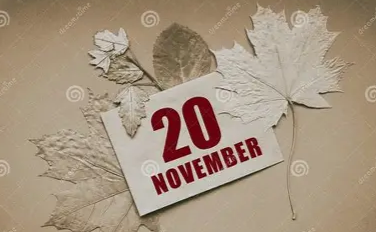




















 TomT2.0