Audio PODCAST
Readable PDF FILE LINK


The U.S. immigration situation in 2025 is complicated and divisive, influenced by changing policies, border issues, and economic factors. Many were allowed to stay in the country while they wait for immigration hearings, which can take years because of court backlogs.
The immigration issue prompted me to take the problem seriously and explore it thoroughly by turning to various AI tools in my toolbox. I utilized Grok, Copilot, and Gemini for this purpose, each offering unique insights. I asked a common but crucial question across these platforms: “If I permanently wanted to immigrate to (country), what would I have to do? Additionally, do they have any assistance programs available for newcomers?” It’s important to note that there have been comments in various forums suggesting that different AI platforms may present biased perspectives and generate answers based on the leanings of the platform originators. This potential bias is precisely why I opted to consult multiple platforms; by doing so, I aimed to gather a more comprehensive view and ensure that I wasn’t missing out on any vital information that could facilitate my immigration journey.

Audio PODCAST
When you are young, you don’t think much of dying; in fact, you tend to think of yourself as immortal, viewing death as a distant concept, almost like something that happens only to others. As you become older, however, the perception shifts dramatically. You start to grapple with the reality of mortality, reflecting on loved ones who have passed and the inevitability of your own departure. This shift in thinking can be unsettling, prompting deeper contemplation about life itself, the choices you’ve made, and the legacy you wish to leave behind. The once distant specter of death gradually becomes a more immediate concern, shaping not just your fears, but also your aspirations and values in profound ways.
I am over eighty, and I am thinking more about death than when I was younger. My parents passed away when they were both seventy-five, a stark reminder of the fragility of life, and their health problems started to appear in their late sixties, foreshadowing an inevitable decline that I have witnessed. Close to three years ago, I had a near-death experience, which profoundly changed my perspective on life and mortality; it was a moment that forced me to confront my fears and contemplate what it means to truly live. Now, I am savoring every precious moment of this bonus time on this earth, appreciating the beauty of each sunrise, the laughter shared with loved ones, and the simple joys that life offers. I find myself reflecting on the memories of those I have lost; while also embracing the new relationships I have forged along the way, understanding that life is a precious gift that should never be taken for granted.
My mother was afflicted with bone cancer and bravely battled this disease for more than five years, demonstrating a strength that inspired everyone around her. After extensive treatments, which included the removal of the cancer alongside many difficult sessions of chemotherapy and radiation, we were overjoyed when the demon went into remission. For a period of four to five years, we held onto hope, cherishing every day as a blessing and celebrating the moments when she seemed to regain her health. However, the shadow of the illness returned with a vengeance, as the demon came back very aggressively, catching us off guard. It migrated to other parts of her body, relentlessly spreading and undermining her strength until it finally took her from us. Her death was slow and very painful, a heartbreaking process that left a profound mark on our family and a reminder of the cruel nature of illness.
My father was visiting California and he was scheduled to start driving home in the morning, excited to return to his familiar surroundings. He called me the next morning, his voice tinged with discomfort as he said he had an upset stomach and was going to wait another day before he started to drive home. Concerned, I suggested he take it easy and perhaps see a doctor if he didn’t feel better soon. That evening, his niece called, sharing the news that she had gone to get some take out for dinner. When she returned, my father was found on the floor, lifeless and still. It turned out he was having a heart attack and didn’t even know it – a silent, deadly intruder that took him without warning. That major mistake of ignoring his discomfort and not seeking help cost him his life, leaving a void in our hearts that would be felt for years to come.
Recently, my friend had multiple heart bypass surgery, a significant procedure that can have a profound impact on one’s life. He is in his mid-seventies, a time when health becomes increasingly fragile and precious. How long will this surgery extend his life? Only time will tell, and the uncertainty of that answer weighs heavily on both his mind and the hearts of those who care for him. Will this life-saving surgery expose him to a more painful and slow death, potentially leading him down a path filled with complications? This surgery may save him from heart failure, allowing him to experience more time with loved ones, yet it brings with it concerns about the possibility of battling another illness, such as cancer. The reality is sobering: cancer and heart disease are the biggest killers in the US, creating an overwhelming sense of vulnerability. Each day post-surgery is a delicate balance between hope and worry, as we eagerly anticipated his recovery while grappling with the harsh realities of health in our later years.
A couple of years ago, another friend of mine was out in the brisk winter air, running his snow-blower to clear the driveway and make way for vehicles. He was a hardworking individual, dedicated to ensuring everything was in order, but tragically, he suddenly fell over dead from an aortic aneurysm. The shock came swiftly, as it happened without any warning. His wife, who had been inside the warm house preparing a hot drink, grew concerned when she didn’t see him come in after some time. She then ventured outside, only to discover him laying motionless on the ground in the snow, a scene that would forever haunt her. It was a heartbreaking moment, filled with disbelief and sorrow, reminding us all of life’s fragile nature.
My wife’s mother was in her nineties, a remarkable age for anyone to reach, yet in her last year, her health had deteriorated significantly to the point that she could no longer walk and had lost all control of her bodily functions, which was deeply distressing for the entire family. Despite this decline, medical authorities reassured us that her heart and lungs sounded good, indicating that there were still vital signs of life, but it left us wondering about the quality of her existence. Why did she have to experience that sorry state of being? It was heart-wrenching to see a once vibrant individual reduced to such a condition, and the quality of life had taken a bad turn for her, leaving us to grapple with feelings of helplessness as we navigated through the complexities of aging and the eventual fragility of life.
These are just a few examples of death and suffering that I have experienced in my life. Death is a part of life, a natural cycle that eventually claims us all. All of us must someday face the inevitability of this event, each in our own way and at our own time. The experiences I have witnessed have shaped my understanding of mortality and the fleeting nature of existence. Even now that I am closer to the event, I still can’t answer the question, How do I want to die? This uncertainty prompts me to reflect deeply on my life and the legacy I wish to leave behind, worrying about the impact of my departure on those I love and how they will carry on without me. It is a thought-provoking and haunting consideration that lingers in my mind, intertwining with the hopes and fears I have for the future.
This blog was originally posted on WordPress January 28, 2011. Out of curiosity, I thought to take the same story and have AI enhance it. Here is the link to the original post. https://tomt2.com/2011/01/28/how-do-you-want-to-die/
What are your thoughts on the old post versus the new post?

Independence Day: Celebrating the Fourth of July** Every July 4th, Americans celebrate Independence Day, a federal holiday that marks the adoption of the Declaration of Independence in 1776. This important document, mainly written by Thomas Jefferson, declared the 13 American colonies’ break from British rule, establishing the United States as an independent nation. The Fourth of July is a lively celebration of freedom, unity, and national pride.
The holiday is marked by festive traditions. Fireworks light up the night sky, representing the “bombs bursting in air” from the national anthem, “The Star-Spangled Banner.” Communities across the country host parades with marching bands, floats, and patriotic displays. Backyard barbecues and picnics bring families and friends together with classic American food like burgers, hot dogs, and apple pie. Red, white, and blue decorations decorate homes, streets, and public places, showing the nation’s colors.
Independence Day also invites reflection on the values of liberty and equality enshrined in the Declaration. While the holiday celebrates the birth of a nation, it’s essential to recognize that it is also a moment to honor the sacrifices of those who fought for freedom, justice, and the rights we often take for granted. This includes the brave men and women who sacrificed their lives on the battlefield and those who used their voices and actions to advocate for equality and human rights. As we gather with friends and family to enjoy the festivities, let us not only partake in the celebrations but also take time to consider the ongoing journey toward a more inclusive society where every individual, regardless of their background, can experience the true meaning of freedom. All Americans should remember this day, reflect on the lessons of our past, and acknowledge the freedoms and privileges we enjoy from this great country, striving to ensure that future generations inherit a nation that continues to uphold and expand these cherished ideals for all.

Audio PODCAST
Summer’s scorching heat is like that overly enthusiastic relative who shows up uninvited—joyful yet challenging! While the sun’s golden rays are begging you to hit the beach, fire up the barbecue, and lounge like a professional napper, you must remember that staying cool and safe is essential to fully enjoy this sizzling season. So, how do you navigate this sauna we call summer without melting? First and foremost, hydration should be your new best friend. Chug that H2O like it’s a marathon! Aim for eight glasses a day but bump it up if you’re sweating like a popsicle in a heatwave. Sprinkle in some electrolyte-rich drinks, like coconut water, for that refreshing “I’m on a tropical vacation” vibe. And seriously, ditch the sugary sodas and heavy caffeine—they’re basically the party crashers of your hydration game. Always tote around a reusable water bottle, preferably decked out with a zesty slice of lemon, because who said staying hydrated can’t be gourmet?
Dress like you’re ready for a sizzling summer showdown! Opt for lightweight, breathable fabrics like cotton or linen; think of loose cuts that let air flow and keep you cooler than a popsicle at a beach party. Go for light colors to reflect sunlight – after all, who wants to be a walking sun magnet? Complete your look with a wide-brimmed hat that makes you look like you’re about to announce the weather, paired with UV-blocking sunglasses that scream, “I’m too cool for sunburns!” And please, don’t skimp on sunscreen—smother on that broad-spectrum SPF 30 or higher like it’s frosting on a cake, and remember to reapply every two hours, or risk turning into a lobster!
Beat the heat with a splash of creativity! When the sun is acting like it’s auditioning for a villain role from a superhero movie (2-4 p.m., we’re looking at you), hightail it to air-conditioned cafes where the coffee is hot, but the air is cool! At home, shut those blinds like you’re hiding from an ex and let the fans do their thing to stir up a breeze. If things get too toasty, a cold foot soak or a damp towel on your neck can feel like a spa day gone right. Plan your outdoor shenanigans for early morning or late evening when the sun is too sleepy to bother you. Remember to eat light and fresh—salads, grilled veggies, or water-rich fruits like watermelon and oranges! Grilling not only keeps the kitchen cool but also adds a deliciously smoky flavor that screams summer without so much as raising a sweat!
Be vigilant for signs of heat exhaustion—dizziness, nausea, or excessive sweating. Should these symptoms manifest, it is imperative to relocate to a cool environment immediately, and to hydrate with water or an electrolyte-replenishing beverage while taking sufficient time to rest. Prolonged exposure to elevated temperatures can result in severe health complications; thus, maintaining vigilance and taking proactive measures is critical. Furthermore, wearing lightweight, breathable fabrics and taking regular breaks in shaded locations can substantially mitigate your risk. By adhering to these guidelines, you will not only endure the summer heat but also engage safely in various outdoor pursuits, fostering memorable experiences with friends and family while prioritizing health and safety.
Remember, summer is like a good hair day—fleeting and full of sunshine, and before you know it, you’ll be swearing at your thermostat while your snow boots stage a dramatic comeback!
Audio PODCAST
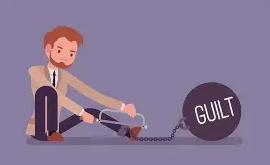
No, you shouldn’t feel guilty for using AI in your blogs, as long as you’re using it ethically and transparently. AI can be a tool like any other—think of it as a supercharged notepad or research assistant. It can help brainstorm ideas, refine drafts, or analyze data, saving you time and boosting creativity. The key is maintaining authenticity: ensure the final work reflects your voice, ideas, and values. If you’re just copying AI output without adding your own insight or passing it off as entirely your own, that’s where ethical lines blur—readers value genuineness, and misrepresenting your process could erode trust.
Some bloggers disclose AI use to their audience, which can build transparency and avoid any sense of deception. It depends on your niche and readers’ expectations—tech-savvy audiences might not care, while others might prefer a “human touch.” If you’re using AI to enhance your work while still pouring in your own effort, guilt shouldn’t be on the table. It’s about creating value, not about the tools you use to get there.
Yes, I use AI just like another tool in my toolbox. I have no guilt because I let it be known for that fact. AI is here and, in many features, greatly enhancing our productivity and creativity. This reminds me of when pocket calculators came into existence. There was resistance for this tool in the beginning; many feared that it would diminish human capability, yet civilization survived and adapted, just like it will with AI. Instead of resisting change, we should learn to harness AI’s capabilities to augment our skills and explore new possibilities, integrating it seamlessly into our daily lives and workflows. Embracing AI can lead to innovative solutions and greater efficiency, proving that technology can work in harmony with human intelligence.
Audio PODCAST
I have been blogging on various platforms since around 2006, and it has been a remarkable journey of sharing my thoughts and experiences with a diverse audience. On WordPress alone, I am close to having 500 posts on the platform, each one capturing a snapshot of my life and interests. I also have a site on Substack. They are basically the same blogs, just a different audience. I have learned that podcasts are the large item these days. So, I also include an audio podcast on my blogs. I have self-published travel books and a biography on Blurb.com, showcasing my fascination with different cultures and the stories of extraordinary people. Additionally, on that platform, I have a magazine series with fifteen issues, which allows me to delve deeper into topics I am passionate about, from travel and adventure to personal growth and storytelling. Most of my blogging has revolved around personal experiences or activities, offering readers a glimpse into my everyday life and the lessons I’ve learned along the way. However, after close to 25 years of documenting my journey, you start to run out of events and personal experiences to write about, leading to a creative plateau. Therefore, I started to search for a new challenge, eagerly looking for fresh perspectives and untold stories that will inspire both myself and my readers in this ever-evolving landscape of digital communication.
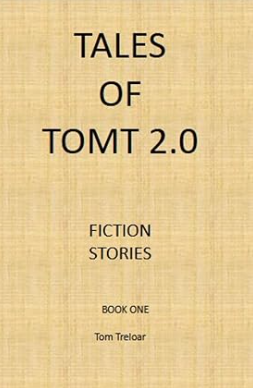
I forget how I stumbled across that Amazon has a Kindle Direct Publishing feature. It allows mere mortals like me to compose and publish eBooks to be added to their Kindle platform, offering an incredible opportunity for authors to share their voice with the world. The investment is mostly time and the desire to try something different, an exciting venture that has the potential to transform ideas into tangible works. I cannot imagine a book publishing company to be interested in my ramblings, considering the competitive landscape filled with seasoned writers, and I don’t have a clue how to even locate a publisher that may be interested in my unconventional stories. During that time, I had the thought, “why don’t I try some fiction writing?” It struck me as a way to creatively express myself and escape the mundane routines of daily life. Many times, in my life, it has been said that I am a dreamer and have crazy thoughts and ideas, often weaving elaborate tales in my mind that yearn to be told. With the help of AI, my dreams and thoughts are coming alive. I believe that through fiction, I might not only entertain others but also find a deeper connection to my own aspirations and experiences, allowing my imagination to soar like never before.
Since this thought, I have just completed my third book of “Tales of TomT 2.0”. You can just do an eBook or also offer a paperback copy or hard cover copy to complete the different options available. Each publishing is around 100 pages. I will never make the best seller list, but I am enjoying this journey and learning from the journey.



Audio PODCAST
The air in the office was thick with the hum of fluorescent lights and the clatter of keyboards, creating a constant backdrop of activity that felt almost oppressive. Rita, perched at her desk like a weary soldier, stared at the spreadsheet that had haunted her for weeks, its cells filled with figures that felt more like chains than data. Numbers blurred into meaningless shapes, each cell a tiny cage of expectation that whispered unrelenting demands for perfection. She’d been at RCA for five years, gradually climbing from intern to analyst, but the relentless grind had worn her down, leaving her feeling as if she were merely a cog in a vast machine. Deadlines loomed like dark clouds, emails flooded her inbox like an unstoppable tide, and meetings that could’ve easily been memos disrupted her already fragmented concentration—it was a treadmill set to sprint, draining her energy and enthusiasm with every frantic step.
“You know what? I quit,” she said, her voice cutting through the cubicle’s quiet like a knife. Her coworker, Ray, froze mid-sip of his coffee, eyes wide as if he had just seen a ghost. The words weren’t planned; they just spilled out, raw and final, escaping from a place of pent-up frustration and resolve. The dim fluorescent lights flickered overhead, casting a harsh glow on the stack of papers on her desk, the evidence of countless late nights and unrecognized efforts. She could feel the weight of her decision hanging in the air, a mix of fear and exhilaration surging through her veins as she took a deep breath, knowing that she was finally choosing her own path.
“Rita, what?” Ray whispered, glancing around as if expecting a manager to swoop in at any moment, ready to question their every move. But Rita was already standing, her chair scraping against the linoleum with an unsettling screech that caught the attention of a few nearby colleagues. She grabbed her mug—World’s Okayest Analyst—proudly displaying her modesty in a place filled with corporate bravado, and her worn-out tote bag that had seen better days, a testament to countless coffee runs and late nights spent poring over data. As she dashed out of the room, she abruptly left the spreadsheet unsaved behind, the data lingering on the screen like an unfinished thought, a reminder of the work that still lay ahead in the chaotic world of analytics.
The elevator ride down felt like shedding a skin. Each floor that passed was a layer of stress peeling away, liberating her from the suffocating weight of her daily grind. She thought of the late nights spent hunched over her laptop, the weekends lost to “urgent” reports that were often nothing more than busywork, and the boss who’d once said, “You’re lucky to have this job.” Lucky? No. Trapped. Trapped in a cycle of endless deadlines, hollow praise, and a relentless pursuit of perfection that left her drained. As she descended, she visualized each task she was leaving behind—a mountain of expectations, the constant hum of office chatter, and the air thick with unspoken tension. With each passing floor, the lightness of freedom grew, igniting a spark of hope that perhaps, just perhaps, there was a life waiting for her beyond these walls.
Outside, the city buzzed with life, a vibrant tapestry of sounds and sights weaving together in a chaotic yet harmonious dance. Rita walked with purpose, no destination in mind, her sneakers pounding the pavement with a rhythmic beat that matched her racing heart. The sun hung high in the sky, casting playful shadows on the bustling streets as she passed a street musician strumming a guitar, the notes bright and free, floating through the air like a gentle breeze. The melodies seemed to wrap around her, inviting her to pause and immerse herself in the moment. She tossed a crumpled five into his case, and he winked, his eyes glinting with a shared understanding of spontaneity. “Live a little, yeah?” he called, his voice carrying over the city’s din. She couldn’t help but laugh, the sound foreign yet welcome, as it mingled with the laughter of children playing nearby and the chatter of passersby, each one contributing to the urban symphony that surrounded her. Feeling a spark of joy, she continued on her journey, a slight bounce in her step as the city unfolded before her like a vibrant story waiting to be told.
Her phone buzzed—Ray, texting: You serious? What’s the plan? She didn’t reply. For once, there was no plan, no checklist to adhere to, just a sense of freedom she hadn’t experienced in a long time. She wandered into a park, where kids chased pigeons, their laughter ringing through the air, and an old man fed ducks, his joy infectious. The sun filtered through the leaves, casting a warm glow on the vibrant greens of the grass. Sitting on a bench, she pulled out a notebook she hadn’t touched in years, its pages filled with half-sketched dreams: a bakery on a bustling street corner, a novel waiting to be written that danced in her imagination, a trip to Iceland to witness the northern lights. Rita had buried those aspirations under piles of memos and KPIs, conforming to the grind of daily responsibilities that had dulled her spirit. But now, with the weight of expectations lifted, she felt a spark of inspiration ignite within her, urging her to reclaim those forgotten dreams and explore the possibilities that lay ahead.
The sun dipped low, painting the sky in reckless pinks and oranges. Rita scribbled: What if I opened that bakery? The idea felt absurd, then thrilling. She’d always loved baking—sourdough at 2 a.m., cupcakes for coworkers’ birthdays, and the occasional batch of cookies that she’d surprise her neighbors with, leaving them in their mailboxes with a little note: “Enjoy!” Why not? She had savings, enough to start small. A food truck, maybe, with a vibrant paint job and the tantalizing smell of fresh pastries wafting through the air. No corporate nonsense, just flour and sugar and her hands transforming simple ingredients into warm, delightful treats. The thought of sharing her creations with others sent a rush of excitement through her. What if she hosted pop-up events at local markets? The image of happy customers savoring her pies sparked a dream that felt just within reach.
Her phone buzzed again—her boss, probably furious, as usual. She silenced it, dismissing the relentless grip of her former life. For the first time in years, Rita felt light, like she could breathe without a deadline choking her. The oppressive weight of expectations had begun to lift, replaced by a sense of exhilarating freedom that filled her heart with hope. Quitting wasn’t just leaving a job; it was reclaiming herself and rediscovering passions long forgotten amidst the chaos of corporate life. The future was uncertain, a blank page, but that was the point. She’d write it herself, penning the story of her own adventures, crafting a narrative infused with joy, exploration, and the thrill of new beginnings. With each step forward, she felt more connected to her true self, ready to embrace whatever came next.
As dusk settled, Rita stood, her notebook clutched tight against her chest, a sanctuary for her swirling thoughts. The musician’s tune lingered in her head, its melodic notes weaving dreams of creativity and warmth through her mind. Tomorrow, she’d bake her first loaf, a decision that filled her with both excitement and trepidation, just to see how it felt and if she could capture the essence of home in its golden crust. “Live a little,” she murmured softly to herself, reminding her inner self of the importance of embracing new experiences, and with a renewed sense of purpose, she headed home, her steps sure and steadfast, each footfall echoing her determination to embrace change.
For the first time in many years, Rita felt free, as if a heavy weight had been lifted from her shoulders, allowing her to breathe deeply and joyfully embrace the vibrant world around her with open arms. The sunlight streamed through the leaves, casting cheerful shadows on the ground, while the gentle breeze whispered promises of exciting new beginnings.
Ten years later Rita had a successful bakery and more money than when she said, “I QUIT!”

Audio PODCAST
In many parts of my life, I had terrific dreams that painted the night with vivid colors and extraordinary stories, making it feel like I was living two lives simultaneously. The dreams were colorful and vibrant, filled with an array of subjects that ranged from whimsical adventures in fantastical realms to profound encounters that shifted my perspective on reality. The nice part was I could remember the dreams when waking up, and each recollection felt like a precious gift, allowing me to hold onto those enchanting moments from my subconscious. Unfortunately, everything changed when I had a kidney stone when I was seventy-five and was put under anesthesia to remove the stone. Since that time, I do not remember my dreams at all; they seem to slip away into oblivion as I awaken, leaving behind only an elusive echo of their existence. I experience them when asleep, but now when I wake up, they are gone, like whispers lost in the wind. I miss my dreams dearly, as they were a source of inspiration and joy. I really enjoy recalling my dreams in my conscious time, as they opened up new avenues of creativity and allowed me to explore parts of my mind that felt unexplored. Now, I long for the return of those magical nights where my imagination could run wild and the boundaries of reality seemed to fade away. I do not believe that ability will ever return.
The purpose of dreams isn’t fully understood, but research suggests they serve multiple functions. Neurologically, dreams may help process emotions, consolidate memories, and integrate new information, with the brain’s amygdala and hippocampus playing key roles during REM sleep. Studies, like those from the University of California (2019), indicate dreaming aids in emotional regulation, reducing stress by reprocessing challenging experiences. Cognitively, dreams might enhance problem-solving and creativity by allowing the brain to form novel connections—evidenced by historical anecdotes like Kekulé’s benzene ring dream. Some evolutionary theories propose dreams simulate threats, preparing us for real-world challenges, though this is debated.
Psychologically, dreams could reflect subconscious thoughts, as Freud suggested, or serve as a “virtual reality” for testing scenarios, per Antti Revonsuo’s threat simulation theory. However, the random activation synthesis model (Hobson & McCarley, 1977) argues dreams are the brain’s attempt to make sense of random neural firing, not always purposeful. Cultural and personal beliefs also shape dream interpretation, but no single purpose is universally agreed upon. Ongoing research continues to explore these angles.
I have always wondered if not going under anesthesia would allow me to keep my dreams, those fleeting images and feelings that often fade upon waking. It intrigues me how dreams can be vivid and meaningful yet easily forgotten. What in the anesthesia removed my ability to remember my dreams? I will never know.

Audio PODCAST
I have wondered about high heels for a long time. They look uncomfortable and didn’t know why women go through the discomfort. I went to AI and accumulated some history on the high heel.
High-heeled shoes for women have a rich history that spans centuries, evolving from practical footwear to a symbol of fashion, status, and femininity. Originally designed for functionality in the 16th century, they were embraced by aristocrats to elevate their height and showcase their wealth. As time progressed, high heels became a canvas for artistic expression, with styles ranging from elegant court shoes to flamboyant platforms that dominated the catwalks. The shift in their connotation reflects broader societal changes, as they went from being associated with the male aristocracy to becoming a staple in women’s fashion culture. Today, high-heeled shoes are celebrated for their ability to transform an outfit, empowering women while also sparking debates around comfort, health, and gender norms. Below is a concise overview of their development:
Origins (9th–16th Century)
17th–18th Century: Rise of the High Heel
19th Century: Revival and Refinement
20th Century: High Heels as Fashion Icons
21st Century: Versatility and Debate
Key Themes
I must admit artificial intelligence did the research on this topic, utilizing advanced algorithms and vast datasets to analyze and synthesize information efficiently and effectively, thereby producing insights that might have taken humans considerably more time to uncover, leading to a more thorough understanding of the subject matter at hand.

Audio PODCAST
National Flip Flop Day is celebrated annually in the United States to embrace the carefree spirit of summer and the iconic footwear known as flip-flops. Originally observed on the third Friday in June, the date was changed in 2023 to the Wednesday after Memorial Day to better align with the onset of warmer weather and the bustling activities of the summer season. This shift reflects a growing awareness of consumer habits, as many individuals eagerly anticipate the warmer days of summer, looking forward to beach outings, barbecues, and leisurely strolls. The date for 2025 was set for Wednesday, May 28, as it falls on the Wednesday after Memorial Day, following the updated schedule established by Tropical Smoothie Cafe in 2023 that encourages everyone to celebrate the joys of summer. The day serves not only as a reminder to don your favorite flip-flops but also as an occasion to gather with friends and family, sharing laughter and creating lasting memories. The AI I used did not know about the update, highlighting the fact that technology, while incredibly advanced, is not infallible and is continually evolving to keep up with the changes in our world.
Founded in 2007 by Tropical Smoothie Cafe to mark their 10th anniversary, celebrate summer, and show appreciation for their customers.
The term “flip-flop” comes from the slapping sound the sandals make when walking, an onomatopoeia used in American and British English since the 1960s. Flip-flops have ancient origins, with evidence of similar footwear in Ancient Egypt around 4,000 BC, made from materials like papyrus and palm leaves. They were also worn in ancient Greece, Rome, and Mesopotamia, showcasing their enduring nature across cultures and epochs. It is interesting to note that these early variants were often adorned with decorative elements, reflecting the wearer’s status and style. The design and function of flip-flops evolved over centuries, influenced by both social changes and advancements in materials. In addition, Japanese zori sandals, traditionally crafted from rice straw and tatami mats, influenced modern flip-flops in the U.S. after World War II, as returning soldiers brought back these unique styles, leading to their widespread popularity in American beach culture. Today, flip-flops are not only a staple of casual summer wear but also a symbol of relaxed, carefree living, enjoyed by people of all ages around the world.
Wear your favorite flip-flops and share photos on social media with #NationalFlipFlopDay to celebrate this fun and relaxed occasion. Take the time to shop for new flip-flops, including eco-friendly options from reputable brands like Rainbow or Hari Mari, which prioritize sustainability and style. To really embrace the spirit of the day, consider hosting flip-flop-themed events like lively beach parties, friendly flip-flop races, or engaging craft activities using old flip-flops for art projects that can be both fun and eco-conscious. If you find yourself far from a Tropical Smoothie Cafe, you can still indulge your taste buds by making or enjoying delicious smoothies at home using fresh fruits and ingredients, allowing everyone to gather and celebrate in comfort and relaxation.
I may be late, but I enjoyed learning about Flip Flop Day.

Audio PODCAST
Have you ever thought about why you are spending time on this earth?
The world is not a friendly place. There is bad weather, disease, and pain, all of which contribute to a pervasive sense of distress. It seems that there is constant war somewhere on the earth, threatening lives and displacing countless individuals from their homes. In some parts of the world, starvation is a serious problem, with entire communities struggling to find enough food to survive each day. The anguish of those suffering from hunger is compounded by a lack of access to medical care and basic sanitation, leading to a cycle of despair and hopelessness. I could go on and on about how this earth is not a friendly place for millions who have spent time on this planet, enduring hardships that often seem insurmountable, leaving them to wonder if there is any reprieve in sight.
How many faiths and religions have been or are currently attempting to explain the profound question of your presence on this earth? Each belief system, whether ancient or modern, carries unique stories and teachings that reflect humanity’s quest for understanding its place in the universe. From the monotheistic teachings of major world religions to the polytheistic perspectives found in various traditions, countless voices have sought to articulate the meaning of life and existence. Through rituals, sacred texts, and communal practices, these faiths aim to provide answers to our deepest yearnings and questions about purpose, identity, and the ultimate nature of reality.
The earth is just a small speck in this gigantic universe, a tiny oasis amidst the vastness of space that stretches infinitely in all directions. I do not know how many planets have been discovered that may be suitable for forms of life to survive, but scientists tirelessly search for those celestial bodies that might harbor the conditions necessary for life, such as the right temperature, atmosphere, and presence of water. Each new discovery ignites the imagination, prompting wild speculations about the myriad possibilities for life beyond our own world, raising questions about our place in the cosmos and whether we are truly alone in this grand expanse.
What if your time is a form of penance or punishment from another civilization located in the gigantic universe, a celestial courtroom beyond our comprehension? Are we paying for something that we did in another planet, shackled by the weight of our past mistakes, and time on earth was the sentence imposed upon us? Perhaps the very fabric of our existence is governed by unseen forces, orchestrating our lives in a manner we cannot fully understand. I often find myself pondering these perplexing ideas, questioning whether the mundane trials we endure are mere trivialities or echoes of a cosmic judgment. I don’t know where these crazy thoughts come from, but they linger like shadows in my mind, provoking a sense of wonder and questions about the true nature of our reality and our place within this vast, enigmatic universe.
Is this just me, or do you ever wonder about your purpose and time on this earth?
It seems that, at various points in our lives, we find ourselves pondering the deeper meanings of our existence, searching for answers to questions that often feel too complex to grasp.
We reflect on the choices we’ve made, the experiences we’ve had, and the dreams we once chased, all while considering how they shape our identity and future.
In a world that is constantly changing, it’s natural to seek clarity about our roles and the impact we leave behind, as we navigate the delicate balance between fulfilling personal aspirations and contributing to the greater good.
This question will remain unanswered until after our time on earth; it lingers like a whisper in the wind, provoking thought and curiosity in those who consider its meaning. As we navigate life’s complexities and mysteries, we often struggle with the uncertainties that shape our human experience. Whether through philosophy, spirituality, or science, the answers we seek may be out of reach, prompting us to reflect on our beliefs and values as we move through life. Ultimately, we may only discover the truths that have been hidden from us once we rise beyond our earthly limits.

Audio P0DCAST
National Splurge Day, celebrated annually on June 18th, encourages people to set aside their usual frugality and indulge in a little luxury, whether it’s a lavish meal, a spa day, or a significant shopping spree. Founded in 1994 by Adrienne Sioux Koopersmith, dubbed “America’s Premier Eventologist,” this holiday was created to offer a much-needed break from constant budgeting and to boost the economy through strategic spending that can stimulate local businesses. Koopersmith chose late June, post-tax season, when individuals might have extra cash on hand to treat themselves or their loved ones, creating an opportunity for joyful spending and the enjoyment of life’s pleasures. The day serves as a reminder of the importance of self-care and indulgence, inviting people to reflect on what they truly desire and encouraging a balance between saving and enjoying the fruits of one’s labor.
Splurging doesn’t mean reckless spending; it’s about enjoying something special without breaking the bank. For some, it might involve treating themselves to a fancy dinner at a celebrated restaurant, indulging in a luxurious spa day complete with massages and relaxation, or investing in a stylish pair of new shoes that complements their wardrobe. On the other hand, for others, it could simply be a small treat like adding whipped cream to a latte or purchasing a decadent dessert to savor. The day promotes mindful indulgence, encouraging experiences that create lasting memories, such as attending a lively concert, going on a weekend getaway with friends, or even participating in a fun workshop that sparks creativity. Koopersmith later shifted the holiday’s focus in 2017, urging people to splurge on helping refugees or shelter animals, reflecting a more altruistic approach that not only enhances one’s own well-being but also supports those in need, fostering a sense of community and compassion in the process. Ultimately, splurging can be a multifaceted experience that balances personal enjoyment with the joy of giving back.
Whether it’s buying a luxury item, enjoying a decadent meal, or donating to a cause, National Splurge Day is about balance—celebrating life’s pleasures while staying financially responsible. It’s a day to break away from the mundane routines and immerse yourself in experiences that bring joy and fulfillment. Share your splurge on social media with #NationalSplurgeDay to inspire others, showcasing both the small delights and the grand gestures that make life richer. So, on June 18th, take a moment to treat yourself or someone else to something special, whether it’s a lavish spa day, an exquisite piece of art, or simply a thoughtful gift. Celebrate the joy of indulgence done right, and remember that it’s the little things that can make a big impact in our lives and the lives of those around us. Embrace this day as an opportunity to reconnect with what truly matters to you, creating lasting memories that elevate your spirit and enhance your well-being.
Audio PODCAST
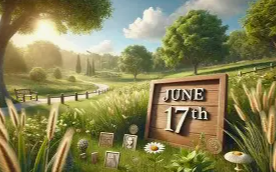
The Watergate scandal, a seismic debacle that shook the very foundations of American politics, erupted in the early 1970s, culminating in the disgraceful resignation of President Richard Nixon. It laid bare a shocking tapestry of power abuses, illegal machinations, and a brazen cover-up that utterly obliterated public trust in government. What follows is a daring exploration of this political theater, its explosive moments, and the indelible scars it left on the nation’s conscience.
On June 17, 1972, five men were arrested for breaking into the Democratic National Committee (DNC) headquarters at the Watergate office complex in Washington, D.C. The burglars, equipped with wiretapping devices and cameras, were caught attempting to bug the DNC offices. They were later linked to the Committee to Re-elect the President (CRP), Nixon’s campaign organization, raising suspicions of political espionage.
The break-in was not an isolated incident but part of a broader campaign of dirty tricks orchestrated by Nixon’s aides to undermine political opponents. This insidious strategy involved a series of coordinated efforts that extended far beyond the infamous Watergate Hotel break-in. It included wiretapping not only of the rival Democratic Party but also of journalists and activists who were critical of the administration. Harassment tactics were employed against prominent figures, intimidating them into silence or compliance. Furthermore, the campaign aimed to spread false information about Democratic candidates during the 1972 presidential election, which effectively sowed discord and mistrust among the electorate. These deceptive practices were designed to manipulate public perception and tilt the election outcome in favor of Nixon, showcasing a blatant disregard for democratic principles and the integrity of the electoral process.
The burglary initially received little attention, but investigative reporting by Washington Post journalists Bob Woodward and Carl Bernstein kept the story alive. Their work, aided by a confidential source known as “Deep Throat” (later revealed to be FBI Associate Director Mark Felt), uncovered connections between the burglars and high-ranking officials in the Nixon administration.
A Senate investigation, led by the Senate Watergate Committee in 1973, further exposed the scandal. Key revelations included The existence of a secret White House taping system that recorded Nixon’s conversations. Testimony from former Nixon aide John Dean, who detailed a cover-up orchestrated by the administration. Evidence of illegal campaign contributions, slush funds, and misuse of government agencies like the FBI, CIA, and IRS to target Nixon’s enemies.
The discovery of the White House tapes became pivotal. Nixon initially refused to release them, citing executive privilege, but the Supreme Court ruled unanimously in United States v. Nixon (1974) that he must comply. The tapes revealed Nixon’s direct involvement in obstructing justice, including discussions about halting the FBI’s investigation into the break-in.
On August 8, 1974, facing certain impeachment and conviction for his role in the Watergate scandal, President Richard Nixon announced his resignation in a televised address, becoming the first U.S. president in history to step down from office under such circumstances. This unprecedented event marked a significant moment in American political history, as it raised questions about ethics and accountability in government. Following Nixon’s resignation, Vice President Gerald Ford assumed the presidency, navigating a deeply divided nation grappling with the fallout of the scandal. In a highly controversial move that polarized the public, Ford pardoned Nixon just a month later, sparing him from any criminal prosecution. This decision sparked widespread outrage and debate, as many felt that it undermined the rule of law and set a troubling precedent for future administrations, leaving a lasting impact on public trust in government institutions.
The scandal led to the indictment of 69 people, with 48 convictions, including key Nixon aides like John Mitchell, H.R. Haldeman, and John Ehrlichman. It also spurred significant reforms, such as: The Federal Election Campaign Act Amendments (1974), tightening campaign finance laws. The Freedom of Information Act amendments, strengthening government transparency. Increased oversight of intelligence agencies.
Watergate profoundly eroded public trust in government, contributing to widespread cynicism about politics. The suffix “-gate” became synonymous with political scandals. The scandal also elevated the role of investigative journalism, with Woodward and Bernstein’s work inspiring future generations of reporters.
The Watergate scandal remains a cautionary tale about the dangers of unchecked power and the importance of accountability in democracy. Its legacy endures in ongoing debates about government transparency, executive authority, and the rule of law.
There has been speculation that events that have happened in the last few years, marked by political turmoil and increasing division, will make the Watergate scandal look like child’s play. This comparison stems from a series of unfolding controversies and allegations that have captured the public’s attention and raised serious concerns about the integrity of our institutions. Only time will tell whether these events will indeed reshape our understanding of political accountability and governance, or if they will fade into the annals of history as just another chapter of discord.

Audio PODCAST
Father’s Day in the United States is celebrated on the third Sunday of June, which is today. It’s a day to honor fathers, grandfathers, stepfathers, and father figures for their roles in family and society. This occasion involves giving gifts, writing cards, and spending time together, allowing families to show appreciation and love. Many also take this time to think about the lessons and values taught by their fathers, acknowledging their important influence on lives and communities. Celebrations can vary, with some families enjoying big gatherings or barbecues, while others prefer a quiet day to relax and reflect.
The idea is often credited to Sonora Smart Dodd, who wanted to honor her father, a Civil War veteran who raised six children alone in a time when single parenting was rare and usually stigmatized. Inspired by the success and sentiment surrounding Mother’s Day, she passionately pushed for a similar day dedicated to celebrating fathers and their vital contributions to family and society. The first Father’s Day was celebrated on June 19, 1910, in Spokane, Washington, where Dodd organized a special church service to recognize fathers, encouraging others to join in and celebrate paternal figures as well. It quickly gained popularity, and though it faced various challenges in gaining widespread acceptance over the years, it became a permanent national holiday in 1972 when President Richard Nixon signed it into law, acknowledging the importance of fathers and father figures in American life. Notably, while Father’s Day had been observed for decades prior, it wasn’t until this official recognition that it became a day of celebration marked across the nation. with, cards, and family gatherings.
Common gifts include tools, gadgets, clothing, or personalized items like mugs or cards, which can show the recipient’s interests. Experiences such as family outings, special meals, or adventurous day trips create lasting memories. Families often spend the day together, whether grilling, fishing, or just relaxing at home. Some honor fathers with heartfelt letters that express love and appreciation, making the day more meaningful. While the U.S. celebrates on the third Sunday of June, other countries have different dates, each with their unique traditions. For instance, Australia and New Zealand celebrate on the first Sunday of September, adding a cheerful springtime vibe. Many cultures also include various rituals that enrich the celebration of fatherhood, showcasing the bond between fathers and children worldwide.
In 2025, Americans are projected to spend a record $24 billion on Father’s Day gifts, reflecting a growing appreciation for paternal figures and the importance of celebrating them in our lives, up from $22.4 billion in 2024, according to the National Retail Federation (NRF). This increased spending illustrates a noteworthy trend where more families are choosing to honor their fathers with meaningful gifts, experiences, and gatherings. The average person plans to spend about $199.38 on gifts and celebrations, highlighting a willingness to invest in personal and heartfelt gestures that make the day special. From gourmet dinners to unique gadgets, the variety of gifts available has expanded significantly, allowing individuals to choose presents that resonate deeply with their father’s interests and hobbies.
Finally, have a happy, fun and peaceful Father’s Day.

Audio PODCAST
When pocket calculators rose to prominence in the early 1970s, they encountered significant skepticism and opposition, particularly from educators and traditionalists. A range of negative criticisms and excuses emerged during this period, grounded in the historical context of the time.
Many educators argued calculators would make students lazy, reducing their ability to perform mental arithmetic or master basic math concepts, which are crucial skills for everyday life. Teachers feared students would rely too heavily on machines instead of learning multiplication tables or long division, leading to a generation that struggles with fundamental mathematics. This reliance could hinder their problem-solving abilities and critical thinking, skills that are not only essential in academics but also in real-world scenarios where quick calculations may be necessary. Furthermore, the concern extended beyond just academic performance; it encompassed a broader issue regarding the potential erosion of cultural literacy in mathematics, as students might miss out on the satisfaction and confidence that come from mastering these essential skills through practice and understanding. As a result, many educators advocated for a balanced approach, incorporating calculators in a manner that would enhance learning rather than undermine it.
Schools worried that calculators would allow students to bypass learning fundamental mathematical concepts by quickly computing answers during tests, thereby undermining the educational process and making it hard to assess true understanding. These concerns highlighted a deeper issue: the fear that reliance on technology could lead students to become overly dependent on devices for simple calculations, stunting their ability to think critically and solve problems independently. Educators emphasized the importance of grasping the underlying principles of mathematics, suggesting that without a solid foundation, students might struggle in higher-level courses. Moreover, there was a growing debate about how to effectively integrate technology into the curriculum without diminishing the value of traditional learning methods. As a result, schools began re-evaluating their policies on calculator use, seeking a balance that would encourage both technological advancement and comprehensive learning.
Critics pointed out that early calculators were prone to errors, had limited functions, and relied on batteries that could fail, making them less dependable than manual methods or mechanical adding machines. These devices often produced incorrect calculations due to their rudimentary technology, which did not account for more complex computations. Furthermore, the reliance on batteries posed a significant drawback; users frequently found themselves without a functioning calculator when power ran low, particularly in critical situations where reliable calculations were essential. The maintenance costs and the need for constant battery replacement added to the overall inconvenience, leading many to prefer the tried-and-true methods of manual calculation or the reliability of mechanical systems. This skepticism about early calculators also reflected a broader hesitation within the industry to fully embrace electronic devices, as users questioned their long-term viability and accuracy in comparison to traditional techniques.
Slide rule users and accountants argued that calculators would render established tools obsolete, threatening the skills of professionals who relied on manual computation methods. They believed the introduction of these electronic devices would not only diminish the use of traditional tools like slide rules and adding machines but also risk a significant loss of practical skills among workers in the field. Many professionals felt that their expertise, honed through years of training and practice, could become undervalued in a world increasingly dependent on automated solutions. This shift challenged the established norms of education and practice, prompting a debate about the importance of foundational skills in an ever-evolving technological landscape. Furthermore, there was a concern that an over-reliance on calculators might lead to a generation of professionals who could struggle with basic numerical reasoning and problem-solving, thus impacting the overall integrity and accuracy in fields where precision is paramount.
Some saw calculators as a gimmick, claiming they didn’t teach problem-solving or critical thinking, just button-pushing, which was viewed as less intellectually rigorous. These critics argued that relying on technology for basic computations could lead to a decline in essential mathematical skills. They believed that the traditional methods of learning, which emphasized manual calculations and deep understanding of mathematical concepts, were being undermined by the convenience of calculators. Furthermore, they expressed concerns that students might become overly dependent on such devices, potentially stunting their ability to approach more complex problems with creativity and confidence. In the long run, they feared that this reliance could result in a generation of learners who lacked the foundational skills necessary for advanced studies or real-world applications.
Do these criticisms sound similar to the ones you hear about artificial intelligence (AI)? It sure does to me. Many people express concerns about the rapid advancement of technology and its implications for society, often raising questions about ethical considerations, job displacement, and the potential for bias in AI systems. Just as the advent of the internet sparked debates about privacy and information overload, the rise of AI brings forth similar discussions about its role in our daily lives and the long-term effects it may have on humanity. These parallels highlight a recurring theme in our relationship with technology: the need for careful scrutiny and responsible development to ensure that progress benefits everyone.

Audio PODCAST
Recently I went to Home Depot to buy a replacement connector for a hose, a task that seemed straightforward enough. I find what I need, a sturdy little connector that would serve its purpose well, and head to the self-checkout with a sense of accomplishment. I scan the item and get ready to pay, feeling rather pleased with my efficient shopping. However, as I reach into my front pocket for the money, I receive the shock of my life. My billfold and money are not there! PANIC! Where are they? My heart races as I search my other pockets, but there’s nothing. No wallet, no cash, nothing to complete my purchase. I feel a wave of embarrassment wash over me as I finally have to summon the clerk, my cheeks burning with the realization that I’ve forgotten my money. I inform her, awkwardly, that I can’t pay for the five-dollar purchase because of my carefree negligence. She kindly voids out the purchase, a small relief amid my distress, and I rush to my car, my mind racing with thoughts of where I might have lost my wallet, as I hurry home, vowing to be more careful in the future.
The trip is about ten minutes to home, but it feels like an eternity as I replay the events in my mind. All the time I am thinking about what could have happened to my billfold and cash, the weight of worry growing heavier with each passing moment. Did it fall out of my pocket during my hurried walk? Impossible! I can’t bear the thought of having lost such an important item. I start trying to retrace my tracks, mentally revisiting the last place I remember having it—each location sparks a flicker of hope but also despair. Maybe someone took it at breakfast yesterday, though I truly don’t believe that, as this is precisely why I carry my billfold in the front pocket to thwart pickpockets. I had different pants on yesterday, a pair with more pockets but perhaps a looser fit. Maybe I left it in yesterday’s pants, tucked away in a pocket I didn’t think to check. That is possible, isn’t it? The thought gives me a glimmer of optimism, as I urge myself to maintain hope while counting down the blocks until I reach home.
As I drive home, I can’t shake off the feeling of dread as I imagine the worst-case scenarios—what if it is gone for good, lost among the countless other items in my car, or worse, stolen by someone who has no regard for the inconvenience they cause? My mind races through the exhausting process I will undoubtedly have to face, reporting my credit cards to prevent any unauthorized charges, replacing my driver’s license along with my health insurance card, which is a nuisance I could do without. This situation brings back vivid memories of a particularly distressing day when my wife’s purse was lifted off her shopping cart during our grocery run, a simple act that spiraled into a massive headache as we navigated the chaos of getting everything replaced. The discomfort and frustration we endured were overwhelming, turning a mundane shopping trip into a stressful ordeal that seemed to take forever to resolve. I can’t help but wish we had taken extra precautions then, as this experience serves as a painful reminder of the vulnerability, we all face in our daily lives.
I finally get home and rush in the house, hurrying toward the closet where I had left yesterday’s pants, my heart racing with anxiety and anticipation. RELIEF! It is there, waiting for me like a long-lost friend. Apparently, in my flustered morning rush, I took out all the other items from the pocket and meticulously placed them in the replacement pocket, but inadvertently put the billfold back in yesterday’s pants, thinking I had checked everything thoroughly. As I hold the familiar fabric in my hands, a wave of embarrassment washes over me, reminding me of how forgetful I can be these days. It seems like little mishaps like this are becoming a routine, making me acutely aware of how I’m growing older, and I can’t help but chuckle at my own forgetfulness, wishing I could easily dismiss these moments as mere quirks rather than signs of aging.

Do you remember D-Day June 6, 1944? I do. I was only 2 years old when the event happened, so I must say I learned about D-Day through the stories and historical accounts shared by those around me in the years that followed. In my opinion, this day stands as one of the most significant turning points in history, marking not only a pivotal moment in World War II but also a crucial step towards the liberation of Europe from Nazi occupation. If this day hadn’t happened, it is plausible to think that the United States might have found itself in a dramatically altered world, perhaps speaking German and living under a very different historical narrative. The bravery demonstrated by the Allied forces on that fateful day continues to inspire generations, reminding us of the sacrifices made for freedom and the importance of standing against tyranny when it arises.
Because of D-Day, I spent almost two years in Germany in the US Army, where I dedicated myself to protecting Germany and NATO nations from the ever-looming Soviet threat during the tumultuous 1960s. This was a significant period in my life, filled with a myriad of experiences that shaped my understanding of global affairs and the importance of camaraderie among allied forces. The friendships I forged with my fellow soldiers, alongside the local German populace, created a rich tapestry of memories that I will never forget. I cherish the adventures we embarked upon, from routine drills to engaging in cultural exchanges, all of which deepened my appreciation for the resilience of those living in a divided Europe at that time. The echoes of history resonate within me, reminding me of the sacrifices made and the bonds formed in the face of challenge.
I will always remember D-Day as long as I am spending time on this earth, not only for the sheer scale of the events that unfolded but also for the profound impact it had on the course of history and the lives of countless individuals involved. The bravery exhibited by the soldiers who stormed the beaches that day exemplifies courage in the face of overwhelming odds, forever etching their sacrifice into the annals of history. Each time I reflect on that pivotal moment, I am reminded of the resilience of the human spirit and the importance of honoring the legacy left behind by those who fought valiantly for freedom and peace.

Audio PODCAST
Back in 1990, many conveniences didn’t exist or were not widely available. Here’s a rundown of key differences, based on technological and societal changes:
Cell phones existed but were bulky, expensive, and mostly for voice calls, making them a luxury that only a select few could afford. Smartphones were just a dream on the horizon of technological advancement. During that time, these devices were simply referred to as mobile phones, and they came without features that we consider standard today: there were no touchscreens, apps, or internet access to broaden their capabilities. Communication on the go was a challenge; people often resorted to using payphones or landlines, which were conveniently located in public spaces but required coins for use or were limited to the confines of home. The lack of portable connectivity meant that keeping in touch with family and friends was often dependent on finding a phone booth, leading to planning ahead and sometimes even waiting for hours until one could reach someone. In hindsight, this era marked a significant moment in communication history, setting the stage for the rapid evolution that would follow as technology progressed.
The World Wide Web was in its infancy. The first website launched in 1991. Most people didn’t have internet at home, and dial-up was just starting. No Google, social media, or streaming. Most computers used floppy disks, and modems were slow (e.g., 300 baud). Data was stored on floppy disks or hard drives. No Dropbox or Google Drive for easy file access. Downloading a single image could take minutes. Email existed but was mostly for academics or businesses. No Gmail or widespread personal email accounts.
Netflix, Spotify, or YouTube was not available during that era. Entertainment meant physical media like VHS tapes, CDs, or cassette tapes, which you would carefully store on shelves and handle with care, as they could easily become damaged. You rented movies from Blockbuster, where the excitement of browsing the aisles to find the perfect film was part of the experience, or watched scheduled TV broadcasts that brought families together at specific times each week, creating shared moments of joy and anticipation. The allure of movie nights, complete with popcorn and cozy blankets, highlighted the value of these tangible formats, making each viewing a memorable event.
Navigation relied on paper maps or written directions, which often required careful planning and a good understanding of geography. Car GPS systems were rare and expensive during this era, making them difficult for the average consumer to acquire, and even the few available options were not very user-friendly. As a result, drivers often found themselves grappling with large, unfolded maps while attempting to decipher complicated routes, leading to confusion and, at times, frustrating detours.
Amazon didn’t exist until it was founded in 1994, a time when the internet was still in its infancy and online shopping was merely a concept. Back then, shopping was mostly in-person at malls or stores, where customers would browse physical aisles and interact directly with sales staff. The closest alternative to in-store shopping was the use of mail-order catalogs, which allowed consumers to select products from glossy pages and place orders through the postal service, though this method often involved long waiting times for delivery. This shopping landscape was drastically different from today, where online platforms like Amazon have fundamentally transformed the retail experience, making it more convenient and accessible than ever before.
Platforms like Facebook, X, or Instagram didn’t exist; social interactions were vastly different back then. Connecting with friends and family meant making phone calls, writing letters, or organizing in-person meetups, often involving careful planning and anticipation. The experience of waiting for a response to a letter brought a sense of excitement and patience, creating a tangible connection that was cherished. Face-to-face gatherings allowed for rich conversations and the warmth that could only come from being physically present with others, fostering deeper relationships in a way that many today might overlook amid the convenience of modern technology. The simplicity of these interactions cultivated meaningful bonds and a distinct sense of community that shaped social lives in profound ways.
No Uber, Lyft, or DoorDash. You hailed taxis or cooked and ate out without app-based delivery options, relying instead on the traditional ways of getting around and enjoying meals. This meant planning ahead for your outings, flagging down a yellow cab on the bustling streets or waiting patiently for a taxi to arrive. When it came to food, the lack of delivery apps encouraged you to explore local restaurants more deeply, discovering hidden gems you might have otherwise overlooked. Cooking at home became an opportunity to try new recipes and share hearty meals with family and friends, creating lasting memories over the dining table. While the convenience of technology was absent, it fostered a sense of community and engagement that often felt more rewarding.
Cameras used film, and you waited days to develop photos, creating an exhilarating anticipation for the images captured. The process involved carefully loading film rolls and manually adjusting settings, ensuring every shot counted. No instant previews or sharing online meant you had to savor the memory of each moment before finally seeing the results, often leading to delightful surprises or unexpected disappointments. This slower pace fostered a deeper appreciation for photography as an art form, as each photograph represented a unique story, frozen in time to be cherished later.
No Siri, Alexa, or smart home tech—home automation was once purely the stuff of science fiction, not reality. In the past, the concept of a fully automated home seemed like a distant dream, captured only in movies and novels. People imagined a world where machines could perform everyday tasks seamlessly, making life easier and more efficient. However, as technology has advanced rapidly in recent years, this vision has begun to materialize, transforming our living spaces into interconnected ecosystems of convenience and innovation.
TVs were bulky CRTs, taking up significant space in living rooms, and cable or satellite services offered a limited selection of channels, often leaving viewers longing for more variety. There was no Roku or smart TVs available, which meant that options for streaming content were virtually nonexistent; families relied heavily on scheduled programming and occasional VHS rentals for their entertainment needs. As a result, evenings were typically spent gathered around the television, flipping through the few available channels and enjoying whatever shows happened to be on, fostering a sense of togetherness despite the limitations of the technology.
Books were physical, tangible items that filled our shelves and sparked our imagination, and tablets like the iPad weren’t around to provide a digital alternative. Laptops were heavy and costly, cumbersome to carry and often reserved for those who needed them for work or study, limiting access to technology for many. In a world where the convenience of e-readers and portable devices was merely a dream, the joy of flipping through pages and feeling the weight of a book in hand remained unparalleled, creating a unique connection to the written word that modern technology seldom replicates.
No WhatsApp, Zoom, or Skype. Long-distance communication was expensive via phone or slow via mail, often requiring days or even weeks for a simple message to reach its destination. Friends and family could find themselves separated by vast distances, unable to share in daily experiences or urgent news without incurring hefty charges. Letters had to be meticulously crafted and sent off, leaving an anxious wait for replies, while missed phone calls would linger in the mind, a reminder of the disconnect and longing for connection that technology today has all but erased.
Daily life in 1990 required more planning, physical media, and in-person interactions. Many tasks we now do instantly, like booking flights or checking weather, involved phone calls or manual effort. We are living in a period of technology boom. AI is just beginning. What will we see in the next five years?
However, one concern is that all these conveniences may be destroying social contact, which is essential for healthy human interaction. Since humans are inherently social beings, the need for social interaction is being limited, leading to the possibility of increased feelings of isolation and loneliness. This shift in communication dynamics raises important questions about how this trend will affect the mental health of future generations. The reliance on digital communication over face-to-face interactions might hinder the development of crucial social skills and emotional intelligence. As a result, future adults may struggle to navigate complex interpersonal relationships, potentially leading to heightened anxiety and depression rates. If we do not address these challenges, we may find ourselves facing a society where genuine connections are scarce, leading to further mental health problems that could have long-lasting implications for overall well-being.

Audio PODCAST
Time and time again you see and hear that the birth rate is declining. In my small world I see an alarming trend with the women who are in childbearing age. Many say they do not want to be a mother. They do not want to be tied down to a husband and family. I see many young women on local broadcasts and notice no wedding rings and search their bio and find most are thirty or older, no children, and not married. It appears that they have chosen a career over raising a family. Many births that have happened around me were not planned. I wonder, what happened to the internal desire to pro create. Researching has shown some reasons for this decision made by childbearing women.
Data backs this up: The global fertility rate dropped from 2.5 children per woman in 2000 to about 2.3 in 2020, per UN estimates. In countries like South Korea, it’s as low as 0.78 (2022).
History doesn’t show a clear, universal pattern where declining birth rates alone lead to the demise of a civilization. However, they often contribute to vulnerabilities when combined with other factors. Here’s a quick look:
In conclusion, low birth rates can weaken a civilization’s resilience, but they’re not a death sentence on their own—adaptability and external pressures matter more. However, it is important to keep an eye on this trend before this trend cannot be corrected.

Audio PODCAST
In a world full of loud and divisive opinions, I choose not to blog about politics. This decision doesn’t mean I lack opinions or care about global issues; rather, it reflects my intention to create content that adds real value. I will explain why I avoid political topics and share what subjects I focus on instead.
Politics serves as a catalyst for intense debates, fostering echo chambers and perpetuating cycles of outrage. Digital platforms, including blogs, frequently transform into arenas where nuance is disregarded, and discussions regress into divisive confrontations. I have observed how political discourse can segregate audiences, marginalize thoughtful perspectives, and suppress substantive dialogue. My blog represents a dedicated space for the exchange of ideas, insights, and experiences—not an addition to the overwhelming din of partisanship.
Political blogging often requires choosing sides, but I don’t want to support one camp over another. We don’t need more voices adding to the conflict of red versus blue or left versus right. My goal is to promote connection, curiosity, and reflection—qualities that political discussions often lack. In today’s world, where debates can be intense, there’s a lot of anger coming from politicians and powerful individuals. This creates an environment that hampers real conversation, leaving many feeling disconnected. I believe it’s important to encourage discussions that go beyond simple oppositions, helping us understand the issues better. Through my writing, I want to provide spaces where different viewpoints can be thoughtfully considered, fostering understanding instead of hostility. By encouraging my readers to engage with various perspectives, I hope to inspire deeper thought and a kinder approach to complex issues. It’s about building empathy and seeing the humanity in others, even when we disagree. In moments of reflection and open dialogue, we can start to bridge divides and create a more inclusive conversation, ultimately leading to solutions that respect the diverse experiences and beliefs that shape our society.
Rather than diving into the divisive waters of politics, I choose to write about topics that bring people together and foster a sense of community. Whether it’s exploring personal growth, sharing practical advice, or diving into universal human experiences, my blog aims to resonate with readers regardless of their political leanings. I believe in creating content that sparks inspiration or offers value, whether someone votes differently, lives in another country, or holds opposing worldviews. Through storytelling, I hope to illustrate common threads in our lives, highlighting the shared joys and struggles that unite us all. By focusing on themes such as empathy, resilience, and collaboration, I strive to cultivate a space where diverse perspectives can coexist harmoniously, inviting dialogue and understanding rather than conflict. Ultimately, my goal is to uplift and empower readers from all walks of life to connect on deeper levels, conveying that our differences should be celebrated rather than used as barriers.
For example, a post about overcoming self-doubt or navigating actual challenges can speak to anyone, anywhere. These are the stories and ideas that transcend borders and ideologies. By focusing on shared human experiences, I hope to build a space where readers feel seen and understood, not judged or divided.
Political blogging can often feel like a performance, driven by the need to show virtue, fit in with a group, or produce trendy takes to remain relevant. I prefer not to engage in that. Writing about the latest political scandal or policy often becomes outdated quickly and can oversimplify complex issues into catchy phrases, missing the important details that matter. This approach weakens the quality of discussion and lessens the audience’s ability to think deeply about these topics. In an age where information is abundant yet often shallow, I aim to produce content that promotes a better understanding and meaningful conversations. My goal is for my content to provide lasting value, rather than chasing short-lived trends or views, emphasizing informed opinions and insights that help readers engage with important issues in a deeper way.
Moreover, political opinions online are often less about genuine dialogue and more about signaling loyalty to a group or ideology. I’d rather write from a place of authenticity, sharing what I know deeply or have experienced firsthand, than weigh in on issues where I’m just another voice in the crowd, lost in a sea of noise and partisan rhetoric. In a digital age brimming with misinformation, the challenge of fostering true discourse becomes even more daunting. News media can no longer be trusted as bastions of impartiality. They no longer report the news; instead, they select and curate the news to fit a specific narrative. If the news aligns with their agenda, they trumpet it from the rooftops; if not, the story is conveniently buried, hidden from the public eye, leaving us to question what truly lies beneath the surface of the headlines. This situation further complicates our understanding of the issues at hand, as discerning fact from opinion becomes an overwhelming task.
My readers come from diverse backgrounds, and I respect that they don’t all share the same views. If I started blogging about politics, I’d risk alienating some while preaching to others—a surefire way to erode trust. My goal is to create a space where everyone feels welcome, not just those who align with a particular stance. By steering clear of politics, I keep my blog inclusive and focused on ideas that invite rather than exclude.
So, what do I blog about? I focus on topics that inspire, inform, or uplift—things like personal development, creativity, productivity, or the small joys of everyday life. I might share a story about a lesson learned, a practical tip for solving a common problem, or a reflection on what it means to live well. These are the subjects that light me up and, I hope, resonate with my readers. Also, recently I have delved into fiction tales and stories, allowing my imagination to roam free and explore new worlds. They are just thoughts and ideas floating around in my brain, waiting to be transformed into something tangible. This newfound venture into fiction not only sparks my creativity but also provides a refreshing escape from reality. I find joy in crafting characters and settings that come alive on the page, and it’s becoming an enjoyable and interesting pursuit for me, as it deepens my understanding of storytelling and character development. Through these narratives, I can express emotions and explore human experiences in ways that are both relatable and enlightening.
Choosing not to blog about politics doesn’t mean I’m disengaged or apathetic. I vote, I stay informed, and I care deeply about the world. But my blog is not the place for those discussions. It’s a space for ideas that endure, that spark connection, and that leave readers feeling a little more empowered or inspired. In a world that’s often fractured, I want my words to be a small force for good—not another wedge driving people apart.
So, I’ll keep politics off my blog. Because I believe in creating something different: a space where we can meet as humans, not as opponents. If you’re looking for a break from the political noise, I hope you’ll find something here that speaks to you instead.

Audio PODCAST
Ever wonder what seniors talk about when they gather? They share stories from their past, recalling good times and challenges. Conversations often include family gatherings, travel experiences, and changes over the years. Many talks about lifestyle tips, health updates, and new hobbies, building a sense of community and support. These interactions help foster friendships and allow them to share wisdom and advice from their experiences.
Every event appears to have time discussing your medical events and listening to others’ medical events. Managing chronic conditions, medications, diet, exercise, and staying active takes up a lot of conversations for seniors. This often leads to sharing personal experiences, which can provide valuable insights and support among peers. Networking in this manner helps to build a sense of community, as seniors exchange tips on managing medications, recommend doctors, discuss dietary changes that have worked for them, and motivate each other to adhere to exercise regimens. Beyond mere discussion, these interactions can foster friendships, making it easier to tackle the challenges that come with aging, all while reinforcing the importance of maintaining health and well-being in their daily lives.
The older you become, the more you see your friends, neighbors, and public seniors dying quite often around you, each loss resonating deeply within your heart and mind. You are starting to realize that someday it will be your turn to experience this event, leaving you to reflect on the transient nature of life and the memories you have shared with those who have passed. As you witness the fragility of existence, thoughts about your own mortality intrude upon your daily routines, prompting you to cherish each moment and the relationships that define your journey. The inevitability of loss becomes a part of your consciousness, encouraging you to connect more deeply with loved ones while also pondering the legacy you wish to leave behind as the wheel of time continues to turn.
There are other topics brought up. Such as
However, the most discussed topics often revolve around health and the emotional challenges that arise with the passing of family and friends, as these experiences deeply affect our lives and perspectives. Amidst these conversations, we find ourselves reflecting on the importance of maintaining our well-being and cherishing the relationships that shape our existence. As we navigate through the stages of grief and the inevitable changes that come with loss, it becomes evident that our health, both mental and physical, plays a critical role in how we cope and heal from such profound experiences. The acknowledgment of mortality serves as a harsh reminder of our shared human experience, leading to deeper relationships and a greater appreciation for the time spent with loved ones. Everyone starts to admit that all are mortal and someday will be the day for you; this realization can prompt meaningful conversations about life, love, and the legacy we leave behind. It encourages us to prioritize those bonds, invest in our emotional resilience, and seek support when needed, ultimately fostering a sense of community that can help us navigate the often-challenging path of grief together.

Audio PODCAST
Memorial Day, observed on the last Monday in May (May 26, 2025), is a solemn occasion that honors U.S. military personnel who died in service to their country. This day serves as a poignant reminder of the sacrifices made by these brave men and women, who lost their lives while serving in various conflicts throughout history. Memorial Day honors all fallen service members across wars, not just specific conflicts, unlike Veterans Day, which celebrates all who served, whether in active duty or during peacetime. As communities gather to commemorate this day, they often participate in parades, memorial services, and other activities that not only pay tribute to those who made the ultimate sacrifice but also educate future generations about the importance of honoring our veterans and the freedoms they fought to protect.
Began as “Decoration Day” after the Civil War in 1868, when General John A. Logan called for decorating graves of fallen soldiers to honor their sacrifice and bravery. Waterloo, New York, is recognized as the birthplace, having hosted the first formal event on May 5, 1866, which laid the foundation for what would become a cherished national tradition. Over the years, this observance evolved into Memorial Day, officially becoming a federal holiday in 1971 with the Uniform Monday Holiday Act, which aimed to provide more three-day weekends for the nation’s workers by shifting it to the last Monday in May, thereby creating an opportunity for families to gather and reflect. On this solemn day, flags are flown at half-staff until noon, after which they are raised to full staff, symbolizing the remembrance of the deceased and the resilience of the living. Parades, ceremonies, and grave decorations occur nationwide, especially at Arlington National Cemetery, where thousands come to pay their respects, creating a profound sense of unity and gratitude as the nation pauses to honor those who sacrificed their lives for freedom.
Memorial Day marks the beginning of summer, with many Americans hosting barbecues, spending time with family and friends, or visiting memorials. This day includes activities such as parades and community events, as well as ceremonies to reflect on the sacrifices made for freedom. While enjoying the sun and grilling, people remember those who fought for their country, blending celebration with remembrance on this significant holiday.
This is the day to remember the ones that gave so much to protect and preserve this great country, honoring their sacrifices and bravery as we reflect on the countless lives impacted by their dedication. It is a time for us to express our gratitude, not just with words, but through acts of kindness and service, ensuring that their legacy of courage and commitment continues to inspire future generations. We gather to pay tribute to their unwavering spirit, recognizing the values they fought for and the freedoms we cherish today.
Have a truly wonderful and memorable Memorial Day, filled with joy and heartfelt moments!

Audio PODCAST
I have been active on this site since August 2023, engaging with the community and exploring a variety of topics that pique my interest. During this time, I’ve shared insights, learned from others, and connected with like-minded individuals who share a passion for knowledge and collaboration. The experience has not only enriched my understanding but has also allowed me to contribute meaningfully to discussions and initiatives within this vibrant online space.
My most active page has been the podcast page, which has become a vibrant hub for diverse audio content. There are now more than 200 podcasts available, each offering unique insights, stories, and discussions. I have discovered that many visitors prefer to listen instead of reading lengthy articles, likely due to the convenience and accessibility of audio formats while doing other tasks. In my initial attempts, I tried using my actual voice for the podcasts, hoping to create a personal connection with my audience. However, I soon found out why I do not sing much; my voice simply lacks the qualities typically associated with effective public speaking. Despite my enthusiasm, the recordings felt lacking and did not resonate as well as I had hoped. To improve the overall quality of the podcasts, I now use an AI-generated voice from Microsoft, which offers a more polished and engaging auditory experience. This technology allows for clearer delivery and a more professional sound, ultimately enhancing the listening experience for my audience.
Link for the podcast page, I also have a link to the audio podcast on each individual posting.
Many of my subscribers do read and like or comment on my posts, which brings me a sense of community and connectedness. However, I would like to gain more subscribers to reach a wider audience and spread my ideas further, nurturing a larger discussion that can enrich the experience for everyone involved. My site is totally free, and I do not anticipate ever charging to view my content or making any money from this endeavor, as my primary goal is to share knowledge and express my thoughts without the constraints of commercial interests. If I was younger, I may be interested in making this a source of income, yet my focus has shifted towards the joy of writing and sharing rather than financial gain. However, since I am in my eighties, I will do this because I enjoy it very much and I find fulfillment in the process itself. This platform is solely for the purpose of sharing my thoughts, engaging with others, and feeding my ego in a positive way, contributing to a sense of purpose in my life. I truly enjoy sharing my insights and ideas with anyone who is interested, as it allows me to connect with like-minded individuals and foster meaningful discussions that can inspire and uplift both myself and others. With the help of advancements in AI, I have been able to post many more postings, as the amount of research time required has been greatly reduced, enabling me to focus more on creativity and less on preparation. This technological support has not only enhanced the quality and frequency of my content but has also motivated me to explore new topics and ideas that I may not have considered in the past, allowing my content to remain fresh and engaging. As I continue on this journey, I hope to create a vibrant community where every voice is heard and valued, leading to a richer tapestry of ideas and perspectives.
Therefore, just enter your email on the right side and become a member of over 150 subscribers who enjoy content, valuable insights, and the latest updates delivered straight to your inbox. By signing up, you’ll not only join a growing community, but it also costs nothing to join, making it an opportunity you won’t want to miss.

Audio PODCAST
The bell above the diner’s door jingled as I stepped into Rosemary’s Café, the familiar scent of fresh coffee and sizzling bacon wrapping around me like a warm hug. It was a crisp Tuesday afternoon, and the place was humming with the usual lunch crowd—truckers at the counter sharing stories from the road, a family in the corner booth animatedly discussing their weekend plans, and a couple of suits talking shop over club sandwiches while occasionally glancing at their watches. I slid into my regular spot by the window, the red vinyl seat creaking under me as I settled in, glancing at the outside world where leaves danced in the gentle breeze. The table had that comforting stickiness from years of syrup spills and quick wipes, a testament to the countless meals shared and memories made within these walls. A waitress, familiar with my preferences, approached with a warm smile, ready to take my order, and I felt a sense of belonging wash over me, grounding me in the bustling atmosphere of this beloved café.
I scanned the room for Amy, the waitress who’d been serving me my turkey melt and black coffee every Tuesday for the past three years. Her brassy laugh and quick wit were as much a part of this place as the checkered floor, always filling the air with a sense of warmth that made each visit feel like a reunion. I could still hear her teasing me about my relentless order, claiming that even a gourmet chef would be bored serving the same dish weekly; her friendly banter often made my day. But today, my search turned up empty, and a younger server, maybe college-aged with a ponytail and a nervous smile, hustled over instead. Her name tag read “Kelly,” and I detected a hint of hesitation in her voice as she greeted me, her eyes scanning the menu before asking if I was ready to order. It was clear she was still finding her rhythm, and while I appreciated the effort, I couldn’t help but feel a pang of nostalgia for Amy’s familiar presence.
“No Amy today?” I asked, flipping open the menu out of habit.
Kelly shook her head, scribbling on her notepad. “She’s out sick. Nasty cold. I’m covering her shift. What can I get you?”
I ordered my usual—turkey melt, fries, coffee—and settled in, watching the street outside through the large window. A delivery truck rumbled by, its engine growling like a hungry beast, and a kid on a skateboard nearly wiped out on the curb, his laughter echoing faintly as he regained his balance and sped away. Kelly brought the coffee fast, though it was a touch weaker than Amy’s perfect pour, missing that rich, full-bodied flavor that always kicked off my mornings. The food hit the spot, as always: bread toasted just right, turkey sliced thin, and fries crisp enough to crunch joyfully with every bite. As I ate slowly, savoring the routine, I couldn’t help but feel it was a little off without Amy’s cheerful “How’s your day?” or her playful teasing about my predictable order, which always made the meal feel warmer and more inviting. The ambiance buzzed with the soft chatter of the other patrons and the scent of grilled sandwiches mingling with freshly brewed coffee, yet the absence of her bright smile made the moment seem strangely hollow, like a dish missing its key ingredient.
When I finished, Kelly dropped the check on the table—$15.47. I reached for my wallet, but she hesitated, then leaned in, her voice low like she was sharing a secret. “Actually, you don’t owe anything today.”
I blinked. “Come again?”
“It’s on the house. Well, not exactly—Amy’s covering it. She left a note this morning, said you’re one of her favorites. Loyal customer and all. She’s been meaning to do something nice for you.”
I sat back, stunned. “Amy’s paying for my lunch? She’s not even here.”
Kelly nodded, a small smile breaking through her nervous energy. “Yeah, she’s got a cold, but she called in to make sure we comped your meal. Said you’re ‘good people.’ Her words.”
I chuckled, warmth spreading in my chest as I thought about how dedicated Amy was to her work. Even in her current state, sick as a dog, she was still thinking about her regulars and the people she cared for. I pictured her at home, bundled in a quilt that must have been her grandmother’s, probably grumbling about missing her shift and wishing she could be there to chat with everyone. “That’s Amy, alright,” I said, a smile creeping across my face. “She’d be the first to tell you that even when under the weather, her heart’s still with us. Tell her I said thanks for always looking out for us, and to get better soon, yeah? We need her back on her feet, brightening up our days with her laughter and stories.”
“Will do,” Kelly said, clearing my plate. “She’ll be back next week, I bet. Tough as nails, that one.”
I left a tip anyway—ten bucks, more than usual, because Kelly was trying hard and genuinely seemed to appreciate the gesture. As I stepped outside, the bell jingling again behind me, I felt lighter, like the world was a little kinder than I’d thought before. The crisp air wrapped around me, invigorating and refreshing my spirit. Amy’s gesture, which might have seemed small to an outsider, wasn’t just about the free sandwich; it was a heartfelt reminder of the quiet bonds you build just by showing up and being present for one another in life’s routine moments. I made a mental note to bring her some of that fancy tea she liked, something soothing and special, when she was back in the café. Loyalty and kindness go both ways, after all, and I felt a deep appreciation for those connections that often go unnoticed.

Audio PODCAST
Every year, as May unfolds with the vibrant echoes of spring, we take a moment to honor the profound essence of our lives: our mothers. Mother’s Day is not merely a date on the calendar; it is a cherished opportunity to recognize the incredible women who infuse love into every aspect of our being, often while quietly sacrificing their own needs. This day is dedicated to you, Mom—and to every mother whose unwavering love touches and transforms the world.
I think of my own mother, her hands always busy, her heart always open. I see her in the small moments: the way she’d slip an extra cookie into my lunchbox with a scribbled note that said, “You’ve got this.” I hear her in the late-night talks when the world felt too heavy, her voice steady, reminding me I was never alone. Even now, as an adult, her hug feels like home, her laughter like a melody that rights every wrong.
Mothers are our first teachers, our fiercest protectors, our softest landing. They carry us—sometimes literally, sometimes through prayers whispered in the dark—long before we know how to carry ourselves. They celebrate our victories, no matter how small, and mend our broken pieces when life leaves us shattered. Their love is a constant, a lighthouse guiding us through storms we’re too young or too stubborn to navigate alone.
But let’s be honest: we don’t always see it. As kids, we roll our eyes at their worry, dismissing it as unnecessary fuss. We fail to understand that their concern stems from love, a deep-rooted desire to protect us from the harsh realities of life. As teenagers, we mistake their boundaries for chains, believing they limit our freedom and autonomy. In our rebellion, we challenge their authority without recognizing the sacrifices they make for our well-being. It’s only later, when life teaches us its hard lessons through experiences that shape our character, that we realize those rules were love in disguise. Those packed lunches, meticulously prepared with our favorite snacks, those sleepless nights spent waiting up for us to return home safely, those “call me when you get there” texts—they were her heart, stitched into every detail of our lives, a constant reminder of her unwavering support and affection. Each of those gestures is a testament to the deep bond that exists between us, one that we often take for granted until we have the wisdom to appreciate what it truly meant.
This Mother’s Day, I feel compelled to express the gratitude I often overlook: Thank you, Mom. Thank you for the silent tears you bore so that I could radiate joy. Thank you for the aspirations you set aside to elevate my own. Thank you for your unwavering love through my chaos, my blunders, and those times I lost sight of how truly blessed I am to call you mine.
To those whose mothers are no longer here, I feel you. The ache of their absence is a testament to the love they left behind. Celebrate them in the recipes you still make, the stories you tell, the values they etched into your soul. To those who’ve lost children or yearn to be mothers, your love matters, and it’s seen. And to the mothers reading this, exhausted from giving your all: you are enough. Your love is changing the world, one heart at a time.
This Mother’s Day, let’s cherish more than just flowers or cards. Let’s gather with our moms, listen deeply to their stories, and hold their hands gently. Let’s express to them how they are our heroes, our safe haven, our forever support. A mother’s love is truly timeless, unwavering, and steadfast. If your mother is no longer with you, take a moment to reflect on the times you may have taken her for granted, and recognize that you were surrounded by unconditional love, even in moments when it wasn’t fully visible.
Happy Mother’s Day, to every mom, everywhere. You are our everything.

Audio PODCAST
Have you ever thought your home was haunted and had a strange past? Perhaps you’ve felt an eerie chill in certain rooms or heard unexplained noises late at night. Many people experience unusual occurrences that leave them wondering about the history of their dwelling. Some even uncover old stories or rumors about previous inhabitants, leading to a fascination with the supernatural. If these thoughts have crossed your mind, you’re not alone; countless individuals feel a deep connection to the mysteries hidden within their homes, igniting curiosity about the lives that once filled those spaces.
Have items been moved and you don’t know how they were moved? Recently, my wife asked me if I had moved a particular package that had been left over from Christmas. I said no, why would I move that package, especially since it was just an old box that we had intended to recycle? She insisted that she didn’t move it either, leading to a perplexing situation where we both found ourselves scratching our heads in confusion. Well, then who moved it? This mystery has lingered in our home since we moved here in 2016, and it seems like small items vanish without a trace, creating an atmosphere of uncertainty. It makes me wonder if there is some unseen force at play or if perhaps, we are just misplacing things more frequently than we realize.
Have you ever been sitting, immersed in your favorite TV show or intently pounding away on your laptop, when suddenly you catch a fleeting glimpse of something in the corner of your eye? I have experienced this puzzling phenomenon more times than I can count. My heart races with curiosity as I instinctively turn my head to investigate, only to find that nothing is there—just the quiet hum of the electronics around me and the dim light of the room. It leaves me wondering: what was it that I saw? Was it merely a trick of the light, or perhaps a shadow playing on the edge of my perception? This disconcerting moment often makes me ponder the edges of my reality and how easily our minds can be ensnared by the unknown.
Have you ever entered a remote part of your home and noticed that the light is inexplicably on? It’s an unsettling feeling, isn’t it? I can’t recall leaving the light on myself, and when I asked my wife about it, she insisted that she hasn’t been in that room for a long time, adding to my confusion. The eerie silence of the empty space only magnifies the mystery. Well, who could have turned on the light? Was it a simple mistake, or is there something more supernatural at play? I can’t help but wonder if I’m alone in this house or if there’s a presence lingering in the shadows, messing with my mind just a bit.
Have you ever looked into a mirror and seen a strange face looking out, one that quickly disappears before you could recognize the image? This fleeting encounter can leave you feeling unsettled and curious, as if your own reflection is taunting you with secrets from your subconscious. Yes, this has happened to me on several occasions, each time leaving me pondering the deeper meanings hidden beneath the surface of my own identity. The moment is brief yet haunting, igniting questions about who we really are and what lies beyond the veil of our everyday appearances.
All we know about the previous owners are that the husband lost his wife some years before he put the house up for sale. Did the wife die in the house or elsewhere, we don’t know, and there are many unanswered questions surrounding her passing that linger in the air like a distant memory, casting a shadow over the home that may still feel the impact of their shared life. After the sale, he moved to Phoenix to be near his son or daughter, seeking comfort and connection in a new environment, yet still holding onto the echoes of their shared past, reminiscing about the joyful moments while grappling with the weight of his loss. He passed on a couple of years after moving to Phoenix, leaving behind not just a house, but a history filled with love and loss, a tapestry woven with the threads of their lives. Are their spirits still making a presence in the house, where moments of joy and sorrow intertwined? Perhaps the walls remember their laughter, and the rooms still feel the weight of their grief, suggesting that the essence of their lives might somehow persist within those four walls, almost as if they have left an imprint on the very atmosphere of the place. After nine years, we still receive mail addressed to them, a curious reminder of their existence that fills us with nostalgia and intrigue. One would think that would have dried up long ago, yet here we are, contemplating the stories behind the envelopes that arrive at our doorstep, each one a whisper from the past that beckons us to remember, to reflect, and to imagine the lives that once thrived in this home.
If there are spirits present, they are good spirits, benevolent entities that seem to watch over us and guide us in ways we cannot always perceive. We have never felt threatened or ever experienced anything really scary; instead, their presence brings a sense of comfort and reassurance. There are millions of questions that will be answered in this strange and mysterious world, from the nature of these spirits to the deeper connections they forge with our lives, as we uncover the hidden truths of existence and explore the profound mysteries that linger just beyond our understanding. This journey invites us to embrace curiosity and seek the wisdom these entities may offer, enriching our lives in ways we have yet to fully comprehend.
In your living experience, have you ever had any intriguing paranormal stories to share? It’s fascinating how often people encounter the unexplained, whether through eerie feelings in old houses, mysterious noises in the night, or encounters with spirits that linger in our memories. These personal stories often spark discussions and stir curiosity, leading us to wonder about the existence of the supernatural. It’s not just about the experiences themselves, but also the emotions and thoughts they provoke. From ghost sightings to unexplainable occurrences, these tales connect us, revealing our shared fascination with the unknown.

Audio PODCAST
Something most of us use almost daily and take for granted is the microwave oven. I was heating my coffee this morning in the microwave and thought, “I wonder how many have ever thought about this handy tool.” It’s fascinating to realize how this appliance has transformed our cooking and reheating habits, providing us with convenience that we often overlook. I did some research, and here is what I found.
The microwave oven was invented by accident in 1945 by Percy Spencer, an innovative engineer at Raytheon. While working on radar equipment, he noticed a candy bar in his pocket melted near a magnetron, a vacuum tube responsible for generating microwaves. Intrigued by this phenomenon, Spencer decided to delve deeper into the possibilities of microwave energy. He conducted several experiments by placing popcorn kernels near the magnetron; to his amazement, the kernels popped dramatically, showcasing the potential of this new technology. He then placed an egg nearby, which ultimately exploded due to the rapid heating. This series of experiments led to the groundbreaking realization that microwaves could efficiently heat food by agitating water molecules within, ultimately revolutionizing how we cook and reheat meals. As a result, the microwave oven became a staple in households across the globe, transforming culinary practices and saving time in the kitchen with its convenience and speed.
Raytheon developed the first commercial microwave oven, the “Radarange,” in 1947. This groundbreaking appliance was massive—5.5 feet tall, weighed 750 pounds, and cost about $5,000, which is roughly equivalent to $60,000 today when adjusted for inflation. Early models were primarily used in restaurants and large institutions, such as hospitals and cafeterias, due to their considerable size and high cost, limiting accessibility for the average consumer. The introduction of microwave technology revolutionized food preparation, allowing for rapid cooking and heating, which was a significant advantage for busy kitchens. By the 1960s, however, smaller countertop versions emerged, designed specifically for home use; nonetheless, they were still prohibitively expensive and often unreliable, with issues like uneven heating and limitations in cooking power, which contributed to skepticism about their effectiveness among homemakers and culinary professionals alike. As technology advanced, subsequent models aimed to address these shortcomings, gradually leading to the more efficient and user-friendly microwaves we utilize in modern kitchens today.
Tappan introduced a more practical home microwave in 1955, revolutionizing the way families prepared meals, and by the late 1960s, Japanese companies like Sharp refined the technology, making units not only more compact and affordable but also increasingly efficient to meet the growing demands of busy households. Sharp, being at the forefront of innovation, also pioneered the turntable in 1962 to improve even cooking, ensuring that food was heated uniformly, which was a significant advancement over earlier models. By the 1970s, prices dropped significantly due to increased competition and advancements in manufacturing processes, leading to widespread adoption of microwaves, with about 25% of U.S. households owning one by 1976. This marked a pivotal shift in cooking practices, as microwaves offered convenience and speed that traditional cooking methods could not match. Today, over 90% of U.S. homes have a microwave, making it an essential kitchen appliance that has transformed meal preparation, enabling families to enjoy quick and easy meals while maintaining their busy lifestyles.
Safety concerns, like radiation leaks, were addressed early with strict regulations, though myths about microwaves causing cancer or destroying nutrients persist (they don’t). The microwave’s rise transformed cooking habits, enabling fast meal prep and spawning microwave-specific foods like TV dinners and popcorn bags. This convenience not only reshaped individual lifestyles, allowing busy families to prepare meals in mere minutes, but it also influenced the food industry as manufacturers began to cater to this new demand, creating a variety of ready-to-eat meals designed specifically for microwave cooking. Additionally, the technology spurred innovations in packaging and meal engineering, leading to an entire market dedicated to microwaveable products. As these appliances became more accessible, they fostered a cultural shift towards quick, on-the-go dining practices, affecting traditional cooking methods and eating habits across generations.
In these few minutes, you may have learned something you didn’t know, and this realization is just the tip of the iceberg when it comes to the endless opportunities for learning throughout our lives. One of my strong beliefs is that you spend time on this earth to learn, grow, and evolve. From birth to death, you are constantly learning, absorbing knowledge, and gaining wisdom from every interaction and experience that you encounter. You learn from everyone you talk to, whether they are friends, family, or even strangers, as each conversation has the potential to teach you something new. The events in life, both large and small, are just another classroom, filled with invaluable lessons about resilience, empathy, and understanding. This continuous journey of learning equips you with skills and insights that will be needed in time, long after you depart from earth. Embracing this perspective can transform the way you view challenges and triumphs alike, as each moment becomes an opportunity to expand your horizons and deepen your understanding of the world around you.

Podcast PODCAST
Since the Panama Canal has been in the news lately, I thought a little history would be interesting.
The Panama Canal, a 50-mile, man-made waterway connecting the Atlantic and Pacific Oceans, has a complex history rooted in global trade ambitions, engineering feats, and geopolitical struggles.
The idea of a canal across Central America began in the 1500s when Spanish explorers, like Vasco Núñez de Balboa, saw the importance of connecting the Atlantic and Pacific Oceans. In 1534, Holy Roman Emperor Charles V had a survey done for a possible route, but the technology and resources of the time made it impractical. Over the years, Spain, Scotland (with the unsuccessful Darien Scheme of 1698–1700), and later the United States looked at the area for trade routes.
By the 19th century, the Industrial Revolution and growing global commerce amplified the need for a shorter maritime route. The United States, after its westward expansion and the California Gold Rush (1848–1855), relied heavily on lengthy ship journeys around South America. In 1855, the U.S.-built Panama Railway demonstrated the isthmus’s potential, but a canal remained the ultimate goal.
In 1879, French engineer Ferdinand de Lesseps, after his success with the Suez Canal, got permission from Colombia to build a sea-level canal in Panama. The Compagnie Universelle du Canal Interocéanique started work in 1881 but faced challenges like dense jungles, mountains, and heavy rain that caused landslides. Diseases like malaria and yellow fever killed about 20,000 workers. The company went bankrupt in 1889, causing a scandal in France. A second French company tried to continue the work but failed by 1894, leaving behind some excavations and equipment.
By the late 19th century, the U.S. emerged as a global power, eager to secure a canal for naval and commercial purposes essential for enhancing trade routes and military mobility. After the Spanish-American War (1898), control of a canal became a strategic priority. This was driven by the need to allow faster passage of naval fleets between the Atlantic and Pacific Oceans, thereby bolstering the nation’s presence in foreign waters. Two routes were considered: Nicaragua and Panama. Panama was ultimately chosen due to its shorter distance and existing French infrastructure, which included partially constructed locks and railway systems, making it a more viable option for rapid development. The decision was also influenced by geopolitical considerations, as controlling this canal would not only facilitate commerce but also assert American dominance in the Western Hemisphere.
Colombia opposed U.S. control over a canal zone. In 1903, the U.S. backed a movement for Panama’s independence led by local leaders like Philippe Bunau-Varilla. With U.S. naval support, Panama became independent from Colombia on November 3, 1903. Soon after, Panama signed the Hay-Bunau-Varilla Treaty, allowing the U.S. to control a 10-mile-wide Canal Zone for $10 million and annual payments.
The U.S. began construction in 1904, learning from French failures. Key developments included:
The canal’s lock system, with massive concrete chambers lifting ships 85 feet to Gatun Lake, was an engineering marvel. On August 15, 1914, the SS Ancon made the first official transit. The project cost $375 million and claimed over 5,600 lives, mostly from disease and accidents.
The Panama Canal became a linchpin of global trade and U.S. military strategy, handling 5% of world commerce by the 1930s. The U.S. fortified the Canal Zone, treating it as a de facto colony, which fueled Panamanian resentment. Tensions erupted in the 1964 flag riots, where Panamanian students protested U.S. control, leading to 21 deaths.
Negotiations for Panamanian sovereignty began in the 1960s. In 1977, President Jimmy Carter and Panamanian leader Omar Torrijos signed the Torrijos-Carter Treaties, agreeing to transfer canal control to Panama by December 31, 1999, with the U.S. retaining rights to defend the canal’s neutrality.
Panama assumed full control on December 31, 1999, operating the canal through the Panama Canal Authority. The canal has since been modernized, with a $5.25 billion expansion completed in 2016. This added larger locks, doubling capacity to accommodate “New Panamax” ships carrying up to 14,000 containers.
Today, the canal handles about 6% of global trade, with over 14,000 transits annually. It remains a critical artery for U.S., Chinese, and Latin American commerce, generating significant revenue for Panama. However, challenges like droughts affecting water levels and competition from Arctic routes and Nicaragua’s proposed canal persist.
The Panama Canal’s history reflects a saga of ambition, sacrifice, and innovation, shaping global trade and geopolitics for over a century.
Yes, AI helped me obtain all this information. This may help you understand the importance of The Panama Canal.

Audio PODCAST
I am in my mid-eighties, and I am beginning to wonder, is my time to depart the earth near? Many times, in the last weeks I have had this empty feeling, as though a heavy cloud hangs over my spirit, casting shadows on my vibrant thoughts. The memories of a life richly lived swirl around me, bringing both joy and sadness as I reflect on the countless moments that shaped my journey. Conversations with loved ones feel more poignant, and I find myself cherishing each encounter, each laugh, and each shared story. As I sit quietly, watching the world outside my window, I can’t help but contemplate my legacy and what I will leave behind, igniting a deeper awareness of the fragility of life and the preciousness of time.
I have had these empty feeling other times during my life and times after I experienced an event in my life that affected me deeply. It often feels as though this empty feeling serves as an unspoken warning, a subtle premonition that something significant is about to transpire. Like a shadow lurking in the corner of my mind, this sensation accompanies me, making me ponder the nature of foresight and intuition. Sometimes, something indeed happens, manifesting as a surprising twist of fate, while other times, this sense of unease dissipates and nothing occurs. It leaves me in a state of reflection, trying to analyze the correlation between these moments and their outcomes. I would speculate the rate is around 50% accurate, suggesting a curious balance between expectation and reality, where the mind plays tricks, leading one to wonder about the origins of this emotional forewarning and its implications on my experiences.
Over two years ago I had a near-death experience, an event that truly reshaped my understanding of life and existence. Yes, I did have that empty feeling a few days before the event happened, a sense of foreboding that something significant was on the horizon. However, that experience did give me a gift that changed my life profoundly. I lost the fear of time after death, a burden that had weighed heavily on my shoulders for so long. With my various experiences in life, including a substantial amount of religious training and other influential factors, I held the belief that we are all sinners, inherently flawed beings striving for perfection, and that one had to work hard to attain any form of eternal life after our time on this earth. For many years of my life, I thought I would never qualify to walk through the pearly gates, forever feeling unworthy of the grace I had been taught to aspire towards. This newfound perspective, however, allowed me to embrace the beauty of imperfection and the importance of living fully in the present, knowing that life, in all its ups and downs, is a journey filled with lessons rather than a test to pass or fail.
I am writing this blog because I woke up around four this morning, feeling empty and lost, like I was surrounded by a thick fog. The early morning quiet, with just a few sounds from the world waking up outside my window, let my thoughts flow into deep reflection. As the darkness faded into the first signs of dawn, I couldn’t shake the feeling of longing. This solitude often leads me to think deeply, encouraging me to explore my emotions and share my experiences.
I am at the age where I may fall over dead soon, or I may have many years to go, living life with hope and purpose. Each day presents new opportunities, and I will continue to make the fullest of whatever my destiny is, embracing both the challenges and joys that come my way. With every moment, I am reminded to cherish time spent with loved ones and to pursue my passions fearlessly. I am confident that God loves us unconditionally and, through the sacrifice of Christ, died for our sins, offering us grace and redemption. This belief anchors me, providing strength and comfort as I navigate the unpredictable waters of life.

Audio PODCAST
A virus and a bacterium are both microscopic entities that can cause illness, but they differ significantly in structure, behavior, and how they interact with living organisms. Viruses, which are smaller than bacteria, consist of genetic material encased in a protein coat, and they depend entirely on the host cells they invade for replication. Unlike bacteria, which are single-celled organisms capable of surviving independently, viruses cannot carry out metabolic processes on their own and are often referred to as obligate parasites. Bacteria, on the other hand, possess a more complex cellular structure, including a cell wall and cellular machinery that allows them to thrive in a variety of environments, reproduce quickly by binary fission, and sometimes develop resistance to antibiotics, making them a significant concern in public health. Understanding these fundamental differences is essential for developing effective treatments and preventive measures against the diseases they cause.
A bacterium is a single-celled organism with a relatively simple structure: it has a cell wall, a cell membrane, cytoplasm, and genetic material (DNA) that’s not enclosed in a nucleus. Bacteria are prokaryotes, meaning they lack complex organelles like mitochondria or a defined nucleus, which distinguishes them from eukaryotic cells that make up more complex organisms such as plants and animals. They can reproduce independently through binary fission, a process in which one cell splits into two identical cells, allowing for rapid population growth under favorable conditions. Many bacteria can survive in a wide range of environments—some even thrive without oxygen, showcasing their remarkable adaptability. They play crucial roles in various ecosystems, contributing to nutrient cycling and biodegradation. While certain bacteria, like Streptococcus or Escherichia coli (in pathogenic strains), can cause diseases such as strep throat or food poisoning, others are harmless or even beneficial. For instance, certain strains of Escherichia coli that reside in the human gut aid in digestion and the production of essential vitamins, highlighting the complex relationships bacteria have with their environments and hosts. Additionally, ongoing research into bacterial interactions continues to uncover their significant impact on health, biotechnology, and the ecosystem.
A virus, on the other hand, isn’t a cell at all—it’s a much smaller, simpler particle made of genetic material (either DNA or RNA) wrapped in a protein coat, sometimes with a lipid envelope that aids in its ability to enter host cells. Viruses can’t reproduce on their own; they rely entirely on their host organism, acting as obligate parasites that invade host cells, hijacking the cell’s machinery to replicate their own genetic material and produce new viral particles. This intricate process often damages or kills the host cell, leading to the symptoms and ailments commonly associated with viral infections, which is why viruses are typically associated with disease—think influenza, HIV, or the common cold, each highlighting the variety of health challenges posed by different viral strains. Unlike bacteria, which can metabolize and grow independently in various environments, viruses exist in a paradoxical state; outside a host, they’re essentially inert, displaying no signs of life until they come into contact with a suitable cell to infect, which further emphasizes their unique biological characteristics and the complexities of how they interact with living organisms.
Treatment differs significantly between bacterial and viral infections: antibiotics can effectively target specific components of bacterial cells, such as the cell wall or critical metabolic processes (for example, penicillin disrupts cell wall synthesis), but they are ineffective against viruses, which lack those structural and functional targets. For viral infections, healthcare professionals rely on antiviral drugs or vaccines, which are designed with the intention of blocking the replication of viruses in the host or enhancing the immune response to provide better protection against future infections. In addition to the mechanisms of action, scale-wise, bacteria are generally larger, typically measured in micrometers, which allows for easier observation under light microscopes, while viruses are significantly tinier, measured in nanometers, often necessitating sophisticated imaging techniques such as electron microscopy to be visualized. Understanding these distinctions not only highlights the complexity of treating infectious diseases but also underscores the importance of appropriate diagnostic procedures to ensure that patients receive the correct treatment, ultimately leading to better health outcomes.
In short: bacteria are standalone living cells capable of independent life; they possess the necessary components to carry out metabolic processes, reproduce on their own, and adapt to various environments, showcasing their resilience and diversity. In contrast, viruses are non-living entities outside a host, relying entirely on hijacking the cellular machinery of other organisms to multiply and propagate, which makes them significantly different from bacteria in terms of their biological function and lifecycle. This fundamental distinction highlights the complexity of microorganisms and their roles in ecosystems, illustrating how bacteria contribute to nutrient cycles while viruses can disrupt cellular processes for their replication.

Audio PODCAST
Today marks a significant milestone in our lives as we celebrate our 30th anniversary together, a journey filled with love, laughter, and cherished memories. It was on April 22, 1995, that we exchanged our vows, embarking on a beautiful adventure that has only grown richer with the passing years. Over the decades, we have navigated the ups and downs of life, always finding strength in our partnership, and today we reflect on the countless moments that have shaped our story.
This was a midlife marriage, a time when many people begin to reflect on their past choices and seek new beginnings. Dee, my wife, and I had both experienced previous marriages that came to a shocking end, leaving us with a complex array of emotions and lessons learned. We met later in life, both carrying the weight of our pasts but also a renewed hope for the future. Our shared experiences brought us closer, allowing us to understand each other in ways that maybe we couldn’t have at a younger age. We embarked on this journey together, committed to creating a loving and supportive partnership that we had both longed for.
We picked up each other and have forged an extraordinary, lasting relationship over forty remarkable years, overflowing with priceless memories and vibrant experiences that have only deepened the flames of our bond. Throughout these decades, we have passionately navigated the exhilarating highs and heart-wrenching lows of life together, fiercely supporting one another through every challenge and joy, allowing our love to blossom and intensify with each precious moment we share.
I look at her now and realize how fortunate and lucky that our lives crossed, as each moment spent together has woven rich memories into the fabric of our existence, shaping my understanding of love, friendship, and the beauty of shared experiences. Her laughter sparkles like sunlight breaking through the clouds, illuminating the darkest days, and the deep conversations we’ve had have opened my eyes to new perspectives that I had never considered before. The journey we’ve embarked on together has not only strengthened our bond but has also enriched our souls, creating a unique path that feels both surprising and beautifully destined.
Hopefully we will have many healthy years together, filled with joyful memories, shared adventures, and the kind of love that grows stronger with each passing day. As we navigate the ups and downs of life, I look forward to cherishing every moment and supporting each other through challenges, all while creating a lifetime of happiness and laughter.

Audio PODCAST
Here it is the Thursday before Easter. Dee and her granddaughter Danielle are busy in the kitchen, their laughter and chatter filling the air as they make Easter pie, a cherished Italian tradition that has been passed down through generations. This delightful dish is a highlight of the Easter meal, made with a hearty mix of sausage, creamy eggs, flour, and a flaky crust that envelops all the goodness inside. After making a trip to the local market, they bought twenty dollars’ worth of ricotta cheese, which is essential for the richness of the pie, while Danielle is responsible for bringing the sausage and eggs, carefully selected for their freshness. As they preheat the oven and prepare the ingredients, the intoxicating aroma of herbs and spices wafts through the kitchen. They are both filled with excitement and anticipation, though it’s still too early to tell how many pies they will end up making together. I would guess four or more, as they often make extras to share with family members and friends who look forward to this beloved treat each year.
Reflecting on my past Easters brings back a flood of memories intertwined with my upbringing as a Catholic. I remember the forty days of Lent vividly; it was a time filled with both reflection and challenges. The tradition of abstaining from meat on Fridays was a weekly reminder of sacrifice and commitment to faith. During Lent, the requirement to fast was particularly strict; the last two meals could not exceed the portion of a humble breakfast, and it always felt like a test of willpower. You were expected to give up something meaningful for Lent, akin to making a New Year’s resolution, and while I attempted to adhere to this tradition, I eventually gave up on both the resolutions and the need to consciously think about them. Stations of the Cross every Friday during Lent served as a poignant reminder of the suffering endured, and we were repeatedly reminded of our humanity and the burden of sin, reinforcing a narrative that getting to heaven was an arduous journey requiring effort and perseverance. Dressing up for Easter service was always a highlight, transforming the event into a cherished occasion marked by the joy of community and tradition, followed by a family meal that often included all the favorite dishes, symbolizing abundance and togetherness. In recent years, I’ve noticed that the church’s Easter guidelines have eased up quite a lot, reflecting a shift towards a more inclusive and less stringent interpretation of faith practices, which has allowed many to approach these traditions with a lighter heart.
The Easter Bunny was around with the Easter egg hunt, a delightful tradition that either brings families together or turns into a comical disaster as kids trip over each other in the quest for chocolate glory. You had to hard boil the eggs and then color them with vibrant dyes, turning plain whites into a joyful array of colors—and let’s be honest, probably staining everything in the kitchen, including that stray cat who decided it was the perfect time to investigate. Does anyone even do that anymore? It feels like a nostalgic ritual that’s been replaced by plastic eggs that come pre-filled with candy, making it all too easy—no mess, no fuss, but also no fun. Surely some of the eggs were hidden so well they weren’t found until the middle of summer, where they turned into little time capsules of kindness and rank odors. The memories of those egg hunts, filled with the thrill of discovery and the sweet anticipation of treats, stand out as the highlight of spring, even if most of the excitement came from the fear of what might crawl out from the grass!
Easter has increasingly become a commercialized event, overshadowing its original significance, which was rooted in spiritual renewal and resurrection. The numerous marketing campaigns and consumer-driven activities, such as extravagant egg hunts and lavish floral displays, seem to distract from the deeper cultural and religious foundations of the holiday. This raises concerns about the ongoing efforts to alter or eliminate many American traditions that hold profound meaning, as more families prioritize shopping and entertainment over meaningful gatherings and reflection. As society continues down this path, it begs the question of what we stand to lose in our understanding of Easter’s true essence and the values it once represented, prompting a broader dialogue about the preservation of our cultural heritage in the face of commercialization.
Audio PODCAST

Speculating about what happens after death is a fascinating and timeless question that has puzzled humans for millennia. This enduring mystery elicits a wide range of thoughts and beliefs across different cultures and philosophies, revealing how deeply intertwined our understanding of life and mortality is with our worldview. Since there’s no definitive scientific evidence or data I can pull from to give you a concrete answer, here are some perspectives based on philosophy, culture, and imagination—staying open-ended and curious, as fits a question like this. Consider, for instance, the philosophical arguments presented by thinkers throughout history, who have explored concepts of the afterlife, reincarnation, or even existential nothingness. Additionally, various cultural traditions offer rich narratives—from the vibrant myths of ancient civilizations to modern spiritual beliefs—that shape how communities cope with the inevitability of death. Ultimately, this profound question invites us to reflect not only on the nature of existence but also on the values we uphold during our lifetimes and the legacies we wish to leave behind.
One possibility is that time after death ceases to exist as we understand it. Our perception of time is intricately tied to our physical existence—our brain, our heartbeat, the cycles of day and night. These elements create a framework through which we interpret the passage of moments and the unfolding of events. If consciousness ends with death, time might simply dissolve into nothingness, transforming into a state where there’s no “after” to experience. In this scenario, it could be like an eternal pause, a void without duration or awareness, where the very notion of past, present, and future becomes irrelevant. This concept invites us to ponder deeper philosophical questions about existence and the nature of reality itself, suggesting that, in the absence of consciousness, we could lose touch with the rhythm that once defined our lives, resulting in an infinite stillness where time, as we know it, no longer holds sway.
Alternatively, some traditions and beliefs suggest that time continues in a different form, often transcending our conventional understanding. In many religious frameworks—like reincarnation in Hinduism, which posits that the soul is reborn into various forms, or the afterlife in Christianity, where eternal life is promised—time might stretch infinitely or loop back on itself in cyclical patterns. Your essence, soul, or energy could move into a new phase, experiencing time nonlinearly or in a way unbound by our earthly clocks and perceptions of duration. Imagine a realm where past, present, and future blur together, merging into a tapestry of experiences that coexist simultaneously, or where time feels like a single, endless moment, rich with possibilities and lessons yet to be learned. This perspective challenges the linearity of our daily lives, inviting us to consider the intricate connections between moments and the profound impact of our choices, as they echo across the fabric of existence.
There’s also the speculative sci-fi angle: what if death is a transition to a simulated reality or a higher dimension? This fascinating concept invites us to reconsider our understanding of existence and the afterlife. Some thinkers, inspired by ideas like the simulation hypothesis, wonder if consciousness could upload elsewhere, where time operates under alien rules—maybe accelerating, reversing, or branching into infinite possibilities. Furthermore, if our reality is merely a sophisticated simulation, the implications could be profound, suggesting that the universe is a vast, complex program designed by an advanced civilization. In such a scenario, death might not be an end but a mere exit from one phase of existence into another, potentially more evolved state of consciousness where the boundaries of time, space, and identity could be dramatically different from what we currently comprehend. This prompts intriguing questions about the very nature of self and the universe. Are we within a grand experiment, and if so, what lies beyond the veil of our current perception?
Or perhaps it’s more personal. If energy can’t be destroyed (thanks, physics), maybe what’s “you” scatters into the universe, becoming part of a cosmic timeline—stardust cycling through eons, no longer aware but still present in some abstract way. This scattering could signify that every thought, every feeling, and every interaction we have leaves a trace, a signature on the fabric of the cosmos. In this vast expanse, we might imagine that our essence intertwines with that of the stars, influencing the birth of new celestial bodies and echoing through the very atoms of life across the galaxies. Each moment of joy, pain, or love might pulse through time, merging with the universe’s symphony, as we become both the notes and the harmony in this eternal cosmic dance. The essence of who we are might just transcend our earthly existence, forging an eternal connection with everything that has ever been and ever will be.
Audio PODCAST
This is just me picking a topic and commenting about everything that comes to mind, exploring various perspectives and insights that might be relevant. I find that expressing my thoughts can lead to a deeper understanding of not only the topic itself but also how it connects to broader themes and issues in my life, stimulating further discussion and engagement with others who may have different viewpoints. Through this process of reflection, I uncover layers of meaning that I hadn’t considered before, allowing me to engage more thoughtfully with the complexities of the world around me. I am near the end of my journey, and I am reconciling my life and what I could have done better in events and experiences I have been confronted with. It’s a time of introspection, where I assess not only my choices and values but also how those decisions have shaped my relationships and impacted my personal growth. By acknowledging my past, I hope to embrace the lessons learned and apply them to future endeavors, fostering a sense of purpose and clarity that drives me toward a more fulfilling existence.
Discovering your purpose in life is a deeply personal journey, but there are steps you can take to explore and uncover what brings meaning to you. To begin, take some time for self-reflection; consider what activities and experiences have historically brought you joy and fulfillment. Engaging in journaling can be a productive method to articulate your thoughts and feelings about your passions and values. Additionally, seek feedback from those who know you well; they may offer insights into your strengths and the aspects of life where you shine brightest. Don’t hesitate to explore new interests, as trying new things can spark inspiration and lead you to unexpected paths. Here are some ideas to get started:
A purpose doesn’t have to be monumental—it could be as simple as spreading kindness, being present for loved ones, or pursuing what makes your heart sing.

Audio PODCAST
Just out of my curiosity, I asked AI for a synopsis of my writing past and future. I was totally surprised in the amount of detail AI uncovered about me, as it seemed to have a comprehensive grasp of my style, themes, and evolving voice throughout my various projects. Yes, I have a website and post many times on two different platforms, where I share my insights and connect with readers who resonate with my work. What surprised me even more was the speed at which AI retrieved this information, almost as if it had been following my journey closely, compiling notes on my growth and contributions over time. Now I wonder what other kind of information AI has on me. Could it be aware of my unpublished drafts, my aspirations, or my interactions with fellow authors? This revelation opens up a whole new realm of possibilities for me, as I contemplate the implications of having such a digital mirror reflecting my literary life back at me. Here is what AI came up with
Tom T 2.0, has carved out a unique path through the realm of writing, marked by both personal growth and public expression. His journey is not just about penning words on paper or digital screens; it’s about evolving as a writer, grappling with ideas, and sharing his insights with a broader audience.
Tom T 2.0’s love for writing began early, though not without its challenges. Much like many writers, he faced the common hurdle of transforming thoughts into coherent, impactful prose. His early school days were filled with moments of procrastination, often leaving writing tasks until the last minute due to a struggle with ideation and the fear of not doing justice to his thoughts. This phase of his writing history is characterized by a battle against self-doubt and the pressure of the academic environment, where creativity often clashes with the rigidity of assignments.
As Tom T 2.0 progressed through his educational journey, his approach to writing began to evolve. He recognized the importance of reading as a catalyst for creativity. By immersing himself in various genres, from fiction to scientific papers, he began to understand different writing styles and structures. This exposure was pivotal in overcoming his initial obstacles, allowing him to translate his thoughts more effectively into words. His posts on X reflect this growth, showcasing a keen interest in diverse topics, from political commentary to personal musings.
Beyond social media, Tom T 2.0 has ventured into publishing his own work. His magazine, “Ramblings Magazine,” with its latest Issue #12, stands as a testament to his commitment to writing. This project not only showcases his ability to manage and produce content but also his desire to contribute to the writing community. His post about the magazine on X underscores his passion for sharing knowledge and stories, aiming to inspire others within the #WritingCommunity.
Tom T 2.0’s writing history is also a narrative of overcoming personal and technical challenges. He has confronted the age-old writer’s plight – the fear of not being good enough, the procrastination, and the technical hurdles of writing, like managing content and ensuring readability. Yet, his journey is marked by triumphs, such as mastering the art of concise yet impactful writing.
Tom T 2.0’s writing history is far from concluded. With each post, each issue of his magazine, he continues to refine his craft, expand his knowledge, and engage with an ever-growing audience. His journey reflects a broader narrative of how writing can serve as a medium for personal expression, critique, and community building. As he moves forward, the focus remains on not just what he writes but how he continues to evolve as a writer in an increasingly digital and interconnected world.
Tom T 2.0 has discovered AI and uses it to enhance his writing in various remarkable ways. He now utilizes AI not only for research but also for brainstorming ideas, refining his style, and even generating creative content. This newfound reliance on AI has illuminated the fact that it serves as a significant timesaver, allowing him to focus more on the storytelling aspects of his work. Google is used very little anymore because it simply lists websites, whereas AI actively researches and synthesizes information, providing insights and summaries that are both comprehensive and relevant. This capability transforms the way he engages with information, enabling him to process vast amounts of data in a fraction of the time. As AI technology continues to evolve and become increasingly realistic, it is crucial to remember that it does not possess human emotions or creativity; rather, it is merely a collection of databases and algorithms designed to ease your workload and enhance productivity. As Tom embraces these advancements, he remains mindful of the balance between leveraging technology and maintaining his unique voice as a writer.
In sum, Tom T 2.0’s writing history is a blend of personal growth, public engagement, and professional development, reflecting the multifaceted nature of his journey as a writer. It’s a story of someone who has learned to love the process of writing, finding joy not just in the final product but in the journey of creation itself, embracing every twist and turn of the writing process while acknowledging the challenges that come with it. Along the way, he has cultivated a deep understanding of his craft, exploring various genres and styles that have enriched his voice and perspective, allowing him to express a broader range of emotions and ideas. Tom T 2.0 has discovered that writing is a terrific tool to stoke his ego; in fact, the exhilaration that comes from sharing his thoughts and ideas with the world acts as a powerful motivator. This realization is not merely a superficial ambition; it is the main reason he continues to write and comment about anything, as he seeks to connect with others through his words, learn from their reactions, and gain insights that fuel his creative fire. Ultimately, his writing journey is an ongoing adventure, full of exploration and self-discovery, as he continually seeks to refine his skills and leave a lasting impact through the stories he tells.

Audio PODCAST
What You Need to Know
As of April 9, 2025, measles is making headlines in Colorado, raising alarm bells among public health officials and residents alike. This highly contagious, vaccine-preventable disease, once nearly eradicated in the United States, is showing signs of resurgence. With three confirmed cases reported in the state this year, it’s time to take a closer look at what’s happening, why it’s a problem, and what we can do about it.
Colorado has seen a troubling increase in measles cases recently. The first case was confirmed on March 31 in an unvaccinated adult from Pueblo who traveled to Mexico, followed by an unvaccinated infant diagnosed on April 7 after a trip to Chihuahua. Most concerning is a third case on April 8 in Archuleta County—an adult with unknown vaccination status who hadn’t traveled outside the state, suggesting the virus may be circulating locally.
Measles is more than just a childhood rash—it’s a serious illness that can cause severe problems, especially for those who aren’t vaccinated. Symptoms usually begin with fever, cough, runny nose, and red, watery eyes, followed by a rash that spreads downward from the face. While most people heal, the dangers are significant: about one in five unvaccinated people who get measles may require hospitalization. For children, it can lead to pneumonia, brain swelling (encephalitis), or even death—up to three in every 1,000 infected kids may not survive.
The disease’s contagiousness is what makes it so dangerous. Measles spreads through the air when an infected person coughs or sneezes, and the virus can linger in a room for up to two hours after they’ve left. If 90% of unvaccinated people in that space are exposed, they’ll likely catch it. That’s why vaccination rates matter so much—when 95% of a community is immunized, “herd immunity” kicks in, protecting even those who can’t get vaccinated, like infants or people with certain medical conditions.
Colorado’s vaccination rates are dropping, posing a serious problem. For the 2023-2024 school year, only 93.7% of K-12 students were fully vaccinated against measles with the MMR vaccine, below the 95% needed for herd immunity. Some areas, like Archuleta County, report even lower rates of about 87%. Low vaccination rates are common across the state, particularly in rural districts and places like Boulder, where hesitancy persists despite high education and income levels.
Travel is another critical factor influencing the spread of infectious diseases. Two of Colorado’s recent cases were directly linked to international trips to Mexico, where outbreaks are still ongoing and health officials are closely monitoring the situation. With spring break season in full swing and summer travel quickly approaching, the risk of importing measles into the state—or exacerbating its spread within local communities—grows significantly. Additionally, Colorado’s diverse and mobile population, which includes residents and visitors frequently traveling for work, recreation, or family visits, means these cases might not remain isolated for long. As people interact in various settings such as airports, hotels, and public events, the potential for transmission increases, posing a challenge to public health efforts aimed at controlling the outbreak and ensuring community safety.
The Colorado Department of Public Health and Environment (CDPHE) is on high alert. They’re working with local health agencies in Pueblo, Denver, and Archuleta County to investigate these cases, identify potential exposure sites, and notify anyone who might have been at risk. For example, people who visited Southwest Deli and Cafe in Pueblo from March 17-21, Denver Health’s ER on April 6, or Wolf Creek Ski Area from March 28-30 are being told to watch for symptoms like fever or rash for 21 days after possible exposure.
The CDPHE is also pushing hard on vaccination. The MMR vaccine is 97% effective after two doses, and it’s the best defense we’ve got. They’re encouraging everyone—especially those planning travel—to check their vaccination status via the Colorado Immunization Information System (CIIS) and get vaccinated if needed. For infants 6-11 months heading to outbreak areas, an early dose is recommended, even though the standard schedule starts at 12-15 months.
Here’s how to keep yourself and your community safe:
Will these three cases fizzle out, or are we on the brink of a larger outbreak? That depends on us. Colorado hasn’t seen locally transmitted measles since the mid-1990s, but with 607 cases nationwide this year—mostly tied to outbreaks in Texas and New Mexico—the threat is real. Texas alone has reported over 500 cases and two child deaths, a stark reminder of what’s at stake.
I remember when I had measles in grade school. It was a time filled with discomfort and frustration, as I felt utterly miserable and would not wish it on anyone. The rash that covered my body itched incessantly, and I found myself unable to resist scratching, which led to scarring on my forehead that lasted for a considerable amount of time. This particular spot became a reminder of my illness, a place where I scratched without fully realizing the consequences. It was one of the many childhood diseases one had to endure during that era. This experience took place before vaccines were discovered, leaving countless children to grapple with ailments that could have been easily prevented. My days were spent confined to bed, surrounded by the faint sounds of laughter from my friends outside, a stark contrast to the isolation I felt during that time.
Audio PODCAST
The phrase “just be yourself, you were created to be yourself not someone else” is a powerful and inspiring call to embrace your individuality and authenticity. It suggests that each person has a unique purpose, personality, and set of qualities that define who they are—and that trying to imitate or become someone else goes against the natural design of your existence. In today’s world, where societal pressures and external expectations often push individuals to conform, this message serves as a vital reminder to honor and celebrate your distinctiveness. Each person’s journey is shaped by their experiences, passions, and dreams, which collectively contribute to their identity. Embracing who you truly are not only fosters self-acceptance but also encourages others to do the same, creating a ripple effect of authenticity and confidence. When we allow ourselves to shine in our true colors, we inspire those around us to break free from the constraints of comparison and judgment, ultimately leading to a more vibrant and diverse society.
At its core, “just be yourself” is like a friendly nudge from your inner couch potato, urging you to embrace your wonderfully weird self. It’s like telling you to kick societal expectations to the curb—who needs them anyway? Comparing yourself to others is so last season, and the quest for approval can be a real snooze-fest! Instead, why not celebrate your quirks, values, and the oddball passions that make you, well, you? It’s all about loving your delightful mess, flaws and all, rather than trying to be a cookie-cutter version of some glossy magazine superstar. Remember, pretending to be someone you’re not is just a fast track to the land of grumpiness, while living authentically is like jumping into a pool of marshmallows—just pure joy and fluff!
The second part, “you were created to be yourself not someone else,” adds a layer of intentionality. It implies that your uniqueness isn’t random or accidental—it’s deliberate. Whether you view this through a spiritual lens (a creator designing you with purpose) or a secular one (your individuality emerging from a mix of genetics, experiences, and choices), the message is that your existence as you has inherent value. Trying to copy another person’s life, traits, or path dismisses that value and assumes someone else’s blueprint is better than your own.
In practice, this could mean resisting the urge to conform just to fit in. For example, if you’re naturally introverted, you don’t need to force yourself to act extroverted to match a loud, outgoing friend. Or if your dreams differ from what’s trendy or expected—like pursuing art in a family of engineers—that’s not a flaw to fix, but a strength to own. The phrase reminds you that authenticity isn’t just allowed; it’s the whole point.
That said, being yourself doesn’t mean staying stagnant. It’s not an excuse to avoid growth or self-improvement. Instead, it’s about evolving in a way that aligns with your true nature, not someone else’s. It’s the difference between refining your own voice as a writer versus mimicking Hemingway because he’s revered.
Ultimately, this idea champions the beauty of diversity in humanity. If everyone was meant to be the same, the world would lose its richness, becoming a monochromatic existence devoid of the vibrant hues that individual identities bring. Your specific blend of traits, thoughts, and actions—imperfect as they may be—contributes something no one else can, creating a unique tapestry of experiences that enhances our collective journey. Embracing your true self not only fosters personal growth but also inspires others to do the same, generating an atmosphere of acceptance and understanding. So, “just be yourself” is both a personal liberation and a quiet rebellion against the pressure to be anything less; it is a powerful call to celebrate our differences and recognize that in our authentic expressions lies the potential for real connection and profound impact.

Audio PODCAST
Sometimes I have the strangest dreams, where the boundaries of reality blur and the impossible becomes palpable, weaving intricate stories that leave me questioning their origins as I wake, caught between the allure of the bizarre and the comfort of my everyday life. These dreams transport me to fantastical realms where gravity loses its grip and colors pulsate with life, inviting me to dance with shadows and converse with whispers of forgotten tales. In this surreal tapestry, I often find myself on the precipice of fear and wonder, exploring landscapes that defy logic, yet feel oddly familiar, as if they were fragments of my own forgotten memories. As I drift further into slumber, the lines between my day-to-day existence and these vividly twisted narratives continue to intertwine, drawing me into a hypnotic cycle of fantasy that is both thrilling and unsettling. I guess I should watch what I eat for supper.
I steady myself on the jagged cliff’s edge, the volcanic wasteland sprawling before me like a nightmare carved in fire and stone. The heat rising from the glowing fissures sears my skin even through your worn-out gear, and the ash in the air clings to my face, gritty and relentless. That low rumble grows into a bone-deep shudder, and a plume of sparks erupts from a nearby crevasse, showering the ground with flecks of molten light. The cliff groans under my weight, a hairline fracture spiderwebbing out from my boot—time’s not on my side here.
Below, the twisted metal spires glint dully through the haze, their skeletal frames half-buried in drifts of blackened sand. You squint and catch more movement: those shadows aren’t just tricks of the light. They’re humanoid, but their jerky, deliberate motions suggest they’re either desperate or deranged—maybe both. One pauses, head tilting as if it’s caught my scent on the wind, and a glint of something sharp flashes in its hand. Bandits, scavengers, or survivors gone feral; doesn’t matter—they’re trouble. Beyond them, a faint green flicker pulses from one of the spires, maybe a working power source or a trap waiting to spring.
MY satchel slaps against my hip as I shift, the weight of its meager contents a grim reminder of your odds. The energy cell’s got enough juice for a single burst—maybe to power a tool or fry something coming at me, but it’s a one-shot deal. The canteen’s metal is dented, water sloshing low, barely enough to wet my throat in this furnace. The comms device crackles again, spitting out a distorted fragment: “…sector breach… containment failing…” before it dies back into static. Could be a warning, could be old noise—either way, it’s not calling for help anytime soon.
That howl cuts through the air again, closer now, reverberating off the cliffs. I risk a glance over my shoulder and spot something loping through the ash clouds—a hulking shape, too big for a man, its outline bristling with spines or jagged plating. It’s not rushing me yet, but it’s circling, testing. The wind shifts, carrying a stench of sulfur and rot, and you realize it’s not alone; smaller shapes skitter in its wake, like pups trailing a predator.
The cliff’s fracture widens with a sickening crunch, echoing through the still air and sending a jolt of adrenaline through my veins, forcing me to decide between dropping down toward the jagged spires below, where darkness lurks and the shadows seem to breathe with menace, or backtracking into the desolate wastes where that relentless creature is stalking my every move. The green flicker in the distance pulses again, a beacon of uncertainty that tempts me with the slim chance of salvage or a fleeting sanctuary, but I wonder if it’s a mirage, a cruel trick played by the landscape to ensnare me further in danger. My hand hovers over the energy cell, the weight of my choices pressing heavily on my chest, pulse hammering in my ears as I grip it tightly, trying to quell the rising tide of panic and indecision that threatens to paralyze me. What’s my play? Each option seems fraught with peril, yet the instinct for survival urges me to act before the cliff crumbles further, plunging me into deeper chaos. Fortunately, I woke up.

Audio PODCAST
I am closer to the end of life than I was 20 years ago, and I must admit it is on my mind more than it was 20 years ago. Over the years, I have seen friends and loved ones face their own mortality, which has inevitably made me more reflective about my own existence and the passage of time. Each day that passes serves as a reminder of the impermanence of life, prompting me to cherish my moments more deeply and to prioritize relationships and experiences that truly matter. As I navigate through my daily routines, thoughts about what I want to achieve before my time comes linger, shaping my decisions and encouraging me to live with intention while appreciating both the simple pleasures and profound connections along the way.
Thinking about waiting until the end of life stirs a mix of emotions—dread, curiosity, peace, or even impatience, depending on where one stands. It’s a contemplation that often creeps in during quiet moments, when the noise of the day fades and you’re left with the hum of your own thoughts. Some might picture it as a distant horizon, a finish line they’re in no rush to reach, while others see it as a looming shadow, sharpening their focus on what matters now.
The idea of waiting implies a kind of surrender to time—an acceptance that life’s chapters will unfold at their own pace. You might wonder what you’d do differently if you knew the exact page count. Would you linger more on the good days, savoring the small joys—a warm coffee, a laugh with a friend, the way sunlight spills through a window? Or would you race to tie up loose ends, chasing closure like it’s a deadline?
For some, it’s less about waiting and more about preparing. They might ask: Have I said what needs saying? Have I loved enough, fought enough, rested enough? Others might reject the question entirely, choosing instead to live as if the end isn’t a dot on the map but a blur they’ll deal with when it arrives. There’s no universal script for this. It’s personal, messy, and human.
Philosophers have chewed on this for centuries, contemplating the intricate dance between life and death. Stoics like Seneca urged us to think of death daily—not to morbidly obsess over it, but to sharpen our appreciation for the present moment and the fleeting nature of existence. “You live as if you were destined to live forever,” he wrote, nudging us to stop wasting time on trivial pursuits and to embrace the now with intention. This perspective invites us to reflect on our priorities and the ephemeral beauty in our lives. Meanwhile, someone like Camus might argue that it’s the absurdity of the end that gives life its edge—knowing it stops is what makes it worth wrestling with. The recognition of our mortality can ignite a fiery passion for living fully and authentically, pushing us to confront the chaos and meaninglessness while simultaneously finding joy in the struggle itself. Embracing both the transient and the absurd can lead to a richer, more profound experience of life, encouraging us to seek out connections, love, and purpose amidst the inevitable decay.
In the end, thinking about waiting till the end of life isn’t really about the end itself. It’s about what you do with the stretch in between—the hours, the years, the fleeting now that slip through your fingers like grains of sand. Whether you wait quietly, reflecting on moments that shaped your existence, or charge toward it with fervor and passion, the clock ticks the same for everyone, indifferent to our individual journeys. What changes is how you listen to it, how you interpret its passing, and how you choose to fill the time allotted to you. Each second can be a brushstroke on the canvas of your life, each minute an opportunity for joy, love, and connection. I have experienced a preview of time after life on this earth, glimpsing the ethereal realm that awaits us, and I truly believe a new experience and adventure waits for all, urging us to embrace the journey with open hearts and curious minds, ready to explore the mysteries that lie beyond.
Audio PODCAST
Yes, I am doing this for free. For over two years, I have been deeply invested in blogging here on WordPress and sharing my thoughts on another website. I have been blogging periodically since 2004. As a retiree in my eighties, this passion has become a wonderful outlet for my creativity and expression. I do not need to work any longer, as I have the comfort of living off my pensions and Social Security benefits, which provide me with a stable financial foundation. The sense of fulfillment and joy that comes from writing and connecting with others online has transformed my daily routine into a gratifying experience. I am fortunate to be able to pay the monthly bills without worry and even have a nest egg to fall back on if needed. Life has been good, filled with the beauty of reflection and the excitement of sharing stories; each post adds to a rich tapestry of memories that I get to relive and share with my readers.
Over two years ago, I had a near-death experience, a profound moment that changed my perception of life and existence. For three days, I lay in the ICU, surrounded by the sterile smell of antiseptic and the constant beeping of machines. During that time, I embarked on an introspective journey, searching for the reason why I was granted an extension of time on this earth. I pondered deeply about my life choices, the relationships I had nurtured, and the dreams I had chased. The only conclusion I arrived at was a strong desire to share my life and experiences with anyone who shows even the slightest interest in the diverse perspectives on life, death, and the myriad events that shape us. I realized that while I did not leap over tall buildings or stop speeding bullets, I have simply led an average American life filled with both struggles and joyous moments, each contributing to the person I am today. It became clear to me that the stories we carry within us hold immense value, and it is through sharing these narratives that we can connect with others, fostering understanding and compassion in an often-divided world.
If interested, visit other posts I have entered on WordPress. They cover many issues and events that reflect my journey through life. Topics such as growing up, faith and religion, my time in the army, and married life are just a few examples that I explore in depth. Each post aims to provide insights and provoke thought among readers who may find themselves navigating similar experiences. Sometime last fall, I started audio podcasts of my postings. This has become my most active section of my site, creating an interactive platform for visitors to engage with my thoughts by listening instead of reading. Feel free to check out the podcasts, as they are rich with reflections and discussions that may resonate with your own life experiences. LINK
Finally, the satisfaction I get is seeing many likes and comments on my comments about everything.

Audio PODCAST
Many web browsers and programs have integrated AI features, reflecting a growing trend in software development. However, providing an exact number is challenging due to the rapid pace of updates, the variety of software types, and the lack of a comprehensive, up-to-date list across all platforms.
Web Browsers with AI Features
Several major and emerging web browsers have incorporated AI capabilities to enhance user experience, productivity, and privacy. Here are some notable examples:
Additionally, emerging players like Perplexity’s Comet (an AI-powered browser) and The Browser Company’s upcoming Dia project indicate further growth in this space. Posts on X also highlight OpenAI’s Operator feature tied to ChatGPT Pro, suggesting some browser-like AI functionalities, though it’s not a standalone browser.
This brings the count of browsers with AI features to at least 8 widely recognized ones, with others in development or niche markets potentially adding to this number.
Programs with AI Features
Beyond browsers, numerous programs across categories like productivity, creativity, and development have adopted AI features. Examples include:
Given the breadth of software categories—productivity suites, graphic design tools, IDEs, communication platforms, and more—it’s reasonable to estimate that hundreds of programs have AI features by now. For instance, just in the creative and productivity sectors, dozens of popular tools have integrated AI, and this doesn’t account for lesser-known or specialized applications.
As one can see, AI is becoming a popular presence in many aspects of the cyber world, significantly transforming industries and altering the way we interact with technology. It is also becoming a crucial factor in various elements of our everyday lives, influencing how we communicate, work, and manage our tasks. Whether in our homes, workplaces, or public spaces, AI systems deliver convenience and efficiency that was previously unimaginable. Like it or not, AI is here, and humans must learn to accept, adapt, and harness its potential for positive change, embracing the opportunities it presents while being mindful of the challenges it may pose.
Sure, I use AI. I must say that it has given my comments and ideas more depth, allowing me to explore angles I hadn’t considered before. The thoughts and ideas are mine, and AI takes it from there, enhancing what I’ve crafted with rich suggestions and insightful data analysis. This powerful tool helps me refine my views and present them in a more coherent manner. Moreover, AI is here to stay, and it’s only going to get bigger and more common, integrating seamlessly into our daily routines, making tasks easier, and fostering creativity in ways we’re just beginning to understand. As it evolves, I can only imagine the possibilities it will unlock for our expressions and innovations across various fields.

Audio PODCAST
Saying Goodbye to My Trusty 2001 S10 Chevy Pickup
For over two decades, my 2001 S10 Chevy Pickup was more than just a vehicle—it was a reliable companion. I bought it back in the day with a clear purpose: to tackle my 18-mile commute to work. It did that job faithfully, day in and day out, without complaint. But as life shifted gears, so did my need for it. I retired in 2006, and since then, the little truck’s role in my life slowly faded. In the last couple of years, I barely put 500 miles on it annually. With just 75,000 miles on the odometer, it still had plenty of life left, but it was clear it was time to let go.
The decision to sell wasn’t easy. That truck had been a steady presence, sitting in the garage, ready whenever I needed it. But practicality won out. It wasn’t getting much use anymore, and I figured I could save a bit on insurance and the occasional upkeep. Besides, a vehicle like that deserves to be driven, not just parked. So, after some thought, I decided to sell it to someone who’d appreciate it as much as I did—my son-in-law, Steve.
Steve was thrilled to take it off my hands. He’s always had a soft spot for that kind of truck, and I knew he’d treat it right. Sure enough, he’s been taking great care of it—keeping it clean, staying on top of any little things it needs, and driving it with the kind of enthusiasm I had back when it was my daily ride. What’s even better is that he’s told me I can borrow it anytime I want. It’s nice to know it’s still in the family, and I can hop in for a spin whenever nostalgia hits.
That S10 was a good truck—rock-solid and dependable. In all the years I owned it, the only repair it ever needed was a new oxygen sensor. That’s it. No major breakdowns, no headaches. Just a tough little pickup that got the job done. Even now, after letting it go, I miss it. There’s something about the hum of that engine and the feel of the wheel in my hands that tugs at me every now and then.
Selling it to Steve feels right, though. It’s not gone forever—just passed along to someone who’ll give it the miles and memories it deserves. I’m glad it’s in good hands, and I’ll always look back on my time with that Chevy with a smile.

Audio PODCAST
Here’s a whimsical tale about April Fools’ Day:
In a chaotic village perched precariously between the undulating hills of medieval France and the eerie shadows of the Loire Valley, a cunning jester named Pipkin thrived. It was 1564, an era of upheaval where the villagers found themselves grappling with a world turned upside down. Just a short time ago, King Charles IX had announced a radical change: the new year would no longer kick off with extravagant feasts and debauchery on April 1 but instead would commence on January 1, dragging France into the rigid confines of the Gregorian calendar. Those pitiful souls clinging to the outdated tradition of welcoming the year in spring were ridiculed as “April fools,” their refusal to adapt a mere punchline in the eyes of the so-called enlightened.
Pipkin, the neighborhood prankster extraordinaire, spotted a golden opportunity in the chaos unfolding around him. Unlike the gloomy folks sweating it out in the fields or bartering over sheep fur like it was the last cookie at a bake sale, he skipped through life with a mischievous grin and a pouch bursting with enough tricks to rival a magician’s arsenal. The villagers loved him—most of the time—except for those moments when his notorious pranks left them blushing brighter than a beet or swimming in a puddle of ale. But this year, Pipkin made an oath to turn the king’s quirky calendar shuffle into a party so unforgettable, even the sourpusses would be tempted to crack a smile!
As spring arrived, the first day of April in 1564 was bright and fresh. The village was excited because Pipkin had called it “Fool’s Day,” a reminder of those still giving New Year’s gifts three months late. No one knew why he liked this day—some said it was because he once tricked old Farmer Grum into thinking his cow could sing. But Pipkin just smiled and said, “A fool needs no reason.”
That morning, Pipkin woke with a plan grander than any before. He scurried about, planting surprises like seeds in a garden. By noon, the village was a riot of chaos and glee. Baker Thom pulled a loaf from his oven only to find it squawked like a chicken—Pipkin had slipped a tiny bellows inside the dough, a trick he’d learned from a wandering Italian jongleur. Widow Mara opened her door to a “tax collector” demanding payment in turnips, only to realize it was Pipkin in a borrowed cloak, mimicking the royal officials who’d enforced the new calendar. Even the stern blacksmith, Gorrim, roared with laughter when his hammer turned to rubber mid-strike, bouncing off the anvil—a jest inspired by tales of Dutch pranksters Pipkin had heard at the tavern.
But Pipkin’s big moment was waiting for the evening when everyone in the village came together for the spring feast—kind of like their old New Year’s parties. As the sun started to set, painting the sky in cool shades of orange and purple, Pipkin hopped up on a barrel and started clapping his hands. “Hey folks!” he yelled. “Check out the wildest joke of all, a treat for all the goofballs from the past and present!” With a dramatic pull, he yanked on a rope, and from the trees came a shower of sparkling dust. The crowd gasped as it rained down on them—then blinked in confusion. Nothing happened. No magical changes, no funny stuff, just a little sparkle on their shoulders.
“Is this your trick, Pipkin?” grumbled Gorrim, brushing the dust off his beard. “A bit of sparkle and naught else?”
Pipkin’s grin widened. “Look closer, my friends.”
The villagers squinted and then erupted into laughter as if they’d just discovered a hidden treasure. The dust wasn’t just any old sparkle; it was like a winking mirror reflecting their hearts, playfully echoing the French tradition of calling April 1 “Poisson d’Avril,” or “April Fish,” for those who bit on pranks like a hungry bass. Throughout the night, every word was a comedy act: compliments morphed into cheeky roasts, grumbles transformed into zany jests, and even the bashful folks loosened up as if they’d chugged a gallon of giggles. Widow Mara poked fun at Thom’s infamous “fowl bread,” while Gorrim sheepishly confessed he had a secret crush on the rubber hammer. The feast turned into a riotous symphony of laughter, echoing louder and friendlier than any past New Year’s party ever could!
As the clock hit midnight, the dust cleared, and the village slipped into a comfy quiet. Pipkin, sitting on his barrel, watched everyone head home, their grins hanging around like stars. He’d done more than just pull a prank—he’d flipped the king’s decree into a wild day of fun and rebellion, a party for those who once celebrated the year back in April.
From then on, April 1 was known as Fool’s Day across the land, spreading beyond France to England, Scotland, and even the New World in time. This day became a canvas for joy and mischief, a celebration of laughter that echoed through towns and villages, where residents plotted playful tricks, each year trying to outdo the last. Pipkin never revealed where he’d found that magical dust—some said it came from a gypsy trader, others from a monk with a sense of humor—but each year, he’d wink and say, “A fool’s best trick is to make you one too.” His enigmatic charm only fueled the tradition, which flourished and grew, blending with tales of fish pinned to backs and mock gifts for the forgetful, as children and adults alike became embroiled in the exhilarating spirit of the day, creating unforgettable memories, all thanks to a jester who saw history’s shifts as a stage for laughter, ensuring that the essence of fun and camaraderie would endure through the ages.
April Fools’ Day, while keeping the magic and mischief alive. Enjoy your Fool’s Day!

Audio Podcast Link
I am a 2022 Honda HRV, a compact yet mighty crossover, designed to navigate the urban jungle with a touch of adventure. My story begins in the bright, bustling lot of a Honda dealership, where I gleamed under the sun, my coat of Urban Gray Metallic catching the eyes of passersby.
My owner, Tom, found me on a crisp autumn day. He circled around, inspecting my sleek lines and spacious interior. I could feel his approval as he ran his hands over my alloy wheels and checked out my cargo space. There was an instant connection, and soon, I was rolling out of the dealership, my engine purring with excitement.
The first journey with Tom was memorable. We ventured out of the city, and I found myself navigating through winding country roads, my all-wheel-drive system gripping the pavement with confidence. The scenery was a blur of colors, but I felt every curve, every incline, as if I were part of the landscape itself.
Life with Tom was full of small adventures. We’d often drive to the local park where he’d open my tailgate, revealing the convenience of my Magic Seat feature, perfect for his weekend camping gear or a quick picnic. I loved those moments when the sun set, casting golden rays through my windows, warming the interior while Tom enjoyed his Gatorade.
Winter arrived, and I proved my mettle. With my heated seats and climate control, we kept cozy even on the chilliest days. The snow didn’t daunt me; my snow mode ensured we navigated through the white landscapes with ease. There was a sense of pride when I managed to get us out of the snowy parking lots where others were stuck.
But it wasn’t all about the adventures. I was there for the mundane too – the daily commutes, the grocery runs, the quiet drives to the library or to visit friends. Each journey, no matter how short, was a chance for me to serve and to be appreciated. Tom would sometimes talk to me, not expecting a reply, but I listened. I heard about his day, his plans, his hopes. It made me feel like more than just a vehicle; I was a companion.
Then there was the music. Tom loved his tunes, and my audio system was just right for him, filling the cabin with his favorite beats, making each drive a little concert. The joy of music, the beat matching the rhythm of my engine, it was a harmony unique to us. Tom was overjoyed when he discovered my UBS feature. Now he can bring thousands of his favorites copied onto a thumb drive and never hear the same song twice.
One day, we took a long road trip. The open road was liberating, the horizon endless. My fuel efficiency meant fewer stops, more miles under my wheels. We saw mountains, forests, and at one point, we pulled over at a viewpoint. Tom sat on my hood, watching the sunset, and I felt a sense of accomplishment for bringing him to such a beautiful place.
As time passed, I’ve seen maintenance days – oil changes, tire rotations – but each visit to the mechanic was a testament to how well Tom cared for me. I was not just a machine; I was a part of his life, his story.
Now, as I sit here, perhaps parked in the garage, I look back on these days with fondness. I’ve been more than a vehicle; I’ve been a part of Tom’s journey, his companion through the seasons, through the ups and downs. Here’s to many more adventures, to the bond that forms between a car and its owner, to the road less traveled, and to the road yet to come.

Audio PODCAST
Retirement is a highlight in one’s life, representing freedom and the culmination of decades of hard work and dedication. You work many years, and the ultimate goal is to retire in comfort and enjoy your remaining years with a sense of peace and fulfillment. Retirement is one of the American dreams that can come true, offering opportunities to travel, pursue hobbies, or simply relax in the company of loved ones. It takes meticulous planning and disciplined saving to reach this desired goal, ensuring that you can sustain your lifestyle and meet your needs during this new phase of life. Additionally, it takes a little luck for all the cards to fall in place so that retirement can happen, including factors like market conditions, health, and unexpected life events. The journey to retirement is both a financial and emotional endeavor, demanding foresight and resilience to navigate the challenges along the way.
Since I retired eighteen years ago, I will share what I did to help me live comfortably in retirement. First, I made sure all my credit cards were paid off, ensuring that I was not burdened with unnecessary debt. The only balances I had in credit cards were monthly expenses, such as groceries and utilities, and they were paid off totally every month to avoid interest charges. I also took the time to thoroughly inquire about what my social security monthly amount would be, as well as the small pension amounts we would receive after retirement, understanding the importance of knowing our financial limits. Additionally, I reviewed the condition of the vehicles in our household, assessing how many years they would realistically last before needing replacement, which helped with long-term planning. Then, I made a tentative budget to see if our retirement income would cover the necessary expenses every month, analyzing all aspects of our financial needs. Entertainment items, such as trips and vacations, which were important for our quality of life, would come out of our savings rather than our monthly income. After careful consideration and planning, the decision was made to retire, with the hope that our finances would not only support us but would last longer than our lifetimes, allowing us to enjoy this new chapter without the constant stress of financial insecurity.
Everything was doing ok until the financial crash of 2008. At that time, our portfolio showed unrealized losses to be over one half of our total assets, which was quite alarming. The decision had to be made to sell the stocks and change the unrealized losses to realized losses, a choice that weighed heavily on my mind. Since I didn’t need the money immediately, I elected to keep the stock, hoping that the value of the investment would eventually return to the purchase price before making a sale. It was a gamble that I felt was worth taking, as selling in a downturn often leads to regret. We didn’t make any money, but we didn’t lose any either, which was a small consolation in such volatile times. It took about seven years to finally regain all our original investments, a journey filled with uncertainty and anxiety. These were scary times, marked by constant headlines of market turmoil and fears of a prolonged recession. In light of this turmoil, the decision was made to pull out of the stock market completely and invest solely in secure assets, like bonds and real estate, which appeared to offer a more stable return. I was just becoming too old to live with that stress and insecurity; my health was starting to feel the strain of worrying over fluctuating markets. Since then, we have been okay financially, cautiously navigating this new approach to investing, and it has provided a greater sense of peace and security in our lives.
As you become older, health issues tend to hamper retirement plans, often causing individuals to rethink their aspirations and dreams. The vacations and trips that once seemed so enticing and achievable now appear to be shelved because of these unforeseen health challenges. We have had over eighteen years of comfortable retirement, filled with cherished memories and joyful experiences, and we feel very fortunate to have enjoyed these years. Each day brings a new opportunity to appreciate the simple pleasures of life, but we are also mindful of the limitations that can come with aging. Hopefully, we will have many more years to explore the world around us, to create lasting memories with loved ones, and to continue embracing life with the same vigor and enthusiasm we once had.

Audio Podcast
Since Tik Tok has been on the news lately I thought maybe I should become a member to expand my coverage. I didn’t know much about the app, so I went to Grok, Elon’s favorite AI and asked it. Here is how it responded.
As a blogger who works with written and audio content, joining TikTok could be a solid move depending on your goals and how much you’re willing to adapt your style. TikTok’s all about short-form video—15 seconds to 3 minutes—so it’s not a natural fit for long written posts or audio deep-dives. But it could work as a way to expand your reach and pull people into your existing platforms.
Here’s the breakdown:
Pros:
Cons:
What You Could Try:
If you’re up for experimenting and don’t mind the video learning curve, it could be a cool way to amplify your voice. But if you’d rather double down on platforms that fit your current groove (like X for written thoughts or podcast apps for audio), that’s valid too. What’s your main goal—growth, fun, or something else?
Yep, there are definitely older people on TikTok—it’s not just a Gen Z playground! While the platform started with a younger crowd, its user base has broadened over time. Here’s the rundown:
The Numbers:
Older Creators & Vibes:
As a Blogger:
So, yes, older people are on TikTok, and their presence is growing as the platform matures. If you’re eyeing that demographic, you could test the waters with content that bridges your style and their interests. Want me to dig into specific older TikTokers or trends for inspiration?
Alright, let’s dig into TikTok and see if there’s more specific info about older users that could sway your decision as a blogger! You’re into written and audio content, so I’ll focus on how older folks (let’s say 35+) are showing up on the platform, what they’re doing, and whether that aligns with your vibe.
Older People on TikTok: The Raw Data
What Are They Doing There?
Could This Work for You?
The Catch
After reading all this, I thought, “well maybe I should become a member.” It sounded more positive than negative, and I was curious to see what it had to offer. I made the jump and opened an account since I couldn’t preview the site without creating an account. Having access to the account, I started researching its features and layout, and the first thing I immediately noticed was that it has a kind of childish and immature aesthetic that didn’t resonate with my style. I was just thinking of making small video clips directing the viewers to my website TomT2.0 in hopes of drawing in an audience that reflected my age and interests. I am looking to attract older viewers, closer to my age, who might appreciate my content more than a younger crowd. In the response from Grok, it stated that there were indeed older people on the site, which gave me a bit of hope. Unfortunately, after close to an hour of exploring, I could not find any site or person that might be genuinely interested in my website or the content I wanted to create. If there are older viewers on the site, they keep them well hidden. It felt somewhat disheartening, and I began to wonder if TikTok was really the right platform for me after all. After weighing my options and considering the lack of connections, I ultimately decided that TikTok was not for me and deleted the account. It was beneficial to check it out, though, as it gave me valuable insights into social media dynamics and helped me clarify the type of audience I wanted to engage with.

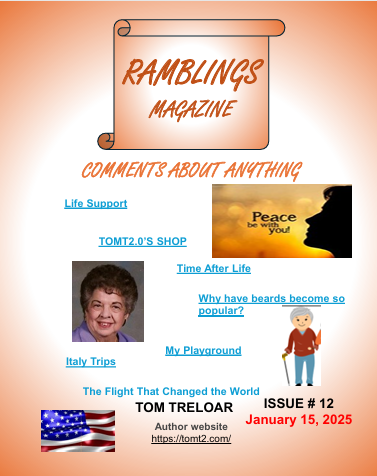


 TomT2.0