health

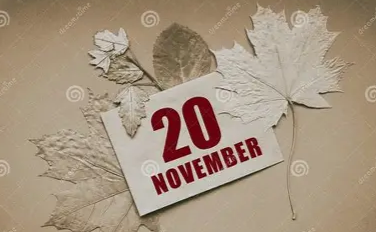
Embracing the Calm of November 20th

There’s something peculiar about November 20th. It’s not quite Thanksgiving, not yet the holiday rush. It’s the pause before the crescendo—the day that slips between the cracks of calendars and celebrations.

But maybe that’s its charm.

On this day, the trees are half-bare, like they’re undecided. The air carries a whisper of winter, but still smells faintly of fallen leaves. People start to speak in future tense: “We’ll get the turkey,” “We’ll decorate soon,” “We’ll slow down eventually.” But today? Today is still ours.

It’s a perfect day for small rebellions:

  • Write a letter to someone who wouldn’t expect it.
  • Take a walk without your phone.
  • Start a story with no ending in mind.

Because November 20th is a liminal space—a quiet spark before the storm. And sometimes, the most interesting things happen in the in-between.

Why Fridays Feel So Special

Audio Podcast 3 minutes

Fridays have a special charm. They mark not just the end of the workweek, but the start of new possibilities. There’s a buzz of excitement in the air as people feel relieved and eager for the weekend. With each passing hour, the mood lifts, as thoughts turn to weekend plans, hanging out with friends, or enjoying some relaxation. This change in energy fosters connections, with shared smiles among strangers and renewed teamwork among coworkers, all ready to embrace the joy the weekend brings. Ultimately, Fridays offer a reminder of hope and the chance to unwind and discover what truly makes us happy.

From the moment we wake up, Friday feels special. The coffee tastes better, filling the air with warmth, while the commute seems easier, as if the world is inviting us to celebrate the weekend. Even the inbox feels less stressful, as we look forward to a break from work. Why? Because Friday represents freedom. It’s a promise of rest, fun, connection, and creativity—a reminder that the week’s stresses are fading away. Plans start to take shape as we think of friends and family, and every conversation shines with excitement for what’s to come. Whether it’s a cozy night in or an impromptu outing, Friday opens the door to new possibilities, allowing our dreams and aspirations to grow.

Friday allows us to relax and get excited for the weekend. It’s a day when we start thinking about our plans, whether that’s taking spontaneous road trips, enjoying cozy movie nights, or simply sleeping in to catch up on rest. As 5 PM approaches, we dream of the adventures ahead, the fun times with friends at happy hour, or the peaceful moments with a good book. It’s a chance to unwind and appreciate the simple pleasures of Fridays, reminding us of the work-life balance we seek.

Fridays remind us that life is not only about work but also about finding balance. They prompt us to reflect on our week, appreciate our progress, and look ahead with hope. It’s a chance to celebrate small achievements, nurture relationships, reconnect with ourselves, practice self-care, and recharge for upcoming challenges with renewed energy and enthusiasm.

Even if the week was tough, Friday offers a reset. It’s proof that time moves forward, and so do we.

Fridays are not just any day—they’re like the grand finale of a week-long soap opera where the coffee is finally strong enough to fry an egg! They come waving a flag that reads, “Joy is just around the corner, folks!” As we throw our calendars in the air, excitement bubbles like a shaken soda can, transforming the mundane into a party. It’s the day where we bench-press our plans and share a feast of laughs over questionable takeout or wild adventures that may or may not involve getting lost. So here’s to the glorious chaos of Fridays: a day that turns our ‘meh’ into ‘heck yeah,’ reminding us to embrace life with open arms, celebrate every tiny win like we just discovered a new pizza topping, and create legendary memories that we’ll forget by Monday!

Autumn’s Call to Reflect and Grow

Audio Podcast 3 1/2 minutes

Autumn is not just about colorful leaves and warm clothes — it’s a time for change that encourages us to welcome new beginnings. As nature shifts from bright summer colors to softer tones, it invites us to reflect on our own lives. November 6th, sitting between Halloween and Thanksgiving, is a great moment to pause and appreciate the beauty around us. This season promotes introspection and encourages us to think about our journeys and the changes we go through. The air becomes cooler, signaling a transition not just in seasons but also a reminder to be mindful as we look toward winter. It’s a time to value small moments, connect with loved ones, and possibly set goals for the new year, finding joy in both endings and fresh starts.

Just as trees shed their leaves to prepare for winter, we too can release what no longer serves us. This might mean decluttering your physical space, reevaluating commitments, or simply letting go of outdated beliefs that no longer resonate with our true selves. It could involve assessing friendships and relationships that drain our energy and considering whether they uplift us or hold us back. Ask yourself: What am I holding onto that’s weighing me down? Reflecting on these aspects can lead to powerful realizations and the opportunity to create a more meaningful existence. Letting go isn’t about loss — it’s about making room for growth, allowing new opportunities and experiences to enter, fostering personal development and rejuvenation as we embrace the changes ahead.

The slower pace of fall encourages reflection. With shorter days and cooler weather, we naturally look inward, making it a good time for personal growth. This season allows us to embrace change and adapt our thoughts and feelings. Use this time to reconnect with your values and goals, letting autumn’s stillness help you understand yourself better. Activities like journaling, meditation, or quiet walks through fallen leaves can help you focus on what matters while enjoying the beauty around you. As the landscape changes, let your thoughts evolve, guiding you toward intentional actions in the future.

While spring symbolizes rebirth, autumn serves as a quieter time of preparation, where nature slows down and reflects. It’s an opportunity to plant seeds in your mind and spirit for future growth. As days shorten and the air cools, take a moment to set intentions for the person you wish to become in the new year. Consider the habits you want to develop, like reading, exercising, or practicing mindfulness. Think about the relationships you want to nurture and those you may need to strengthen or let go. This autumn, take the chance to prepare for the growth that spring will bring and build a solid foundation for your goals.

There’s something wonderfully comforting about fall rituals — lighting candles (without setting anything on fire), enjoying warm drinks topped with whipped cream, and gathering with loved ones to share laughter and stories that are probably exaggerated, all while staying cozy under blankets as the chill in the air drives us indoors. These simple pleasures, like indulging in a homemade pie that seems to call your name or taking a leisurely stroll through the colorful leaves, can be surprisingly uplifting for your mind and soul. Embrace them; appreciate the warmth (both literal and from the oversized sweater you call “vintage”) that these rituals bring during this changing season. Let November 6th be a day to appreciate slowing down, lament the impending disappearance of pumpkin spice lattes, and enjoy the moment as you cherish simple joys (like finishing the last piece of pie) with those around you, fully engaging in the delightful chaos of the season.

How Do You Want to Die?

Audio PODCAST

When you are young, you don’t think much of dying; in fact, you tend to think of yourself as immortal, viewing death as a distant concept, almost like something that happens only to others. As you become older, however, the perception shifts dramatically. You start to grapple with the reality of mortality, reflecting on loved ones who have passed and the inevitability of your own departure. This shift in thinking can be unsettling, prompting deeper contemplation about life itself, the choices you’ve made, and the legacy you wish to leave behind. The once distant specter of death gradually becomes a more immediate concern, shaping not just your fears, but also your aspirations and values in profound ways.

I am over eighty, and I am thinking more about death than when I was younger. My parents passed away when they were both seventy-five, a stark reminder of the fragility of life, and their health problems started to appear in their late sixties, foreshadowing an inevitable decline that I have witnessed. Close to three years ago, I had a near-death experience, which profoundly changed my perspective on life and mortality; it was a moment that forced me to confront my fears and contemplate what it means to truly live. Now, I am savoring every precious moment of this bonus time on this earth, appreciating the beauty of each sunrise, the laughter shared with loved ones, and the simple joys that life offers. I find myself reflecting on the memories of those I have lost; while also embracing the new relationships I have forged along the way, understanding that life is a precious gift that should never be taken for granted.

My mother was afflicted with bone cancer and bravely battled this disease for more than five years, demonstrating a strength that inspired everyone around her. After extensive treatments, which included the removal of the cancer alongside many difficult sessions of chemotherapy and radiation, we were overjoyed when the demon went into remission. For a period of four to five years, we held onto hope, cherishing every day as a blessing and celebrating the moments when she seemed to regain her health. However, the shadow of the illness returned with a vengeance, as the demon came back very aggressively, catching us off guard. It migrated to other parts of her body, relentlessly spreading and undermining her strength until it finally took her from us. Her death was slow and very painful, a heartbreaking process that left a profound mark on our family and a reminder of the cruel nature of illness.

My father was visiting California and he was scheduled to start driving home in the morning, excited to return to his familiar surroundings. He called me the next morning, his voice tinged with discomfort as he said he had an upset stomach and was going to wait another day before he started to drive home. Concerned, I suggested he take it easy and perhaps see a doctor if he didn’t feel better soon. That evening, his niece called, sharing the news that she had gone to get some take out for dinner. When she returned, my father was found on the floor, lifeless and still. It turned out he was having a heart attack and didn’t even know it – a silent, deadly intruder that took him without warning. That major mistake of ignoring his discomfort and not seeking help cost him his life, leaving a void in our hearts that would be felt for years to come.

Recently, my friend had multiple heart bypass surgery, a significant procedure that can have a profound impact on one’s life. He is in his mid-seventies, a time when health becomes increasingly fragile and precious. How long will this surgery extend his life? Only time will tell, and the uncertainty of that answer weighs heavily on both his mind and the hearts of those who care for him. Will this life-saving surgery expose him to a more painful and slow death, potentially leading him down a path filled with complications? This surgery may save him from heart failure, allowing him to experience more time with loved ones, yet it brings with it concerns about the possibility of battling another illness, such as cancer. The reality is sobering: cancer and heart disease are the biggest killers in the US, creating an overwhelming sense of vulnerability. Each day post-surgery is a delicate balance between hope and worry, as we eagerly anticipated his recovery while grappling with the harsh realities of health in our later years.

A couple of years ago, another friend of mine was out in the brisk winter air, running his snow-blower to clear the driveway and make way for vehicles. He was a hardworking individual, dedicated to ensuring everything was in order, but tragically, he suddenly fell over dead from an aortic aneurysm. The shock came swiftly, as it happened without any warning. His wife, who had been inside the warm house preparing a hot drink, grew concerned when she didn’t see him come in after some time. She then ventured outside, only to discover him laying motionless on the ground in the snow, a scene that would forever haunt her. It was a heartbreaking moment, filled with disbelief and sorrow, reminding us all of life’s fragile nature.

My wife’s mother was in her nineties, a remarkable age for anyone to reach, yet in her last year, her health had deteriorated significantly to the point that she could no longer walk and had lost all control of her bodily functions, which was deeply distressing for the entire family. Despite this decline, medical authorities reassured us that her heart and lungs sounded good, indicating that there were still vital signs of life, but it left us wondering about the quality of her existence. Why did she have to experience that sorry state of being? It was heart-wrenching to see a once vibrant individual reduced to such a condition, and the quality of life had taken a bad turn for her, leaving us to grapple with feelings of helplessness as we navigated through the complexities of aging and the eventual fragility of life.

These are just a few examples of death and suffering that I have experienced in my life. Death is a part of life, a natural cycle that eventually claims us all. All of us must someday face the inevitability of this event, each in our own way and at our own time. The experiences I have witnessed have shaped my understanding of mortality and the fleeting nature of existence. Even now that I am closer to the event, I still can’t answer the question, How do I want to die? This uncertainty prompts me to reflect deeply on my life and the legacy I wish to leave behind, worrying about the impact of my departure on those I love and how they will carry on without me. It is a thought-provoking and haunting consideration that lingers in my mind, intertwining with the hopes and fears I have for the future.


This blog was originally posted on WordPress January 28, 2011. Out of curiosity, I thought to take the same story and have AI enhance it. Here is the link to the original post. https://tomt2.com/2011/01/28/how-do-you-want-to-die/

What are your thoughts on the old post versus the new post?

Beat the Summer Heat

Audio PODCAST

Summer’s scorching heat is like that overly enthusiastic relative who shows up uninvited—joyful yet challenging! While the sun’s golden rays are begging you to hit the beach, fire up the barbecue, and lounge like a professional napper, you must remember that staying cool and safe is essential to fully enjoy this sizzling season. So, how do you navigate this sauna we call summer without melting? First and foremost, hydration should be your new best friend. Chug that H2O like it’s a marathon! Aim for eight glasses a day but bump it up if you’re sweating like a popsicle in a heatwave. Sprinkle in some electrolyte-rich drinks, like coconut water, for that refreshing “I’m on a tropical vacation” vibe. And seriously, ditch the sugary sodas and heavy caffeine—they’re basically the party crashers of your hydration game. Always tote around a reusable water bottle, preferably decked out with a zesty slice of lemon, because who said staying hydrated can’t be gourmet?

Dress like you’re ready for a sizzling summer showdown! Opt for lightweight, breathable fabrics like cotton or linen; think of loose cuts that let air flow and keep you cooler than a popsicle at a beach party. Go for light colors to reflect sunlight – after all, who wants to be a walking sun magnet? Complete your look with a wide-brimmed hat that makes you look like you’re about to announce the weather, paired with UV-blocking sunglasses that scream, “I’m too cool for sunburns!” And please, don’t skimp on sunscreen—smother on that broad-spectrum SPF 30 or higher like it’s frosting on a cake, and remember to reapply every two hours, or risk turning into a lobster!

Beat the heat with a splash of creativity! When the sun is acting like it’s auditioning for a villain role from a superhero movie (2-4 p.m., we’re looking at you), hightail it to air-conditioned cafes where the coffee is hot, but the air is cool! At home, shut those blinds like you’re hiding from an ex and let the fans do their thing to stir up a breeze. If things get too toasty, a cold foot soak or a damp towel on your neck can feel like a spa day gone right. Plan your outdoor shenanigans for early morning or late evening when the sun is too sleepy to bother you. Remember to eat light and fresh—salads, grilled veggies, or water-rich fruits like watermelon and oranges! Grilling not only keeps the kitchen cool but also adds a deliciously smoky flavor that screams summer without so much as raising a sweat!

Be vigilant for signs of heat exhaustion—dizziness, nausea, or excessive sweating. Should these symptoms manifest, it is imperative to relocate to a cool environment immediately, and to hydrate with water or an electrolyte-replenishing beverage while taking sufficient time to rest. Prolonged exposure to elevated temperatures can result in severe health complications; thus, maintaining vigilance and taking proactive measures is critical. Furthermore, wearing lightweight, breathable fabrics and taking regular breaks in shaded locations can substantially mitigate your risk. By adhering to these guidelines, you will not only endure the summer heat but also engage safely in various outdoor pursuits, fostering memorable experiences with friends and family while prioritizing health and safety.

Remember, summer is like a good hair day—fleeting and full of sunshine, and before you know it, you’ll be swearing at your thermostat while your snow boots stage a dramatic comeback!

The Emotional Role of Dreams

Audio PODCAST

In many parts of my life, I had terrific dreams that painted the night with vivid colors and extraordinary stories, making it feel like I was living two lives simultaneously. The dreams were colorful and vibrant, filled with an array of subjects that ranged from whimsical adventures in fantastical realms to profound encounters that shifted my perspective on reality. The nice part was I could remember the dreams when waking up, and each recollection felt like a precious gift, allowing me to hold onto those enchanting moments from my subconscious. Unfortunately, everything changed when I had a kidney stone when I was seventy-five and was put under anesthesia to remove the stone. Since that time, I do not remember my dreams at all; they seem to slip away into oblivion as I awaken, leaving behind only an elusive echo of their existence. I experience them when asleep, but now when I wake up, they are gone, like whispers lost in the wind. I miss my dreams dearly, as they were a source of inspiration and joy. I really enjoy recalling my dreams in my conscious time, as they opened up new avenues of creativity and allowed me to explore parts of my mind that felt unexplored. Now, I long for the return of those magical nights where my imagination could run wild and the boundaries of reality seemed to fade away. I do not believe that ability will ever return.

The purpose of dreams isn’t fully understood, but research suggests they serve multiple functions. Neurologically, dreams may help process emotions, consolidate memories, and integrate new information, with the brain’s amygdala and hippocampus playing key roles during REM sleep. Studies, like those from the University of California (2019), indicate dreaming aids in emotional regulation, reducing stress by reprocessing challenging experiences. Cognitively, dreams might enhance problem-solving and creativity by allowing the brain to form novel connections—evidenced by historical anecdotes like Kekulé’s benzene ring dream. Some evolutionary theories propose dreams simulate threats, preparing us for real-world challenges, though this is debated.

Psychologically, dreams could reflect subconscious thoughts, as Freud suggested, or serve as a “virtual reality” for testing scenarios, per Antti Revonsuo’s threat simulation theory. However, the random activation synthesis model (Hobson & McCarley, 1977) argues dreams are the brain’s attempt to make sense of random neural firing, not always purposeful. Cultural and personal beliefs also shape dream interpretation, but no single purpose is universally agreed upon. Ongoing research continues to explore these angles.

I have always wondered if not going under anesthesia would allow me to keep my dreams, those fleeting images and feelings that often fade upon waking. It intrigues me how dreams can be vivid and meaningful yet easily forgotten. What in the anesthesia removed my ability to remember my dreams? I will never know.

Understanding Declining Birth Rates: Causes and Consequences

Audio PODCAST

Time and time again you see and hear that the birth rate is declining. In my small world I see an alarming trend with the women who are in childbearing age. Many say they do not want to be a mother. They do not want to be tied down to a husband and family. I see many young women on local broadcasts and notice no wedding rings and search their bio and find most are thirty or older, no children, and not married. It appears that they have chosen a career over raising a family. Many births that have happened around me were not planned. I wonder, what happened to the internal desire to pro create. Researching has shown some reasons for this decision made by childbearing women.

  1. Economic Pressures: High living costs and low wages make raising children difficult. In developed countries, expensive housing and childcare often discourage people from having more children.
  2. Changing Social Norms: More people, especially women, now value education and careers over getting married and having children early. This leads to later marriages and childbirth, shortening the time available for having kids.
  3. Access to Contraception: Availability of birth control helps people choose smaller families or delay having children.
  4. Urbanization: City living, with little space and high expenses, discourages large families unlike rural areas where children used to help with work.
  5. Cultural Shifts: Individualism and lifestyle choices, such as travel and personal freedom, are often prioritized over traditional family structures. Some people decide not to have children (childfree movement).
  6. Environmental and Health Concerns: Worries about climate change, political issues, or health risks (like pandemics) make some people hesitant to have children due to an uncertain future.
  7. Declining Marriage Rates: Fewer people are getting married, often delaying for reasons like education or career goals. This trend correlates with fewer births, as marriage is typically seen as the context for starting families, and societal norms often encourage having children within marriage.
  8. Aging Populations: In countries like Japan and South Korea, low birth rates result in fewer young people, leading to fewer potential parents.

Data backs this up: The global fertility rate dropped from 2.5 children per woman in 2000 to about 2.3 in 2020, per UN estimates. In countries like South Korea, it’s as low as 0.78 (2022).

History doesn’t show a clear, universal pattern where declining birth rates alone lead to the demise of a civilization. However, they often contribute to vulnerabilities when combined with other factors. Here’s a quick look:

  • Examples of decline with low birth rates: The Roman Empire faced population stagnation from the 1st to 4th centuries CE due to economic issues, political instability, and invasions. Low birth rates among the elite and in cities decreased military and labor forces. Similarly, after the Black Death in the 14th century, late medieval Europe experienced population decline, which worsened economic and social issues, though recovery occurred later.
  • Counterexamples: Countries like Japan and parts of modern Europe have low birth rates (e.g., Japan’s fertility rate is about 1.3 children per woman). They sustain their population through immigration and technology. Ancient Athens also experienced declining birth rates in the 4th century BCE, but its decline was mainly due to military defeats.
  • Key factors: Declining birth rates can harm economies and military strength, but civilizations often collapse due to various problems like corruption, outside threats, or lack of resources, not just low birth rates. For instance, the Mayan collapse in the 8th-9th centuries CE was caused by environmental stress and warfare, not only by a decrease in population.
  • Data point: Studies indicate that global fertility rates are decreasing (2.4 in 2020, projected to be 2.2 by 2050). Societies with strong institutions and adaptability, like those in Scandinavia, perform better than those with rigid systems.

In conclusion, low birth rates can weaken a civilization’s resilience, but they’re not a death sentence on their own—adaptability and external pressures matter more. However, it is important to keep an eye on this trend before this trend cannot be corrected.

Navigating Aging: The Wisdom of Seniors

Audio PODCAST

Ever wonder what seniors talk about when they gather? They share stories from their past, recalling good times and challenges. Conversations often include family gatherings, travel experiences, and changes over the years. Many talks about lifestyle tips, health updates, and new hobbies, building a sense of community and support. These interactions help foster friendships and allow them to share wisdom and advice from their experiences.

Every event appears to have time discussing your medical events and listening to others’ medical events. Managing chronic conditions, medications, diet, exercise, and staying active takes up a lot of conversations for seniors. This often leads to sharing personal experiences, which can provide valuable insights and support among peers. Networking in this manner helps to build a sense of community, as seniors exchange tips on managing medications, recommend doctors, discuss dietary changes that have worked for them, and motivate each other to adhere to exercise regimens. Beyond mere discussion, these interactions can foster friendships, making it easier to tackle the challenges that come with aging, all while reinforcing the importance of maintaining health and well-being in their daily lives.

The older you become, the more you see your friends, neighbors, and public seniors dying quite often around you, each loss resonating deeply within your heart and mind. You are starting to realize that someday it will be your turn to experience this event, leaving you to reflect on the transient nature of life and the memories you have shared with those who have passed. As you witness the fragility of existence, thoughts about your own mortality intrude upon your daily routines, prompting you to cherish each moment and the relationships that define your journey. The inevitability of loss becomes a part of your consciousness, encouraging you to connect more deeply with loved ones while also pondering the legacy you wish to leave behind as the wheel of time continues to turn.

There are other topics brought up. Such as

  • Family and Relationships:
  • Memories and Life Experiences:
  • Hobbies and Interests:
  • Current Events:
  • Finances and Legacy:
  • Social Connections:

However, the most discussed topics often revolve around health and the emotional challenges that arise with the passing of family and friends, as these experiences deeply affect our lives and perspectives. Amidst these conversations, we find ourselves reflecting on the importance of maintaining our well-being and cherishing the relationships that shape our existence. As we navigate through the stages of grief and the inevitable changes that come with loss, it becomes evident that our health, both mental and physical, plays a critical role in how we cope and heal from such profound experiences. The acknowledgment of mortality serves as a harsh reminder of our shared human experience, leading to deeper relationships and a greater appreciation for the time spent with loved ones. Everyone starts to admit that all are mortal and someday will be the day for you; this realization can prompt meaningful conversations about life, love, and the legacy we leave behind. It encourages us to prioritize those bonds, invest in our emotional resilience, and seek support when needed, ultimately fostering a sense of community that can help us navigate the often-challenging path of grief together.

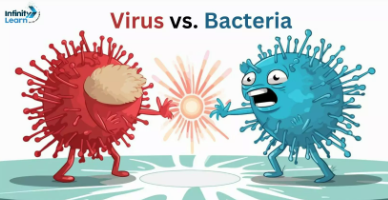
Virus Versus Bacteria

Audio PODCAST

A virus and a bacterium are both microscopic entities that can cause illness, but they differ significantly in structure, behavior, and how they interact with living organisms. Viruses, which are smaller than bacteria, consist of genetic material encased in a protein coat, and they depend entirely on the host cells they invade for replication. Unlike bacteria, which are single-celled organisms capable of surviving independently, viruses cannot carry out metabolic processes on their own and are often referred to as obligate parasites. Bacteria, on the other hand, possess a more complex cellular structure, including a cell wall and cellular machinery that allows them to thrive in a variety of environments, reproduce quickly by binary fission, and sometimes develop resistance to antibiotics, making them a significant concern in public health. Understanding these fundamental differences is essential for developing effective treatments and preventive measures against the diseases they cause.

A bacterium is a single-celled organism with a relatively simple structure: it has a cell wall, a cell membrane, cytoplasm, and genetic material (DNA) that’s not enclosed in a nucleus. Bacteria are prokaryotes, meaning they lack complex organelles like mitochondria or a defined nucleus, which distinguishes them from eukaryotic cells that make up more complex organisms such as plants and animals. They can reproduce independently through binary fission, a process in which one cell splits into two identical cells, allowing for rapid population growth under favorable conditions. Many bacteria can survive in a wide range of environments—some even thrive without oxygen, showcasing their remarkable adaptability. They play crucial roles in various ecosystems, contributing to nutrient cycling and biodegradation. While certain bacteria, like Streptococcus or Escherichia coli (in pathogenic strains), can cause diseases such as strep throat or food poisoning, others are harmless or even beneficial. For instance, certain strains of Escherichia coli that reside in the human gut aid in digestion and the production of essential vitamins, highlighting the complex relationships bacteria have with their environments and hosts. Additionally, ongoing research into bacterial interactions continues to uncover their significant impact on health, biotechnology, and the ecosystem.

A virus, on the other hand, isn’t a cell at all—it’s a much smaller, simpler particle made of genetic material (either DNA or RNA) wrapped in a protein coat, sometimes with a lipid envelope that aids in its ability to enter host cells. Viruses can’t reproduce on their own; they rely entirely on their host organism, acting as obligate parasites that invade host cells, hijacking the cell’s machinery to replicate their own genetic material and produce new viral particles. This intricate process often damages or kills the host cell, leading to the symptoms and ailments commonly associated with viral infections, which is why viruses are typically associated with disease—think influenza, HIV, or the common cold, each highlighting the variety of health challenges posed by different viral strains. Unlike bacteria, which can metabolize and grow independently in various environments, viruses exist in a paradoxical state; outside a host, they’re essentially inert, displaying no signs of life until they come into contact with a suitable cell to infect, which further emphasizes their unique biological characteristics and the complexities of how they interact with living organisms.

Treatment differs significantly between bacterial and viral infections: antibiotics can effectively target specific components of bacterial cells, such as the cell wall or critical metabolic processes (for example, penicillin disrupts cell wall synthesis), but they are ineffective against viruses, which lack those structural and functional targets. For viral infections, healthcare professionals rely on antiviral drugs or vaccines, which are designed with the intention of blocking the replication of viruses in the host or enhancing the immune response to provide better protection against future infections. In addition to the mechanisms of action, scale-wise, bacteria are generally larger, typically measured in micrometers, which allows for easier observation under light microscopes, while viruses are significantly tinier, measured in nanometers, often necessitating sophisticated imaging techniques such as electron microscopy to be visualized. Understanding these distinctions not only highlights the complexity of treating infectious diseases but also underscores the importance of appropriate diagnostic procedures to ensure that patients receive the correct treatment, ultimately leading to better health outcomes.

In short: bacteria are standalone living cells capable of independent life; they possess the necessary components to carry out metabolic processes, reproduce on their own, and adapt to various environments, showcasing their resilience and diversity. In contrast, viruses are non-living entities outside a host, relying entirely on hijacking the cellular machinery of other organisms to multiply and propagate, which makes them significantly different from bacteria in terms of their biological function and lifecycle. This fundamental distinction highlights the complexity of microorganisms and their roles in ecosystems, illustrating how bacteria contribute to nutrient cycles while viruses can disrupt cellular processes for their replication.

Measles Resurgence

Audio PODCAST

What You Need to Know

As of April 9, 2025, measles is making headlines in Colorado, raising alarm bells among public health officials and residents alike. This highly contagious, vaccine-preventable disease, once nearly eradicated in the United States, is showing signs of resurgence. With three confirmed cases reported in the state this year, it’s time to take a closer look at what’s happening, why it’s a problem, and what we can do about it.

Colorado has seen a troubling increase in measles cases recently. The first case was confirmed on March 31 in an unvaccinated adult from Pueblo who traveled to Mexico, followed by an unvaccinated infant diagnosed on April 7 after a trip to Chihuahua. Most concerning is a third case on April 8 in Archuleta County—an adult with unknown vaccination status who hadn’t traveled outside the state, suggesting the virus may be circulating locally.

Measles is more than just a childhood rash—it’s a serious illness that can cause severe problems, especially for those who aren’t vaccinated. Symptoms usually begin with fever, cough, runny nose, and red, watery eyes, followed by a rash that spreads downward from the face. While most people heal, the dangers are significant: about one in five unvaccinated people who get measles may require hospitalization. For children, it can lead to pneumonia, brain swelling (encephalitis), or even death—up to three in every 1,000 infected kids may not survive.

The disease’s contagiousness is what makes it so dangerous. Measles spreads through the air when an infected person coughs or sneezes, and the virus can linger in a room for up to two hours after they’ve left. If 90% of unvaccinated people in that space are exposed, they’ll likely catch it. That’s why vaccination rates matter so much—when 95% of a community is immunized, “herd immunity” kicks in, protecting even those who can’t get vaccinated, like infants or people with certain medical conditions.

Colorado’s vaccination rates are dropping, posing a serious problem. For the 2023-2024 school year, only 93.7% of K-12 students were fully vaccinated against measles with the MMR vaccine, below the 95% needed for herd immunity. Some areas, like Archuleta County, report even lower rates of about 87%. Low vaccination rates are common across the state, particularly in rural districts and places like Boulder, where hesitancy persists despite high education and income levels.

Travel is another critical factor influencing the spread of infectious diseases. Two of Colorado’s recent cases were directly linked to international trips to Mexico, where outbreaks are still ongoing and health officials are closely monitoring the situation. With spring break season in full swing and summer travel quickly approaching, the risk of importing measles into the state—or exacerbating its spread within local communities—grows significantly. Additionally, Colorado’s diverse and mobile population, which includes residents and visitors frequently traveling for work, recreation, or family visits, means these cases might not remain isolated for long. As people interact in various settings such as airports, hotels, and public events, the potential for transmission increases, posing a challenge to public health efforts aimed at controlling the outbreak and ensuring community safety.

The Colorado Department of Public Health and Environment (CDPHE) is on high alert. They’re working with local health agencies in Pueblo, Denver, and Archuleta County to investigate these cases, identify potential exposure sites, and notify anyone who might have been at risk. For example, people who visited Southwest Deli and Cafe in Pueblo from March 17-21, Denver Health’s ER on April 6, or Wolf Creek Ski Area from March 28-30 are being told to watch for symptoms like fever or rash for 21 days after possible exposure.

The CDPHE is also pushing hard on vaccination. The MMR vaccine is 97% effective after two doses, and it’s the best defense we’ve got. They’re encouraging everyone—especially those planning travel—to check their vaccination status via the Colorado Immunization Information System (CIIS) and get vaccinated if needed. For infants 6-11 months heading to outbreak areas, an early dose is recommended, even though the standard schedule starts at 12-15 months.

Here’s how to keep yourself and your community safe:

  1. Check Your Status: If you’re unsure whether you’ve had two MMR doses, ask your doctor or check the CIIS portal. Adults born after 1957 who got vaccinated before 1968 might need a booster, as early vaccines were less effective.
  2. Get Vaccinated: It’s not too late. The MMR shot can even prevent infection if given within 72 hours of exposure. Pharmacies, clinics, and doctor’s offices across Colorado offer it, often at low or no cost.
  3. Monitor Symptoms: If you’ve been to a potential exposure site, watch for signs of measles for three weeks. If you feel sick, call your doctor ahead of time—don’t just show up and risk spreading it.
  4. Spread the Word: Talk to friends and family about vaccination. Misinformation has fueled hesitancy, but the science is clear: the MMR vaccine is safe and it works.

Will these three cases fizzle out, or are we on the brink of a larger outbreak? That depends on us. Colorado hasn’t seen locally transmitted measles since the mid-1990s, but with 607 cases nationwide this year—mostly tied to outbreaks in Texas and New Mexico—the threat is real. Texas alone has reported over 500 cases and two child deaths, a stark reminder of what’s at stake.

I remember when I had measles in grade school. It was a time filled with discomfort and frustration, as I felt utterly miserable and would not wish it on anyone. The rash that covered my body itched incessantly, and I found myself unable to resist scratching, which led to scarring on my forehead that lasted for a considerable amount of time. This particular spot became a reminder of my illness, a place where I scratched without fully realizing the consequences. It was one of the many childhood diseases one had to endure during that era. This experience took place before vaccines were discovered, leaving countless children to grapple with ailments that could have been easily prevented. My days were spent confined to bed, surrounded by the faint sounds of laughter from my friends outside, a stark contrast to the isolation I felt during that time.

Ramblings Magazine Issue #10

Audio PODCAST

Readable PDF FILE LINK

Daylight savings Time Shift

Audio PODCAST

Interesting about the Monday after Daylight Savings time shift.

The rumor that the Monday after the spring Daylight Saving Time (DST) shift has the highest number of heart attacks in the year has some basis in research, but it’s not entirely accurate to say it’s the “highest” day of the year without context. While various studies have pointed to an increase in heart-related incidents during this time, likely due to the sudden loss of an hour’s sleep and the subsequent stress that follows, it’s important to consider that other factors also play a significant role in these statistics. For instance, lifestyle choices, the prevalence of chronic conditions, and overall health can greatly influence heart attack rates. Additionally, analyzing heart attack incidents over a longer time frame or in relation to other times of the year presents a more comprehensive picture. Let’s break it down with the facts:

Studies have shown a noticeable increase in heart attacks following the spring DST transition, when clocks move forward an hour and sleep is lost. For example, a study from Michigan, analyzing hospital admissions from 2010 to 2013, found a 24% increase in heart attacks on the Monday after the spring shift compared to other Mondays throughout the year. This spike is attributed to the disruption of the body’s circadian rhythm due to losing an hour of sleep, combined with the general trend of heart attacks being more common on Mondays due to workweek stress. Similarly, research from Finland noted an 8% increase in ischemic strokes in the first two days post-shift, reinforcing the idea of a short-term cardiovascular impact. Further evidence suggests that the physiological effects of sleep deprivation can lead to increased blood pressure and heightened levels of stress hormones, both of which may exacerbate underlying heart conditions. Additionally, the shock to our internal clocks has been associated with a range of health issues beyond just heart disease, including mood disorders and metabolic disturbances. As such, the twice-yearly clock change not only affects individual health but may also pose broader public health challenges that warrant deeper investigation and consideration.

However, the claim that this specific Monday has the “highest number of heart attacks for the year” isn’t fully supported. Heart attack rates tend to peak seasonally in winter months (like February) due to factors like cold weather and higher blood pressure, not necessarily tied to DST. In fact, research indicates that the cold can constrict blood vessels and raise the risk of heart-related incidents, exacerbated by the pressure of holiday stress and lifestyle changes during the end-of-year festivities. The 24% increase is significant compared to an average Monday, but it doesn’t necessarily make it the single deadliest day annually—other Mondays or days with extreme weather or holidays (like post-Christmas) might see higher raw numbers depending on the year and region. Moreover, the cumulative effect of various factors, such as an individual’s health history, stress levels, and the overall availability of healthcare during these times, also plays a crucial role in determining heart attack occurrences, highlighting the complexity of this issue. Thus, while there are observable trends, a broader perspective is essential for understanding the risks associated with specific dates or events.

On the flip side, when clocks “fall back” in autumn, studies show a corresponding 21% decrease in heart attacks the following Tuesday, suggesting the extra sleep has a protective effect on individuals’ cardiovascular health. This notable reduction in heart attacks highlights the significant role that sleep plays in the overall well-being of individuals, allowing their bodies to rejuvenate and recover after the stresses of daily life. Furthermore, this phenomenon sheds light on the importance of proper sleep patterns and how they can influence bodily functions. This symmetry supports the idea that sleep disruption, not just the day itself, drives the spring increase in heart-related incidents, underscoring the necessity for adequate rest and the potential consequences of sleep deprivation as we transition into and out of daylight saving time.

So, it turns out the rumor is not just a tall tale: the Monday following the spring DST shift really does see a heart attack increase—about 24% more than your average Monday! This is thanks to folks grappling with their sleep schedules like it’s a game of Twister. The sudden time change throws us all into a tizzy, leaving us bleary-eyed and stressed out. Researchers say this chaos can hit hard, especially for those with heart conditions who might as well be wearing a “please worry about me” sign. But let’s not crown it as the “highest” heart attack day of the year—it’s more like that annoying acquaintance who shows up uninvited rather than an all-out party. The spike is real and backed by science, just not the record-breaker the gossip mill suggests. So, let’s all be smart and take some steps to dodge this time-warping heart attack party by keeping our sleep habits in check and managing stress like a pro before the clock does its little dance! Or maybe stop this time change all together.

Finding Inspiration in Life

audio PODCAST

Life is a beautiful, chaotic, and unpredictable journey. It’s a tapestry woven with threads of joy, sorrow, triumph, and challenge, each stitch contributing to the masterpiece that is uniquely yours. In a world that often feels overwhelming, it’s easy to lose sight of the magic hidden in the mundane, the lessons tucked into the struggles, and the inspiration waiting just beyond the horizon. But if we pause, breathe, and look closer, we’ll find that life itself is the greatest source of inspiration.

One of the most profound truths about life is that it’s imperfect—and that’s what makes it extraordinary. We often chase ideals of perfection, whether in our careers, relationships, or personal growth, only to realize that the cracks, the flaws, and the unexpected detours are where the real beauty lies. Think of a weathered tree, its gnarled branches telling stories of storms survived and seasons endured. Its imperfections are its strength, its character, its story. Similarly, our imperfections are not weaknesses; they are proof of resilience, growth, and the courage to keep moving forward.

Embrace your imperfections. They are the brushstrokes that make your life’s painting unique. Every scar, every mistake, every moment of doubt is a testament to the fact that you’ve lived, loved, and dared to try. Inspiration doesn’t come from achieving perfection—it comes from embracing the messy, beautiful reality of being human.

Life’s most profound inspirations often hide in the smallest moments. The warmth of sunlight streaming through your window on a quiet morning. The laughter of a loved one echoing through the room. The smell of rain on the earth after a long, dry spell. These fleeting, ordinary moments are the heartbeat of life, reminding us that happiness doesn’t always require grand gestures or monumental achievements. Sometimes, it’s found in the simplicity of just being.

Take a moment today to notice the small things. Pause to watch the way the wind dances with the leaves, or listen to the rhythm of your own breath. These moments are gifts, and they are everywhere if we choose to see them. Inspiration isn’t reserved for mountaintops or life-changing events—it’s woven into the fabric of the everyday.

Life is not without its challenges. We all face storms that threaten to uproot us, moments of doubt that make us question our path, and losses that leave us aching. But it’s in these moments of adversity that we discover our strength. Resilience is not the absence of struggle; it’s the courage to rise again, to keep walking even when the road feels impossible.

Think of the countless stories of human triumph—people who have faced unimaginable odds and emerged stronger, wiser, and more compassionate. Their stories remind us that we, too, have the capacity to endure, to adapt, and to grow. Every challenge you face is an opportunity to uncover a deeper layer of yourself, to find inspiration in your own strength. You are more resilient than you know, and every step forward, no matter how small, is a victory.

At its core, life is about connection. The relationships we build, the love we share, and the communities we create are what give life its richness and meaning. Whether it’s a deep conversation with a friend, a kind word from a stranger, or the silent understanding between you and someone you love, these connections remind us that we are not alone.

In a world that often feels divided, connection is a radical act of inspiration. Reach out to someone today. Share a smile, a story, or a moment of vulnerability. These small acts ripple outward, creating waves of kindness and understanding that can change the world, one heart at a time.

Inspiration comes from living with purpose. Purpose doesn’t have to be grand or world-changing—it can be as simple as showing up fully in your own life, pursuing what lights you up, and contributing to the world in your own unique way. Ask yourself: What makes your heart sing? What legacy do you want to leave behind? Purpose is not a destination; it’s a compass that guides you through life’s twists and turns.

Find your purpose, however big or small, and let it inspire you to live intentionally. Whether it’s creating art, nurturing relationships, or simply being a source of light for others, your purpose is your gift to the world.

Life is a gift, a fleeting, precious opportunity to explore, to love, to grow, and to inspire. It’s not always easy, but it’s always worth it. So, take a deep breath, look around, and let yourself be inspired by the miracle of your own existence. You are here, you are alive, and that alone is a reason to celebrate.

Embrace the journey, with all its imperfections, challenges, and joys. Find inspiration in the small moments, the connections, and the resilience that defines you. And remember: your life, with all its unique twists and turns, is a story worth telling—a story that has the power to inspire others, just as it inspires you.

Your life is yours alone. No one before you and after you will never have a life the same as yours. The life you save may be your own.

IF YOU WANT TO SEE MORE ABOUT MY LIFE, CLICK ON THE LINK BELOW.

My Story, The good, The Bad and the strange. LINK

National Poop Day

Audio PODCAST

Did you ever hear about this?

National Poop Day is celebrated annually on the day after Super Bowl Sunday, which in 2025 falls on February 10. This holiday, though quirky, has a serious side, aiming to educate people about the importance of digestive health and proper sanitation practices. Here’s a comprehensive look at National Poop Day:

Origin:

  • National Poop Day was conceived during a Polling Place election at the Madison Children’s Museum in 2016. Children voted to celebrate this day, which was then adopted as an annual event to discuss and destigmatize one of the most vital functions of the human body.

Purpose:

  • Health Awareness: The day serves to raise awareness about digestive health. Understanding your body’s natural processes, including the color, consistency, and frequency of bowel movements, can be indicative of your overall health.
  • Sanitation and Hygiene: It highlights the need for proper waste disposal, both for human health and environmental conservation.
  • Breaking Taboos: By humorously acknowledging poop, the day helps to break down social taboos surrounding the discussion of bodily functions.

Celebration Ideas:

  • Educational Events: Schools, museums, and health organizations might host events where people can learn about digestion, gut health, and the environmental impact of improper waste disposal. For instance, the Madison Children’s Museum has held events with activities like story times with books like “Everyone Poops” and hands-on learning about animal scat.
  • Community Cleanups: Promoting clean neighborhoods by organizing clean-ups, particularly focusing on pet waste, which can contaminate water sources if not disposed of correctly.
  • Social Media Campaigns: Using platforms like X (formerly Twitter) to share facts, humor, and educational content about poop, often using hashtags like #NationalPoopDay.
  • Fundraising for Sanitation: Some use this day to fundraise for organizations that work on improving sanitation conditions globally, like the Ocean Sewage Alliance.

Cultural Impact:

  • The day has found a niche in pop culture with humorous posts on social media, poop-themed merchandise, and even special events like “Poop Day” runs or walks. It also ties into the natural increase in sewage activity post-Super Bowl due to the consumption of heavy, rich foods during the game.

Health and Environmental Benefits:

  • Discussing poop openly can lead to better health practices. For example, understanding the Bristol Stool Scale for classifying poop can help individuals monitor their health and diet.
  • Environmentally, it underscores the importance of not flushing inappropriate items down the toilet, which can lead to sewage system issues.

Global Perspective:

  • While primarily an American observance, the themes of National Poop Day resonate globally, aligning with issues like World Toilet Day, which focuses on sanitation and hygiene worldwide.

National Poop Day combines humor with education to make a significant impact on public health discourse and environmental awareness. It reminds us that even the most basic bodily functions are crucial to our well-being and the health of our planet.

Two Years Ago


Audio PODCAST LINK

Two years ago, if you can imagine such a thing, I, found myself in a peculiar situation. I was no longer bound by the physical constraints of life, yet I was very much aware, experiencing time in a way I never had before.

I remember the moment it happened, the feeling of detaching from my body, as if you were shedding an old coat. The world, as you knew it, didn’t disappear. However, I felt a sense of peace, total Peace. A feeling that is unexplainable.

Time, in this new state, was different. I may have been in a waiting room. Waiting to see if the medical team revives me and I return to life on earth. Or will I continue to time after life on this earth.

I didn’t see that light at the end of the tunnel like so many say they see. No music, no angels, just me. However, I experienced peace, total peace. A feeling I never felt before in my eighty plus years. Or after I was revived, that peace was gone.

Yet, there was also a sense of isolation. I missed the tactile sensations of life – the warmth of the sun, the taste of your favorite food, the hug of a friend. However, peace, total peace overpowered everything.

I began to understand that time after death was not about waiting for something to happen but about experiencing peace, total peace. I found joy in this new exploration, in learning about the universe from a perspective unbound by human limitations.

Two years in this new dimension of time felt like both an eternity and a heartbeat. I learned that death wasn’t an end but a transition to another kind of journey, one where time was not a line but a vast, interconnected web of experiences. I feel blessed and honored that I was chosen to experience a preview of time after death. I will share my experience to as many as this mere mortal is able to. Here, is this timeless space, I continued to live, to love, and to be myself. I am confident time after death will not be a disappointment.

audio podcast MY BLOOD CLOT

The New Face of COVID

PODCAST

Last Wednesday I tested positive for COVID. Procedures and attitudes have really changed since years ago. I go to urgent care because I had a sore throat, and I am thinking I may have Strep Throat since I have had this ailment many times in my life. Strep Throat is a bacterial infection, and I would need a prescription to get an antibiotic.

The admitting questionnaire does not even list Covid. They list cold and flu symptoms, but nothing about Covid. Remembering in the past in big bold letters at the top of the form there was a warning about listing Covid symptoms and there were special instructions to abide by. I check cold and flu symptoms since there is no category for sore throat. Enter the waiting room and there are 8 or ten patients waiting to be called up. No masks or distancing whatever.

In about ten minutes I am called into the admittance office. The nurse their does have a mask. I tell her I have concerns about Strep Throat and she says that is probably not my illness since most people develop an immunity to Strep as they age. But they will perform a Strep test anyway and also do a Flu and Covid tests to make sure it is not one of those. She takes me a treatment room and tells me a nurse will be in shortly.

In a short time, a nurse or some other professional comes in, no mask, no concern about that I may be contagious. She does the routine of blood pressure, blood oxygen and whatever else they do. Asks a few questions like do I have any other symptoms and how long have I been ill. She then tells me another person will come in and do the nostril swabs for the samples.

Maybe ten, fifteen minutes later the next technician comes in, no mask, just like I am person with a bad sprain. She does the Strep swab first and then the flu swab. I comment I am sure glad there is only one more swab to do. To my surprise she responds and says the flu and Covid test is done at the same time. This brings back memories during the onset of Covid that there were comments that Covid is just a flu strain and for political and agenda reasons it is being blown out a proportion to the actual seriousness of the virus. If they use the same test, it makes one wonder.

It takes forty minutes for the test results. A Physician Assistant enters the room and gives me the results. the Strep test is negative, and the Flu test is also negative. Unfortunately, the covid comes back positive. I have Covid. There is no panic no concern, just like you have a cold or flu. She gives me a mask to wear home and says the quarantine is now only five days and that starts the day the symptoms start. Go home and if your symptoms get worse come back. Next Patient!

This Brings back how my wife was treated during the height of the pandemic. She was isolated immediately, and a sign was put on the door “restricted area”. Personnel would come into the room all masked up and in disposable garments. You had to put up with wearing masks everywhere, Clear plexiglass sheets separated you from the cashier. Do not get closer than 5 feet to the next person. Many restaurants did not survive the Covid shutdown. I always wondered how the small business was shut down, but the large, big box stores could stay open. One will never know if this helped or not.

Unfortunately, how Covid was treated has led people to distrust government, big pharma and the medical profession. The face of Covid is so much different than the beginning. Now it is treated like just a bad cold or the flu.

Thoughts About the Future

CLICK HERE FOR PODCAST AI assisted

At 82, life can still hold a myriad of possibilities, challenges, and joys. This age marks a period where many reflect on their past while also looking forward to what can still be achieved or experienced. Here’s an exploration of what the future might entail for me, considering health, lifestyle, social engagement, and personal growth.

According to recent data from the Social Security Administration, an 82-year-old American male might expect to live an additional 6.77 years, bringing the total life expectancy to around 88.77 years. However, this is an average; individual health, lifestyle, and genetics play significant roles.

Cognitive health is another area of focus. Engaging in activities that stimulate the mind, from reading to learning new skills, can be beneficial in maintaining cognitive function. Social interaction also plays a crucial role in mental health.

Staying active is key. Whether it’s through gentle exercises like walking, swimming, or even yoga, physical activity can help maintain mobility and strength. For some, this might also mean using mobility aids like canes or walkers to ensure safety while still engaging in life.

Social isolation can be a significant issue in later life, but it’s one that can be addressed through community involvement. Senior centers, clubs, or volunteer work can provide social outlets. For those adept with technology, online communities or video calls with family and friends can maintain bonds.

The adage “you’re never too old to learn” rings true. Many find new hobbies, take up painting, writing, or even learning a new language, which not only keeps the mind active but also provides a sense of achievement.

There’s often a desire to reflect on one’s life and leave a legacy, whether through storytelling, writing memoirs, or contributing to causes close to one’s heart. This can give a sense of purpose and connection to the future. This is an important part for me. This is why I blog. It gives me a chance to reflect on my past and write down my past experiences for anyone interested in reading them.

Discussions around end-of-life care, legal matters like wills, and healthcare directives become more relevant. Open conversations with family about wishes for medical care or funeral arrangements can ease future burdens. Accepting aging and mortality involves coming to terms with one’s own journey. For some, this might mean engaging more with spiritual practices, counseling, or support groups to navigate these emotions.

In conclusion, for an 82-year-old male, the future is not just about managing decline but also about enriching life in its later stages. With the right approach to health, a nurturing social environment, and a mindset geared towards growth and reflection, the years ahead can be fulfilling. Each person’s path will be unique, shaped by their health, interests, and the support systems they have in place. The key is to embrace this phase with the same curiosity and zest for life that one might have had in youth, albeit with the wisdom and perspective that only age can provide.

Daily writing prompt
Do you spend more time thinking about the future or the past? Why?

The Day Colorado Went to Pot


PODCAST. AI Assisted.

On January 1, 2014, Colorado made history by becoming the first state in the United States to sell recreational marijuana to adults following the legalization of its use. This pivotal moment was the result of the passage of Amendment 64 in November 2012, which was approved by 55% of Colorado voters. The amendment allowed individuals 21 years and older to possess up to one ounce of marijuana for personal use and established a regulatory framework for its cultivation, sale, and taxation.

The first legal sales of recreational marijuana occurred with hundreds of people lining up outside dispensaries across the state, including in major cities like Denver. This was not just a local event but drew international attention, with media from around the world covering the historic day.

  • Since legalization, Colorado has seen significant economic benefits. By the end of 2023, sales figures were approaching $15 billion since the start of recreational sales. Tax revenues from marijuana have been directed towards education, public health, and law enforcement. However, the economic impact has not been without challenges, as the industry has experienced fluctuations, particularly after a surge during the COVID-19 pandemic.
  • Colorado implemented a strict regulatory system to oversee the marijuana industry, including rules on advertising, product safety, and preventing sales to minors. The state established a Marijuana Enforcement Division to ensure compliance with these regulations, which cover everything from packaging and labeling to potency limits on edibles.
  • There has been a focus on public health with campaigns to educate about responsible use, particularly concerning the dangers of driving under the influence. Despite these efforts, there have been concerns about increased emergency room visits, especially among children accidentally consuming edibles, and the rise in high-potency products.
  • Legalization has led to a significant decrease in marijuana-related arrests, dropping by 71% from 2012 to 2019. However, there’s been debate over whether this has addressed or merely shifted racial disparities in arrests. The normalization of marijuana use has also sparked discussions on its impact on youth usage, with some studies suggesting no significant increase post-legalization while others highlight concerns about potency and marketing.
  • Colorado’s move has contributed to a broader cultural shift in attitudes towards marijuana in the U.S., influencing subsequent legalization efforts in other states. It turned Denver into a hub for “cannabis tourism”, although interest has fluctuated.
  • Despite successes, the industry faces ongoing challenges like black market competition due to high taxes, banking issues due to federal illegality, and debates over consumption lounges and social equity in business ownership.
  • By late 2024, posts on X and web articles reflected mixed sentiments, with some users noting price increases and shortages, while others celebrated the industry’s growth and the normalization of marijuana use. There’s also been scrutiny over product labeling and potency claims.

Colorado’s journey with recreational marijuana has been a learning curve for the state and a model for others, showcasing both the potential benefits and the complexities of legalization in practice. This has set a precedent for how states can navigate the transition from prohibition to regulated markets.

Call a Friend Day


PODCAST. AI ASSISTED.

“Call a Friend Day” is observed annually on December 28, right after the hustle and bustle of Christmas but before the anticipation of New Year’s Eve. This day is specifically set aside to encourage individuals to reconnect with friends through the traditional method of a phone call, emphasizing the value of voice-to-voice communication in an age dominated by text and social media. Here’s a look at how this day is celebrated and its significance, based on various blogs and web content:

The exact origin of “Call a Friend Day” isn’t well-documented, but its purpose is clear: to foster personal connections that might be neglected in our busy lives. The holiday season often sees people reconnecting, but this day is dedicated to those friends who might live far away or with whom you’ve lost touch due to daily life’s demands. It’s a reminder that hearing someone’s voice can have a profoundly positive effect on our mental and emotional well-being.

Celebration Ideas:

  • Make the Call: The most straightforward celebration involves picking up the phone to call a friend, whether it’s someone you haven’t spoken to in a while or your daily chat buddy. The act itself is the celebration.
  • Create a Soundtrack: Some suggest making a playlist of songs about friendship or songs that remind you of specific friends, which you can share with them.
  • Group Call: If you have mutual friends who are far apart, organize a group call or video chat session. This can turn into a virtual party or just a catch-up session.
  • Turn Wrong Numbers into Friends: A unique suggestion from some is to intentionally dial a wrong number to see if you can strike up a conversation, potentially making a new friend in the process.

Some often discuss how this day serves as a reminder of the importance of maintaining friendships despite the ease of more impersonal forms of communication. The personal touch of a phone call can bridge gaps, offering a moment of warmth and connection in a sometimes-isolating world. There’s an emphasis on not just the act of calling but appreciating the conversation and the relationship itself.

An interesting perspective comes from sharing personal experiences where friends call daily for extended periods. These posts discuss the challenges of such frequency and offer advice on how to communicate boundaries respectfully while still valuing the friendship.

From a public health angle, from sources like the CDC have highlighted “Call a Friend Day” as an opportunity for mental health self-care and emergency preparedness, suggesting using this day to establish an out-of-town contact for communication during crises.

In summary, “Call a Friend Day” is about more than just making a phone call; it’s about reconnecting, valuing the human voice, and nurturing relationships in a meaningful way during a time when many are reflecting on the past year and looking forward to the new one.

Speculation is that there are many lonely people that are crying for human interaction.

Ramblings Magazine Issue #5 Podcast

Ramblings Magazine Issue #5 Podcast

Ramblings Magazine Issue #5 PDF file

Hello Ramblings Magazine reader! Welcome!  

This is a podcast of the fifth issue of Ramblings Magazine.  

The Headings are: 

Memories of Faith. 

Comments on Christmas and Holidays. 

What’s Next? 

Cars in My Life. 

A Good Leader. 

No Dream Job for Me. 

I Was Named After? 

I Don’t Have a Pet. 

Life is Fun. 

Something I Missed. 

Decision. 

The Lottery and Me. 

Complaints, Complaints, Complaints. 

Heights. 

Vintage Computer. 

Cleaning Out Files. 

I Avoid the Kitchen. 

Ramblings Magazine Issue #4 Podcast

Ramblings Magazine Issue #4 PODCAST

Ramblings Magazine Issue #4 pdf file

Hello Ramblings Magazine reader! Welcome!  

This is a podcast of the fourth issue of Ramblings Magazine.  

The Headings are: 

A continuation of “A Journey of Faith and Religion” 

Military Memories and Veterans Day 

Touched by God 

H O A Board Member Tales 

Flu Shot, yes, or no? 

Thanksgiving Memories 

Hope you enjoy it! 

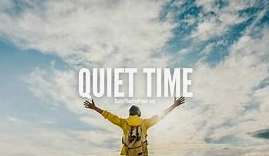
Quiet Time

audio podcast

“Quiet time” generally refers to a period set aside for personal reflection, meditation, or reconciling. This can help in reducing stress, enhancing focus, and promoting mental clarity. Do you have a specific practice or routine for your quiet time? I do.

When I was working, I didn’t take much time for “quiet time”. My life was active with making money, raising 2 sons, marriage and many activities one has in this typical American life. Since I have been retired, I have the luxury of allocating time for some “quiet time”. It is well worth it to take some time for yourself. Now I make it a point to spend some “quiet time” every day. It may be before I go to sleep or when I wake in the morning. Sometimes it is in the middle of the day.

Individuals might set personal quiet times for reading, practicing mindfulness, or any activity that requires peace and quiet for personal enjoyment or growth. The concept of quiet time emphasizes the benefits of silence or minimal noise, which can enhance well-being, productivity, and focus. It’s a recognition of the value of tranquility in a typically noisy world.

One may ask, what do you think about in your “quiet time”? I let my mind answer the question. Whatever comes to mind is the subject for this moment of “quiet time”. It may be thoughts about future events on this earth or time after the journey of life. I have many years to pick a subject. I enjoy reminiscing about past parts of my life. How could I have done better? Or what did I learn from that experience and what could I have done better with the situation? I have also had paranormal experiences in my life, and I think about them many times.

Many times, my “quiet time” is spent on my blogging and writing. What do I write about and how can I craft the project. This subject came from one of my “quiet time” periods. Some are good subjects and others bomb.

I reminisce about events in my life. In my over eighty years of experience, I have seen and enjoyed many people, places, and things. Twenty-six trips and vacations under my belt. Two marriages and military time with forty-five years of employment history gives me many subjects for my “quiet time”.

I have had five paranormal experiences in my life. The experiences occupy many “quiet time” sessions. I was going to shortly cover them in this blog and discovered that these experiences would have made this post way too long and off topic. However, it did give me another prompt for another time.

I am over eighty and I know that my time on earth is near being over. “Quiet time” periods cover thinking about this fact. Yes, I am comfortable with this, and I do strongly believe that there is time after life on this earth. I remember the peace my grandmother had when she was on her deathbed and the peace, total peace. I experienced during my near-death event February 7, 2023.

“Quiet time” is my time. It helps my mental health and come to the purpose of time on this earth. Finally, I am glad I discovered “quiet time” maybe it will help you like it helped me.

Time After Life

Ah, peace, that elusive butterfly in the human garden of emotions. What brings peace to one might be the very thing that stirs another’s existential anxiety. Peace, it seems, is as personal as it is universal.

Many find peace within themselves. Peace is not just the absence of conflict; it’s the presence of inner calm.” Peace often comes from feeling connected, whether through family, friends, or a community. Others turn to the natural world that soothes the human spirit. A walk in the forest, the sound of waves. For some peace comes from aligning with a set of beliefs that promise a higher purpose or afterlife. One engaging in acts of kindness can bring peace for others. Engaging in or experiencing art can be deeply peaceful. Some find peace in understanding the world through technology or the vastness of knowledge available today. Others find peace in writing; the explosion of blogging proves that.

I can experience peace from the above items. However, about a year and a half ago, I had a near death experience. I was laying on the operating table and a medical assistant said, “Doctor his blood pressure is dropping fast.” I was feeling very bad, and I thought I just took my last breath. I do not know where I went, but I felt a peace I have never felt in all my life. PEACE, TOTAL PEACE! I cannot explain it, but the feeling was great. I believe I had a preview of time after death. When I came back that feeling of PEACE, TOTAL PEACE! disappeared and I have not felt it since.

In conclusion, I believe that I will not experience that feeling until the time after life.

Daily writing prompt
What brings you peace?

Just A Mere Mortal

As the days and years go by, I have come to the conclusion that I am just a mere mortal. Am I going to do anything or write anything that leaves a lasting impression on this world? I kind of doubt it.

I have had a good life experience. I was raised by loving parents and did not have to suffer any hardships and tragedies in my growing up years. I was able to work and provide for the two sons I fathered. I served my country with time in the army. Marriage and family life have entered my life twice. I am still experiencing my second marital journey. Over eighteen years of retirement life and I sense more years of this journey on this earth.

Over a year ago I survived a medical near-death experience. During the recuperation period I thought that there must have been a reason for surviving. It has been over a year now and I am still searching for the reason. I am beginning to think the only reason I survived was to experience and learn from that near death encounter.

With that said, I am just a mere mortal and will do what mere mortals do and that is to attempt to live a good life.

Daily writing prompt
If humans had taglines, what would yours be?

Peace

Throughout life you start to accumulate stuff. You get material things. You learn, you have encounters with other beings. You collect all this stuff in this short span of your life. Society promotes that material possessions are the most important in life. Many have a worth more than I cannot comprehend. Do they have it all? That is up for debate.

Little over a year I had a near death experience. I was on the operating table, and I heard an aide say, “doctor his blood pressure is dropping”! I was feeling really bad. I could not inhale or exhale. I thought, this is it! My life is over! After that I felt something, I never felt before in my life. I felt peace, no fear, no anger, nothing, just peace. This peace is very hard to explain. But it is a peace I want to feel again. No, I did not see a light at the end of the tunnel, no angels, no music, just peace, Total peace.

After a period of time, I started to hear operating room noises, I am still alive! What a shock, I thought I died. For a period of time, they did things to me and then the doctor started talking to me. He said, “Tom we got most of the clot removed and things look promising.” I said that I heard my blood pressure dropping and I asked him how low did it go? There was a pause, and he said, “you don’t want to know, and I am not going to tell you.” To this day I don’t know how low the blood pressure was. Continuing the conversation he said, “Tom I think we made the right decision to keep you awake during the procedure instead of anesthesia. I am afraid that if you would have gone under anesthesia, we would have lost you. I feel I had a preview of time after death. Total peace!

My conclusion is that “having it all” is obtainable, but it will happen during the time after death.

I recently discovered a website Near Death Research Foundation. It is an interesting site. I am going to enter my experience on this site sometime.

Daily writing prompt
What does “having it all” mean to you? Is it attainable?

A world of fruit

Without a doubt my favorite fruit is bananas. A half of banana with my boring breakfast cereal. My doctor recommended that I eat a half of banana because of the high sugar content, and I am prediabetic. You peal them instead of wash them, how convenient.

Next is the grape. I prefer green grapes over red. But they do say red grapes a better for you because of the additional antioxidants. Oh well, life is not perfect.

The third pick is oranges. We have become attached to the small Cuties. Some call them clementines. Standard size oranges are just too large for me and the sometimes can be a job to peal.

One must not forget apples. An apple a day keeps the doctor away.

Finally, are olives. I enjoy green olives. Sometimes I eat 6-7 or a dozen at a time. These are the small olives, not the martini size large olives. The olive haters ask me, “how can you stand them, they are too bitter?” I reply, “In a previous life I was a Roman soldier and during a march to a new battle we would stop by the olive orchard and eat them right off the tree.” If you believe this tale, I have a bridge in Arizona you can buy.

Daily writing prompt
List your top 5 favorite fruits.

Vicks VapoRub and Toenail Fungus

Some years back a nurse friend of mine were talking and I mentioned that I had some pain and discomfort on the top of my big toes. She said I could have fungus underneath my toenails and that more than likely is the reason for my discomfort. She suggested using Vicks VapoRub to help alleviate the discomfort. I thought “what are you smoking?”

Anyway, I gave it a try. After showering I put lotion on my calloused heals and started applying VapoRub on the top of my big toes and around the cuticles. After a week or so I started to feel the difference and in a couple of months I had no discomfort at all.

At my next wellness exam with my PCP when she was checking my feet, I mentioned about the VapoRub procedure and she said, “oh that is an old wife’s tale that has been around a long time.” She didn’t recommend it or discourage it.

When writing this story, I thought about going to the internet and found this.

Vicks VapoRub is a topical ointment that may help treat toenail fungus1Its active ingredients, camphor and eucalyptus oil, have been found to have a “positive clinical effect” in treating toenail fungus1To use Vicks VapoRub for toenail fungus treatment, you should2:

  • Thoroughly file the nail.
  • Rub the Vicks VapoRub on the toenail, the affected part, and the edges of your toes.
  • Wear socks to prevent the ointment from soiling your sheet.
  • Do this continuously for at least nine months to completely get rid of the toenail fungus

I am not suggesting or recommending this procedure. I am just sharing this story.

Past experiences

What gives me direction in my life? Everything that I have learned or experienced in my life.

From birth until now everything that I have learned or experienced in life gave me direction. I learned the necessities in life like going to the bathroom in the toilet instead of my diaper. My mother raised me as a Catholic and that gave me direction in my young years. Going to kindergarten and twelve more years of schooling added on to this direction of life.

Army service gave me a vast source of knowledge of how to deal with many different personalities and cultures. You meet hundreds of people from different parts of the country, and this was a great help in my later years dealing with people. This learning experience was very helpful in my journey of life and do not regret it one bit.

Employment in private industry, marriage, raising children, divorce and the heartaches and hurt involved in all of the above made me realize that the perfect life I have dreamed of may not come true. These events made me realize that my dreams may not be the purpose for my time on this planet.

After a period of time, I found a new direction with a new loving wife and her loving family. This told me there is light at the end of dark tunnels. Following this I retired and discovered that “Every day is Saturday.” and the stress of full-time employment is over. We also moved into the home of my dream. These events also gave me a direction in life.

A little over a year ago I was standing in front of deaths door and Dr. Death was holding the door open. I survived and as my wife says, “your room was not ready yet.” Again, another life experience has changed my direction in life. Life is not over and according to statistics the survival rate of my illness was three to five percent.

In conclusion, many events in my life and learning experiences has changed my life. I believe the purpose in life is to learn, and one should learn as much as then can in this short visit on planet of earth.

Daily writing prompt
What gives you direction in life?

My Eyes are Killing Me.

It is that time of the year again. Spring allergies have attacked me full force. A couple of days ago my nose started to run and I looked around and sure enough, the trees were starting to leaf up and the fruit trees were all filled with blossoms. I thought, oh no, it is the time of year for itchy, scratchy, red eyes.

Before I turned fifty, I didn’t have allergies, but as I got older, they started to attack me and the older I age the worse they get. I read that this is a characteristic of the aging process in some people. I guess I am stuck with the problem. Fortunately, it only lasts a couple of weeks and once the trees are finished doing their thing, I am ok.

Over the counter medication such as Alavert and Claritin work for the runny nose discomfort and the runny nose can be tolerated. The itchy, burning, running eyes are another issue. I don’t know how many eyes drops and ointments I have tried and to no relief. The best that has worked for me at the moment is Thera Tears and Pataday. Unfortunately, my itchy eyes bother me for about two weeks. I have learned to not rub my eyes no matter what. That only makes it worse. It sure has been difficult to refrain from an automatic response.

I have talked to eye doctors, and they just told me allergies are caused by your immune system and it thinks the pollen is a threat to your eyes and attempts to protect your body from infection. Apparently, they do not have any suggestions for the discomfort. one consolation is that it only lasts a couple of weeks, and it will all be over.

Time to go back being uncomfortable and grouchy.