artificial-intelligence

Thomas Edison’s Christmas Lights

PODCAST

In the tapestry of holiday traditions, few moments shine as brightly as when Thomas Edison, the wizard of Menlo Park, illuminated the first string of electric Christmas tree lights on December 22, 1882. This wasn’t just a festive experiment; it was a moment that would redefine holiday celebrations for generations to come.

Back in 1882, Christmas decorations were predominantly made of candles, which, while beautiful, posed a significant fire hazard. Imagine the scene: the glow of candles on evergreen branches, a sight both enchanting and dangerous. Enter Thomas Edison, who had already made headlines with his incandescent light bulb. Edison’s associate, Edward H. Johnson, took the idea a step further. On December 22, 1882, Johnson, an inventor in his own right and Edison’s partner, adorned his Christmas tree in his New York City home with 80 hand-wired red, white, and blue electric bulbs. This wasn’t just for show; it was a demonstration of what electric lights could do for safety and aesthetics in holiday decor.

The spectacle was reported in the Detroit Post and Tribune, describing how “one can hardly imagine anything prettier.” This wasn’t just a novelty; it marked the beginning of a new era for Christmas decor. Edison’s electric lights were safer than candles, reusable, and didn’t require the constant attention to prevent fires. However, the technology was initially too expensive for the average household. A string of lights could cost as much as a month’s salary for many workers.

But as with many of Edison’s inventions, the price came down over time, and the idea caught on. By the early 20th century, electric Christmas lights had become more accessible, thanks to innovations in manufacturing and a growing electrical infrastructure. Companies like General Electric started producing pre-wired sets, making it easier for families to illuminate their celebrations.

This invention did more than just light up trees; it influenced how we celebrate and remember Christmas. The warm glow of electric lights became synonymous with the holiday spirit, symbolizing joy, warmth, and togetherness. It transformed the Christmas tree from a fire hazard into a centerpiece of safety and celebration. Over the years, the tradition evolved with colored lights, blinking patterns, and eventually, LED technology, which brought energy efficiency into the mix.

Today, when we string up our lights, whether they’re classic incandescent, energy-saving LEDs, or even smart lights that dance to music, we’re participating in a tradition that began with Edison and Johnson’s pioneering demonstration. It’s a reminder of how innovation can create enduring cultural practices. Each twinkle of a light on a Christmas tree is a nod to human ingenuity, turning a simple act of decoration into a celebration of progress and festivity.

In conclusion, Thomas Edison’s contribution to Christmas traditions in 1882 goes beyond mere decoration; it was a beacon of innovation that has continued to evolve. As we plug in our lights each year, we’re not just decorating for the holidays; we’re partaking in a legacy of light, safety, and joy that began with a single, bright idea over a century ago. This year, as you look at your twinkling tree, remember the spark of genius that made it all possible.

The Intriguing History of the Crossword Puzzle


PODCAST

Crossword puzzles, those delightful grid games that challenge our vocabulary and wit, have a history as rich and engaging as the puzzles themselves. Today, let’s delve into how this beloved pastime came to be.

The Birth of the Crossword

The story of the crossword puzzle begins on December 21, 1913, when Arthur Wynne, a journalist from Liverpool working for the “New York World,” introduced a new kind of puzzle to his readers. Called the “Word-Cross Puzzle,” it was published in the newspaper’s Fun section. This wasn’t just any puzzle; it was the first of its kind, featuring words intersecting in a diamond-shaped grid. Wynne’s creation was inspired by earlier word games like the “Magic Squares,” but his innovation lay in the intersecting words, which added a new layer of complexity and enjoyment.

The Crossword Craze

The initial response was modest, but word of mouth spread, and by the late 1920s, crossword puzzles had become a national craze in the United States. The “New York World” was soon followed by other publications, recognizing the public’s hunger for these brain teasers. The puzzle’s popularity soared to such heights that it was not uncommon to see people solving crosswords in trains, parks, and even during work breaks.

Evolution and Expansion

The format of the crossword evolved over time. The diamond shape gave way to the now-standard square or rectangular grid with black squares separating the words. This evolution was partly driven by the need for more complex puzzles and better space management in newspapers. The 1924 publication of “The Cross Word Puzzle Book” by Simon & Schuster, which became the first book to sell a million copies in the U.S., further solidified the crossword’s place in popular culture.

In the 1930s, crossword puzzles began to take on different forms across the world. In Britain, the “cryptic crossword” was developed, known for its clues that require a bit of lateral thinking or wordplay, contrasting with the American style’s more straightforward definitions.

Crosswords in the Digital Age

The advent of digital technology brought new dimensions to crossword puzzles. With the internet, puzzles became available online, allowing for interactive solving, instant checking, and community engagement through forums and competitions. Mobile apps further revolutionized the accessibility of crosswords, turning them into a daily ritual for millions worldwide.

Modern Innovations

Today, crossword puzzles continue to evolve. We see a blend of traditional and modern elements – from themed puzzles that reflect current events to crosswords that cater to niche interests or even educational purposes. The rise of AI has also introduced new dynamics in puzzle creation, although the human touch in crafting clues remains irreplaceable for its cleverness and cultural relevance.

Cultural Impact

Crosswords have not only been a source of entertainment but also a cultural phenomenon. They’ve influenced language, with terms like “clue” and “grid” gaining specific meanings within crossword culture. They’ve also been a subject in literature, films, and even academic study, exploring cognitive benefits like improved memory and problem-solving skills.

Conclusion

From its humble beginnings in a newspaper supplement to becoming a global pastime, the history of the crossword puzzle is a testament to human ingenuity and our love for wordplay. As we continue to see new twists in the crossword’s evolution, it’s clear that this puzzle will keep engaging minds for generations to come, proving that sometimes, solving a problem can be just as enjoyable as the problem itself.

So next time you pick up a pen or hover your finger over a digital grid, remember you’re partaking in a tradition that’s over a century old, yet as fresh and challenging as ever.

“It’s a Wonderful Life”

PODCAST

“It’s a Wonderful Life,” directed by Frank Capra and released on December 20, 1946, has transcended time to become not just a holiday classic but a timeless piece of cinematic history. Starring James Stewart, Donna Reed, and Lionel Barrymore, this film explores the depths of human emotion, the power of community, and the profound impact one life can have on many. Let’s delve into why this movie continues to captivate audiences around the world.

At its core, “It’s a Wonderful Life” tells the story of George Bailey, a man who has always put others before himself. Despite his dreams of adventure, George remains in his small town of Bedford Falls, running the family business, the Bailey Building and Loan, which offers an alternative to the ruthless practices of the local tycoon, Mr. Potter. On Christmas Eve, after a series of misfortunes, George contemplates suicide, believing he’s worth more dead than alive. An angel, Clarence, is sent to show him what life in Bedford Falls would be like without him. This journey into an alternate reality reveals the true value of George’s life and the countless lives he’s touched.

The Value of Individual Life: The film’s central theme is the worth of every individual. George’s life, seen through the lens of “what might have been,” illustrates how each person’s existence is a thread in the fabric of community life.

  • Community and Connection: “It’s a Wonderful Life” celebrates the strength of community. It shows how collective support can lift an individual out of despair, emphasizing the importance of friendship, family, and social bonds.
  • Sacrifice and Selflessness: George’s life is one of sacrifice, where he continually places the needs of others above his own desires. This selflessness is rewarded in the end, not with material gain, but with the love and gratitude of those he’s helped.
  • Hope and Redemption: The narrative arc from despair to hope is a powerful message, especially during the holiday season. George’s redemption comes from understanding his impact on others, offering a message of hope that resonates with viewers of all ages.

Cultural Impact

Despite its initial lukewarm reception, “It’s a Wonderful Life” has grown into an iconic film, often cited as one of the best movies ever made. Its annual television broadcasts have made it a staple of Christmas viewing. The film’s messages have influenced other works and are often referenced in popular culture. It has also sparked numerous adaptations, including stage plays, remakes, and parodies.

Why It Still Resonates

  • Universal Themes: The themes of the film are universal, touching on the human condition in ways that remain relevant. The struggle between personal dreams and communal responsibilities, the fight against corruption, and the power of kindness are timeless.
  • James Stewart’s Performance: Stewart’s portrayal of George Bailey is often hailed as one of his finest roles, capturing the essence of a man at his breaking point yet full of compassion.
  • Timeless Storytelling: Capra’s direction, with its blend of drama, comedy, and fantasy, crafts a narrative that feels both magical and real, making the film accessible and emotionally engaging.

“It’s a Wonderful Life” is more than just a movie; it’s a cultural touchstone that reminds us of the beauty in everyday life, the importance of community, and the profound impact of kindness. Its message that each life matters is perhaps more poignant now than ever, in a world that can often feel disconnected. As we watch George Bailey’s journey each year, we’re not just celebrating a film; we’re celebrating the human spirit’s resilience and capacity for love and change. This holiday season, or any time you need a reminder of the good in the world, “It’s a Wonderful Life” awaits to show you, once again, the magic in the mundane.

Timeless Tale of “A Christmas Carol”

PODCAST

In the heart of Victorian London, where the fog cloaked the city in a perpetual gloom, Charles Dickens penned a story that would illuminate the spirit of Christmas for generations to come. Published on December 19, 1843, “A Christmas Carol” is not just a book; it’s a cultural phenomenon, a moral compass, and a heartwarming tale that reminds us of the true essence of the holiday season.

The Genesis of the Ghost Story

Charles Dickens, at the time of writing “A Christmas Carol,” was already an established author, yet he faced financial difficulties and sought to reignite his passion for writing. His observations of the stark contrast between the opulent and the impoverished in London fueled his narrative. Dickens intended “A Christmas Carol” as a critique of the industrial age’s harsh realities, particularly the plight of the poor and the indifference of the rich.

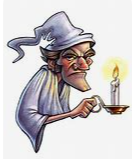
The story centers around Ebenezer Scrooge, a miserly old man whose heart is as cold as a winter’s night. Dickens masterfully uses the framework of a ghost story to explore themes of redemption, charity, and the joy of giving. The tale unfolds over Christmas Eve night, during which Scrooge is visited by the ghost of his former business partner, Jacob Marley, and the Spirits of Christmas Past, Present, and Yet to Come.

The Characters and Their Symbolism

  • Ebenezer Scrooge: More than just a miser, Scrooge represents the potential for change in humanity. His transformation from a bitter recluse to a benevolent figure is the heart of the story.
  • Jacob Marley: Marley’s ghost serves as a harbinger, warning Scrooge of the chains he will forge in life with his greed and lack of compassion.
  • The Three Spirits: Each ghost shows Scrooge a different aspect of his life and the lives of others. The Ghost of Christmas Past revisits memories, revealing the joys lost to avarice. The Ghost of Christmas Present displays the current state of happiness and hardship, contrasting Scrooge’s isolation with others’ communal joy. The Ghost of Christmas Yet to Come presents a bleak future, motivating Scrooge to change his ways before it’s too late.

The Legacy of “A Christmas Carol”

“A Christmas Carol” did more than entertain; it influenced social reforms. Dickens’ vivid portrayal of poverty and his call for charity contributed to the establishment of the modern form of Christmas celebration, emphasizing kindness, generosity, and community.

The book’s publication was a commercial success, selling out its initial print run by Christmas Eve. Its enduring popularity has led to countless adaptations in theatre, film, radio, and television, each adding its own flavor to Dickens’ narrative but maintaining the core message of redemption and transformation.

Why “A Christmas Carol” Still Resonates

Today, “A Christmas Carol” continues to resonate due to its universal themes:

  • Redemption: The idea that it’s never too late to change one’s ways offers hope to us all.
  • Community and Compassion: In a world that often feels divided, the story reminds us of the strength found in community and the power of compassion.
  • The Spirit of Giving: At a time when consumerism can overshadow the holiday, Dickens’ tale brings us back to the joy of selfless giving.
  • Reflection and Growth: The journey through Scrooge’s past, present, and possible future is a metaphor for personal reflection and the growth that can come from understanding one’s impact on the world.

“A Christmas Carol” is not merely a seasonal read; it’s a yearly reminder of the values we should uphold every day. Whether through Dickens’ original prose, through the myriad adaptations, or in the quiet moments when we ponder our own lives, the story of Scrooge’s redemption persists as a beacon of hope, urging us to embrace the spirit of Christmas all year round.

How the Grinch Stole Christmas

PODCAST

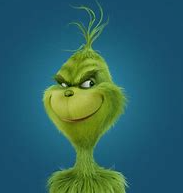
In the quaint, snowy village of Whoville, nestled in a valley surrounded by high, snow-capped mountains, lived the Who’s. They were a joyful bunch, known for their love of singing, feasting, and celebrating the holiday of Christmas with unparalleled zeal. But high above Whoville, in a cave on the frosty peak of Mount Crumpit, lived a creature known as the Grinch, whose heart was two sizes too small, filled with nothing but disdain for the festive noise below.

The Grinch, with his sour disposition and green, furry exterior, loathed everything about Christmas. The jingling of bells, the warmth of the fireplaces, and the laughter that echoed through the streets of Whoville grated his nerves. Especially bothersome was the Christmas Eve feast, where the Whos gathered in their town square, singing with such volume and glee that it reached even his secluded den.

One particularly cold December, as the Whos’ preparations for Christmas grew louder and brighter, the Grinch hatched a plan so devious, so Grinchy, it could only come from a heart as cold as his. He decided to steal Christmas, to snuff out the holiday for good. With a sinister grin, he donned a red Santa suit, stuffed his dog Max into a reindeer harness, and set off under the cover of night.

Sledding down to Whoville, he moved like a shadow, entering each home with stealth. He took the Christmas trees, the stockings, the presents, and all the trimmings. He even took the last can of Who-hash. With each item he stole, the Grinch thought he was erasing Christmas from the hearts of Whoville.

As dawn broke, the Grinch, satisfied with his mischief, returned to Mount Crumpit, ready to push the stolen goods into the abyss. But just as he was about to, a sound reached his ears. It was faint at first but grew louder, a sound that was unmistakably the Whos singing. In their square, despite having nothing, they sang. Their voices rose in a chorus of joy, not diminished by the absence of material things but rather fueled by the spirit of togetherness.

The Grinch was baffled. He had taken everything, yet here was Christmas, stronger than ever. It was then, in the beauty of their undying cheer, that something profound happened. His heart, which had been small and cold, began to grow. Three sizes larger, it expanded, filling with warmth and the true meaning of Christmas.

Overcome with a new understanding, the Grinch couldn’t bear to keep the Whos from their joy. He returned everything, not just the physical items but also his own changed heart. He joined the Whos in their celebration, carving the roast beast and sharing in their songs, laughter, and love.

From that day forward, the Grinch was no longer an outsider but a part of Whoville. He taught everyone, including himself, that Christmas doesn’t come from a store. Perhaps, Christmas, he thought, means a little bit more. And so, the Grinch, once a symbol of bitterness, became a symbol of transformation and the power of community and kindness.

Thus, the legend of how the Grinch stole Christmas but then gave it back in a way more meaningful than anyone could have imagined, became a cherished tale told year after year in Whoville, reminding all that the true spirit of Christmas lies not in what we have but in who we are together.

The Flight That Changed the World

Podcast Link

On a chilly morning of December 17, 1903, the dunes of Kitty Hawk, North Carolina, became the stage for one of the most transformative moments in human history. Above the sandy terrain, where winds howled with both challenge and promise, two brothers from Dayton, Ohio, named Orville and Wilbur Wright, were about to etch their names into the annals of time.

Orville and Wilbur had spent years, driven by an insatiable curiosity about flight, tinkering in their bicycle shop. They studied birds, read everything they could on aerodynamics, and even built their own wind tunnel to test wing designs. Their passion was not just for flying but for solving the puzzle of controlled flight, which had eluded humanity since Daedalus and Icarus.

The day was carefully chosen; they needed a steady breeze to lift their contraption, which they affectionately called the “Flyer.” The weather on this particular day was both cooperative and challenging, with winds gusting to 27 mph. The brothers, along with a small group of witnesses including their father, Bishop Wright, and a couple of local men, gathered at the chosen spot.

The Flyer was a delicate balance of wood, wire, and fabric, with a wingspan of 40 feet. It was equipped with a 12-horsepower engine and two propellers, all designed by the Wrights themselves. The machine looked more like a giant, ungainly kite than the sleek airplanes of the future, but it embodied the culmination of their dreams and calculations.

Wilbur had won the coin toss that morning, giving him the honor of the first attempt. However, a small mishap with the launch rail meant Orville would take the first flight. With hearts pounding against their chests, they moved the Flyer back into position. Orville lay prone on the lower wing, his hands gripping the controls.

At exactly 10:35 AM, with a shout from John T. Daniels, one of the witnesses who was also manning the camera, Orville released the wire that held the Flyer to the ground. The engine roared to life, and the propellers began to spin, pulling the machine forward. For a moment, it seemed as though it might merely drag along the sand, but then, almost magically, the Flyer lifted.

The flight was brief, lasting only 12 seconds, covering 120 feet. But those scant moments were enough to change the course of history. Orville landed, and the Flyer, though intact, bore the scars of its brief maiden voyage. The brothers were overjoyed; they knew exactly what they had achieved.

Wilbur took the next flight, going further than Orville, and by the fourth and final flight of the day, he managed to keep the Flyer aloft for 59 seconds, traveling 852 feet. Each flight was a testament to their dedication and ingenuity.

That day, the world didn’t fully grasp the significance of what had happened on that nondescript beach. Newspapers gave sparse coverage, and many dismissed the event as a mere novelty. However, Orville and Wilbur knew they had done something monumental. They had conquered the sky, not with magic but with science, perseverance, and an unwavering belief in human potential.

Years later, as airplanes became a common sight in the skies, people would look back on that December day with awe. The Wright brothers’ first flight at Kitty Hawk wasn’t just about defying gravity; it was about defying limitations, about the human spirit’s capability to soar beyond what was once thought possible. Their flight on December 17, 1903, was the first step into a new era of exploration, where the sky was no longer the limit.

AI impacts on writing

Link to Podcast


AI is here and a hot topic. There have been positive comments and negative comments about the impact AI will have on many fields. Since I spend a lot of time on writing I thought I would ask AI and see what the response would be.

I went to Grok which is X’s AI platform (formerly twitter). This is the response I received from Grok.

The impact of AI on writers is multifaceted, presenting both opportunities and challenges that are reshaping the landscape of writing professions: 

Opportunities for Writers: 

  • Increased Productivity: AI tools can serve as assistants in the writing process, generating ideas, outlines, or even draft content. They can help overcome writer’s block by providing prompts or alternative phrasings, allowing writers to focus on higher-level creative tasks. For instance, tools like Grammarly or platforms using AI for brainstorming can expedite the writing process by suggesting improvements and ideas. 
  • Enhancement of Creativity: AI can be used to explore new narrative styles or to simulate different perspectives, potentially leading to more innovative storytelling. Some writers find AI helpful in generating initial drafts that they can then refine, thus blending human creativity with computational power to create unique works. 
  • Educational and Analytical Support: AI can analyze vast amounts of text data to identify trends, patterns, or even market preferences, which can inform writers’ strategies for both content creation and marketing. 

Challenges for Writers: 

  • Job Security and Market Saturation: There’s a concern among writers that AI might produce enough content to saturate the market or replace human writers in certain areas like technical writing or content for SEO. This could potentially devalue human-authored work or lead to job displacement, especially in fields where speed and volume are prioritized over creativity and nuance. 
  • Authenticity and Originality: AI-generated content might challenge the authenticity of human creative expression. Critics argue that AI lacks the emotional depth and personal experience that human writers bring to their work, potentially leading to a homogenization of content. This raises ethical questions about authorship and the originality of AI-assisted or AI-generated works. 
  • Ethical and Legal Concerns: The use of AI in writing also brings up issues concerning copyright, as AI is trained on existing texts. This has sparked debates on intellectual property rights and the potential for AI to reproduce or closely mimic copyrighted material without permission. 
  • Human Touch and Emotional Connection: AI, while capable of producing coherent text, struggles to replicate the human touch – the emotional, cultural, and experiential nuances that resonate with readers. This limitation is seen as both a challenge and an opportunity for human writers to distinguish their work. 

Adaptation and Integration: 

  • Collaboration Over Replacement: Many in the writing community advocate for viewing AI as a tool that complements rather than competes with human writers. The focus is shifting towards how writers can leverage AI to enhance their work while maintaining the unique human elements that AI cannot replicate. 
  • New Roles and Skills: As AI integrates further into writing, new roles might emerge, like AI content editors or specialists in AI-human collaboration. Writers might need to learn how to interact with AI, understand its capabilities, and use it to augment their creative processes. 

The overall impact suggests a future where AI doesn’t outright replace writers but changes the nature of writing jobs. Writers who can adapt by using AI to enhance their work, remain vigilant about maintaining their unique voice, and navigate the ethical landscape will likely thrive in this evolving environment. 

Like it or not, AI is here, and one should accept the fact and adjust to living with AI and use it to your advantage instead of fighting the future. This took less than 30 seconds to come up with this response. I know one thing for sure AI is faster than me.

The Wicked Whispers of Willow Creek

Audio Link

This was written by AI. Life is getting creepy.

In the heart of a dense, ancient forest, lay the quiet town of Willow Creek. By day, it was a picturesque place with cobblestone streets and charming cottages. But when the sun dipped below the horizon, the town’s character changed. 

Legend had it that the woods surrounding Willow Creek were home to the Wicked Whispers, eerie voices that echoed through the trees, leading lost souls deeper into the forest. Some said they were the spirits of those who had perished in the woods long ago, while others believed they were the enchantments of a powerful sorceress. 

Among the townsfolk was young Elara, an adventurous girl with a curious mind. She had grown up hearing tales of the Wicked Whispers but had never experienced them herself. One moonlit night, driven by her insatiable curiosity, Elara decided to venture into the forest, determined to uncover the truth. 

As she walked deeper into the woods, the familiar sounds of the town faded away, replaced by an unsettling silence. Then, she heard it—a soft, melodious whisper that seemed to call her name. “Elara… Elara…” The voice was both enchanting and chilling. 

Elara followed the whisper, her heart pounding with a mix of fear and excitement. The path grew narrower, and the trees seemed to close in around her. The whisper grew louder, more insistent. “Elara… come closer…” 

She stumbled upon a clearing bathed in the pale light of the full moon. At its center stood an ancient, gnarled tree, its twisted branches reaching out like the arms of a ghost. The whispers now came from all directions, encircling her. 

With a deep breath, Elara stepped forward and placed her hand on the tree’s trunk. Instantly, the whispers ceased, and a figure materialized before her—a woman with eyes like sapphires and hair as dark as the night. 

“I am Seraphina, the guardian of these woods,” the figure spoke, her voice as enchanting as the whispers. “The Wicked Whispers are a test, a trial for those who seek the truth.” 

Elara listened in awe as Seraphina revealed the forest’s secrets, its history, and the magic that flowed through its roots. She learned that the whispers were not malevolent but a challenge to those brave enough to seek their source. 

With newfound understanding, Elara returned to Willow Creek, her heart filled with the wisdom of the forest. She shared her story with the townsfolk, who listened with rapt attention. From that day forward, the Wicked Whispers were no longer feared but respected, a reminder of the mysteries that lay just beyond the edge of town. 

And so, the legend of the Wicked Whispers of Willow Creek lived on, a tale of courage, curiosity, and the magic that lies hidden in the heart of the woods.