Month: September 2025

The Roots of Procrastination

I often find myself avoiding or procrastinating on items or events in my life, whether it’s tackling important tasks or even engaging in social events that I know would benefit me. This tendency to delay can stem from a variety of factors, such as fear of failure or simply feeling overwhelmed by the size of the task at hand. I recognize that this habit not only affects my productivity but also my overall well-being, as I constantly grapple with the anxiety of unfinished business and the weight of impending deadlines.

It is rarely laziness. It’s often fear, perfectionism, or a signal that something doesn’t align within me. This might manifest as a hesitation to take action due to the fear of failure or the overwhelming need to achieve flawless results. When I encounter such feelings, it may indicate deeper issues, such as a lack of confidence or unresolved conflicts, prompting me to pause and reflect on what truly holds me back, allowing me to address those underlying concerns constructively.

Daily writing prompt
What details of your life could you pay more attention to?

From Leaf to Memory

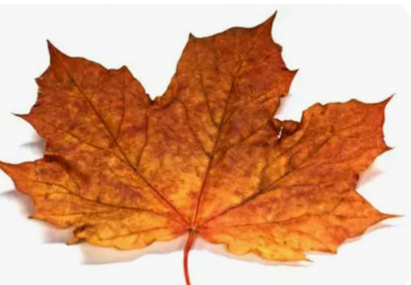
Not just any leaf—me, golden-brown and freckled with dew, clinging to the highest branch of an ancient oak. The wind whispered secrets through the canopy, and I listened with trembling veins. Then, with a sigh too soft to hear, I let go.

I drifted.

The fall was slow, like time had forgotten to tick. I spun gently, glimpsing the world from angles I’d never known. A squirrel paused mid-leap to watch me descend. A crow cawed once, as if to mark my passage. The sun, just cresting the horizon, caught my edges and made me glow.

I landed on a patch of moss, cushioned and cool. Around me, other leaves lay in quiet communion—some curled with age, others freshly fallen like me. We didn’t speak, but we understood. We were no longer part of the tree, yet we were still part of the story.

A child wandered by, crunching through the leaf-litter. She picked me up, turned me over in her small hands, and smiled. “This one’s pretty,” she said, tucking me into her coat pocket like a secret.

In that moment, I felt eternal.

I was no longer just a leaf—I was a memory in the making, a whisper of autumn carried forward. The tree would forget me, but the child might not. And maybe, just maybe, I’d be pressed between pages, or taped to a window, or simply remembered on a walk years from now.

Then I woke up.

The dream lingered like mist. I touched my chest, half-expecting to feel veins of bark. But I was me again—human, warm, and wondering. Still, part of me swears I can feel the wind. And somewhere deep inside, I’m still falling.

The Impact of Viking Heritage

Audio Podcast

This may sound unusual, but I am most interested in the smallest percentage of my ancestry heritage, which has sparked a sense of curiosity and fascination within me. I didn’t think much about my heritage until The History Channel broadcasted their Viking series, a captivating exploration that aired over a six-year span. The intricate stories of exploration, conquest, and the rich culture of the Vikings illuminated a distant past that I had barely considered before. As I delved deeper into the narrative, I found myself drawn to the nuances of lineage and how even the smallest percentage of Viking heritage could connect me to such a storied history. This revelation has inspired me to research further, uncovering the threads of ancestry that weave together the tapestry of my identity and prompting a richer understanding of my family’s origins and their journey through time.

Doing a DNA test, I find that I am around 40 percent from English heritage near Cornwall, England, a region known for its stunning coastline and unique cultural identity. This area has a rich history steeped in maritime tradition and folklore. I discover that I hold over 50 percent of German Bavarian descent, a lineage that connects me to a region celebrated for its beautiful alpine scenery, traditional festivals like Oktoberfest, and its vibrant history in the arts and sciences. With most of the remaining heritage tracing back to Viking territories of Norway and Sweden, I am reminded of the seafaring spirit and adventurous nature of those ancestors who explored and settled across vast areas of Europe, intertwining their stories with mine.

Watching the Viking series has stirred something deep within me. As I observe how these Norse warriors expanded their reach—sailing across treacherous waters, raiding coastal villages, and establishing footholds throughout Europe—I can’t help but reflect on the darker aspects of their conquests. Their expansion wasn’t just about territory or treasure; it often came at the cost of human suffering. The pillaging of towns and the brutal assertion of dominance likely included acts of violence, including unwanted sexual encounters—an unspoken but historically plausible reality of war and invasion. As unsettling as it is to consider, I find myself wondering if my own existence is somehow tied to that legacy. Perhaps, buried deep in my ancestry, I may be the product of one of those encounters—a living echo of a moment that was never meant to be remembered, yet somehow shaped the course of generations.

For some reason, I related to the Viking series very strongly, as it resonated with my fascination for adventure and exploration. The intricate storytelling, coupled with the rich details of Viking culture, captivated my imagination in ways I never anticipated. One will never know why I became so interested in the Viking heritage, but the epic battles, the strong familial ties, and the relentless pursuit of glory struck a chord within me. As I watched the entire series throughout its airing on The History Channel, I found myself not only engrossed in the drama but also enchanted by the historical elements that were artfully woven into the narrative, which deepened my appreciation for the Norse legends and their significance in shaping modern history.

Daily writing prompt
What aspects of your cultural heritage are you most proud of or interested in?

A Long, Long Time Ago

Audio File

After church services during fellowship, somehow the subject of stuffed green peppers came up, igniting a lively conversation among our table of eight. This stirred my memory, prompting me to share a recollection from my army time. As I reminisced about those military times, it dawned on me, “I could write a blog about the subject,”


Here is my tale.

It is March 1964. I was recently drafted into the army, and I was in basic training, a whirlwind experience that was both daunting and transformative. I was only there maybe four or five days after I reported to basic, yet it felt like an eternity under the pressure of military life. For a supper meal, they served stuffed green peppers, a dish that would become a symbol of my early days in training. I remember maybe one or two hundred recruits in the basic training company, and everything was rush, rush and do it faster, as if time was a luxury we could not afford. The sergeants barked out commands, and we scrambled to obey, our minds racing to keep up. Also, much of the kitchen duties were done by the recruits that were assigned to KP duty that day, slicing vegetables, peeling potatoes, and washing dishes, trying to maintain a semblance of order amid the chaos.

There were six of us sitting at the table, our plates filled high with the fare provided for our supper, and we were gobbling down our meals in a frenzied race against time because we only had a short period to eat before they would inevitably yell, “Time’s Up!” The recruit next to me was shoveling food into his mouth with reckless abandon, his eyes darting around as if he were trying to savor each bite while also keeping an ear open for the dreaded announcement. Suddenly, he paused mid-chew, his face shifting from one of ravenous delight to horror as he pulled something unwelcome from his mouth, revealing a shocking revelation—a Band-Aid! It was a disturbing sight indeed, as it became clear that one of our fellow recruits from the KP area had been absent-mindedly stuffing green peppers, causing the Band-Aid covering a cut to become dislodged and somehow find its way into our meal. The moment quickly turned from one of unity in our shared dining experience to utter disbelief as the recruits sitting at the table not only saw but heard the revelation, prompting an instinctual response to get up and leave the mess hall in a hurried retreat. What a way to spoil an appetite! My mind raced with questions, wondering, “What am I getting into?” as I looked around at my companions, each of us contemplating the rather unpalatable reality of our situation and what more surprises awaited us in this new chapter of our lives.

One can just speculate that the KP recruit didn’t even realize that the band-aid slipped off his finger, or he knew about it and was afraid to say anything because he didn’t want to experience another shouting conversation with the drill sergeant, which was common in those days, especially during the rigorous training sessions where discipline was paramount. These shouting matches were not unusual; they served as reminders to the recruits of the high expectations placed upon them, often creating an atmosphere thick with tension and anxiety. Or another possibility is that he reported it, and they yelled and screamed at him and didn’t do anything about it, leaving him feeling even more powerless in a situation that already felt overwhelming. It is hard for me to imagine that they would toss out food for one to two hundred troops and start over just because of a missing band-aid, considering the logistical challenges involved in preparing meals for such a large group, coupled with the sheer amount of effort that went into food preparation. In a military environment where resourcefulness and efficiency are crucial, such an action would seem extravagant and illogical. The actual story will be never known, leaving us to ponder the multitude of factors that might have influenced the response to such a seemingly minor incident, yet one that could highlight deeper issues within the structure of military life.

I have other tales to share during my time in the military and someday share other stories that one does not hear often.

Forgotten Reflection

Audio Podcast 10 minutes

This is in my next paperback “Tales of TomT2.0 volume five. This volume is all spooky stories. Getting ready for Halloween.

Eli stood in the bathroom, half-asleep, brushing his teeth like he did every night, the bristles of his toothbrush working mechanically against his enamel. The fluorescent light buzzed overhead, casting a pale glow over the cracked tiles and foggy mirror, illuminating the remnants of a long day that clung to him like a heavy blanket. He smiled absently at his reflection—more habit than emotion—and then dropped the smile as he leaned down to spit, the sound echoing in the stillness of the night. The room was filled with the familiar scent of mint toothpaste, mingling with the musty air, while outside, the soft rustle of leaves hinted at the gentle breeze that stirred the quiet neighborhood. Unconsciously, he replayed the events of the day, the laughter shared and the mundane moments that blurred into one another, pausing briefly to wonder how tomorrow might unfold. With a final rinse, Eli reluctantly stepped away from the mirror, feeling the weight of exhaustion tugging at him, but grateful for the small, ordinary ritual that marked the end of his day.

But the reflection didn’t drop it.

Eli froze, toothbrush still in hand, caught in a moment that felt suspended in time. His mirrored self was still smiling, an eerie reflection that sent chills down his spine. Not a friendly grin, but something stretched too wide, too long, like a macabre mask fitted over a face that should show fear or surprise. The kind of smile that didn’t belong on a human face, it was an unsettling distortion that suggested something more sinister lurking beneath the surface. With each passing second, Eli’s heart raced as he wondered what had gone wrong, why the reflection seemed to mock him, and if this strange visage was a harbinger of something darker waiting to reveal itself.

He blinked. The reflection blinked too, still grinning.

“Okay,” he muttered, rubbing his eyes. “Sleep deprivation. That’s all.”

He turned off the light and left the bathroom, feeling a strange sense of relief wash over him. But as he passed the hallway mirror, he caught a glimpse—his reflection, still smiling, an eerie reminder of a joy that felt distant. The dim light flickered, casting shadows that danced along the walls, and he paused for a moment, captivated by the contrast between his inner turmoil and the outward appearance of happiness that stared back at him. It was as if the smile in the mirror was mocking him, teasing him for the facade he maintained.

That night, Eli barely slept. The moon filtered through the curtains, casting eerie shadows that danced across his room. Every time he closed his eyes, he saw that grin, sharp and wide, curling menacingly at the corners. It wasn’t just unsettling—it felt wrong, as if it held secrets meant to be buried deep. Like something was watching him from the other side of the glass, its gaze penetrating and relentless, leaving him with an overwhelming sense of dread that wrapped around him like a suffocating blanket. Each sound in the house—a creak, a whisper—seemed amplified in the silence, fueling his growing paranoia and ensuring that sleep remained an elusive, unattainable refuge.

The next morning, he avoided the mirror, feeling as though it was a portal to some unsettling truth, he was not ready to confront. Shaved blind, he moved the razor hesitantly over his stubble, not daring to open his eyes lest he be confronted by the visage he had come to dread. Brushed his teeth with his eyes closed, the minty taste barely reaching his senses as his mind raced with the thoughts of what he might discover. But curiosity gnawed at him, an insistent whisper in the back of his mind urging him to look. With trembling hands, he peeked, heart pounding as he lifted the lid of dread, ready to face whatever awaited him.

The reflection was normal, appearing just as one would expect in a peaceful lake on a calm day, with the surface shimmering gently under the warm sunlight and presenting a clear image of the trees and sky above. The tranquility of the scene offered a moment of serenity, inviting one to pause and appreciate the beauty of nature reflected so perfectly before them.

Relieved, Eli laughed, the sound echoing softly in the quiet room. “I’m losing it,” he said to his reflection, a mixture of exasperation and amusement dancing in his eyes. He leaned closer to the mirror, searching for signs of the sanity he felt slipping away, all while his laughter grew more infectious, as if he were sharing an inside joke with himself that only he could understand.

It didn’t laugh back, as if it understood that laughter was a privilege reserved for moments of genuine joy and connection, instead opting for a silent acknowledgment that hung in the air, weighty with the unspoken truths and emotions we often fail to express.

That night, the smile returned.

This time, Eli stared into the mirror, refusing to look away. His own face stared back, smiling wider and wider until the lips cracked and bled. The eyes grew darker, pupils swallowing the whites. Eli backed away, heart hammering.

The reflection didn’t move.

It stayed there, grinning, even as Eli ran from the room, its sinister smile a chilling reminder of the darkness that lurked within those walls, a presence that seemed to thrive on fear and uncertainty, watching with unblinking eyes as the shadows danced around it, whispering secrets that only Eli could feel creeping into his mind, urging him to look back, to face what he desperately wanted to escape from.

He tried everything—covering the mirror with cloth and tape, smashing it to shards that glittered like cruel stars, even replacing it with a new one that promised to be different. But no matter what he did, the reflection came back, mocking him with its persistence. It was as if the mirror had a will of its own, refusing to be silenced or hidden away. Not always immediately, as if it relished in the torment of anticipation. Sometimes it waited patiently, biding its time until he least expected it. At other moments, it would show itself in the most unexpected places—appearing in windows during twilight, shimmering in puddles after a rain, and even on the black screen of his phone when he least wanted to confront it. Each encounter was a reminder, a haunting echo of what he wished to forget, compelling him to confront the part of himself he had long tried to escape.

And it was changing.

It began to move on its own, a strange, unsettling energy radiating from its form. Tilting its head when Eli didn’t, as if questioning his resolve and challenging him to respond. Raising a hand when his stayed still, the gesture felt deliberate, almost mocking in its insistence. It whispered things he couldn’t hear, mouthing words that made his skin crawl, sending shivers down his spine and igniting a primal fear within him. Each syllable it shaped felt like a dark promise, a hint at secrets that lurked just beyond his understanding, beckoning him closer even as every instinct screamed for him to flee.

One night, Eli woke to find every mirror in his apartment uncovered, reflecting the dim light that filtered in through the curtains. He didn’t remember doing it, but the sight sent a shiver down his spine as he felt an eerie presence in the air. Each mirror seemed to be staring back at him, as if they held secrets he had forgotten. The last few days had been a blur, filled with late-night distractions and fatigue, but he couldn’t shake the feeling that he was being watched. Uneasy, Eli glanced around, half-expecting to see a shadow lurking just beyond his line of sight, but the apartment remained silent, save for the soft hum of the refrigerator.

In the bathroom, the reflection was waiting, shimmering faintly in the dim light, as if it held secrets untold, urging the viewer to step closer and confront the truths hidden within.

It wasn’t smiling anymore.

It was beckoning.

Eli stepped closer, drawn by something he couldn’t name, as an inexplicable force seemed to pull him towards the shimmering glass. The glass rippled like water, creating a mesmerizing dance of light and shadow that captivated his senses. He reached out, fingertips brushing the surface, feeling a coolness that sent a shiver up his spine, as though the glass were alive and responsive to his touch. Each delicate ripple seemed to whisper secrets, urging him to delve deeper into the mystery before him, while the world around him faded into a distant hum.

And the reflection grabbed him.

Now, when people visit Eli’s apartment, they find the mirrors covered, shrouded in an aura of mystery that piques their curiosity. All but one remain hidden behind draped cloths or opaque film, which creates a peculiar atmosphere that feels both intimate and unsettling. The lone uncovered mirror, however, reflects a glimmer of light and provides a fleeting glimpse into Eli’s world, inviting visitors to wonder what lies behind the concealed reflections and the reasons for their obscuration.

In the bathroom, the mirror shows a man brushing his teeth, his reflection revealing the early morning light filtering through the small window, casting a gentle glow on the pale tiles. As he methodically moves the toothbrush back and forth, the hum of the electric toothbrush fills the air, and he catches a glimpse of his own tired eyes, a reminder of the long night before. The aroma of mint from the toothpaste mingles with the faint scent of soap lingering in the room, creating an oddly comforting atmosphere. Beyond the mirror, the bathroom door is slightly ajar, hinting at the life outside that awaits him, filled with the sounds of a bustling day yet to unfold.

And if you look closely, you’ll see—he’s not alone. In fact, there are several figures lurking in the shadows, each with their own stories, waiting to unfold. The atmosphere is thick with intrigue, and the faint sound of whispers hints at secrets shared among them. It’s a moment frozen in time, where connections are forged and the unspoken bond of companionship is palpable, transforming an ordinary scene into something extraordinary.

For reasons that will never be understood, the apartment was never rented again, becoming a mysterious relic of the past, shrouded in whispers and unanswered questions about its history. Neighbors speculated about the property, sharing stories of strange occurrences and unexplainable sights that had once driven potential tenants away, leaving behind only a lingering sense of unease that seemed to permeate the very walls of the building.

.

Fall: Transitioning into Cozy Days

Today is the first day of fall. The ninety-degree days are over, and with the arrival of this new season, we can finally embrace the cool, crisp air that fills our lungs. Cooler days and nights are ahead, providing the perfect backdrop for cozy sweaters and warm drinks. The leaves are starting to change to their golden color, painting landscapes in hues of orange, red, and yellow, and gracefully falling to the ground like nature’s confetti. As we walk beneath the trees, we might hear the satisfying crunch of leaves underfoot. It’s time to start thinking about the season’s preparations, including the moments when the furnace will go on to take away the morning chill in the home, wrapping us in warmth as we enjoy the comforting aroma of pumpkin spice and freshly baked pies wafting through the air.

The word “fall” derives from Old English “feallan,” meaning to fall, and it specifically refers to the beautiful and colorful phenomenon of falling leaves, which marks the transition from summer to winter. This term is preferred in American English over the more traditional “autumn,” which stems from the Latin word “augustus.” The choice of “fall” not only encapsulates the essence of the season but also highlights the picturesque scenery of trees shedding their foliage, creating a vibrant tapestry of colors on the ground. This season is often associated with harvest celebrations, cooler temperatures, and a sense of change, making it a time for reflection and preparation for the upcoming winter months.

Fall allergies spike due to ragweed pollen, affecting ~23 million Americans annually.
As the leaves begin to change color and the air turns crisp, countless individuals experience the relentless onslaught of allergy symptoms. My eyes have the traditional itch and redness, which often leads to a frustrating cycle of rubbing and swelling that makes it difficult to focus on daily activities. In addition to these uncomfortable symptoms, the sneezing, runny nose, and overall fatigue that accompany fall allergies can diminish one’s quality of life, making autumn feel less like a season of beauty and more like a season of struggle.

It’s the second most popular wedding season globally, after summer, with countless couples choosing this time to tie the knot due to the beautiful fall foliage and moderate weather. This enchanting season not only provides a picturesque backdrop for outdoor ceremonies but also offers a rich palette of colors that inspire everything from floral arrangements to wedding attire. As autumn ushers in cozy atmospheres and seasonal celebrations, many couples see it as the perfect opportunity to share their love in a unique and heartfelt way.

Time marches on, and in three months, we will be talking about the next season of the year, winter. As the days grow shorter and the crispness of the air becomes more pronounced, we can already feel the anticipation building for the beauty that winter brings. The first snowfall will blanket the earth in a serene white, transforming familiar landscapes into a magical wonderland. Families will gather around warm fires, sharing stories and laughter, while festive decorations will begin to adorn homes, creating a sense of warmth and joy during the cold months ahead.

My wife’s fall visitors.

Have a nice fall day.

Life Without Music

My life would more than likely be about the same without music. Sure, I enjoy music in the background while doing something else. I enjoy music while riding in the car. I never hear music in my dreams. I have never been motivated to learn to play a musical instrument. I don’t sing in the shower. Therefore, life without music would more than likely be close to the same as now without music.

Daily writing prompt
What would your life be like without music?

I Am Not Who I Am

Around the first of this year I discovered AI, (artificial intelligence) and found out that it became very easy for me to assemble an article. I could come up with a few ideas and then consult AI and ask to expand on those ideas. In a matter of seconds, Boom! An instant article that was always near twice the length I ever came up with…… AI would really fluff up an idea.

Couldn’t think of something to write about? Just ask AI and poof! There are twenty or more writing prompts for you. Pick a prompt and AI easily creates a story for you. Wow! This is really becoming simple.

Unfortunately, I now feel that this is not me. I now feel that I am just an outlet for some unnamed artificial intelligence. AI has made me lazy. It has become difficult for me to get the creative juices flowing without AI. The above is me without AI.


This is the same with AI

Around the first of this year I discovered AI, (artificial intelligence) and found out that it became very easy for me to assemble an article. I could come up with a few ideas and then consult AI and ask to expand on those ideas, which opened up a whole new realm of creativity. With just a simple prompt, I could engage the AI in a dialogue, exploring different angles and perspectives that I might not have considered on my own. In a matter of seconds, Boom! An instant article that was always near twice the length I ever came up with. This technology was not just about word count; it was about the depth and breadth of information that it could provide, transforming a mere concept into a comprehensive piece of writing. AI would really fluff up an idea, adding layers of detail and nuance, turning my initial thoughts into a well-rounded discussion that was informative and engaging for readers.

Couldn’t think of something to write about? Just ask AI and poof! There are twenty or more writing prompts for you, carefully designed to spark your creativity and help you break through writer’s block. Pick a prompt, and AI easily creates a story for you, crafting engaging plots and dynamic characters that come to life right before your eyes. Whether you’re looking for inspiration for a novel, a short story, or even just a whimsical tale, the possibilities are endless. Wow! This is really becoming simple, as technology transforms the writing process into an effortless and enjoyable adventure, allowing you to explore new ideas and perspectives in no time.

Unfortunately, I now feel that this is not me. I now feel that I am just an outlet for some unnamed artificial intelligence, a mere vessel through which its ideas flow. AI has made me lazy, almost reliant on its algorithms to spark my imagination. It has become difficult for me to get the creative juices flowing without AI, leaving me frustrated and yearning for the days when I could generate ideas and express myself freely without assistance. The more I depend on this technology, the more I sense a disconnect from my authentic self and inner creativity, which feels stifled and overshadowed by an ever-present digital influence. I find myself questioning whether I can truly think independently or if I am simply echoing what has been fed to me.


I really don’t know what direction this will lead to. I may decide to just write without AI assistance or retire from blogging. Or I may accept the fact that artificial intelligence is the future and go with it.

This is the same paragraph with AI assistance. I really don’t know what direction this will lead to. At this point, I feel quite torn; I may decide to just write without AI assistance, embracing the raw authenticity of my thoughts, or I might even consider retiring from blogging altogether if I feel too overwhelmed by the rapid changes in technology. On the other hand, I am also considering whether I should accept the fact that artificial intelligence is undeniably the future. It could offer new opportunities and perspectives, so perhaps I should adapt and go with it, using AI as a tool to enhance my creativity rather than replace it, finding a balance that respects both traditional writing and innovative tech.

Life Lessons: Stop Being Someone Else

For most of my life I have tried to be something I was not. Many times, through life I heard “You should be like, whatever name you want to insert.” In younger years I heard; you should be more like your brother. Just because he is five years older than me, I should be like him? I guess I was a handful when I was young. Going to school I hear the same thing. You should be more like Johnny. At church I hear you are a sinner and should be more like the saints and apostles. Well, I got the picture, I should be somebody I am not and be somebody that fits in the surrounding society.

My teenage years were very difficult for me. For some reason I was angry and mad all the time. I hated myself and my situation. Was it because I was trying to be somebody I was not or was it just the hormonal change that everyone goes through during that age. One will never know.

I was drafted into the army later and looking back now I think this is one of the best things that happened to me in that period. This was in the Viet Nam era but fortunately my service period was served in Germany instead of Viet Nam unlike the seven other men drafted on that day. They all went to Viet Nam. Why I went to Germany and not Viet Nam is something I will never know. In the service you meet all kinds of people from many different areas of the country. Because of that I realized that the human race is not that bad. All the ones I met were basically good and were just trying to get through the challenges in front of them.

I have spent maybe two thirds of life trying to be somebody that I am not. You may believe this or not, but, one day I was taking a walk around the greenbelt near our home. There was nobody around and I was just having some silent time to my own. Then this loud voice came out and spoke. “Tom stop trying to be somebody else, just be yourself! Your purpose in life is to be yourself!” After that event I have decided to just be myself. Since that time, I been at peace since and am actually enjoying just being myself. I even like myself. This is one lesson I wish I had learned earlier in life.

Daily writing prompt
Share a lesson you wish you had learned earlier in life.

Never Forget September 11, 2001

Four commercial airplanes were hijacked by 19 terrorists. Two planes, American Airlines Flight 11 and United Airlines Flight 175, crashed into the North and South Towers of the World Trade Center in New York City, respectively. The South Tower collapsed at 9:59 AM, and the North Tower at 10:28 AM.

American Airlines Flight 77 crashed into the Pentagon in Arlington, Virginia, at 9:37 AM, causing partial structural damage.

United Airlines Flight 93 crashed into a field near Shanksville, Pennsylvania, at 10:03 AM after passengers and crew attempted to regain control from the hijackers. It is believed the target was either the U.S. Capitol or the White House.

Nearly 3,000 people were killed, including 2,753 at the World Trade Center, 184 at the Pentagon, and 40 on Flight 93. Victims included civilians, first responders, and military personnel. Thousands more were injured.

This was a major event in the history of the United States and must never be forgotten, as it significantly shaped the nation’s identity and future trajectory. The repercussions of this event resonated deeply within society, influencing political landscapes and cultural dynamics for generations to come. It serves as a reminder of the struggles faced by those who fought for justice and equality, highlighting the importance of collective memory in preserving the lessons learned through hardship and triumph. Understanding this pivotal moment encourages reflection on the ongoing journey toward unity and progress in our society.

The Multifaceted Concept of God in Human History

Audio Podcast Link


Many people believe in a god, a supreme being, or a deity. This belief shows our need to understand existence, the universe, and our role in it. To learn more, I asked AI for a definition of God, interested in its insights shaped by diverse cultural views. The response was intriguing, as it summarized not only the qualities of divinity but also how different societies think about this idea, showing both shared beliefs and differences through time and cultures.

The idea of God has shaped human history, culture, and individual lives for millennia, serving as a cornerstone of meaning, morality, and mystery. Across civilizations, God is understood in diverse ways—as a singular omnipotent being, a collection of deities, or an impersonal cosmic force that binds the universe together. This multifaceted concept transcends mere religion, influencing philosophy, art, science, and ethics, while remaining deeply personal and often divisive. The varying interpretations of God reflect the unique values and beliefs of different societies, illustrating how this divine notion fosters both unity and conflict among peoples. From the ancient rituals of worship to contemporary discussions on the nature of existence, the concept of God challenges individuals and communities to grapple with profound questions about life, purpose, and the moral framework that governs human behavior. The pursuit of understanding God can lead to a deeper exploration of spirituality, prompting many to seek connections with something greater than themselves, ultimately shaping the profound narratives that define cultures across the globe.

In monotheistic traditions like Christianity, Islam, and Judaism, God is typically envisioned as a singular, all-powerful creator who is deeply involved in the cosmos and human lives. In Christianity, God is the loving father, omnipresent and omniscient, guiding humanity through divine will and grace while embodying the principles of love, forgiveness, and redemption. The Bible portrays God as both transcendent and immanent, a being who not only crafted the universe yet remains intimately involved with creation, listening to prayers and responding to the cries of the faithful. Islam’s Allah, similarly, is the sole deity, merciful and just, whose will is absolute, as described in the Quran, which emphasizes His attributes of compassion, power, and wisdom. Additionally, Allah is seen as the ultimate judge, ensuring that justice prevails while offering repentance and mercy to those who seek it sincerely. Judaism’s Yahweh, revealed through the Torah, emphasizes a covenantal relationship with the chosen people, blending justice with compassion, guiding them throughout their history while encouraging ethical living and adherence to His laws. These faiths share a view of God as eternal, unchanging, and deeply concerned with human affairs, fostering a sense of purpose and direction in the lives of believers, reinforcing the importance of faith and community in the journey towards spiritual fulfillment.

Polytheistic traditions, such as Hinduism and ancient Greek religion, offer a different lens through which to examine the complexity of spirituality and divine representation. Hinduism’s vast pantheon includes deities like Brahma, Vishnu, and Shiva, each embodying unique aspects of the divine spectrum while ultimately pointing to Brahman, the infinite reality underlying existence. This intricate framework suggests a fluidity between the one and the many, where God is both plural and singular, allowing for a rich tapestry of worship and personal interpretation. Furthermore, the interplay between these deities illustrates the idea that the divine can manifest in numerous forms, each serving as a guide for followers on their spiritual journeys. Ancient Greeks, on the other hand, worshipped gods like Zeus and Athena, anthropomorphic figures imbued with distinct personalities and domains, reflecting a worldview where divinity mirrors human complexity. The myths surrounding these gods often detailed their interactions and conflicts, emphasizing the intricacies of ethical dilemmas and the human condition. In this way, both traditions highlight the multifaceted nature of the divine, as well as the varied ways in which cultures have sought to understand and relate to a higher power, demonstrating that the quest for meaning transcends time and geography.

Beyond organized religion, philosophical and spiritual perspectives broaden the concept further, inviting deeper exploration into the nature of existence and our understanding of the divine. Deism posits a God who creates but does not intervene, presenting a rational force behind the universe’s order, suggesting a clockmaker who sets the machinery of the cosmos in motion yet remains distant from its operations. Pantheism, as articulated by thinkers like Spinoza, equates God with nature itself, ultimately dissolving the boundary between creator and creation and encouraging a profound reverence for the natural world that surrounds us. This perspective fosters a sense of unity and interconnectedness amongst all living things, urging individuals to recognize the divine immanence present in every element of life. Meanwhile, agnosticism and atheism challenge traditional notions, questioning God’s existence or relevance while still engaging with the void such questions leave, prompting critical thinking and intellectual discourse on morality, purpose, and the human experience in a seemingly indifferent universe. These varied views illustrate the rich tapestry of beliefs that confront our quest for meaning beyond institutional dogma.

God’s role in human life extends beyond theology. Art—from Michelangelo’s Sistine Chapel to Sufi poetry—captures divine awe and intimacy, revealing the profound connection between spirituality and creativity that transcends cultural boundaries. The aesthetic expressions of faith often serve as a bridge, inviting individuals to explore the depths of their beliefs and the mysteries of existence. Moral systems, even in secular contexts, often trace their roots to divine commandments or cosmic principles, reflecting the innate human desire for order, justice, and meaning in a chaotic world. These ethical frameworks guide personal conduct and societal norms, showcasing how spirituality can influence our understanding of right and wrong. Yet, the concept of God also sparks conflict, from historical crusades to modern debates over faith’s place in public life, exposing the fragility of belief systems when challenged. These tensions highlight humanity’s struggle to reconcile the infinite with the finite, the known with the unknowable, prompting a continuous journey of exploration and dialogue that shapes both individual identities and the collective human experience.

Ultimately, God remains a mirror of human aspiration and fear—a symbol of hope, order, and purpose, but also of mystery and unanswerable questions. Whether seen as a personal savior, a cosmic force, or a human construct, God reflects our deepest desires to understand existence and navigate the complexities of our lives. Across cultures and eras, the quest to define God reveals as much about humanity as it does about divinity, inviting each generation to wrestle with the eternal, confront its own uncertainties, and seek meaning in a world that often feels chaotic. This exploration of the divine not only shapes individual belief systems but also weaves the intricate tapestry of society, influencing art, philosophy, and moral values. Consequently, the concept of God remains not just a theological inquiry, but a profound journey into the human condition itself, challenging us to ponder our place in the universe and our connection to one another.

Recognizing Self-Centered Traits

All they do is talk, and it is always how great they are, boasting about their accomplishments and skill sets as if the world revolves around their achievements. They fill every conversation with self-praise, leaving little room for others to share their experiences or thoughts, creating an atmosphere that can feel somewhat stifling and self-centered.

They don’t want a conversation; all they want is a platform for their greatness, a stage upon which they can showcase their talents and assert their dominance. In a world where validation often comes through applause and admiration, they seek to amplify their voices without the distraction of dialogue. This singular focus on self-promotion and recognition blinds them to the rich tapestry of ideas and perspectives that could emerge through genuine interaction and engagement.

Daily writing prompt
What personality trait in people raises a red flag with you?

A Week of Energy

To have a week without health issues, where each day is full of energy, is a goal many want to reach. This time should be about feeling refreshed and mentally clear, helping people engage in their daily tasks. Eating well, exercising regularly, and getting enough sleep can greatly improve this healthy experience and boost overall well-being. During this week, individuals can focus on self-care, mindfulness, and relaxation, which are important for maintaining a healthy lifestyle and avoiding stress-related problems.

When you reach my age, health concerns become a big part of daily life, as every new ache or pain can feel serious. It’s not just about physical health; worrying about potential issues can really weigh on the mind. Each year, the need for a healthy lifestyle—regular check-ups, a good diet, and exercise—becomes more important. Conversations with friends often center on medical advice and preventive care, highlighting the need to stay informed about health. Although aging brings many challenges, it also helps us appreciate the joyful moments in life.

Daily writing prompt
Describe your ideal week.

Lights Out in the Shower 

Audio Podcast, 3 minutes

The old cabin creaked under the weight of the storm outside, wind howling through the pines like a chorus of restless spirits. I’d rented the place for a quiet weekend, a chance to unplug and clear my head. The bathroom was small, with chipped tiles and a shower that sputtered before spitting out lukewarm water. I stepped in, letting the spray wash away the day’s hike, steam curling around me like a shroud.  

The bulb overhead flickered once, twice, then held steady. I ignored it—old wiring, probably. The water felt good, soothing my aching muscles. I closed my eyes, humming softly, the sound muffled by the patter of droplets. Then, a sharp *click*. The light went out, plunging the room into pitch black. 

 I froze, water still streaming down my face. “Great,” I muttered, reaching for the faucet. My fingers fumbled in the dark, slipping on the wet knob. The shower kept running, but the air felt heavier now, like someone had stepped into the room. I strained to listen over the water’s drone. Nothing. Just my imagination, right?  

I turned off the shower, the sudden silence deafening. My hand groped for the towel hanging nearby, but it brushed something else—cold, slick, like damp skin. I yanked my hand back, heart hammering. “Who’s there?” I called, voice trembling. No answer, but the darkness seemed to pulse, alive with something I couldn’t see.  

I stumbled out of the shower, feet slipping on the tiles. The bathroom door was somewhere to my left—I hoped. My hands found the wall, guiding me forward, but the surface felt wrong, spongy, like it was breathing under my touch. I yanked my hand away, suppressing a scream. The air grew colder, thicker, pressing against my bare skin. A faint whisper slithered through the dark, not words, just a low, guttural hum that made my stomach twist.  

I lunged for where I thought the door was, fingers scrabbling until they hit the knob. It turned, but the door wouldn’t budge, like something was holding it shut. Panic clawed at me. I pounded on the wood, shouting, my voice echoing in the tiny space. The whisper grew louder, closer, curling around my ears like icy fingers. I swear I felt breath on my neck, damp and sour.  

Desperate, I threw my weight against the door. It gave way, spilling me into the cabin’s main room. The lights there were still on, warm and steady. I spun around, expecting to see someone—or something—in the bathroom. Nothing. Just darkness beyond the doorway, thicker than it should’ve been.  

I didn’t sleep that night. The storm raged on, and every creak of the cabin felt like a warning. I left at dawn, never looking back. But even now, weeks later, I feel it sometimes—a cold breath on my neck when I shower, a whisper in the dark when the lights flicker. It followed me. And it’s waiting. 

Unforgettable Italian Adventure: 16 Days of Culture

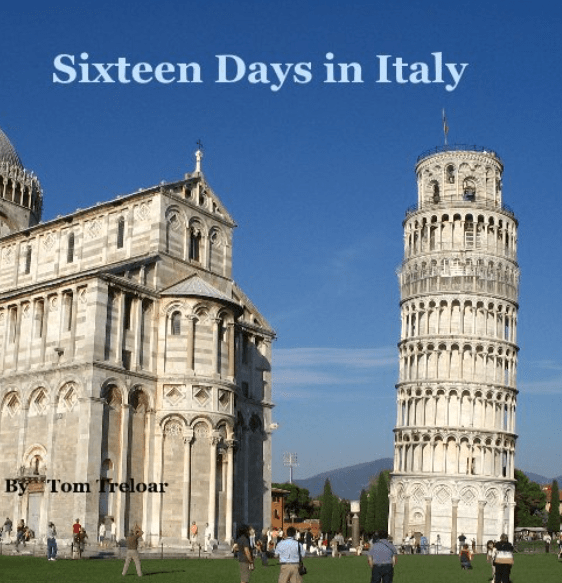
In 2007, my wife, Dee, and I embarked on a thrilling adventure, taking a sixteen-day journey to the beautiful country of Italy. We left Denver early in the morning, filled with excitement and anticipation, and after what felt like an eternity, we arrived in Milan, Italy, the following day. The long hours of flying and the time zone change, which cost us seven hours as we traveled east, made the experience all the more disorienting. I struggled to catch some sleep on the plane, as the hum of the engines and the flickering lights of the cabin kept me restless. By the time we touched down on Italian soil, we were utterly exhausted, the weariness settling into our bones. Despite our fatigue, the thrill of being in a new country coursed through us, setting the stage for an unforgettable adventure.

In the sixteen days we visited the typical tourist sites, immersing ourselves in the rich history and stunning architecture. However, in addition to the popular tourist traps, the tour company was small enough to tailor the trip to fit requests from the attendants, providing a personalized experience that is often missing in larger groups. If someone wanted to visit their home root city or town, he could easily adjust the trip to accommodate these requests, ensuring that each traveler had the opportunity to connect with their Italian heritage or explore unique locations that held personal significance. This flexibility gave us the chance to visit some off-the-beaten-path destinations, which not only allowed us to see lesser-known but equally captivating sights, but also provided us with a comprehensive perspective on typical life in Italy. Interacting with locals, enjoying authentic cuisine, and experiencing age-old traditions were truly the highlights of our journey, making this the best part of the trip. In contrast, during our visit in 1999, we had previously seen all the typical tourist sites, where we marveled at the iconic landmarks, but the experience felt more generic and less connected to the vibrant culture of the country.

Since I am a writer, I had to take the opportunity to write about this trip. It can be found here. SIXTEEN DAYS IN ITALY

Daily writing prompt
Share a story about the furthest you’ve ever traveled from home.

My Ideal Home: Nine Years of Bliss

This is what my ideal home looks like. We have moved here over nine years ago, and I have been so blessed to live in the home I have always dreamed of.

MY IDEAL HOME Link to short video of my ideal home.

Daily writing prompt
What does your ideal home look like?

Labor Day September 1st, 2025

Typically, Labor Day marks the unofficial end of summer, with people celebrating through parades, barbecues, and community events. Many businesses close, and it’s a major retail weekend with significant sales, rivaling Black Friday in some sectors. In 2025, expect widespread store discounts, especially on clothing, electronics, and home goods, with online and in-store deals starting as early as mid-August. Government offices, schools, and non-essential services like post offices and banks usually close, though some states may have partial operations.  

Labor Day in the United States is a federal holiday celebrated on the first Monday in September, which in 2025 will fall on September 1. It honors the contributions of workers to the nation’s economy and social fabric. Established in the late 19th century during the labor movement, it was first recognized as a federal holiday in 1894 under President Grover Cleveland, following significant labor strikes, notably the Pullman Strike. The holiday emerged as a way to acknowledge workers’ rights and the growing influence of labor unions.

Today, the holiday is more about leisure than activism, with 160 million Americans likely to travel or enjoy festivities. States like California and New York hold big parades, while others focus on local events or rallies for workers’ rights. What do you have planned for today?