Month: July 2025

The First Cup: A Morning Ritual

Audio Podcast

July 31, 2025, this morning started, like most, with the gentle sound of my coffee maker, my reliable friend in the quiet. Outside, the world was slowly waking up, with the sky showing soft peach and gray hues, but in my kitchen, the day had already begun with the promise of that first cup. There’s something special about it—a simple ritual that feels important.

I added the coffee grounds, to the filter. The smell filled the air even before brewing began, waking up my senses. As the machine made noise, I leaned on the counter, still half-asleep, feeling the excitement build. That first sip? It’s more than coffee. It’s a comforting moment, a warm hug in a mug, steadying me before the day begins.

Today, the coffee was perfect—not too bitter, not too weak. I took it black, savoring the way it coated my tongue with a subtle, earthy warmth. I stood by the window, mug in hand, watching a neighbor walk their dog. The world felt small and manageable in that moment, as if the steam rising from my cup carried away any lingering grogginess or doubt.

Social media buzzed with the usual mix of news and memes, but I barely glanced at my phone. The coffee demanded my full attention, a rare moment of mindfulness in a world that’s always shouting. I thought about how this simple act—brewing, pouring, sipping—connects me to millions of others who start their day the same way. It’s a universal language, a shared heartbeat of mornings everywhere.

The defining moment today was the quiet. No emails, no notifications, just me and the mug. I noticed the faint ring of coffee stains inside it, a testament to countless mornings before this one. It felt like a badge of consistency, proof that some things stay steady even as the world shifts.

As I drained the last drop, I felt ready—not just awake, but ready. The first cup isn’t just fuel; it’s a signal that I’m here, present, and capable of taking on whatever July 31, 2025, has in store. Tomorrow, I’ll do it again, chasing that same fleeting magic. Maybe I’ll try a new blend or add a splash of cream, but the ritual will hold steady—a small anchor in the ebb and flow of life. *

What’s your morning ritual? Does coffee start your day, or is there another moment that sets the tone?

Understanding the Essence of Love

Audio Podcast

This is one of the many thoughts that enters my mind, and I wonder “what is love?” Yes, I am happily married and have spent over 40 years with my wife Dee, sharing countless memories, laughter, and even challenges that have strengthened our bond. However, I wonder, just what exactly is love? Is it merely a word we use, or is it something deeper, an emotion that weaves through the fabric of our lives, connecting us in ways we often take for granted? As I reflect on the little moments, from our quiet evenings together to the adventures we’ve embarked on, I find myself contemplating the ever-evolving nature of love, the way it grows and transforms as we journey through life together.

The idea that you need to love yourself before you can love others suggests that self-love is a foundation for healthy relationships. This concept emphasizes that cultivating a positive relationship with yourself can significantly influence your interactions with others. It’s rooted in the belief that your relationship with yourself sets the tone for how you connect with others, shaping the way you express affection, set boundaries, and engage in communication. When you value and accept yourself, you are more likely to offer genuine kindness to those around you, fostering deeper emotional connections. Consequently, self-love not only enhances your well-being but also enables you to create nurturing environments where reciprocity thrives, ultimately leading to more fulfilling and harmonious relationships in your life.

The phrase “you need to love yourself before you can love others” highlights the importance of self-acceptance as a cornerstone for healthy, fulfilling relationships. While it’s not an absolute rule—since love is complex and can manifest in many ways—it underscores that self-love enhances your ability to give and receive love authentically. By valuing yourself, you create a stable foundation for empathy, respect, and mutual growth in relationships. However, self-love and love for others often develop together, each reinforcing the other in a dynamic cycle.

Religious groups say you should love your enemies, emphasizing the belief that love is a powerful force capable of transforming relationships and healing wounds. This teaching challenges individuals to rise above hatred and resentment, encouraging them to see the humanity in those who oppose or harm them. The act of loving one’s enemies not only fosters forgiveness but also promotes peace within communities, as it breaks the cycle of hatred and retaliation. By embracing this principle, believers can cultivate compassion, understanding, and respect, ultimately contributing to a more harmonious society.

This brings up another question. The definition of love. I asked the AI in my toolbox and this the definition.

Love is a complex, multifaceted emotion involving deep affection, attachment, or care for someone or something. It can manifest as romantic passion, familial bond, platonic friendship, or self-love, often accompanied by feelings of warmth, comfort, and commitment. Philosophically, love might be seen as an act of will, choosing to prioritize another’s well-being, while biologically, it’s tied to chemical processes like oxytocin release. Context shapes its expression—cultural norms, personal experiences, and intent all influence its meaning. No single definition captures it fully; it’s both universal and deeply subjective.

With all this information, I find myself still confused by the concept of love. Nevertheless, I have faith that my heart will lead me through each circumstance, determining whether what I feel qualifies as love or not. Love is a deep feeling of affection, care, or connection that varies by person and situation, guiding your heart to know what’s true in each moment.

Typical Day

Typical day for a man in their senior years. I arose at 7:15 in the morning, which is a bit later than usual, as I normally arise between 7 and 8 in the morning. However, that doesn’t mean I just awoke; I typically awake between 4:30 and 5:30 in the morning, allowing myself precious moments of solitude to meditate and reconcile my thoughts before the day begins. This quiet time helps me center myself and prepare for whatever lies ahead. After my meditation, I make it a point to get up by 7, feeling refreshed and ready to face the day. The first thing I do is take my dose of blood thinner medication with a full glass of water, which is crucial for maintaining my health. I adhere to this schedule diligently, taking my medication once in the morning and again at 7 in the evening, ensuring that I remain vigilant about my well-being as I navigate my senior years.

Every day is Saturday for me. No deadlines, no pressure, and I do anything I want to do for the day, whether it’s enjoying a leisurely breakfast with a steaming cup of coffee, diving into a good book that has been gathering dust or embarking on spontaneous adventures exploring the beauty of the outdoors. This freedom allows me to embrace creativity and indulge in blogging and hobbies I’ve always wanted to pursue. The possibilities are endless, and I relish in the joy of living life on my own terms, crafting each moment to be fulfilling and meaningful.

Daily writing prompt
Was today typical?

An Elder’s Blogging Adventure

“Hi! I’m Tom, an 83-year-old who’s found a second wind in blogging. I’m hooked on sharing stories from my life—everything from raising kids in the ’70s to my take on today’s world. I’m curious, a bit stubborn, and always ready to learn something new. When I’m not glued to my keyboard, I’m tending my flowers or spending time with my wife over breakfast, lunch, supper, or snacks.”

Daily writing prompt
How would you describe yourself to someone?

How a Near-Death Experience Shaped My Nickname

The story behind my nickname is a remarkable medical near-death experience that unfolded over two and one-half years ago. During that critical time, I found myself facing a gigantic blood clot situated between my lungs, a condition that not only posed a severe threat to my life but also led to an overwhelming array of emotions. After doing extensive research on this alarming diagnosis, I discovered that the survival rate for this particular illness was a staggering low of just 3 to 5%. It was a harsh reality to confront, but against all odds, I was fortunate enough to be among that small percentage of survivors. This experience profoundly shaped my perspective on life, instilling in me a sense of resilience and a deeper appreciation for each moment. The nickname of TomT2.0 I carry today serves as a reminder of my journey, the struggles I overcame, and the strength I found within myself during one of the most challenging times of my life.

After learning that my survival beat the odds of death, I found myself at a profound crossroads in my life. I began to think, “Is there some reason that I was given this bonus time on earth?” This question lingered in my mind, encouraging me to reflect on the purpose of my existence and the experiences that had shaped me. The only conclusion I could surmise was that perhaps I should share my experiences, thoughts, and feelings with anyone willing to listen or read. It was during this period of introspection that I reenergized my WordPress blogging site, changing my nickname to TomT2.0 to symbolize my renewed sense of purpose and identity. Since then, I have immersed myself in crafting narratives that reflect my journey, capturing the wisdom I’ve accumulated over the years. I am now getting close to posting 500 stories that detail my experiences throughout over eighty years of life, touching on everything from treasured memories to valuable lessons learned, as well as my candid comments about various topics that pique my interest. Each post is not just a story; it’s a testament to resilience and a celebration of the extraordinary aspects of an ordinary life.

Is this what I am supposed to do with this bonus time? I predict I will not know until my time on this earth is over.

Daily writing prompt
What’s the story behind your nickname?

Sleep, Diet, and Mindset Leads to a Healthy Lifestyle.

My strategy is to keep regular sleeping hours, as I believe that sufficient rest is crucial for maintaining overall health and mental clarity. I also make an effort to eat close to the same time every day, which helps regulate my metabolism and keeps my energy levels stable throughout the day. Alongside this, I am mindful of my daily carb intake, ensuring that I consume balanced meals that provide the right nutrients without excessive sugar. Additionally, I recognize the importance of physical activity in my routine and do need to get more exercise than I currently do; incorporating activities like walking, jogging, or yoga could greatly enhance my fitness and well-being in the long run.

Also, I try to stay away from anything that would make me feel guilty, as I believe that guilt can weigh heavily on one’s conscience and hinder personal growth. I find it essential to cultivate a mindset that prioritizes positivity and self-acceptance; therefore, I consciously choose activities and environments that uplift me and foster a sense of well-being. By avoiding situations that provoke guilt, I am better able to focus on my goals and maintain harmony within myself, ultimately leading to a more fulfilling and joyful life.

Visit my most popular feature Audio Podcasts

Daily writing prompt
What strategies do you use to maintain your health and well-being?

Cherishing Moments: Love and Memories Beyond Travel

I am over eighty, and although I have no travel plans at the moment, I find joy in the small things that life offers each day. While my friends share stories of distant lands and adventures, I appreciate the comfort of my home, filled with cherished memories and the love of my wife, family and friends.

Visit My Audio Page of Audio Podcasts (link) My most Popular feature.

Daily writing prompt
What are your future travel plans?

Reviving Family Values in Modern Society

If I had a magic wand, I would change modern society to being more family oriented, where the values of togetherness and nurturing are at the forefront. To me, it appears that more and more young people are opting not to get married and are forgoing the idea of creating families of their own. This shift is particularly concerning as the tradition of family living, which once served as the cornerstone of our communities, seems to be disappearing in this society. I hear more and more young women stating that they do not want to have children, expressing their desire for independence and career advancement over traditional familial roles. What happened to the maternal instincts that were once so prevalent is beyond me; it feels as if we are losing something fundamental. The joys of family life, the bonds that are formed, and the lessons passed down through generations are at risk of being forgotten. It is vital that we address these changes and encourage a culture that cherishes and supports the family unit, allowing future generations to experience the love and security that comes from being part of a family.

I am meeting more women beyond childbearing age that are single and childless, with no immediate ties to any kind of family structure. Many of them seem to embrace their independence, pursuing careers, traveling, and engaging in hobbies that enrich their lives. However, a lingering thought crosses my mind: I wonder when these women age and find themselves in need of dependent care, who will they turn to for support and companionship? In a society that often prioritizes family units, it raises the question of what safety nets exist for those who may not have children or close relatives to rely on. Will community resources step in to fill the gaps, or will there be a growing sense of isolation among this demographic? It’s a critical consideration as we reflect on the societal structures that provide care and connection in later life, aiming to ensure that no one faces this stage alone.

If I ever receive my magic wand that is what I would change about modern society


Visit My Most Popular feature of Audio Podcasts (link)

Daily writing prompt
What would you change about modern society?

Why I Love Blogging

Audio PODCAST

Here are some reasons why I enjoy blogging.

Blogging lets me expand my thoughts, ideas, and personality into words, giving me a creative outlet to share stories or perspectives in my unique voice. This platform serves not only as a medium for self-expression but also as a canvas where I can explore new concepts, engage with diverse topics, and connect with others who resonate with my experiences. Through the written word, I am able to reflect on my journey, articulate my passion, and inspire readers by weaving narratives that encapsulate both my struggles and triumphs. By sharing these reflections, I foster a sense of community, inviting others to join in the conversation and contribute their own insights, ultimately enriching the dialogue and broadening the perspectives presented.

Blogging allows me to inspire or inform others about a wide range of subjects. My theme is “Comments About Anything,” which gives me the freedom to explore diverse topics without restriction. You never know what area I will focus on in my blogging, whether it be insightful commentary on current events, tips for personal growth, or reflections on everyday life. This unpredictability keeps both me and my readers engaged, as each post presents a new opportunity for discovery and discussion. I aim to spark curiosity and provoke thought, connecting with my audience through my unique perspective on various issues and experiences that resonate with us all.

Writing regularly helps me reflect on my experiences, which can be deeply satisfying. Each time my fingers to the keyboard, I am reminded of the lessons I’ve learned and the emotions I’ve felt. What I have experienced may help someone in the future to make a wise decision, providing them with insights to navigate their own journey. These reflections not only offer clarity to my thoughts but also create a record of my growth and understanding over time. By sharing my stories and insights, I hope to inspire others, allowing them to glean wisdom from my challenges and triumphs, and encouraging them to embrace their own unique paths with confidence.

Blogging can be a therapeutic way for me to process emotions, vent frustrations, and document my life’s journey. Through writing, I can articulate my thoughts and feelings that often feel overwhelming when kept inside. Each post becomes not just a reflection of my current state but also a means of exploring the complexities of my experiences and the lessons I’ve learned along the way. In sharing my stories, I foster a sense of connection with others who may resonate with my struggles or triumphs, and this sense of community further enhances the healing process. It allows me to look back and see how far I’ve come, reminding me of the resilience I possess and the beauty that exists even in challenging times.

Blogging often inspires me to research new topics, or experiment with tools like SEO or design, which can be intellectually stimulating. Each post can open up a world of new ideas and insights, pushing me to delve deeper into various subjects. I am very interested in artificial intelligence (AI) and yes, AI is now in my toolbox. This technology fascinates me with its potential to revolutionize industries, streamline processes, and enhance creativity in ways we are just beginning to explore. The more I learn about AI, the more I am eager to integrate it into my blogging practice, using it to optimize content and engage my audience in innovative ways.

Finally, it keeps my mind active, and I find myself spending many hours blogging in my retirement years, which has become one of my greatest passions. I enjoy exploring various topics, sharing my thoughts and experiences, and connecting with others through the written word. Each post is a chance to dive deep into subjects I love, allowing me to express my creativity and indulge in my love for storytelling. I just love blogging, as it not only offers me a platform to reflect on my life but also fosters a sense of community and belonging with fellow writers and readers.

Selfishness and Self-Care

Audio PODCAST

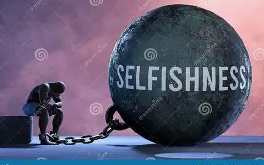
Selfishness is like that friend who always insists on sitting in the front seat without considering who else is in the car; it’s all about prioritizing your own needs and wants as if you’re the star of a one-person show. Sure, self-preservation is a human instinct, but sometimes it goes overboard, like wearing sunglasses at night and completely ignoring the people around you. From friendships to the office, selfishness sneaks in like a cat on a countertop, leading to a dramatic decrease in empathy. When everyone is busy chasing their own fun, it’s like accidentally stepping on each other’s toes while doing the cha-cha, resulting in a chaotic dance of tension and conflict. It’s great to treat yourself like a VIP, but getting too caught up in your own circus can really turn the whole community into a three-ring disaster!

Selfishness is like that pesky cousin of self-interest that we all invite to the survival party, right? Sure, it keeps us mentally and physically sprightly, but when it starts hoarding snacks or pulling mind tricks like a magician gone rogue, it can really throw a wrench in relationships and teamwork—trust and good communication start to vanish faster than free pizza! Honestly, this kind of behavior doesn’t just ruin the fun for the people involved; it’s like a bad movie that’s creating a sequel of societal chaos, where competition smothers cooperation. Usually, fear, insecurity, or that moment when you realize you’ve run out of snacks pushes folks to act all selfish y, trying to shield their precious little selves. Some folks think it’s a smart move in competitive games, but spoiler alert—it can leave you feeling like a lone wolf who forgot to pack a picnic! That’s why we really need to strike a humorous balance between looking out for number one and spreading a little love to the rest of the pack.

Altruism is like that friend who always insists on paying for dinner but secretly hopes you’ll offer dessert in return – it’s all about putting others first, but let’s be honest, it feels pretty good to feel like a superhero, right? While most of us have the best intentions (like Mother Teresa on a sugar high), it’s tough to sort out the genuine selflessness from the warm fuzzy feelings that come with it. Philosophers like Ayn Rand argued that rational selfishness is basically a cheat sheet for success and progress, suggesting that pursuing our own bliss while helping others is the ultimate life hack. She believed that doing what benefits us could actually spark more innovation than a caffeine-fueled brainstorming session. Of course, some critics think that this whole individualism gig could turn us into hermits more concerned about our Netflix queues than our neighbors, warning that we might trade community hugs for personal trophies. The real challenge here? Finding that sweet spot where our dreams can coexist with the warm and fuzzy connections that keep us from turning into a society of self-absorbed cats.

Context is key—being a bit selfish in a crisis (like diving for the last lifeboat) is a whole different ball game compared to your average day when you might just ignore a friend’s plaintive cries for help with their math homework. When survival is on the line, it’s like your inner caveman takes over, and you might just tackle someone for that last slice of pizza. These situations highlight the wild rollercoaster of human behavior and that pesky survival instinct, which can sometimes kick social norms right in the shins. Most folks’ juggle self-interest and altruism like a circus act, influenced by everything from their upbringing to the latest trends on social media. Our backgrounds shape our crisis-mode responses versus our everyday antics; for instance, someone raised in a collectivist culture might prioritize the group’s well-being over their own, even if it means giving up dessert. Individual experiences also play a starring role in our decision-making, proving that selfishness and selflessness are basically dancing a tango, always dependent on the situation.

A reader may wonder how I came up with this topic. Recently a friend of mine said, “don’t be so selfish,” which struck a chord and made me reflect deeply on the nature of my actions. This made me think, “what is selfishness?” I went to my AI assistant and asked it to explain selfishness. After carefully analyzing the response and considering various perspectives on egoism and altruism, I realized there are many shades to this concept that I hadn’t fully appreciated before. I thought I would share these insights with others who might benefit from them. In conclusion, I am just going to continue being myself, embracing my uniqueness and flaws. I am not going to try to change but rather remain open to growth while accepting who I am at my core.

The Gift and Burden of an Intuitive Internal Clock

My internal clock is unyielding, a constant mechanism that never misses a beat. While others depend on watches or phone alarms, my body and mind are tuned to an instinctive sense of time, as if a cosmic metronome is keeping me aligned with the universe. A steady awareness that remains, even in the quietest nights.

This heightened sense of time shapes my life in both meaningful and strange ways, helping me to experience moments more fully than usual. This perspective not only affects my everyday decisions but also deepens my relationships, encouraging me to cherish each interaction and notice the details around me. Consequently, I move through life with a purpose, recognizing that every moment is a precious gift, both delicate and full of possibilities. My near-death experience two and a half years ago made me more aware that every moment is a precious gift.

Yet, this gift comes with drawbacks. There’s no escaping time. it never slows down. I’m constantly reminded of time’s steady march, pushing me to make the most of each moment. Unlike others who chase time, I feel trapped by it, always in sync with its relentless flow. My biological clock never takes a break, tied to the invisible rhythm that controls us all.

Daily writing prompt
Which activities make you lose track of time?

When Software Stops Working: A User’s Frustration

When software suddenly stops behaving as expected—taps into a universal annoyance for anyone who relies on technology. It’s the jarring shift from smooth functionality to unexpected failure that can feel like a betrayal, especially when you’ve come to depend on a tool for work, creativity, or daily tasks.

A prime example of this happened yesterday with WordPress’s AI assistant. I reported it around noon. It was a challenge to finally get a chat with a human instead of AI. The human said they do not know of any issue with AI assistant and asked where my issue was. After the human went to my site and found out there was an issue the human said the team will start working on it. Finally, about 6 hours later the AI assistant was back up and running. It is kind of disturbing on how dependent you become using these newfound tools you can put in your toolbox.

Daily writing prompt
What bothers you and why?

The Certainties of Life: Facing Death and Aging

  • 1 Death. Everyone will experience this.
  • 2 I get hungry. Food is one of the necessities to continue life.
  • 3 I need oxygen to live. Another necessity of life
  • 4 I feel pain. An 11-millimeter kidney stone is pain.
  • 5 I am aging. Every morning when I wake up I my body tells me this fact.
  • 6 I am just a speck in this gigantic universe. I am just a mere mortal, nothing great to be remembered by.
  • 7 Earth is not a friendly place. Weather, earthquakes, fires, starvation, just to name a few. Hate and anger with unlimited numbers of wars has happened through the history of mankind.
  • 8 I have been very fortunate. Looking back on my eighty plus years I have been very fortunate compared to the pain and suffering experienced in this world.
  • 9 I will be missed. I have many family and friends that will miss me. I heard somewhere that you die twice. First, when your spirit leaves your body and then when people don’t talk or remember you.
  • 10 The world will continue. Once my time on earth is over, the world will continue.

Daily writing prompt
List 10 things you know to be absolutely certain.

Time and Civilization Beyond Earth

Audio PODCAST

I have many hours of thinking about many things, often losing track of time as my mind wanders through endless possibilities and questions. I forget when this thought first came to me, but it has lingered like a whisper in the back of my mind, urging me to explore its depths. I thought, “In this gigantic universe, with its countless stars and swirling galaxies, there might be an advanced civilization existing somewhere among the vastness, capable of feats beyond our imagination. Earth, in all its beauty and complexity, is just a tiny speck in this gigantic universe, a fragile oasis in a world that may be teeming with life, intelligence, and cultures we’ve yet to comprehend.” The enormity of this idea fills me with both awe and a sense of wonder, making me think about the nature of existence and our place within such an unfathomable expanse.

What if time on this earth is just penance or punishment from this advanced civilization for doing something that has long been a topic of discussion in their sophisticated circles? Perhaps the notion of mortality is simply a veil placed over individuals who have transgressed deeply ingrained laws. “You are sentenced to 85 years on planet earth for disobeying regulations against the civilization of Eternity,” might echo through the minds of those who question their existence, a haunting reminder of a destiny shaped by the decisions of a society much more advanced than our own. In a realm where time is seen as both a gift and a curse, could it be that our very lives are crafted experiences, meticulously designed to elicit growth and understanding? Instead of mere punishment, is it possible that this designed life serves as a transformative journey, compelling us to confront our faults and aspire to enlightenment, ultimately striving to earn our way back to that higher civilization?

One must admit that this planet is not a friendly place. There is bad weather, disease, and illness that seem to plague various regions, impacting lives and livelihoods. Since the beginning of time, humans have been at war with each other, leading to suffering and loss that echo through generations. It appears that war and death are embedded deep within our DNA, almost as if they are integral parts of the human experience. Hatred and anger permeate societies and cultures around the globe, reflecting a profound discord among people. This pervasive animosity is often spurred by various factors, including but not limited to, religious differences, racial tensions, economic disparities, and a multitude of other reasons that foster division and hate. In a world where empathy and understanding often take a backseat, it becomes increasingly challenging to envision a future where peace prevails over conflict.

I think many times about time on this earth. I was born and raised in a Christian environment and still practice this faith, which has been a cornerstone of my identity. This upbringing instilled in me the belief that the teachings of my faith hold all the answers and provide a solid reason for our existence and the very concept of time on this earth. However, as I delve deeper into the complexities of life and observe the diverse perspectives around me, I find that these answers often feel insufficient. Despite the comfort that my faith provides, I am left with lingering questions that echo in my mind, and I am still left wondering about the true nature of time here—its purpose and how it intertwines with our lives, our choices, and our destinies.

Will I ever find or feel comfortable with the facts before I report to the civilization of Eternity? I kind of doubt it, as the unknown seems to shroud my existence like a thick fog that never lifts. The time of not knowing is just part of the time on earth, a mundane phase I must navigate amidst the chaos of life. Each unanswered question lingers in my mind, creating a tapestry of uncertainty that weaves itself into my daily routine. Perhaps this discomfort is a necessary precursor to a deeper understanding of the universe and my place within it, a reminder that not all truths are meant to be grasped readily. As I ponder these thoughts, I realize that the search for clarity may be as essential as the clarity itself, shaping my journey in ways I have yet to comprehend.

Nikola Tesla: The Pioneer of AC Electrical Systems

Audio PODCAST

Nikola Tesla July 10 (1856–1943) was a Serbian American inventor, electrical engineer, and futurist, best known for his pioneering work in developing alternating current (AC) electrical systems, which became the standard for modern electricity transmission and distribution. His innovative contributions laid the groundwork for numerous technological advancements, shaping the way we harness and utilize electrical energy today. Tesla reportedly had an eidetic memory and spoke eight languages fluently, showcasing his exceptional intellectual capabilities and linguistic skills that allowed him to communicate and collaborate with a diverse range of people worldwide. Often seen as a visionary, Tesla was known for eccentric habits, like his aversion to touching hair and obsession with the number three, habits that highlighted his unique personality and unconventional thinking. He would often go to great lengths to avoid certain stimuli, believing that these quirks were essential to his creative process, further establishing his reputation as a brilliant yet enigmatic figure in the annals of science and technology.

Born on July 10, 1856, in Smiljan, Croatia. Died January 7, 1943, in New York City, USA. –

Studied engineering at the Austrian Polytechnic in Graz and briefly at the University of Prague, though he did not complete a degree. During his time at these esteemed institutions, he was exposed to a variety of innovative concepts and technologies that piqued his interest in the field. He engaged in numerous projects and collaborative efforts with fellow students, which helped him develop a strong foundational knowledge despite not finishing his formal education. His experiences in Graz and Prague allowed him to cultivate valuable skills and connections that would later influence his career trajectory, ultimately shaping his approach to engineering challenges throughout his life.

Tesla’s development of alternating current technology, including the AC motor and transformer, not only revolutionized electrical power systems but also paved the way for modern electrical engineering. His innovative work significantly enhanced the efficiency of power distribution, leading to the widespread adoption of AC over Thomas Edison’s direct current (DC) for power systems across cities and industries. Tesla initially worked briefly for Thomas Edison, where he was exposed to the nascent field of electrical energy, but parted ways due to fundamental disagreements regarding the advantages and viability of AC versus DC systems. Their rivalry, famously known as the “War of the Currents,” became a defining moment in the history of electricity, culminating in the eventual dominance of AC after its successful implementation at the 1893 World’s Columbian Exposition, where a spectacular display of electric lighting showcased the potential of Tesla’s inventions to a captivated audience, forever changing the way electricity would be harnessed and utilized around the globe.

Tesla explored wireless communication and power transmission, envisioning a groundbreaking global system for transmitting electricity without wires that would revolutionize the way energy is distributed and consumed. His ambitious Wardenclyffe Tower project aimed to achieve this transformative vision by utilizing the Earth’s natural conductive properties, allowing for the seamless transfer of electricity across vast distances. However, despite the immense potential of his ideas and the initial excitement surrounding the project, it was ultimately never completed due to various financial issues and challenges in securing the necessary funding. The dream of a world interconnected by wireless energy remains a testament to Tesla’s innovative spirit and unyielding quest to push the boundaries of science and technology, leaving a lasting legacy that continues to inspire future generations.

Tesla held over 300 patents, including innovative designs for turbines, fluorescent lighting, remote control, and early X-ray imaging, showcasing his remarkable versatility and creativity as an inventor. His groundbreaking work laid the foundation for modern electrical engineering and significantly advanced various fields of technology, influencing countless inventions and applications that we rely on today. The principles he developed have paved the way for the efficient generation and transmission of electricity, as well as revolutionizing how we utilize energy in our daily lives. Tesla’s legacy as a scientific pioneer continues to inspire future generations of engineers and inventors dedicated to exploring and expanding the horizons of technology.

Tesla lived modestly in his later years, often in hotels, and struggled financially despite his genius. His extraordinary intellect and pioneering contributions to electrical engineering, however, did not translate into financial success, as he frequently found himself at odds with the commercial aspects of his inventions. He focused on ambitious but unrealized projects, such as wireless energy transmission and the development of a global communication system, which captivated his imagination but remained incomplete due to a lack of funding and support. In addition to these challenges, Tesla suffered from mental health challenges that complicated his ability to connect with others and secure partnerships. He often battled feelings of isolation, as his visionary ideas were frequently regarded as eccentric or impractical by his contemporaries. These factors combined to overshadow his remarkable legacy, leaving him to navigate a world that failed to recognize his revolutionary contributions during his lifetime.

He is celebrated as a visionary and is not given enough credit for the development of electric products we so enjoy today, including the intricate devices that have revolutionized our daily lives, such as smartphones, laptops, and smart home technology. His innovative ideas and groundbreaking contributions have paved the way for modern conveniences that enhance communication, entertainment, and productivity. Moreover, his relentless pursuit of excellence and commitment to advancing electric innovation have sparked an entire industry focused on creating sustainable and efficient energy solutions, ultimately benefiting future generations.

Immigration Policies Across the World

Paperback link to Amazon

Kindle link to Amazon

The U.S. immigration situation in 2025 is complicated and divisive, influenced by changing policies, border issues, and economic factors. Many were allowed to stay in the country while they wait for immigration hearings, which can take years because of court backlogs.
The immigration issue prompted me to take the problem seriously and explore it thoroughly by turning to various AI tools in my toolbox. I utilized Grok, Copilot, and Gemini for this purpose, each offering unique insights. I asked a common but crucial question across these platforms: “If I permanently wanted to immigrate to (country), what would I have to do? Additionally, do they have any assistance programs available for newcomers?” It’s important to note that there have been comments in various forums suggesting that different AI platforms may present biased perspectives and generate answers based on the leanings of the platform originators. This potential bias is precisely why I opted to consult multiple platforms; by doing so, I aimed to gather a more comprehensive view and ensure that I wasn’t missing out on any vital information that could facilitate my immigration journey.


Paperback USD $6.99

Kindle edition, Thru July 11 $0.00, $2.99 after

How Do You Want to Die?

Audio PODCAST

When you are young, you don’t think much of dying; in fact, you tend to think of yourself as immortal, viewing death as a distant concept, almost like something that happens only to others. As you become older, however, the perception shifts dramatically. You start to grapple with the reality of mortality, reflecting on loved ones who have passed and the inevitability of your own departure. This shift in thinking can be unsettling, prompting deeper contemplation about life itself, the choices you’ve made, and the legacy you wish to leave behind. The once distant specter of death gradually becomes a more immediate concern, shaping not just your fears, but also your aspirations and values in profound ways.

I am over eighty, and I am thinking more about death than when I was younger. My parents passed away when they were both seventy-five, a stark reminder of the fragility of life, and their health problems started to appear in their late sixties, foreshadowing an inevitable decline that I have witnessed. Close to three years ago, I had a near-death experience, which profoundly changed my perspective on life and mortality; it was a moment that forced me to confront my fears and contemplate what it means to truly live. Now, I am savoring every precious moment of this bonus time on this earth, appreciating the beauty of each sunrise, the laughter shared with loved ones, and the simple joys that life offers. I find myself reflecting on the memories of those I have lost; while also embracing the new relationships I have forged along the way, understanding that life is a precious gift that should never be taken for granted.

My mother was afflicted with bone cancer and bravely battled this disease for more than five years, demonstrating a strength that inspired everyone around her. After extensive treatments, which included the removal of the cancer alongside many difficult sessions of chemotherapy and radiation, we were overjoyed when the demon went into remission. For a period of four to five years, we held onto hope, cherishing every day as a blessing and celebrating the moments when she seemed to regain her health. However, the shadow of the illness returned with a vengeance, as the demon came back very aggressively, catching us off guard. It migrated to other parts of her body, relentlessly spreading and undermining her strength until it finally took her from us. Her death was slow and very painful, a heartbreaking process that left a profound mark on our family and a reminder of the cruel nature of illness.

My father was visiting California and he was scheduled to start driving home in the morning, excited to return to his familiar surroundings. He called me the next morning, his voice tinged with discomfort as he said he had an upset stomach and was going to wait another day before he started to drive home. Concerned, I suggested he take it easy and perhaps see a doctor if he didn’t feel better soon. That evening, his niece called, sharing the news that she had gone to get some take out for dinner. When she returned, my father was found on the floor, lifeless and still. It turned out he was having a heart attack and didn’t even know it – a silent, deadly intruder that took him without warning. That major mistake of ignoring his discomfort and not seeking help cost him his life, leaving a void in our hearts that would be felt for years to come.

Recently, my friend had multiple heart bypass surgery, a significant procedure that can have a profound impact on one’s life. He is in his mid-seventies, a time when health becomes increasingly fragile and precious. How long will this surgery extend his life? Only time will tell, and the uncertainty of that answer weighs heavily on both his mind and the hearts of those who care for him. Will this life-saving surgery expose him to a more painful and slow death, potentially leading him down a path filled with complications? This surgery may save him from heart failure, allowing him to experience more time with loved ones, yet it brings with it concerns about the possibility of battling another illness, such as cancer. The reality is sobering: cancer and heart disease are the biggest killers in the US, creating an overwhelming sense of vulnerability. Each day post-surgery is a delicate balance between hope and worry, as we eagerly anticipated his recovery while grappling with the harsh realities of health in our later years.

A couple of years ago, another friend of mine was out in the brisk winter air, running his snow-blower to clear the driveway and make way for vehicles. He was a hardworking individual, dedicated to ensuring everything was in order, but tragically, he suddenly fell over dead from an aortic aneurysm. The shock came swiftly, as it happened without any warning. His wife, who had been inside the warm house preparing a hot drink, grew concerned when she didn’t see him come in after some time. She then ventured outside, only to discover him laying motionless on the ground in the snow, a scene that would forever haunt her. It was a heartbreaking moment, filled with disbelief and sorrow, reminding us all of life’s fragile nature.

My wife’s mother was in her nineties, a remarkable age for anyone to reach, yet in her last year, her health had deteriorated significantly to the point that she could no longer walk and had lost all control of her bodily functions, which was deeply distressing for the entire family. Despite this decline, medical authorities reassured us that her heart and lungs sounded good, indicating that there were still vital signs of life, but it left us wondering about the quality of her existence. Why did she have to experience that sorry state of being? It was heart-wrenching to see a once vibrant individual reduced to such a condition, and the quality of life had taken a bad turn for her, leaving us to grapple with feelings of helplessness as we navigated through the complexities of aging and the eventual fragility of life.

These are just a few examples of death and suffering that I have experienced in my life. Death is a part of life, a natural cycle that eventually claims us all. All of us must someday face the inevitability of this event, each in our own way and at our own time. The experiences I have witnessed have shaped my understanding of mortality and the fleeting nature of existence. Even now that I am closer to the event, I still can’t answer the question, How do I want to die? This uncertainty prompts me to reflect deeply on my life and the legacy I wish to leave behind, worrying about the impact of my departure on those I love and how they will carry on without me. It is a thought-provoking and haunting consideration that lingers in my mind, intertwining with the hopes and fears I have for the future.


This blog was originally posted on WordPress January 28, 2011. Out of curiosity, I thought to take the same story and have AI enhance it. Here is the link to the original post. https://tomt2.com/2011/01/28/how-do-you-want-to-die/

What are your thoughts on the old post versus the new post?

Independence Day

Independence Day: Celebrating the Fourth of July** Every July 4th, Americans celebrate Independence Day, a federal holiday that marks the adoption of the Declaration of Independence in 1776. This important document, mainly written by Thomas Jefferson, declared the 13 American colonies’ break from British rule, establishing the United States as an independent nation. The Fourth of July is a lively celebration of freedom, unity, and national pride.

The holiday is marked by festive traditions. Fireworks light up the night sky, representing the “bombs bursting in air” from the national anthem, “The Star-Spangled Banner.” Communities across the country host parades with marching bands, floats, and patriotic displays. Backyard barbecues and picnics bring families and friends together with classic American food like burgers, hot dogs, and apple pie. Red, white, and blue decorations decorate homes, streets, and public places, showing the nation’s colors.

Independence Day also invites reflection on the values of liberty and equality enshrined in the Declaration. While the holiday celebrates the birth of a nation, it’s essential to recognize that it is also a moment to honor the sacrifices of those who fought for freedom, justice, and the rights we often take for granted. This includes the brave men and women who sacrificed their lives on the battlefield and those who used their voices and actions to advocate for equality and human rights. As we gather with friends and family to enjoy the festivities, let us not only partake in the celebrations but also take time to consider the ongoing journey toward a more inclusive society where every individual, regardless of their background, can experience the true meaning of freedom. All Americans should remember this day, reflect on the lessons of our past, and acknowledge the freedoms and privileges we enjoy from this great country, striving to ensure that future generations inherit a nation that continues to uphold and expand these cherished ideals for all.

From Secrets to Cosmic Truths

The sun set over Lake Granby, turning the water golden. Barb was swimming when she touched something smooth underwater. She dove down and found a corked glass bottle, old and worn. Inside was a rolled-up piece of paper. On the shore, she opened it and read: “Barb, your mother’s secret is in the Hollow Oak, three nights from now. Trust the raven.”

The words hit her hard. Her mother, gone for ten years, had left behind mysterious stories that Barb never grasped. It scared her to think that no one knew she was here today. The Hollow Oak, an old tree in the nearby forest, was somewhere she’d steered clear of since she was a child, its shadow making her uneasy. A raven cawed above, its dark eyes shining.

Determined, Barb set out at dusk three nights later, following the raven’s shadow through the woods. She arrived at the Hollow Oak, where a carved box contained her mother’s locket with an engraved map. The raven landed and pointed her to a path that led to an old cabin. There, journals showed her mother was a cryptographer hiding a key to a lost artifact that could reveal universal truths.

Barb felt nervous. The journals suggested a secret society was searching for the artifact. With the raven guiding her, she set out to find it first and uncover her mother’s past. Each step took her further into a world of puzzles and threats, with her mother’s locket as a protective charm. The lake’s message had started an adventure that would change her past and future.

The secret society searching for the artifact that Barb’s mother hid, called the Order of the Saffron Veil, was a mysterious group with roots stretching back centuries. Barb’s mother’s journals, discovered in the cabin, showed that the Order was made up of scholars, mystics, and powerful elites eager to control knowledge about the universe. The artifact, known as the Oculus Veritas, was said to provide its owner with understanding of cosmic truths, including the nature of existence and time manipulation. The Order thought it was their right to possess it.

Barb discovered that the Order worked in groups, each led by a “Veiled Warden” wearing saffron cloaks and a sigil of a raven with an eye. The journals talked about their strange rituals held under dark skies, where members chanted in an old language, hoping to see visions of the Oculus. Her mother, who had once been part of the Order, betrayed them by stealing the map to the relic’s location, which led to her death, disguised as an accident.

As Barb followed the map, she felt the Order’s presence growing. A cloaked figure watched her in a market, quietly calling her name. A raven—her guide—scattered them, but not before she saw their symbol. The journals warned of their reach: informants everywhere, secret messages, and good surveillance. Barb’s journey became a game of strategy. She used her mother’s codes to stay ahead, finding safehouses and rogue ex-members who taught her how to avoid the Order’s traps.

The trail led to a forgotten temple, where the Oculus lay hidden. Barb faced a choice: destroy it or wield its power, knowing the Order closed in, their saffron banners flickering in the night.

What choice would you make?

Beat the Summer Heat

Audio PODCAST

Summer’s scorching heat is like that overly enthusiastic relative who shows up uninvited—joyful yet challenging! While the sun’s golden rays are begging you to hit the beach, fire up the barbecue, and lounge like a professional napper, you must remember that staying cool and safe is essential to fully enjoy this sizzling season. So, how do you navigate this sauna we call summer without melting? First and foremost, hydration should be your new best friend. Chug that H2O like it’s a marathon! Aim for eight glasses a day but bump it up if you’re sweating like a popsicle in a heatwave. Sprinkle in some electrolyte-rich drinks, like coconut water, for that refreshing “I’m on a tropical vacation” vibe. And seriously, ditch the sugary sodas and heavy caffeine—they’re basically the party crashers of your hydration game. Always tote around a reusable water bottle, preferably decked out with a zesty slice of lemon, because who said staying hydrated can’t be gourmet?

Dress like you’re ready for a sizzling summer showdown! Opt for lightweight, breathable fabrics like cotton or linen; think of loose cuts that let air flow and keep you cooler than a popsicle at a beach party. Go for light colors to reflect sunlight – after all, who wants to be a walking sun magnet? Complete your look with a wide-brimmed hat that makes you look like you’re about to announce the weather, paired with UV-blocking sunglasses that scream, “I’m too cool for sunburns!” And please, don’t skimp on sunscreen—smother on that broad-spectrum SPF 30 or higher like it’s frosting on a cake, and remember to reapply every two hours, or risk turning into a lobster!

Beat the heat with a splash of creativity! When the sun is acting like it’s auditioning for a villain role from a superhero movie (2-4 p.m., we’re looking at you), hightail it to air-conditioned cafes where the coffee is hot, but the air is cool! At home, shut those blinds like you’re hiding from an ex and let the fans do their thing to stir up a breeze. If things get too toasty, a cold foot soak or a damp towel on your neck can feel like a spa day gone right. Plan your outdoor shenanigans for early morning or late evening when the sun is too sleepy to bother you. Remember to eat light and fresh—salads, grilled veggies, or water-rich fruits like watermelon and oranges! Grilling not only keeps the kitchen cool but also adds a deliciously smoky flavor that screams summer without so much as raising a sweat!

Be vigilant for signs of heat exhaustion—dizziness, nausea, or excessive sweating. Should these symptoms manifest, it is imperative to relocate to a cool environment immediately, and to hydrate with water or an electrolyte-replenishing beverage while taking sufficient time to rest. Prolonged exposure to elevated temperatures can result in severe health complications; thus, maintaining vigilance and taking proactive measures is critical. Furthermore, wearing lightweight, breathable fabrics and taking regular breaks in shaded locations can substantially mitigate your risk. By adhering to these guidelines, you will not only endure the summer heat but also engage safely in various outdoor pursuits, fostering memorable experiences with friends and family while prioritizing health and safety.

Remember, summer is like a good hair day—fleeting and full of sunshine, and before you know it, you’ll be swearing at your thermostat while your snow boots stage a dramatic comeback!

America’s $36 Trillion Debt Crisis

Daily writing prompt
What are you most worried about for the future?

I am concerned about the national debt. The national debt is over 36 trillion dollars, a staggering figure that reflects the immense financial obligations our government has accumulated over the years. This ever-growing debt raises questions about fiscal responsibility, economic stability, and the impact it will have on future generations. As interest on this debt continues to compound, it puts increased pressure on taxpayers and may limit funding for essential services such as education, healthcare, and infrastructure. It is crucial for policymakers to address this issue comprehensively, creating sustainable solutions to reduce the national debt while promoting economic growth and stability.

Interest payments on the debt now exceed Medicare and defense spending, reaching a staggering $233.06 billion annually as of May 2025. This alarming trend highlights the growing financial burden that the government faces as interest obligations consume an increasing portion of the federal budget. As these payments rise, there are substantial implications for funding essential programs, such as healthcare and national security, which have historically received significant allocations. Furthermore, as interest rates fluctuate due to economic conditions, the pressure on the budget is expected to intensify, leading to a potential reevaluation of fiscal priorities and spending strategies in the coming years.

The Penn Wharton Budget Model estimates that the U.S. has about 20 years before debt becomes unsustainable under current policies, risking default or inflation if not addressed. This projection highlights the critical need for policymakers to take proactive measures to manage the national debt effectively. If left unregulated, the mounting debt could lead to severe economic repercussions, including increased borrowing costs and diminished investor confidence. Furthermore, such unsustainable fiscal practices could ultimately erode public services and hinder future economic growth, creating a cycle of financial instability that would be difficult to reverse. As such, it is imperative that a comprehensive plan is developed to ensure long-term fiscal health and economic resilience.

The last time the U.S. federal government had a balanced budget, where revenues matched or surpassed expenditures, was in fiscal year 2001. This was an important moment in the country’s financial history, showing good fiscal management. The balanced budget in 2001 was due to strong tax revenues and careful budgeting practices, setting a standard for future leaders who want to manage finances responsibly amid competing priorities and the complexities of budgeting.

It has been over 20 years since the US had a balanced budget or surplus, a troubling reality that reflects the persistent economic challenges faced by the nation. This situation can largely be attributed to the fault of incompetent elected officials who prioritize short-term gains over long-term stability and fiscal responsibility. As government spending continues to outpace revenue generation, the implications of this negligence become increasingly severe for ordinary citizens. The future of our children is being taken away if the direction of the country does not change dramatically; without proactive measures to address our financial woes, we risk leaving subsequent generations with a crushing debt burden and diminished opportunities. It is imperative that we demand accountability from our leaders and advocate for policies that foster sustainable economic growth and responsible governance.