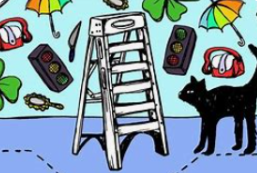
Am I superstitious? Well, let’s see.
Knocking on Wood: People still say “knock on wood” to ward off jinxing themselves after mentioning good fortune—like hoping a job interview goes well. It’s rooted in ancient beliefs about spirits living in trees, but today it’s more of a casual reflex. You’ll hear it in offices, homes, even on podcasts. On occasion I have been known to knock on wood.
Friday the 13th: This remains a big one. Some avoid major decisions or travel on this day, fearing bad luck. It’s tied to the number 13’s ominous rep (think elevators skipping the 13th floor in buildings) and Friday’s association with misfortune in Christian lore. Horror movies keep it alive—Jason Voorhees still haunts the collective psyche. I have thought about this, but I never changed anything because of that date. My oldest son was born on Friday the 13th and that was not bad luck
Crossing Fingers: Wishing for luck by crossing your fingers is everywhere—before tests, games, or even lottery ticket scratches. It’s a holdover from early Christian gestures for divine favor, now secularized into a quick “hope this works” move. I am guilty of this.
Black Cats: Crossing paths with a black cat still spooks some, especially around Halloween. Shelters report lower adoption rates for them because of the lingering “bad luck” stigma from witch-hunting days, though younger generations seem less fazed. I have heard of this, and a few times one has crossed my path, but I didn’t think much about it.
Spilling Salt: Tossing a pinch of salt over your left shoulder after spilling it persists in some households. It’s from the idea that salt was once precious and spilling it invited the devil—countered by blinding him with a throw. More common among older folks or in superstitious families. A few times I jokingly threw salt over the shoulder.
Beginner’s Luck: The belief that newbies have an edge—like winning at poker or slots on their first try—is alive in casinos and sports bars. It’s less a ritual and more an expectation, but it shapes how people approach games. Yes, I have played new games and just said, it is just beginners’ luck
Avoiding “Jinxing” It: Saying “don’t jinx it” when someone predicts success—like a sports team winning—reflects a modern twist on superstition. It’s big in fandom culture; think baseball fans refusing to mention a no-hitter in progress. Never thought of this much.
Lucky Pennies: “Find a penny, pick it up, all day long you’ll have good luck” still has traction. Kids and some adults grab coins off the sidewalk, though inflation’s made pennies less thrilling. Oh, my wife always says this, so I started saying it.
Mirrors and Umbrellas: Breaking a mirror (seven years bad luck) or opening an umbrella indoors still gets a wince from some. These are fading with younger crowds, but you’ll catch them in rural areas or among those with “old school” grandparents. When I was young It was the big item.
Sports Superstitions: These are huge. Fans wear the same unwashed jersey for every game, or players follow precise pre-game rituals—like LeBron James tossing chalk or baseballers avoiding stepping on foul lines. The 2025 Super Bowl probably saw plenty of lucky socks and barstool traditions. Nothing here, never was much of a sports fan.
Superstitions in the United States today are a mix of old traditions carried over from various cultural influences—European folklore, African diaspora beliefs, Native American customs—and newer quirks shaped by modern life. While many Americans might not take them too seriously, they often linger in habits, phrases, or knee-jerk reactions, subtly influencing decisions and interactions. For example, individuals might avoid walking under ladders or breaking mirrors, fearing bad luck, even if they don’t fully believe in the underlying myth. Additionally, the act of tossing salt over one’s left shoulder or knocking on wood has become so ingrained in everyday vernacular that it often occurs unconsciously. As we navigate through life’s uncertainties and challenges, these superstitions provide a sense of comfort and control, acting as little rituals that help people cope with life.
In conclusion, I would say I am superstitious, but I never let a superstition change or lead my life. Instead, I view these beliefs as intriguing cultural artifacts that give insight into human psychology and our shared history. While sometimes I find myself acknowledging certain rituals or omens, they serve more as whimsical traditions rather than guiding principles; I prefer to take charge of my decisions and paths, ensuring that my actions are based on rational thought and personal values rather than unfounded fears or expectations. This balance allows me to enjoy the rich tapestry of beliefs around me without becoming a prisoner to them.


 TomT2.0