Audio PODCAST
To reduce clutter in your life, consider these areas:
- Physical Space:
- Home: Start with one room at a time, focusing on decluttering surfaces, closets, and storage areas. Donate, sell, or recycle items you no longer need or use.
- Workplace: Organize your desk, digital files, and office supplies. Implement a system for incoming and outgoing documents.
- Digital Clutter:
- Email: Unsubscribe from newsletters you don’t read, use folders to categorize important emails, and delete or archive old messages.
- Digital Files: Organize your computer desktop, documents, and downloads. Regularly back up important files and delete duplicates or outdated information.
- Apps and Social Media: Uninstall apps you rarely use and unfollow or mute accounts on social media that don’t add value to your life.
- Mental Clutter:
- Tasks and Commitments: Evaluate your commitments. Say no to obligations that don’t serve you or your goals. Use a planner or app to manage tasks efficiently.
- Information Overload: Limit time on news or social media if it feels overwhelming. Choose quality information sources over quantity.
- Time Management:
- Routine: Develop routines for daily activities to reduce decision-making fatigue.
- Prioritization: Focus on what’s important by using methods like the Eisenhower Box to categorize tasks by urgency and importance.
- Emotional Clutter:
- Relationships: Reflect on relationships that drain your energy. It might be helpful to set boundaries or spend less time with those who add stress.
- Past Issues: Sometimes, mental clutter comes from unresolved issues. Consider journaling or speaking with a therapist to process these feelings.
Your interests in writing, decluttering your workspace where you write could significantly boost your productivity and creativity. Organizing your digital writing tools and perhaps setting up a minimalist writing environment might help in focusing better on your craft.
Used Gruf my AI assistant.
Daily writing prompt
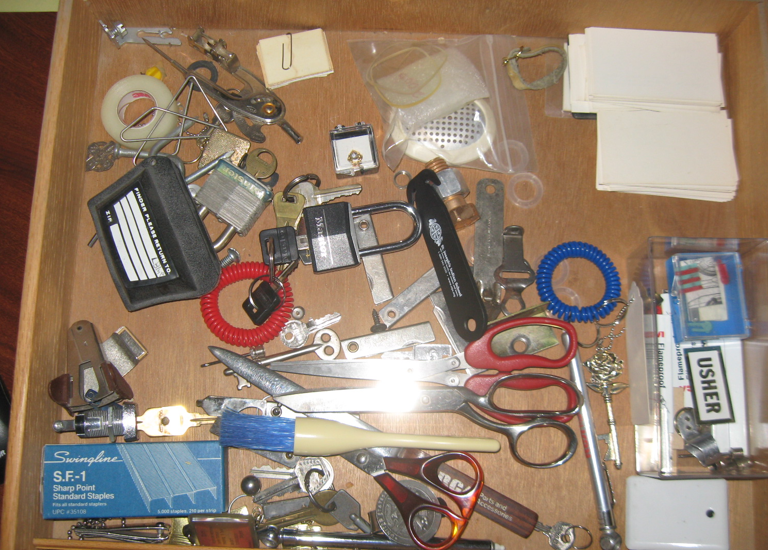
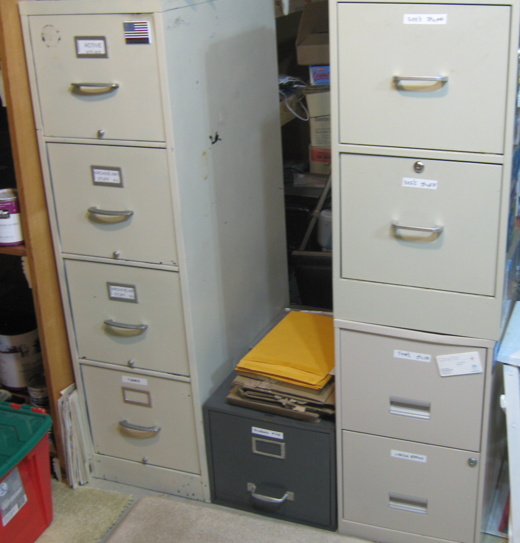
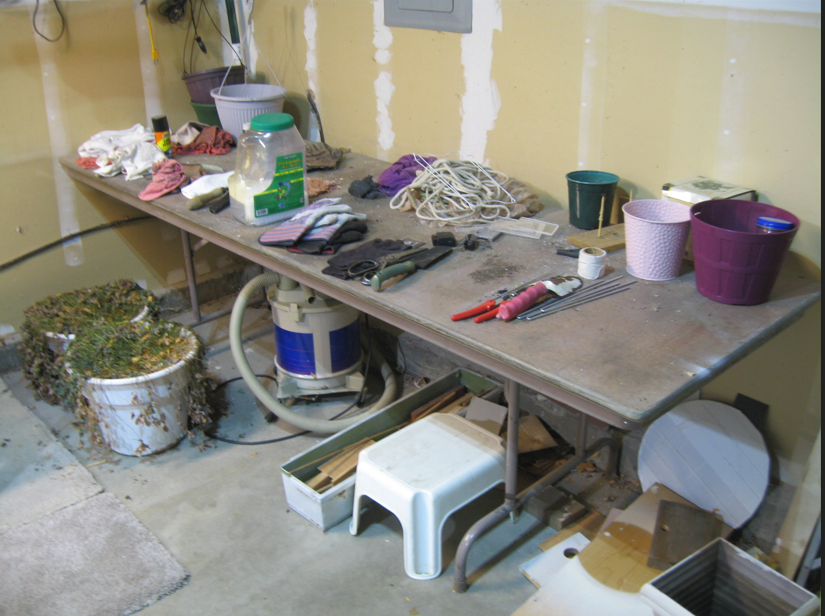
Where can you reduce clutter in your life?




 TomT2.0