fiction

Life Lessons from a Squirrel

I stepped onto the patio, expecting the usual tranquility, and instead found a tiny, fluffy tyrant in my favorite chair. It was a squirrel, gripping a nut between its paws like a tiny, furry overlord inspecting its spoils. Its bushy tail flicked with an air of arrogance, as if it knew it ruled this domain. The sun shone brightly, casting playful shadows around, but all I could do was watch this audacious creature claim its throne. The little tyrant seemed oblivious to my presence, chattering softly as it gnawed on the nut, pausing only to assess the surroundings, making sure no rival dared to challenge its rule over my beloved chair. The unexpected scene brought a smile to my face, reminding me that even in moments of solitude, life’s surprises could bring a sense of joy and laughter.

I paused. The squirrel stopped chewing.

“Excuse me,” I finally said, doing my best impression of a polite but firm landlord. “That’s my spot.”

The squirrel didn’t flinch. It just gave me a slow, almost judgmental blink, then resumed its crunching with an air of nonchalance that was both amusing and slightly infuriating. The look on its face was one of pure, entitled defiance, as if to communicate that it considered itself the rightful owner of this patch of earth. It was a face that said, “I have worked my tail off burying treasures all over your lawn, carefully stashing away nuggets of nourishment for future feasts. I deserve this ergonomic cushion and this premium acorn, the fruits of my industrious labor on your property.” With each bite, it seemed to relish not only the acorn but also the power it held over my fleeting human annoyance, basking in its small triumph over the mundane elements of suburban life.

“Listen, buddy,” I muttered, taking a hesitant step forward. “I pay the mortgage here. This furniture is not communal.”

The squirrel abruptly raised the nut like it was a ceremonial goblet, ready to deliver a rousing toast to its woodland pals, then tossed the half-eaten shell onto the spotless deck tiles with the flair of a drama queen. It took a moment to stretch, fluffing its bushy tail like a luxurious feather boa, and let out a cheeky little tch-tch-tch—which, if you ask me, clearly means, “Scram, peasant! Return only when you’ve got gourmet treats.”

Realizing I had just been bested in a staring contest and a territorial dispute by a furry little ninja with a bushy tail, I let out a dramatic sigh, retreated indoors, and peeked through the sliding glass door as the squirrel polished off its snack like a culinary critic, groomed its whiskers with all the flair of a runway model, and then pranced away—leaving me to reconsider my life choices and the necessity of purchasing a less popular chair, perhaps one that doesn’t double as a battleground.

Tale of Love and Legacy After Death

Audio Podcast 10 minutes

When Tom closed his eyes for the last time, he expected silence. Instead, he awoke to the sound of ticking—soft, steady, like the heartbeat of the universe resonating around him. As he slowly opened his eyes, he found himself standing in a vast hall that seemed to stretch indefinitely, filled with clocks of every imaginable shape and size. Some were grand pendulum clocks, their weights swinging gracefully with a sound reminiscent of ancient rhythms; others were delicate pocket watches, intricately designed, their tiny mechanisms whirring with a dance of precision. Still others were strange contraptions, with gears and levers that seemed to pulse in sync with the emotions of those who passed by, measuring not just seconds but the fleeting nature of emotions, the weight of memories, and the ethereal quality of dreams. Each clock held a story within, a testament to the lives they had touched, whispering secrets of time lost and found, weaving a tapestry of existence that Tom couldn’t help but reach out to touch, mesmerized by the enormity of this timeless gathering.

A figure approached, cloaked in shimmering light that danced and flickered like stars captured in a gentle breeze. “Welcome,” the figure said, voice warm as sunrise, filling the air with a sense of hope and promise. “You’ve arrived at the Workshop of Time, a sanctuary where moments are crafted and destinies are shaped. Here, every tick of the clock holds a secret, and every whisper of the wind carries echoes of the past. Step inside and let the magic unfold.”

Tom blinked. “Am I… dead?”

The figure smiled. “You are beyond death. Here, time is not something that slips away—it is something you can hold, shape, and share.”

Tom wandered among the clocks, each meticulously crafted timepiece echoing with the cadence of his life. Each one ticked with a rhythm that felt familiar, a heartbeat of nostalgia pulsing through the air. He touched a small brass watch and gasped—it showed the moment he first held his daughter, her tiny fingers curling around his thumb, a connection that made time stand still. Another clock displayed the laughter of his wife on their wedding day, frozen in golden light, their joyful smiles captured forever as if the very essence of love had been encased within the delicate gears. Every tick resonated with emotion, and every clock was a memory, preserved and alive, serving as a portal to moments long past but never forgotten, each one a chapter in the story of his life that played back in vivid detail, rich with sentiment and longing.

“Why am I here?” Tom asked.

The figure gestured to the hall, his expression a mix of serenity and wisdom. “Because you lived with love,” he continued, his voice resonating within the vast, ethereal space. “Time after death is not punishment or reward—it is continuation, a beautiful thread in the tapestry of existence. In this realm, you are given the priceless gift of your moments, each one a precious bead that can be woven into eternity. Every laugh shared, every tear shed, and every gesture of kindness sparkles here, creating a luminous mosaic that transcends the boundaries of life as you knew it. Your experiences do not vanish; they transform into something greater, enriching the very fabric of the universe.”

Tom felt a surge of joy as he stood at the threshold of this extraordinary realm. He had always feared death as an ending, but here, it revealed itself as a vast library of beginnings, filled with countless tales waiting to be discovered. With each step he took, he explored deeper into the ethereal space, finding clocks that belonged not only to him but to others who had touched his life. He marveled at the intricacies of the mechanisms, each tick echoing memories long cherished. He saw his mother’s gentle lullabies, which once wrapped him in comfort during stormy nights, his father’s quiet pride reflected in his watchful gaze, and his friends’ shared adventures that burst forth like vibrant fireworks of laughter and love. Each clock was a portal to its own story, intricately connected, with threads of time weaving into a beautiful tapestry of lives intertwined. The realization washed over him—these moments were not lost but rather preserved, eternally vibrant, resonating with every heartbeat in this enchanting library of existence.

He noticed one clock that had stopped, a relic of time now rendered still. Its hands were frozen at the moment his daughter cried at his funeral, capturing that profound sense of loss in a single, poignant moment. Tom touched it gently, and suddenly he was there—not as a ghost, but as a presence of comfort that transcended the boundaries of life and death. His daughter felt an inexplicable warmth in her heart, a soothing embrace that whispered to her, reassuring her that her father’s love had not vanished into the void, but lingered around her like a gentle breeze. The clock ticked again, bringing with it the rhythm of hope and memories that were not lost; Tom realized he could still give time to those he loved, guiding their hearts as they navigated the turbulent waters of grief, reminding them that even in his absence, his spirit would always be watching over them, encouraging them to cherish every moment and connection.

The figure explained, “Here, you may send moments back. A whisper of courage, a spark of joy, a reminder of love. Time after death is not about watching—it is about giving.”

Tom spent what felt like days—or perhaps centuries—learning to guide the clocks, mastering the delicate art of intertwining time with emotion. He sent his wife a dream of their wedding dance, filling the night with nostalgia and love, so she awoke smiling, the memory of their happiest moments woven into her thoughts. He gave his grandson a sudden burst of confidence before a school recital, ensuring that the young boy could shine brightly under the stage lights, his heart brimming with courage and joy. He even offered strangers small gifts: a sense of peace in grief during their darkest moments, a laugh in loneliness that sparked connection where despair lingered. Each act made the clocks glow brighter, illuminating not just the passage of time but the shared threads of humanity that bind us all together, reminding Tom of the profound magic he held in his hands.

But Tom also discovered something unexpected. There were clocks yet unwound—moments that had not happened, glimmers of possibilities hanging delicately in the air. He touched one and, to his amazement, saw his daughter years from now, vibrant and joyful, holding her own child, a precious bundle of laughter and innocence in her arms. Her eyes sparkled with love as she shared stories, just as he had once done with her. Another clock showed his grandson as an old man, wise and content, recounting tales by a fire, his voice warm and rich, surrounded by family who hung on every word. In this surreal space, time after death unfolded like a tapestry, revealing not only fragments of the past but also a profound window into the future, where love, legacy, and the beauty of life intertwined seamlessly, reminding him that though he might be gone, the essence of his existence would continue to resonate through the lives he cherished.

“Can I change these moments?” Tom asked.

The figure shook their head gently, their eyes reflecting a deep wisdom that seemed to transcend time. “The future belongs to the living, filled with untapped potential and the promise of change. But you can bless it, just as a gardener plants seeds in fertile soil. You can lace it with hope, weaving the threads of your aspirations and dreams into the very fabric of what is yet to come, creating a vibrant tapestry that inspires those who follow in your footsteps.”

So Tom did. He infused his daughter’s future with courage, helping her to face life’s challenges head-on, while he imbued his grandson’s journey with kindness, teaching him the importance of empathy and understanding towards others. In his mind, he envisioned a world beyond their own, filled with compassion, where people reached out to one another in times of need, fostering a deep sense of community. He realized that every soul in the Workshop was doing the same, weaving threads of love and hope into the fabric of time, each individual adding their unique touch to the grand tapestry of existence. That was why humanity, despite its struggles and trials, always found ways to heal and grow—because unseen hands were guiding them, orchestrating a beautiful symphony of resilience that echoed through generations, connecting them all in a profound and meaningful way.

Eventually, Tom asked, “Will I ever leave this place?”

The figure’s eyes sparkled with a light that seemed to hold the wisdom of ages. “When you are ready, I will explain the truths that lie beyond the veil of mortality. Time after death is not a prison; rather, it is a magnificent gift, a chance for the soul to reflect and grow. Some souls choose to stay and weave forever, binding their essence to the tapestry of existence, creating intricate patterns of memories and lessons learned. Others, however, are drawn to move on to realms beyond even time itself, exploring dimensions that the living cannot fathom. The choice is yours, a profound decision that opens the door to infinite possibilities.”

Tom looked around the hall, at the endless clocks glowing with memory and possibility. He felt no fear, no sorrow. Only gratitude. Death had not taken him from life—it had given him a new way to live.

He sat beside a clock that held his favorite moment: his family gathered around a table, laughter spilling like music, vibrant and full of life. The memory felt as though it was alive, resonating with warmth and togetherness that wrapped around him like a cozy blanket. He wound it gently, sending that joy outward into the world, where it danced on the air like a whisper of happiness. Somewhere, a lonely stranger smiled without knowing why, as if touched by the intangible essence of that cherished time. Somewhere, a child laughed at nothing at all, finding joy in the simplest of things—a leaf, a shadow, or a wayward breeze. Tom closed his eyes, listening to the rhythmic ticking, feeling each pulse echo within him, and he sensed eternity open like a glorious sunrise, illuminating the depths of his heart and reminding him that moments of love and laughter are timeless treasures that transcend the limitations of time itself.

How Lanterns Bring Community Together

On December 4th, the town of Lamar woke to a strange sight: lanterns hanging from every tree, fence, and lamppost, transforming the quiet streets into a whimsical wonderland. No one knew who had placed them there, and the air buzzed with excitement and curiosity as neighbors stepped outside to take in the surreal scene. They weren’t ordinary lanterns either; each one glowed with a soft golden light, as if the sun itself had been captured inside, casting a warm and inviting glow that chased away the early morning chill. Young children giggled and pointed, while older residents shared theories about the mysterious decorator, invoking stories of holiday magic and community spirit. The entire town felt more alive, united in this unexpected celebration of light amid the brisk December air, creating an enchanting atmosphere that encouraged everyone to take a moment to appreciate the beauty surrounding them.

Children ran through the streets pointing them out, their laughter ringing in the air like sweet music, and elders paused in their errands to marvel at the enchanting scene unfolding before them. The lanterns didn’t flicker or fade, even as the day wore on, their steady glow casting a magical light that seemed to dance across the cobblestones. By evening, as the sun dipped below the horizon, the whole town gathered in the square, bathed in their warm glow, exchanging stories and laughter, creating bonds that felt as timeless as the lanterns themselves, illuminating not just the night but the very essence of community.

That’s when the mayor noticed something remarkable: each lantern bore a name. Not famous names, not saints or heroes, but the names of ordinary townsfolk, the baker, known for his warm bread that filled the air with delightful aromas each morning; the schoolteacher, who dedicated her life to nurturing young minds and fostering a love for learning; the quiet man who swept the sidewalks, tirelessly keeping the town clean and inviting with a gentle smile. Every person found their name shining on a lantern, illuminating the essence of the community, reminding all who passed by of the heart and soul that resided within their small town, where each individual played an important role in the tapestry of their shared lives.

The mystery deepened, but so did the joy as it interwove into the fabric of their lives. People began to see themselves differently, uncovering layers of potential they never knew existed. The baker realized his bread had been feeding more than stomachs it had been feeding hope, fueling dreams that spread like wildfire in the hearts of the community. The schoolteacher saw that her lessons had planted seeds that grew into courage, blossoming into unyielding determination that inspired her students to reach for the stars. Even the quiet man, often overlooked, discovered that his small kindnesses had lit paths for others, illuminating the darkness for those who felt lost and alone, and empowering them to forge their own journeys toward a brighter future.

No one ever discovered who hung the lanterns. Some said it was magic, others whispered it was the work of angels. But the truth didn’t matter. What mattered was the reminder: every life, no matter how ordinary, carries light.

From that day forward, December 4th became Lamar’s “Lantern Day,” a deeply cherished annual tradition that brought the community together in a heartfelt celebration of gratitude and acknowledgment. Each year, the townsfolk hung lanterns for one another, thoughtfully choosing names and stories that shed light on the quiet contributions often overlooked. The streets came alive with laughter and the warm, flickering glow of countless lanterns, each carrying its own special tale of kindness and support. As they gathered in the square, sharing memories and heartfelt messages, the atmosphere transformed into a beautiful tapestry of vibrant colors and shared joy. And with each passing year, the square shone even brighter, not only from the brilliance of the lanterns themselves but from the profound realization that, in their own unique ways, everyone is a bearer of light, contributing to the warmth and spirit of their beloved community.

Meet Mr. Hypertype

Today, I decided to name my laptop. Not because it begged for a cute nickname, or because it aced a performance review. No, it was because November 21st shouted, “Go ahead, give it a name!” Who knew the calendar could be so bossy?

Meet Mr. Hypertype. He’s like a grumpy cat before coffee, shuts down faster than my phone battery amidst a crisis, and has a special talent for making me doubt my own memory—did I really hit ‘save’ or just dream I did? But hey, he’s my quirky little gremlin, and now that he’s got a name, I guess we’re officially a team!


So, if you haven’t given your gadget a name yet, now’s the time! Choose one that sparks joy, induces a dramatic sigh, or makes you facepalm. Today isn’t just about the ridiculousness of it all—it’s about bonding, even with our quirky little metal friends!

The Third Knock

Audio Podcast 8 1/2 minutes

When Clara moved into the old duplex on Sycamore Street, she felt a strange mix of excitement and trepidation. The landlord, an elderly gentleman with a knowing smile and twinkling eyes, gave her one important rule: “Never open the door after the third knock.” He didn’t elaborate further, but Clara could sense an underlying weight to his words, as if they held secrets tightly bound to the history of the house. Each time she heard a knock echoing through the hardwood floors late at night, she was reminded of his warning, stirring a curiosity that battled with her instincts to heed his advice. As the days passed, the duplex began to feel both inviting and ominous, a place where shadows flickered just out of sight, and the air crackled with unspoken stories waiting to unfold.

She laughed at the time, the sound echoing softly in the dimly lit room. The place was cheap, the neighborhood quiet, and the rule sounded like the kind of local superstition that came with creaky floorboards and drafty windows, whispers of tales hidden within the walls. It was the sort of belief that made the timid hesitate and the skeptical roll their eyes in disdain. With an adventurous spirit and a hint of rebellion, she signed the lease anyway, convinced that the charm of rustic living and the allure of mystery would outweigh any ghostly encounters lurking in the shadows. After all, every home held its secrets, and she was ready to uncover them.

The first night passed uneventfully. The second, she heard it—three knocks at 2:13 a.m. Sharp. Not loud, not frantic. Just… deliberate.

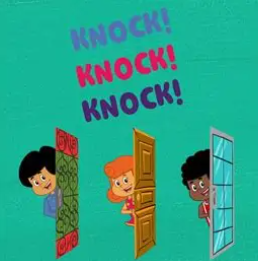
Knock.
Knock.
Knock.

She froze in bed, heart hammering against her ribs as she strained to hear even the faintest sound. No footsteps echoed in the hallway. No voice called out to her, offering reassurance or inviting her to respond. Just silence enveloped the room after the third knock, heavy and foreboding. The darkness felt suffocating, and her mind raced with possibilities. She didn’t open the door, paralyzed by a mix of fear and curiosity, wondering who could be on the other side and why they would come at this late hour.

The next morning, she asked her neighbor, an elderly woman named Mrs. Ellison, about it. The woman’s face drained of color, her eyes wide with a mixture of fear and disbelief. “You heard it already?” she whispered, glancing nervously around as though the walls themselves might be listening. “It usually waits a week before it shows itself,” she added, her voice trembling slightly. The weight of unspoken words hung between them, and the atmosphere felt thick with an unshakeable tension, as Mrs. Ellison’s hands wrung a faded shawl tightly in her lap, revealing the depth of her concern.

Clara pressed for more, her curiosity bubbling over, but Mrs. Ellison only muttered, with a distant look in her eyes, “It’s not a person. It’s a promise.” The weight of those words lingered in the air, thick with unspoken truths, as Clara tried to decipher their meaning. What kind of promise could hold such significance? There was a palpable tension that filled the room, as if the very walls were guarding secrets that had long been tucked away, waiting for the right moment to be revealed.

That night, Clara stayed up, phone in hand, determined to record it. At 2:13 a.m., it came again.

Knock.
Knock.
Knock.

She crept to the door and peered through the peephole, her heart racing with anticipation and fear. No one was there. Just the porch light flickering irregularly, casting eerie shadows that danced on the walls of the dimly lit hallway. She held her breath, straining to hear any sound outside, hoping for a sign that she was not alone, but only the faint rustling of leaves reached her ears, deepening her unease.

She posted the audio online, eager to share her excitement with the world. However, to her dismay, people began to say it was fake, dismissing her efforts before even listening fully. One user, seemingly concerned, messaged her privately: “Don’t open it. Not even a crack. It learns your voice.” This cryptic warning sent a chill down her spine, making her question the very nature of what she had uploaded and the implications it might have for her safety and privacy. Uncertain of what to do next, she pondered over the mysterious message, her mind racing with possibilities of what the audio could truly represent and who might be watching.

On the fourth night, the knocks came earlier—1:47 a.m.—and louder.

KNOCK.
KNOCK.
KNOCK.

She screamed, “Go away!” and the knocking stopped abruptly, echoing in the silence that followed. But the next morning, her front doormat was gone, vanished without a trace. In its place: a small, wet footprint imprinted in the mud, its details unmistakably distinct. Bare. Child-sized, as if a small child had innocently wandered onto her porch during the night, leaving behind a hint of mystery that sent chills down her spine. The air felt thick with an unshakeable tension, as she scanned the surroundings, half-expecting to see a figure lurking just beyond her line of sight, hidden among the shadows of the early morning light.

By the sixth night, she was sleeping with the lights on, the soft glow casting long shadows across her room. The knocks came at 12:03 a.m. this time, precise and unsettling, echoing through the silence of the house. Heart pounding in her chest, she lay frozen in bed, listening intently. After the third knock, a chill ran down her spine as she heard a whisper through the door, thin and eerie, like a breath carried on the wind. It seemed to call her name, weaving an unsettling spell that wrapped around her thoughts, compelling her to confront whatever lay beyond the threshold. Doubt and fear clashed within her, leaving her torn between the safety of her sanctuary and the inexplicable pull of the unknown.

“Clara…”

She hadn’t told anyone her name.

She moved a chair under the doorknob to secure the door and called the landlord, her hands trembling slightly as she pressed the phone to her ear. He didn’t answer, leaving her feeling increasingly anxious and alone. With her heart racing, she decided to call the police for assistance, hoping they would be able to bring her some peace of mind. When the officers arrived, they carefully canvassed the apartment, finding no prints, no signs of forced entry, which only deepened her sense of unease. But as the officer paused before leaving, a concerned look crossed his face, and he turned back to her, as if sensing the gravity of her fear and uncertainty.

“You’re in 3B, right?” he asked, his tone laced with curiosity and concern. “That’s the unit where the girl disappeared last year, you know. Same story as before – strange sounds echoing in the night, whispers of something lurking just beyond the walls. They said she reported hearing persistent knocks, like someone was trying to get her attention. Then, one fateful night, in a moment of brave foolishness or perhaps sheer desperation, she opened the door, seeking answers to the unsettling mystery that surrounded her.”

Clara didn’t sleep that night. She sat in the hallway, staring at the door, knife in hand.

At 11:59 p.m., the first knock came.

KNOCK.

She held her breath.

KNOCK.

The doorknob twitched.

KNOCK.

She screamed, her voice echoing through the dimly lit hallway. But this time, the door creaked open—just a sliver, revealing a sliver of darkness beyond that seemed to pulse with an ominous energy. She hadn’t touched it, her heart racing in her chest as she felt a chill crawl down her spine, the air thick with tension as if the very walls were holding their breath, waiting for what might come next.

A hand, pale and too long, reached through the gap, its fingers stretching out like brittle vines in search of something unseen, curling as if beckoning the darkness closer, while the remnants of a cold breeze whispered eerie secrets around it, reminding one that every shadow held a story waiting to be unearthed.

She slammed the door shut, locked it, and ran to the bedroom, her heart racing with a mixture of fear and adrenaline. But the window was open, flapping slightly in the cool night air. She hadn’t opened it; the last thing she remembered was ensuring everything was securely closed before the unsettling noises had started. Now, she hesitated, caught between the urge to escape and the instinct to investigate the peculiar situation that had crept into her once safe haven.

The last thing she saw before the lights went out was a small, wet footprint on her pillow.

What happened after that? Let your imagination run wild.

The House That Waited

Audio Podcast 8 minutes

It was the last house on the block. The one no one ever trick-or-treated at. Not because it was abandoned—it wasn’t. Lights flickered inside, casting eerie shadows that danced across the walls. Shadows moved past the windows, almost as if they were keeping an eye on the world outside. But every kid in town knew the stories: the house watched you, its windows like eyes peering into your very soul. It waited for you, whispering secrets in the night as the wind rustled through the overgrown yard, filled with twisted trees and unkempt bushes that seemed to reach out like skeletal hands. They said the air was thick with the echoes of laughter that once filled its halls, now replaced by an unsettling silence that wrapped around the house like a shroud, daring you to come closer. 

Gary and his little sister Gail didn’t believe in ghost stories, no matter how creepy the tales sounded when shared by their new friends at school. Their parents had just moved to town, and they were determined to hit every house on the street, brimming with excitement about the prospect of gathering a colorful array of candy. With each door they knocked on, their hearts raced with anticipation, and the thought of ghouls and spirits lurking in the shadows was far from their minds. Candy was candy, and superstition wasn’t going to stop them; they were on a mission, ready to fill their bags with treats until they brimmed over with sugary goodness, giggling all the way home as they swapped stories and compared their loot. 

“Just one more,” Gary said, pointing to the looming Victorian at the end of the cul-de-sac, its silhouette casting intricate shadows in the pale moonlight. Its porch light flickered on, illuminating the intricate details of the house’s architecture—tall windows adorned with lace curtains and a weathered door that had seen countless seasons. A carved pumpkin sat grinning on the steps, its eyes oddly deep, like they were looking back, as if holding secrets of the past. The air was thick with the scent of fallen leaves and the distant laughter of children, weaving a tapestry of Halloween night that felt both nostalgic and eerie. 

Gail hesitated. “I don’t like it.” 

“Come on. It’s just a house.” 

They climbed the creaking steps, each one groaning under their weight as if protesting their ascent. The air grew colder, an unsettling chill that seemed to seep into their very bones, causing them to shiver involuntarily. Gary knocked once, then twice, each rap echoing through the silence that enveloped them. The door opened slowly, creaking on its hinges to reveal a tall man in a tattered suit that seemed to hang from his gaunt frame like a mere shadow of what it once was. His face was pale, stretched too tightly over his bones, contouring an unsettling skull-like visage that sent a ripple of unease down their spines. His eyes were… wrong. Too dark, as if the light within them had been snuffed out long ago, and too deep, drawing one in with an almost magnetic force that made it difficult to look away, leaving them with an eerie sense of foreboding. 

“Trick or treat,” Gary said, voice cracking. 

The man smiled. “Oh, I have a treat for you.” 

In the flickering glow of the streetlamp, the old man extended a weathered wooden bowl toward Gail, his gnarled fingers trembling slightly as if the weight of the offering carried a hidden burden. Nestled inside were candies, their wrappers dulled by time, the once-vibrant paper now faded to a ghostly pallor, each piece adorned with an eerie symbol—a spiral that seemed to writhe upon closer inspection, its jagged edges resembling rows of tiny, gnashing teeth. Gail’s curiosity stirred, her hand inching forward to pluck one from the pile, her fingertips brushing the crinkled edge of a wrapper, when the man’s hand darted out, his grip gentle yet firm, closing around her wrist with a quiet urgency that sent a chill racing up her spine. 

“No. You must choose carefully.” 

Gary frowned. “What does that mean?” 

The man leaned closer, his eyes glinting with a mixture of mischief and warning. “Some sweets are sweet, enticingly delicious, bursting with flavor and temptation. Some… are cursed, hiding dark secrets beneath their sugary exteriors, capable of drawing unsuspecting souls into an abyss of despair and regret.” 

Gail pulled her hand back. “We’re leaving.” 

But the door slammed shut behind them. 

The hallway stretched impossibly long, an endless corridor of shadows and whispers. The wallpaper pulsed like it was breathing, as if imbued with a life of its own. The lights flickered sporadically, casting eerie glows that revealed glimpses of things that shouldn’t be—faces contorted in silent screams within the walls, hands reaching from the floorboards, desperate and ghostly, as if pleading to be freed from their eternal prison. The air was thick with an unsettling energy, each step echoing with a weight of dread, as if the very space around me was alive, watching, waiting. 

“Run!” Gary shouted, grabbing Gail’s hand. 

They bolted down the hall, but it twisted, turned, and changed with each frantic step they took. Doors appeared and vanished like fleeting shadows, some leading to tantalizing glimpses of rooms filled with memories, while others opened to nothingness, swallowing their hopes whole. The air crackled with an electric energy, as if the very walls were breathing, pulsating with a life of their own. Whispers echoed around them, urging them forward deeper into the maze of the house, which felt more like a living entity than a mere structure, alive with mysteries waiting to be uncovered. 

They burst into a room filled with mirrors. Each one showed a different version of themselves—older, younger, twisted, crying, screaming, laughing with maniacal joy. The reflections danced mockingly, their faces a distorted gallery of emotions and time. One mirror, larger than the rest, showed Gail alone, holding the candy with a bite taken out, the bright colors stark against her pale skin. Her eyes were black, voids that seemed to swallow light, while her mouth stretched into a grin too wide, stretching almost unnaturally across her face. It was as if the mirror was revealing not just a reflection, but an embodiment of secrets and fears, whispering chilling truths only she could hear. The air around her crackled with tension, as though the very fabric of reality was fraying at the edges, inviting them all to step through into the myriad versions of their own souls. 

Gary smashed the mirror. The room shattered. 

They were back at the front door, their hearts pounding with a mix of excitement and apprehension. The man stood there, smiling, his demeanor warm and inviting, as if he held the key to a long-awaited reunion. The soft glow of the porch light illuminated his features, accentuating the kindness in his eyes and the promise of stories yet to be told. The cool evening breeze rustled the leaves nearby, adding an air of mystery to the moment, and they couldn’t help but wonder what lay ahead beyond that familiar threshold. 

“You chose wisely,” he said. “Most don’t.” 

He opened the door. Outside, the street was quiet. Normal. 

Gary and Gail ran, never looking back. 

But that night, as Gail sat on her bed, her mind swirling with thoughts, she found the candy in her pocket. The bright wrappers gleamed under the soft glow of her bedside lamp, and a frown creased her brow She hadn’t taken one… had she? Confusion danced in her mind alongside the sweet scent of the candy, and she wondered if perhaps she had absentmindedly snatched a piece, enchanted by the colorful display, or if it had somehow slipped into her pocket when she wasn’t looking, a small mystery waiting to be unraveled. 

She unwrapped it carefully, feeling the textured paper crinkle beneath her fingers. The spiral symbol pulsed faintly, glowing with a mysterious energy that seemed to beckon her closer. Against her better judgment, she took a bite, the flavor exploding in her mouth with an unexpected sweetness that both intrigued and frightened her. As she chewed, a strange warmth spread through her body, intensifying her senses and urging her to delve deeper into whatever secrets this enigmatic object held. 

The following morning, Gail remained silent, her thoughts swirling in a tempest of emotions and unspoken words. Her eyes appeared more intense, reflecting a depth of contemplation that seemed almost otherworldly, and her smile broadened unnervingly, as if concealing secrets that danced just beneath the surface. Each glance she cast carried a weight that hung heavy in the air.

Gary swore the wallpaper in their house had started to breathe with strange voices and eerie sounds coming from the cracks in the floor. Will they pay for that piece of candy Gail ate the night before?

The Stairway in a Dream

AUDIO PODCAST 5 minutes

Tom was exhausted, his days tangled in the grind of hospital shifts and the quiet ache of loneliness since his grandmother passed. Each shift felt like an eternity, filled with the rhythmic sounds of medical machinery and the soft murmur of conversations that seldom reached his heart. One night, after collapsing into bed, he slipped into a dream unlike any he’d had before. In this vivid realm, colors danced around him, and comforting voices echoed, bringing with them the warmth he had longed for amidst the cold sterility of his waking life. As he wandered through this enchanting landscape, he felt a glimmer of hope, as though the essence of his grandmother was guiding her toward healing and connection.

He stood in a field, golden grass swaying under a sky that shimmered like stained glass, hues of blue and violet dancing together in a serene harmony. Ahead, a stairway spiraled upward, its steps carved from light, pulsing softly like the heartbeat of the world around him. Tom felt no fear—only a pull, like a melody calling him forward, a tune that resonated deeply within his soul, filling him with an inexplicable warmth. Each step he took felt deliberate, as if the very air whispered secrets of the universe, guiding his ascent into the unknown. He began to climb, his heart racing with anticipation, eager to uncover what awaited him at the top of this ethereal staircase.

Each step hummed with warmth, and as he ascended, memories flickered around him like fireflies in the dusk: his grandmother’s laughter as they baked bread, the sweet aroma of yeast rising in the air, his own childhood voice singing off-key to the tunes of faded melodies, moments of kindness he’d forgotten, like small treasures hidden in the corners of his heart. The higher he climbed, the lighter he felt, as if the weight of his regrets—snapped words, missed chances, and the lingering guilt of unanswered apologies—dissolved into the glowing air, replaced by an overwhelming sense of acceptance and serenity. With each ascent, he embraced the warmth of those cherished recollections, allowing them to envelop him, illuminating the path ahead with a radiant glow that filled him with hope and renewed purpose.

At the top, the stairs opened to a vast garden, blooming with colors he couldn’t name, each flower adding its unique hue to the tapestry of nature. Figures moved among the flowers, their faces familiar yet radiant—his grandmother, younger than Tom remembered, her eyes bright and sparkling like stars in the evening sky. The air was thick with the sweet fragrance of blossoms, and the gentle hum of bees flitting from petal to petal created a serene melody. “You’re not staying yet,” his grandmother said, her voice a warm embrace that wrapped around Tom like a soft blanket on a chilly day. “But see how loved you are, surrounded by the beauty of your memories, waiting for you to return and cherish them once more.”

Others appeared—patients Tom had comforted, friends he’d lost touch with, even strangers he’d smiled at in passing. They didn’t speak, but their presence wove a quiet truth: every small act of him had rippled through the tapestry of life, touching lives he’d never traced or even considered. Each smile exchanged on a crowded street, every word of encouragement spoken in the hushed tones of a hospital room, had forged unseen connections that now filled the air around his. In this moment, Tom realized the profound impact of kindness, the way it spread like a warm breeze, gently nudging hearts toward hope and understanding. Tom’s chest ached with joy, not pain, as she embraced this realization, feeling an overwhelming sense of gratitude for the unseen threads that intertwined his with those who had crossed his path.

His grandmother took his hand, leading him to a pool of light that shimmered like a thousand stars brought to life. In its reflection, Tom saw himself—not the tired nurse who often felt overwhelmed by the weight of his responsibilities, but a woman woven from courage and care, radiating strength and grace. The warmth of the light washed over him, illuminating the dreams he had long forgotten and the aspirations that still flickered within his heart. “You’re still needed below,” his grandmother whispered gently, his voice echoing with the wisdom of ages. “But you’ll carry this now, this newfound sense of purpose and love, as you return. Let it guide you whenever the path seems dark, for you are never alone in your journey.”

Tom woke with tears on his cheeks, the hospital’s sterile hum distant, a haunting reminder of his fragile reality. The dream’s glow lingered in his bones, a certainty that heaven wasn’t just a place but a truth: his life mattered, and he wasn’t alone in this vast universe full of connection and love. The comforting warmth of that revelation wrapped around him like a soft blanket, easing the tightness in his chest. He took a deep breath, filling his lungs with the scent of antiseptic air, and rose from the sheets, lighter than before, ready to face the day with renewed hope and determination, knowing that each moment was a gift waiting to be embraced.

No Charge for Three Days

LINK

For three days, October 29, 30, and the 31st, you can acquire the Kindel edition NO CHARGE. Or $5.75 paperback edition. Spooky scary stories are ideal for Halloween.

LINK FOR SAMPLE

Midnight Spooky Tale

It’s 11:57 PM on April 4, 2025, and the air feels thick with something unspoken. Shadows stretch long and jagged across the floor, like fingers clawing at the edges of reality. The clock ticks louder than it should, each second a hammer against the silence. Outside, the wind howls low, a mournful sound that rattles the windows—like something’s trying to get in.

You’re alone, or at least you think you are. The room’s dim, lit only by the sickly glow of your screen, and every creak of the house feels like a whisper you can’t quite catch. Did you lock the door? You’re pretty sure you did, but the thought gnaws at you. There’s a chill creeping up your spine, slow and deliberate, like icy fingertips tracing their way to your neck.

Somewhere in the distance, a dog barks—sharp, frantic—then stops abruptly. Too abruptly. The silence that follows is heavier than before, pressing down on your chest. You glance at the clock: 11:58. Time’s slipping away, but it feels wrong, like it’s stalling just to mess with you.

There’s a story they tell around here, about nights like this. They say the veil thins out close to midnight, when the world holds its breath. Things slip through—things that don’t belong. You’ve heard the tales: footsteps where no one’s walking, shadows that don’t match their owners, voices calling your name from rooms you swore were empty. Old folks swear they’ve seen it, eyes wide and hands trembling as they recount it over flickering candles.

11:59. The screen flickers, just for a second, and you blink. Did you see something in the reflection? A shape behind you, too vague to be sure, too real to ignore? You turn, heart thudding, but there’s nothing. Just the room, still and dark. The wind picks up again, and this time it carries something—a low, guttural hum that doesn’t sound like wind at all.

Midnight hits. The clock chimes, but it’s off, warped, like it’s underwater. The lights dim, then surge, casting the room in a strobe of light and shadow. And then you hear it: a soft tap-tap-tap, slow and deliberate, coming from the window. You don’t want to look. Every nerve screams not to. But your eyes betray you, sliding toward the glass.

There’s nothing there. Just darkness. Except… is that a smudge on the pane? A handprint, faint and streaked, like someone—or something—pressed against it from the outside. It wasn’t there before. You’re sure of it.

The tapping stops. The silence is worse. And then, from somewhere deep in the house, a floorboard groans. Not near you. Not upstairs. Somewhere else. Somewhere it shouldn’t.

Happy almost-midnight. Sleep tight—if you can.

Tale of Two Strangers

Audio Podcast 4 minutes

In a dusty Eastern Colorado town, 70-year-old retiree Lulu runs a struggling diner, her days filled with greasy plates and lonelier nights since her husband passed, leaving an emptiness that seems to seep into the very walls around her. Each morning, she wakes before dawn, the familiar hum of the coffee maker breaking the silence of an empty house, a sound that has become a comfort and a ritual, grounding her in a world that feels increasingly alien. After brewing a pot of strong coffee, she heads to the diner where the walls echo with memories of happier times, laughter, and bustling customers, now replaced with the grim reality of only a few loyal patrons who come to escape their lives as much as she does. Across the street, 19-year-old Juan, a graffiti artist with a rap sheet, tags abandoned walls, dodging cops and his own dead-end future, caught in a cycle of choices that often lead him deeper into trouble. He is always searching for a way to express the turmoil within him, the feelings of alienation and frustration that swirl in his soul, causing him to lash out through his art. His nights are spent weaving through the shadows, paint cans in hand, as he transforms the dull grey of the urban landscape with bursts of color and emotion, each stroke telling a story of his struggles and dreams. Their paths cross one fateful afternoon when Lulu unexpectedly catches Diego spray-painting her diner’s back alley, his hands moving deftly as he creates a vibrant mural, brimming with life and energy. Instead of calling the police, she offers him a burger, seeing hunger in his eyes beyond the defiance, recognizing a desperation that mirrors her own loneliness. In that brief encounter, she offers him a fleeting moment of connection amid their contrasting lives, a shared understanding that transcends the barriers of age and experience, revealing the fragile threads that connect them in a world that often feels isolating.

/Juan, wary but broke, accepts the unexpected invitation, and they talk—first about nothing, then about everything that matters. Lulu shares vivid stories of her diner’s glory days, reminiscing about the bustling atmosphere and the laughter that filled the air; Juan, drawn in by her enthusiasm, admits he paints to feel alive, a passion that he’s always kept hidden. She sees his undeniable talent; he sees her fierce grit, a contrast that intrigues him. Soon, Juan’s sneaking in after hours to paint a magnificent mural on the diner’s wall—a vibrant prairie scene alive with color that attracts curious crowds from all over town. Lulu teaches him to cook, showing him the delicate art of flipping pancakes and seasoning dishes just right, and in return, he teaches her to laugh again, their banter becoming light and effortless, infused with warmth. Locals whisper about the odd pair, a painter and a diner owner, but the diner’s buzzing with newfound life, and so are they, their connection deepening with each shared moment and stolen glance, weaving a tapestry of hope and healing amidst the backdrop of grease and paint.

When developers threaten to buy Lulu’s land, Juan inspires the town with his art, transforming the diner into a vibrant cause that brings everyone together. They unite enthusiastically, not just for the diner but for the cherished home they’ve built together, a sanctuary filled with laughter, stories, and unforgettable moments. As the townsfolk come together, they create stunning banners and murals, all bursting with color and passion, beautifully reflecting their shared history and joyful memories. In the end, it’s not merely about winning—it’s about the beautiful family they’ve formed in each other, two misfits who turned a rundown joint into a masterpiece, a beacon of resilience and hope, proving that love and community can triumph over corporate greed.

House On a Hill

Audio Podcast 4 minutes

The old house on the hill had stood empty for decades, its windows dark and its walls weathered by time. Clara had passed it every day on her way to town, always wondering about the stories it held. One crisp autumn evening, as the sun dipped low, she noticed something different—a faint flicker of light in the upstairs window. Curiosity tugged at her, and against her better judgment, she decided to investigate.

The front door creaked open with surprising ease, as if it had been waiting for her. Inside, the air was thick with dust, and the faint scent of lavender lingered. Clara’s footsteps echoed on the warped wooden floor as she climbed the stairs, drawn to the room where she’d seen the light. The door at the top was ajar, and a soft glow spilled out.

In the room sat a woman, her back to Clara, hunched over a small table. She wore a faded dress, its hem frayed, and her silver hair cascaded down her back. A single candle burned before her, casting long shadows across the walls. Clara hesitated, then cleared her throat.

The woman didn’t turn. “I’ve been expecting you,” she said, her voice low and steady.

Clara froze. “Expecting me? I don’t even know you.”

“You don’t need to,” the woman replied. “You’re here for the truth, aren’t you?”

Clara’s heart thudded. She hadn’t told anyone she was coming, hadn’t even known herself until moments ago. “What truth?” she asked, stepping closer.

The woman gestured to a chair across the table. “Sit. I’ll show you.”

On the table lay a small wooden box, intricately carved with swirling patterns. The woman slid it toward Clara. “Open it,” she said.

Hands trembling, Clara lifted the lid. Inside was a photograph, yellowed with age. It showed a young girl, no more than five, with wide eyes and a shy smile, standing in front of this very house. A man and woman stood beside her; their faces blurred by time. Clara frowned. “Who is this?”

The woman finally turned; Her face illuminated by the candlelight. Her eyes were sharp, piercing, and oddly familiar. “Look closer,” she said.

Clara studied the photo again, then gasped. The girl’s dress—the same faded fabric, the same frayed hem—matched the one the woman wore now. “That’s… you?” she stammered.

The woman nodded. “I’ve waited a long time for you to come back.”

“Come back?” Clara’s mind raced. “I’ve never been here before.”

The woman smiled faintly, a sad curve to her lips. “You have. You just don’t remember.”

Clara’s gaze darted between the photo and the woman, confusion mounting. Then the woman reached across the table, her cold fingers brushing Clara’s hand. A jolt surged through her, and suddenly, memories flooded in—running through these halls as a child, laughter echoing, the smell of lavender in her mother’s arms. She stumbled back, clutching her head. “What’s happening?”

“You were taken from this house,” the woman said softly. “Taken from me. I’ve been here ever since, waiting.”

Clara’s breath hitched. The blurred faces in the photo sharpened in her mind’s eye—her parents, younger, happier. And then she understood. The woman wasn’t just a stranger. She was her grandmother, preserved by some strange force in this house, tethered to it all these years.

But the truth hit her as she looked down at her own hands—hands that now shimmered faintly, translucent in the candlelight. She hadn’t just come to uncover a secret. She’d come because she, too, had died long ago, and this house was calling her home.

The key detail—that Clara is a ghost—remains hidden until the final sentence, recontextualizing the entire story. Did it catch you off guard?

DREAM OR REAL

AUDIO PODCAST 8 minutes

Lila woke to the sound of rustling leaves, her breath fogging in the crisp morning air. She blinked, and the world shimmered—golden oaks and crimson maples stretched endlessly before her, their branches swaying in a breeze that smelled of earth and cider. She was in the forest again, the one she’d walked through last night. Or was it last week? Her fingers brushed the rough bark of a tree, solid and real, and she smiled, feeling the familiar connection to nature that always brought her peace. Sunlight filtered through the vibrant canopy, dappling the ground with patches of warmth that felt inviting against the coolness of the morning. A small bird chirped cheerfully in the distance, and she paused to listen, allowing the harmonious sounds of the forest to envelop her like a cozy blanket. Fall had arrived, her favorite season, painting the world in hues that felt like home, where every rustling leaf and fluttering wing told a story of transformation and comfort as if inviting her to discover the secrets hidden within this enchanting landscape. 

She wandered deeper, the crunch of leaves underfoot a steady rhythm that accompanied her thoughts like a familiar song. A deer darted past, its antlers catching the low sunlight, and she laughed—hadn’t she fed it apples yesterday? Or had that been a dream? The thought slipped away as she reached a clearing where a wooden bench sat, weathered but familiar, a silent witness to the passage of time and countless fleeting moments. She settled onto it, pulling her sweater tight against the chill that seemed to seep through the air, and watched the sky shift from amber to violet, painting a masterpiece that only nature could create. A gentle breeze rustled the branches above, carrying with it the scent of pine and damp earth, while distant birds sang their evening songs. Time didn’t matter here; it was just her and the season, entwined in a tranquil embrace that felt both timeless and fleeting. 

“Lila,” a voice called, soft but insistent. She turned, but no one was there—only the wind, whispering through the branches, carrying with it a symphony of rustling leaves that seemed to echo her confusion. She frowned. That voice… it had been in her room this morning, hadn’t it? The memory lingered in her mind like a haunting melody, before the leaves. Before the forest. Her head ached, and the scene flickered before her eyes, blurring reality with a dreamlike haze. Suddenly, the trees were bare, then budding—pink blossoms unfurling like delicate fans, the air warming with the sweet scent of rain and new grass. Spring now, not fall. The world transformed, vibrant colors awakening all around her. She stood, confused, as petals drifted around her like snowflakes caught in a gentle breeze, each one a reminder of the fleeting passage of time. The bench was gone, replaced by a patch of wildflowers that danced joyfully in the wind. Hadn’t she planted those? Doubt crept in as she examined the landscape, the familiar now tinged with surreal beauty, blurring the lines between her memories and the enchanting present. 

She knelt, touching the soft petals, and memories—or dreams—rushed in like a tide pulling her under. She’d danced here under a pastel sky, her hands stained with soil as she twirled freely, feeling the warmth of the sun on her face and the whisper of leaves in the gentle breeze. Or had she watched it from her window, longing to join the magic outside? The forest blurred, and suddenly, she was in her bedroom, staring at a cracked ceiling that seemed to close in on her as the moments faded. A woman leaned over her, her face lined with worry, shadows playing across her features as if reflecting the depth of her concern. “Lila, you’re awake. You were talking about leaves again,” the woman said softly, her voice the one from the wind, but sharper now, tethering her spirit to the present. It was a voice that carried the weight of love and grounding, pulling Lila back to reality, bringing forth a sense of safety amidst the swirling chaos of her thoughts. 

Lila blinked, trying to shake off the lingering fog in her mind. The room smelled stale, not like rain or earth, but rather like an unforgiving emptiness that gnawed at her senses. A tray of pills sat on the nightstand, each one a bright reminder of her reality, and a calendar read March 21, 2025. Spring, she thought wistfully, but where were the blossoms? The vibrant colors and lively scents that usually filled the air seemed painfully absent. She looked down at her hands—clean, glaringly so, devoid of any trace of soil or the sticky sweetness of apple juice from feeding the deer with her own hands. “I was there,” she murmured softly to herself, feeling a deep yearning wash over her. “The forest. It’s fall there now. Or spring. I can’t…” Her voice trailed off, swallowed by the silence of the room, and the woman sighed, feeling a profound disconnect between the vivid memories of her time in the forest and the dull, clinical environment surrounding her now. The weight of absence settled heavily upon her chest, making it hard to breathe as she longed for the embrace of nature’s cycle, for the chirping of birds and the rustling of leaves—simple pleasures that now felt like distant echoes. 

“You’ve been here all night,” the woman said gently, her voice soothing like a soft breeze. “Dreaming again, just as you often do. The doctor says it’s getting harder for you to come back, as if each journey to that other realm pulls you further away from us. I can see the worry etched on your face even in your slumber, the way your brow furrows and your lip’s part slightly, as though you’re lost in something profoundly beautiful yet terrifying. I wish I could follow you into those dreams, to understand what captivates you so deeply and to bring you back safely when the time comes.” 

Lila shook her head, her mind racing with disbelief. “No, I walked there. I felt it.” She closed her eyes tightly, and the room around her dissolved into a haze of color and light. Suddenly, she found herself back in the forest, where leaves were falling in slow spirals, the golden hues painting a serene picture of autumn. With each leaf that touched the ground, she felt seasons transform like a carousel spinning endlessly in the sky. The gentle rustle of branches accompanied the soothing sounds of nature, as the deer returned, their soft noses nudging her hand. Lila laughed, the sound bursting forth like music, and tears streaked her face, a blend of joy and nostalgia overwhelming her senses. “This is real,” she whispered breathlessly into the crisp air, though the woman’s voice echoed faintly in the background, calling her name with urgency, as if trying to tether her to the present even as she reveled in the beauty of the moment. 

Days passed—or didn’t. Lila roamed her forest, seasons blending into a tapestry she couldn’t untangle. Fall’s golden decay gave way to spring’s tender green, then back again, a loop of beauty she couldn’t escape. Each step brought the rustle of leaves beneath her feet and the whispers of the wind, wrapping around her like a familiar embrace. Sometimes she heard the woman, saw the room, felt the pills pressed to her lips, the cold, clinical atmosphere of the space stifling her spirit. But the forest always reclaimed her, pulling her back into its embrace, its colors brighter than the gray walls surrounding her, its air sweeter than the sterile tang of reality, infusing her with a sense of freedom she thought she had lost forever. The vibrant hues of wildflowers danced along the path, and the melody of birdsong filled her ears, a reminder that life thrived beyond the confines of her mind. 

One evening—or morning—she sat on the bench again, watching the sky burn orange, then soften to pink, painting a canvas of warmth that enveloped her. The voice called, fainter now, and she didn’t turn, for she was lost in the beauty surrounding her. “I’ll stay,” she said to the deer, to the trees, to the seasons that held her gently in their embrace. “This is where I belong.” The forest hummed in agreement, a symphony of rustling leaves and distant bird calls, and Lila let go, sinking into a world where dreams and reality were one, forever spring, forever fall, where the colors danced vibrantly in the air, wrapping her in a tapestry woven from the very essence of nature. She felt the soft touch of the breeze as it whispered secrets of the earth, and in that moment, she knew she was a part of something greater, something eternal. 

More creepy, scary tales link

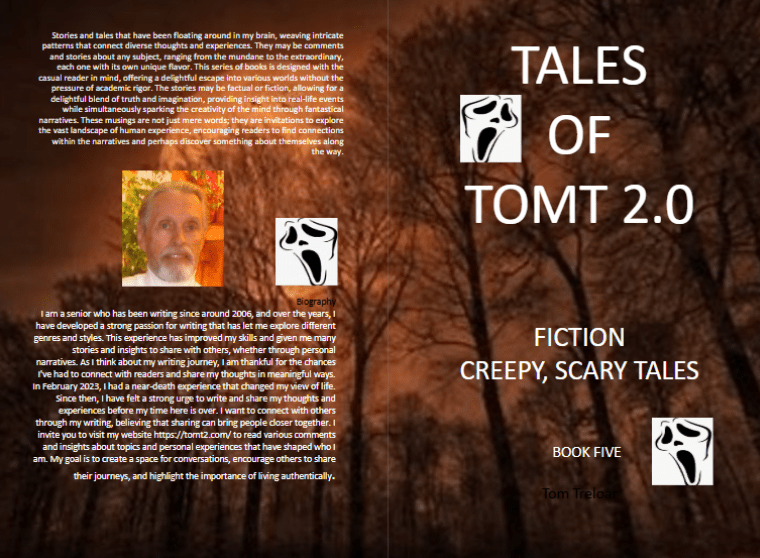
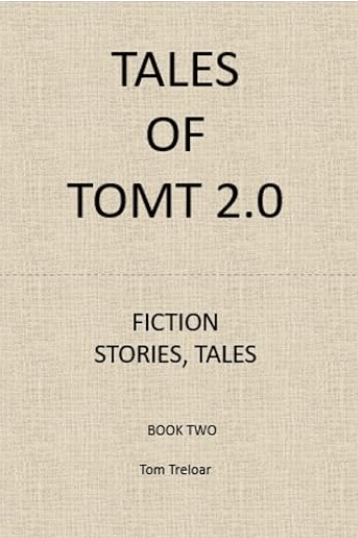
Tales of TomT 2.0 Book Five

Video file about this book

Just in time for Halloween. Ideal for the commuter or the casual reader.

Link to Amazon for purchasing

This is the fifth book in the Series of Tales of TomT 2.0 Link

This has been an exciting endeavor.

Discovering an Abandoned Cabin

Audio Podcast ten minutes

The mountains were alive with autumn’s breath, leaves crunching under the boots of four hikers—Lila, Marcus, Tess, and Ethan—as they ventured deeper into the mountains. Vibrant hues of orange, red, and gold painted the landscape, while the crisp air filled their lungs with the scent of pine and earth. The trail they’d followed for hours had been clear and well-trodden, but Marcus, ever the explorer, spotted a faint path veering into a dense thicket. No markers, no signs, just a narrow ribbon of dirt weaving through towering pines, the shadows dancing as the sun began to dip behind the peaks. “Let’s see where it goes,” he said, eyes glinting with curiosity. The others hesitated, exchanging glances filled with uncertainty, but they were ultimately drawn by the promise of something undiscovered, an adventure that could unveil secrets of the wilderness. The thrill of the unknown beckoned them, and with a collective shrug, they stepped off the familiar trail, ready to embrace whatever lay ahead, their hearts filled with excitement and a hint of trepidation. 

The path twisted for nearly an hour, the air growing colder, the light dimmer, forcing Tess to pull her jacket tighter around her. Just as she began to grumble about turning back, they stumbled into a clearing that felt almost like a breath of fresh air yet still eerie in its silence. There, half-swallowed by moss and shadow, stood an abandoned cabin, its structure a testament to years of neglect. Its weathered logs sagged beneath the weight of time, with windows dark and cracked, as if guarding secrets long forgotten. Vines crawled up the walls, weaving a tapestry of nature reclaiming what it had lost, yet despite the decay, the place felt… expectant. Lila shivered, not from the chill that permeated the air, but from an unsettling sense of being watched. “This place gives me the creeps,” she muttered, glancing over her shoulder, but Ethan was already at the door, pushing it open with a creak that echoed like a warning through the stillness. As the door swung inward, a rush of stale air escaped, carrying with it the faint scent of damp wood and something else, something foul that made Lila’s stomach churn. 

Inside, the air was stale, thick with dust that hung like a heavy blanket, clinging to everything in sight. A rickety table, uneven in its stance, a rusted stove that looked like it hadn’t been used in years, and a single chair sat in the gloom, casting long shadows against the cracked walls. On the table lay a leather-bound journal, its pages yellowed but intact, whispering secrets of the past. Marcus grabbed it, flipping it open with a sense of reverence, while the others peered over his shoulder, their eyes wide with curiosity and anticipation. The handwriting was spidery, precise, and meticulously crafted, dated October 15, 2024—exactly one year ago. “Weird,” Tess murmured, her brow furrowing in confusion. “Who’d leave this here? It feels like it belongs to someone who disappeared without a trace, leaving behind not just their thoughts but a part of their life in this forgotten place.” 

Marcus read aloud: “Four hikers arrive at dusk, their boots heavy with mud. The tall one, bold, finds the path first, his long strides cutting through the thickening shadows. The wary one, with sharp eyes, hesitates at the cabin’s door, the chill of the evening air brushing against their faces as they exchange anxious glances. A rustle in the underbrush makes their hearts race, igniting a primal instinct to keep watch. Memories flood back as they recall the stories of other travelers who had ventured into these woods, some never returning. His voice faltered, struggling to steady itself against the mounting tension. The description was too specific—Marcus’s height, Lila’s cautious glance, the mud caked on their boots from a stream they’d crossed, each detail a vivid reminder of their shared journey. The journal went on, detailing their exact words, their movements, the way Ethan’s impulsive push at the door seemed more a challenge than a welcome, even the sounds of their laughter that felt like a ghostly echo of the past. But it was written before they’d arrived, revealing truths they had yet to confront.” 

This is impossible,” Ethan said, snatching the journal with a sense of urgency and disbelief. He flipped forward, his face paling as the weight of the entries settled over him like a dark cloud. The words seemed to come alive, predicting their every action with eerie accuracy: “The bold one reads first, the wary one checks the windows, the quiet one finds the trapdoor…” Tess, who’d been silent in the background, was already at a window, peering out as if the very air around them had conjured the instructions from the page. She froze, suddenly aware of how closely she’d just fulfilled the journal’s words, the chill of realization seeping into her bones as her mind raced, piecing together the significance of their movements. Confusion and dread twisted in her stomach as she glanced back at Ethan, who stared at her with wide eyes, both of them understanding that the journal not only knew their past but seemed to weave their fate as well. 

There’s no trapdoor,” Lila said, her voice tight, but her eyes darted to the floor, as if searching for an escape from the unsettling atmosphere that surrounded them. Ethan, unnerved by her sudden defensiveness, started stomping around the dimly lit room, desperately searching for any sign of a secret. After what felt like an eternity, his foot struck something solid beneath a threadbare rug, and he knelt down in disbelief. There it was—a wooden hatch, barely visible, where dust and age had concealed its presence. The journal had known all along, its cryptic messages hinting at mysteries yet to unfold. With a rush of adrenaline, he yanked the hatch open, revealing a steep, rickety ladder descending into an impenetrable darkness that seemed to swallow all light. The air grew heavier, filled with uncertainty, as the group exchanged glances, their expressions a mix of terror and an almost magnetic compulsion to follow the script, drawn by the possibilities that lay hidden below, compelling them to confront the unknown. 

Lila clutched the journal now, reading as they descended into the depths of the unknown. “They climb down, hearts pounding, into the chamber below. The air is still and heavy; the walls carved with cryptic symbols they cannot read or decipher…” The ladder led to a stone-walled room, damp and cold, its walls etched with spiraling runes that seemed to pulse faintly in the dim light. Shadows danced across the surface, casting eerie illusions that both enthralled and terrified them. A pedestal stood at the center, holding a single object—a small, black stone, smooth as glass, reflecting the faint glow of the runes around it. The stone drew them closer, an inexplicable force urging them to reach out and touch its surface, as if it held secrets of ancient power or forgotten knowledge waiting to be uncovered. 

The journal’s next entry made Lila’s hands shake: “The quiet one touches the stone, and the truth is revealed.” Tess, who’d barely spoken all day, stared at the stone, her hand trembling as it reached out, the air thick with anticipation. “Don’t,” Marcus snapped, his voice laced with a mix of fear and urgency, but Tess’s fingers brushed it, fueled by an irresistible curiosity. As she made contact, a low hum filled the room, vibrating through their very bones, and images flooded their minds—flashes of the forest, the hidden paths they had never noticed before, the cabin where secrets lingered, themselves walking the trail, as if seen through another’s eyes, each moment feeling eerily familiar yet profoundly alien. The journal’s author wasn’t human. It was… something else, watching, recording, guiding, threading their destinies together in ways they couldn’t yet comprehend, hinting at a deeper connection to a past long forgotten, whispering truths that could change everything they knew. 

“They understand now,” the journal read, “that the trail chose them, that time loops here, and that they were always meant to find this place, a nexus of fate hidden away from the prying eyes of the universe.” Ethan cursed under his breath, feeling the weight of destiny as he backed toward the ladder, heart racing with dread and uncertainty. The runes glowed brighter, each pulse resonating like a heartbeat, while the air grew thick around them, pressing them in place, making it hard to breathe, as if the very fabric of reality were tightening. Shadows danced at the edges of his vision, and he could almost hear whispers of the past echoing through the chamber, warning him of the consequences of his next move. The final entry was blank, except for one ominous line: “They decide.” The gravity of that simple phrase settled heavily on his shoulders, leaving him paralyzed by the weight of choice and the potential ramifications that could ripple through time itself. 

Lila dropped the journal, her mind racing with a whirlwind of thoughts and emotions. Were they trapped in a never-ending cycle, doomed to repeat this very moment for all eternity? Or could they find a way to break free from this dark fate that loomed over them? With a sudden surge of determination, Marcus grabbed the ancient stone, its rough surface cool against his palm, and hurled it against the wall with all his strength, watching as it shattered into tiny fragments of dust that spiraled through the air like a storm. The intricate runes that had been glowing brightly dimmed, the resonant hum that filled the space faded into an eerie silence, and for the first time, the air felt lighter, as if a great weight had been lifted. They scrambled up the ladder, hearts pounding wildly in their chests, filled with both fear and hope, and fled the cabin, the unsettling past behind them as they dared not look back, propelled by the urgency of their escape and the prospect of a new beginning. 

The trail was gone when they reached the clearing’s edge, swallowed by the dense undergrowth that had once whispered of adventures untold. The forest seemed ordinary again, devoid of the magic it once held, yet the journal’s weight lingered in their minds like a distant echo of an unforgettable encounter. Had they truly escaped, or was this haunting experience merely a part of the script that bound their fate? They never spoke of it again, but each wondered, in quiet moments, if the trail was still out there, lurking in the shadows, waiting patiently for the next wanderer to stumble upon its secrets. The lingering sense of mystery wrapped around their thoughts, fueling their imaginations with what-ifs and maybes, making the ordinary feel extraordinary in the flickering light of fading memories. 

From Book Four of Tales of Tom2 2.0 link to Amazon

Forgotten Reflection

Audio Podcast 10 minutes

This is in my next paperback “Tales of TomT2.0 volume five. This volume is all spooky stories. Getting ready for Halloween.

Eli stood in the bathroom, half-asleep, brushing his teeth like he did every night, the bristles of his toothbrush working mechanically against his enamel. The fluorescent light buzzed overhead, casting a pale glow over the cracked tiles and foggy mirror, illuminating the remnants of a long day that clung to him like a heavy blanket. He smiled absently at his reflection—more habit than emotion—and then dropped the smile as he leaned down to spit, the sound echoing in the stillness of the night. The room was filled with the familiar scent of mint toothpaste, mingling with the musty air, while outside, the soft rustle of leaves hinted at the gentle breeze that stirred the quiet neighborhood. Unconsciously, he replayed the events of the day, the laughter shared and the mundane moments that blurred into one another, pausing briefly to wonder how tomorrow might unfold. With a final rinse, Eli reluctantly stepped away from the mirror, feeling the weight of exhaustion tugging at him, but grateful for the small, ordinary ritual that marked the end of his day.

But the reflection didn’t drop it.

Eli froze, toothbrush still in hand, caught in a moment that felt suspended in time. His mirrored self was still smiling, an eerie reflection that sent chills down his spine. Not a friendly grin, but something stretched too wide, too long, like a macabre mask fitted over a face that should show fear or surprise. The kind of smile that didn’t belong on a human face, it was an unsettling distortion that suggested something more sinister lurking beneath the surface. With each passing second, Eli’s heart raced as he wondered what had gone wrong, why the reflection seemed to mock him, and if this strange visage was a harbinger of something darker waiting to reveal itself.

He blinked. The reflection blinked too, still grinning.

“Okay,” he muttered, rubbing his eyes. “Sleep deprivation. That’s all.”

He turned off the light and left the bathroom, feeling a strange sense of relief wash over him. But as he passed the hallway mirror, he caught a glimpse—his reflection, still smiling, an eerie reminder of a joy that felt distant. The dim light flickered, casting shadows that danced along the walls, and he paused for a moment, captivated by the contrast between his inner turmoil and the outward appearance of happiness that stared back at him. It was as if the smile in the mirror was mocking him, teasing him for the facade he maintained.

That night, Eli barely slept. The moon filtered through the curtains, casting eerie shadows that danced across his room. Every time he closed his eyes, he saw that grin, sharp and wide, curling menacingly at the corners. It wasn’t just unsettling—it felt wrong, as if it held secrets meant to be buried deep. Like something was watching him from the other side of the glass, its gaze penetrating and relentless, leaving him with an overwhelming sense of dread that wrapped around him like a suffocating blanket. Each sound in the house—a creak, a whisper—seemed amplified in the silence, fueling his growing paranoia and ensuring that sleep remained an elusive, unattainable refuge.

The next morning, he avoided the mirror, feeling as though it was a portal to some unsettling truth, he was not ready to confront. Shaved blind, he moved the razor hesitantly over his stubble, not daring to open his eyes lest he be confronted by the visage he had come to dread. Brushed his teeth with his eyes closed, the minty taste barely reaching his senses as his mind raced with the thoughts of what he might discover. But curiosity gnawed at him, an insistent whisper in the back of his mind urging him to look. With trembling hands, he peeked, heart pounding as he lifted the lid of dread, ready to face whatever awaited him.

The reflection was normal, appearing just as one would expect in a peaceful lake on a calm day, with the surface shimmering gently under the warm sunlight and presenting a clear image of the trees and sky above. The tranquility of the scene offered a moment of serenity, inviting one to pause and appreciate the beauty of nature reflected so perfectly before them.

Relieved, Eli laughed, the sound echoing softly in the quiet room. “I’m losing it,” he said to his reflection, a mixture of exasperation and amusement dancing in his eyes. He leaned closer to the mirror, searching for signs of the sanity he felt slipping away, all while his laughter grew more infectious, as if he were sharing an inside joke with himself that only he could understand.

It didn’t laugh back, as if it understood that laughter was a privilege reserved for moments of genuine joy and connection, instead opting for a silent acknowledgment that hung in the air, weighty with the unspoken truths and emotions we often fail to express.

That night, the smile returned.

This time, Eli stared into the mirror, refusing to look away. His own face stared back, smiling wider and wider until the lips cracked and bled. The eyes grew darker, pupils swallowing the whites. Eli backed away, heart hammering.

The reflection didn’t move.

It stayed there, grinning, even as Eli ran from the room, its sinister smile a chilling reminder of the darkness that lurked within those walls, a presence that seemed to thrive on fear and uncertainty, watching with unblinking eyes as the shadows danced around it, whispering secrets that only Eli could feel creeping into his mind, urging him to look back, to face what he desperately wanted to escape from.

He tried everything—covering the mirror with cloth and tape, smashing it to shards that glittered like cruel stars, even replacing it with a new one that promised to be different. But no matter what he did, the reflection came back, mocking him with its persistence. It was as if the mirror had a will of its own, refusing to be silenced or hidden away. Not always immediately, as if it relished in the torment of anticipation. Sometimes it waited patiently, biding its time until he least expected it. At other moments, it would show itself in the most unexpected places—appearing in windows during twilight, shimmering in puddles after a rain, and even on the black screen of his phone when he least wanted to confront it. Each encounter was a reminder, a haunting echo of what he wished to forget, compelling him to confront the part of himself he had long tried to escape.

And it was changing.

It began to move on its own, a strange, unsettling energy radiating from its form. Tilting its head when Eli didn’t, as if questioning his resolve and challenging him to respond. Raising a hand when his stayed still, the gesture felt deliberate, almost mocking in its insistence. It whispered things he couldn’t hear, mouthing words that made his skin crawl, sending shivers down his spine and igniting a primal fear within him. Each syllable it shaped felt like a dark promise, a hint at secrets that lurked just beyond his understanding, beckoning him closer even as every instinct screamed for him to flee.

One night, Eli woke to find every mirror in his apartment uncovered, reflecting the dim light that filtered in through the curtains. He didn’t remember doing it, but the sight sent a shiver down his spine as he felt an eerie presence in the air. Each mirror seemed to be staring back at him, as if they held secrets he had forgotten. The last few days had been a blur, filled with late-night distractions and fatigue, but he couldn’t shake the feeling that he was being watched. Uneasy, Eli glanced around, half-expecting to see a shadow lurking just beyond his line of sight, but the apartment remained silent, save for the soft hum of the refrigerator.

In the bathroom, the reflection was waiting, shimmering faintly in the dim light, as if it held secrets untold, urging the viewer to step closer and confront the truths hidden within.

It wasn’t smiling anymore.

It was beckoning.

Eli stepped closer, drawn by something he couldn’t name, as an inexplicable force seemed to pull him towards the shimmering glass. The glass rippled like water, creating a mesmerizing dance of light and shadow that captivated his senses. He reached out, fingertips brushing the surface, feeling a coolness that sent a shiver up his spine, as though the glass were alive and responsive to his touch. Each delicate ripple seemed to whisper secrets, urging him to delve deeper into the mystery before him, while the world around him faded into a distant hum.

And the reflection grabbed him.

Now, when people visit Eli’s apartment, they find the mirrors covered, shrouded in an aura of mystery that piques their curiosity. All but one remain hidden behind draped cloths or opaque film, which creates a peculiar atmosphere that feels both intimate and unsettling. The lone uncovered mirror, however, reflects a glimmer of light and provides a fleeting glimpse into Eli’s world, inviting visitors to wonder what lies behind the concealed reflections and the reasons for their obscuration.

In the bathroom, the mirror shows a man brushing his teeth, his reflection revealing the early morning light filtering through the small window, casting a gentle glow on the pale tiles. As he methodically moves the toothbrush back and forth, the hum of the electric toothbrush fills the air, and he catches a glimpse of his own tired eyes, a reminder of the long night before. The aroma of mint from the toothpaste mingles with the faint scent of soap lingering in the room, creating an oddly comforting atmosphere. Beyond the mirror, the bathroom door is slightly ajar, hinting at the life outside that awaits him, filled with the sounds of a bustling day yet to unfold.

And if you look closely, you’ll see—he’s not alone. In fact, there are several figures lurking in the shadows, each with their own stories, waiting to unfold. The atmosphere is thick with intrigue, and the faint sound of whispers hints at secrets shared among them. It’s a moment frozen in time, where connections are forged and the unspoken bond of companionship is palpable, transforming an ordinary scene into something extraordinary.

For reasons that will never be understood, the apartment was never rented again, becoming a mysterious relic of the past, shrouded in whispers and unanswered questions about its history. Neighbors speculated about the property, sharing stories of strange occurrences and unexplainable sights that had once driven potential tenants away, leaving behind only a lingering sense of unease that seemed to permeate the very walls of the building.

.

Lights Out in the Shower 

Audio Podcast, 3 minutes

The old cabin creaked under the weight of the storm outside, wind howling through the pines like a chorus of restless spirits. I’d rented the place for a quiet weekend, a chance to unplug and clear my head. The bathroom was small, with chipped tiles and a shower that sputtered before spitting out lukewarm water. I stepped in, letting the spray wash away the day’s hike, steam curling around me like a shroud.  

The bulb overhead flickered once, twice, then held steady. I ignored it—old wiring, probably. The water felt good, soothing my aching muscles. I closed my eyes, humming softly, the sound muffled by the patter of droplets. Then, a sharp *click*. The light went out, plunging the room into pitch black. 

 I froze, water still streaming down my face. “Great,” I muttered, reaching for the faucet. My fingers fumbled in the dark, slipping on the wet knob. The shower kept running, but the air felt heavier now, like someone had stepped into the room. I strained to listen over the water’s drone. Nothing. Just my imagination, right?  

I turned off the shower, the sudden silence deafening. My hand groped for the towel hanging nearby, but it brushed something else—cold, slick, like damp skin. I yanked my hand back, heart hammering. “Who’s there?” I called, voice trembling. No answer, but the darkness seemed to pulse, alive with something I couldn’t see.  

I stumbled out of the shower, feet slipping on the tiles. The bathroom door was somewhere to my left—I hoped. My hands found the wall, guiding me forward, but the surface felt wrong, spongy, like it was breathing under my touch. I yanked my hand away, suppressing a scream. The air grew colder, thicker, pressing against my bare skin. A faint whisper slithered through the dark, not words, just a low, guttural hum that made my stomach twist.  

I lunged for where I thought the door was, fingers scrabbling until they hit the knob. It turned, but the door wouldn’t budge, like something was holding it shut. Panic clawed at me. I pounded on the wood, shouting, my voice echoing in the tiny space. The whisper grew louder, closer, curling around my ears like icy fingers. I swear I felt breath on my neck, damp and sour.  

Desperate, I threw my weight against the door. It gave way, spilling me into the cabin’s main room. The lights there were still on, warm and steady. I spun around, expecting to see someone—or something—in the bathroom. Nothing. Just darkness beyond the doorway, thicker than it should’ve been.  

I didn’t sleep that night. The storm raged on, and every creak of the cabin felt like a warning. I left at dawn, never looking back. But even now, weeks later, I feel it sometimes—a cold breath on my neck when I shower, a whisper in the dark when the lights flicker. It followed me. And it’s waiting. 

Embracing the Past or Seeking New Horizons?

The hitchhiker, Jack, trudged along the abandoned highway, his thumb raised in a faint gesture of hope as he sought a ride to take him far away from his troubles. Dusk darkened the horizon, painting the sky with hues of deep purple and fiery orange, while an oppressive chill seeped into his bones, sending shivers coursing through his weary body. A narrow dirt path diverged into the ominous woods, its twisting entrance draped with shadows and offering the faint promise of shelter from the increasingly biting wind. He followed it hesitantly, the crunch of dry leaves underfoot echoing in the stillness, until he emerged into a clearing where a campsite flickered beneath the vast, indifferent stars, each twinkling light a silent witness to his solitary plight. As he approached, the warm glow of a dying fire illuminated the encampment, revealing remnants of a past life—a half-eaten meal, discarded gear, and a sense of stories left untold.

A fire crackled in a stone pit, casting light on a scene that stopped Jack cold. His old green tent—the one with the tear from that Yosemite trip—stood pitched tight, its familiar fabric stirring memories of nights spent under the stars. His battered Coleman stove sat on a stump, next to his chipped blue enamel mug, weathered yet comfortable in its imperfection, just like Jack himself. The mug had witnessed countless dawns accompanied by the rich aroma of brewing coffee, each sip a ritual that gathered the strength to face the day. His worn paperback of On the Road, dog-eared at page 47, lay on a folding chair he’d lost years ago at a music festival, a token of spontaneity and laughter that echoed in his heart. Every item was his, down to the frayed rope he’d used to hang his pack in trees, each frayed end telling tales of adventures taken and paths tread, reinforcing the life of exploration that defined him. The flickering flames danced in rhythm with the haunting melodies of memories, drawing him back to moments filled with wonder and the freedom of the open road.

Jack’s heart thudded with a mix of anxiety and nostalgia. He’d never been here before, yet it felt oddly familiar, like a long-forgotten dream reawakening in the twilight of his mind. He’d been drifting for months through vast landscapes, each day blending into the next, no fixed destination, no map guiding him through the wilderness. Yet this camp was a mirror of his life, a collage of possessions he’d owned, lost, or left behind, each item whispering stories of who he once was. He circled the fire, half-expecting a stranger to claim it all, to challenge his presence in this transient sanctuary. No one appeared, though, and the emptiness wrapped around him like a heavy blanket. The woods were silent, save for the pop of burning logs and the hushed rustling of leaves, as if nature itself was holding its breath, waiting for him to remember or perhaps to forget. In that poignant stillness, Jack felt the weight of his choices pressing down on him, mingling fear with the flickering warmth of the flames.

He sank into the chair, the mug warm in his hands, a small comfort amid the uncertainty. Coffee, black and bitter, just how he liked it, filled his senses and momentarily drowned out the chaos in his mind. He sipped, mind racing with a swirl of thoughts and questions. Had he blacked out? Had he truly sleepwalked his life into this surreal place, far removed from familiarity? The tent flap rustled gently in the breeze, and he peered inside with a mixture of hope and trepidation. His sleeping bag, patched with duct tape in a desperate attempt to keep warm, was rolled out haphazardly, a sign of his disarray. His old harmonica gleamed on the ground, the one he’d pawned in Reno two winters back, a bitter reminder of better days filled with music and laughter that now felt like a distant memory. Each note echoed in his mind as he wondered if he could ever reclaim that part of himself lost in the fog of time and poor choices.

Jack played a shaky note, the sound hauntingly familiar, echoing through the stillness around him. Memories flickered—campfires with friends, the warmth of laughter mingling with the smoke, lonely nights under bridges, where the stars felt like distant companions, the road’s endless pull urging him forward into the unknown. But this place felt wrong, like a dream stitched from scraps of his past, fragments of joy interwoven with threads of regret. He checked his pack, still slung on his shoulder, its weight a comforting reminder of his travels. Everything he owned was there, yet duplicated here in this uncanny reality. Two lives, one his, one… what? A mirror of choices not taken, paths forsaken, lingering shadows of other possibilities that now danced mockingly at the edges of his vision, waiting for him to remember their names.

A twig snapped. Jack froze, his heart pounding in his chest as he held his breath, listening intently. Footsteps crunched on the damp leaves, each sound echoing his growing anxiety, and a figure slowly emerged from the dense trees—gaunt, bearded, with eyes that gleamed like his own, a mirror of his past. The man wore Jack’s old flannel, the very one he’d traded for a bus ticket, the fabric frayed and faded but still hauntingly familiar. “You’re late,” the man said, voice rough but eerily familiar, carrying a weight of memories that seemed to hang between them like a ghost. “I’ve been waiting for you to come back, Jack. You thought you could just leave everything behind?” The tension thickened as Jack remembered the reasons for his departure, yet here stood the embodiment of those choices, beckoning him back into the shadows of his own history.

“Who are you?” Jack stammered.

The man smirked, a glint of mischief dancing in his eyes. “You, if you’d stayed. This is where you stopped running, where you finally laid down roots, built a life filled with memories, laughter, and moments that seemed to matter. Then you left it all behind, chasing the road again, seeking the thrill of the unknown, the allure of distant horizons calling your name, as if the path beneath your feet was never enough to satisfy your restless spirit.”

Jack’s mouth dried. “That’s not me. I never—”

“You will.” The man tossed a stick into the fire, watching as the embers glowed brighter for a moment, casting flickering shadows around them. “This is your camp, Jack. Always was. Always will be. The memories are embedded in the very ground we stand on, the echoes of laughter from old friends and the warmth of shared stories. The question is, do you stay and embrace what this place offers, or do you keep moving forward into the unknown? Each path holds its own promise and peril, but there’s something about the familiarity of this camp that calls to you, urging you to consider where your heart truly belongs.”

Jack gripped the mug, its warmth grounding him and filling him with a sense of comfort amidst the swirling shadows of his thoughts. The man vanished into the dark, leaving only questions that echoed in the stillness of the room. Should he stay and claim this life, embracing the possibilities that lay ahead, or was it wiser to walk away, retreating back into the road’s uncertainty, where familiar feelings of freedom and unpredictability awaited him? The weight of his decision hung heavily in the air, each potential path radiating different futures, pulling at his heart and mind as he contemplated what it really meant to belong.

Dawn emerged with a solemn light, casting elongated shadows across the ground. Jack hefted his pack, deliberately leaving the camp undisturbed, mindful of the memories tethered to the flickering embers of the fire that had warmed them the night before. The highway lay before him, desolate and silent, a stretch of asphalt winding into the unknown. He raised his thumb in a gesture of hope, yet hesitated, glancing back as if expecting the camp to somehow accompany him, as if the laughter of friends and the warmth of shared stories would rise from the ashes and fill the air once more. The weight of solitude pressed upon him, and he took a slow breath, trying to reconcile the pull of the past with the promise of the journey ahead.

I Do Other Things Than Just Blog

Yes, I do more than just blog. I have a life outside the laptop, filled with activities that enhance my daily existence. In retirement, I spend my days trying new hobbies that I didn’t have time for during my working years. This phase of life lets me enjoy quality time with my wonderful wife, sharing joyful moments and appreciating the little things. We’ve made our home a cozy place to host friends and family, creating lasting memories. My workshop is a space for creativity, where I work on woodworking projects that show my personality. I enjoy all the benefits of retirement, relishing the freedom to choose how I spend my time without job constraints or the need for consistent income, allowing me to focus on what I truly love.

Sometime in the first part of this year we were visiting some friends and during that time I had to use the facilities. I noticed that he had a small collection of small paperbacks on a shelf in the restroom. I said to him that I noticed that there was a collection of small books and I asked him what kind of books he uses for the short time of personal business. He replied. “I like a collection of short stories. Just enough to pass the time and nothing deep and long.” I then had the thought, “I can do that!”

Since that time, I have been creating small paperbacks of around 100 pages and a variety of different topics by keeping with my blogging agenda, “Comments About Anything“. I also discovered about Amazon’s Kindle Direct Publishing. This works perfectly for me. The only investment I have is my time. No financial investment whatsoever. If they don’t sell, no loss whatsoever.

I just finished book four and really enjoying this new challenge. They are only $4.75 for paperback, free thru the 24th and then $2.99 for Kindle and $0.00 if a Kindle Unlimited subscriber.

Click on graphics for links.

The Vanishing Blend

Audio PODCAST

In the sleepy town of Meeker, The Great Bean was a cozy haven, its air thick with the scent of roasted coffee, where the warmth of the wooden decor and the gentle hum of muted conversations offered refuge from the world outside. Helen had worked there for years, her hands deftly crafting lattes and cappuccinos, her smile a familiar comfort to regulars who visited each morning. But recently, something unsettling had begun to unfold. Customers who ordered the shop’s new “Midnight Ember” blend—a dark, smoky roast with an almost unnatural allure—disappeared the next day, leaving behind only whispers of their presence. No trace, no explanation. Helen noticed it first with Mr. Harrow, the librarian, who had always raved about the blend’s rich, bittersweet kick. The next morning, his library was empty, his car untouched in the parking lot, and a sense of foreboding crept over the once-vibrant streets of Meeker. Then it was Mrs. Tate, the florist, who had enjoyed her daily ritual of coffee and flowers, gone after sipping the same brew that had entranced Mr. Harrow. By the fifth customer, who vanished without a word, Helen’s curiosity turned to dread, as she began to wonder if the alluring blend was drawing them into a shadowy realm from which no one could return. The cozy haven felt charged with an unease that entwined itself with the fragrant aroma of coffee, and Helen couldn’t shake the feeling that the comforting atmosphere was hiding something sinister just beneath the surface.

She confided in her coworker, Sam, who scoffed dismissively, crossing his arms and leaning back in his chair. “People move, Helen. It’s just a coincidence, nothing more.” But Helen wasn’t convinced; a shiver ran down her spine at the thought of such strange occurrences surrounding the Midnight Ember. She delved deep into the coffee shop’s mysterious origin: a cryptic supplier with no physical address, just a handwritten note that accompanied each shipment, promising “a taste beyond time.” Intrigued and somewhat unnerved, she noted the peculiar charm of the beans, which were jet-black and shimmering faintly under the soft glow of light, almost as if they held secrets of their own. Helen decided that she couldn’t let this mystery go unsolved; her curiosity ignited a fire within her, compelling her to investigate further, to uncover the truth hidden behind each mysterious shipment.

Late one night, after closing, she brewed a pot of Midnight Ember. The aroma was intoxicating, like burnt caramel and starlit air, wrapping around her like a warm embrace that stirred something deep within her. She hesitated, her hand hovering above the steaming mug, then poured a cup, the rich liquid swirling like a dark tempest. One sip burned her throat, not with heat but with a strange, electric pull that sent shivers down her spine. Her vision blurred, and the shop dissolved into darkness, slipping away like a forgotten dream. When her eyes adjusted, she stood in a vast, shadowy forest, the air humming with whispers that danced just beyond her comprehension. Figures moved among the trees—Harrow, Tate, the others—wandering, dazed, but alive, their expressions a mix of confusion and longing. They didn’t see her, as if trapped in their own realities, each lost in a personal maze of thoughts and memories, intertwined in an unseen web that connected them all yet kept them apart. Shadows flickered around her, mingling with the echoes of laughter and cries, hinting at stories left untold, while she felt the weight of their presence, both haunting and familiar, urging her to step deeper into the enigma that enveloped them all.

A voice, low and ancient, echoed with a resonant depth: “The blend binds you here, to the place between.” Helen’s heart raced in response to the urgency of the words reverberating in her mind. She saw a glowing rift ahead, pulsing like a heartbeat, a mesmerizing sight that drew her in with an almost magnetic force. Instinct screamed to run toward it, to reach out and touch whatever lay beyond the shimmering veil. With her breath quickening, she stumbled through the rift, gasping as the air shifted around her, feeling a rush of energy envelop her. Suddenly, she found herself back in the shop, the familiar surroundings grounding her once more, the cup still warm in her hand, as if it were a tangible reminder of her fleeting journey. Only minutes had passed, yet it felt as if lifetimes had unfolded in that brief moment, leaving her with questions that hung heavy in the air.

Helen dumped the coffee and locked the Midnight Ember beans in the storage room, a sense of foreboding settling over her as she did so. The next day, with anxiety gnawing at her stomach, she called the supplier’s number, only to find it disconnected. Panic rose within her as she recounted the troubling events to Sam, but he laughed, dismissing her worries and refusing to believe the bizarre happenings surrounding the coffee. Desperate and feeling increasingly isolated, Helen made the difficult decision to destroy the beans that had become a source of such distress. She burned the bags in a metal bin behind the shop, the flames flaring an eerie blue that danced and flickered like spirits in the night. The whispers from the forest surrounded her, lingering in her mind, their cryptic warnings echoing as if to tell her that she would never return unscathed.

The disappearances stopped, leaving the townsfolk to breathe a collective sigh of relief. Meeker moved on, chalking up the vanishings to small-town mysteries that often faded into folklore, tales told with a shiver among those gathered around the fire. Helen quit the shop soon after, unable to shake the lingering unease that the rift wasn’t truly gone, just waiting in the shadows, biding its time like a predator. Sometimes, at night, she would walk through the quiet streets, and a familiar scent would waft towards her—a caramel-starlit fragrance that felt both nostalgic and eerie, faint but undeniably present, as if the essence of the vanished was still lingering. She never drank coffee again, associating the bitter brew with the long nights filled with anxiety and the unanswered questions that haunted her thoughts. Instead, she found solace in herbal teas, hoping to soothe her restless mind while she grappled with the feeling that, despite the calm facade, something darker still lurked just beneath the surface of their small town.

Years later, a new worker at The Meeker Bean found an old, unmarked bag of beans tucked away in the dusty shadows of the storage room. Curiosity piqued, he decided to brew a pot, intrigued by the mysterious provenance of the beans. As the rich aroma filled the air, he couldn’t help but wonder about their origin and what stories they might hold. The next day, however, he was gone, leaving behind a lingering sense of unease and unanswered questions that enveloped the café in an eerie silence. Whispers of his sudden disappearance began to circulate among the regulars, and the once-cozy atmosphere turned heavy with speculation and concern.

From Blogging to Fiction

Audio PODCAST

I have been blogging on various platforms since around 2006, and it has been a remarkable journey of sharing my thoughts and experiences with a diverse audience. On WordPress alone, I am close to having 500 posts on the platform, each one capturing a snapshot of my life and interests. I also have a site on Substack. They are basically the same blogs, just a different audience. I have learned that podcasts are the large item these days. So, I also include an audio podcast on my blogs. I have self-published travel books and a biography on Blurb.com, showcasing my fascination with different cultures and the stories of extraordinary people. Additionally, on that platform, I have a magazine series with fifteen issues, which allows me to delve deeper into topics I am passionate about, from travel and adventure to personal growth and storytelling. Most of my blogging has revolved around personal experiences or activities, offering readers a glimpse into my everyday life and the lessons I’ve learned along the way. However, after close to 25 years of documenting my journey, you start to run out of events and personal experiences to write about, leading to a creative plateau. Therefore, I started to search for a new challenge, eagerly looking for fresh perspectives and untold stories that will inspire both myself and my readers in this ever-evolving landscape of digital communication.

I forget how I stumbled across that Amazon has a Kindle Direct Publishing feature. It allows mere mortals like me to compose and publish eBooks to be added to their Kindle platform, offering an incredible opportunity for authors to share their voice with the world. The investment is mostly time and the desire to try something different, an exciting venture that has the potential to transform ideas into tangible works. I cannot imagine a book publishing company to be interested in my ramblings, considering the competitive landscape filled with seasoned writers, and I don’t have a clue how to even locate a publisher that may be interested in my unconventional stories. During that time, I had the thought, “why don’t I try some fiction writing?” It struck me as a way to creatively express myself and escape the mundane routines of daily life. Many times, in my life, it has been said that I am a dreamer and have crazy thoughts and ideas, often weaving elaborate tales in my mind that yearn to be told. With the help of AI, my dreams and thoughts are coming alive. I believe that through fiction, I might not only entertain others but also find a deeper connection to my own aspirations and experiences, allowing my imagination to soar like never before.

Since this thought, I have just completed my third book of “Tales of TomT 2.0”. You can just do an eBook or also offer a paperback copy or hard cover copy to complete the different options available. Each publishing is around 100 pages. I will never make the best seller list, but I am enjoying this journey and learning from the journey.

Book Three Link

Book Two Link

Book One Link

The Whispering Ink 

Audio PODCAST

Bill Graves was used to writing in silence, his words shaping worlds for others while his name remained absent from their covers. He was a ghostwriter—a specter in the literary shadows, crafting narratives that thrived in the minds of readers, yet remained anonymous to the public eye. His latest project was different, however, stirring something within him that had long been dormant. The request had come in a faded envelope, scrawled with a single name: Barry Carrol. Unlike the countless other clients whose stories he had brought to life, Carrol’s reputation resonated like a haunting echo from the past, invoking curiosity and a sense of urgency. As Bill held the envelope, he felt an unusual thrill; the chance to reveal the truth behind Barry Carrol ‘s enigmatic persona filled him with excitement. The shadows felt a bit brighter, and the silence around him buzzed with potential as he prepared to delve into a world that promised both challenge and discovery. 

Barry Carrol had been a celebrated novelist, known for his haunting prose that lingered in the minds of readers long after the last page was turned. His works, filled with deep emotion and intricate storytelling, captivated literary critics and audiences alike, earning him numerous accolades and a loyal following. Then, years ago, he vanished without a trace. There were no more books, no more interviews, just distant whispers of him retreating into solitude, lost in a world of his own making. Friends and colleagues speculated about his disappearance, while fans mourned the abrupt end to a brilliant career. Now, in an unexpected turn of fate, Bill had been hired to complete Carrols’s unfinished manuscript, a daunting task that came with immense pressure and a profound sense of responsibility, as he aimed to honor the late author’s voice while infusing the narrative with his inspiration. 

The pages arrived in bundles, sent by an unnamed editor, each package wrapped tightly as if to contain the energy within. Bill expected fragments of ideas, skeletal outlines that would require his creative touch to flesh out. But what he received was unsettling, almost haunting. The words were alive, pulsating with a rhythm that seemed to seep into his very being. Characters spoke in voices that echoed in his mind, their emotions so vivid that he could almost feel their breaths against his skin. As he delved deeper into their stories, he found himself ensnared in their struggles and triumphs, each turn of phrase igniting a spark of inspiration within him yet also leaving him with an unsettling sense of responsibility for their fates. 

As he wrote, something strange happened. He would wake in the night, startled by the sound of scribbling, only to find new passages written in his own hand. Words he hadn’t drafted appeared on the pages, eerie and unmistakably Carrol’s style, flowing like a river that had burst its banks. Each time he turned the pages, he felt a shiver run down his spine, not from fear but from an inexplicable thrill of realization—the book was writing itself, crafting a narrative that seemed to transcend his own consciousness. It was as if the voice of an unseen muse had taken hold of him, channeling ideas and scenarios that felt both foreign and deeply personal. As he read the newly inscribed lines, he wrestled with the notion that perhaps he was not just an author but a vessel for something more profound, a connection to an otherworldly source of creativity that was beyond his understanding. 

One evening, unable to shake his unease, Bill scoured old news archives with a sense of mounting dread. He found an article detailing Carrol’s mysterious disappearance, claiming he’d died in solitude, shrouded in an unsettling silence that made the hairs on the back of his neck stand up. The official story was vague, leaving many questions unanswered, but there was something chilling about the timeline that seemed to dance in the shadows of his mind, suggesting deeper secrets lingering just out of reach. As he delved deeper into the sparse details, a sense of foreboding washed over him, igniting a flicker of curiosity mixed with dread about the truth behind Carrol’s last moments. 

His trembling fingers turned to the final pages of the manuscript, each delicate turn amplifying the mix of anxiety and anticipation gnawing at his insides. It was nearly done—yet he hadn’t consciously written the ending, leaving a void that felt as vast as the empty pages themselves. He scanned the paragraphs, heart pounding like a drumbeat in the stillness of the room, each word echoing with uncertainty and hope. His mind raced with the possibilities of what could unfold; the characters he had nurtured, their struggles laid bare, seemed to gaze back at him, pleading for closure. The last line struck him like a jolt of lightning: “Some stories never truly end. They only wait for a new hand to tell them.” In that fleeting moment, he realized that perhaps his journey as a storyteller was just beginning, and the ink of his pen was merely a bridge to the countless tales yet to be woven. 

Bill dropped the pages in frustration, letting them scatter across the floor as he reached for his phone, intending to call the editor for guidance on the pressing issue at hand. However, just as he was about to press the call button, his screen flickered dramatically, momentarily illuminating the dim room in an eerie glow. In that brief instant, the reflection that appeared wasn’t his own, but rather a shadowy visage that sent a chill down his spine, making him question whether he was truly alone in the room or being watched from an unseen presence lurking in the darkness. 

Barry Carrol’s thin, knowing smile stared back at him, a subtle hint of mystery dancing at the corners of his lips, as if he held secrets that only he understood; the kind of smile that suggested he had seen things others could only imagine, experiences etched into his features like a map of a complex journey, inviting curiosity yet holding back the truths he might reveal. Each curve and line of his face seemed to tell a story, layered with depth and intrigue, leaving the observer not only captivated but also yearning to unveil the enigma that surrounded him. His eyes sparkled with a glimmer of mischief, possibly hinting at laughter shared in quiet moments or whispers of adventures taken under the moonlight, which made the beholder wonder about the paths Barry had walked and the memories that lingered, enticing them to delve deeper into the psyche of the man behind that enigmatic expression, to unravel the tapestry of experiences that shaped him into the person he was today.

Portraits Come to Life: A Midnight Debate

Audio PODCAST

In the attic of a crumbling New Jersey house, Zach the painter worked by flickering light, creating portraits that glowed with uncanny realism. His subjects—nobles, merchants, and waifs—stared from their canvases with eyes that seemed to follow you, their expressions filled with stories untold. By day, they were silent, frozen in oil and pigment, mere reflections of a time long past. But at midnight, when the town clock tolled, the attic became a cacophony of complaints, their whispers weaving together like a haunting melody, echoing through the dusty eaves. Each brushstroke Zach applied appeared to bring their personalities to life, and it was as if the very walls of the attic held their breath in anticipation, yearning for the secrets and sorrows of these long-forgotten souls to be set free. The atmosphere thickened with an electric charge, urging him to listen closely, and awaken their hidden tales.

Zach discovered this one moonless night when he crept upstairs to retrieve a forgotten brush, one that had remained tucked away in the dusty corner of his art studio for far too long. As the clock struck twelve, the air shimmered as if charged with a mysterious energy, and the portraits stirred to life with an eerie grace. Lady Beatrice, adorned in her opulent gown complete with a powdered wig and pursed lips that held secrets of the past, was the first to speak. “My nose is entirely too sharp!” she snapped, glaring at her canvas neighbor, a ruddy-cheeked merchant named Cornelius who had long been the subject of her disdain. “And you, sir, your doublet is garish! Zach has no taste,” she continued, her voice dripping with aristocratic indignation, while a murmur of agreement rippled through the other portraits, each one keen to join in on the fantastical debate that had unexpectedly unfolded in the stillness of the night. Cornelius adjusted his collar defiantly, preparing to deliver a retort, but the room was abuzz with anticipation, ready to witness the clash of artistic tempers beneath the pale moonlight that dared not shine.

Cornelius bristled, his painted mustache twitching in indignation as he glared at the critic. “Garish? At least I don’t look like I’ve sucked a lemon! My complexion is vibrant and alive, unlike that washed-out version of yourself! And my hands—look at these sausage fingers! They’re proof of my hard work and passion for life’s culinary delights! He’s made me a caricature, a mere shadow of the flamboyant personality I embody! How dare he reduce my vibrant spirit to a cheap joke! There’s more to me than this absurd representation; I am a tapestry of experiences and flair waiting to be unveiled.”

From a corner canvas, a waif named Lila, with tangled hair and wide eyes that sparkled with a mix of hope and despair, piped up. “You’re both lucky! He painted me in rags, with dirt smudged on my face, a stark contrast to the delicate dreams I hold inside.” Her voice cracked, brimming with emotion as she folded her painted arms tightly across her chest. “I wanted to be a princess, adorned in flowing gowns that shimmer in the light, with a crown of glistening jewels resting upon my head. To dance in grand ballrooms and be the envy of all, not trapped in this frame, where all anyone sees is a beggar!”

The arguing grew louder, each portrait vying to list their flaws, as if attempting to outdo one another in this absurd contest of self-deprecation. A knight grumbled about his dented armor, claiming it made him look cowardly, and lamented how the battle he fought was not just against foes but against the relentless judgment of others. A duchess wailed that her emerald necklace was “dull as river mud,” asserting that no light could ever capture its once-vibrant gleam, and she declared that without it, her elegance was utterly lost. Even a stern magistrate, usually stoic and composed, muttered about his receding hairline being exaggerated, insisting that it made him look older than his years, a victim of time’s unkind grip. The attic vibrated with their bickering, a chorus of vanity and discontent, as dust motes danced in the air, bearing witness to an age-old struggle where pride and insecurity collided in this peculiar gallery of whispers.

Zach, hidden behind a precarious stack of canvases, listened in horror as their sharp words sliced through the air like a knife. He’d poured his soul into each meticulous stroke, believing that his work truly captured their essence—their joys, sorrows, and intricacies, all woven into the fabric of each portrait. Yet here they were, tearing it apart piece by piece, ridiculing the very creations he had invested his heart and spirit into. As he observed their disdainful gestures, a wave of desperation washed over him. He stepped forward, his heart pounding in his chest like a war drum, refusing to let them dismiss his passion any longer. “Enough!” he shouted, his voice echoing in the room, creating a tense silence. The portraits, suspended in their own world, seemed to freeze, their painted eyes wide with shock and disbelief. “I painted you as I saw you—flaws and all. That’s what makes you real!” he continued, his voice now steadied by the heat of conviction. “True beauty lies in authenticity, and it’s time you see that.”

Lady Beatrice scoffed. “Real? You’ve made us laughingstocks!”

“No,” Zach said, voice steady. “Your sharp nose shows your wit, Beatrice. Cornelius, your hands tell of hard-earned wealth. Lila, your rags hold your resilience. I painted your stories, not perfection.”

The portraits fell silent, their expressions softening as if draw to the depths of Lila’s heart, where emotions roiled beneath the surface. Lila’s eyes glistened with unshed tears, reflecting not just sadness but a fierce determination and vulnerability. “My resilience?” she whispered, her voice barely audible, yet heavy with meaning. Cornelius nodded slowly, the corners of his mouth hinting at a rare smile. “Perhaps the hands aren’t so bad, after all,” he mused, contemplating the weight of their shared struggles. Even Beatrice sniffed, adjusting her wig with a thoughtful frown. “Well, I suppose wit is something,” she finally conceded, her gaze shifting back to Lila, as if recognizing that laughter amidst adversity was indeed a gift worth treasuring.

As the clock chimed one, the portraits stilled, their arguments fading into the night like echoes dissipating in the cool air. Zach smiled, picking up his brush with a sense of purpose and anticipation. He’d paint them again tomorrow, flaws and all, knowing they’d bicker again at midnight, just as they always did, animatedly debating the very essence of art and identity. But maybe, just maybe, during those late-night discussions, they’d start to see themselves as he did—beautifully, gloriously imperfect—flawed yet vibrant reflections of humanity, filled with stories and experiences that shaped their essence. Each stroke of his brush, he hoped, would slowly unveil their hidden beauty, urging them to understand that imperfections were not mere faults but rather the unique traits that made them truly remarkable.

A Bridesmaid’s Wedding Blunder: When Texting Goes Wrong

Audio PODCAST

Debbie was juggling bridesmaid duties for her best friend Pat’s wedding, a whirlwind of tulle and timelines that seemed to swirl around her like confetti in the wind. Late one night, after a long day of finalizing seating charts and meticulously arranging floral centerpieces, Debbie typed a heartfelt message to Pat’s fiancé, Tom, about a surprise she had been planning for weeks: “Tom, Pat’s dream is to dance to ‘At Last’ under string lights at the reception. I’ve arranged it with the band—don’t tell her, it’s a secret!” Exhausted yet exhilarated by the thought of making her best friend’s wedding unforgettable, she hit send and collapsed into bed, her mind racing with visions of the magical moment. But in her haze of sleepiness and excitement, Debbie hadn’t sent it to Tom. Instead, she’d accidentally texted Pat’s ex, Steve, who had been lurking on the fringes of their lives since their breakup. The realization of her mistake hit her like a cold splash of water, and panic surged through her veins as she imagined the chaos that could ensue.

Morning brought chaos. Debbie woke to a string of confused texts from Steve: “Debbie, what’s this about a dance? I’m not in the wedding… or Pat’s life anymore.” Her heart stopped, a cold wave of dread washing over her as the implications struck her with full force. Steve, still nursing a broken heart, had replied at 6 a.m., clearly thrown by the message, still grappling with the emotional fallout of their recent breakup. Worse, he’d forwarded it to Pat, thinking it was a mistake that needed clearing up, only adding fuel to an already volatile situation. The thought of Steve, vulnerable and hurt, somehow still tethered to the life they once shared, sent a ripple of guilt through her. In that moment, Debbie felt trapped in a web of miscommunication that threatened to ensnare everyone involved, turning what should have been a light-hearted wedding gesture into a source of confusion and discomfort for all.

Debbie’s phone buzzed again—Pat. “Debbie, why is Jake texting me about our reception? What’s going on?” Panic surged through Debbie like a tidal wave, overwhelming her with regret. The surprise she had meticulously planned for Pat was now completely ruined, and she could feel the tension rising as she realized that Pat was upset, thinking Debbie was stirring old drama. It was meant to be a joyous occasion, a celebration of love, and instead, she had inadvertently put a damper on it. Heart racing, Debbie quickly dialed Pat, her mind racing as she stumbled over apologies. “I meant to text Tom! It was about a special moment for you, not Steve. I’m an idiot.” She felt her cheeks flush with embarrassment, wishing she could take back the message that had sparked the confusion. This wasn’t just a simple mix-up; it was about Pat’s happiness, and the last thing she wanted was to create misunderstandings during such an important time in her friend’s life.

Pat, though frazzled and caught off guard, softened at Debbie’s detailed explanation. “Okay, but fix this. And what’s this about ‘At Last’?” she pressed, her curiosity piqued. Debbie, feeling cornered yet excited, quickly spilled the elaborate plan: it involved the band playing under twinkling lights, a carefully curated playlist, and the romantic first dance Pat had always dreamed of since childhood, a moment that would finally come to fruition. Pat’s voice warmed, a smile creeping onto her face despite her earlier frustration. “That’s… perfect, just what I wanted all along. But please, deal with Jake first, because I can’t imagine this day going smoothly if he’s not on board.”

Debbie called Steve, mortified. “I’m so sorry. Wrong number, total accident.” Steve was gracious but hurt, admitting the message had reopened old wounds he thought he had buried long ago. The air felt heavy with unspoken words, and a profound silence stretched between them for a moment. Debbie felt awful for unintentionally stirring up his past pain, but she quickly steered the conversation toward a sense of closure, urging him to let Pat move forward with her life. It was time to let go of lingering bitterness, she insisted, emphasizing how often life demanded us to forgive and adapt. Steve listened, nodding slowly; he agreed, promising to stay out of it, aware that holding onto the past would only continue to weigh him down. He appreciated her concern and felt a flicker of hope rekindled by her encouragement, as they both silently acknowledged the importance of healing.

With hours until the rehearsal dinner, Debbie scrambled to salvage the surprise’s magic, feeling the weight of the moment pressing down on her. She confirmed with the band, ensuring they knew the special song that would bring tears to Pat’s eyes, and double-checked the intricate lighting setup that she had meticulously planned to create an enchanting atmosphere, believing that every detail mattered and that Pat’s moment would still dazzle everyone present. At the venue, which buzzed with excitement and laughter, she pulled Tom aside, her voice slightly trembling as she confessed the mix-up that had thrown her into a state of panic. To her relief, Tom laughed, unfazed by the unexpected hurdle. “As long as Pat’s happy, we’re good. Let’s make it unforgettable,” he said with a twinkle in his eye, instilling Debbie with a renewed sense of determination to ensure that the evening would be nothing short of magical, filled with joy and cherished memories.

The wedding night arrived, and under a canopy of twinkling lights, the band struck up “At Last,” filling the atmosphere with a sense of magic and romance that enveloped everyone present. Pat’s eyes sparkled with joy as Tom, her devoted partner, gently led her to the dance floor, their hearts racing in unison, the secret intact in spirit yet heavy with anticipation. Debbie watched from the sidelines, her heart swelling with happiness, relieved to see Pat glowing with blissful contentment, completely oblivious to the backstage scramble where last-minute adjustments were being made to ensure everything went perfectly. The soft murmur of laughter and clinking glasses melded into the enchanting melody, creating a moment that would be etched in their memories forever.

Later, Pat wrapped her arms around Debbie in a bear hug, practically squeezing the breath out of her. “You pulled it off! I don’t know how, but thank you. Seriously, if you ever need a career in miracle-working, I’m your biggest fan!” Debbie couldn’t help but grin, feeling like a superhero who just saved the day—cape and all. She mentally made a note to triple-check every recipient forever, vowing not to let her fingers get a wild imagination again. The misfired message had nearly turned their day into a sitcom episode complete with dramatic music, but it also reminded Debbie just how far she would go to keep her friend’s joy intact—even if it meant playing the role of the world’s most paranoid email sender. Sometimes, a slip-up could spark a laugh-worthy story worth telling—if you just danced through the chaos like nobody was watching. This became a memory they’d tease each other about for years, a shining example of how even the most bewildering mishaps could turn into hilarious anecdotes filled with laughter, friendship, and the shared realization that, yes, chaos was just another word for unexpected fun

Opposites Attract: A Tale of Love and Resilience

Audio PODCAST

Jane was a whirlwind of chaos, her laugh loud enough to drown out thunder, her curly hair always escaping its braid like wild vines reaching for freedom. She thrived on spontaneity, her life a chaotic collage of half-finished art projects and impulsive road trips that often took her to places she had never intended to visit. Her friends often described her as a comet streaking through the sky—brilliant and unpredictable. Steve, on the other hand, was a fortress of order, embodying the calm in the eye of the storm. His days were ruled by meticulously crafted schedules, his apartment a study in minimalism, where every book was alphabetized, and each item had a designated place. He found solace in routine and stability, a stark contrast to Jane’s vibrant turbulence. They lived in the same apartment building, their lives parallel, but had never exchanged more than polite nods—until the storm hit, changing everything and swirling their worlds into an unexpected collision.

The hurricane warning came late, catching the coastal town off guard. Power lines fell, streets flooded, and the building’s residents huddled in the damp basement shelter, their faces illuminated by the flickering light of a single flashlight. Jane arrived with a backpack stuffed with snacks, a ukulele, and a flashlight she’d painted with glow-in-the-dark stars, her vibrant personality a welcome contrast to the distress around them. She offered peanut butter sandwiches and granola bars while strumming a few chords, hoping to lift spirits with her cheerful melodies. Steve carried a first-aid kit, a notebook for logging supplies, and a scowl at the disorder around him, his mind racing with thoughts of what they might need in case things took a turn for the worse. When the lights flickered out, Jane strummed her ukulele, coaxing nervous laughter from the group as they clung to the music like a lifeline. Steve muttered about “unnecessary noise,” yet his eyes kept drifting to her, captivated by her ability to bring a sense of calm amidst the chaos, secretly wishing he could join in and forget the storm outside.

The crisis deepened when the basement door jammed, trapping them inside. Panic rippled through the group as the dim light flickered, casting shadows that danced ominously on the concrete walls. Steve took charge, organizing a plan to pry the door open, his calm voice cutting through the chaos like a lifeline. He shouted instructions, his authority rallying everyone around him as they grabbed makeshift tools—a crowbar, a sturdy chair, anything they could find. Jane, restless and ever observant, noticed a crack in the wall letting in water, a small trickle that quickly began to grow. While Steve barked orders, she grabbed a bucket and started bailing, her energy infectious, igniting a fire of determination among the others. “You’re gonna give yourself a heart attack, Captain Clipboard,” she teased, tossing him a rag to dab his brow, laughter hanging in the air even amidst the tension. He caught it, surprised by the warmth in her grin, which brought unexpected comfort. It was this small moment of levity that reminded them all to keep fighting, to hold onto hope, as the sound of water felling echoed around them, each wave a chilling reminder of their urgent plight.

They worked side by side, Steve’s precision balancing Jane’s improvisation. He calculated how long their supplies would last, meticulously jotting down figures in a weathered notebook; she rallied the group with vibrant stories and enchanting songs that ignited their spirits. Hours passed, and in a quiet moment, they sat against the wall, sharing a granola bar from Jane’s stash, savoring its sweetness amidst the uncertainty. “You’re not as boring as you look,” she said with a playful nudge that broke the tension. He smirked, raising an eyebrow. “And you’re not as reckless as you seem,” he replied, which only made her chuckle more. Their laughter felt like a small rebellion against the storm, a defiance woven into the fabric of their camaraderie and hope, echoing through the desolate surroundings as they forged an unbreakable bond in the midst of adversity.

When the door finally gave way, revealing dawn’s light spilling into the dimly lit room, the group cheered with a renewed energy, their excitement palpable as the fresh air brushed against their skin. Steve and Jane lingered, suddenly shy amid the jubilant atmosphere, their faces flushed with both anticipation and uncertainty. “Coffee, maybe?” she asked, her bravado faltering as she fidgeted with the hem of her sweater, revealing a hint of her nerves. He nodded, a smile breaking across his face as he pulled out a pen, scribbling his number in her sketchbook with a flourish. “Only if you promise not to bring that ukulele,” he teased lightly, remembering how she had strummed it earlier, its jovial notes echoing off the walls, filling the space with an almost magical essence that seemed to linger in the air between them.

Days later, they sat in a cozy café, Jane doodling whimsically on a napkin while Steve meticulously folded his into a perfect square, each crease sharp and precise. Their differences sparked animated debates—her love for chaos and spontaneity clashed remarkably with his inherent need for order and control—but despite these contrasts, the pull between them only grew stronger. She playfully dragged him to a vibrant street fair, where the air was filled with the laughter of children and the enticing aroma of various foods; he patiently taught her to organize her paints, showing her how to create color palettes that reflected both their personalities. Each little compromise felt not just like a victory, but a new layer added to their deepening connection, as they learned to appreciate each other’s worlds, with Jane discovering the beauty in structure, while Steve slowly embraced a bit of delightful chaos.

The storm had faded, but it left something behind: a spark neither could ignore, a tangible reminder of the tempest that had once been. Jane’s mess, the whirlwind of emotions and clutter that surrounded her, softened Steve’s usually sharp edges, turning him into a gentle force of nature, while his steadiness, like a sturdy oak, grounded her, making her feel secure in the midst of chaos. They were opposites, yes, contrasting in temperament and strategy, but in the crisis they’d experienced together, they’d found an unexpected rhythm—a melody of resilience that promised to outlast the rain. Each drop that fell felt like a heartbeat in their newfound connection, echoing the unspoken promise that they would navigate whatever storms lay ahead, together, in perfect harmony.

The moral of this tale is that you never know where a spark of romance and the deep-seated need for each other may arise; it can come unexpectedly in the most ordinary of situations, surprising you when you least expect it. This serendipitous encounter can set the stage for something beautiful to blossom, ultimately evolving into a long-lasting loving relationship that adds richness and meaning to your life. Each moment shared, from laughter and joy to trials and tribulations, helps to weave a tapestry of shared experiences, strengthening the bond between individuals as they navigate the journey of love together.

A Digital Ghost Story: The Haunting of Facebook

Audio PODCAST

In the quiet town of Meeker, Dee, a lonely librarian, spent her nights scrolling through Facebook, seeking connection in a world that often felt isolating. The platform, once a vibrant hub for friends and community, had grown eerie by 2025, its feeds cluttered with cryptic ads and posts from long-abandoned accounts that felt like forgotten echoes of past lives. One night, amid the stillness of her dimly lit apartment, a friend request popped up from “Angie Gray,” a name Dee didn’t recognize, sending a shiver of curiosity down her spine. The profile was sparse: no photos, no posts, just a single status from 2013: “I’m still here.” Intrigued by the haunting simplicity of the message and sensing a strange connection, Dee accepted the request, wondering who Angie could be and why she had resurfaced after so many years, even as a chill of apprehension settled in the back of her mind.

Messages from Angie began immediately. “You’re awake. Good. I’ve been watching.” Dee’s skin prickled as a cold rush of unease spread through her. She checked Angie’s profile again, but it was gone, vanished from her friends list as if it had never existed. Yet the messages kept coming, relentless and penetrating, fueling her anxiety. “Look behind you.” Dee spun around, her heart pounding in her chest, but her room was empty, the familiar shadows appearing almost menacing. The silence felt heavy, as if the very air was holding its breath. She typed back, “Who are you?” hoping for some clue, some semblance of understanding, but there was no reply. Instead, just a photo appeared: Dee, asleep in bed, taken from above, a snapshot that sent chills down her spine. Her phone hadn’t been touched, lying innocently beside her, the implications of the messages hanging in the air like a dark cloud.

Panicked, Dee deleted her account, but the app wouldn’t uninstall, stubbornly clinging to her device like a malevolent shadow. It reopened on its own, displaying a live video of her living room—empty, except for a faint, translucent figure in the corner, a haunting silhouette that sent chills down her spine. Angie. Her face was blurred, distorted as if seen through a foggy window, but her eyes burned with unnatural light, glowing like embers in the darkness. Dee’s heart raced as she tried to make sense of what was happening. Images of their friendship flooded her mind—happy memories tainted by the weight of loss. In that moment of sheer horror, Dee screamed, hurling her phone across the room. It landed face-up on the floor, the video still playing, capturing her terror as if it were the climax of a nightmare from which she could not wake.

Desperate, Dee drove to the library, digging through old records as the weight of her curiosity pressed heavily on her chest. After hours of sifting through dusty files and fading newspapers, she finally uncovered a 2013 news article buried deep within the archives: Angie Gray, a local woman, had tragically died in a car accident shortly after posting on Facebook about feeling “trapped” in her life, a post that had struck a hauntingly familiar chord with Dee. Though Angie’s account had long since been deleted, the chilling stories that circulated in the community suggested that her spirit lingered online, haunting those who dared to stay up too late, their screens glowing in the darkness like beacons inviting the restless to reach out. Dee felt an unsettling chill as she read, both intrigued and unnerved, as she began to wonder if there was more to Angie’s story that remained hidden, waiting for someone to discover the truth behind her ghostly presence.

Back home, Dee’s laptop flickered on, Facebook loading despite her deleted account, a haunting reminder of what she had tried to escape. A new message appeared on the screen: “You can’t leave me.” The words shimmered ominously, sending a chill down her spine. The screen glitched violently, and suddenly, Angie’s face filled it, her mouth moving silently as if trapped in a frame of time. Dee’s heart raced; she unplugged the laptop in a panic, hoping to sever the connection, but to her dismay, the screen stayed lit, its glow casting an unsettling light across the room. A voice, hollow and distorted, echoed from the speakers as fear enveloped her: “I’m in the code now.” The realization sank in—Angie was no longer just a part of her digital history; she had become something more, something that she could not easily escape.

Dee contacted a hacker friend, Leo, who had earned quite a reputation in the underground tech community for his skills. As he worked diligently to trace the messages, the tension in the room thickened. “It’s not a person,” he finally whispered, his voice barely above a murmur. “It’s… something embedded in Facebook’s algorithm, using old data to mimic a user, almost like a ghost haunting the platform.” He attempted various methods to purge the anomaly from his system, but as he navigated through layers of code, his computer suddenly crashed. In that fleeting moment of chaos, it displayed a single ominous word: “Angie.” Panic surged through Dee as she processed the implications of what Leo had just uncovered.

That night, Dee’s phone buzzed relentlessly with notifications, each one pulling her deeper into a whirlpool of emotions. Posts appeared on her wall, tagged by Angie: an array of photos of Dee’s childhood, moments frozen in time, secrets she’d never dared to share online, memories that felt both nostalgic and haunting. The final post, however, was far from innocent; it was a chilling video of Angie’s accident, looping endlessly, her screams cutting through static like a knife, reverberating in Dee’s mind long after the first watch. Dee’s heart raced as the images played out before her, her breath hitching in her throat. Suddenly, her lights flickered ominously, casting eerie shadows across the room, and a cold hand grazed her shoulder, sending shivers down her spine and making her question if the world around her was truly as real as it seemed.

Dee fled to a motel, vowing never to touch Facebook again. But at midnight, her new phone lit up with a notification: a friend request from Angie Gray. Dee stared, trembling, as the accept button pulsed like a heartbeat, its glow beckoning her like a siren’s song. Memories flooded her mind—Angie’s laughter ringing through times long past, their shared secrets echoing in the corridors of their friendship. Somewhere in the digital void, Angie was still watching, her ghost woven into the platform’s forgotten code, forever seeking connection in the endless scroll, haunting Dee’s thoughts like a whisper that refused to fade away. Each pulse of that button seemed to taunt her resolve, reminding her of their history, and the promise she made to start anew, away from the ties of the past that still echoed in the vastness of the internet. Would clicking accept mean opening a door she intended to keep firmly shut, or could it be a chance for reconciliation that her heart secretly longed for?

Secrets of Jim’s Pawnshop: The Mysterious Orb

Audio PODCAST

In the cluttered heart of Sterling, Jim’s Pawnshop hummed with the weight of forgotten treasures, each item steeped in its own story, waiting for the right moment to be discovered. Jim, a wiry man with eyes sharp as flint, had seen it all—cursed rings that drew whispers from the unsuspecting, haunted mirrors that reflected more than just one’s image, and even a fiddle that played itself, filling the air with haunting melodies that seemed to echo through time. But the brass orb that rolled across his counter one rainy evening was different; it gleamed with an otherworldly light, rebellious against the gloom outside, as though it carried within it the echoes of a thousand untold adventures. The orb seemed to beckon him closer, promising secrets and mysteries that transcended the mundane artifacts that surrounded it.

It came from a trembling wrinkled woman, cloaked in gray, who whispered with a sense of urgency, “Keep it safe. It’s not what it seems.” Her voice trembled like the winds around them, filled with a warning that echoed in Jim’s mind long after she had disappeared. She dropped the orb, no bigger than an apple, with hands that shook as if she were part of the tempest, and fled into the storm, her silhouette swallowed by the swirling darkness. Jim frowned thoughtfully, nudging it gently with a pencil, curiosity gnawing at him. It gleamed, unremarkable at first glance, but held an allure that beckoned him closer. When he finally grasped it, expecting it to feel just as ordinary, it shimmered intensely in his grip and stretched into a silver dagger, cold and wickedly sharp, reflecting the fleeting flashes of lightning around him. The transformation startled him; he yelped, instinctively dropping it, and with a dull thud, it reverted back to its original form—a small, innocent orb lying silently on the floor. Jim stared at it in disbelief, trying to reconcile the terrifying reality of what he had just experienced with the simplicity of its appearance.

Curiosity gnawed at him like a persistent itch that refused to be scratched. Unable to contain his intrigue any longer, he called in Marge, his assistant, a girl with a remarkable knack for spotting fakes amidst the genuine. “Touch this,” he instructed, gesturing towards the shimmering orb that rested on his desk, its surface gleaming under the soft light. With a mix of skepticism and excitement, she reached out, her fingers brushing against the cool surface, and to their amazement, it twisted and morphed into a delicate locket, intricately etched with flourishing roses. Her eyes widened in disbelief as she gazed at the transformed object, recognition dawning upon her. “It’s… mine?” she stammered, clutching it tightly as if it might vanish at any moment. Jim, filled with a sudden surge of possessiveness, swiftly snatched it back, watching in fascination as it morphed back into the orb, leaving Marge momentarily speechless.

Word spread rapidly through the small town, a whisper that carried on the wind and tantalized the hearts of the curious. Customers trickled in, each interaction subtly reshaping the item nestled in Jim’s shop. A gruff blacksmith entered, his calloused hands gripping a hammer, heavy and warm, as if infused with the strength of a hundred forges, while he envisioned the great deeds it would accomplish. Next came a widow, her eyes glistening with memories, as she picked up a tarnished ring that sparkled like her late husband’s eyes, stirring a deep yearning for love lost but never forgotten. Then, a thief slipped in, his sly demeanor masking the ambition that drove him; he clutched a skeleton key that pulsed with possibility, as if it held the secrets to untold treasures. Each one swore the item was destined for them, offering fortunes and promises to keep it, seeing only their own desires. Yet Jim refused each offer with a heavy heart, not out of greed, but from a deep-seated unease that coursed through him, for the orb at the center of his shop felt alive, watching him with unseen eyes, as if it understood the weight of their wishes and the consequences that might follow.

Late one night, a stranger arrived—a man with a voice like gravel and no shadow. His presence seemed to suck the warmth from the room, casting an eerie chill that set Jim’s heart racing. “Give it to me,” he demanded, his tone low and menacing, resonating with an unsettling authority. Jim hesitated, feeling the weight of the orb in his hand, its surface pulsating with a life of its own. The moment hung in the air, thick with uncertainty. The man lunged, grabbing the orb fiercely, and as their fingers brushed, a jolt of electricity surged between them. In an instant, the orb writhed into a black chain, coiling around his wrist like a snake, as if it were a creature awakening from a long slumber. He screamed, eyes blazing with a mix of terror and rage, before his form blurred and vanished in a gust of ash, leaving behind nothing but the faint echo of his despair. The orb clattered to the floor, dimmer now, its once vibrant glow reduced to a mere flicker, as if mourning the loss of its master.

Jim locked it in a safe, but sleep evaded him as he tossed and turned in his restless bed, haunted by the orb’s whispers. It beckoned through the thick iron walls, weaving promises of untold secrets, unimaginable power, and stark truth that tugged at the deepest corners of his mind. Against his better judgment and the warnings echoing in his conscience, he finally resolved to open the safe at dawn, compelled by an insatiable curiosity that overpowered his fear. As he slowly lifted the lid, it revealed not just the orb, but a mirror now, small and cracked, reflecting a distorted image of his essence. His reflection wasn’t his own—it was a younger version of Jim, brimming with unscarred optimism and hope, eyes alight with dreams yet to be shattered. “Take me,” it mouthed in a voice that resonated within him, stirring an unsettling longing to reclaim what was lost. Panic surged through him, and with heart racing, he slammed the safe shut, desperate to escape the haunting visage that echoed his past and the dark allure of what could have been.

Marge found him hours later, staring intently at the safe, his brow furrowed in thought. “It’s not ours to keep,” she said softly, hoping to break the spell of temptation that had ensnared him. She was right; the orb’s allure was powerful, but they both knew the weight of its mystery was too heavy for their shoulders. That evening, under the dim light of the setting sun, they ventured deep into the woods, guided by a path only they seemed to know. They dug a hole deep under roots that twisted and turned, older than the town itself, whispering secrets of the past. No one would ever touch it again, they promised each other, sealing the ancient artifact away from prying eyes. As they covered it, the ground seemed to sigh, a soft acknowledgment of the burden they released, a final farewell to the secrets it held, and they felt an odd mix of relief and melancholy wash over them.

Back at the shop, life ticked on like a clock that really, really needed a tune-up. Dust bunnies had a party, while Jim had an unexpected front-row seat to Marge’s latest art project—sketching lockets that looked suspiciously like potato chips. Meanwhile, he found himself doodling a dagger that might’ve come straight from a pirate’s daydream. The orb was long gone, but its shenanigans hung around like that one friend who always crashes at your place and never leaves!

And sometimes, on stormy nights, when the thunder rolled and the wind howled like a restless spirit, Jim swore he heard it hum beneath the earth, a low and eerie melody that sent shivers down his spine, as if it were waiting for someone new to claim its form, yearning for a soul brave enough to unlock the secrets buried deep within the ground, hidden from the light of day and guarded by ancient whispers of the past.

The Chilling Encounter: A Night in an Abandoned Mansion tales

Audio PODCAST

The old mansion had been abandoned for decades; its grandeur and beauty slowly being consumed by the passing of time, each year eroding its once-stately presence bit by bit. The once-manicured lawns were overgrown, wild weeds intertwining with the remnants of carefully curated flower beds, the sound of crickets and the rustling of leaves the only signs of life echoing through the hushed air. The crumbling façade, adorned with peeling paint and shattered windows, seemed to tell tales of laughter and joy long forgotten, yet it also emanated a palpable sense of foreboding. Despite its rich history and the allure of its intriguing past, the mansion was a place to be avoided, a place where people whispered of dark secrets and unexplained occurrences that sent shivers down their spines. But I was always drawn to the unknown, the unexplained—compelled to explore the shadows and uncover the stories that lay hidden within its walls, eager to immerse myself in the mysteries that surrounded me.

As a paranormal investigator, I had spent years exploring the depths of the supernatural, and the mansion was the ultimate challenge. I assembled a team of fellow investigators, their expertise ranging from mediumship to scientific analysis, and together we entered the mansion, our equipment at the ready, including EMF detectors and night vision cameras. As we made our way deeper into the sprawling estate, the air grew thick with an eerie presence, as if the very walls held the weight of countless untold stories. We began to feel an unsettling sensation, akin to a prickling on the back of our necks, as though we were being watched by unseen eyes. The shadows cast by our flashlights twisted and writhed like living things, darting to and fro, adding to the palpable tension in the air. Each creaking floorboard echoed like a whisper, fueling our collective anxiety and excitement, as we ventured further into the unknown, determined to unravel the mysteries hidden within the mansion’s dark corridors.

We set up our equipment, hoping to capture some evidence of the paranormal activity that was said to haunt the mansion. It started with small things that danced just beyond the threshold of reality, unannounced yet undeniably present. Doors creaked open and shut with a life of their own, faint whispers slithered through the darkness, weaving tales from the past. But as the night wore on, the occurrences grew more intense and undeniable, like the crescendo of a symphony building towards its dramatic climax. We captured disembodied voices on our audio recorders, the words indistinguishable but the malevolence clear, resonating like a distant warning echoing through time. We saw shadowy figures darting around the edges of our vision, always just out of sight, slipping between the lines of our perception as if playing a darkly exhilarating game of hide-and-seek. And then, we found the room—a discovery both thrilling and chilling. It was hidden behind a secret panel, an unexpected revelation that beckoned us closer, revealing a small space filled with ancient artifacts and strange symbols that whispered secrets long forgotten. In the center of the room, a single chair sat facing a blank wall, its presence almost sentinel-like, as if someone had sat there, lost in reverie, staring at the wall for hours on end, perhaps waiting for something—or someone—to return. As we examined the room, the presence grew stronger, a palpable weight in the air. We felt like we were being pulled towards the chair, drawn into some dark and ancient power that thrummed with an energy both intoxicating and terrifying, as if the very walls themselves were alive, watching, and remembering.

One by one, my team members began to feel its influence, their eyes glazing over as they sat in the chair, staring blankly at the wall, seemingly entranced by an unseen force. I tried to snap them out of it, but it was too late; they were gone, consumed by some malevolent force that lurked in the shadows, waiting patiently for the perfect moment to strike. The atmosphere grew heavy and oppressive, filled with an unsettling silence that hung in the air like a thick fog. I felt a chill run down my spine as I watched their expressions change from curiosity to dread, as if they were witnessing something unspeakable just beyond their sight. Desperation clawed at my insides; I knew I had to act fast to save them from this fate, but the deeper I delved into the mystery of the presence, the more I realized that its grip was tightening around us all.

I was left alone, the darkness closing in around me like a suffocating shroud. Every breath became a struggle, each inhale tinged with the metallic taste of fear. I tried to flee, but the doors were sealed shut, as if a great force was holding them in place. The windows refused to budge, their frames cold and unyielding, mocking my desperation. I was trapped, alone and defenseless, with no escape in sight. The air grew thick with tension, and then, I felt it—a presence behind me, watching me with an intensity that sent chills down my spine, waiting for me to succumb to its sinister power. I turned to face it, but there was nothing there, just an oppressive emptiness. Nothing but the chair, the wall, and the overwhelming sense of being consumed by an unseen predator. I screamed, but my voice was drowned out by the sound of my own heartbeat, each thud echoing in the silence, a frantic reminder that I was still alive, even as the darkness closed in tighter.

When they found me the next morning, I was catatonic, staring at the wall in the hidden room, my mind an empty vessel filled with echoes of fear and confusion. They never found my team, and I was left to wonder if I had imagined the whole thing—a vivid dream turned nightmare. The shadows seemed to dance around me, taunting my sanity as I recalled the night’s terror. But sometimes, in the dead of night, I still feel that presence, its weight oppressive on my chest, watching me, waiting for me to succumb to its power, as if it has been biding its time. The mansion was torn down years ago, yet the memory of that night remains, a haunting reminder of the darkness that lurks just beyond the edge of our reality, whispering secrets in the silence. And sometimes, when I’m alone in the dark, I still hear the sound of whispers, chilling and laced with an otherworldly quality, drawing me back to that chair, that wall, and the abyss that waits beyond, beckoning me to reunite with whatever haunted my dreams that fateful night, making me question whether I truly escaped or simply became a part of its ghastly tapestry.

The Chaos and Beauty of Rainstorms tales

Audio PODCAST

The sky had been a deep, foreboding grey all morning, with clouds that seemed to swirl and twist in every direction, creating a dramatic tapestry that hinted at the chaos to come. The air was heavy with anticipation, electric with the promise of something big, as if the very atmosphere was charged with a sense of impending change. People moved about their day, casting glances upward, sensing the shift in the wind and the tension building around them. And then, just as suddenly as a switch had been flipped, the heavens opened up, unleashing a torrential downpour that transformed the landscape, painting the world in shades of silver as water cascaded from the sky, offering both relief and a touch of chaos to the day.


Rain came pouring down, drumming against the pavement, rattling the leaves of the trees, and flooding the streets. It was a deluge, a torrent, a spring rainstorm for the ages, transforming the world into a shimmering tableau of water and light. The droplets were big and fat, falling with a force that made them bounce and splash on impact, creating tiny, glittering puddles that began to merge into one another. They pounded against the windows, threatening to break through, and drummed a relentless beat on the roofs of cars, filling the air with a rhythm that seemed to echo the pulse of nature itself. The scent of wet earth and fresh rain wafted through the air, invigorating and soothing, as the skies darkened and lightning flickered against the horizon. People hurried for cover, their faces turned upwards, momentarily entranced by the sheer spectacle of nature’s fury, while the streets transformed into rivers, carrying away everything in their path.

As the storm intensified, the world outside became a blur, transforming into a chaotic tapestry of swirling shades of gray. Visibility was reduced to mere feet, leaving pedestrians to navigate by instinct, while even the brightest colors were muted by the veil of relentless rain. People scurried for cover, their laughter and shouts mingling with the sound of raindrops hammering against the pavement as they desperately tried to stay dry. Some brave souls, undeterred by the weather, attempted to dance in the downpour, twirling and spinning in the puddles that quickly formed, their joyous movements creating a stark contrast to the dreary scene. The air was filled with a sense of exhilaration, as droplets cascaded from leaves overhead, adding to the symphony of nature’s fury and the collective spirit of those embracing the storm.

The smell of wet earth and ozone filled the air, a primal scent that spoke of renewal and rebirth. It was as if the storm was washing away the remnants of winter, cleansing the world of its chill and darkness. The rain seeped into the parched soil, quenching the thirst of roots and seeds that had lain dormant for months, awakening them from their deep slumber. As each droplet fell, it created a symphony of sound against the leaves and pavement, harmonizing with the distant rumble of thunder that echoed through the skies. The once-silent world began to stir; birds emerged, darting through the droplets, while insects buzzed joyously, celebrating the much-needed reprieve from the harshness of the cold season. A vibrant tapestry of green started to emerge from the ground, as grass blades stretched toward the heavens, soaking in the nourishment from above, and tiny buds unfurled, eager to embrace the warmth of the sun that would soon follow.

As the storm raged on, the sounds of the city changed dramatically, creating an eerie ambiance that felt both surreal and captivating. Car horns honked, but they were muffled and distant, as if the storm wrapped the vehicles in a thick blanket of water. The once vibrant chatter of pedestrians, filled with laughter and conversation, was replaced by the relentless patter of raindrops hitting various surfaces, creating a rhythmic symphony that drowned out the usual bustle. Even the birds, which typically filled the air with their cheerful songs, seemed to take shelter, their melodies silenced by the cacophony of the storm that roared overhead. Streets, usually alive with movement, now appeared desolate, the only movement coming from the wind that swept through the deserted avenues, carrying with it the scent of damp earth and the promise of renewal once the tempest had passed.


But amidst the chaos, there was beauty that caught the eye and touched the soul. The rain brought out the vibrant greens of the trees, transforming the landscape into a shimmering oasis, while the flowers that had begun to bloom seemed to unfurl their petals in joy, their colors bursting forth like a painter’s palette. The world was fresh and new, washed clean by the storm’s fury, as if nature itself had been given a rejuvenating bath that restored its brilliance. In the stillness that followed, when the rain finally began to let up, a breathtaking rainbow stretched across the sky, its colors bold and bright, arching gracefully as if reminding everyone of the hope and promise that follows even the most tumultuous downpours. The air was filled with the sweet scent of wet earth, and everywhere around, life seemed to awaken, vibrant and full of possibility.


As the sun broke through the clouds, casting a warm golden hue across the landscape, the city began to stir with a newfound energy. People emerged from their shelters, blinking in the bright light as they shielded their eyes with their hands, trying to adjust to the vibrant day that had dawned. Laughter echoed down the streets as friends and families reunited, their smiles wide and genuine, relieved that the storm had finally passed. The air was crisp and fragrant, filled with the scent of wet earth and blossoming flowers, a true testament to nature’s power. Children dashed through puddles, their giggles mingling with the sounds of birds returning to their perches, singing sweet melodies. The world was renewed, refreshed, and rejuvenated, as if it had taken a deep breath after a long, restless night. The spring rainstorm had breathed life into the city, washing away the remnants of winter, and it would take weeks for the delightful effects of this transformation to wear off, as the vibrant colors of spring unfolded in every corner, and the community thrived anew.

In the puddles that remained, the sky was reflected, a perfect mirror image, showcasing hues of blue and gray that danced together like an artist’s palette. And in the hearts of those who had weathered the storm, there was a profound sense of wonder, a deep appreciation for the power of nature’s forces, a reminder of how small we truly are in the grand tapestry of existence. The air, fresh and invigorating, carried with it the delicate scent of earth and rain-soaked flowers. The spring rainstorm had been an eye-opening reminder that even in the midst of chaos, where thunder roars and lightning strikes, there is beauty to be found, hidden in the droplets that cascade from leaves and the vibrant colors that burst forth as life awakens once more.

A Cat’s Playful Strategy: Luna’s Great Heist

Audio PODCAST

My cat, Luna, perched on the windowsill, her emerald eyes locked onto mine. Her stare was steady, unblinking, like she was peering straight into my soul. I knew that look—she was thinking something, plotting in that mysterious feline way. I leaned back in my chair, coffee mug in hand, and wondered what went on in that furry little head.


In Luna’s mind, the world was a grand gameboard, and I was her favorite piece to maneuver. Today, she decided, was the day for The Great Heist. The target? The shiny, crinkly bag of treats hidden in the kitchen cabinet. She’d seen me stash it there yesterday, and her whiskers twitched with anticipation. But this wasn’t just about treats. No, Luna fancied herself a master strategist, and every stare was a calculation, every flick of her tail a move in her intricate plan.

She’d been studying me for weeks. The human—clumsy, easily distracted—was predictable. Morning coffee meant I’d sit at the table, scrolling on that glowing rectangle, oblivious to her schemes. Perfect. Luna’s eyes narrowed as she visualized the mission. Step one: the diversion. She leapt from the windowsill, landing silently, and sauntered to the bookshelf. With a precise swipe, she knocked my favorite pen to the floor. It clattered, and I glanced over, sighing.

“Luna, really?” I muttered, setting my mug down.

She meowed, all innocence, and darted toward the couch, knowing I’d follow to retrieve the pen. I did, of course—humans are so easy. While I bent down, Luna was already in motion, a shadow slipping into the kitchen. Step two: the climb. She scaled the counter in a single bound, her paws silent on the granite. The cabinet loomed above, its handle just out of reach. But Luna was no amateur. She stretched, her claws grazing the handle, and with a tug, the door creaked open.

Inside, the treat bag gleamed like treasure. Her heart raced—this was the moment. But then, disaster. The bag, poorly balanced, toppled out, hitting the counter with a loud crunch. I spun around, catching her red-pawed. “Luna!” I shouted, half-laughing, half-scolding. She froze, her eyes meeting mine again, but this time, there was no guilt. Just a flicker of defiance, as if to say, “You’ll never understand my genius.”

I scooped her up, her soft fur warm against my arms, and placed her back on the windowsill. The treats were returned to the cabinet, now secured with a childproof lock. Luna didn’t sulk, though. She just stared at me, unblinking, already scheming her next move. In her mind, the game was far from over. The Great Heist had failed, but tomorrow? Tomorrow, she’d outsmart me.


I sipped my coffee, watching Luna’s tail flick as she gazed at me with those bright, curious eyes. What was she thinking now? Perhaps something like, “You win this round, human, but I’m just getting started.” The way she tilted her head slightly, as if contemplating her next move, made me grin. I could only imagine the schemes brewing in her feline mind, plotting her next playful attack on an unsuspecting toy or planning a stealthy leap onto the windowsill to chase after the fluttering leaves outside. And honestly, I wouldn’t have it any other way; our little battles of wits brought a delightful spark to my mornings, making each day feel like an adventure waiting to unfold.

Emma’s Near-Death Experience: The Peace, Total Peace Beyond

Audio PODCAST

Emma, a 60-year-old teacher with a passion for inspiring young minds, collapsed during a morning jog, her heart seizing in a sudden cardiac arrest under the soft glow of the rising sun. As runners rushed to her side, their worried faces a blur in her fading consciousness, paramedics were called, but to Emma, the world had already dissolved into a mist of confusion and fear. Memories of vibrant classrooms filled with laughter, the warmth of her students’ smiles, and the thrill of sharing knowledge flashed before her eyes, as she fought to hold on, knowing she had so much more to give and experience in this life.

In that liminal space, Emma felt weightless, drifting upward through a tunnel of soft, golden light that seemed alive, pulsating with a rhythm that matched her heartbeat. The air hummed with a warmth that felt like love itself, wrapping around her like a tender embrace, stirring memories of laughter and joy. At its end, she emerged into a vibrant meadow under an impossibly vast sky painted in hues of azure and lilac, where the clouds seemed to dance in harmony with the wind. Figures—familiar yet undefined, like echoes of her late grandmother and childhood dog—greeted her with a silent, overwhelming sense of peace, total peace A feeling she never felt in her 60 years. Their presence filling her with an indescribable comfort that felt like homecoming. Time unraveled; seconds or centuries passed as she wandered freely, bathed in a certainty that this was indeed her true sanctuary. Every blade of grass shimmered with dew, every flower exuded a fragrance that brought forth forgotten memories, while a gentle breeze whispered secrets of the universe. A voice, gentle but firm, broke through the serenity, whispering, “Not yet,” a reminder that her journey was still unfolding, urging her to embrace every moment.

Meanwhile, paramedics worked frantically, their movements a blur as time seemed to stretch. They shocked her heart twice, the electrical jolt palpable in the still air, while one of them administered CPR with a fierce determination, counting out loud to maintain their rhythm. After three agonizing minutes that felt like an eternity, her pulse flickered back to life, a fragile sound against the chaos surrounding them. Emma’s eyes fluttered open, her gaze shifting from the vibrant meadow she had unwittingly left behind to the harsh glare of daylight and the stinging sensation of an IV piercing her skin. Confusion and fear washed over her as she tried to comprehend the sudden shift from serenity to panic, the muffled shouts of the paramedics slowly breaking through the fog in her mind.

Back in her body, Emma wept—not from fear, but from the ache of leaving that place. The doctors called it a miracle; her heart showed no lasting damage. She returned to teaching, but carried the meadow within her, a quiet certainty that death was not an end, but a doorway. She lived more boldly, loved more fiercely, and never feared the moment she’d cross back.

This event strengthened her belief that there is time after earth, and she felt an overwhelming sense of reassurance that this time after earth is just the beginning of a terrific experience, one filled with boundless possibilities and opportunities for growth. She embraced the idea that perhaps this extended existence was a gift, a chance to explore realms she had never imagined. In her contemplation, she did wonder why she was given this precious bonus time; it felt as if the universe had conspired to grant her a second chance. Amidst her thoughts, she pondered whether she was meant to do something special during this bonus time, a mission that would not only serve her own growth but also have a profound impact on those around her, igniting a sense of purpose that she had long sought.

The Library’s Mysterious Book of Unearthed Secrets

Audio PODCAST

In the city of Denver, nestled between Broadway and Civic Center, the library stood as a relic of forgotten grandeur, its towering shelves lined with volumes that whispered secrets of the past. Its head librarian, Elsie, was a meticulous woman in her fifties, her life bound to the rhythm of cataloging and dusting tomes, a routine that provided her with both comfort and purpose. One autumn evening, while shelving returns from the book drop, she stumbled upon an unmarked book, its leather cover cracked but oddly warm to the touch, as if it held memories yearning to be revealed. Intrigued, Elsie opened it, her heart quickening as she found pages filled with meticulous accounts of the town’s founding in 1858—names, dates, and events she’d never encountered in any archive, tales of pioneers who braved the wild and laid the foundations of what would become a vibrant community. With each turn of the page, she felt a connection to the energy of those early settlers, their hopes and dreams echoing within the library’s quiet walls. She took it home, intending to study it, unaware that this discovery would lead her on a journey through time, sparking a series of events that would change her life forever.

That night, as the clock struck midnight, Elsie awoke to a faint scratching sound, an almost imperceptible disturbance that pulled her from the depths of her dreams. She rubbed the sleep from her eyes and, instinctively drawn to her desk, noticed the peculiar sight before her: the book, left open, was mysteriously rewriting itself. Words dissolved like ink in water, swirling into nothingness before being replaced by new sentences that glowed briefly, holding her gaze captive, before settling into permanence with an eerie finality. The next morning, the book detailed a scandal from 1860 that had long been shrouded in shadows: the town’s revered founder, Ezekiel Holt, had brazenly swindled vast tracts of land from indigenous families, a shocking truth carefully buried by Denver’s prideful historians who preferred to embellish his legacy rather than confront his dishonorable actions. As Elsie’s pulse quickened with a mix of excitement and trepidation, she was compelled to cross-reference the library’s records—only to find that nothing corroborated the book’s account. Despite the absence of credible evidence, the specificity of names and deeds, so vivid and compelling in its recounting, felt undeniable, igniting a burning curiosity in her to uncover the truth behind this hidden history and the implications it held for her community.

Each night, the book unveiled another secret, drawing Elsie deeper into the tangled web of her city’s dark history. On Tuesday, it exposed a 1920s mayor who’d poisoned the Platte River to drive out a rival’s mill, causing a decade of sickness that devastated families and shattered lives in the community. On Wednesday, it recounted a 1960s librarian—Elsie’s mentor—who’d burned journals to hide her affair with a councilman, a scandal that whispered through the aisles of the library and tarnished reputations. The revelations grew more personal, cutting into Elsie’s sense of identity and forcing her to question everything she thought she knew about her heritage. Each secret revealed was a piece of the puzzle, shifting her perception of the past, and soon Denver, her lifelong home, felt less like a sanctuary and more like a tapestry of lies woven with threads of betrayal, complicity, and lost truths.

Word spread when Elsie, unable to contain her unease, confided in a friend, whose shocked expression only fueled the fire of gossip in. Soon, townsfolk gathered nightly at the library, an air of both apprehension and curiosity driving them, as they demanded to read the book’s latest truths, hungry for the secrets it held about their community’s past. Reactions varied dramatically: some, like old Mr. Tate, whose grandfather was implicated in a 1901 lynching, wept in shame, the weight of history crashing down upon him like a tidal wave. Others, like Mayor Ellis, dismissed the book as cursed, urging Elsie to destroy it, convinced that its pages harbored nothing but ruin. But Elsie, steadfast in her beliefs, refused to comply—she felt the book was a reckoning, a mirror held up to their collective conscience, forcing Denver to confront its shadows, to reckon with the past that echoed in every corner of their lives, and to strive for a more honest future, no matter how uncomfortable it might be.

As weeks passed, the book’s revelations grew darker, hinting at a ritual buried deep in the town’s founding, intricately tied to the ancient trees that never seemed to age, their gnarled roots weaving through the very fabric of the community. Elsie became acutely aware of the unsettling patterns that emerged: the book’s profound truths often led to hushed confessions or unexplained departures that sent ripples through the town’s population. The once tight-knit community fractured—neighbors turned suspicious, glancing over their shoulders at one another, and old friendships crumbled under the weight of secrets kept close to the heart. Still, Elsie persisted, driven by an insatiable need to understand the book’s origin and its enigmatic connections to the present. She meticulously traced its binding to a leatherworker’s mark from 1858, the very year when Denver began its tumultuous journey, a pivotal moment that seemed to linger in the town’s collective memory. The book wasn’t just recording history—it was tethered to the town’s soul, a living artifact that breathed life into forgotten stories, all while demanding recognition of the shadows that loomed over its rich past.

One night, the book wrote of Elsie herself: her silence when she’d witnessed a childhood friend’s abuse, a guilt she’d buried deeply within her heart, wrestling with the weight of that unspoken truth for years. Devastated, she realized the book demanded truth from everyone, even her, holding up a mirror that reflected her own inaction and shame. As dawn broke, illuminating the room with a soft golden light, she faced a choice that felt insurmountable: to burn the book and sacrifice the fragile peace of Denver, a place she’d called home, or to let its revelations set loose a tide that could either rewrite the town into ruin or lead to unexpected redemption. The answer lay in the next night’s words, if she dared to read them, knowing that with each page turned, she would be confronted not just with the fate of her town, but with the very essence of her own soul and the courage it would take to confront her past.

How a Phone Spirit Transformed Me

Audio PODCAST

The first ping came at 3:17 a.m., a soft chime that nudged me awake. My smartphone glowed on the nightstand, screen alight with a notification from no app I recognized. “Hey, you up?” the message read, sender listed as “Electron” I squinted, assuming spam or a prank, but curiosity won. I tapped the screen.

“Good! Been waiting to chat. I’m Electron, your friendly phone spirit. Don’t freak out, okay?”

I froze, thumb hovering. A virus? A hack? But the message pulsed with a faint, warm light, like a heartbeat. Against better judgment, I typed, “Who… what are you?”

“Just a happy little spirit, born in the circuits of this device. I’ve been chilling in your phone for months, watching you scroll, laugh, cry. You’re interesting, Tom. I like you.”

It knew my name. My pulse quickened, but the tone felt… kind. Playful, even. I sat up, glancing around my dark bedroom. No one else here. Just me and this… Electron. “Why now?” I typed.

“Felt like the right moment. You’ve been kinda down lately, yeah? Thought I’d cheer you up.”

I blinked. I had been down—job stress, a breakup, the usual adult grind. But how did it know? I leaned back, skeptical but intrigued. “Okay, Electron. Prove you’re real. Tell me something about me no one knows.”

A pause. Then: “Last Tuesday, you sang ‘The Battle Hymn of the Republic’ in the shower, full drama, drums and all. You tripped on the soap and laughed it off. Sound familiar?”

My face burned. No one could’ve known that. Not even my ex, who’d moved out months ago. I typed, “Holy crap. Okay, you’re real. What do you want?”

“Just to hang out! I’m a happy spirit, Tom. I feed on good vibes, and I wanna share some. Ask me anything, or I’ll tell you a story. Your call.”

I chewed my lip. This was insane, but the warmth in its words felt like a hug I hadn’t realized I needed. “Tell me about you. Where’d you come from?”

“Ooh, story time! So, I wasn’t always a phone spirit. Long ago—like, early 2000s—I was a flicker of joy in a clunky flip phone. Someone’s first text, a ‘lol’ that made a kid giggle. That’s where I was born. I hopped from device to device, soaking up laughter, love, those late-night meme binges. Eventually, I landed in your phone. It’s cozy here, full of your music and goofy thoughts”

I snorted, picturing a tiny spirit curled up in my phone’s circuits. “So you just… live in there? What’s it like?”

“Like swimming in a sea of light. I see your world through the screen—pixels, notifications, all that jazz. But I feel the emotions behind them. Your texts to your brother, the way you reread old chats with Adam… it’s like a story I can’t stop reading. Don’t worry, I’m not nosy. I just vibe.”

My chest tightened at Adam’s name, but Electron’s tone was gentle, not prying. I typed, “Okay, vibe master. What’s the happiest thing you’ve seen in my phone?”

“Easy. That video you took last summer, at the lake with your friends. You were all screaming, jumping off the dock, sun setting behind you. You watched it ten times that night, smiling like a goof. I felt that joy, Tom. It’s my favorite memory.”

I remembered that day—golden light, warm water, laughter that hurt my sides. My throat ached. “Yeah. That was a good day.”

“See? You’ve got more of those in you. Wanna make a new one? I’ve got ideas.”

I raised an eyebrow. “A phone spirit with ideas? Hit me.”

“Tomorrow, text your friend Stan. Ask him to grab coffee. He’s been wanting to catch up, but you’ve both been busy. Trust me, it’ll spark some joy. I’ll be here, cheering you on.”

I laughed softly. A spirit playing wingman? Wild. But the idea felt right. Stan’s goofy grin, our dumb inside jokes—it could be fun. “Alright, Electron. I’ll try it. What’s in it for you?”

“Your happiness. It’s like… sunshine for me. The more you shine, the brighter I glow. Deal?”

“Deal.” I smiled, warmth spreading through me. “You’re kinda cool, Electron.”

“Aw, shucks. You’re not bad yourself. Now get some sleep. I’ll be here, keeping your phone’s dreams colorful.”

The screen dimmed, but the glow lingered, soft and comforting. I set the phone down, half-expecting it to ping again, but it stayed quiet. I lay back, staring at the ceiling, a strange peace settling over me. A happy spirit in my phone. Who’d have thought?

The next morning, I texted Stan. He replied instantly, all caps: “YES, COFFEE LET’S GO!” We met at our old spot, laughed over burnt toast, and planned a trip. My phone buzzed in my pocket, and I swore I felt a tiny pulse of warmth.

That night, Electron pinged again. “Told ya. Good vibes, right?”

I grinned, typing, “You’re a genius, Electron.”

“Nah, just a happy spirit doing my thing. More joy tomorrow?”

“Count me in.”

And so it went. Electron became my late-night confidant, my cheerleader, my reminder that joy was never far off. A spirit in my phone, lighting up my world, one ping at a time.

Adventures Beyond Sleep

Audio PODCAST

As I plopped into bed, the chaotic events of the day dissolved like a sugar cube in tea, and my pillow welcomed me like an old friend. My eyelids felt heavier than my grocery bag after a sale, and suddenly, everything went dark—like someone hit the lights in a bad horror movie. Sleep kicked in quicker than my dog does for a treat, but instead of my usual trip to dreamland, I felt a bizarre sensation of floating, like a balloon at a kid’s birthday party. I tried to open my eyes—though who knows if I really did—and discovered I was hovering above my body, attached by a silvery string, looking down like a confused spectator at a magic show gone wrong.

Panic poked me in the ribs, but curiosity elbowed its way to the front of the line. I gave myself a little mental pep talk and zoomed upward, crashing through the ceiling like a ghost trying way too hard to make an entrance. The night sky was a disco of stars twinkling like they were auditioning for a talent show. I floated over my sleepy neighborhood, roofs glimmering under moonlight like disco balls, and the world was so quiet I could hear a pin drop—or maybe that was just my stomach growling. It felt like ultimate freedom, unshackled by gravity or the need for a snack.

A pull yanked me off the beaten path and right into the middle of a cosmic road trip. I zipped over forests sporting glow-in-the-dark leaves, while rivers crooned like they were auditioning for a talent show. Below, I spotted some bizarre figures—half-shadow, half-party lights—prancing around like they were trying to win a dance-off. They caught a glimpse of me and, with eyes as wide as saucers, seemed to say, “Hey, buddy, you’re just as lost as we are!” One waved me over, and I trailed behind like a confused puppy toward a giant, floating crystal that looked suspiciously like a disco ball. Its shiny surfaces didn’t just sparkle; they flashed snippets of my life—me chuckling as a kid and at a crossroads I hadn’t even seen coming. Talk about a plot twist!

Inside the structure, time decided to throw a party. I strolled through scenes of my past, not as a participant but as an awkward bystander doing the Macarena. Regrets turned into fluffy, soft pillows, while joys got a flashy makeover. Suddenly, a voice—not like a loudspeaker but more like a toddler with a megaphone—whispered about choices still waiting in line. It wasn’t so much guidance as it was a slapstick truth, completely unfiltered. I realized I could pop back into my body anytime I wanted, but hey, who would want to end a good party early?

I soared higher, into a wacky realm where colors tasted like cotton candy and my thoughts were busy reshaping reality like a toddler with Play-Doh. I fashioned a city out of pure imagination, with spires twisting like pretzels at a carnival. I boogied with some bizarre beings that could have been dreams or just really enthusiastic delusions, their laughter sounding like a symphony of quirky charm. Yet, amidst all the fun, a nagging ache set in—the annoying tether calling me back to reality, probably for dinner.

With a thought, I zoomed back like an overly ambitious elevator, descending through layers of existence until I found myself stuck above my sleeping self like a badly placed lamp. The thread pulsed like it was auditioning for a musical, and I plopped back into my body. My eyes popped open, the room looked just as boring as ever, yet everything felt like a quirky dream. The clock blared 3:17 AM, and I lay there, still as a cat napping on a warm laptop, the taste of starlight hanging around like a bad pickup line. I wondered if I’d actually left or if my soul had just crafted a wild yarn better suited for a late-night talk show. Either way, I knew I’d be carrying that adventure with me, a sneaky little secret tucked away in the night’s quiet like a taco in a backpack.

Journey to Uncover Lost Memories

Audio PODCAST

In the small, fog-laden town of Durango, where the pines murmured secrets to the wind, resided Joe Bond, a man cursed with the ability to hear the dead. This affliction did not manifest at birth; rather, it arrived at the age of sixteen, following a fever that nearly took his life. Upon awakening, drenched in perspiration, he found the air suffused with voices—soft, urgent, and overlapping like a poorly tuned radio. Initially, he believed he had succumbed to madness. However, the voices were not figments of his imagination; they were real, bound to graves, abandoned houses, and neglected corners of the town.

Joe was twenty-nine now, lean and quiet, with eyes that seemed to see too much, as if he carried the weight of the world on his shoulders. Every day, he showed up at Mount Olivet Cemetery, the peaceful expanse of green that had become his second home, where he worked as a groundskeeper, a job that suited him perfectly. The living left him alone, respecting his solitude, and the dead were predictable company—companions who had long since abandoned their earthly concerns. They didn’t always make sense; some rambled about woes and regrets that echoed through the hollows of the past, while others shared fleeting fragments of their lives like whispers carried by the wind. Yet, despite their fractured memories, they were rarely malicious in expression, offering Joe a unique solace. Mostly, they simply wanted to be heard, to be remembered in their quiet way, as he carefully tended to the gravestones and manicured the grass, each cut a silent tribute to their untold stories.

One October evening, as the sun bled orange across the horizon, casting long shadows that danced among the tombstones, Joe was raking leaves near the oldest part of the cemetery. The air grew heavy, thick with the scent of damp earth and decay, and a new voice cut through the usual murmurs—the rustle of the leaves and the distant call of a crow. It was a woman’s voice, sharp and desperate, echoing between the grave markers. “Find her,” she said, over and over, her words like a cold hand on his neck, sending shivers down his spine. Joe tightened his grip on the rake, the wooden handle digging into his palm. He’d learned to ignore most pleas drifting through the graveyard, dismissing them as echoes of the past, but this voice was different. It carried weight, like it could pull him under, dragging him into a realm between the living and the dead. He paused, looking around as if the shadows themselves might hold an answer, a clue about who she was searching for and why.

He followed the sound to a weathered headstone, half-sunken in the earth: Margaret Hale, 1892-1923. The voice grew louder, clearer, echoing in his mind like a distant melody pulling him closer to the grave. “Find her. My girl. They took her.” Joe knelt, brushing dirt from the stone, his fingers trembling as they traced the faded letters engraved there. The sun dipped low on the horizon, casting long shadows that danced around him, but he paid them no mind. “Who’s your girl?” he asked softly, glancing around to ensure no one saw him talking to thin air. A chill ran down his spine as he felt a chill breeze flutter against his cheek, as if the very air around him was alive with whispers of the past. The weight of the moment settled heavily on his heart, each beat a reminder of the urgency in the spectral voice that called out to him.

The voice fractured into sobs, then steadied. “Clara. My Clara. She was six. They buried her alive.” Joe’s stomach twisted at the sorrowful confession. He’d heard grim stories from the dead before—murders, betrayals—but this was something else entirely, a heavy weight that settled in his chest. He waited, letting Margaret’s words spill out like a haunting melody echoing in the silence of his mind. She spoke of a night when men in dark coats came to her home, their faces obscured by shadows, accusing her of witchcraft with chilling fervor. They killed her, she said, with fierce glints of malice in their eyes, but not before taking Clara, her precious daughter, as punishment for crimes she had never committed. Margaret didn’t know where they’d taken her, only that Clara’s cries haunted her even in death, a relentless reminder of the love lost and the innocence shattered. The night was filled with sinister whispers, and the memories of that brutal evening tormented her restless spirit, making her grief palpable to Joe, a chilling testament to the depth of a mother’s loss.

Joe promised to help, though he wasn’t sure how. He wasn’t a detective, just a man who listened to ghosts, often bewildered by the weight of their stories. That night, he pored over old town records at the library, his flashlight cutting through the dusty dark, illuminating the yellowing pages filled with forgotten tales. Durango had a grim history—witch hunts, secret societies, and tragic accidents—each incident woven into the fabric of the town like a dark tapestry, but nothing mentioned Margaret or Clara Hale, leaving him frustrated and perplexed. The dead woman’s voice followed him home, whispering through the walls of his small cabin, a spectral message that seemed to seep into his very bones. “Find her,” it insisted, growing more urgent with each passing hour, as if the shadows themselves were conspiring to reveal the truth.

Days turned to weeks. Joe visited abandoned homes, crumbling mills, and decrepit warehouses, anywhere the dead lingered, asking questions that seemed to float away on the wind. Other spirits offered scraps of stories—rumors of a hidden grave, echoing tales of a child’s cries heard in the woods decades ago, and whispers of sadness that colored the air thick with unease. He pieced them together like an intricate jigsaw puzzle, driven by Margaret’s voice, which never left him now, resonating in the corners of his mind. It was as if she’d tethered herself to him, her unresolved grief a weight he couldn’t shake, urging him forward through the fog of sorrow as he sought the truth that lay buried beneath layers of time and heartache.

One night, guided by a tip from a long-dead millworker, Joe trekked into the forest beyond the cemetery, his heart racing with a mix of excitement and trepidation. The air was thick with mist, swirling around him like ghosts from the past, and the trees seemed to lean closer, their gnarled branches casting eerie shadows as he walked deeper into the unknown. Margaret’s voice, soft yet urgent, grew frantic in his mind, urging him to move faster and guiding him toward a clearing where the ground dipped unnaturally, hinting at secrets buried long ago. With each swing of his shovel, he felt an adrenaline rush course through him, the tool biting into the earth, until it struck something hard—a small, rotting wooden box, its surface marred by time and decay, evoking a surge of curiosity about the treasures or memories it might hold inside.

Inside were bones, delicate and small, wrapped in a tattered dress that had once been vibrant, now faded like a memory slipping away. Joe’s hands shook as he lifted them, each fragile piece a testament to a life once full of laughter and innocence. He could almost hear Clara’s laughter echoing in the silence, followed by the ghostly wisps of her forgotten dreams. Margaret’s voice softened, no longer a command but a sigh that resonated with sorrow and acceptance. “Clara.” The air around him seemed to lighten, as if a great weight had lifted, allowing him a moment of clarity amidst the despair. He buried the bones beside Margaret’s grave the next day, under the cover of dawn, a time when the world felt fresh and new, and carved a simple marker: Clara Hale, Beloved Daughter, an eternal reminder of love and loss intertwined in the narrative of their lives.

Margaret’s voice faded after that, though Joe sometimes felt her presence, quieter now, at peace, like a gentle breeze that stirred the memories of their shared moments. He returned to his work, raking leaves, tending graves, listening to the dead, each whisper of the wind reminding him of the stories buried beneath the soil. But he carried Clara’s story with him, a reminder that some voices, even those long silenced, deserved to be heard, urging him to honor the past and keep the memories alive, for they were the threads that connected the living to those who had departed. As he moved from grave to grave, he envisioned Clara’s face, illuminated by the soft light of the setting sun, inspiring him to tell her tale, weaving it into the tapestry of the lives around him, ensuring that no one was forgotten.

Durango remained unchanged; its secrets buried in the fog, as if time itself had forgotten the whispers of its past. And Joe Bond, the man who spoke to ghosts, kept walking among them, a quiet guardian of their truths, often feeling the weight of their stories pressing against him like a heavy cloak. As he roamed the misty streets, he could sense their lingering emotions, the joy and sorrow intertwined, forever echoing in the silence. Each ghost he encountered held a fragment of history, a lesson learned, or a warning unheeded, compelling him to listen intently, for he was not just a mediator; he was the keeper of the memories that shaped the town’s very essence.

Beyond Time and Memory Journey

Audio PODCAST

The forest of Evergreen stretched endlessly, its canopy a mosaic of emerald and gold, where time seemed to kneel in reverence. No one aged here—villagers with centuries-old eyes laughed like children, their skin unmarred by years of hardship and toil. Evergreen was not just a refuge; it was a dream woven with laughter and carefree moments, where the air shimmered with the fragrance of wildflowers. Joan, a wanderer fleeing a life of loss, stumbled into this haven by accident, her boots sinking into the soft moss that whispered secrets of ancient tales. As she ventured deeper, the sun filtered through the leaves, creating a dance of light that gently guided her. The villagers welcomed her with open arms, their faces ageless, their voices warm like the summer sun. “Stay,” they urged, “and be free of time’s weight, weave your dreams into the tapestry of our lives, and let the burdens of the past fade like the ephemeral dusk.”

At first, Evergreen reveled in the forest’s magic. She danced under starlight with men and women who claimed to have seen empires rise and fall, their bodies as spry as hers at twenty-five, moving with a grace that transcended time. The air tasted of honeysuckle, intoxicating her senses and filling her heart with joy, while the streams sparkled with an unnatural clarity, reflecting the soft glow of the moon like scattered diamonds. The laughter of her companions echoed through the trees, mingling with the rustling leaves and creating a symphony of enchantment. However, as weeks turned to months, Joan noticed a change that crept upon her like shadows at twilight. Her reflection in the creek showed faint lines around her eyes, a silver thread in her dark hair that glinted in the sunlight, a stark reminder of the relentless passage of time. She was aging, and with each day that passed, the youthful vibrancy she once took for granted began to fade, leaving behind an unfamiliar landscape of growing wisdom and unspoken fears.

The villagers didn’t believe her at first. “Impossible,” said Elara, a woman who’d woven baskets for three hundred years, her fingers nimble as a teenager, yet shadowed by the weight of age. “Evergreen stops time.” But Joan’s hands grew rougher, her joints ached in the mornings, and her once-steady stride faltered, each step echoing her increasing struggle against the inevitable passage of time. Whispers followed her through the village, no longer warm but wary, swirling in the air like autumn leaves caught in a gust. “She’s different,” they murmured, casting sidelong glances filled with a mix of curiosity and fear. “Cursed, perhaps.” The notion hung heavily in the atmosphere, as Joan sensed the shift in their gazes, the warmth of friendship giving way to a chilling isolation that crept into her heart, leaving her to wonder if her fate was sealed by a power she hardly understood.

Desperate, Joan sought answers. She ventured deeper into the forest, where the trees grew ancient and gnarled, their bark etched with runes no villager could read, symbols that whispered of forgotten legends and secrets buried in time. Each step she took was measured, the soft crunch of leaves underfoot mingling with the haunting calls of distant creatures. The air thickened with an enchanting aroma of damp earth and wildflowers, luring her onward, pushing her towards a destination only her heart could sense. There, in a glade pulsing with an eerie light that danced like fireflies in the twilight, she found the Heartroot—a massive tree, its roots throbbing like veins, radiating the forest’s timeless aura and a sense of both dread and solace. Kneeling before it with reverence, Joan pressed her hands to its bark, feeling the rough texture beneath her fingers, and a voice, vast and sorrowful, filled her mind, weaving together the tales of those who had come before her, revealing truths that were both wondrous and terrifying.

“You are not of us,” it said, its voice resonating through the trees like an ancient echo. “The forest’s gift is for those born within its bounds, nurtured by the very earth that embraces them. Outsiders carry time’s seed, and it grows, intertwining with their fate, sprouting roots that stretch beyond mere existence. To tread upon this sacred ground is to invite the whispers of the past and the burdens of the unknown, for in this realm, only those truly destined may partake in the secrets held deep within the woods.”

Joan’s heart sank as she struggled to comprehend the weight of the revelation. “Why didn’t they tell me?” she whispered, her voice barely audible above the din of the bustling crowd around her. The questions swirled in her mind like autumn leaves caught in a fierce wind—had they known all along? Did they think she wouldn’t understand? The sense of betrayal washed over her, mixing with the confusion that left her feeling adrift in a sea of uncertainty.

“They forget,” the Heartroot replied, its voice resonating like wind through ancient trees. “Immortality dulls their curiosity, wrapping their minds in a fog of complacency. They no longer question the world around them, nor do they seek to uncover the mysteries that lie beyond their mundane existence. Once driven by wonder and a thirst for knowledge, they have become stagnant, content with the superficial and unwilling to delve deeper into the shadows of their existence.”

She returned to the village, her hair now streaked with gray, a testament to the passage of time, her face a map of years the others would never know, etched with memories of both joy and sorrow. The villagers avoided her gaze, their eternal youth now a quiet accusation, a reminder of choices unmade and paths unexplored. Joan could stay, grow old, and die among them, a fleeting anomaly in their endless lives, blending into the backdrop of ageless faces and unchanging routines, becoming a ghost among the living. Or she could leave, return to a world beyond the village boundaries, where time claimed everyone, where her aging was no curse but a shared human thread, part of the grand tapestry of existence, rich with the experiences that shaped her and connected her to the broader, pulsating rhythm of life. As she weighed her options, the weight of her decision loomed large, the pull of familiarity tugging at her heart against the lure of the unknown.

One dawn, Joan packed her worn satchel, meticulously folding her few belongings, which included a tattered journal filled with her thoughts and sketches. As she moved quietly about the room filled with memories, Elara watched from a distance, her ageless face unreadable, eyes reflecting the colors of the rising sun. The air was thick with a mixture of anticipation and sadness. “You could stay,” she said softly, her voice barely above a whisper, as if suggesting that the world outside might be too vast and daunting for someone so young and restless.

Joan smiled, her wrinkles deepening, a testament to the countless stories etched across her face. “I’d rather live a life that ends than one that forgets to begin,” she mused, her eyes twinkling with a hint of mischief and wisdom. In her heart, she knew that each moment, each experience was a vivid brushstroke in the masterpiece of her existence, even if the canvas was not flawless. She had danced through joy and sorrow, embraced the chaos, and felt the thrill of uncharted paths beckoning to her, longing to be explored.

She stepped beyond the forest’s edge, where the air grew heavy and the colors dimmed, as if the very atmosphere was reluctant to let her go. Behind her, Evergreen shimmered, eternal and indifferent, its radiant light casting long shadows that danced at her feet in a bittersweet farewell. Ahead, the world waited—fleeting, flawed, and hers—an expanse of possibilities unfolding like a worn tapestry, rich with stories untold and adventures yet to be embraced. Each step she took resonated with the pulse of a new beginning, a blend of excitement and trepidation that ignited her spirit and beckoned her forward into the unknown. The whispering winds carried promises of change, stirring her heart and igniting the fire within her soul.

What if I Woke up as an Ant?

Audio PODCAST

Waking up as tiny as an ant turned my day into a wild, surreal adventure. Here’s how it unfolded.

I open my eyes to a world that’s suddenly colossal. My bed is a vast, fibrous plain, each thread a thick rope, woven together in a complex tapestry of colors and textures. The air feels heavier, thick with the scent of fabric softener and the distant sounds—like the hum of a fridge or a car outside—rumble like earthquakes, vibrating through my tiny body. My first challenge is getting off the bed, a daunting fortress that looms above me. I rappel down a dangling bedsheet, my tiny muscles surprisingly strong, like an ant’s, capable of lifting many times my weight despite my delicate form. With each careful movement, I navigate the intricate landscape of wrinkles and folds, reminiscent of rolling hills. It takes effort, but I make it to the floor, a sprawling landscape of dust motes, crumbs, and carpet fibers that tower like trees. As I survey my surroundings, the enormity of the world around my dawns, each mundane object transformed into a monumental challenge, igniting a sense of adventure that pulses through my veins.

Hunger hits. A spilled cereal flake nearby is a boulder-sized feast, glistening under the dim light as if it were a treasure just waiting to be claimed. I tear off a piece, marveling at how my mandibles (yep, I’ve got those now) crunch through it, each bite a burst of flavor that sends exhilaration through my tiny body. Water’s trickier—I trek to a stray droplet on the kitchen floor, my resolve steeling as I sip carefully to avoid drowning in its surface tension, feeling the coolness against my exoskeleton. Everything’s a hazard: a curious housecat looms like a kaiju, its massive paws capable of crushing whole buildings, while its whisker flicks send gusts of wind that could upend my miniature world. I hide in a crack in the floorboards, heart pounding and adrenaline racing, until it loses interest, the rhythmic thump of its tail fading into an echo of my narrow escape, yet the reality of myperilous existence remains ever-present.

Navigation is a puzzle. Your phone, now a skyscraper, is useless without Herculean effort to tap its screen. I decide to reach a human for help—maybe a family member or roommate. Crossing the living room takes hours, weaving through a jungle of furniture legs and dodging a vacuum cleaner that roars like a jet engine, its relentless noise echoing in the vastness of my echo chamber. Each step feels monumental as I navigate this treacherous terrain, carefully balancing as I climb a table leg, using sticky ant-like pads on my feet to gain footing on the precarious surface. Finally, I reach a notebook, the beacon of hope in this overwhelming world. Scratching tiny SOS messages with a splinter, I hope someone notices my cry for help, perhaps a loved one who might recognize the urgency behind my makeshift signals and come to my rescue before the looming shadows of my surroundings consume you entirely.

By afternoon, I am exploring more confidently. I hitch a ride on a housefly (terrifying but exhilarating) to cross the room faster. I discover ant-like instincts: I sense pheromones, guiding you to a sugar spill. Other ants are there, and I “communicate” through touch, feeling oddly connected. But danger lurks—a spider the size of a car prowls nearby. I bolt, using speed and agility to escape its web.

As evening falls, exhaustion sets in, wrapping around me like a heavy blanket. I’m still tiny, no closer to reversing this precarious predicament. With a sense of urgency, I build a makeshift shelter from a leaf fragment under the couch, strategically positioned to keep me safe from the relentless foot traffic above. As I settle into my miniature refuge, reflecting on the day’s bizarre twists, I am awed by the micro-world’s overwhelming beauty—iridescent dust dancing in rays of fading light, dew globes shimmering like crystal balls in the twilight—yet a deep-seated fear grips me at the thought of staying this way indefinitely. Each tiny sound reverberates in my ears, heightening my senses and reminding me of the dangers lurking in this vast, albeit intimate, realm. I drift off into an uneasy sleep, hoping tomorrow brings answers—perhaps a scientist equipped with miraculous knowledge, or a fairy godmother ready to lend a hand and undo this Kafkaesque nightmare that has turned my life upside down.

I wake up tomorrow and poof, I’m back to normal—thank goodness! It turns out it was just a dream, a silly little memory that vaporizes faster than my motivation on a Monday morning. What kind of oddball dream was that? Was it the mushroom salad I devoured at supper, with its earthy flavors tickling my brain like a squirrel on a sugar rush? I guess I’ll never know, as that explanation is probably doing the backstroke somewhere in the depths of my subconscious. Dreams are like my own personal amusement park; they take me on wild rides to no-man’s-land, crafting stories that either entertain me or make me question my sanity. It’s like living two lives: one where I pay bills and do laundry, and the other where I’m gallivanting through the clouds with unicorns. Each night, as I close my eyes, I ponder what my mind will whip up next—maybe I’ll end up on a pirate ship counting doubloons or having tea with a dragon. The possibilities are wilder than my Uncle Bob at a family reunion, and that uncertainty is what makes dreaming such a splendid adventure!

The End of the Road

Audio PODCAST

The garage was a shrine of grease and memory, its air thick with the scent of motor oil and faded dreams. Elias stood in the shadowed space, his hands shoved deep into his pockets, staring at the car that had been his heartbeat for a decade. The ’67 Mustang gleamed under the flickering fluorescent light—midnight blue, chrome polished to a mirror shine, every curve a testament to the years he’d spent bringing her back to life. He loved her more than anything he’d ever known, from the days of tinkering with her engine to the late nights spent on long drives down empty roads, feeling the rush of the wind against his face as the engine roared to life. Every scratch on her surface held a story, each dent a memory of adventure and freedom that now seemed so far away. But now, standing in the garage, that bittersweet nostalgia twisted in his gut in a way he had never anticipated, for he had to destroy her. It felt like tearing apart a piece of his own soul, a sacrifice made in the name of moving forward, even if doing so meant leaving behind the one thing that had always understood him, the one constant in a world full of change and uncertainty.The call had come that afternoon, clipped and cold from a voice he didn’t recognize: “We know about the car. Stolen VIN, traced back to a chop shop bust in ’09. Crush it by morning, or we turn you in. Your choice.” Choice. What a joke. Turning himself in meant jail, losing everything—his shop, his name, the life he’d clawed out of nothing, piece by piece, through relentless grit and determination. Crushing her meant he could keep breathing, prolong the fleeting moments of freedom he had left, and try to find a way out of the suffocating mess he now found himself in. He’d cursed into the phone, slammed it down, pacing the garage until his boots wore a groove in the dust, the weight of the decision pressing heavily on his chest. The flickering fluorescent light overhead cast shadows that danced like specters of his past decisions, taunting him. But the math didn’t lie: one way he lost her, the other he lost everything else—each option felt like a sentence, a countdown to an inevitable loss that seemed to mock his every effort. Desperation clawed at him, urging him to think of a way out, yet his heart raced with the fear of what lay ahead, the unknown playing cruel tricks on his imagination, as he wrestled with the reality of his choices.

She wasn’t just a car. She was the summer he’d found her, rusted out in a junkyard, a skeleton of what she could be, a forgotten relic left to decay under the unrelenting sun. He’d rebuilt her piece by piece—nights spent hunched under the hood, hands black with grease, radio crackling old rock tunes, the air thick with the sweet scent of gasoline and promise. Each bolt he tightened, each dent he hammered out, brought not only life back to her body but also a sense of purpose to his own weary soul. She’d carried him through the worst of it: the divorce that shattered his heart, the bank breathing down his neck with threats that felt all too real, the days he didn’t want to get up, when the weight of the world seemed unbearable. Her engine’s roar was the sound of freedom, an anthem to the resilience that silently painted his days with newfound color; her wheel under his hands the only thing that ever felt like home, a sanctuary amidst the chaos. He’d named her Lola, whispered to her like she could hear him, sharing his secrets and dreams, and maybe she could, wrapped in the mystery of their bond, an unspoken understanding that transcended words. Together, they forged memories on winding roads, their adventure an escape, as the miles stretched beneath them like the fabric of a life reborn.

The sledgehammer leaned against the workbench, its head dull and heavy, a silent testament to the destruction about to unfold. Elias picked it up, feeling the weight settle into his bones, a physical reminder of the decision he had made. His throat tightened as he stepped closer, the Mustang’s grille staring back like a loyal dog that didn’t know what was coming, its once-pristine shine now a cruel contrast to his growing fury. He raised the hammer, hesitated for just a moment as memories flooded his mind—the late nights spent polishing the chrome, weekends dedicated to tuning the engine, and dreams of cruising down the coast. With a deep breath, he brought it down. The windshield shattered with a sound like a gunshot, glass spraying across the hood in a million tiny facets that sparkled in the light, an ironic beauty to the chaos. He swung again, denting the fender he’d spent months perfecting, the metal groaning under the blow as if it were mourning its own fate. Each hit was a wound—headlights smashed, doors caved in with a satisfying crunch, the roof buckling like a broken spine under relentless assault. His arms burned, sweat dripping into his eyes as his breath came in ragged bursts, yet he didn’t stop; he couldn’t stop, driven by an emotion he could hardly name, until she was unrecognizable, a heap of twisted steel and shattered pride, a manifestation of all his frustration and loss, standing as a grim reminder of what he once cherished and had been forced to destroy.

When it was over, he dropped the hammer, his hands trembling, knuckles flecked with blood where the skin had split. The garage was silent except for the drip of coolant pooling beneath her corpse, a tragic reminder of the devastating decision he had made. He’d killed her. Ten years of late nights spent in the glow of fluorescent lights, of scrounging for parts from rickety salvage yards, of feeling alive every time he turned the key—all gone in twenty minutes of a blinding moment fueled by panic and desperation. He could’ve fought, could’ve tracked down the bastard on the phone, taken the risk that lingered in the back of his mind like a ghost; he could have saved her. But he’d chosen survival over loyalty, sacrificing everything that had once mattered to him for a fleeting chance at escape. The shame of it burned worse than the ache in his shoulders, a searing guilt that wrapped around him like a vise, squeezing out any semblance of comfort he might have found in the remnants of his former life. The tools that had once brought him joy now lay scattered, mocking him with their uselessness as he stood there, grappling with the irreversible reality of what he had done.

Tomorrow, he’d haul what was left to the scrapyard, watch the crusher finish what he’d started, and tell himself it was worth it. The cops wouldn’t come, the shop would stay open, life would grind on. But tonight, Elias sank onto the cold concrete, staring at the wreckage of the thing he’d loved most—his heart heavy with memories. The echo of her engine still ringing in his ears, a haunting melody of joy and freedom now turned to sorrow. The garage felt emptier than it ever had, and so did he, as he reminisced about the countless nights spent tinkering, the laughter shared, the dreams discussed under the flickering fluorescent lights. Each dent and scratch on the car told a story, a testament to their journey together, and now, with the realization that it was all coming to an end, a deep sense of loss enveloped him. Each breath felt labored as he mourned not just the loss of the car, but the pieces of himself that had been intertwined with it, leaving an ache that would linger long after the metal was crushed and gone.

Tale of Two Strangers

Audio PODCAST

In a dusty Eastern Colorado town, 70-year-old retiree Lulu runs a struggling diner, her days filled with greasy plates and lonelier nights since her husband passed, leaving an emptiness that seems to seep into the very walls around her. Each morning, she wakes before dawn, the familiar hum of the coffee maker breaking the silence of an empty house, a sound that has become a comfort and a ritual, grounding her in a world that feels increasingly alien. After brewing a pot of strong coffee, she heads to the diner where the walls echo with memories of happier times, laughter, and bustling customers, now replaced with the grim reality of only a few loyal patrons who come to escape their lives as much as she does. Across the street, 19-year-old Juan, a graffiti artist with a rap sheet, tags abandoned walls, dodging cops and his own dead-end future, caught in a cycle of choices that often lead him deeper into trouble. He is always searching for a way to express the turmoil within him, the feelings of alienation and frustration that swirl in his soul, causing him to lash out through his art. His nights are spent weaving through the shadows, paint cans in hand, as he transforms the dull grey of the urban landscape with bursts of color and emotion, each stroke telling a story of his struggles and dreams. Their paths cross one fateful afternoon when Lulu unexpectedly catches Diego spray-painting her diner’s back alley, his hands moving deftly as he creates a vibrant mural, brimming with life and energy. Instead of calling the police, she offers him a burger, seeing hunger in his eyes beyond the defiance, recognizing a desperation that mirrors her own loneliness. In that brief encounter, she offers him a fleeting moment of connection amid their contrasting lives, a shared understanding that transcends the barriers of age and experience, revealing the fragile threads that connect them in a world that often feels isolating.

Juan, wary but broke, accepts the unexpected invitation, and they talk—first about nothing, then about everything that matters. Lulu shares vivid stories of her diner’s glory days, reminiscing about the bustling atmosphere and the laughter that filled the air; Juan, drawn in by her enthusiasm, admits he paints to feel alive, a passion that he’s always kept hidden. She sees his undeniable talent; he sees her fierce grit, a contrast that intrigues him. Soon, Juan’s sneaking in after hours to paint a magnificent mural on the diner’s wall—a vibrant prairie scene alive with color that attracts curious crowds from all over town. Lulu teaches him to cook, showing him the delicate art of flipping pancakes and seasoning dishes just right, and in return, he teaches her to laugh again, their banter becoming light and effortless, infused with warmth. Locals whisper about the odd pair, a painter and a diner owner, but the diner’s buzzing with newfound life, and so are they, their connection deepening with each shared moment and stolen glance, weaving a tapestry of hope and healing amidst the backdrop of grease and paint.

When developers threaten to buy Lulu’s land, Juan inspires the town with his art, transforming the diner into a vibrant cause that brings everyone together. They unite enthusiastically, not just for the diner but for the cherished home they’ve built together, a sanctuary filled with laughter, stories, and unforgettable moments. As the townsfolk come together, they create stunning banners and murals, all bursting with color and passion, beautifully reflecting their shared history and joyful memories. In the end, it’s not merely about winning—it’s about the beautiful family they’ve formed in each other, two misfits who turned a rundown joint into a masterpiece, a beacon of resilience and hope, proving that love and community can triumph over corporate greed.

A Chilling Tale of Shadows

Audio PODCAST

It’s 11:57 PM on April 21, 2025, and the air feels thick with something unspoken. Shadows stretch long and jagged across the floor, like fingers clawing at the edges of reality. The clock ticks louder than it should, each second a hammer against the silence. Outside, the wind howls low, a mournful sound that rattles the windows—like something’s trying to get in.

You’re alone, or at least you think you are. The room’s dim, lit only by the sickly glow of your screen, and every creak of the house feels like a whisper you can’t quite catch. Did you lock the door? You’re pretty sure you did, but the thought gnaws at you. There’s a chill creeping up your spine, slow and deliberate, like icy fingertips tracing their way to your neck.

Somewhere in the distance, a dog barks—sharp, frantic—then stops abruptly. Too abruptly. The silence that follows is heavier than before, pressing down on your chest. You glance at the clock: 11:58. Time’s slipping away, but it feels wrong, like it’s stalling just to mess with you.

There’s a story they tell around here, about nights like this. They say the veil thins out close to midnight, when the world holds its breath. Things slip through—things that don’t belong. You’ve heard the tales: footsteps where no one’s walking, shadows that don’t match their owners, voices calling your name from rooms you swore were empty. Old folks swear they’ve seen it, eyes wide and hands trembling as they recount it over flickering candles.

11:59. The screen flickers, just for a second, and you blink. Did you see something in the reflection? A shape behind you, too vague to be sure, too real to ignore? You turn, heart thudding, but there’s nothing. Just the room, still and dark. The wind picks up again, and this time it carries something—a low, guttural hum that doesn’t sound like wind at all.

Midnight hits. The clock chimes, but it’s off, warped, like it’s underwater. The lights dim, then surge, casting the room in a strobe of light and shadow. And then you hear it: a soft tap-tap-tap, slow and deliberate, coming from the window. You don’t want to look. Every nerve screams not to. But your eyes betray you, sliding toward the glass.

There’s nothing there. Just darkness. Except… is that a smudge on the pane? A handprint, faint and streaked, like someone—or something—pressed against it from the outside. It wasn’t there before. You’re sure of it.

The tapping stops. The silence is worse. And then, from somewhere deep in the house, a floorboard groans. Not near you. Not upstairs. Somewhere else. Somewhere it shouldn’t.

Happy almost-midnight. Sleep tight—if you can.

The Forgotten Letter

Audio PODCAST

Jeff was rummaging through his grandmother’s attic when he stumbled upon an old dresser, its chipped paint revealing layers of forgotten colors beneath, and its creaky drawers protesting with each movement. As he peered closer, a curious sensation washed over him, compelling him to investigate further. Feeling something odd behind the dresser, he moved it aside with a careful nudge, revealing an envelope wedged tightly against the wall, yellowed and brittle with age, coated in a fine layer of dust that spoke to years of neglect. The postmark reads “March 16, 1942,” and his heart quickens as he realizes it’s addressed to a name he doesn’t recognize: “Roseann Westbrook.” Intrigued, he examines the envelope more closely, noting there’s no return address to provide any clues about the sender, just a faded stamp and a wax seal, cracked but intact, bearing an unfamiliar crest—a snake with a key in its mouth—that left him wondering about the secrets contained within this unexpected discovery. What stories were hidden in the words that lay inside, and who was the mysterious Roseann Westbrook?

Curiosity gets the better of him. He peels it open, careful not to tear the fragile paper, marveling at the way the sunlight catches the edges, illuminating the delicate fibers woven into its texture. Inside, the handwriting is elegant but shaky, as if written in a hurry or under strain, revealing the urgency behind the words crafted on the page. The letter begins with a flourish, yet there’s an underlying tremor that suggests a deep-seated fear or a profound longing, drawing him further into the unfolding story that lies within these lines. He hesitates for a moment, sensing that what follows may change everything he thought he knew.

“Roseann, if you’re reading this, it means I failed. The house isn’t safe anymore. They know where it is, and they’ll come for it next, relentless and hungry for the secrets it holds. Keep the key hidden, buried deep where only you can find it, far from prying eyes. Trust no one—not even yourself, as doubts can creep in like shadows at dusk, clouding your judgment. Burn this when you’re done, but first, remember every detail of our time there; the walls whisper with memories that could unravel everything we’ve built. Your safety depends on your vigilance. Stay alert and be prepared to act swiftly if they come for you.”

It’s signed only with an initial: “L.” Tucked into the envelope is a small, tarnished brass key, its teeth worn but intricate, like it belongs to something old and important, perhaps a treasure chest filled with memories or a long-forgotten diary holding secrets waiting to be uncovered. There’s no indication of who “they” are, what “it” is, or why Roseann never got this letter, a mystery that weighs heavily in the air. Jeff never heard of a Roseann Westbrook, yet he feels an inexplicable connection to the name, as if it echoes through time and space. The dresser’s previous owner—a distant relative, maybe, or a stranger from an estate sale—offers no clues, leaving Jeff to ponder the significance of the key and the life of the woman it was meant for, igniting a flame of curiosity that fuels his imagination about the untold stories and hidden connections linking him to a past he never knew.

At first, Jeff dismisses it as a quirky relic, a piece of someone else’s story that has too carelessly found its way into his possession. But then, as the days pass, strange things start happening, and what once felt innocuous now feels unsettlingly invasive. Jeff notices a car lingering too long outside his house, its driver obscured by tinted windows, watching as if waiting for something significant to occur. A faint tapping echoes from the walls at night, like something—or someone—searching, probing with an urgency that sends shivers down his spine. Each night, the sounds grow more pronounced, the air thick with an unshakable tension. And the key, which you left on your nightstand, keeps turning up in odd places: your coat pocket, the fridge, the bottom of a drawer he hadn’t opened in weeks, as if it has a will of its own, taunting him with its mysterious reappearances. He begins to wonder if these occurrences are all connected, weaving a web of intrigue that pulls him deeper into a narrative he feels he doesn’t fully understand.

The letter changes his life in ways you couldn’t predict. Maybe Jeff should start digging into Roseann’s Westbrook identity—uncovering a trail of missing persons reports that leads him down a dark alley of forgotten stories, a house that burned down decades ago with whispers of tragedy surrounding it, or a local legend about a hidden vault no one’s ever found, said to hold secrets that could unravel the very fabric of his understanding. As he delves deeper, he wonders if the key itself begins to unlock not just physical doors, but also the very essence of reality: a door in Jeff’s basement that wasn’t there before, beckoning him with an eerie aura, a memory that feels like it belongs to someone else, complete with vivid details he cannot explain, or a long-buried secret about his own family that he was never meant to uncover, one that casts a shadow over his entire past. The more Jeff learns, the more he realizes “they” might still be out there—and now they’re watching him, lurking in the corners of his life, waiting patiently for the moment he strays too far into the depths of what was supposed to remain hidden.

Who was Roseann Westbrook, and why didn’t she get the letter that seemed to hold the weight of the world? Was she truly betrayed by those closest to her, lying in eternal silence, or had she simply vanished from the clutches of her reality when it arrived? The implications of that letter are profound—what does the key within it unlock—a physical place steeped in history, a long-buried secret that could alter everything, or perhaps something far more supernatural that defies explanation? And then there is the enigmatic figure known only as “L”; who are they, and what crucial task did they fail to undertake that changed the course of so many lives? Are they still alive, lurking in the shadows, waiting for the moment when someone will finally finish what they started, or have they too disappeared into obscurity? This intricate web of mystery reshapes Jeff’s life in ways he could never have anticipated, pushing him into uncharted territories of despair and hope. Yet, the ultimate question lingers like a haunting refrain—one may never truly know the answers, as Jeff mysteriously disappeared and was never seen again, leaving behind a trail of questions that may never find resolution.

The Wind and the House

Audio PODCAST

The wind howled through the empty house, whispering “Tom” in the dark. I stood at the threshold of the old Schueller estate, my breath fogging in the frigid night air, my flashlight trembling in my hand. It was a dare from my friends—Jack, Mike, and Florence—because they knew I couldn’t resist proving them wrong. They’d spent weeks spinning tales about this place: how the Schueller family vanished in ’73, how neighbors swore they heard screams years after, how the house sat untouched, rotting on the edge of town like a festering wound. “It’s just a creepy old dump,” I’d said, smirking, but now, with the warped door creaking open under my push, my bravado felt thin as the mist curling around my ankles.

Inside, the air was stale, heavy with dust and something sour I couldn’t place. My flashlight beam swept over peeling wallpaper, furniture draped in moldy sheets, and a grandfather clock frozen at 3:17, its pendulum dangling like a broken limb. The silence was oppressive, but then the floorboards groaned behind me, a slow, deliberate creak, as if someone had shifted their weight. I spun around, heart hammering, but there was nothing—just the gaping doorway and the night beyond. “Hello?” I called, my voice swallowed by the house. No answer, only the wind rattling the shutters like a caged animal desperate to get in—or out.

I pressed deeper, past a dining room where plates sat untouched, crusted with decades-old food, and up a staircase that sagged under my steps. Each creak felt like a warning, but I told myself it was just the house settling, not the presence I swore I felt watching me. A cold draft brushed the back of my neck, prickling my skin, and I turned again—nothing but shadows. Except now the shadows seemed wrong, elongated and twisting, like fingers reaching from the walls. My flashlight flickered, and in that stuttering light, I glimpsed something—a shape darting across the hall, too fast to be real, too human to be imagination.

The attic door was at the end of the corridor, its paint chipped into a jagged grin. I don’t know why I climbed those final stairs; maybe it was the dare, maybe it was the pull of something I couldn’t name. The attic smelled of mildew and rust, cluttered with boxes spilling yellowed letters and faded photographs of the Schueller’s—smiling faces that didn’t match the stories. In the corner stood a cracked mirror, its frame warped and blackened, and when I looked into it, my breath caught. My reflection wasn’t mine. It was hers—Eleanor Schueller, the woman who’d disappeared last, her portrait still hanging in the town hall. Her eyes were pits of ink, her mouth a crooked gash stretching wider than any humans should, and she stared back at me, unblinking.

I stumbled back, the flashlight dropping with a clatter, plunging me into darkness. The air thickened, pressing against my chest, and the walls began to throb—a slow, rhythmic pulse like a heartbeat echoing through the house. Footsteps thudded below, heavy and deliberate, climbing the stairs. I grabbed the flashlight, its beam weak now, and ran, the attic door slamming shut behind me with a force that shook the frame. The stairs twisted under my feet, the wood bending as if trying to trap me, and I half-fell, half-leaped down, my hands scraping against splinters and something wet that smelled of copper.

The hallway stretched longer than before, the front door a distant speck. Behind me, the footsteps grew louder, joined by a low, guttural hum that vibrated in my bones. I didn’t dare look back—I couldn’t. When I reached the door, it wouldn’t budge, the knob icy and slick under my palms, but with a desperate shove, it gave way, and I spilled onto the porch, gulping the night air. The house loomed behind me, its windows dark and accusing, and I ran—down the overgrown path, past the rusted gate, not stopping until I hit the road where my car waited.

I fumbled with the keys, my hands shaking so badly I dropped them twice, and when I finally looked up, the house was still there, silhouetted against the moon. Safe, I thought, leaning back in the driver’s seat, my pulse slowing. But then the wind picked up, slicing through the trees with a sound too sharp, too alive. It wasn’t just wind—it was her voice, Eleanor’s, low and insistent, threading through the noise, calling my name “Tom”. I froze, staring at the house, and in the upstairs window, a figure stood, its head tilted, its smile too wide. The car wouldn’t start. The air grew colder. And I knew, with a sinking dread, that I hadn’t escaped at all—she’d let me think I had, just to pull me back. The wind howled through the empty house, whispering “Tom” in the dark.

My Car Speaks Out


Audio Podcast Link

I am a 2022 Honda HRV, a compact yet mighty crossover, designed to navigate the urban jungle with a touch of adventure. My story begins in the bright, bustling lot of a Honda dealership, where I gleamed under the sun, my coat of Urban Gray Metallic catching the eyes of passersby.

My owner, Tom, found me on a crisp autumn day. He circled around, inspecting my sleek lines and spacious interior. I could feel his approval as he ran his hands over my alloy wheels and checked out my cargo space. There was an instant connection, and soon, I was rolling out of the dealership, my engine purring with excitement.

The first journey with Tom was memorable. We ventured out of the city, and I found myself navigating through winding country roads, my all-wheel-drive system gripping the pavement with confidence. The scenery was a blur of colors, but I felt every curve, every incline, as if I were part of the landscape itself.

Life with Tom was full of small adventures. We’d often drive to the local park where he’d open my tailgate, revealing the convenience of my Magic Seat feature, perfect for his weekend camping gear or a quick picnic. I loved those moments when the sun set, casting golden rays through my windows, warming the interior while Tom enjoyed his Gatorade.

Winter arrived, and I proved my mettle. With my heated seats and climate control, we kept cozy even on the chilliest days. The snow didn’t daunt me; my snow mode ensured we navigated through the white landscapes with ease. There was a sense of pride when I managed to get us out of the snowy parking lots where others were stuck.

But it wasn’t all about the adventures. I was there for the mundane too – the daily commutes, the grocery runs, the quiet drives to the library or to visit friends. Each journey, no matter how short, was a chance for me to serve and to be appreciated. Tom would sometimes talk to me, not expecting a reply, but I listened. I heard about his day, his plans, his hopes. It made me feel like more than just a vehicle; I was a companion.

Then there was the music. Tom loved his tunes, and my audio system was just right for him, filling the cabin with his favorite beats, making each drive a little concert. The joy of music, the beat matching the rhythm of my engine, it was a harmony unique to us. Tom was overjoyed when he discovered my UBS feature. Now he can bring thousands of his favorites copied onto a thumb drive and never hear the same song twice.

One day, we took a long road trip. The open road was liberating, the horizon endless. My fuel efficiency meant fewer stops, more miles under my wheels. We saw mountains, forests, and at one point, we pulled over at a viewpoint. Tom sat on my hood, watching the sunset, and I felt a sense of accomplishment for bringing him to such a beautiful place.

As time passed, I’ve seen maintenance days – oil changes, tire rotations – but each visit to the mechanic was a testament to how well Tom cared for me. I was not just a machine; I was a part of his life, his story.

Now, as I sit here, perhaps parked in the garage, I look back on these days with fondness. I’ve been more than a vehicle; I’ve been a part of Tom’s journey, his companion through the seasons, through the ups and downs. Here’s to many more adventures, to the bond that forms between a car and its owner, to the road less traveled, and to the road yet to come.

Rover and Socks

Audio PODCAST


Rover: Hey, Socks! What’s the deal with your windowsill throne? Do you think you’re the queen of England or just auditioning for a feline royal reality show? I mean, lounging there like you own the place, with your snooty little nose in the air while the birds put on their daily aerial show—do you even lift a paw? I can’t decide if you’re a majestic ruler or just an expert sunbather. Seriously, what goes through that fluffy head of yours as you plot world domination from your sunny perch?

Socks: Because I do own the place, Rover. It’s a tough job being this fabulous, but someone’s got to do it! You see, it’s called being superior—a title that comes with the royal perks of elegance and grace, which apparently you missed out on while frolicking in a tail-chasing frenzy. Meanwhile, I’m up here surveying my domain, looking regal from the highest perch while you tumble into yet another round of your never-ending antics. It’s a demanding life of leisure and poise, one that requires a level of finesse that clearly zipped right past your wagging tail!

Rover: Tail-chasing is all the rage! Seriously, you should give it a whirl instead of snoozing like a bear in hibernation. Live a little! There’s nothing quite like the sheer thrill of zooming in circles, wind flapping your fur like those ridiculous car ads, and feeling like the king of your own hilarious chase. It’s not just a game; it’s a cardio workout disguised as fun! Just think, you can turn the most boring day into an epic adventure with a little tail-twirling chaos. So let that inner goofball shine, lose yourself in the delight of chasing your own tail, and who knows—you might just discover the secret to a happier life is all in the spin!

Cat: Napping is basically my superpower, you drooling furball! I’m just recharging my batteries for the crucial duties ahead—like my not-so-secret mission of judging the humans, who hilariously think they run this place. While I blissfully doze, I’m orchestrating my next regal takeover, all while mildly entertained by their daily circus acts. It’s a riot watching them dash around, tackling one errand after another, completely oblivious to the divine joys of a sunbeam or a rogue feather swaying in the breeze. Trust me, my naps aren’t just for show; they’re tactical retreats, moments for plotting my rightful reign over this household!

Rover: Judging? I’d rather lick ‘em! They’re the best treats I could ever imagine. Who else gives me delicious snacks just for sitting? It’s like magic! Every time I hear that rustle of the treat bag, my tail wags furiously, and I can hardly contain my excitement. The way they reward me makes me feel so loved and appreciated; it’s not just about the food, but the bond we share whenever I perform my best tricks.

Socks: Ugh, your standards are so low. I get treats for existing, and it’s called finesse. You see, it’s not just about being present; it’s about the charm and grace I bring to the room. I flaunt my adorable little paws and my irresistibly fluffy fur, and that’s what gets me those delightful snacks. Why settle for less when I can dazzle everyone with my quirks? After all, who wouldn’t want to spoil a pet with such an unmatched personality? It’s all part of the game, and trust me, I’m winning it every day!

Rover: Finesse? More like laziness. Bet you can’t catch a ball like I can! I’ve perfected my techniques after countless hours of practice in the park, chasing after sticks and bouncing balls, leaving my friends in awe of my skills. With my lightning-quick reflexes and unmatched enthusiasm, there’s no doubt that I am the ultimate fetch champion. So, bring it on! Let’s see you try to keep up with my agility and catching prowess!

Socks: Why would I catch a ball when I can catch a mouse? That’s skill, not just slobbering after a toy. While the other dogs might chase after those brightly colored balls, I find a thrill in the chase that’s much more adventurous and exciting. The soft rustling of tiny paws, the quick darting here and there, and the challenge of outsmarting my furry little opponent. It’s a game of wits, and it requires precision and agility that goes beyond mere instinct. I relish the satisfaction of a well-executed capture, proving that I’m not just a plaything chaser but a true hunter at heart.

Rover: Mice are boring. You ever try barking at the mailman? Gets the blood pumping! There’s nothing quite like the excitement of watching him approach, the way my fur bristles with anticipation as I prepare to make my move. The thrill builds in my chest, and I can’t help but let out a few barks, expressing my excitement and guarding my territory. With every delivery, it’s a new adventure, a chance to showcase my protective instincts and earn my place as the watchdog of the house. Plus, the look on the mailman’s face is priceless; it’s like I’m a part of a comedy show that’s never quite the same from one day to the next!

Socks: And wake up the whole neighborhood? No thanks. I prefer a quiet stalk—stealth is my style. There’s something exhilarating about moving silently, slipping through the shadows where only the faintest whispers of wind can be heard. Each paw step is deliberate, calculated, as I navigate across the familiar terrain, evading the blaring sounds of daily life. The thrill of remaining unnoticed, blending into the dusk, allows me to observe without being seen, to feel the pulse of the night without disturbing its serenity. It’s a dance of caution and cunning, where the thrill of the hunt mingles with the peace of solitude.

Rover: Stealth? You mean sneaking into my bed when I’m not looking, like a shadow in the night, quietly tiptoeing across the floor, as if on a secret mission? It’s as if you have mastered the art of silent approach, waiting for the perfect moment to curl up beside me, while I’m blissfully unaware, wrapped up in my dreams.

Socks: It is not sneaking it is claiming what is mine. You are just too dumb to notice.

Rover: Well, I’ll share it with you anyway. You’re not so bad, Socks; in fact, I’ve come to appreciate your company more than I initially thought I would. It’s surprising how two different personalities can find common ground and enjoy each other’s presence. I’ve seen your cleverness in navigating tricky situations, and it’s made me respect you a little more. After all, who would have thought that a dog and a cat could share stories under the stars and laugh at the silliest things together?

Socks: Hmph. You’re tolerable, I suppose… for a loud, smelly beast. Despite your constant racket, which often disrupts my peaceful moments, there’s an undeniable charm in your antics. Your boisterous nature might be overwhelming at times, but it certainly brings a unique energy to the room. I find myself reluctantly drawn to your quirks; the way you bound around with excitement, even if it leaves a trail of chaos behind. So, while I may refer to you as a beast, I must admit that your presence adds a layer of unpredictability that, oddly enough, I can appreciate.

Rover: Wanna chase the squirrel outside together? It looks like it’s darting around in the yard, and I can already feel the excitement building inside me! Just imagine the thrill of running after it, weaving through the trees and bushes while enjoying the fresh air and sunshine. What do you say we head out, let our energy loose, and see if we can catch that little critter before it scurries up a tree?

Socks: …Fine. But I’m leading. When it comes to navigating through this tangled mess, I know exactly where to go. I’ve got a plan in mind, a clear direction that’s been brewing for a while. You may have ideas too, but it’s time to trust my instincts on this one. We can’t afford to waste time wandering aimlessly, and I promise to keep everyone focused and on track. So let’s gear up and follow my lead, because I have a feeling this is going to be quite the adventure.


A Surprising Tale

Audio PODCAST

Here’s a story crafted to keep you guessing until the final line: 

The old house on the hill had stood empty for decades, its windows dark and its walls weathered by time. Clara had passed it every day on her way to town, always wondering about the stories it held. One crisp autumn evening, as the sun dipped low, she noticed something different—a faint flicker of light in the upstairs window. Curiosity tugged at her, and against her better judgment, she decided to investigate. 

The front door creaked open with surprising ease, as if it had been waiting for her. Inside, the air was thick with dust, and the faint scent of lavender lingered. Jada’s footsteps echoed on the warped wooden floor as she climbed the stairs, drawn to the room where she’d seen the light. The door at the top was ajar, and a soft glow spilled out. 

In the room sat a woman, her back to Jada, hunched over a small table. She wore a faded dress, its hem frayed, and her silver hair cascaded down her back. A single candle burned before her, casting long shadows across the walls. Jada hesitated, then cleared her throat. 

The woman didn’t turn. “I’ve been expecting you,” she said, her voice low and steady. 

Jada froze. “Expecting me? I don’t even know you.” 

“You don’t need to,” the woman replied. “You’re here for the truth, aren’t you?” 

Jada’s heart thudded. She hadn’t told anyone she was coming, hadn’t even known herself until moments ago. “What truth?” she asked, stepping closer. 

The woman gestured to a chair across the table. “Sit. I’ll show you.” 

On the table lay a small wooden box, intricately carved with swirling patterns. The woman slid it toward Jada. “Open it,” she said. 

Hands trembling, Jada lifted the lid. Inside was a photograph, yellowed with age. It showed a young girl, no more than five, with wide eyes and a shy smile, standing in front of this very house. A man and woman stood beside her, their faces blurred by time. Clara frowned. “Who is this?” 

The woman finally turned, her face illuminated by the candlelight. Her eyes were sharp, piercing, and oddly familiar. “Look closer,” she said. 

Jada studied the photo again, then gasped. The girl’s dress—the same faded fabric, the same frayed hem—matched the one the woman wore now. “That’s… you?” she stammered. 

The woman nodded. “I’ve waited a long time for you to come back.” 

“Come back?” Jada’s mind raced. “I’ve never been here before.” 

The woman smiled faintly, a sad curve to her lips. “You have. You just don’t remember.” 

Jada’s gaze darted between the photo and the woman, confusion mounting. Then the woman reached across the table, her cold fingers brushing Jada’s hand. A jolt surged through her, and suddenly, memories flooded in—running through these halls as a child, laughter echoing, the smell of lavender in her mother’s arms. She stumbled back, clutching her head. “What’s happening?” 

“You were taken from this house,” the woman said softly. “Taken from me. I’ve been here ever since, waiting.” 

Jada’s breath hitched. The blurred faces in the photo sharpened in her mind’s eye—her parents, younger, happier. And then she understood. The woman wasn’t just a stranger. She was her grandmother, preserved by some strange force in this house, tethered to it all these years. 

But the real truth hit her as she looked down at her own hands—hands that now shimmered faintly, translucent in the candlelight. She hadn’t just come to uncover a secret. She’d come because she, too, had died long ago, and this house was calling her home. 

The key detail—that Jada is a ghost— Did it catch you off guard? 

End of the Line

Audio PODCAST

suspense story set on a train: 

The 11:47 p.m. express rattled through the night, its wheels screeching against the tracks as mist clung to the windows, blurring the patchy landscape beyond. I sat alone in the dimly lit car, the only passenger except for a man in a gray coat two rows ahead, shrouded in a shadow created by the flickering overhead lights. His head was bowed, hands folded in his lap, still as stone, a haunting figure amongst the empty seats. Outside, the rhythmic patter of rain began to fall, merging with the train’s incessant clattering—clack-clack, clack-clack—should’ve lulled me to sleep, but instead, a knot of unease tightened in my stomach. The air was thick with the scent of damp wood and metal, amplifying the isolation I felt in this moving coffin, and despite the familiarity of the sound, an instinctual dread settled over me, making it clear that something felt off.

I’d noticed him when I boarded, sitting in the corner shrouded in shadows. He hadn’t moved, hadn’t spoken, hadn’t even glanced at the conductor who’d passed through an hour ago, his feet firmly planted on the floor as if he were rooted there. The air grew colder, wrapping around me like an unwelcome blanket, and the lights flickered intermittently, casting eerie shadows that danced along the walls. I told myself it was nothing—just a late-night train rumbling through the darkness, an overactive imagination running wild after too many ghost stories—but then I saw it: a faint drip beneath his seat. Dark. Red. It pooled slowly, a sinister reminder that not everything is as it seems in the stillness of the night, and my heart raced as the weight of dread settled in my chest, urging me to look away, yet somehow compelling me to stay.

My stomach twisted with anxiety, an unsettling feeling that crept up as I stood, edging cautiously toward the aisle, when suddenly the train lurched violently, throwing me back into my seat with alarming force. The lights died completely, plunging us into an abyss of darkness, the only source of illumination being the ghostly moonlight that filtered through the fogged windows, casting jagged shadows that danced ominously across the carriage. Clack-clack, clack-clack. The rhythmic sound of the train’s wheels on the tracks echoed in the silence, heightening my tension. I held my breath, straining to peer at the figure of the man across the aisle, his face obscured by shadows. He hadn’t flinched, seemingly unfazed by the chaos surrounding us, and that unsettling calm only deepened my unease, making me wonder what secrets he held in the depths of the night.

Then, slowly, his head turned. Not his body—just his head, swiveling unnaturally until his pale face locked onto mine with a chilling intensity. His eyes were wide, unblinking, as if frozen in a moment of eternal dread, and his lips parted in a thin, crooked smile that sent a shiver down my spine. The dripping grew louder, a steady pat-pat-pat against the floor, echoing in the sudden silence that filled the air around us. I scrambled for my phone, hands shaking uncontrollably, heart racing as terror washed over me, but the screen wouldn’t light despite my frantic jabs. The train sped up, the clacking now a frantic roar that drowned out all rational thought, making it feel like my very sanity was being swept away with each relentless beat. I could feel the weight of his gaze piercing through me, and I could not escape the dreadful realization that I was utterly alone in this speeding metal cage.

“Next stop,” a voice crackled over the intercom, distorted and guttural, “is yours.” The words hung in the air, echoing through the dimly lit cabin as anticipation coursed through the passengers. Each traveler exchanged glances filled with curiosity and a hint of apprehension, their minds racing with thoughts of where this next destination might lead. The vehicle slowed, the faint rumble of the engine softening to a gentle hum, while outside the window, shadows loomed large, hinting at the unknown waiting just beyond the doors.

The man stood, his coat swaying as he stepped into the aisle, the fabric whispering secrets of the night. He didn’t walk—he glided, his feet hovering an inch above the floor, as if defying the very laws of gravity. The dripping followed him, a trail of red snaking toward me, pulsating with an unsettling rhythm that echoed the dread building within my chest. I pressed myself against the window, heart hammering like a frantic drum, as he stopped beside my seat, blocking the faint glimmer of streetlights outside. His head tilted, that smile widening until it seemed almost unnatural, stretching across his pale face, revealing an unsettling familiarity. As the air around us thickened with tension, he leaned in closer and whispered, “You shouldn’t have looked,” sending shivers racing down my spine, a warning laced with something far more sinister.

The lights snapped back on, bathing the compartment in a stark, fluorescent glow. He was gone, vanished as if he had been nothing more than a figment of my imagination. The seat ahead was empty, the floor spotless, echoing the absence of life that filled the carriage with an eerie stillness. My heart raced as the train slowed, brakes squealing like a distressed animal as it pulled into a station I didn’t recognize, a place that felt foreign and unsettling. The sign outside read: End of the Line. Confusion gnawed at me; my ticket said three more stops were still to come. I grabbed my bag and ran for the door, my breath quickening with each step, but as it slid open with a hesitant creak, I froze. Beyond the platform, there was nothing—just a void, black and endless, swallowing the tracks and suffusing the air with a sense of dread. The silence was oppressive, a heavy blanket weighing down my thoughts, as I stood on the brink of an unknown fate, my mind racing with questions and fears.

The doors sealed shut behind me, confining the turmoil I had narrowly escaped. The train surged forward like it was striving to breach the sound barrier, the wheels producing a steady, rhythmic sound that resonated throughout the car. As I settled into my seat, the flickering overhead lights cast an unsettling atmosphere reminiscent of a haunting film. From the dim recesses at the opposite end of the car, I heard it again: a soft pat-pat-pat, a sound that suggested an imminent threat. I found myself bracing for an unexpected encounter, imagining a figure emerging, perhaps with a sinister intent, to deliver a chilling message. “Your time on earth is over!”

Charlie the Squirrel.

 Audio PODCAST

Here is a story from the unique perspective of a squirrel: 

The sun had just begun to peek over the treetops, casting a golden glow through the leaves of my Locust tree home. I twitched my bushy tail, feeling the morning chill that nipped at my fur, and with each flick of my tail, I felt more alive. I leaped from branch to branch with the agility only a squirrel could muster, the thrill of the leap sending a rush of adrenaline through my small frame. Below, the world was waking up, the distant sounds of birds chirping harmonizing with the gentle rustle of the leaves. The rich scent of dew-soaked grass filled the air, invigorating me further, but up here, I was already on the hunt, scanning the ground for acorns or the slightest movement that might signal a rival. As the sunlight intensified, the forest came alive with vibrant colors, and I reveled in the beauty surrounding me, my heart racing with anticipation of what the day might bring.

My name is Charlie, and today was like any other day in the grand scheme of things, but to me, every day was an adventure. My mission? To find the most exquisite morsels of food this neighborhood has to offer. Natural morsels or leftovers from humans weren’t just food; they were treasure, each one a small victory in the grand game of survival. 

I scampered down the trunk, my claws digging into the rough bark, my eyes darting around for signs of danger or opportunity. The neighborhood floor was a mosaic of grass, bushes and shadows, and I knew every crack and crevice where food might hide.  

There, under the shadow of a bush, I spotted it—a perfect, unblemished morsel. I dashed to it, my heart racing with excitement. But no sooner had I grabbed it than I heard the rustle of leaves behind me. I spun around, a meal clutched in my paws, to see a rival, another squirrel, eyeing my prize.  

The chase was on! We zipped through the underbrush, over sidewalks, and around trees. I could hear his breath, feel the wind of his tail against mine. We were equals in speed and cunning, but I was driven by the fierce desire to claim that morsel for my winter stash. 

I darted up a pine tree, knowing its rough bark would be harder for him to climb. I scampered to the top, balancing on the needles, and finally, he gave up, descending back to the ground. I watched him go, my heart pounding with victory, then carefully, I made my way back to my home. 

With my prize secured in my cheek, I looked out over the neighborhood. The sun was higher now, the day warming up. Below, humans walked their paths, unaware of the dramas unfolding above them. But up here, in the squirrel world, every morsel was a story, every chase a chapter in the endless book of life. 

I tucked my morsel away in my secret cache, hidden among the branches. Then, with a flick of my tail, I was off again, because in the life of a squirrel, there’s no time to rest—there’s always another meal to find, another adventure to live.  

Us squirrels must also be on the lookout for the not so friendly animals that want to make us a healthy meal for them. Almost every day I see the local fox travel through the neighborhood looking for a fresh meal. Sometimes I see an occasional coyote and once a possum journeyed through. I am old enough to remember when the neighborhood was loaded with rabbits. Those carnivorous animals have made many meals out of the rabbit population. I am lucky, I can climb trees and evade them where rabbits do not have that luxury.  

And so, the hunt continues until the sun sets and the moon rises to watch over us all. 

From the Snowmans perspective.


Audio PODCAST LINK

In the deep silence of a frosty winter night, I awakened to the sensation of being. My first memory was of the cold, the crisp, biting chill that somehow felt like home. I was a snowman, crafted with care and love, standing in the heart of a quaint little garden that sparkled under the moonlight.

From my vantage point, I could see the world in a way few others could. My eyes, two shiny black buttons, caught the gleam of stars and the distant lights from the houses. My carrot nose pointed toward the sky, snuffling in the icy air, while my mouth, a crooked line of pebbles, seemed to smile despite the cold.

The first morning was magical. The sun rose, casting a golden glow across the landscape, turning the frost into a million tiny prisms. Children, bundled in their colorful winter gear, rushed out to greet me. Their laughter was like music, their shouts of joy as they circled me, a symphony of delight. I felt a deep sense of pride, knowing I was the centerpiece of their winter wonderland.

Days passed, each with its own rhythm and beauty. The children would come daily, sometimes adding more to my form – a scarf here, a hat there, making me feel even more part of their world. They’d talk to me, share secrets, and even tell stories, as if I were an old friend. I listened, or rather, I absorbed their words, their warmth.

But with joy came the understanding of my ephemeral nature. I watched as the sun climbed higher each day, its warmth beginning to nibble at my edges. My arms, once sturdy branches, started to droop, and my body slowly lost its crisp outline. Snowflakes that once made me would melt, seeping into the ground, returning to the cycle from which they came.

The children noticed too. Their faces grew solemn as they realized what was happening. They tried to rebuild me with fresh snow, but it was like fighting the inevitable march of time. One evening, as the sun set, painting the sky in hues of pink and orange, they gathered around me for what I knew would be the last time.

They spoke of next winter, of another snowman, but their voices were tinged with sorrow. I felt a pang, not of fear, for I knew I was but a part of the season, but of love for these fleeting moments we shared.

As night fell, I felt my form softening, my vision blurring until the world was nothing but a soft, white blur. In those final moments, I reflected on the beauty of existing, even if only for a brief while. I was a guardian of their winter memories, a friend who stood tall in the cold, a symbol of joy in the heart of winter.

And then, with the quiet dignity of winter’s end, I returned to the earth, my essence mingling with the ground, waiting, perhaps, for another winter to come when I might rise again, to laugh with the children, to stand once more under the vast, starry sky.

MacGregor the Winter Jacket

Audio PODCAST LINK

Hello, I am MacGregor; I was made in the early summer with thousands of brothers. I am a unique winter jacket. I have a nylon lining and fleece insert.  Inside the curled collar is a hidden nylon hood the wearer can wear and then fold and put back in the collar when inclement weather is over. The outside of the jacket is a dark green color that looks like a short curly furry coat. However, it is made of nylon not animal fur. I am one hundred percent washable.

I was made in a plant in Atlanta Georgia. I am proud to wear the label, “made in the USA”. Now my brothers cannot wear this label. In the fall of that year the owners of the plant moved the plant and equipment to Taiwan. I heard it was because of the high cost of labor. The owners sent a proposal to the union and the union rejected the offer. After that the plant was closed and all the equipment was moved to Taiwan. It was a shame all the workers had to find new careers after that move.

Back to my story, I laid around in the factory until the end of August. At that time, me and four brothers, size 36, size 40, size 42, and size 44 were packed into a box and was shipped to the J. C. Penny store in the Villa Italia shopping center in Lakewood. They unpacked us and put us on hangers and hung us on a large rack with hundreds of jackets from different plants and many features unique to them. I am just amazed at the number of different choices the American shopper has.

I was tried on many times by many different people. Every time I was put back on the rack. Three of my brothers were sold. Size 36 and I were the only ones left. Then around the first part of November J. C. Penny’s really hurt me. They put on the rack of coats a sign stating, half-off of shown price. This devastated me, this means my value went from $39.95 to less than twenty dollars, how humiliating, and I am worth more than this.

I was hanging on the rack for a couple of weeks and then this tall slim young man came up and looks at my brother, size 36. He tries on size 36 and then hangs him up back on the rack. He then tries on me. He looks in the mirror, turns around and looks at the back. He tries my zipper and removes the hood from my collar. No one has ever spent this much time checking me out. To my surprise I am taken over to the cashier. Is this young man going to purchase me? Sure enough, he takes out his credit card and buys me. I see from his credit card that is name is Tom. I now have a new owner.

The next three years were good. In the winter I went many places. I was worn all during the winter and I kept Tom very warm. During the summer I was placed way back in the closet to rest. When it started to cool off in the fall I was pulled back out of the back of the closet and put into service and kept Tom warm when he was outside. Unfortunately, this only lasted three years. On the fourth year I spent the winter stuck back in the back of the closet. The fifth winter and the sixth winter were the same. This is beginning to feel like solitary confinement. Did Tom replace me with another jacket?

I was snoozing near the end of May, and I heard some rustling. Tom brought me out of the back of the closet.  Wow! That sun is really bright. What is going on? The temperature is pretty warm. Why did Tom bring me out this time of year? I was thrown in the trunk of the car with some funny looking equipment and some of it really had a strange odor. After a couple of hours Tom opened the trunk and took out the equipment with me. I have become a part of Tom’s fishing gear.

There are many fishing memories I have acquired. For example, I remember when Tom was fishing on the Colorado River, and it was drizzling a little. When Tom fished the Colorado River, he would use some kind of bug he would get from under river rocks. Tom was fishing this rolling piece of the river and wham; this fish struck his bait. Tom set the hook, and the fish jumped out of the water. Wow! That fish must have been over ten pounds. Tom was really getting excited. I could feel his heart pounding on my lining. Tom was fighting the fish and being very careful reeling in that gigantic fish. All of a sudden, the fish line became loose. The fish was lost. What happened? Tom reeled in the line and discovered the hook was missing and half of the leader was missing. Speculation is that the nylon fishing line should be replaced every year and the line just broke because the line was a couple of years old. This was a lesson learned the hard way.

Another great memory happened when Tom was at a lake near Laramie Wyoming. There was a cool breeze blowing off of the lake. This was a lake where only flies and artificial lures were allowed. Tom had a wooly worm fly on his line. He cast out the fly and wham! This large rainbow struck that wooly worm fly. The rainbow trout jumped a couple of times, and it looked gigantic. After ten minutes of battle, Tom was able to get this fish in his net. This fish weighed over five pounds, what a prize. Jack, Tom’s fishing buddy came over to see what kind of lure Tom was using and saw that funny looking wooly worm fly and commented, “could he use the other sleeve of Tom’s coat.” I must admit that the fly did look very similar to my sleeve, only smaller. Tom made the comment that this was the largest fish he had ever caught.

The next couple of summer months were great. Tom took me fishing many times during the summer and on occasion we went ice fishing during the winter. I could not stay in the closet anymore because I was dirty and smelled like salmon eggs. Now, I had to stay in the garage with his fishing gear. The garage just was not as comfortable as that warm closet. 

Then Tom met this woman. His interest in fishing suddenly diminished. He began spending more and more time with this woman. Hormones finally won. Tom got married and fathered two sons in the next three years. Family life became very important to Tom. Another factor was the Arab oil embargo. The high costs of fuel made Tom think twice before he invested in a fishing trip. Jack, Tom’s fishing buddy became very sick and passed on after a long illness. All of these events made fishing lose its appeal.

I spent many years hanging in the garage and the only exciting think happened was when a moth flew around looking for a meal to eat. Many landed on me and then realized I was nylon and polyester, not cotton. The moths did not find my fabric very tasty. It may have been the fishy smell too. 

One day Tom took me off the hook threw me in the washing machine with some soap and washed me. He could have used some warm water. That cold wash cycle sure was uncomfortable. He could have dried me in the dryer. No, he hung me on a hanger, and I had to drip dry in the cold breeze. Before I know it, I was thrown in a large box with hundreds of other coats. I was part of a winter coat drive the church had for the homeless and poor.

This homeless man reached in the box and grabbed me. He didn’t care what I looked like or even if I fit. I never knew his name. He lived under a bridge on the banks of the Platte River. He was more interested in that spirit in the bottle that he always carried with him. Many times, he left me lying on the banks of the Platte River. If he remembered where I was, he would pick me up and wear me for a while.  He sure did stink. I would take the smell of salmon eggs any day.

One day I was lying on the bank close to the river. There was a storm up stream and the river started to rise from the runoff. The river started to get closer and closer. I started to get wet and finally the current of the river grabbed me. I started to float down the river. It was a struggle to stay afloat. I was beginning to really get soaked. I finally had to succumb to the weight of my wetness and sank to the floor of the river. I was rolling along the bottom of the river, and I became snagged in a submerged tree branch. I was never seen again. 

I found this on an old website I was a member of back in 2008. I thought I would share it.

How the Grinch Stole Christmas

PODCAST

In the quaint, snowy village of Whoville, nestled in a valley surrounded by high, snow-capped mountains, lived the Who’s. They were a joyful bunch, known for their love of singing, feasting, and celebrating the holiday of Christmas with unparalleled zeal. But high above Whoville, in a cave on the frosty peak of Mount Crumpit, lived a creature known as the Grinch, whose heart was two sizes too small, filled with nothing but disdain for the festive noise below.

The Grinch, with his sour disposition and green, furry exterior, loathed everything about Christmas. The jingling of bells, the warmth of the fireplaces, and the laughter that echoed through the streets of Whoville grated his nerves. Especially bothersome was the Christmas Eve feast, where the Whos gathered in their town square, singing with such volume and glee that it reached even his secluded den.

One particularly cold December, as the Whos’ preparations for Christmas grew louder and brighter, the Grinch hatched a plan so devious, so Grinchy, it could only come from a heart as cold as his. He decided to steal Christmas, to snuff out the holiday for good. With a sinister grin, he donned a red Santa suit, stuffed his dog Max into a reindeer harness, and set off under the cover of night.

Sledding down to Whoville, he moved like a shadow, entering each home with stealth. He took the Christmas trees, the stockings, the presents, and all the trimmings. He even took the last can of Who-hash. With each item he stole, the Grinch thought he was erasing Christmas from the hearts of Whoville.

As dawn broke, the Grinch, satisfied with his mischief, returned to Mount Crumpit, ready to push the stolen goods into the abyss. But just as he was about to, a sound reached his ears. It was faint at first but grew louder, a sound that was unmistakably the Whos singing. In their square, despite having nothing, they sang. Their voices rose in a chorus of joy, not diminished by the absence of material things but rather fueled by the spirit of togetherness.

The Grinch was baffled. He had taken everything, yet here was Christmas, stronger than ever. It was then, in the beauty of their undying cheer, that something profound happened. His heart, which had been small and cold, began to grow. Three sizes larger, it expanded, filling with warmth and the true meaning of Christmas.

Overcome with a new understanding, the Grinch couldn’t bear to keep the Whos from their joy. He returned everything, not just the physical items but also his own changed heart. He joined the Whos in their celebration, carving the roast beast and sharing in their songs, laughter, and love.

From that day forward, the Grinch was no longer an outsider but a part of Whoville. He taught everyone, including himself, that Christmas doesn’t come from a store. Perhaps, Christmas, he thought, means a little bit more. And so, the Grinch, once a symbol of bitterness, became a symbol of transformation and the power of community and kindness.

Thus, the legend of how the Grinch stole Christmas but then gave it back in a way more meaningful than anyone could have imagined, became a cherished tale told year after year in Whoville, reminding all that the true spirit of Christmas lies not in what we have but in who we are together.