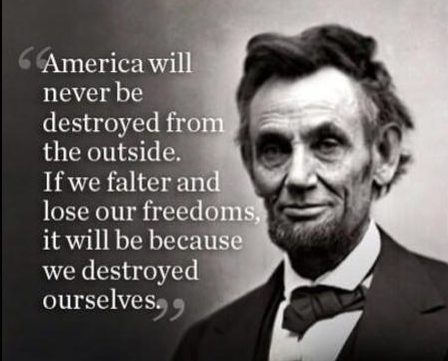
February 12 commemorates the birth of Abraham Lincoln, the 16th President of the United States, born in a log cabin in Hodgenville, Kentucky, on February 12, 1809. Lincoln is widely regarded as one of America’s greatest presidents for preserving the Union during the Civil War, issuing the Emancipation Proclamation (freeing enslaved people in Confederate states), and delivering iconic speeches like the Gettysburg Address.
The tradition of observing Lincoln’s birthday dates back shortly after his assassination in 1865. The first congressional commemoration occurred on February 12, 1866, with a memorial address by historian George Bancroft. Early efforts to establish it as a formal holiday included campaigns by Julius Francis, a Buffalo, New York shopkeeper, who organized public celebrations starting in the 1870s and lobbied Congress (though unsuccessfully for a federal holiday). By the early 20th century, it was observed in many states, often with parades, speeches, and readings of Lincoln’s writings.
In 1909, the centennial of Lincoln’s birth saw widespread celebrations, including the founding of the NAACP on that date to honor his legacy in advancing equality.
However, Lincoln’s Birthday has never been a federal holiday. In 1971, the Uniform Monday Holiday Act shifted Washington’s Birthday (February 22) to the third Monday in February for a long weekend, leading most states to combine observances into what is commonly (but unofficially) called Presidents’ Day. The federal holiday remains named Washington’s Birthday, though many people use the day to honor both Washington and Lincoln—or all presidents.
How It’s Celebrated Today
Observances are more commemorative than festive, focusing on Lincoln’s legacy of leadership, emancipation, and unity:
- Wreath-laying ceremonies — Annual events at key sites, such as:
- Abraham Lincoln Birthplace National Historical Park in Hodgenville, Kentucky (often with flag-raising or kid-friendly activities like building log cabins from popsicle sticks).
- The Lincoln Memorial in Washington, D.C. (organized by groups like the Lincoln Birthday National Commemorative Committee, including readings of the Gettysburg Address).
- Lincoln’s Tomb in Springfield, Illinois.
- Events at museums and historic sites — Free admission days, symposia, banquets, or programs (e.g., at the Abraham Lincoln Presidential Library and Museum in Springfield, IL, or local forest preserves with hands-on activities like quill pen writing or tasting Lincoln’s favorite foods).
- Educational and community activities — Schools in some areas hold readings, discussions, or reenactments; organizations host talks on his life and achievements.
- In states where it’s a holiday, government offices and courts may close, but it’s not a widespread day off like federal holidays.
Discover more from TomT2.0
Subscribe to get the latest posts sent to your email.
 TomT2.0