It’s sad that we do not feel safe in large cities.
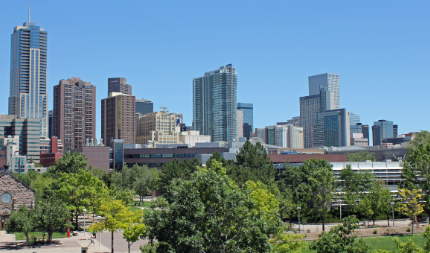
In the heart of bustling metropolises, where skyscrapers pierce the sky and the hum of life never ceases, a troubling sentiment has taken root: we no longer feel safe. Large cities, once celebrated as vibrant hubs of opportunity, culture, and connection, are increasingly shadowed by fear. This pervasive unease reflects deeper societal challenges that demand our attention and action.
The sense of insecurity in urban centers stems from multiple sources. Rising crime rates, often sensationalized by media, paint cities as battlegrounds. According to recent data, violent crime in major U.S. cities like Chicago and New York has seen upticks in specific areas, with robbery and assault rates climbing in 2024. Though overall crime trends vary, high-profile incidents—shootings, subway attacks, or public theft—dominate headlines, amplifying public anxiety. These stories linger, shaping perceptions that every corner holds danger, even when statistics suggest otherwise.
Beyond crime, the urban environment itself can feel hostile. Overcrowded streets, aggressive traffic, and the constant churn of strangers create a sense of anonymity that erodes trust. In smaller towns, familiarity breeds community; in cities, the sheer scale of human interaction can feel isolating. A 2023 survey by the Pew Research Center found that 60% of urban residents feel less connected to their neighbors than they did a decade ago. This disconnection fuels vulnerability—when no one knows your name, who will notice if something goes wrong?
Economic disparity also plays a role. Cities showcase stark contrasts between wealth and poverty, with homelessness surging in places like Los Angeles and San Francisco. Encountering visible desperation daily can unsettle residents, fostering guilt, fear, or resentment. For many, the sight of encampments or panhandlers becomes a reminder of societal failures, making public spaces feel unpredictable and unsafe.
Yet, this sadness over lost safety isn’t just about physical threats. It’s about the erosion of a social contract. Cities thrive when people trust the systems around them—police, transit, local government. But distrust in institutions is growing. Scandals, underfunded services, and polarized politics leave residents feeling unprotected. For instance, debates over policing—whether overfunded or underfunded—have left communities caught between calls for reform and demands for stronger enforcement, with no clear resolution.
So, what can be done? Rebuilding safety requires a multifaceted approach. Community policing, focused on trust rather than confrontation, has shown promise in cities like Camden, New Jersey, where violent crime dropped 20% after reforms. Investing in mental health services and housing can address root causes of crime and homelessness. Urban design also matters—well-lit streets, green spaces, and community centers can foster connection and deter crime. Most importantly, residents must engage with one another. Neighborhood initiatives, like block parties or mutual aid groups, can rebuild the social fabric that makes cities feel like home.
It’s heartbreaking that the very places designed for human connection now breed fear. Yet, cities remain humanity’s greatest experiment in coexistence. By addressing crime, inequality, and disconnection head-on, we can reclaim the safety and vibrancy that define urban life. The path forward lies in collective effort—because no city thrives when its people are afraid.
 TomT2.0