In the heart of Victorian London, where the fog cloaked the city in a perpetual gloom, Charles Dickens penned a story that would illuminate the spirit of Christmas for generations to come. Published on December 19, 1843, “A Christmas Carol” is not just a book; it’s a cultural phenomenon, a moral compass, and a heartwarming tale that reminds us of the true essence of the holiday season.
The Genesis of the Ghost Story
Charles Dickens, at the time of writing “A Christmas Carol,” was already an established author, yet he faced financial difficulties and sought to reignite his passion for writing. His observations of the stark contrast between the opulent and the impoverished in London fueled his narrative. Dickens intended “A Christmas Carol” as a critique of the industrial age’s harsh realities, particularly the plight of the poor and the indifference of the rich.
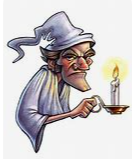
The story centers around Ebenezer Scrooge, a miserly old man whose heart is as cold as a winter’s night. Dickens masterfully uses the framework of a ghost story to explore themes of redemption, charity, and the joy of giving. The tale unfolds over Christmas Eve night, during which Scrooge is visited by the ghost of his former business partner, Jacob Marley, and the Spirits of Christmas Past, Present, and Yet to Come.
The Characters and Their Symbolism
- Ebenezer Scrooge: More than just a miser, Scrooge represents the potential for change in humanity. His transformation from a bitter recluse to a benevolent figure is the heart of the story.
- Jacob Marley: Marley’s ghost serves as a harbinger, warning Scrooge of the chains he will forge in life with his greed and lack of compassion.
- The Three Spirits: Each ghost shows Scrooge a different aspect of his life and the lives of others. The Ghost of Christmas Past revisits memories, revealing the joys lost to avarice. The Ghost of Christmas Present displays the current state of happiness and hardship, contrasting Scrooge’s isolation with others’ communal joy. The Ghost of Christmas Yet to Come presents a bleak future, motivating Scrooge to change his ways before it’s too late.
The Legacy of “A Christmas Carol”
“A Christmas Carol” did more than entertain; it influenced social reforms. Dickens’ vivid portrayal of poverty and his call for charity contributed to the establishment of the modern form of Christmas celebration, emphasizing kindness, generosity, and community.
The book’s publication was a commercial success, selling out its initial print run by Christmas Eve. Its enduring popularity has led to countless adaptations in theatre, film, radio, and television, each adding its own flavor to Dickens’ narrative but maintaining the core message of redemption and transformation.
Why “A Christmas Carol” Still Resonates
Today, “A Christmas Carol” continues to resonate due to its universal themes:
- Redemption: The idea that it’s never too late to change one’s ways offers hope to us all.
- Community and Compassion: In a world that often feels divided, the story reminds us of the strength found in community and the power of compassion.
- The Spirit of Giving: At a time when consumerism can overshadow the holiday, Dickens’ tale brings us back to the joy of selfless giving.
- Reflection and Growth: The journey through Scrooge’s past, present, and possible future is a metaphor for personal reflection and the growth that can come from understanding one’s impact on the world.
“A Christmas Carol” is not merely a seasonal read; it’s a yearly reminder of the values we should uphold every day. Whether through Dickens’ original prose, through the myriad adaptations, or in the quiet moments when we ponder our own lives, the story of Scrooge’s redemption persists as a beacon of hope, urging us to embrace the spirit of Christmas all year round.
Discover more from TomT2.0
Subscribe to get the latest posts sent to your email.
 TomT2.0