A quiet strangeness settled over my evenings, the kind that didn’t announce itself with drama but crept in like a half-remembered tune. All day long, the world behaved as expected—emails, errands, the soft hum of ordinary life. But as the sun dipped behind the mountains and the sky bruised into twilight, something curious began tapping at the edge of his awareness.
A clipping sound. Soft at first, like a hesitant guest knocking on a door.
Then steadier. Rhythmic. Mechanical.
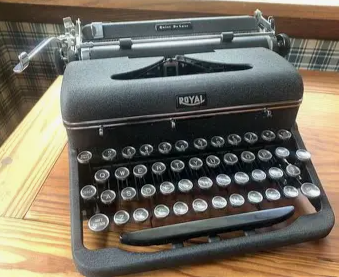
It reminded me of an old-fashioned typewriter, the kind my mother used to keep in her attic—heavy, stubborn, and full of stories. The sound nestled itself in my left ear, as though someone very small and very determined had set up a writing desk inside my head.
I tried ignoring it. I tried listening to music. I even tried speaking aloud, half-jokingly, “If you’re writing something in there, at least make it good.”
The typewriter clacked on, unfazed.
By bedtime, the sound had become a strange companion. Not painful, not frightening—just present. A tiny author working overtime. When I drifted into sleep, the tapping followed me into my dreams, stitching together scenes I couldn’t quite remember upon waking. And each time I stirred in the night, the typewriter was still at it, relentless and oddly comforting.
But every morning, without fail, silence.
Not the absence of sound, but the kind of silence that feels like someone has just left the room.
After a week of this, I began to wonder if the typewriter wasn’t a nuisance at all, but a message. Or a memory. Or maybe a story trying to be born. I always believed that creativity lived in liminal spaces—between waking and sleeping, between certainty and doubt. Maybe this was just another threshold.
One evening, as the first faint clacks began, I sat quietly and listened. Really listened. The rhythm wasn’t random. It had a cadence, a pattern, almost like words. I closed my eyes and let the sound guide me, imagining the tiny typist perched somewhere behind my eardrum, hammering out sentences with purpose.
A strange thought surfaced: What if it’s writing the things I’m not saying?
The idea lingered. I had been carrying a lot lately—questions about the past, the weight of choices, the quiet ache of paths not taken. Maybe the typewriter was simply giving shape to the unspoken.
That night, instead of trying to drown it out, I whispered, “Go on.”
The typing grew steadier, almost eager.
I fell asleep to the sound of it, and for the first time, my dreams felt clear. Not literal, not prophetic—just honest. When I woke in the morning, the familiar silence greeted me. But this time, it felt different. Not empty. Finished.
As if the tiny writer had completed its draft.
I sat up, feeling a surprising lightness. The typewriter was silent, yes—but something inside me felt newly written, freshly edited, subtly rearranged.
I didn’t know if the sound would return that evening. But I found myself hoping it might. After all, some stories don’t arrive fully formed. Some need to be typed out in the dark, one quiet clack at a time.
 TomT2.0