Audio PODCAST
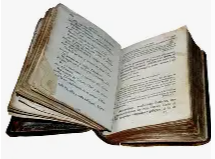
In the city of Denver, nestled between Broadway and Civic Center, the library stood as a relic of forgotten grandeur, its towering shelves lined with volumes that whispered secrets of the past. Its head librarian, Elsie, was a meticulous woman in her fifties, her life bound to the rhythm of cataloging and dusting tomes, a routine that provided her with both comfort and purpose. One autumn evening, while shelving returns from the book drop, she stumbled upon an unmarked book, its leather cover cracked but oddly warm to the touch, as if it held memories yearning to be revealed. Intrigued, Elsie opened it, her heart quickening as she found pages filled with meticulous accounts of the town’s founding in 1858—names, dates, and events she’d never encountered in any archive, tales of pioneers who braved the wild and laid the foundations of what would become a vibrant community. With each turn of the page, she felt a connection to the energy of those early settlers, their hopes and dreams echoing within the library’s quiet walls. She took it home, intending to study it, unaware that this discovery would lead her on a journey through time, sparking a series of events that would change her life forever.
That night, as the clock struck midnight, Elsie awoke to a faint scratching sound, an almost imperceptible disturbance that pulled her from the depths of her dreams. She rubbed the sleep from her eyes and, instinctively drawn to her desk, noticed the peculiar sight before her: the book, left open, was mysteriously rewriting itself. Words dissolved like ink in water, swirling into nothingness before being replaced by new sentences that glowed briefly, holding her gaze captive, before settling into permanence with an eerie finality. The next morning, the book detailed a scandal from 1860 that had long been shrouded in shadows: the town’s revered founder, Ezekiel Holt, had brazenly swindled vast tracts of land from indigenous families, a shocking truth carefully buried by Denver’s prideful historians who preferred to embellish his legacy rather than confront his dishonorable actions. As Elsie’s pulse quickened with a mix of excitement and trepidation, she was compelled to cross-reference the library’s records—only to find that nothing corroborated the book’s account. Despite the absence of credible evidence, the specificity of names and deeds, so vivid and compelling in its recounting, felt undeniable, igniting a burning curiosity in her to uncover the truth behind this hidden history and the implications it held for her community.
Each night, the book unveiled another secret, drawing Elsie deeper into the tangled web of her city’s dark history. On Tuesday, it exposed a 1920s mayor who’d poisoned the Platte River to drive out a rival’s mill, causing a decade of sickness that devastated families and shattered lives in the community. On Wednesday, it recounted a 1960s librarian—Elsie’s mentor—who’d burned journals to hide her affair with a councilman, a scandal that whispered through the aisles of the library and tarnished reputations. The revelations grew more personal, cutting into Elsie’s sense of identity and forcing her to question everything she thought she knew about her heritage. Each secret revealed was a piece of the puzzle, shifting her perception of the past, and soon Denver, her lifelong home, felt less like a sanctuary and more like a tapestry of lies woven with threads of betrayal, complicity, and lost truths.
Word spread when Elsie, unable to contain her unease, confided in a friend, whose shocked expression only fueled the fire of gossip in. Soon, townsfolk gathered nightly at the library, an air of both apprehension and curiosity driving them, as they demanded to read the book’s latest truths, hungry for the secrets it held about their community’s past. Reactions varied dramatically: some, like old Mr. Tate, whose grandfather was implicated in a 1901 lynching, wept in shame, the weight of history crashing down upon him like a tidal wave. Others, like Mayor Ellis, dismissed the book as cursed, urging Elsie to destroy it, convinced that its pages harbored nothing but ruin. But Elsie, steadfast in her beliefs, refused to comply—she felt the book was a reckoning, a mirror held up to their collective conscience, forcing Denver to confront its shadows, to reckon with the past that echoed in every corner of their lives, and to strive for a more honest future, no matter how uncomfortable it might be.
As weeks passed, the book’s revelations grew darker, hinting at a ritual buried deep in the town’s founding, intricately tied to the ancient trees that never seemed to age, their gnarled roots weaving through the very fabric of the community. Elsie became acutely aware of the unsettling patterns that emerged: the book’s profound truths often led to hushed confessions or unexplained departures that sent ripples through the town’s population. The once tight-knit community fractured—neighbors turned suspicious, glancing over their shoulders at one another, and old friendships crumbled under the weight of secrets kept close to the heart. Still, Elsie persisted, driven by an insatiable need to understand the book’s origin and its enigmatic connections to the present. She meticulously traced its binding to a leatherworker’s mark from 1858, the very year when Denver began its tumultuous journey, a pivotal moment that seemed to linger in the town’s collective memory. The book wasn’t just recording history—it was tethered to the town’s soul, a living artifact that breathed life into forgotten stories, all while demanding recognition of the shadows that loomed over its rich past.
One night, the book wrote of Elsie herself: her silence when she’d witnessed a childhood friend’s abuse, a guilt she’d buried deeply within her heart, wrestling with the weight of that unspoken truth for years. Devastated, she realized the book demanded truth from everyone, even her, holding up a mirror that reflected her own inaction and shame. As dawn broke, illuminating the room with a soft golden light, she faced a choice that felt insurmountable: to burn the book and sacrifice the fragile peace of Denver, a place she’d called home, or to let its revelations set loose a tide that could either rewrite the town into ruin or lead to unexpected redemption. The answer lay in the next night’s words, if she dared to read them, knowing that with each page turned, she would be confronted not just with the fate of her town, but with the very essence of her own soul and the courage it would take to confront her past.
Discover more from TomT2.0
Subscribe to get the latest posts sent to your email.
 TomT2.0
Wish I could listen to it in audio format
LikeLike
I wish it was more like an audio
LikeLike